
Description
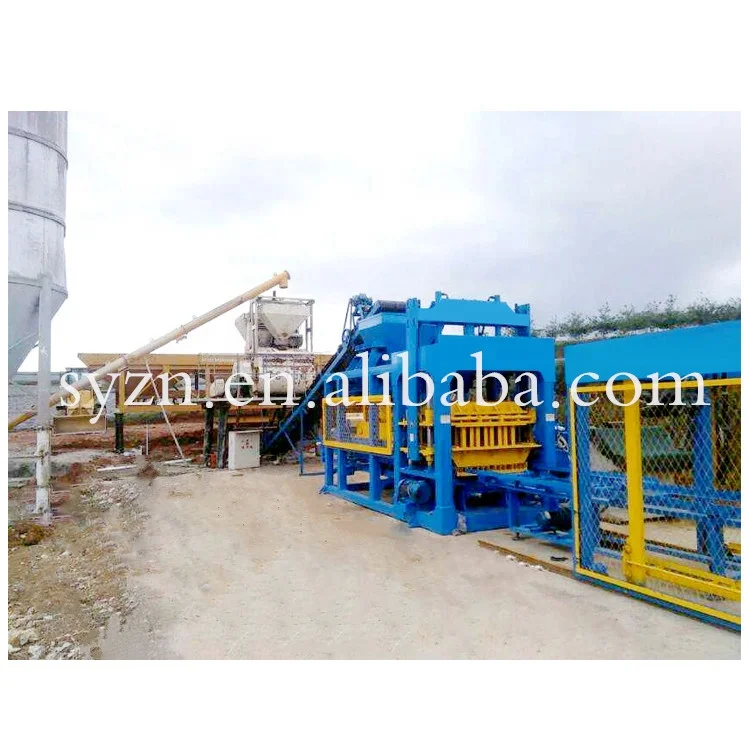
Stocked Configuration Locked — QT8-15 pallet, hydraulic and PLC units matched and staged as one dispatch package, not sourced separately after the press ships.
Technical Specifications
| Parameter | Value |
|---|---|
| Model | QT8-15 |
| Product Type | Automatic Hydraulic Concrete Block Making Machine |
| Overall Dimensions (L×W×H) | 8300×1860×3000 mm |
| Total Weight | 8 T |
| Vibration Force | 55 kN |
| Total Power | 37.2 kW |
| Mixer Model | JS750 |
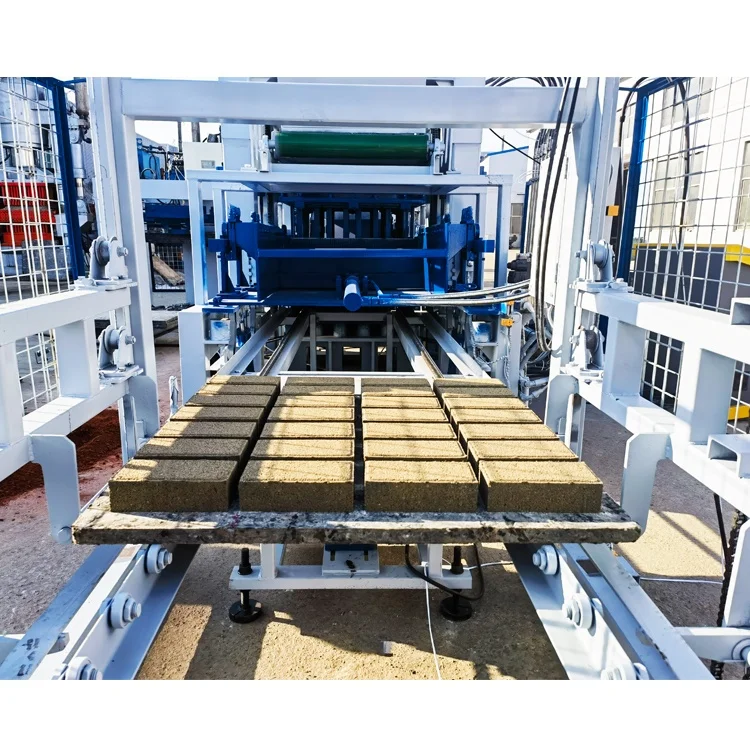
| Pallet Size | 1020×900 mm |
| Control System | PLC |
| Molding Cycle | 15-20s (basis not stated in source — confirm block format / material / thickness) |
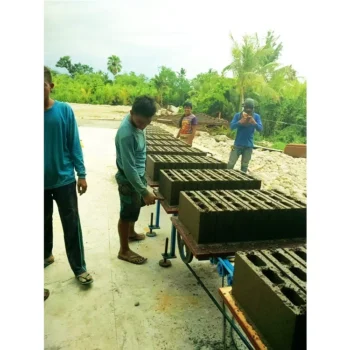
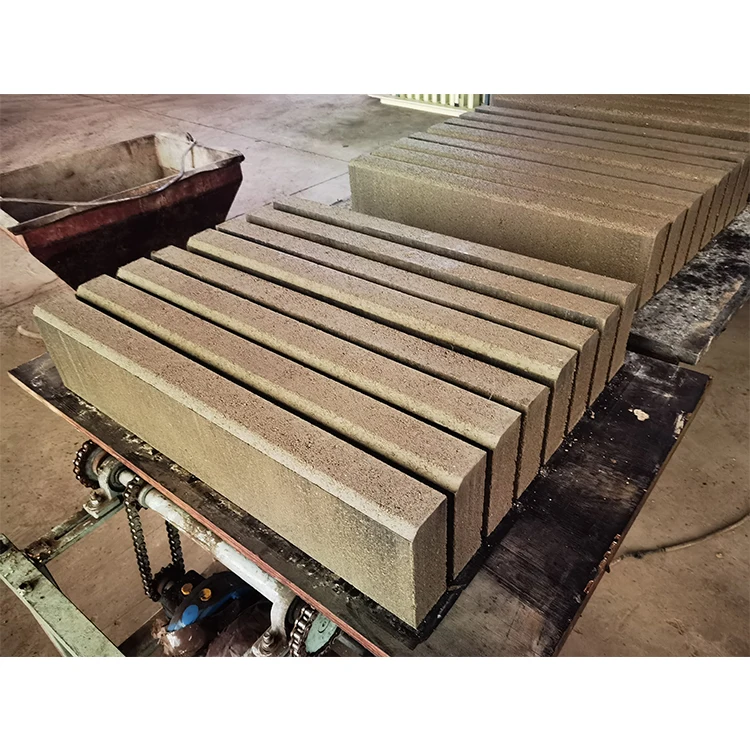
| Applied Products | Paver, solid block, hollow block, curbstone |
| Raw Materials | Crushed stones, sand, cement, dust, fly ash |
| Voltage & Frequency | Configurable per destination grid (confirm with buyer) |
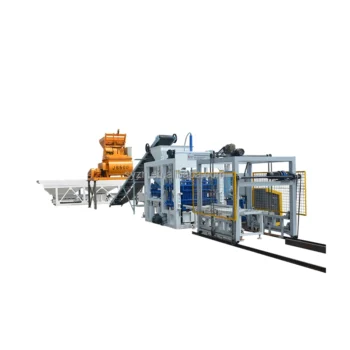
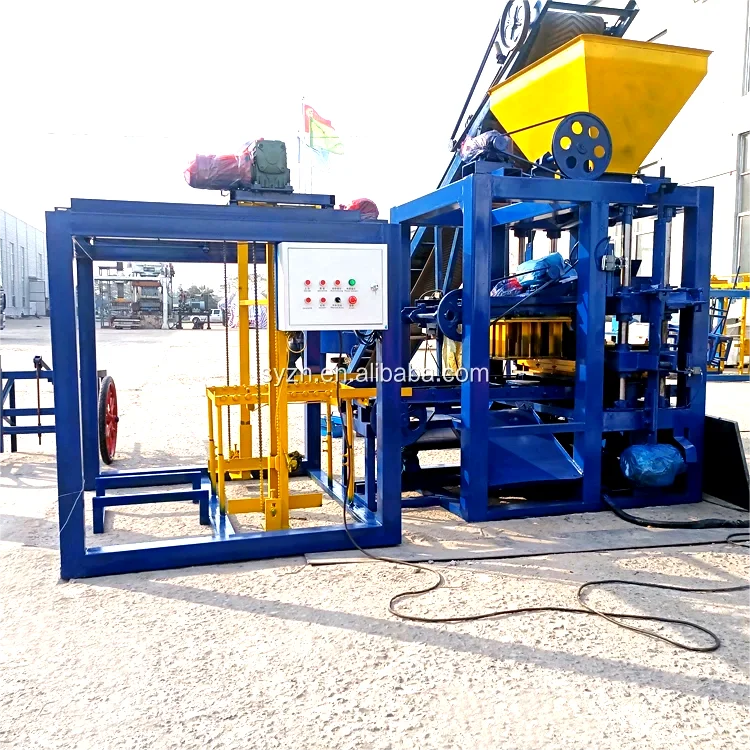
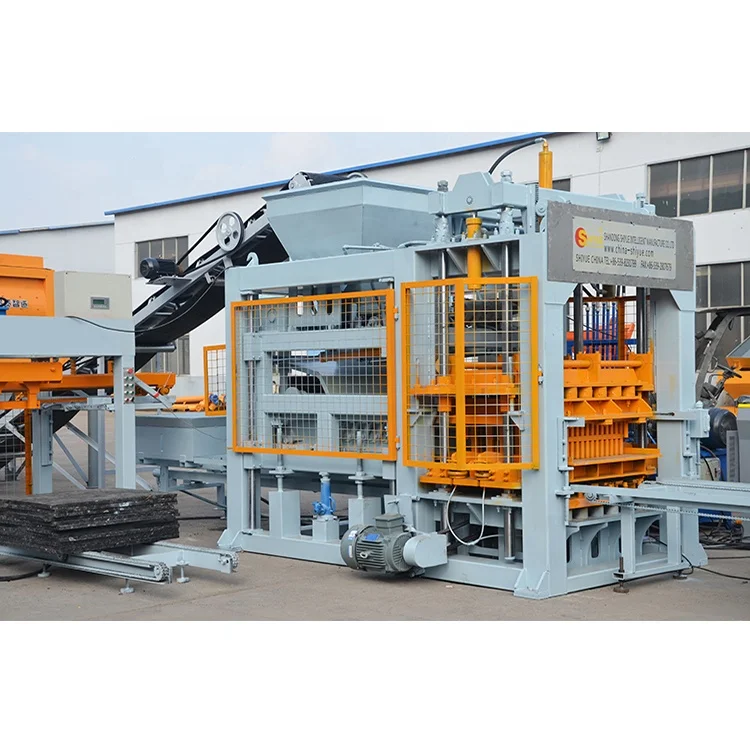
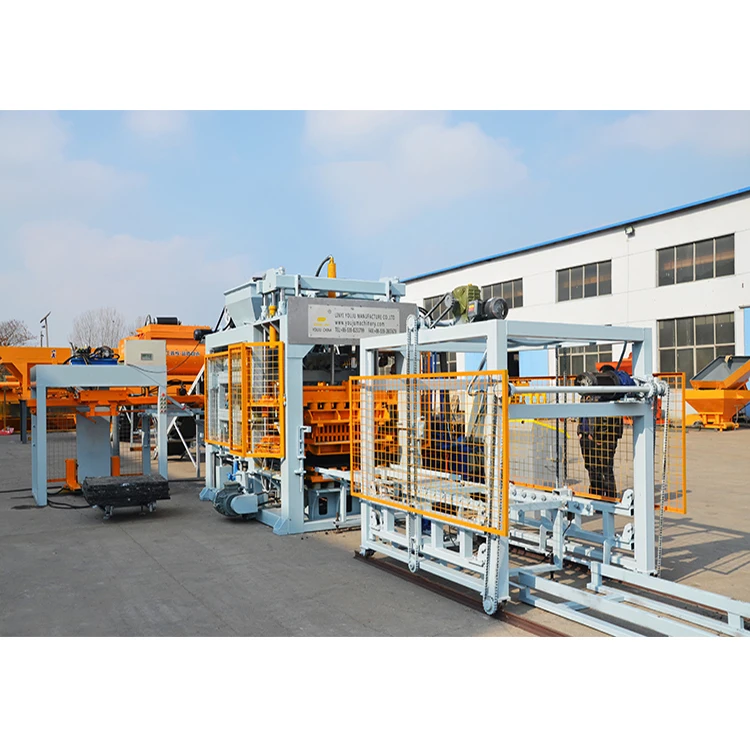
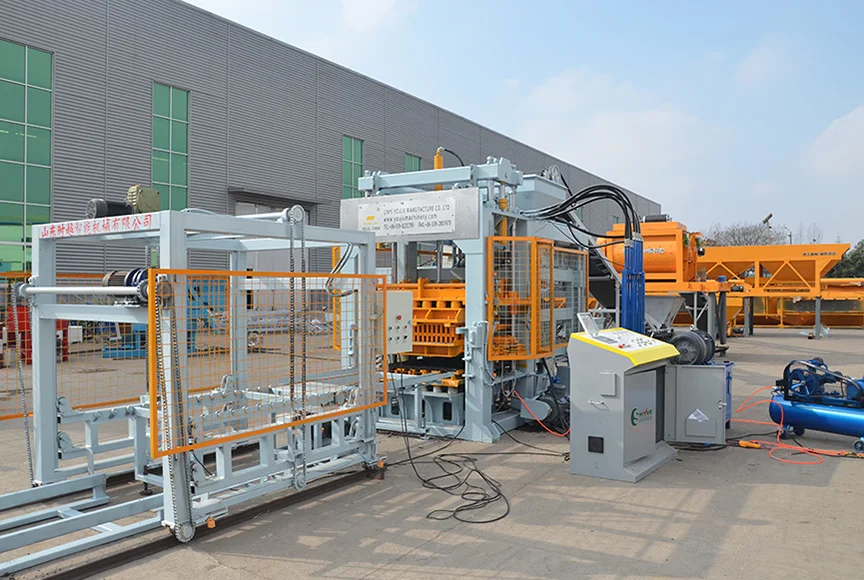
| Included Equipment | Press, hydraulic station, PLC unit, mould, material feeder, pallet feeder, conveyor, sweeper, spares |
Application Suitability
| Application | Material or Output |
|---|---|
| Paving block production | Crushed stone, sand, cement blends for interlocking and color-face pavers |
| Hollow and solid block manufacturing | Local aggregate and fly ash mixes for structural and partition walls |
| Curbstone production | High-density concrete mixes for municipal road and kerb projects |
| Fixed-plant concrete products | Site-sourced raw materials matched to regional availability |
Why the Voltage Question Must Precede the Dispatch Date
Confirming the destination grid frequency and PLC language before the container is booked prevents a multi-week standstill on site.
When a fully automatic block press arrives with a control cabinet wired for the wrong voltage, the result is not a minor adjustment — it is a complete halt. The hydraulic station will not start, the PLC throws a fault, and the project schedule begins to slip while transformers or rewiring are arranged locally. [NEED_CITE: voltage and frequency standards by export market]. Buyers who lock these details during the quotation stage avoid discovering the mismatch at the destination port.
Container Loading Readiness and Dispatch Clarity
This QT8-15 block machine fast delivery page exists because project timelines do not wait for production queues. The press, hydraulic station, JS750 mixer, pallet feeder and standard moulds are staged as a single shipment package, meaning the container booking follows a confirmed packing list rather than an open-ended build schedule. Buyers receive a dispatch lead time and an estimated arrival window before the purchase order is signed.
What Arrives in One Container
A complete QT8-15 line includes the main press, hydraulic station, PLC control cabinet, material feeder, pallet feeder, block conveyor, sweeper and the spare parts kit. Each item is itemised on the packing list with photographs taken before container sealing. This prevents the common situation where auxiliary components are left behind and must ship in a separate consignment weeks later. [NEED_CITE: standard container loading procedures for heavy industrial machinery].
Molding Cycle Context for Real Output Planning
The published 15-20 second molding cycle is measured under specific conditions that vary with block format, mix moisture and vibration amplitude. A hollow block with thin walls cycles differently than a dense curbstone requiring extended vibration. Buyers should request the cycle time quoted against their exact block drawing and local aggregate so that daily output projections reflect the product they will actually produce, not a laboratory optimum.
Pallet Size and Curing Yard Alignment
The 1020×900 mm pallet governs how many blocks cure per rack row, which forklift can handle the loaded rack, and how the curing yard must be laid out. Confirming this dimension before shipment ensures the buyer’s existing handling equipment and yard space are compatible. A mismatch discovered after arrival forces either a pallet re-order or a yard reconfiguration, both of which delay production ramp-up.
Hydraulic Pressure, Vibration and Block Density
Block strength is not determined by the press alone — it results from the interaction between hydraulic clamping force, vibration amplitude and the specific mix design. The 55 kN vibration force on this QT8-15 must be paired with the correct hydraulic pressure setting for the buyer’s aggregate gradation and cement ratio. Incorrect pairing produces blocks that pass visual inspection but fail compressive strength tests. The 37.2 kW total power rating supports simultaneous hydraulic and vibration loads without voltage sag during peak draw. [NEED_CITE: relationship between vibration force and concrete compressive strength].
Hidden Costs of Skipping Pre-Shipment Voltage Confirmation
Arriving at a job site with a control cabinet that does not match local grid specifications means either sourcing a step-up transformer locally — adding weeks and uncertain quality — or flying in an electrician to rewire the panel. Both paths consume the time buffer the buyer was counting on. Voltage confirmation belongs in the pre-production checklist, treated with the same weight as mould selection and pallet quantity. [NEED_CITE: electrical compliance requirements for imported industrial equipment].
Procurement Advantages for Deadline-Driven Buyers
Block machinery as a single focus means the QT8-15 press, moulds, pallets and handling equipment are specified as one matched system, reducing the coordination burden across multiple suppliers. Dispatch lead time is quoted with a specific container loading date, not an open-ended production estimate. Pre-shipment photographs document machine dismantling, crate condition and container stuffing for logistics accountability. Customs documentation including HS code, certificate of origin and CE declaration are prepared before vessel booking. Automation level can be adjusted in future orders, allowing a buyer to scale without replacing the entire line.
Documentation & Verification
- Factory test record on buyer’s specified block format and target pallet size before dispatch
- Packing photographs showing dismantled press, pallet bundle and container stuffing sequence
- Voltage and PLC display language confirmation sheet signed before production begins
- Mould drawing and format list for every block type included in the shipment
- CE declaration package prepared alongside vessel booking documentation
Installation, Commissioning & Support
- Foundation plan matching 8300×1860 mm footprint and 8 T static load for site preparation
- Dedicated circuit sized for 37.2 kW total draw with correct voltage and frequency verified at panel
- On-site assembly from dismantled shipping state with hydraulic and electrical reconnection
- PLC parameter tuning against buyer’s local aggregate and target block compressive strength
- Operator training covering mould change sequence and daily vibration system inspection
- Spare parts kit covering initial hydraulic seals and vibration wear items for first production months
Inquiry Details That Accelerate Dispatch
Share the block formats your market requires and the local aggregate available — crushed stone gradation, sand type, fly ash source — so the mould package and mix parameters are matched before the order is finalised. Confirm destination port and required voltage and frequency so the PLC cabinet and motor wiring are correct from the first power-on. State the project deadline so the dispatch estimate can be quoted against a known calendar date.
Frequently Asked Questions
Q: Is this QT8-15 physically in stock or built to order, and what is the exact dispatch date?
A: Stocked units and standard moulds are held for quick dispatch. Built-to-order configurations carry a production lead time quoted before the order is confirmed. Either way, the container loading date is fixed in writing before payment, giving buyers a reliable schedule for vessel booking and port-side receiving arrangements.
Q: How many days from order confirmation to container loading, and what is the estimated arrival?
A: Dispatch lead time depends on whether the requested mould formats and voltage configuration are pre-staged or require adjustment. Once confirmed, the loading date is communicated along with a transit estimate to the destination port, allowing the buyer to coordinate customs clearance and site preparation without guesswork.
Q: Which standard moulds are in stock, and what is the lead time for a custom format?
A: Standard hollow block, solid block, paver and curbstone moulds matching the 1020×900 mm pallet are typically available for immediate inclusion. Custom mould formats require a design confirmation cycle and are quoted with their own lead time, which may extend beyond the base machine dispatch window.
Q: Are voltage and PLC display language confirmed before shipment, or adjusted on arrival?
A: Both are locked during the pre-production confirmation stage. The control cabinet is wired to the buyer’s specified voltage and frequency, and the PLC interface language is set before the panel leaves the factory, eliminating on-site rewiring or software changes after arrival.
Q: What is included in the container with the press?
A: The shipment contains the QT8-15 main press, hydraulic station, PLC control unit, material feeder, pallet feeder, block conveyor, sweeper, one set of selected moulds and a spare parts kit. Every item is listed on the packing document with pre-loading photographs provided.