Description
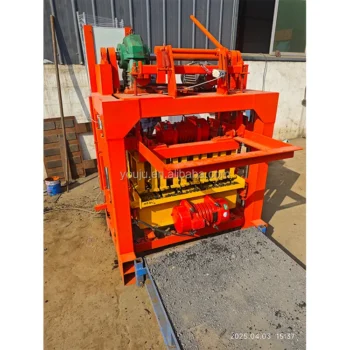
Dispatch-Ready Block Press — QTF3-20 semi-automatic machines held in stock for container loading, with voltage, frequency and pallet size locked before the crate closes.
Technical Specifications
| Parameter | Value |
|---|---|
| Model | QTF3-20 |
| Product Type | Semi-automatic Stationary Concrete Block Making Machine |
| Assembly State | Stationary |
| Automation Level | Semi-automatic |
| Mould Formats Included | 200×100×60 mm paving block, 400×200×200 mm hollow block, 225×112.5×60 mm interlocking block |
| Output — Paving Block | 2,700 pcs/h based on 200×100×60 mm format, 15 pcs/mould |
| Output — Hollow Block | 540 pcs/h based on 400×200×200 mm format, 3 pcs/mould |
| Output — Interlocking Block | 1,440 pcs/h based on 225×112.5×60 mm format, 8 pcs/mould |
| Hydraulic Pressure | Available on request (basis to be confirmed) |
| Vibration Force | Available on request (basis to be confirmed) |
| Pallet Size | Configured to buyer’s curing area and forklift (basis to be confirmed) |
| Cycle Time per Format | Confirmed per block format and mix design at quotation stage |
| Voltage & Frequency | Customizable to buyer’s local standard before shipment |
| Control System | Configured per buyer specification |
| Warranty | 1 year (excluding wearing parts) |
Application Suitability
| Application | Material or Output |
|---|---|
| Small to medium block plant start-up | Paving blocks, hollow blocks and interlocking blocks from locally sourced aggregate and cement |
| On-site contractor production | Concrete blocks for housing and infrastructure projects with fixed deadlines |
| Distributor container dispatch | Standard model with quick container loading for import market inventory |
| Curbstone and paver manufacturing | Interlocking and paving formats from crushed stone, sand and cement mixes |
What "Fast Delivery" Means When the Voltage Is Wrong
A stocked semi-automatic block machine in stock at the port still sits idle if the control cabinet does not match the site supply.
I have watched a container arrive on schedule only for the electrician to discover the motor was wound for 380 V while the site transformer delivered 415 V. The QTF3-20 semi-automatic block machine in stock can ship within days, yet a voltage mismatch turns a fast dispatch into a multi-week delay while a step-down transformer is sourced locally. That is why every QTF3-20 order goes through a voltage, frequency and plug-standard checklist before the cabinet is wired [NEED_CITE: voltage and frequency standards by export market]. Dispatch lead time only matters when the machine runs on day one.
Container Loading and Dispatch Timeline
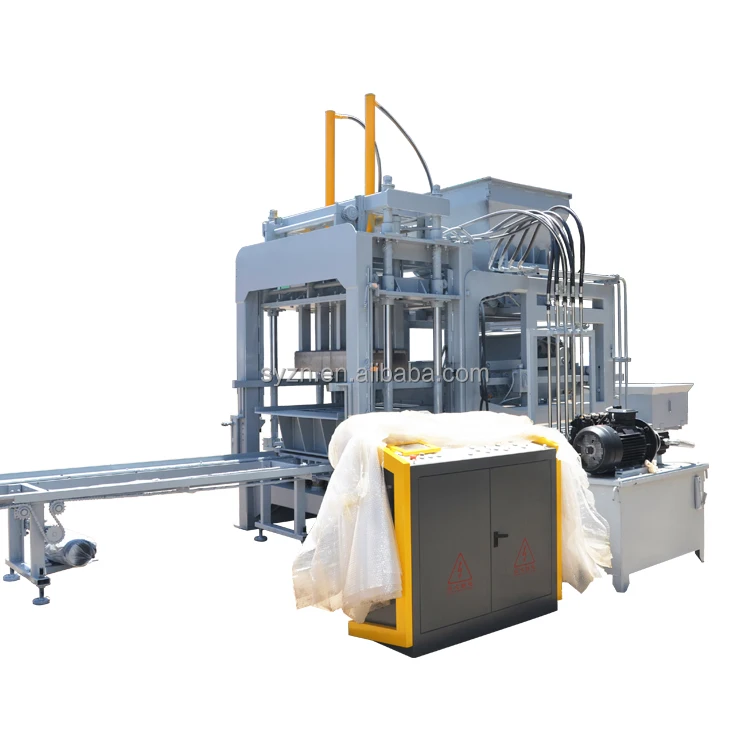
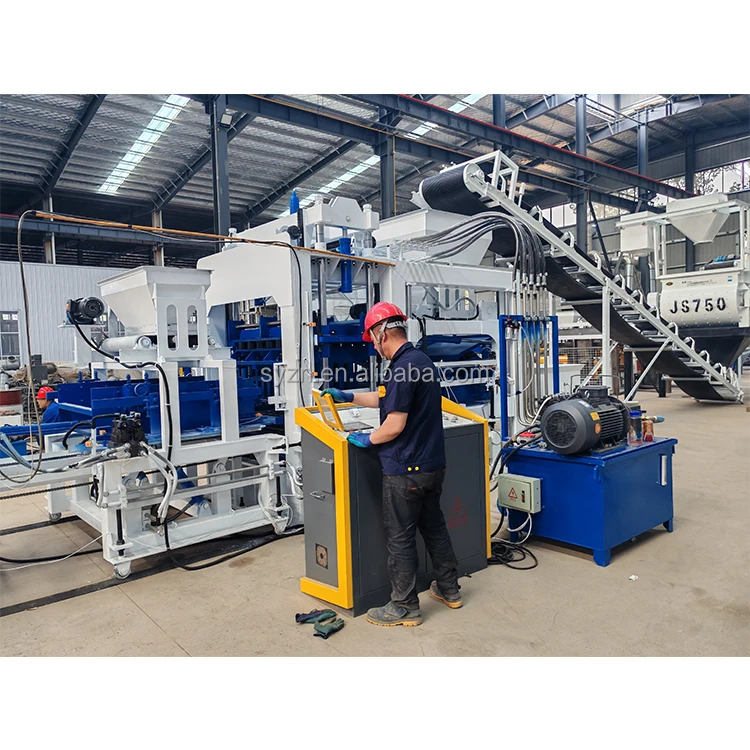
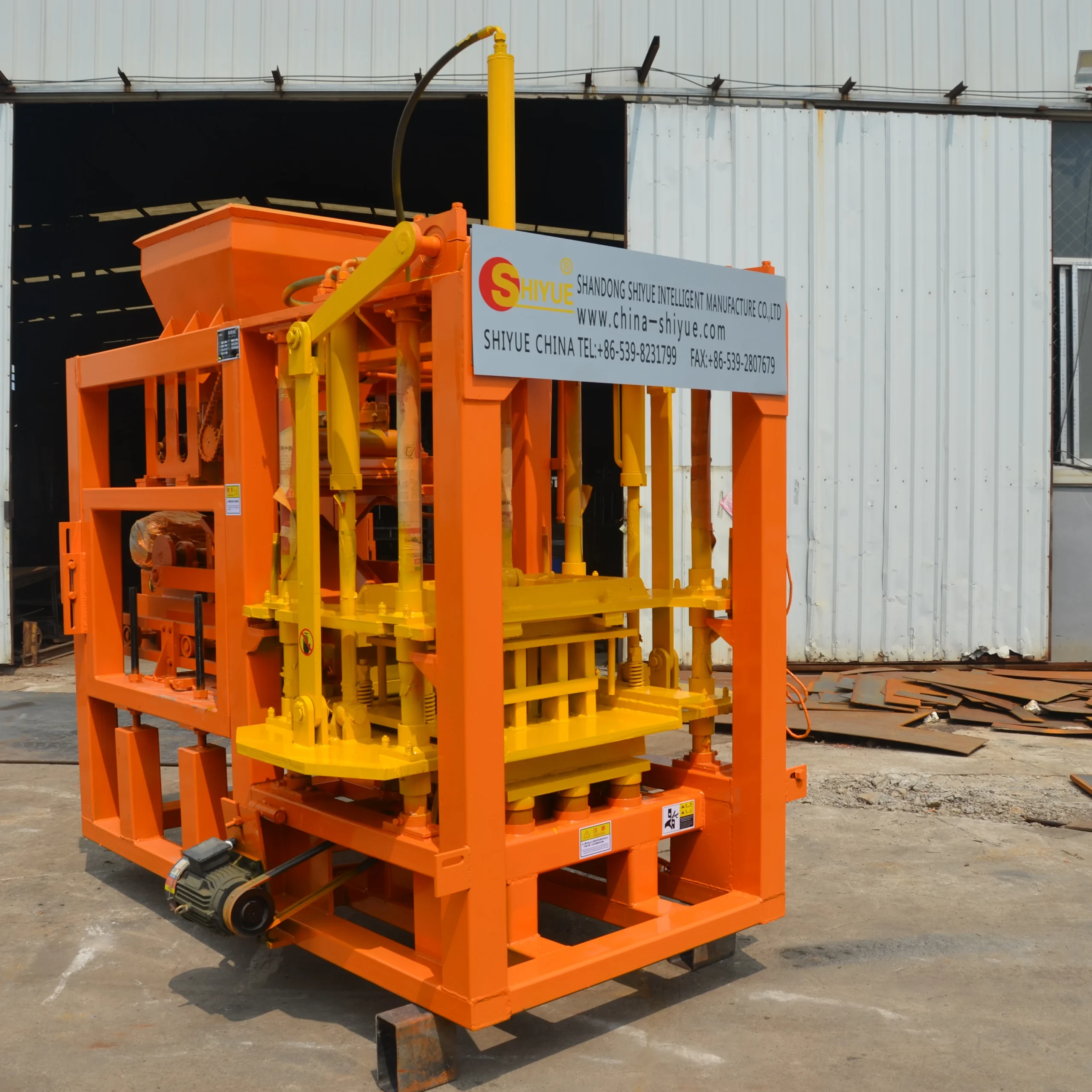
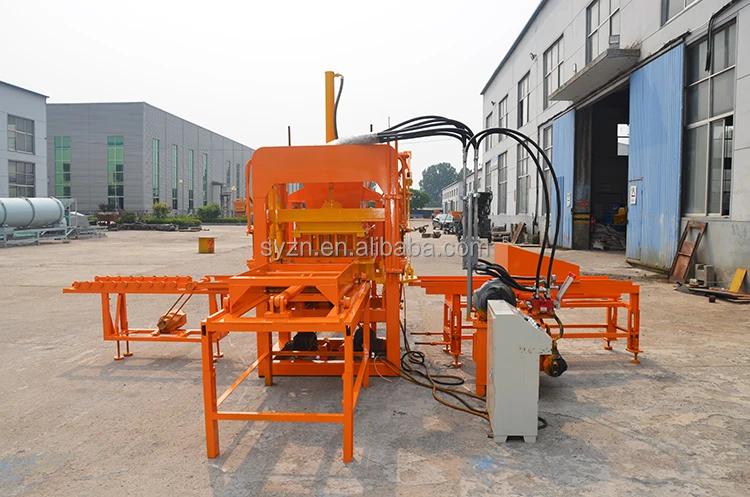
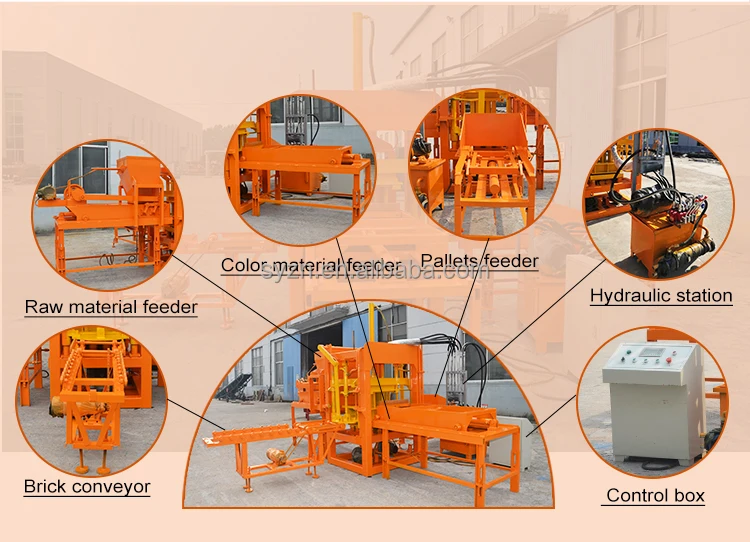
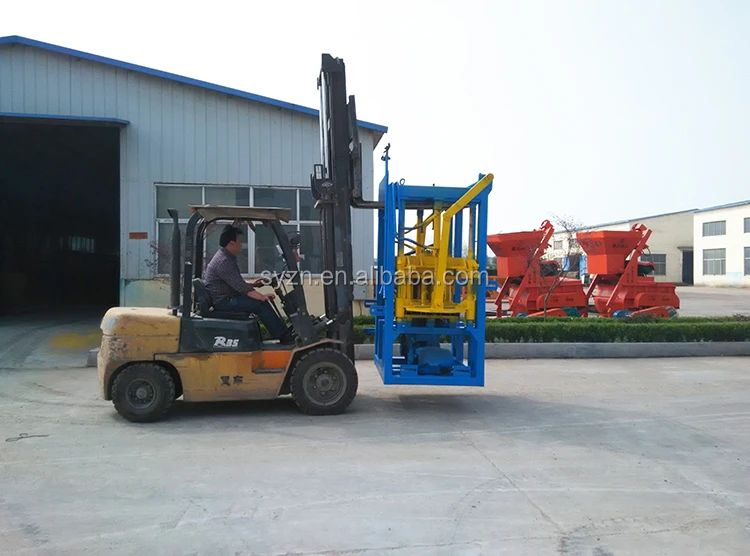
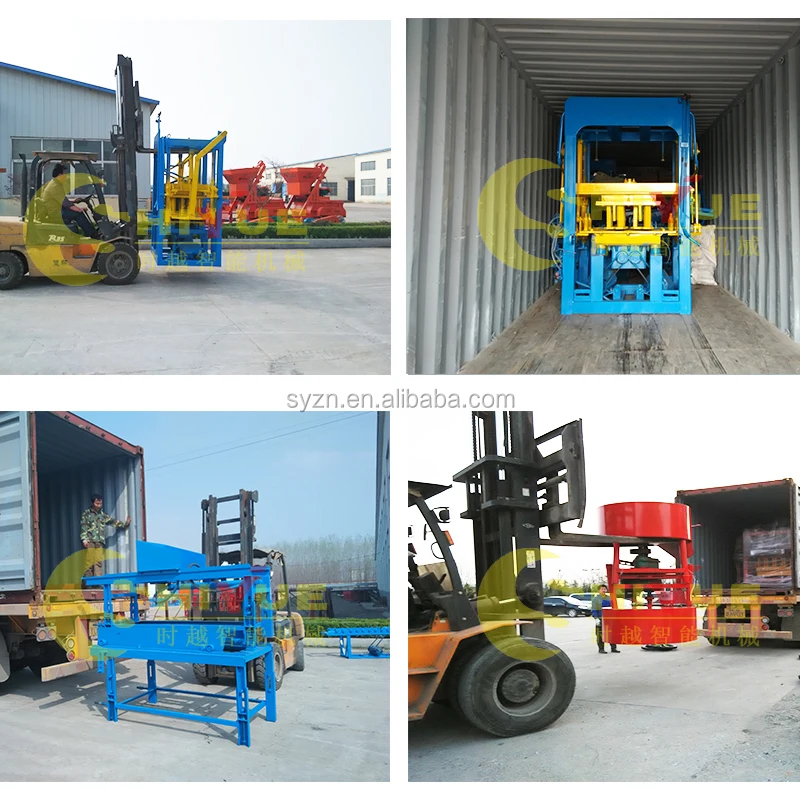
The QTF3-20 semi-automatic block machine in stock is dismantled into press frame, hydraulic station, control cabinet and mould set for container loading. Each component is bolted down and photographed before the container doors close, so the buyer sees exactly what arrives at destination. Dispatch lead time and the container loading plan are confirmed at the quotation stage, removing guesswork from the project schedule.
Arrival Estimate and Customs Documentation
Buyers working against a project deadline need more than a ship date — they need an arrival estimate at the destination port. We quote the estimated sailing time and port-to-port transit alongside the dispatch date, and include customs documentation support matched to the importing country’s clearance requirements [NEED_CITE: customs documentation requirements for industrial machinery imports]. The QTF3-20 arrives with the paperwork in place so the machine clears customs without holding up the site programme.
Reading the Output Figures Honestly
The capacity figures for the QTF3-20 are stated per block format: 2,700 pieces per hour for 200×100×60 mm paving blocks at 15 pieces per mould, 540 pieces per hour for 400×200×200 mm hollow blocks at 3 pieces per mould, and 1,440 pieces per hour for 225×112.5×60 mm interlocking blocks at 8 pieces per mould. These numbers assume a specific mould, cycle and mix — they are not a blanket hourly rating. Hydraulic pressure and vibration force determine how densely the local aggregate packs into each cavity, and a mix that works on paper may need adjustment once the first test blocks come off the press. Pallet size must match the curing racks and forklift the buyer already operates on site, not a catalogue default that forces new handling equipment.
The Cost of Skipping Pre-Dispatch Checks
When voltage, frequency and PLC display language are left unconfirmed, the machine arrives as a large metal puzzle. A control panel written in a language the operator cannot read adds training days before production begins. Pallets sized without checking the curing area mean blocks are stacked by hand, defeating the semi-automatic investment. These are not machine faults — they are ordering gaps that surface only after the container is opened [NEED_CITE: common commissioning delays in exported concrete machinery].
Why Source This Machine Here
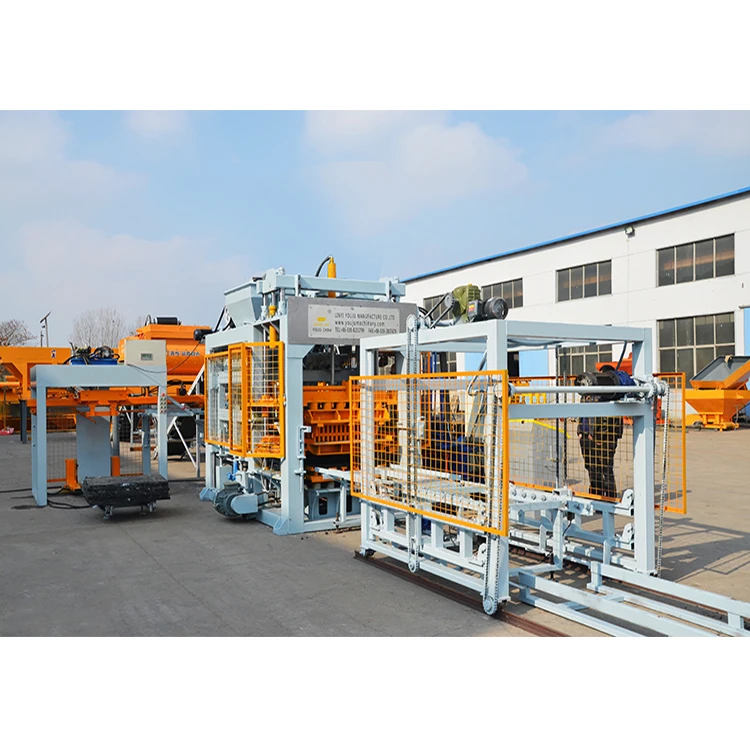
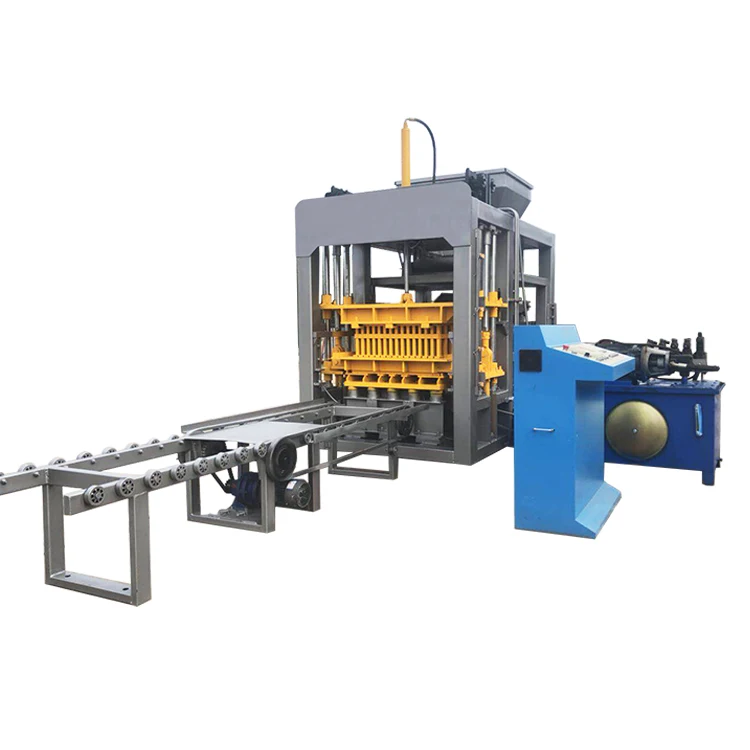
Block machinery is the single focus of the production line, so the press, moulds, pallets and handling equipment are specified as one matched system rather than assembled from separate suppliers. The QTF3-20 is configured against the buyer’s actual mix design, local aggregate and target block format instead of a catalogue default. Standard moulds for paving, hollow and interlocking formats ship with the machine, and custom mould drawings are available for formats the local market demands. Dispatch lead time and arrival estimates are quoted upfront, not discovered after payment. Installation and commissioning support with operator training follows the machine to the site.
Documentation & Verification
- Line layout and capacity calculation stating the block format assumed for the QTF3-20
- Machine specification sheet with confirmed voltage, frequency and control language
- Mould drawing and format list for paving, hollow and interlocking blocks
- Pallet specification matched to buyer’s curing area and forklift
- Factory test record on the buyer’s target block format before dispatch
- Packing photographs showing container loading and component securing
Installation, Commissioning & Support
- Foundation slab sized to QTF3-20 stationary frame footprint and vibration load
- Dedicated power circuit matching the confirmed motor voltage and frequency
- Machine reassembly from dismantled container state with bolted component checklist
- First-run test blocks produced in the buyer’s target format and mix design
- Operator training covering mould change procedure and daily maintenance points
- Wearing parts and mould list supplied for first replacement planning
What to Share with Your Inquiry
To confirm dispatch timing and container availability for the QTF3-20, share the block format you sell most, the daily volume your site requires, and your local voltage and frequency standard. Include the pallet size your curing area currently uses so the machine ships with matching pallets. If you are working to a fixed project deadline, tell us the latest date the machine must be producing on site.
Frequently Asked Questions
Q: What is the dispatch lead time for the QTF3-20 from order to port?
A: Stocked QTF3-20 units are prepared for container loading once voltage, frequency, pallet size and control language are confirmed with the buyer. The dispatch lead time and container loading plan are quoted at the order stage so the buyer can align the shipping schedule with the project timeline.
Q: Is the QTF3-20 stocked or built to order, and can I get an arrival estimate?
A: The QTF3-20 semi-automatic block machine in stock is held for fast dispatch. We quote the estimated sailing time and destination port arrival alongside the dispatch date, giving buyers a clear timeline from factory gate to site delivery.
Q: How is the QTF3-20 dismantled and loaded into a container for shipment?
A: The machine is dismantled into press frame, hydraulic station, control cabinet and mould set. Each component is secured inside the container and photographed before dispatch, so the buyer can verify the loading condition before the container is sealed.
Q: What voltage and frequency options are available for my market?
A: The QTF3-20 motor and control cabinet are configured to the buyer’s local electrical standard before production. Voltage, frequency and plug type are confirmed during the ordering process to prevent commissioning delays on arrival.
Q: What wearing parts and moulds should I order with the machine?
A: We supply a wearing parts and mould list specific to the QTF3-20 so buyers can order first replacements with the machine. This avoids production stoppages while waiting for parts to ship from the factory after initial wear occurs.