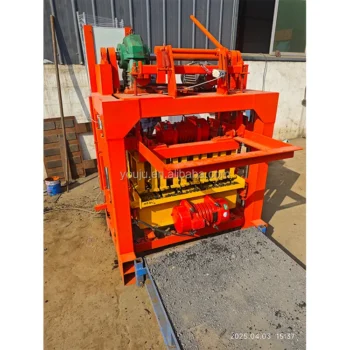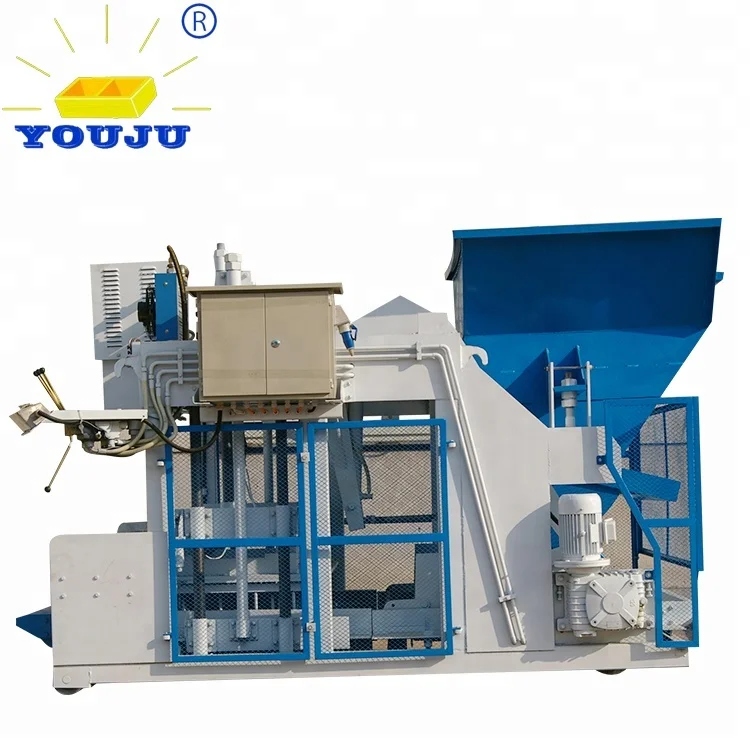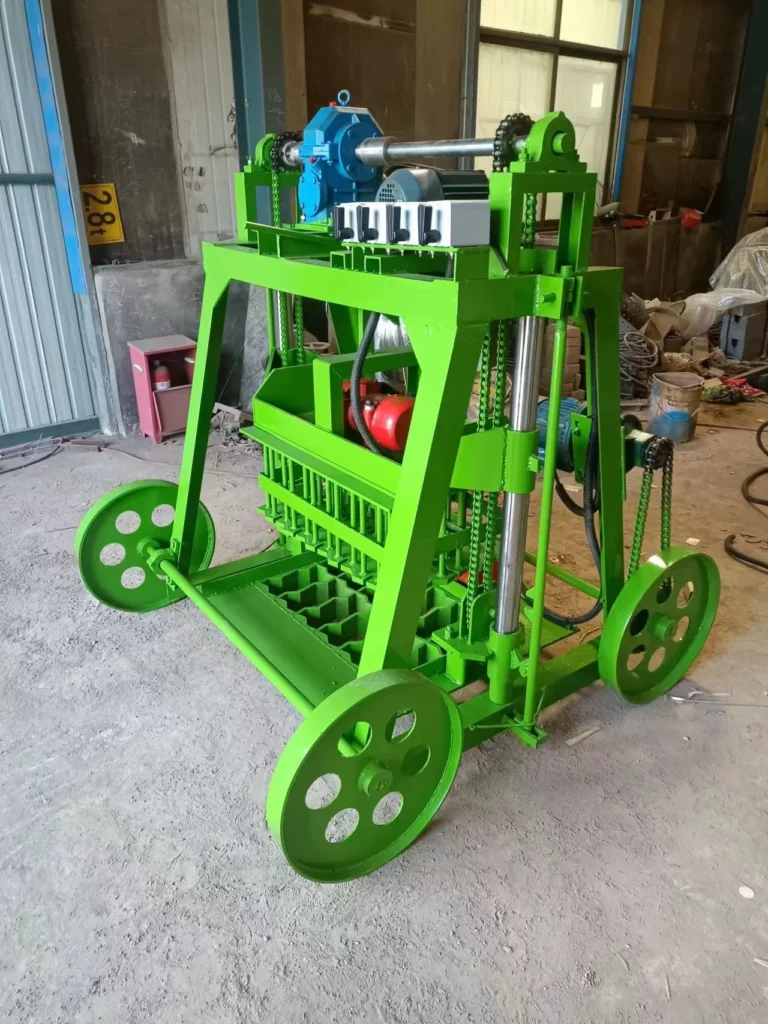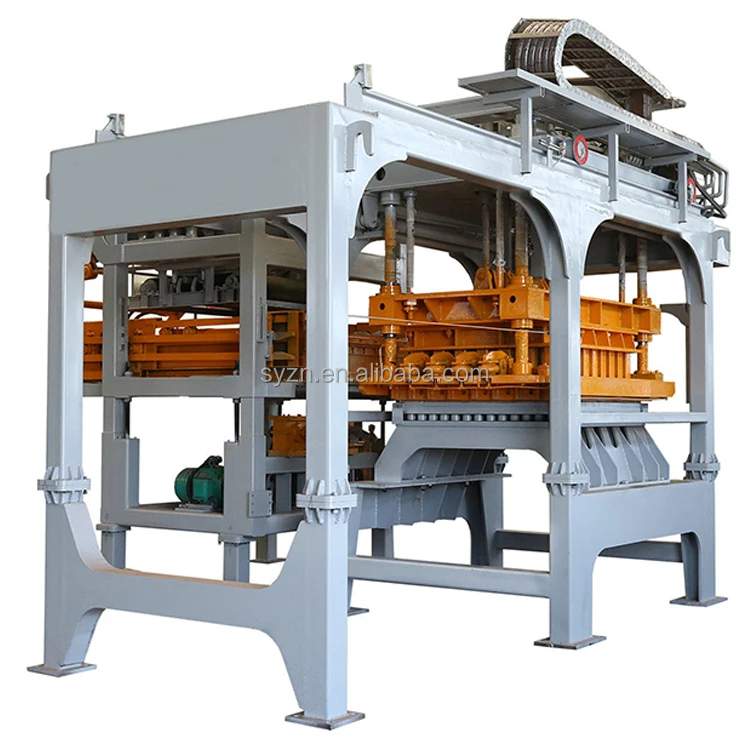

Description
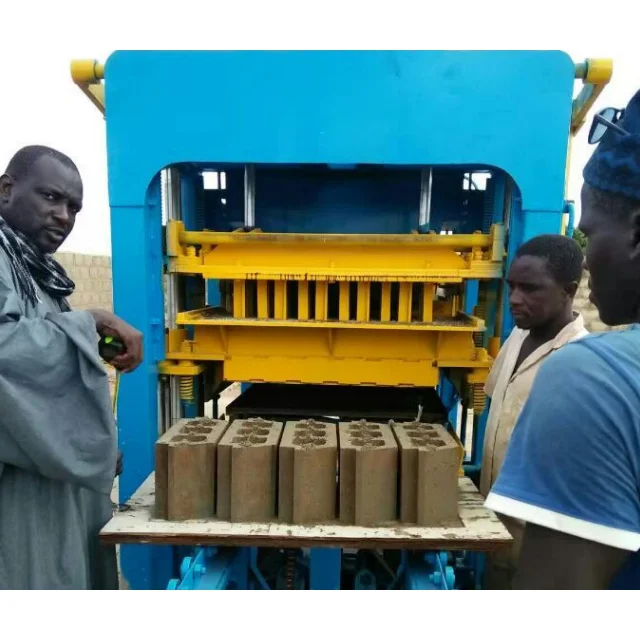
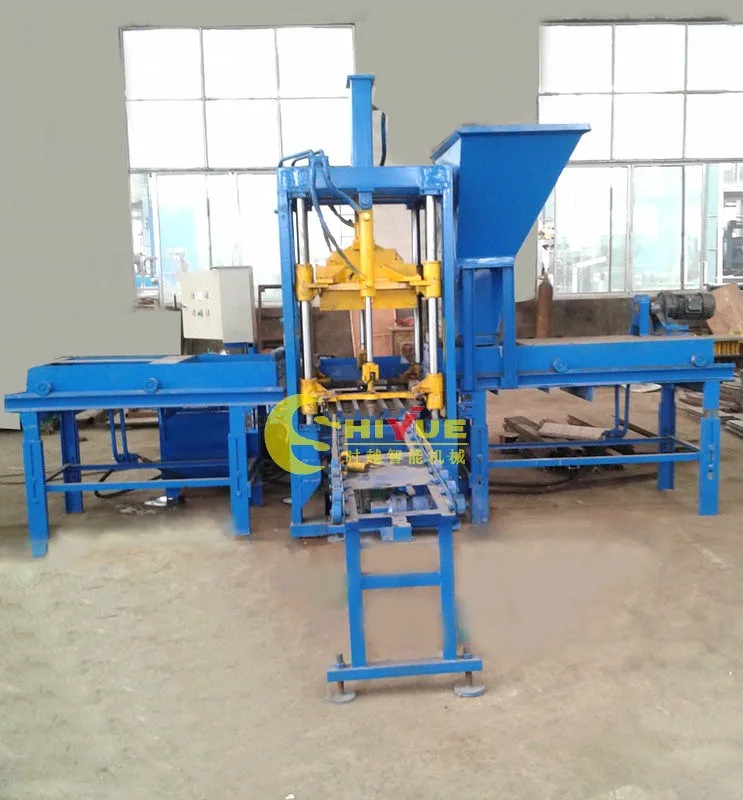
Dispatch-ready configuration — the QTF3-20 stationary block machine ships with pallet and mould specs locked to your block format, avoiding the arrival-day surprises that stall site commissioning.
Technical Specifications
| Parameter | Value |
|---|---|
| Model | QTF3-20 |
| Product Type | Stationary Block Machine |
| Overall Dimensions (L×W×H) | 4000×3500×2300 mm |
| Total Mass | 2870 kg |
| Vibration Form | Platform Vibration |
| Total Power | 17.5 kW |
| Control Style | Semi-Automatic |
| Capacity | 4320 pcs/day (basis not stated in source — confirm block format and dimensions) |
| Hydraulic System | Applied to drive |
| Host Machine Structure | Overall frame structure, #12 U-bar welding |
| Material Layers | Double layer (raw material and color surface material) |
| Proximity Switch | No-contact proximity switch for monitoring |
| Vibration System Components | Vibration motor, vibration table, vibration box, vibration rubber block and spring |
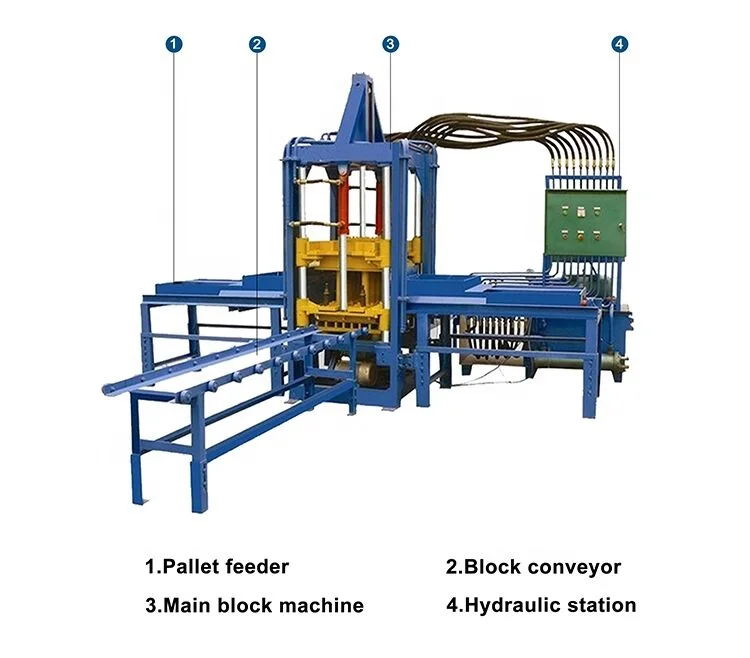
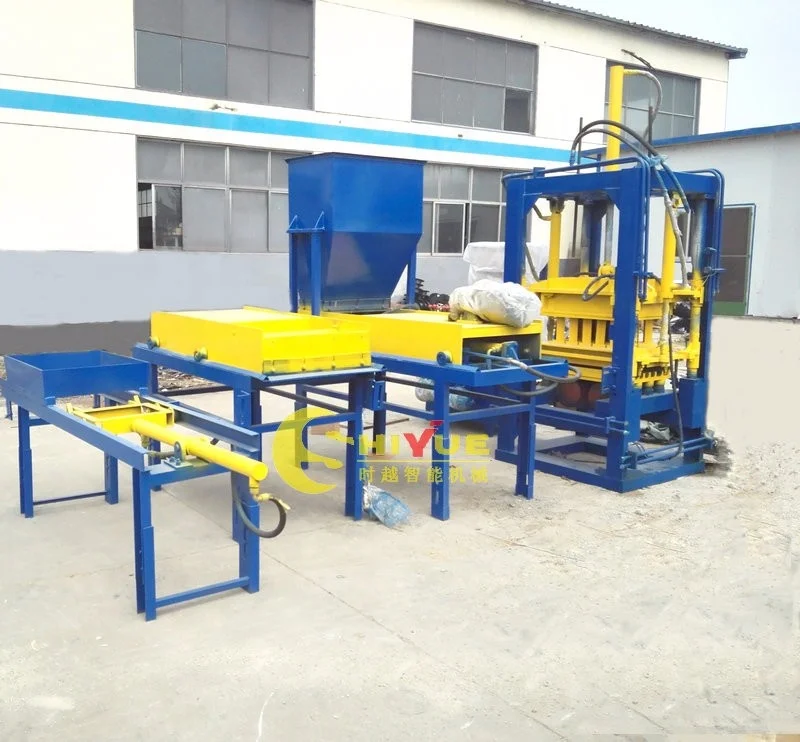
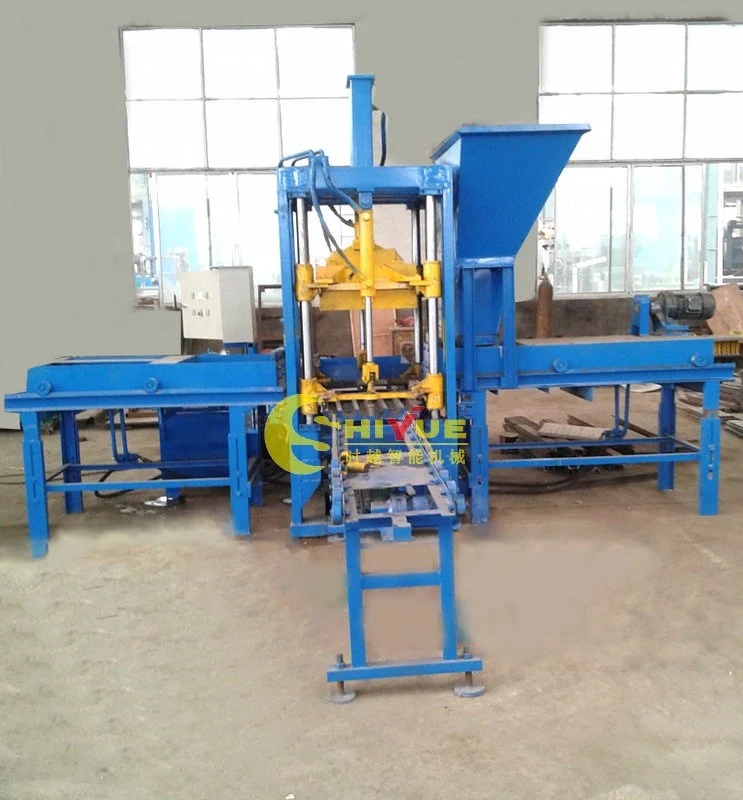
| Line Configuration | Simple line with JQ350 mixer and 8-meter conveyor belt |
| Mould Format Options | Environmental brick, interlock brick, color pavers, park grass brick, hollow brick, porous brick, standard brick |
| Main Electrical Component | Imported from Germany or Chinese famous brand |
| Main Hydraulic Component | Imported from Germany or Chinese famous brand |
| Raw Material | Cement, sand, fly ash, coarse aggregate, slag |
Application Suitability
| Application | Material or Output |
|---|---|
| On-site hollow block production for housing projects | Cement, sand, coarse aggregate |
| Color paver manufacturing for municipal walkways | Double-layer feed with color surface material |
| Interlock brick for driveway and landscaping | Crushed stone, cement, fly ash blends |
| Grass brick for slope protection and parking lots | Porous mix with coarse aggregate |
| Standard solid brick for residential construction | Cement, sand, slag combinations |
Why the Dispatch Date Matters More Than the Cycle Time
A QTF3-20 stationary block machine in stock means your crew is not standing idle while a factory builds to order.
Contractors working against a project deadline rarely lose time because the press cycles too slowly. They lose it because the machine they ordered was never in the warehouse to begin with, and a six-week build schedule quietly becomes ten once mould customization enters the picture. I have watched entire paving crews sit unpaid because the promised arrival date slipped without warning [NEED_CITE: typical lead time variance in block machinery exports]. The QTF3-20 stationary block machine in stock removes that first layer of uncertainty — the machine exists, it can be inspected before crating, and the container booking can happen on a known calendar date.
What Stock Availability Actually Means for Your Project Timeline
When a supplier confirms a QTF3-20 stationary block machine is in stock, the real question is whether that stock is complete — host machine, mould, pallets, hydraulic pack, and control cabinet — or just the bare frame sitting unfinished on the shop floor. A genuinely ready unit has passed its factory vibration test, had its proximity switches calibrated, and been photographed in its dismantled shipping configuration so you know exactly how it will arrive at your port.
Container Loading and the Dismantling Detail That Gets Overlooked
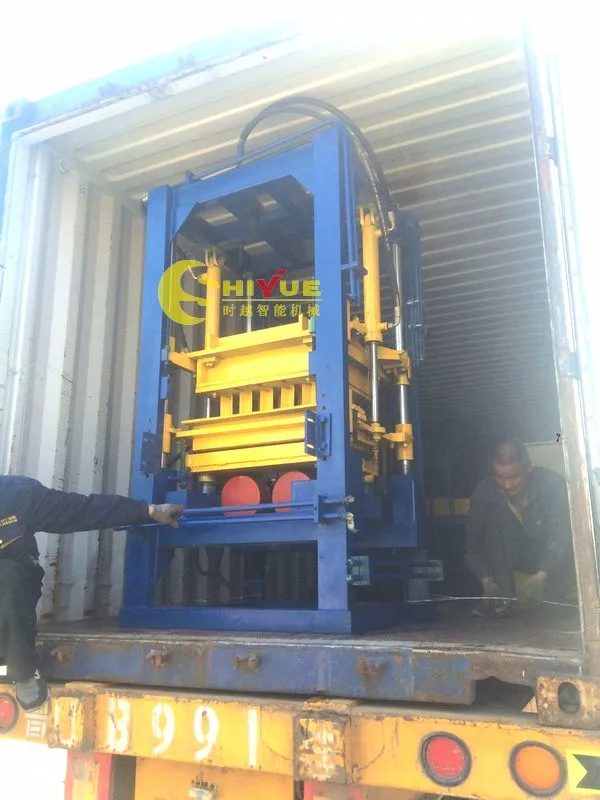
The QTF3-20 weighs 2870 kg with overall dimensions of 4000×3500×2300 mm, which means it will not roll into a standard container as a single assembled unit. The frame, vibration table, hydraulic station, and control panel each need a separate dismantling and bracing plan. Buyers who skip this conversation often open the container to find the vibration box shifted against the mould, with bent guide pins that take weeks to replace [NEED_CITE: common freight damage in unbraced block machine shipments]. We photograph every bolt pattern and crate position before the container doors close.
Reading the Specification Sheet Against Your Actual Block Format
The platform vibration system on this machine transfers force directly through the pallet, which means the mould must match both the vibration amplitude and the hydraulic pressure to produce consistent block density. A hollow block and a color paver demand different vibration durations and pressure profiles — running both on identical settings produces weak corners on one format and surface cracking on the other. The double-layer feeding capability lets you add a color surface material independently from the structural mix, which matters when your market expects uniform face color on pavers without paying for pigment throughout the full block thickness.
The Cost That Does Not Appear on the Invoice
Choosing a semi-automatic machine to save on the purchase price, then discovering that pallet handling and stacking were never part of the quotation, forces you to hire extra labour for manual pallet movement every single shift. That labour cost quietly overtakes the automation savings within the first production season. The QTF3-20 line configuration pairs with a JQ350 mixer and an 8-meter conveyor belt, but if your pallet return system is not scoped at the order stage, cured blocks pile up faster than your crew can move them [NEED_CITE: hidden labour costs in semi-automatic block plants].
Why Buyers Source This Model Through Our Dispatch Desk
Every QTF3-20 stationary block machine leaves our warehouse with a packing photograph set that documents dismantling position, crate bracing, and container load plan — not generic stock images. Mould and wear part lists ship inside the control cabinet so the first replacement spring or rubber vibration block is already identified before you need it. Voltage and control language confirmation happens before crating, not after the machine arrives and the electrician discovers the PLC display is in the wrong language. Our documentation package includes the factory test record run on the block format you specified, so you can verify capacity claims against a real production sample before the machine ever reaches your site.
Documentation & Verification
- Factory test record run on your specified block format before dispatch
- Container loading photograph set showing dismantling positions and bracing
- Mould drawing and format list matched to your market requirements
- Voltage and frequency confirmation sheet signed before crating
- Hydraulic and electrical schematic with component origin labels
- Wear parts list with spring and rubber block part numbers
Installation, Commissioning & Support
- Foundation plan sized to 4000×3500 mm footprint with vibration isolation recommendations
- Power connection matched to your confirmed voltage and the 17.5 kW total draw
- Dismantled reassembly sequence with bolt torque values for the #12 U-bar frame
- Proximity switch calibration on-site before first production cycle
- Spare vibration spring and rubber block included in the dispatch crate
- JQ350 mixer and 8-meter conveyor belt alignment check during commissioning
Before You Request a Dispatch Quote
Tell us your destination port and the block format you intend to run first, so we can confirm the correct mould is matched to the stocked unit. Share your site voltage and frequency so the control cabinet is wired before it enters the container. If you already have pallets or a forklift rated for a specific pallet size, let us know — the pallet specification must align with what you already have on the ground.
Frequently Asked Questions
Q: Is the QTF3-20 stationary block machine currently in stock and ready for dispatch?
A: Stock status on the QTF3-20 stationary block machine in stock changes as orders are fulfilled, so we confirm live availability at the point of inquiry. When a unit is ready, it has completed its factory vibration test and can be photographed in its pre-shipment dismantled state before you commit to the order.
Q: How is the QTF3-20 dismantled and packed for container shipment?
A: The host frame, vibration table, hydraulic station, and control panel are separated and individually braced inside the container. We provide a loading photograph set showing each component position, so your receiving team knows what to expect when the container doors open at your port.
Q: What arrival timeline should I expect after placing an order?
A: Once the QTF3-20 is confirmed in stock and payment terms are settled, the dispatch lead time covers final inspection, dismantling, crating, and container booking. Ocean transit depends on your destination port, and we quote the estimated arrival date upfront based on current sailing schedules.
Q: The stated capacity is 4320 pieces per day — which block format does this assume?
A: That figure requires confirmation of the specific block format, dimensions, and mix design. A standard solid brick and a large hollow block have very different cycle times. We provide a capacity calculation tied to your actual target format before you finalize the order.
Q: Does the shipment include pallets, moulds, and supporting handling equipment?
A: The shipment scope depends on your configuration selection. We confirm exactly which moulds, pallets, and line components such as the JQ350 mixer and conveyor belt are included in your quotation, so there are no missing items when production is supposed to start.