

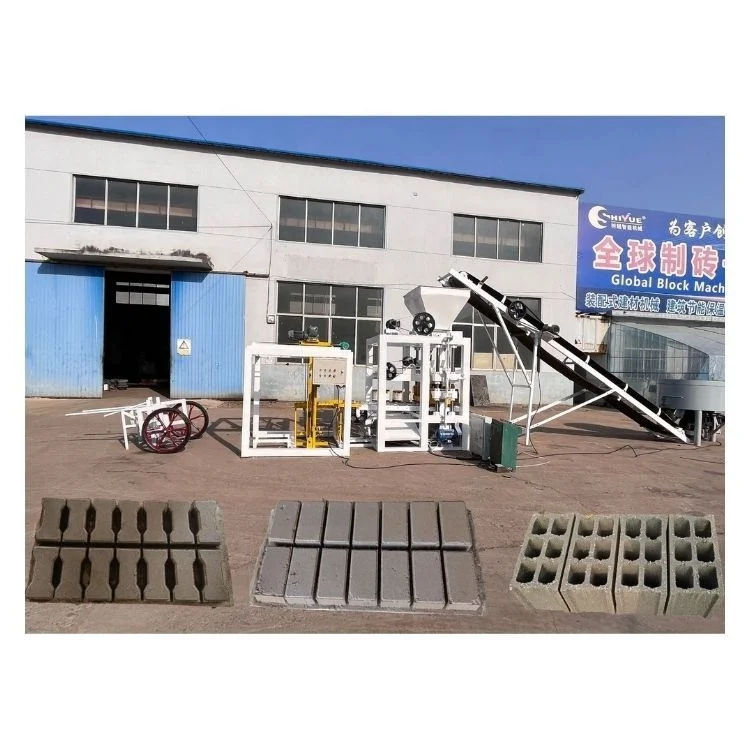
Description
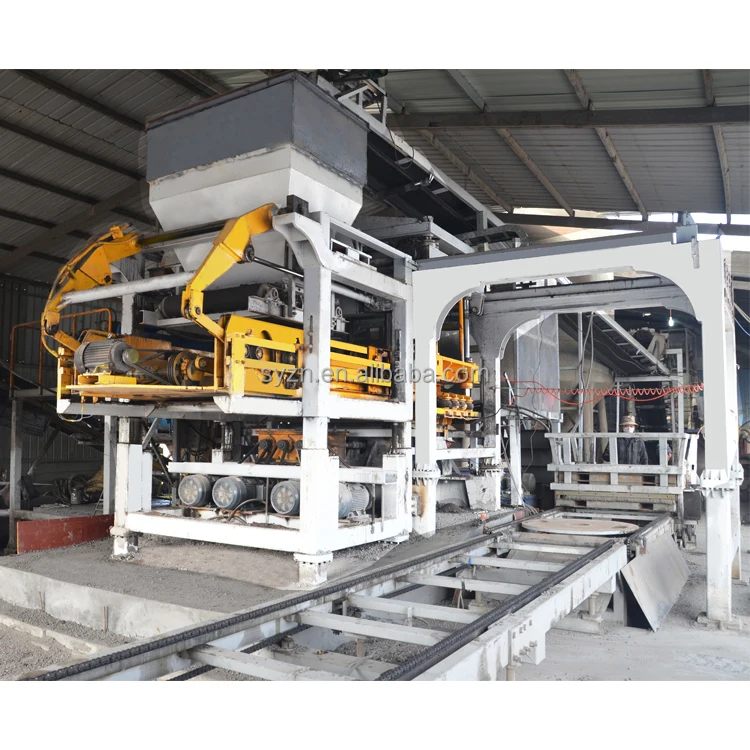
Dispatch Ready — Standard QTJ4-24 models with common hollow and solid block moulds sit in our yard, pre-tested at your site voltage before loading, so the machine starts making blocks the week it arrives instead of waiting for a transformer.
Technical Specifications
| Parameter | Value |
|---|---|
| Model | QTJ4-24 |
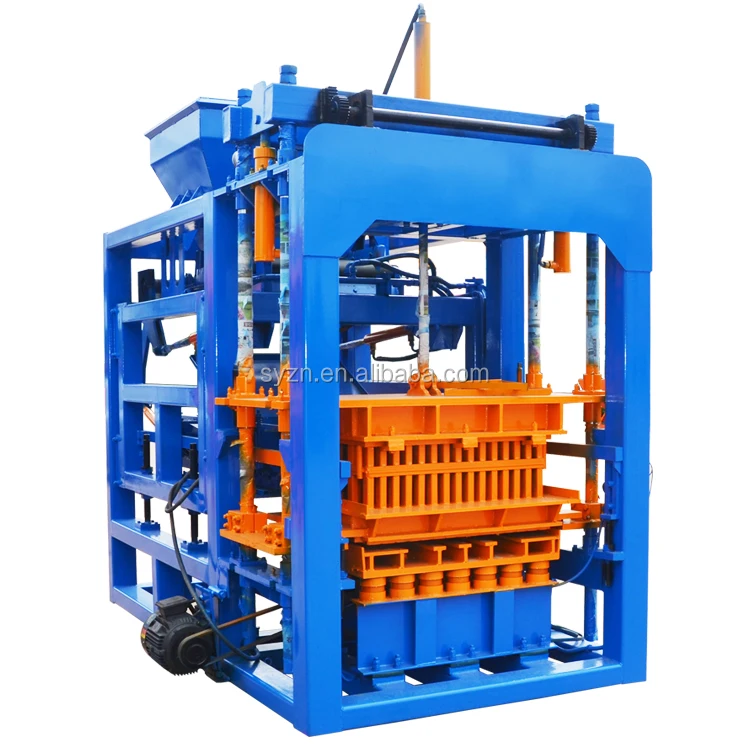
| Product Type | Semi-Automatic Concrete Block Making Machine |
| Overall Dimensions (L×W×H) | 3600 mm × 1700 mm × 2560 mm |
| Net Weight | 3.5 T |
| Rated Power | 11.95 kW |
| Pallet Size | 900 mm × 450 mm |
| Moulding Cycle | 24–26 s |
| Mould Format — Standard Hollow | 400 × 200 × 200 mm, 4 pcs/mould |
| Mould Format — Hollow (Alt.) | 390 × 240 × 190 mm, 3 pcs/mould |
| Mould Format — Solid / Partition | 390 × 120 × 190 mm, 6 pcs/mould |
| Mould Format — Standard Brick | 240 × 115 × 53 mm, 21 pcs/mould |
| Vibration Type | Table vibration feeding, fluctuation vibration moulding |
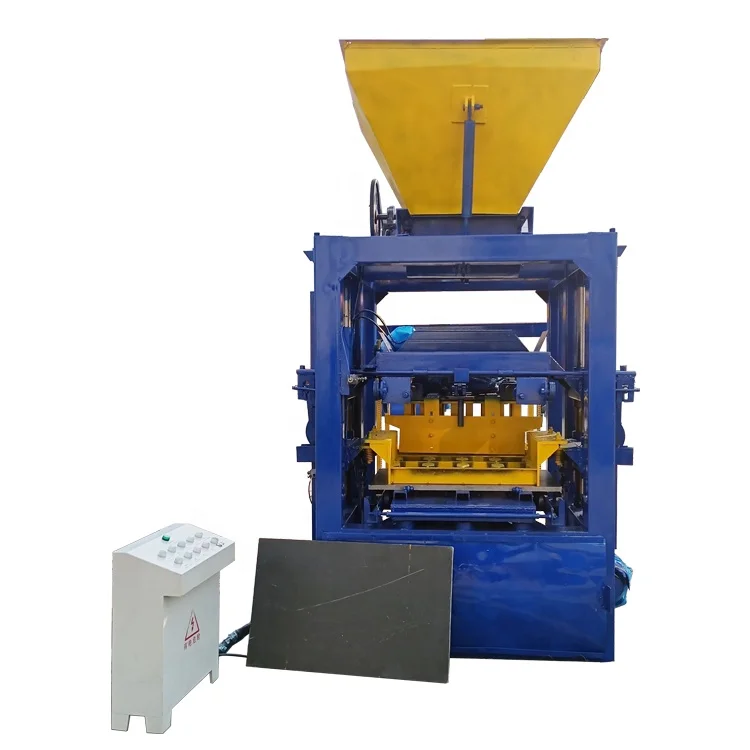
| Control System | Electrical control cabinet with mechanical interlocking |
| Feeding Method | Manual feeding (two feed ways available) |
| Mould Lifting | Mechanical lifting, block forming in place |
| Wire Spec — Main Machine | 3 × 6 mm |
| Wire Spec — Mixer | 3 × 4 mm |
| Wire Spec — Conveyor | 3 × 2.5 mm |
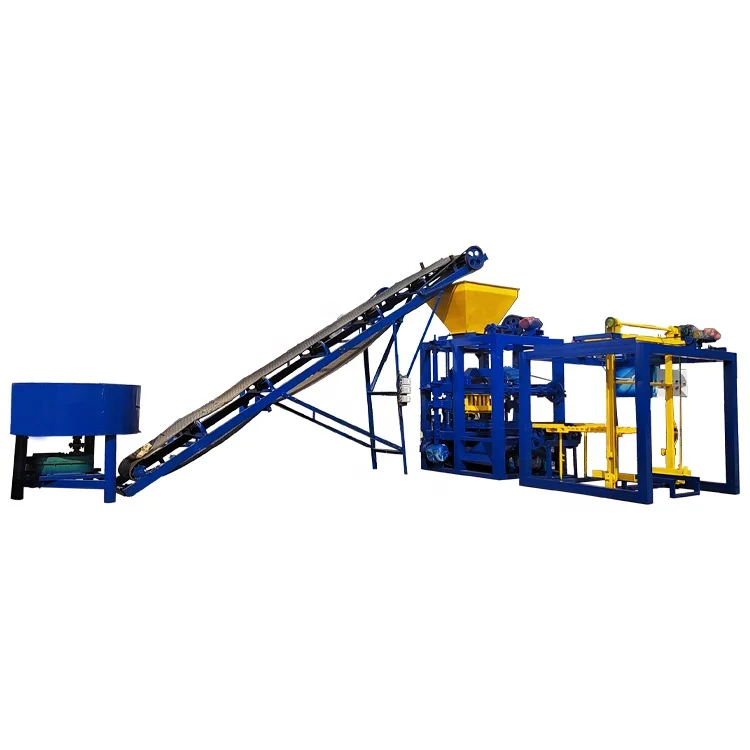
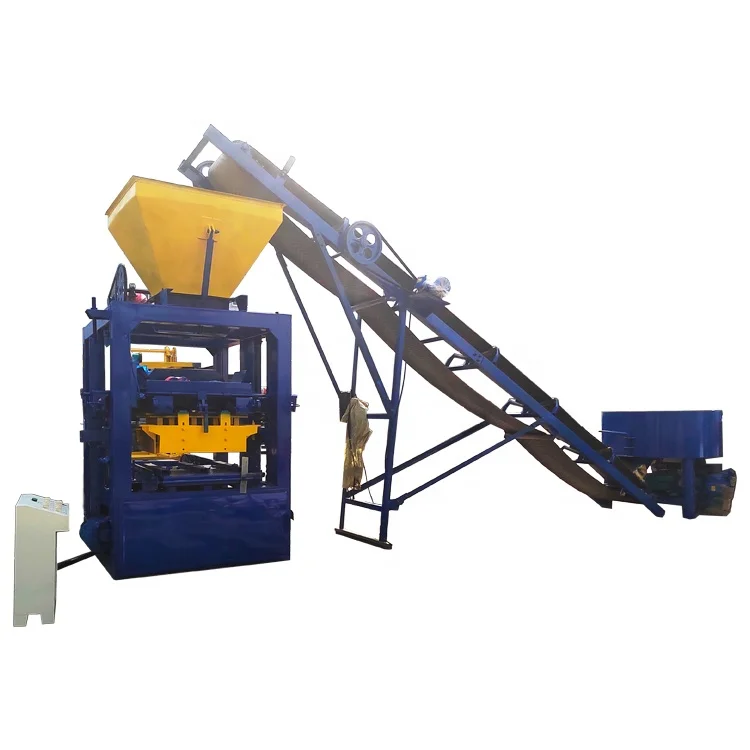
| Line Configuration | Simple production line with J350 / JQ350 / JQ500 mixer and 6 m / 8 m belt conveyor |
| Output Capacity | 4–21 pcs/cycle depending on block format (basis: specific mould format installed) |
| Standard | CE declaration (where applicable) |
Application Suitability
| Application | Material or Output |
|---|---|
| Small workshop block production | Hollow and solid blocks from crushed stone, sand, and cement |
| On-site production for housing contractors | Standard bricks and partition blocks using locally sourced aggregate |
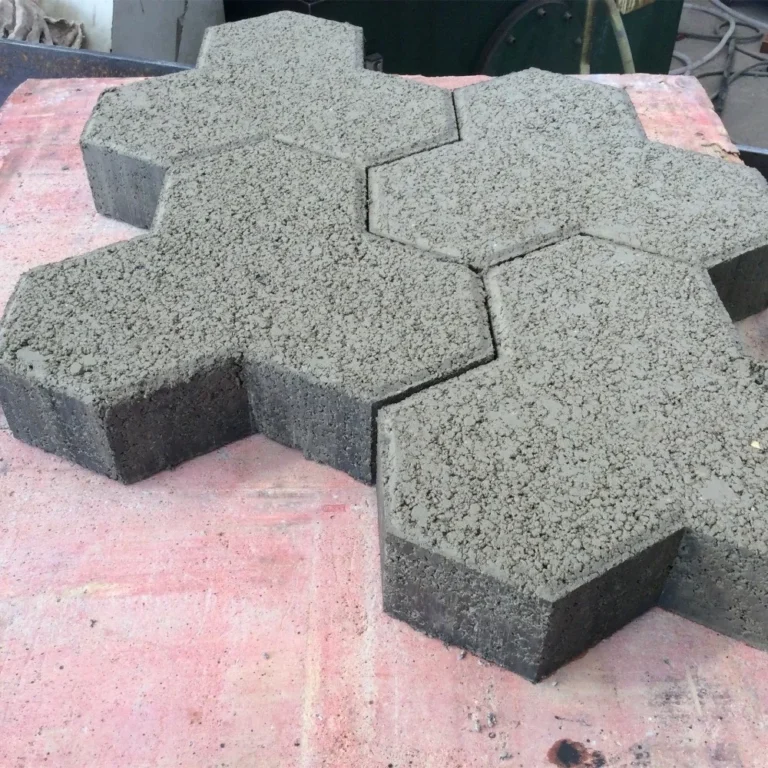
| First-plant entrepreneur start-up | Paving bricks and kerbstones at lower capital outlay |
| Distributor machinery inventory replenishment | Semi-automatic lines with rapid container dispatch |
Why the Voltage Question Must Come Before the Price Tag
A QTJ4-24 block machine in stock is useless if the motor cannot turn when it reaches your site.
I once watched a crew in the Philippines stand around a freshly uncrated block press for three weeks because the site ran on 220 V / 60 Hz and the machine was wired for 380 V / 50 Hz. The transformer had to cross the South China Sea by freight while daily wages kept ticking. That single oversight cost more than the shipping itself [NEED_CITE: voltage and frequency standards by export market]. Every QTJ4-24 block machine in stock we release now goes through a documented voltage and frequency check before the crate is nailed shut, because a fast dispatch only matters if the machine actually runs on arrival.
Stock Positioning That Actually Means Something
Many suppliers label machines as available, then quote a production slot weeks later. Our QTJ4-24 block machine in stock status is updated against physical units on the floor, not a production schedule. Standard moulds for 400 × 200 × 200 mm hollow blocks and 240 × 115 × 53 mm solid bricks are inventoried alongside the presses, so a single container can carry a working line rather than half of one.
Container Loading and Dispatch Timing
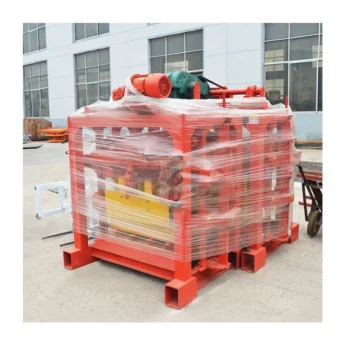
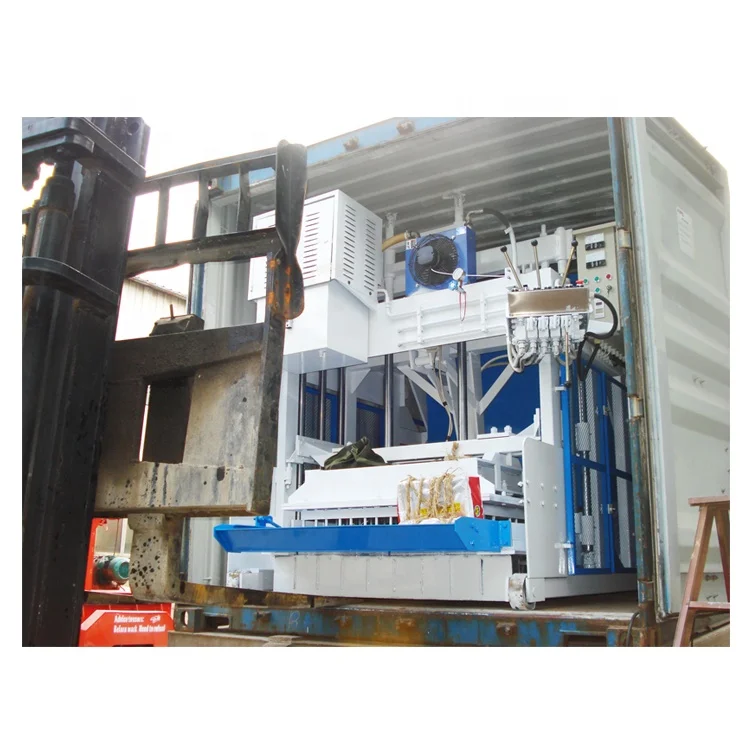
The QTJ4-24 main frame, mixer, and conveyor dismantle into sections that fit a standard 20-foot container without special flat-rack surcharges. We provide a loading plan with the proforma invoice so the buyer knows exactly which sections go where and what clearance the forklift needs at the destination port. Dispatch lead times are quoted in calendar days from payment confirmation, not vague production windows [NEED_CITE: typical container loading practices for semi-automatic block presses].
Reading Between the Spec Sheet Lines
The 11.95 kW rated power covers the main press motor, vibration unit, and feeding mechanism, meaning a site generator must be sized with headroom for the mixer and conveyor that push the total line draw higher. The 900 × 450 mm pallet size dictates curing rack dimensions; ordering racks built for a different pallet wastes floor space and slows the curing rotation. A 24–26 s moulding cycle keeps pace with a JQ500 mixer running continuously, but only if the belt conveyor is the 8 m version that buffers enough material between batches. The mechanical interlocking control cabinet removes the risk of the mould descending while the feed drawer is still in position — a safety feature that matters when operators are learning the machine for the first time.
What Happens When Dispatch Speed Is the Only Priority
Rushing a machine out the door without matching pallet size to the buyer’s existing curing racks leads to hand-stacking bottlenecks that erase any time saved on shipping. Skipping the voltage confirmation step turns a fast delivery into a slow, expensive site delay [NEED_CITE: on-site commissioning failures linked to unconfirmed electrical supply]. Sending a mould for a block format the local market does not buy leaves the machine idle while a replacement mould crosses the ocean a second time.
Why Buyers Come Back for a Second Machine
Block machinery is our single focus, so the press, mould, pallet, and conveyor are specified as one matched set rather than stitched together from separate vendors. We confirm voltage, frequency, and control language in writing before production is released — not after the machine is crated. Standard and custom moulds are designed from buyer drawings, meaning a distributor stocking multiple formats can order them in the same shipment as the press. Every QTJ4-24 block machine in stock ships with a factory test record that shows the machine cycling through a full moulding sequence, photographed and dated. Semi-automatic today does not mean locked in forever; the line architecture allows an upgrade to automatic pallet feeding and stacking later without replacing the core press.
Documentation & Verification
- Factory test record showing full moulding cycle on your selected block format before dispatch
- Pallet specification sheet cross-referenced to your existing curing rack dimensions
- Voltage and frequency confirmation document signed prior to container loading
- Electrical schematic with wire gauge annotations for on-site electrician reference
- Packing photographs of each dismantled section before the container door closes
Installation, Commissioning & Support
- 3600 × 1700 mm footprint requires a level concrete pad with anchor bolt provisions
- 11.95 kW main draw needs a dedicated breaker sized above combined line load
- Dismantled sections reassemble on-site with standard hand tools and a 5 T forklift
- First-day commissioning covers vibration timing, mould descent, and feed drawer alignment
- Operator training includes mould change procedure for all stocked block formats
- Wear parts list with reorder codes for vibration springs, feed drawer liners, and mould inserts
What We Need From You Before Quoting
Send us the block format your market buys most, the daily output you are targeting, and the voltage and frequency at your site. If you already own a mixer or curing racks, share their specifications so we can confirm the QTJ4-24 line will slot in without modification. A quick note on whether you need the 6 m or 8 m conveyor tells us which buffer capacity fits your space.
Frequently Asked Questions
Q: What is the dispatch lead time for stock QTJ4-24 machines?
A: Stock units with standard hollow or solid block moulds are typically released for container loading within a short window after payment confirmation and voltage verification. Exact calendar days depend on the destination port and container availability at the time of booking.
Q: Which standard moulds are in inventory versus custom order?
A: Standard inventory covers 400 × 200 × 200 mm hollow, 390 × 240 × 190 mm hollow, 390 × 120 × 190 mm solid, and 240 × 115 × 53 mm brick moulds. Formats outside this range are produced to buyer drawings and carry a separate mould lead time.
Q: How is voltage and frequency confirmed before shipment?
A: We request the site electrical specification in writing during the inquiry stage. The motor nameplate and control cabinet wiring are verified against that specification, and a confirmation photo is shared with the buyer before the machine is crated.
Q: What is the container loading arrangement for the QTJ4-24?
A: The main frame, mixer, and conveyor are dismantled into sections that fit a standard 20-foot container. A loading plan with section positions and forklift clearance notes is provided with the shipping documents.
Q: When will the machine arrive after payment confirmation?
A: Arrival depends on the shipping route and port congestion at the time of booking. We quote an estimated arrival window alongside the dispatch date so the buyer can schedule site preparation and crew mobilisation accordingly.