Description
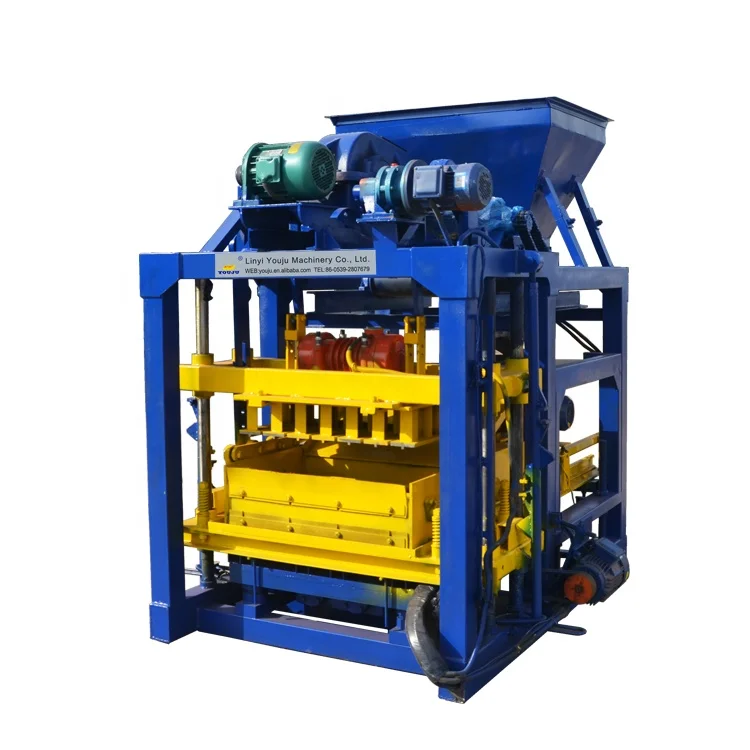
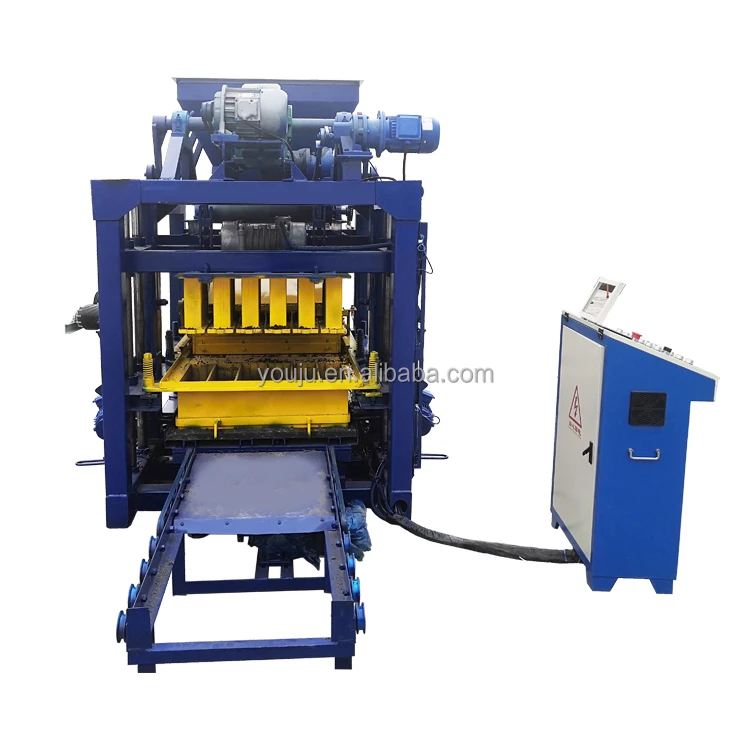
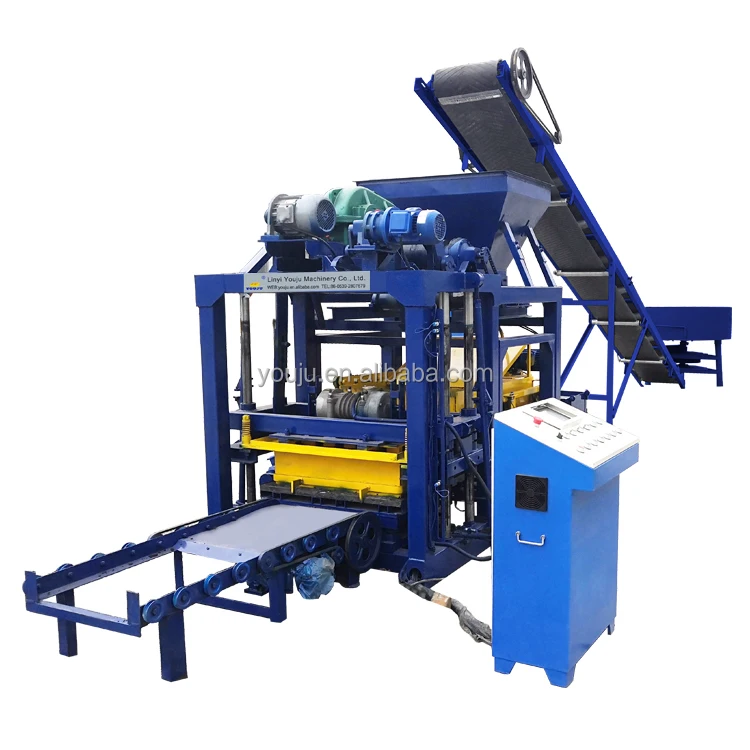
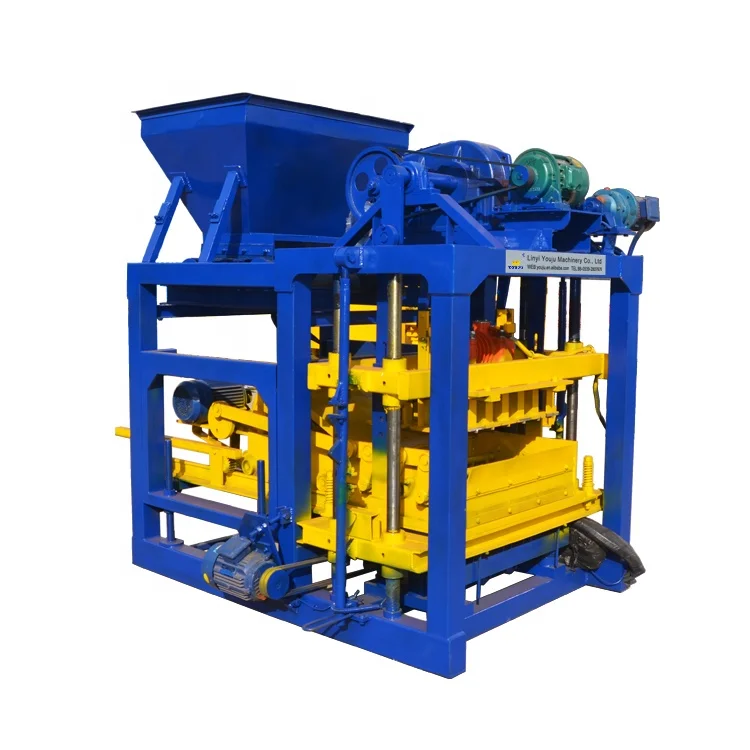
Stock Availability First — The QTJ4-25 semi-automatic block machine is held in stock with standard mould configurations ready for immediate container loading, so your project timeline is not held hostage by a production queue.
Technical Specifications
| Parameter | Value |
|---|---|
| Model | QTJ4-25 |
| Product Type | Semi-Automatic Concrete Block Making Machine |
| Overall Dimensions (L×W×H) | 3000×1800×2680 mm |
| Vibration Force | 60 kN |
| Main Vibration Form | Platform Vibration |
| Vibration Frequency | 2800-4500 r/min |
| Pallet Size | 850×480 mm |
| Molding Cycle | 25 s |
| Overall Power | 16.58 kW |
| Total Mass | 3.5 T |
| Demolding Method | Mechanical |
| Recommended Factory Area | 300 m² |
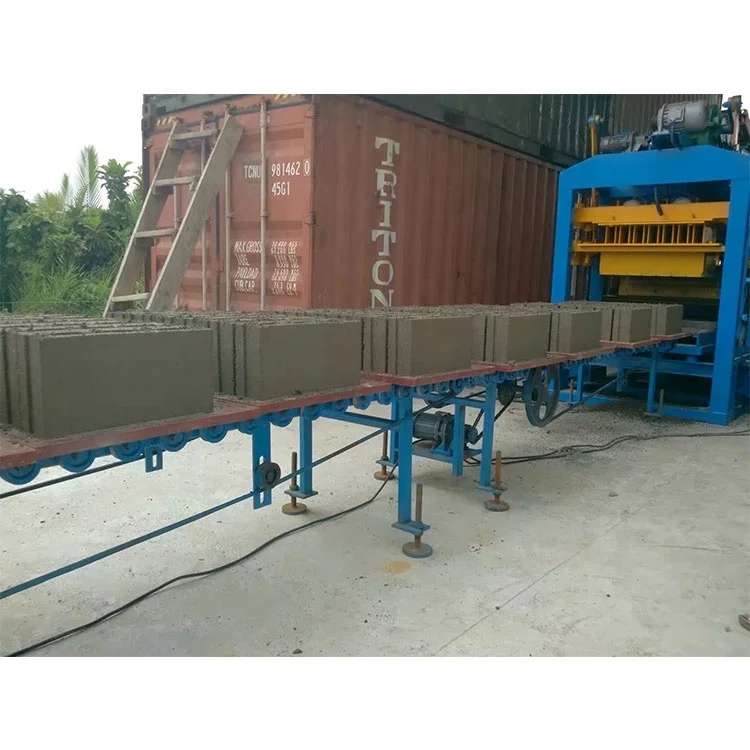
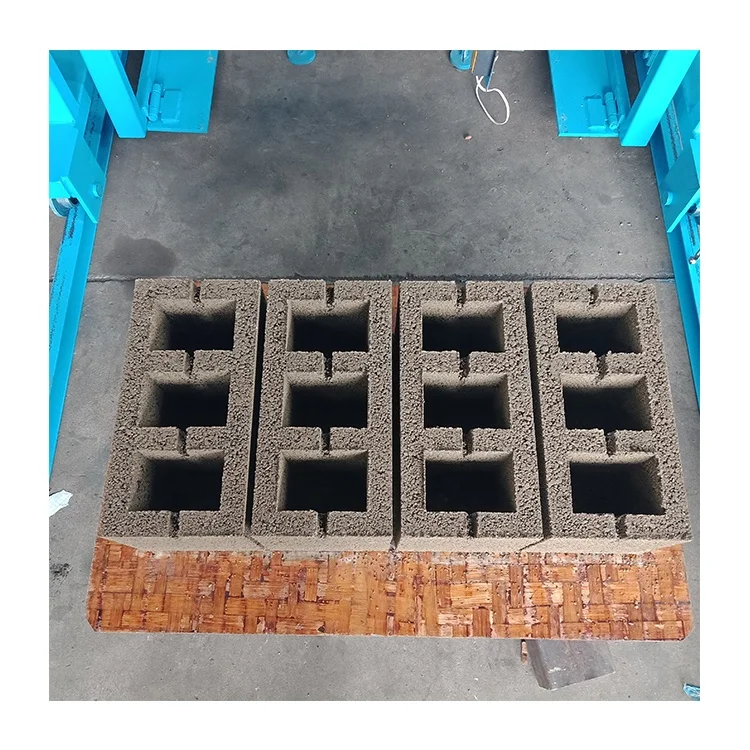
| Output Capacity | 580 pcs/h (based on 400×200×200 mm hollow block, 4 pcs/mould) |
| Output Capacity | 1400 pcs/h (based on 240×115×90 mm brick, 9 pcs/mould) |
| Output Capacity | 3300 pcs/h (based on 240×115×53 mm brick, 21 pcs/mould) |
| Daily Output | 4640 pcs/day (based on 400×200×200 mm hollow block, 8-hour shift) |
| Daily Output | 11200 pcs/day (based on 240×115×90 mm brick, 8-hour shift) |
| Daily Output | 26400 pcs/day (based on 240×115×53 mm brick, 8-hour shift) |
| Guide Column Design | Four guide columns, extended length |
| Frame Material | National standard manganese steel |
| Surface Treatment | Chrome-plated |
| Mould Change | Exchangeable moulds for multiple block formats |
| Voltage & Frequency | basis not stated in source — confirm before ordering |
| Control System | basis not stated in source — confirm PLC or manual control |
| Warranty | 1 year for whole machine (excluding spare parts) |
Application Suitability
| Application | Material or Output |
|---|---|
| Hollow block production for building walls | Crushed stone, sand, cement, fly ash |
| Solid brick manufacturing for load-bearing structures | Gravel, sand, cement, slag |
| Paving block production for walkways and driveways | Crushed stone, sand, cement, dust |
| Interlocking block production for retaining walls | Sand, cement, fly ash, gravel |
| Curbstone production for road edges | Crushed stone, sand, cement |
| Colored paver manufacturing | Pigments added to standard concrete mix |
What the Stock List Should Tell You Before You Order
A machine sitting in the warehouse is only useful if it matches your destination power grid and block format requirements.
I have watched container after container leave the factory with the right machine but the wrong voltage configuration. The QTJ4-25 semi-automatic block machine in stock today may have been wired for a 380V/50Hz system, while your site in West Africa runs on 415V/60Hz. Commissioning stalls the moment the electrician opens the control panel. The same applies to the PLC display language — arriving on site to find all menus in Chinese when your operators speak French or Arabic means days lost before the first block is pressed [NEED_CITE: voltage and frequency standards by export market].
Dispatch Timing and What "Ready Now" Actually Means
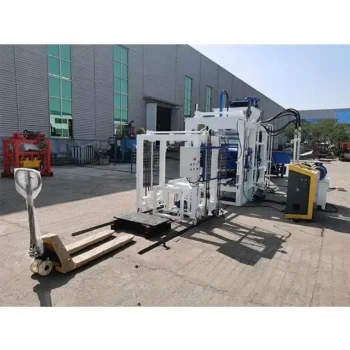
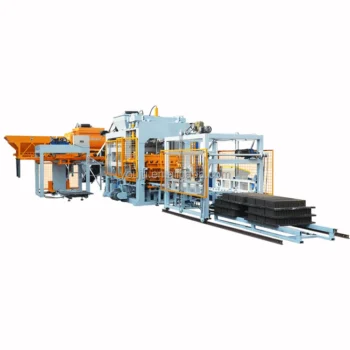
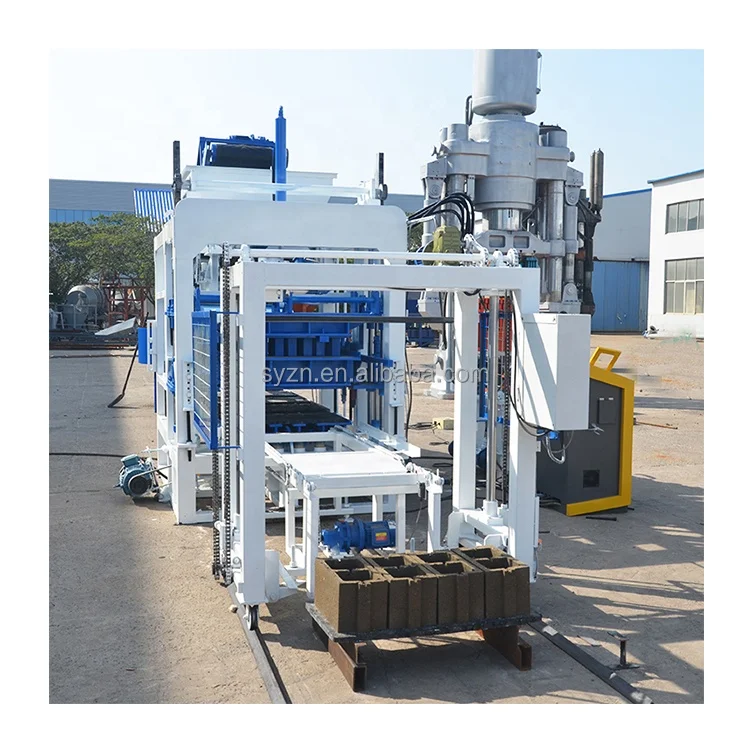
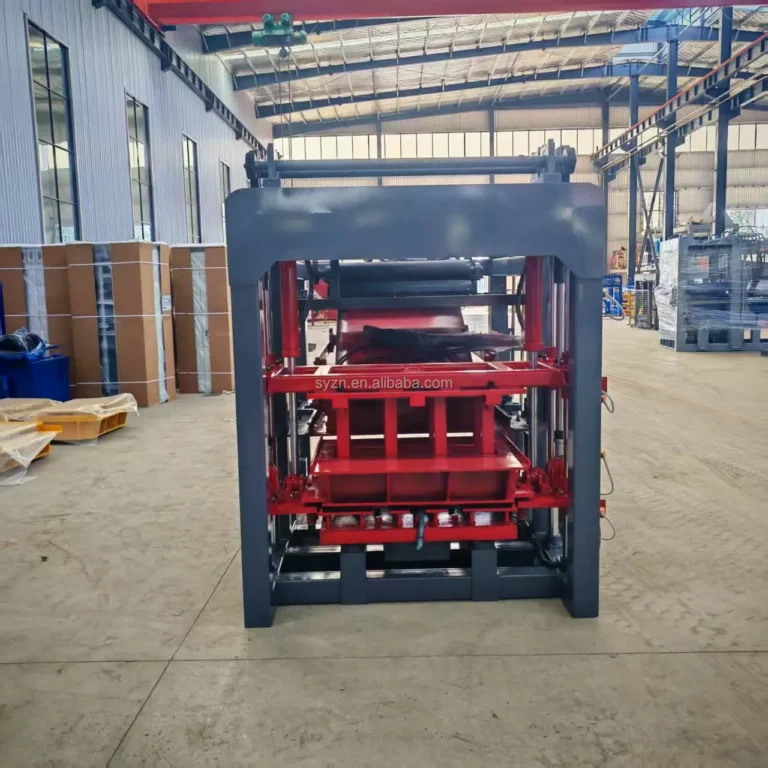
When we list a QTJ4-25 semi-automatic block machine in stock, that means the main frame, vibration platform, hydraulic system, and control cabinet are assembled, tested, and sitting in the yard. However, the moulds you need for your specific block format may require separate preparation. A buyer ordering hollow block moulds alongside interlocking paver moulds should expect the machine body to ship immediately while custom mould tooling follows within a typical multi-week lead time. We confirm exactly which components are ready and which need production before you commit to a shipping date.
Container Loading and Machine Dismantling
The QTJ4-25 ships dismantled to fit container constraints. The main press, vibration platform, and frame sections are separated and secured with steel bracing to prevent movement during ocean transit. Chrome-plated guide columns are wrapped and boxed individually. Pallets, if included in your order, are stacked and strapped to maximize cube utilization. Before the container doors close, we photograph every section in its secured position so you can verify the loading plan matches what arrives at your port [NEED_CITE: standard container loading practices for heavy industrial machinery].
Vibration Force, Cycle Time, and Real Output
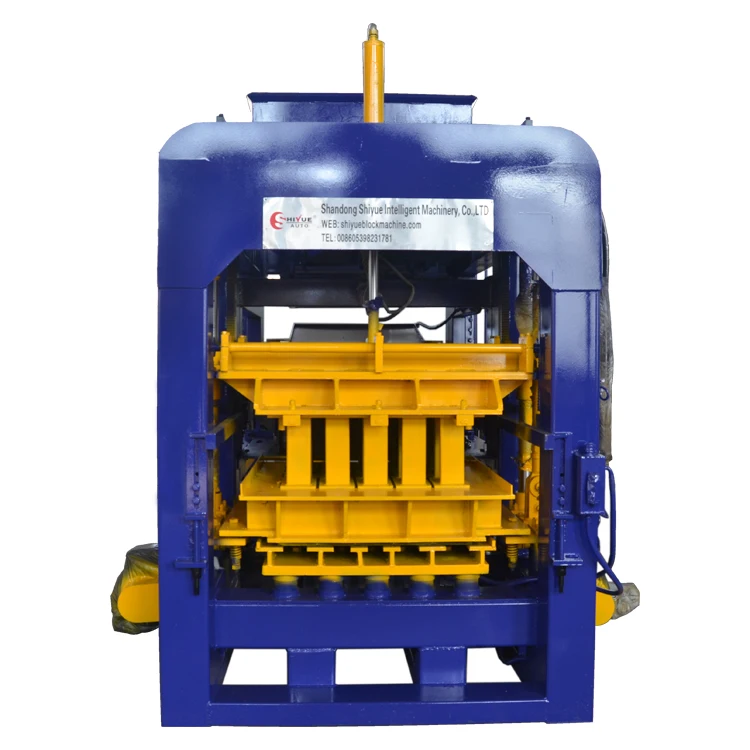
The 60 kN vibration force delivered through the platform is what compacts your mix into a dense block within the 25-second molding cycle. This vibration force must be matched to your specific aggregate — a mix heavy in fine sand behaves differently under vibration than one loaded with coarse crushed stone. The 2800-4500 r/min frequency range allows adjustment to find the right compaction for your local material. Four extended guide columns keep the upper mould aligned during every vibration cycle, which is what prevents uneven block density from one side of the pallet to the other. The 850×480 mm pallet size defines the footprint of every block you produce, so confirm your curing racks and forklift dimensions match before the machine ships.
What Happens When Arrival Timing Collides With Wrong Configuration
A contractor I worked with in Southeast Asia had a housing project deadline and ordered a semi-automatic machine on short lead time. It arrived on schedule, but the control panel was set to a voltage specification that did not match the local transformer. The entire site crew stood idle while a replacement transformer was sourced locally at a premium. The machine was not at fault — the pre-dispatch checklist had simply skipped a confirmation step that should have taken two minutes. That delay cost more than the transformer itself [NEED_CITE: common commissioning delays in export machinery].
Why Procurement Starts With Stock Verification
Every QTJ4-25 semi-automatic block machine in stock is documented with its current mould configuration, voltage setting, and control system language before it is offered. This means you see exactly what is available rather than a generic catalogue entry. Machine, mould, pallet, and handling equipment are specified as a matched system from one source, so the vibration platform, pallet size, and stacking method are confirmed compatible. Dispatch lead time is quoted upfront once your voltage and control language are verified. Factory test records are completed on your requested block format before container loading, and packing photographs are shared so you confirm the securing method before the container is sealed.
Documentation & Verification
- Factory test record produced using your specified block format and mould before dispatch
- Voltage and frequency confirmation sheet signed off against your destination power grid
- Container loading photographs showing dismantling method and securing arrangement
- Hydraulic and electrical schematic in your required language for on-site maintenance
- Mould drawing and format list matching the exact block dimensions you ordered
- Packing list with customs documentation prepared for your destination port
Installation, Commissioning & Support
- 300 m² minimum factory area required with level concrete foundation for the 3000×1800 mm footprint
- 16.58 kW total power draw requires dedicated circuit matching confirmed voltage and frequency
- Machine ships dismantled and requires reassembly of frame, vibration platform, and guide columns on site
- 25-second molding cycle verified during commissioning with your actual mix design and aggregate
- Operator training covers mould change procedure, vibration frequency adjustment, and pallet feeding sequence
- Wear parts list provided with recommended spare quantities for guide column bushings and vibration motor bearings
What We Need From You Before Quoting Lead Time
Provide your target block format with exact dimensions, your local aggregate type and cement grade, and the voltage and frequency at your site. Tell us which pallet size your existing curing racks and forklift are built around, and whether you need the control display in a specific language. If you have a project deadline, share the date so we can confirm whether the QTJ4-25 semi-automatic block machine in stock today can be loaded, shipped, and cleared in time.
Frequently Asked Questions
Q: Which QTJ4-25 configurations and moulds are currently in stock for immediate dispatch?
A: Stock availability changes as orders are confirmed. We verify which machine bodies, standard mould formats, and pallet sets are currently in the yard at the time of your inquiry. Custom mould designs require production lead time and are quoted separately. We provide a clear list of what can ship immediately versus what needs preparation.
Q: What is the realistic lead time from order confirmation to container loading?
A: Machines held in stock with standard mould configurations can typically be prepared for container loading within a short window after voltage, frequency, and control language are confirmed. If your order includes custom moulds or specific automation components, the lead time extends to accommodate those production requirements. We quote the exact timeline at the inquiry stage.
Q: How is the machine packed and dismantled for shipment, and what container size is required?
A: The QTJ4-25 is dismantled into main sections — frame, vibration platform, control cabinet, and guide columns — and secured with steel bracing inside the container. Pallets and moulds are packed to maximize space utilization. The specific container size depends on your complete order scope including supporting equipment. Packing photographs are shared before the container is sealed.
Q: Is voltage and frequency confirmed before dispatch to match the destination country power grid?
A: Yes. Voltage, frequency, and control panel language are confirmed with you before the machine is prepared for dispatch. The 16.58 kW power system is configured to your exact specification so the machine can be connected and commissioned on arrival without requiring local electrical modifications or replacement transformers.
Q: What documentation is provided to support customs clearance at the port of arrival?
A: We prepare a complete documentation package including commercial invoice, packing list, bill of lading, factory test record, and CE declaration where applicable. The hydraulic and electrical schematics, operation manual, and mould drawings are included. All documents are prepared in the format required by your destination port customs authority to streamline clearance.