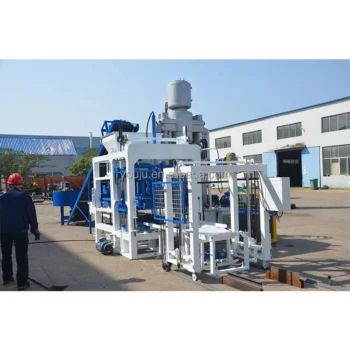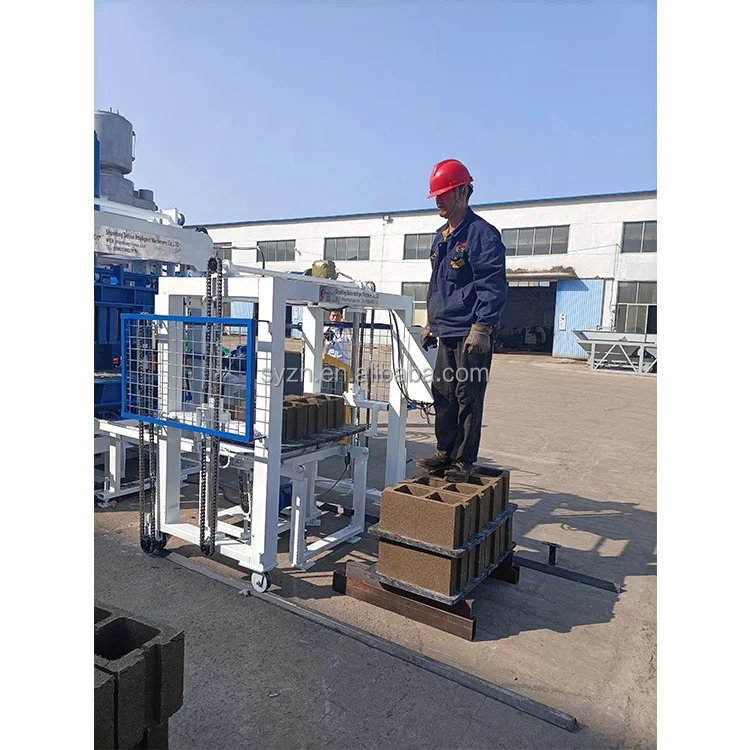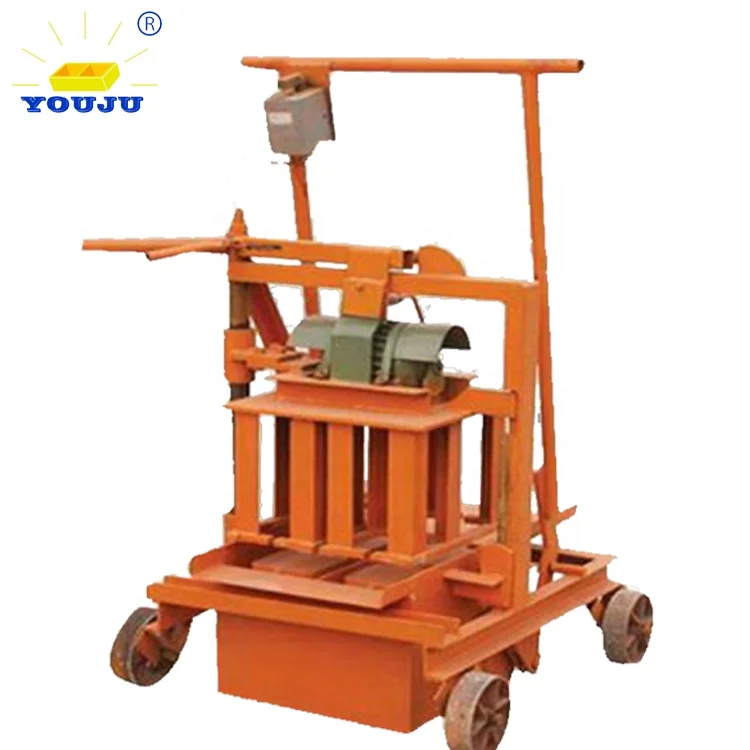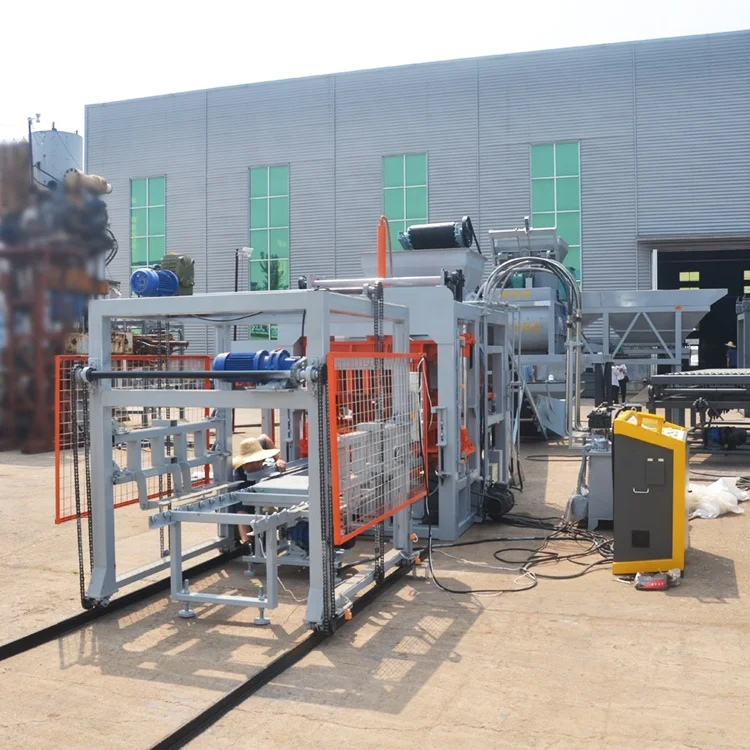
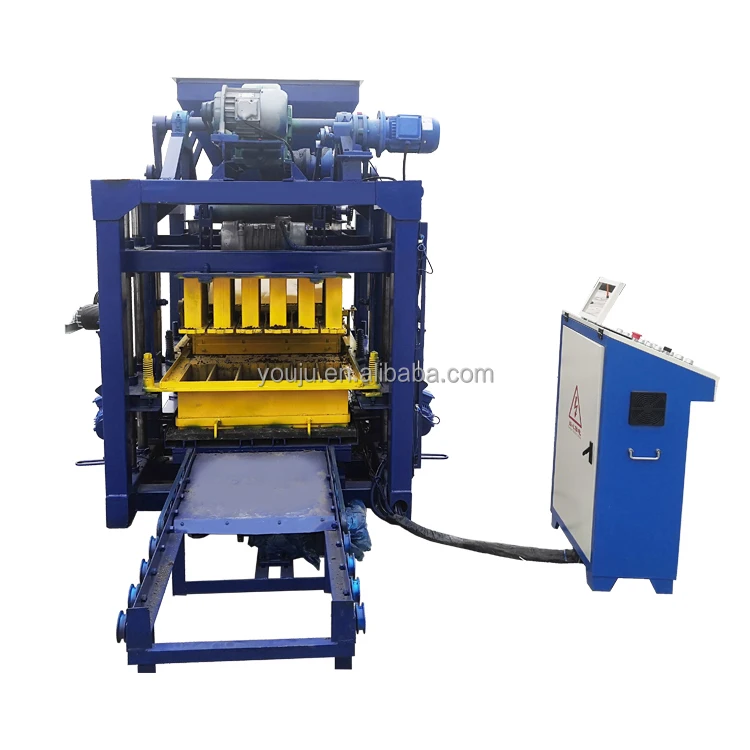

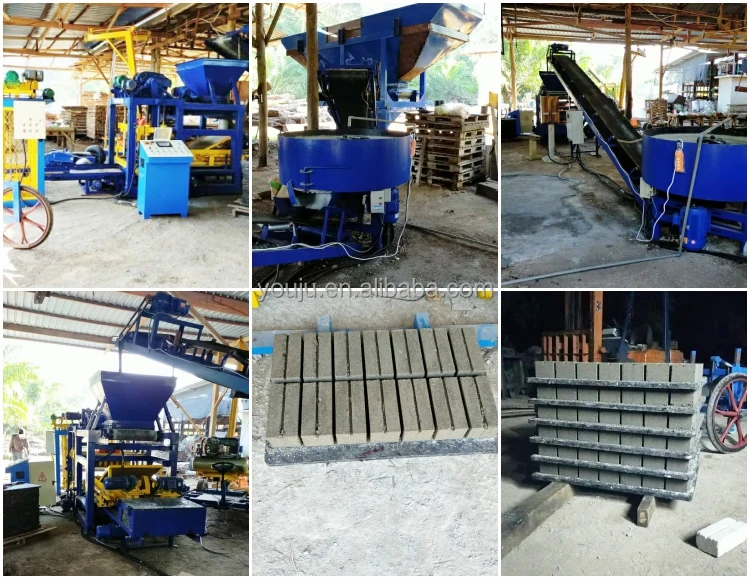
Description
Stock-to-Site Dispatch — The QTJ4-25 block making machine in stock ships with pre-matched pallets and standard moulds, eliminating the multi-week production slot wait that stalls most project timelines.
Technical Specifications
| Parameter | Value |
|---|---|
| Model | QTJ4-25 |
| Product Type | Semi-Automatic Concrete Block Making Machine |
| Overall Dimensions (L×W×H) | 3,000 × 1,800 × 2,680 mm |
| Total Mass | 3.5 T |
| Overall Power | 16.58 kW |
| Vibration Force | 60 kN |
| Main Vibration Form | Platform Vibration |
| Vibration Frequency | 2,800–4,500 r/min |
| Pallet Size | 850 × 480 mm |
| Molding Cycle | 25 s |
| Demolding Method | Mechanical |
| Guide Column | Four-column, overlong guide design, chrome-plated surface |
| Steel Material | National standard manganese steel |
| Factory Area Required | 300 m² |
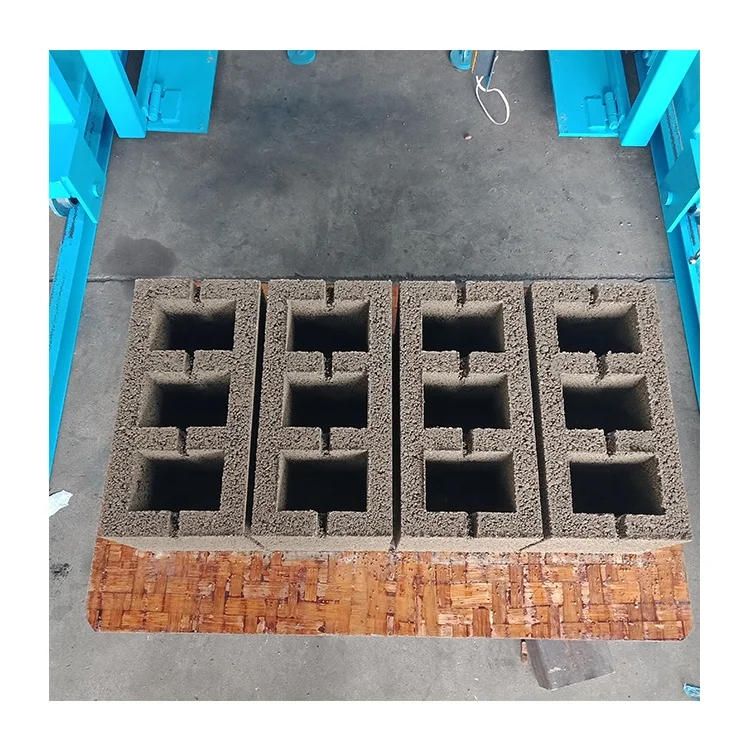
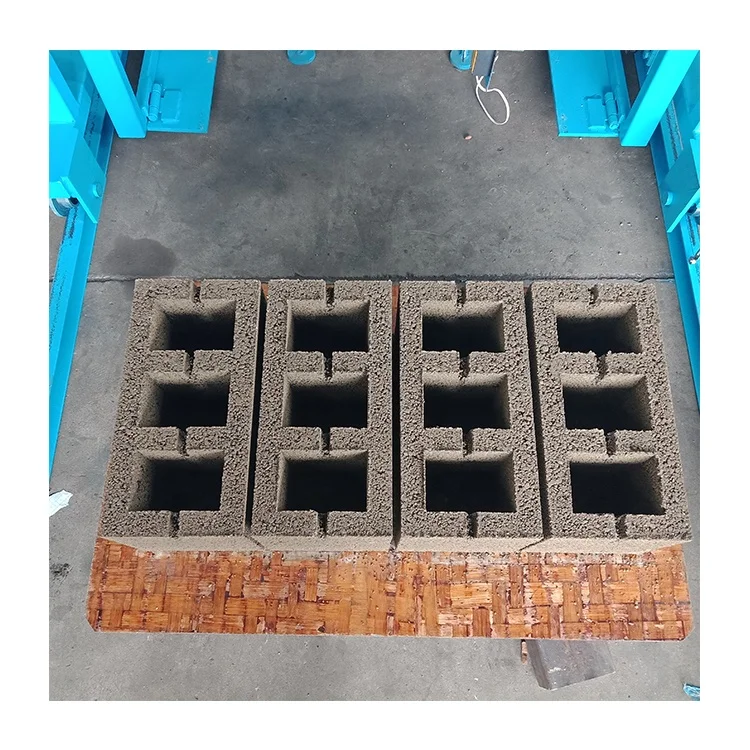
| Output Capacity (Hollow Block) | 580 pcs/h (basis: 400×200×200 mm, 4 pcs/mould) |
| Output Capacity (Multi-cellular Brick) | 1,400 pcs/h (basis: 240×115×90 mm, 9 pcs/mould) |
| Output Capacity (Solid Brick) | 3,300 pcs/h (basis: 240×115×53 mm, 21 pcs/mould) |
| Daily Output (8h Shift) | 4,640 / 11,200 / 26,400 pcs (basis: formats above) |
| Applied Products | Hollow blocks, solid blocks, pavers, interlocking blocks, curbstone, colored pavers |
| Raw Materials | Crushed stone, sand, cement, fly ash, gravel, slag |
| Automation Level | Semi-automatic (mechanical demolding) |
| Warranty | 1 year (excluding spare parts) |
Application Suitability
| Application | Material or Output |
|---|---|
| Small-to-medium block plant | Hollow blocks and solid bricks from crushed stone, sand, and cement |
| On-site construction production | Interlocking blocks and pavers using locally sourced gravel and fly ash |
| First block plant startup | Multiple formats via mould exchange with standard raw material mixes |
| Building material distribution | Colored pavers and kerbstones for inventory replenishment |
Why the Voltage Question Must Precede the Shipment Date
A stocked machine sitting idle on a job site because of a voltage mismatch costs more per day than any expedited freight surcharge.
I once released a semi-automatic block press to a West African contractor without confirming their site supply matched our default configuration. The machine arrived on schedule but sat disconnected for weeks while a step-down transformer was sourced locally. Project milestones slipped, and the contractor absorbed rental costs for the gap period. That QTJ4-25 block making machine in stock experience reshaped how I handle every dispatch: electrical compatibility gets locked before the crate is sealed [NEED_CITE: voltage and frequency standards by export market]. When a buyer is working against a construction deadline, the fastest machine to ship is worthless if it cannot be powered on arrival.
Stocked Configuration Means Shorter Pre-Shipment Inspection
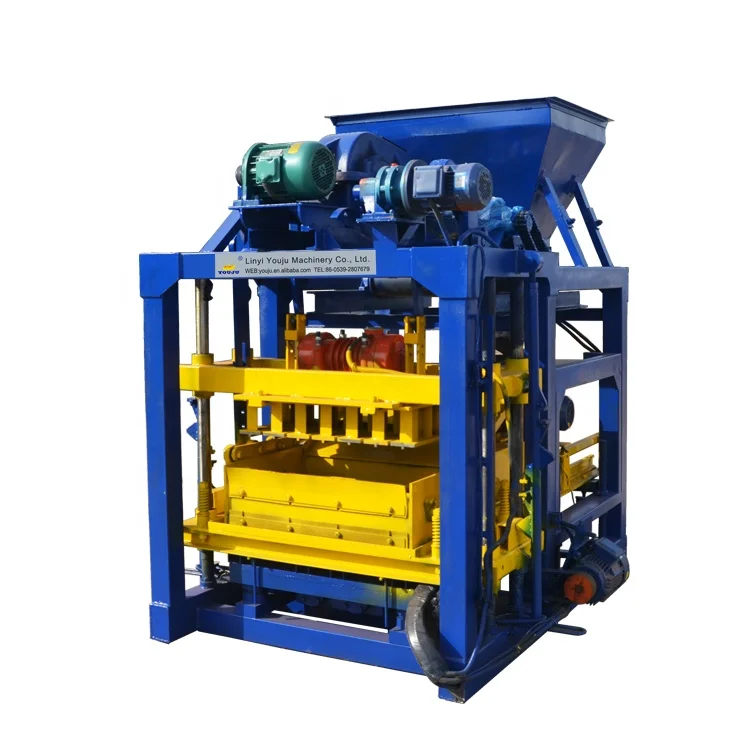
The QTJ4-25 block making machine in stock carries a semi-automatic mechanical design with fewer hydraulic valves and no complex PLC dependencies. This simpler architecture means our factory test covers vibration calibration, guide column alignment, and mechanical demolding verification without waiting on programmable logic sequences. Pre-shipment inspection completes faster because there are fewer electronic subsystems to validate against site-specific parameters.
Container Loading and Machine Dismantling
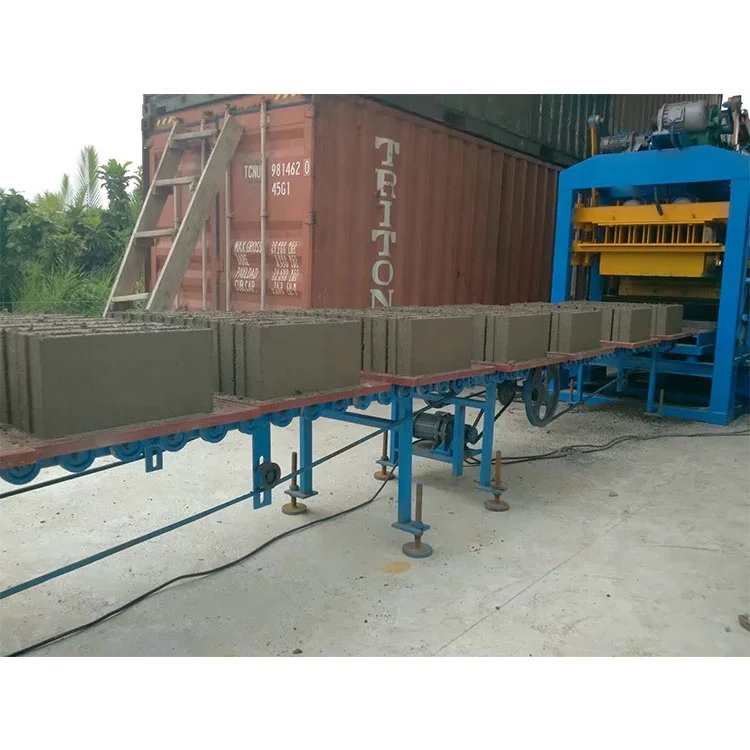
With overall dimensions of 3,000 × 1,800 × 2,680 mm and a total mass of 3.5 tonnes, the QTJ4-25 dismantles into major assemblies that load into a standard shipping container without oversized freight surcharges. The four-column guide structure separates from the platform vibration base, and the chrome-plated columns are packed individually to prevent transit scoring. We photograph every stage of the loading sequence so you can verify pallet count, mould crate placement, and securing points before the container doors close [NEED_CITE: container loading best practices for heavy machinery].
What the Platform Vibration and Molding Cycle Mean On-Site
The 60 kN platform vibration force at 2,800–4,500 r/min compacts the concrete mix against the 850 × 480 mm pallet during the 25-second molding cycle. This vibration frequency range accommodates different aggregate gradations — lower frequencies suit coarser crushed stone mixes, while higher frequencies settle finer sand-heavy blends into dense pavers. The mechanical demolding system ejects blocks without hydraulic cylinder timing, reducing the components that can drift out of adjustment during ocean transit. The four-column overlong guide design keeps the mould box aligned through thousands of cycles, which matters when your operator is changing moulds between hollow block and solid brick formats on the same shift.
When Fast Dispatch Turns Into a Commissioning Delay
Shipping a QTJ4-25 without confirming the buyer’s site voltage and frequency is the most common reason a "fast delivery" order still loses weeks at the destination end. I have watched machines arrive ahead of schedule only to require motor rewinding or transformer procurement because the supplier defaulted to a single electrical standard. Control language is another silent delay — if the operator cannot read the interface, the machine does not run regardless of how quickly it crossed an ocean [NEED_CITE: common commissioning delays for imported industrial machinery]. These are the details that must be settled before dispatch, not after the container is on the water.
Why Buyers Choose This Source for Deadline-Driven Orders
Block machinery is the single focus here, so the QTJ4-25 ships with matched pallets sized to the curing racks the buyer already operates, not an arbitrary default. Standard moulds for hollow block, solid brick, and paver formats are stocked alongside the press, so a format change does not trigger a separate tooling lead time. Configuration is set against the buyer’s local aggregate and target block format rather than a generic catalogue entry. The dispatch process includes factory test records, packing photographs, and electrical sign-off documentation — everything needed to clear customs and begin installation without a second round of correspondence.
Documentation & Verification
- Factory test record on the specific block format and mould shipped with your order
- Voltage and control language confirmation sheet signed before container sealing
- Packing photographs showing dismantling arrangement and securing points
- Mould drawing and format list for each tooling included in the shipment
- Hydraulic and electrical schematic matching the as-built configuration
Installation, Commissioning & Support
- Foundation pad sized for 3,000 × 1,800 mm footprint with anchor bolt template
- Dedicated 16.58 kW circuit with confirmed voltage and frequency before energizing
- Reassembly of four-column guide frame and platform vibration base on prepared floor
- Mould change procedure demonstrated for each stocked format included
- Operator training on 25-second cycle timing and mechanical demolding sequence
- Wear parts list covering guide column bushings and vibration motor bearings
Before You Request a Dispatch Quote
Send the exact block formats your market sells, your site voltage and frequency, and the pallet size your curing area and forklift already handle. Confirm whether you need hollow block, solid brick, paver, or a combination, and specify the target daily output so we can verify the QTJ4-25 meets it against your chosen format. If you have an existing mixer or raw material feed system, share its capacity so the line stations connect without bottlenecking the press.
Frequently Asked Questions
Q: Is the QTJ4-25 currently in stock, and what is the dispatch lead time after payment?
A: The QTJ4-25 is a stocked semi-automatic model, and standard moulds ship alongside it. Exact dispatch lead time depends on the mould formats you require and whether voltage confirmation is complete. We provide a firm dispatch date once stock allocation is locked and electrical specifications are signed off.
Q: How is the machine dismantled and loaded into a container for shipment?
A: The four-column guide frame separates from the platform vibration base, and chrome-plated columns are individually packed. The 3.5-tonne total mass and 3,000 × 1,800 × 2,680 mm dimensions fit standard container loading. Packing photographs document the arrangement before container doors close.
Q: Which standard moulds ship together with the QTJ4-25, and are they also stocked?
A: Standard moulds for hollow block, solid brick, and paver formats are stocked and ship with the machine. The 850 × 480 mm pallet size is pre-matched. Custom mould formats require a separate lead time that we confirm before dispatch.
Q: Can voltage and frequency be confirmed before dispatch to avoid commissioning delays?
A: Voltage and frequency sign-off is a mandatory step before the QTJ4-25 leaves the factory. We confirm your site supply, match the motor and control specifications, and document the configuration so the machine powers on without transformer retrofitting at the destination.
Q: What is the estimated arrival time from shipment to destination port?
A: Ocean transit time varies by destination port and shipping line schedule. We provide an arrival estimate at the time of booking, and the dispatch date is quoted upfront so you can plan site preparation and installation crew scheduling around a known timeline.