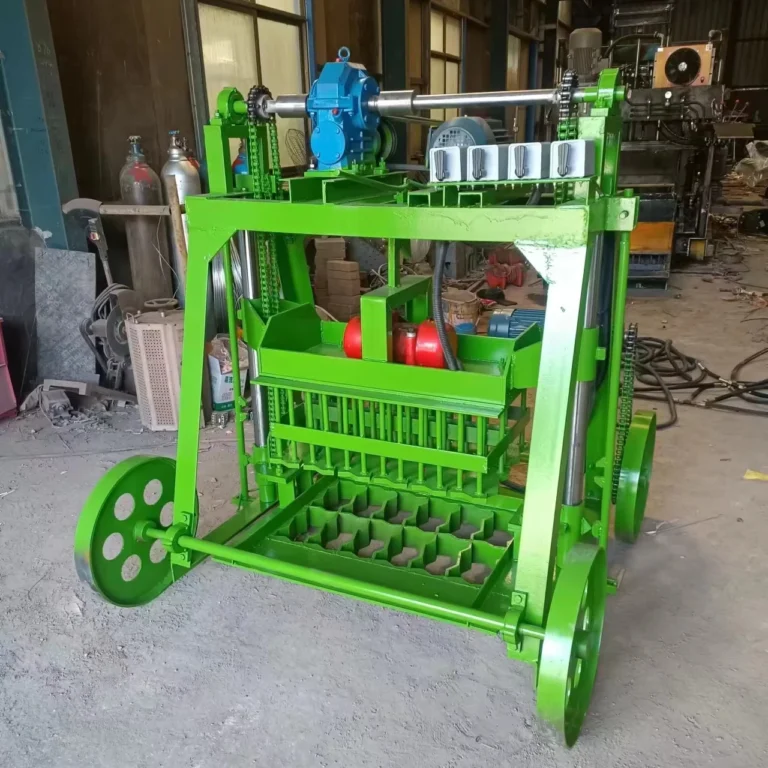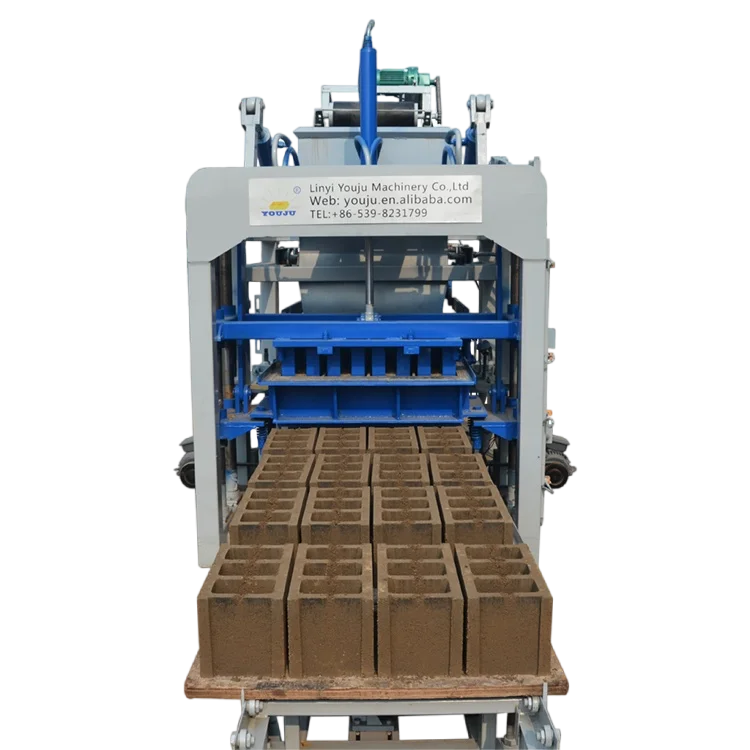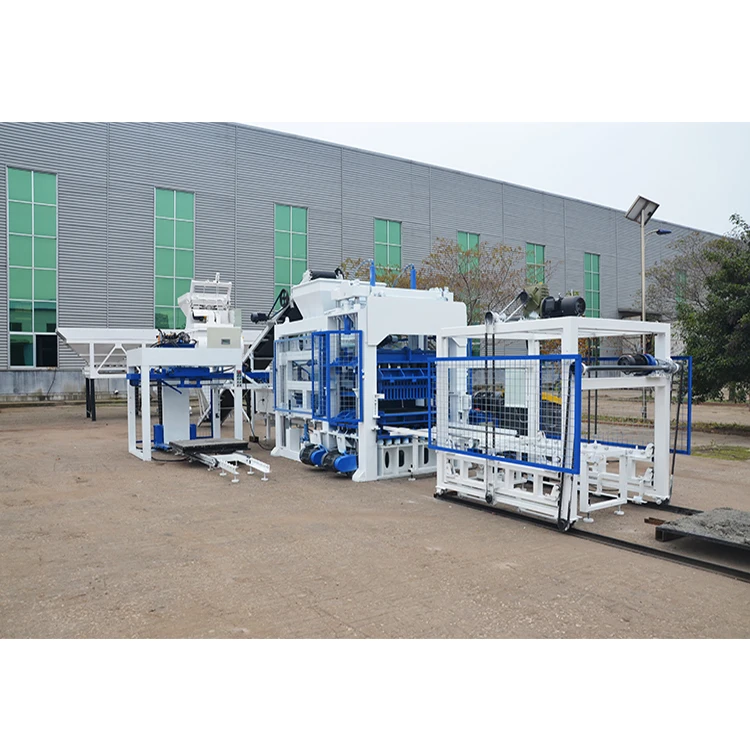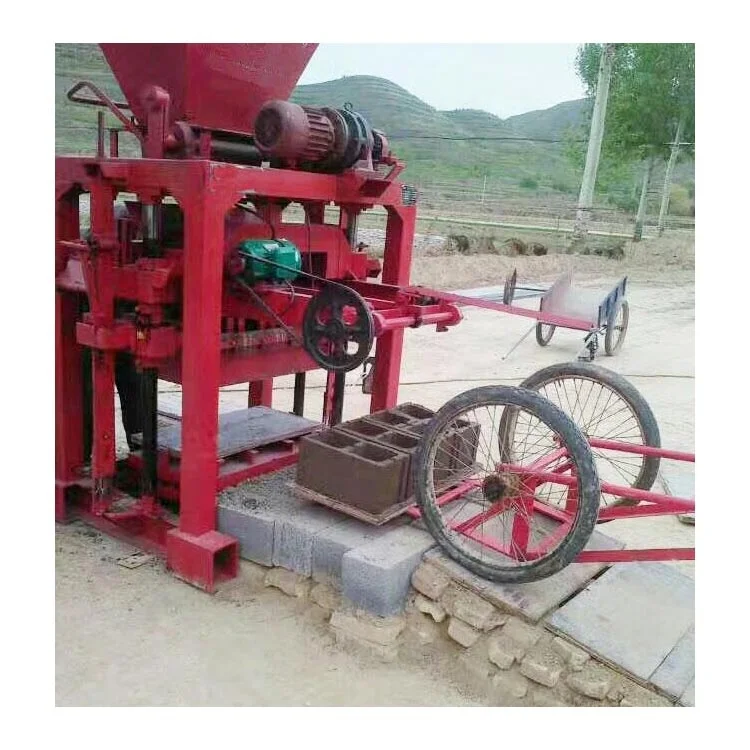
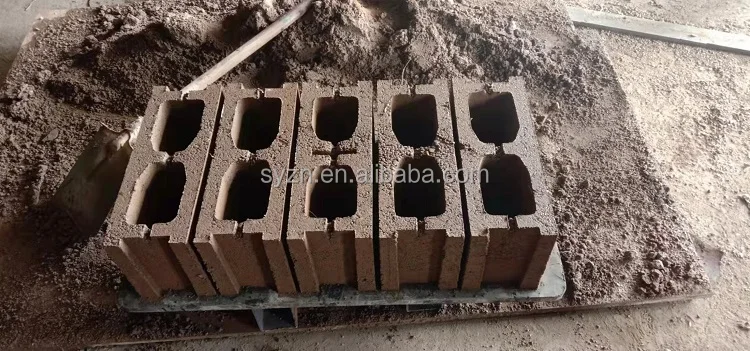
Description
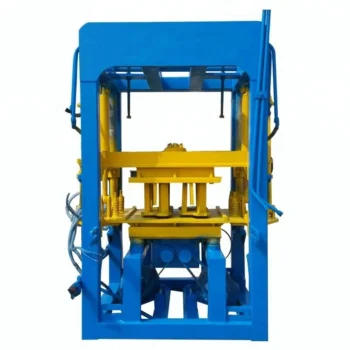
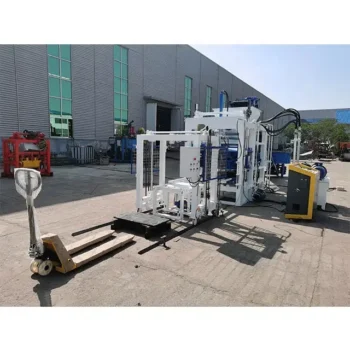
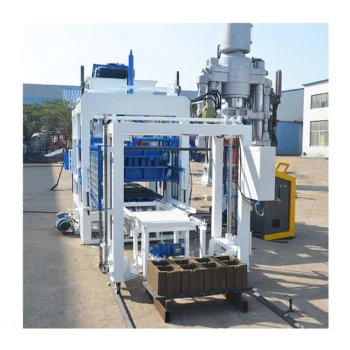
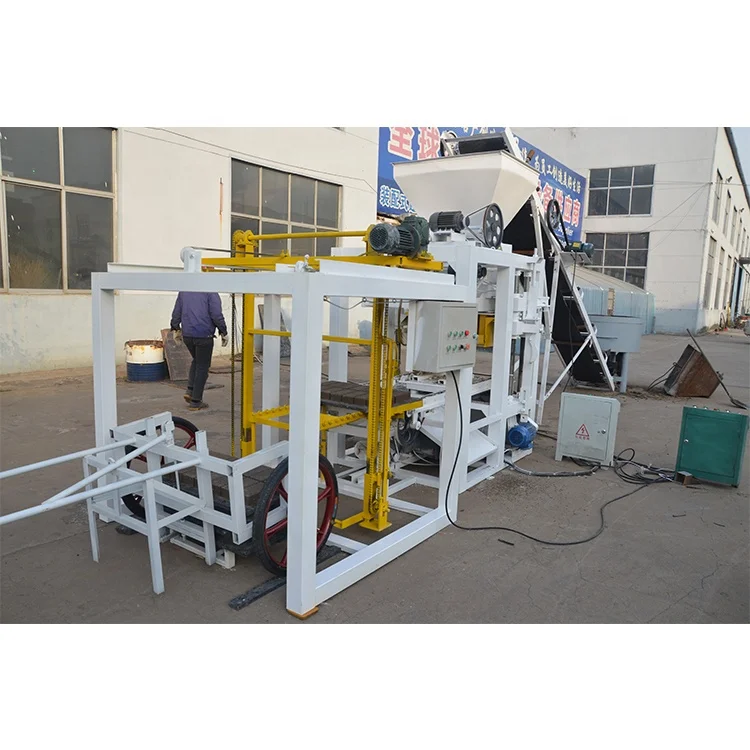
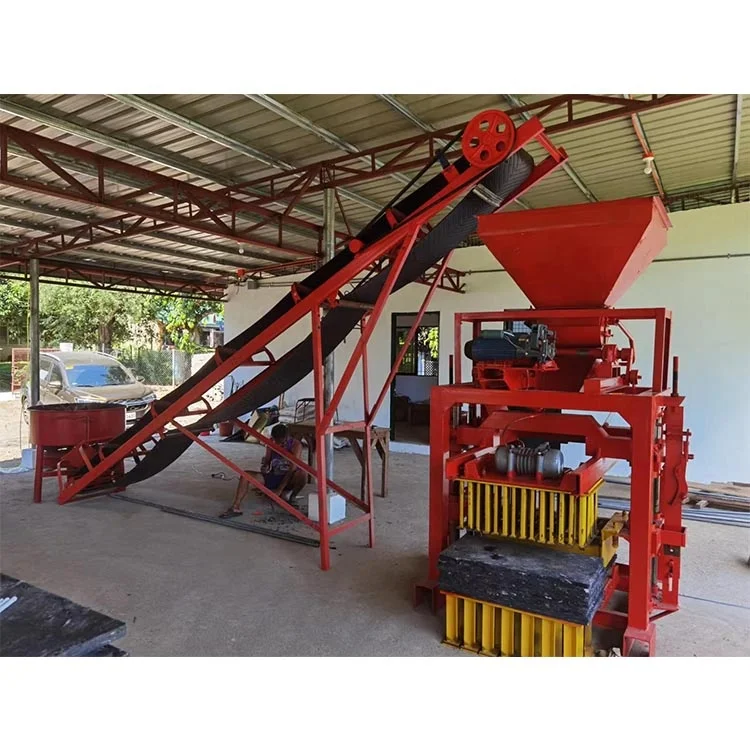
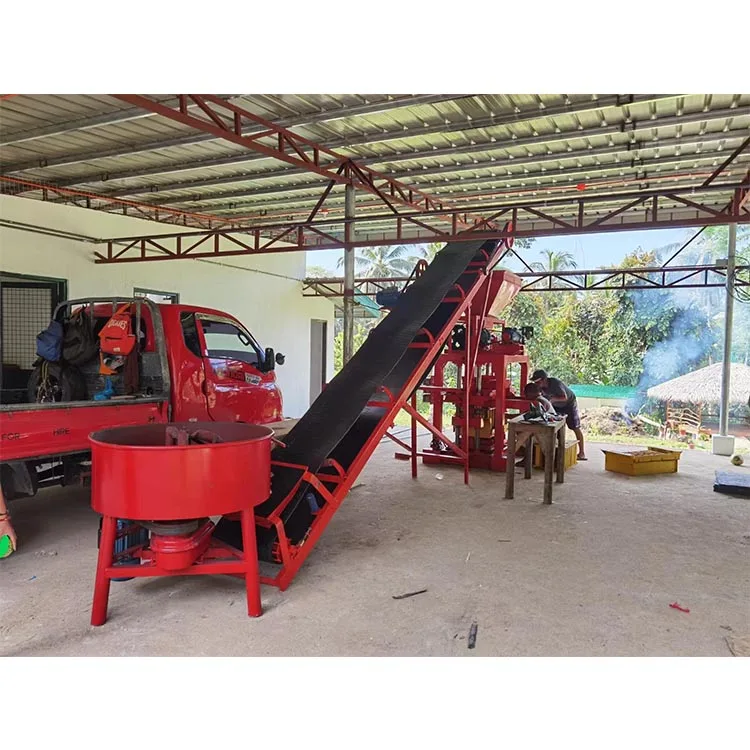
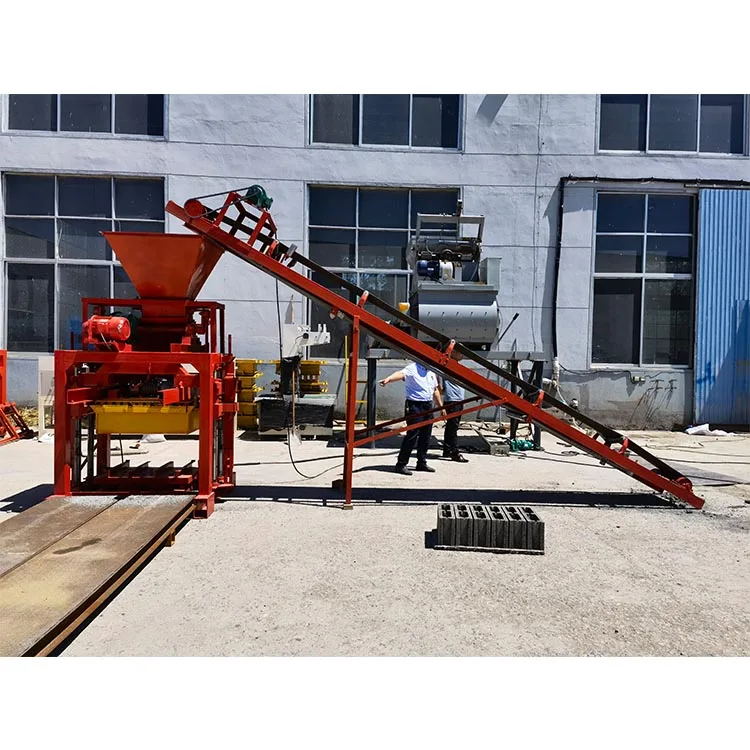
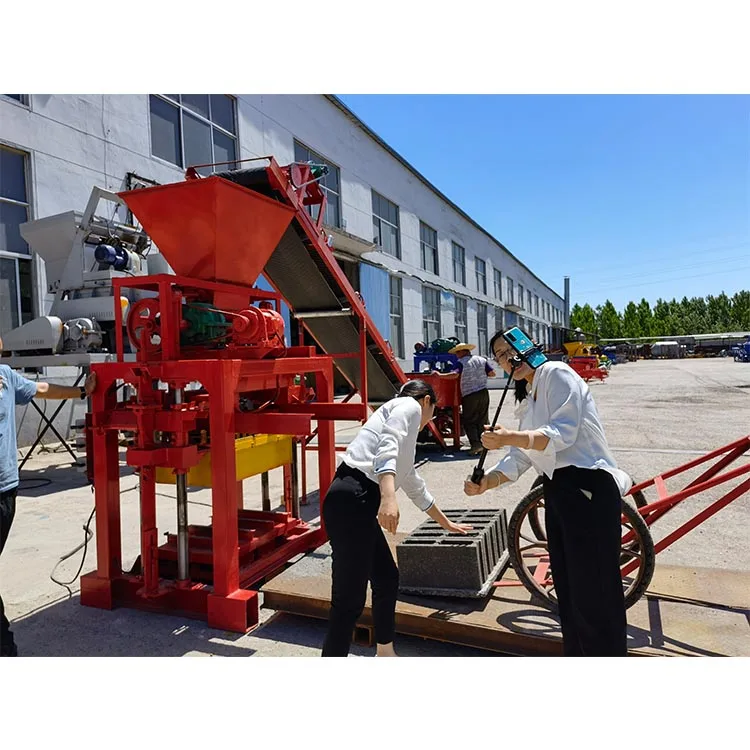
Matched Line Dispatch — the QTJ4-35 and its JQ350 mixer are stocked as a single, ready-to-load system, so your block plant ships together rather than chasing separate suppliers for matching components.
Technical Specifications
| Parameter | Value |
|---|---|
| Model | QTJ4-35 |
| Product Type | Semi-Automatic Concrete Block Making Machine |
| Mixer | JQ350 |
| Material Handling | Belt conveyor |
| Automation Level | Semi-automatic |
| Block Formats | Hollow blocks, solid blocks, pavers |
| Capacity (400×200×200mm hollow block) | 3200 pcs per 8-hour shift |
| Capacity (400×150×200mm hollow block) | 4000 pcs per 8-hour shift |
| Capacity (225×112.5×60mm solid block) | 7200 pcs per 8-hour shift |
| Pcs/Mould (400×200×200mm) | 4 |
| Pcs/Mould (400×150×200mm) | 5 |
| Pcs/Mould (225×112.5×60mm) | 9 |
| Vibration & Pressure | Hydraulic pressure combined with mechanical vibration |
| Stacking Method | Manual |
| Standards | CE |
Application Suitability
| Application | Material or Output |
|---|---|
| Small-scale block production plants | Hollow and solid blocks from crushed stone, sand, and cement |
| On-site construction block manufacturing | Concrete masonry units produced directly at the building site |
| Start-up block making businesses | Pavers and standard blocks for local building material markets |
| Contractors adding production capability | Format changeover between hollow, solid, and paving blocks on one machine |
Why "In Stock" Must Include the Mould and Mixer
A stocked semi-automatic block machine in stock is only fast if the mould and mixer ship in the same container.
Buyers often receive a lead time on the press alone, only to discover the matching moulds are on a separate production schedule and the mixer is sourced from a different vendor. By the time all three components arrive, the project deadline has already slipped. [NEED_CITE: typical multi-component lead times in block machine procurement]
I have seen a buyer wait for a standard hollow block mould while the press sat commissioned and idle on the factory floor. A semi-automatic block machine in stock should mean the complete forming station is ready, not just the main frame.
What Dispatch Lead Time Actually Covers
When we confirm a semi-automatic block machine in stock, the clock starts from container booking rather than manufacturing. The QTJ4-35 is dismantled into its main press frame, hydraulic station, and control panel, then loaded alongside the JQ350 mixer and belt conveyor in a single container plan. This means the arrival estimate quoted upfront reflects actual port-to-port transit, not a production queue.
Stock Status and Mould Availability
Standard hollow and solid block moulds for the QTJ4-35 are held alongside the press. The mould change on this machine is mechanical, meaning a second or third format can ship in the same container without requiring a custom fabrication cycle. Buyers working toward a fixed project deadline can confirm both the press and the specific block format moulds before placing the order. [NEED_CITE: mould stocking practices for semi-automatic block machines]
Reading the Capacity Numbers by Format
The output figures for the QTJ4-35 shift significantly depending on which block you are actually producing. At 3200 pieces per 8-hour shift for a 400×200×200mm hollow block, the cycle accommodates the larger mould cavity fill and vibration settling time. Switch to a 225×112.5×60mm solid block and the same shift yields 7200 pieces, because the smaller format cycles faster and packs nine units per mould. These are not interchangeable numbers — a daily target must be calculated against the specific format your market demands, not the highest figure on the sheet.
The Cost of Overlooking Dispatch Details
A machine listed as available can still cost weeks if the voltage and control language are not confirmed before it leaves the factory. Shipping a 380V/50Hz unit to a site wired for a different standard means the control board fails on first power-up and replacement parts must cross borders. [NEED_CITE: voltage mismatch incidents in exported industrial machinery] The delay is not days but the full parts-and-technician transit time, during which the block line produces nothing and the construction schedule absorbs the gap.
Why This Dispatch Point Exists
Block machinery is the only product line here, so the press, mould, pallet, and handling equipment are specified as one matched set rather than assembled from separate suppliers. The QTJ4-35 leaves the factory with its JQ350 mixer and belt conveyor configured for the same voltage and control language. Container loading plans and dismantling sequences are documented before shipment, not improvised at the dock.
Documentation & Verification
- Factory test record on your target block format before the QTJ4-35 leaves the workshop
- Voltage and control language confirmation sheet signed off prior to container sealing
- Container loading plan with dismantling sequence and component placement photographs
- Hydraulic and electrical schematic matching the shipped configuration of the QTJ4-35
- Customs documentation package with packing list and CE declaration where applicable
Installation, Commissioning & Support
- Site foundation plan sized for the QTJ4-35 press weight and vibration transmission
- Dedicated power circuit matching confirmed voltage and frequency before the machine arrives
- Press, hydraulic station, and control panel reassembled on site following documented sequence
- First production run supervised with parameter adjustment to local aggregate and mix design
- Operator training covering mechanical mould change and daily maintenance routines
- Wear parts list with hydraulic seals and mould liner replacements identified by part number
What to Prepare Before Inquiring
To quote an arrival estimate accurately, the destination port, site voltage, and frequency need to be confirmed alongside the block format you intend to produce first. If your curing yard uses a specific pallet size or your forklift has a weight limit, that shapes the pallet specification included in the container.
Frequently Asked Questions
Q: Which QTJ4-35 configurations are currently ready for immediate dispatch?
A: The QTJ4-35 semi-automatic block machine in stock is available as a complete set with the JQ350 mixer, belt conveyor, and standard hollow or solid block moulds. Before confirming dispatch, voltage, frequency, and control language are verified against your site conditions to prevent commissioning delays after arrival.
Q: How long is the dispatch lead time and when will it reach my port?
A: Once voltage and control details are confirmed, the machine is booked into the next available container sailing. The arrival estimate is quoted upfront based on the destination port and current shipping schedules, covering sea transit only — not customs clearance time at your end.
Q: How is the QTJ4-35 prepared for container shipment?
A: The press frame, hydraulic station, and control panel are dismantled into shipping positions and secured within the container alongside the mixer and conveyor. A loading plan with photographs is provided so your team can match components to the reassembly sequence on arrival.
Q: Can additional moulds ship in the same container as the machine?
A: Yes. Standard hollow, solid, and paver moulds for the QTJ4-35 are stocked and can be included in the same container load. This avoids a second shipment and ensures all block formats are available the day the machine is commissioned.
Q: What documentation comes with the shipment for customs clearance?
A: Each QTJ4-35 ships with a packing list, commercial invoice, bill of lading, CE declaration where applicable, and a factory test record. Voltage and control confirmation documents are included so inspectors can verify the machine matches the declared configuration.