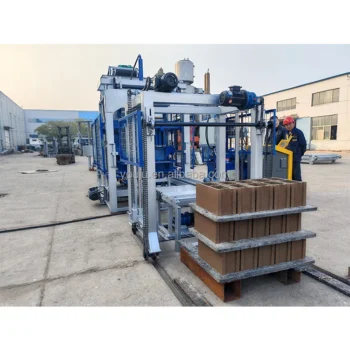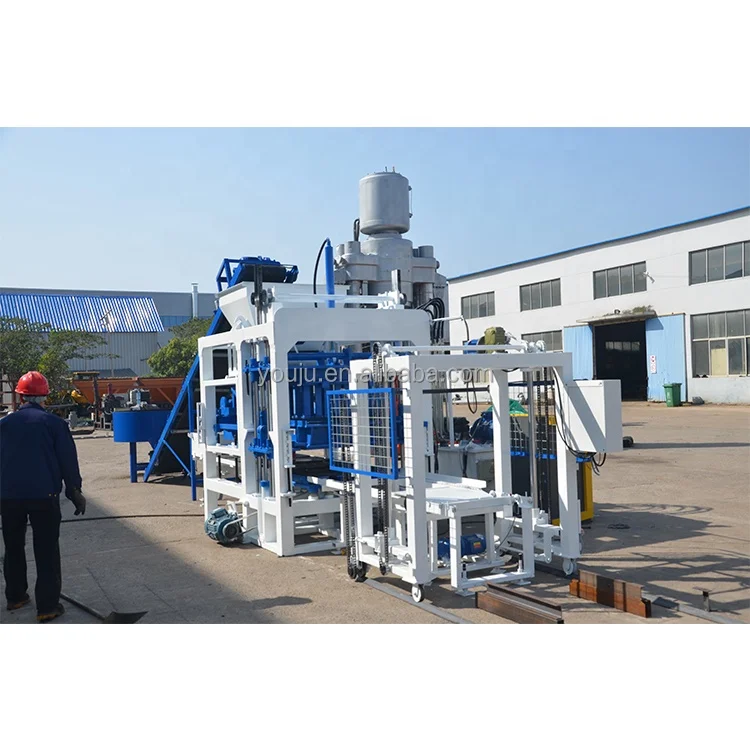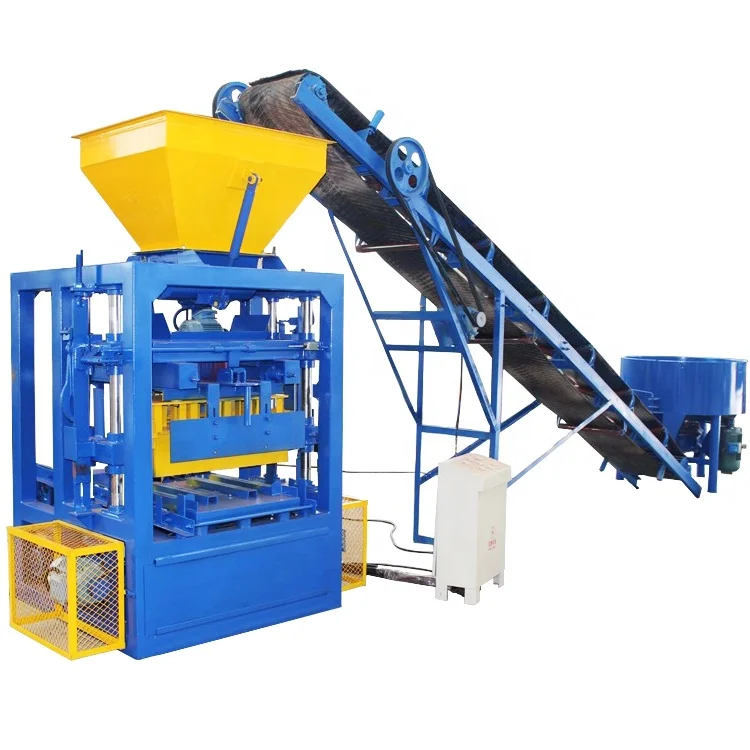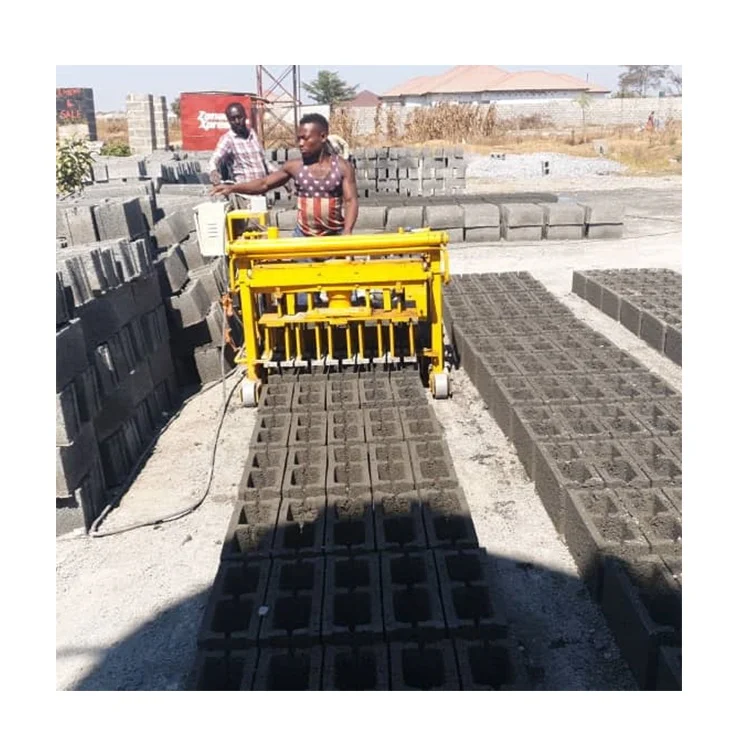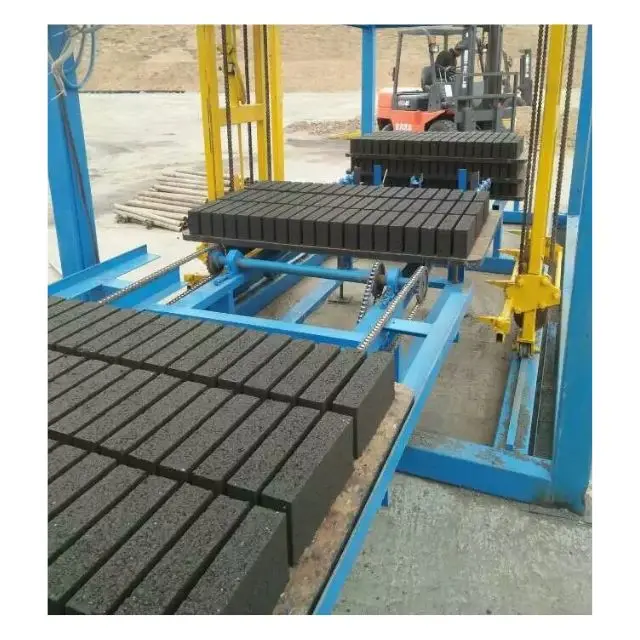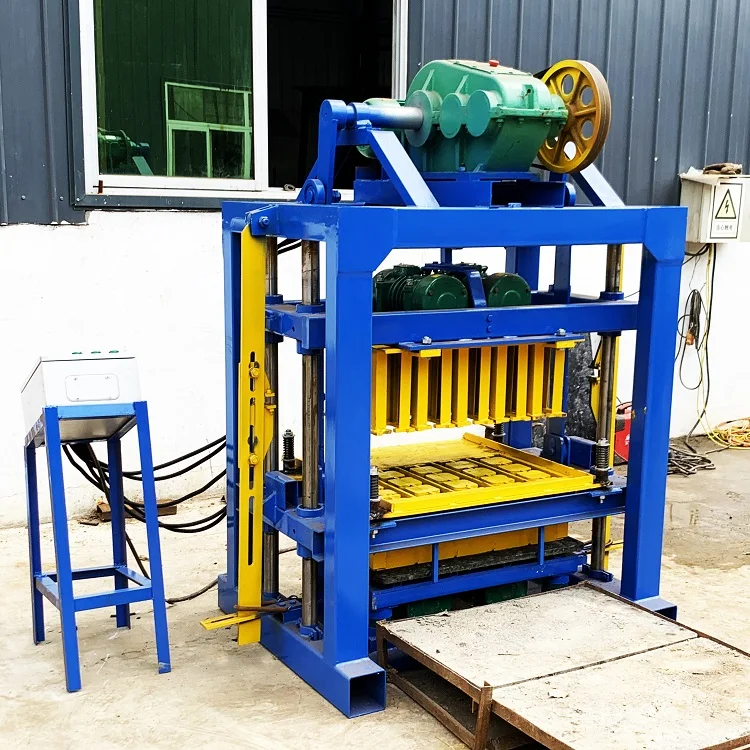
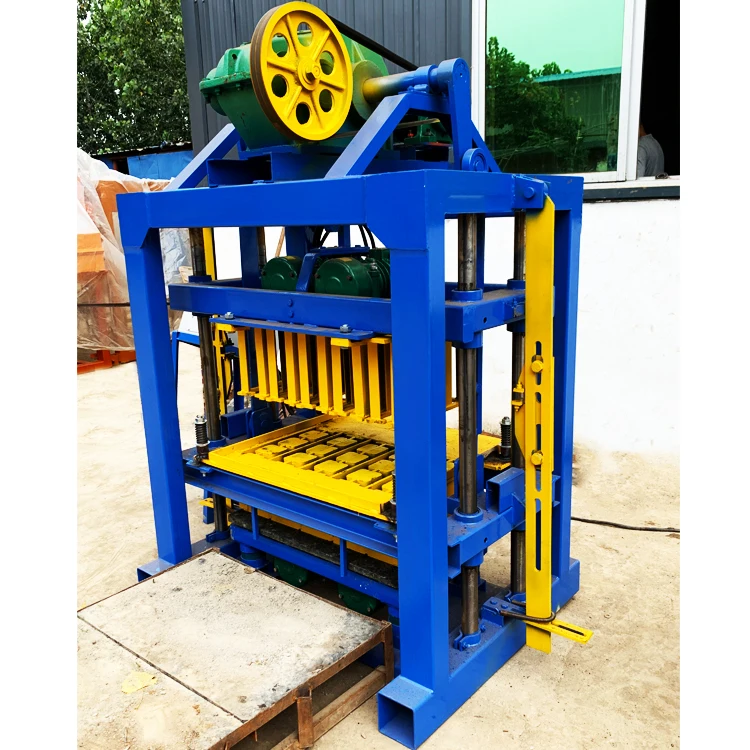
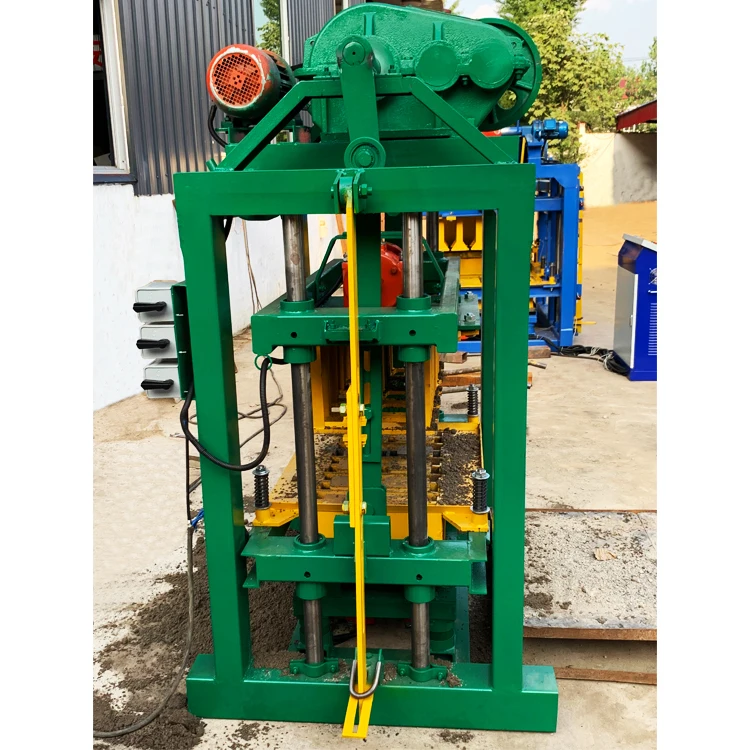

Description
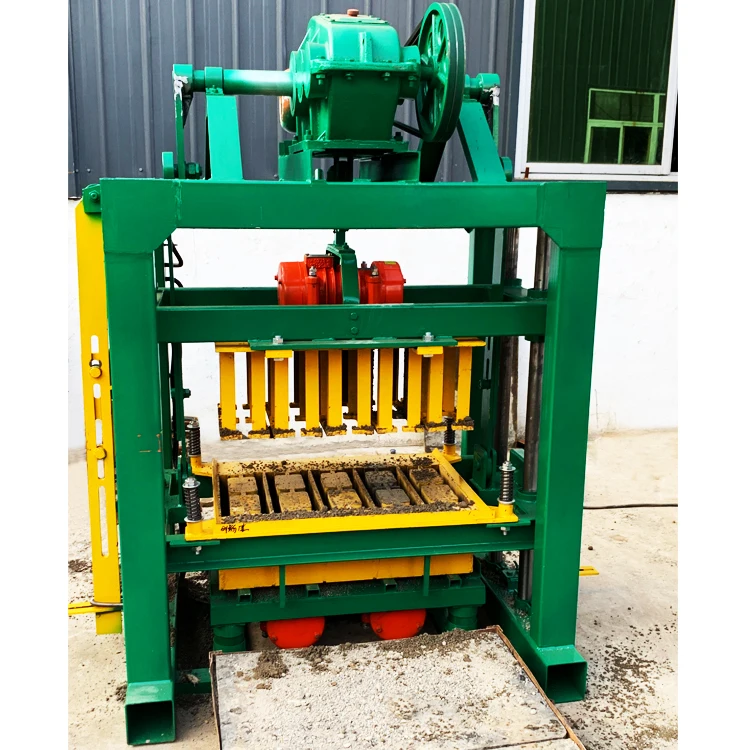
Ready-stock availability — QTJ4-40 interlocking brick machines and standard moulds are held in our Linyi warehouse, configured to your site voltage before dispatch to eliminate the dead-on-arrival failures I used to see when sourcing for buyers in West Africa.
Technical Specifications
| Parameter | Value |
|---|---|
| Model | QTJ4-40 |
| Product Type | Interlocking Brick Making Machine |
| Category | Stationary block machine |
| Rated Power | 9.5 kW |
| Voltage & Frequency | 380V or configurable to buyer’s local standard (frequency to be confirmed) |
| Control System | Manual operation with vibration motor |
| Overall Dimensions (L×W×H) | 1350×1460×1800 mm |
| Net Weight | 1 T |
| Pallet Size | 850×450×40 mm |
| Mould Format Options | 400×200×200 mm (4 pcs per mould) / 400×240×200 mm (3 pcs per mould) |
| Cycle Time | 40 s (basis not stated in source — confirm block format and mix) |
| Vibration Frequency | 2800 r/min |
| Motor | German Siemens motor |
| Required Workshop Area | 200 m² |
| Required Workers | 3–5 |
| Color Options | Red or optional |
| Warranty | 1 year |
| Automation Level | Manual / semi-manual |
Application Suitability
| Application | Material or Output |
|---|---|
| Small-scale interlocking brick production | Crushed stone, sand, and cement mix for load-bearing and non-load-bearing walls |
| On-site hollow block production for housing projects | Local aggregate and cement blended on-site for immediate use in masonry |
| Solid cement block manufacturing for local resale | Standard concrete mix with regionally sourced sand and gravel |
| Start-up block plant operations | Low-capital entry with manual pallet handling and open-air curing |
Why the Voltage Question Must Come Before the Purchase Order
A QTJ4-40 interlocking brick machine in stock means nothing if the motor trips every time you switch it on because the frequency was never confirmed.
I watched this happen firsthand on a Nigerian job site — a machine sat dead for three weeks while we scrambled to ship a transformer across two continents. The supplier had quoted a competitive price and a fast lead time, but nobody asked what voltage and frequency the site actually ran on [NEED_CITE: voltage and frequency standards by export market]. For project-deadline buyers, that silence between the factory floor and the container door is where schedules collapse.
Dispatch Timing That Matches Your Project Schedule
When a contractor has a housing handover date fixed in the contract, waiting sixty days for a made-to-order block press is not an option. The QTJ4-40 interlocking brick machine in stock is pre-assembled, factory-tested, and ready for container loading from our Linyi facility. Standard moulds for both the 400×200×200 mm and 400×240×200 mm formats are held alongside the press, so your shipment leaves as one matched set rather than waiting on a separate mould supplier.
Container Loading and Dismantling for Shipment
The compact footprint of 1350×1460×1800 mm and a net weight of 1 T mean the QTJ4-40 fits cleanly into a standard shipping container without specialized flat-rack arrangements. The machine is partially dismantled — vibration motor secured, hopper folded, pallet guide rails detached — and packed with blocking to survive ocean transit. Before the container doors close, we photograph the packing arrangement so you can verify load condition before the vessel sails [NEED_CITE: container loading practices for heavy industrial machinery].
How the 9.5 kW Rated Power and Vibration Motor Shape Block Density
The 9.5 kW rated power drives a vibration motor running at 2800 r/min, which compacts the concrete mix into the mould cavity during each 40-second cycle. Vibration frequency directly influences how tightly aggregate particles settle — too low and the interlocking brick emerges with weak edges that chip during handling; too high and the mix segregates, leaving cement paste on top and coarse aggregate at the bottom. The manual operation means the operator controls feed volume and vibration duration, so block consistency depends on disciplined cycle repetition and a stable mix design matched to your local sand and stone. The 850×450×40 mm pallet size is deliberate: it matches commonly available timber pallets in most export markets, so you are not waiting on a custom pallet order before production can start.
What Happens When Voltage Is Left Unconfirmed
The motor on this class of machine is wound for a specific voltage and frequency combination. Ship a 380V/50Hz motor to a site running 440V/60Hz and the motor draws excess current, overheats within hours, and trips the thermal overload repeatedly. I have seen entire crews standing idle because the supplier never asked the right question before crating the machine. Three weeks of lost production, a transformer air-freighted at premium cost, and a contractor facing penalty clauses — all traceable to a missing line on the order confirmation [NEED_CITE: motor failure causes in exported industrial equipment].
Why Buyers Choose This Source for Fast-Dispatch Block Machines
Block machinery is our single focus, so the QTJ4-40 leaves as a matched system — press, moulds, pallets, and manual handling tools specified together rather than assembled from separate vendors. Voltage and frequency are confirmed in writing before the machine leaves the factory floor, eliminating the commissioning delays that stall site startup. Standard moulds ship from stock, so format changes do not add weeks to your lead time. Factory test records accompany every shipment, showing the machine ran and produced blocks before it was dismantled for packing. Customs documentation support is included, reducing the chance that your container sits at the port while paperwork is corrected.
Documentation & Verification
- Factory test record showing QTJ4-40 run with your specified mould format before dispatch
- Voltage and frequency confirmation sheet signed before machine leaves factory
- Packing photographs documenting load condition inside the container
- Hydraulic and electrical schematic matching the shipped configuration
- Customs documentation package prepared for your destination port
- Operation and maintenance manual with wear parts list for the QTJ4-40
Installation, Commissioning & Support
- 200 m² workshop area required, with level concrete floor rated for the 1 T net weight
- Dedicated electrical circuit matching confirmed voltage and frequency for the 9.5 kW rated power
- Machine arrives partially dismantled; reassembly covers vibration motor, hopper, and pallet guides
- First-run commissioning includes vibration duration setting and mix adjustment for local aggregate
- Operator training covers 40-second cycle discipline and manual pallet handling sequence
- Wear parts list and mould replacement schedule provided for ongoing production continuity
What We Need to Finalize Your Dispatch
Send us the block format your market sells — interlocking, hollow, or solid — along with your local voltage and frequency so we can confirm motor winding before crating. If you have existing pallets on site, share the dimensions so we can verify compatibility with the 850×450×40 mm standard. Tell us your target commissioning date and we will quote an arrival estimate based on current shipping schedules from Linyi.
Frequently Asked Questions
Q: What is the dispatch lead time for the QTJ4-40 — is it truly in stock?
A: The QTJ4-40 interlocking brick machine and its standard moulds are held in our Linyi warehouse. Once voltage and frequency are confirmed, the machine is tested, dismantled for packing, and loaded into a container. Dispatch lead time covers testing, packing, and inland transport to port — we quote the arrival estimate before you commit.
Q: How is the machine dismantled and loaded into a container for shipment?
A: At 1350×1460×1800 mm and 1 T, the QTJ4-40 fits a standard container. The vibration motor is secured, the hopper folded, and pallet guide rails detached. Blocking and bracing prevent movement during ocean transit. We provide packing photographs so you can verify load condition before the container is sealed.
Q: Can voltage and frequency be matched to my country’s standard before shipping?
A: Yes. The motor is wound or selected to match your site’s exact voltage and frequency. This confirmation is documented in writing before the machine leaves the factory floor — a step I insist on after watching a machine sit dead on a Nigerian site for three weeks because this detail was missed.
Q: What customs documentation is provided with the shipment?
A: We prepare the commercial invoice, packing list, bill of lading, and any destination-specific declarations required for your port. Documentation support is included with every shipment to reduce the risk of your container being held at customs while paperwork errors are corrected.
Q: How quickly can I receive replacement moulds and wear parts after the machine arrives?
A: Standard mould formats for the QTJ4-40 are stocked alongside the machines. When you need a replacement mould or wear parts such as vibration motor components, we quote dispatch timing based on current stock levels and your destination port, so production downtime stays minimal.