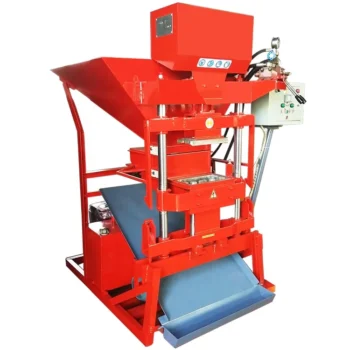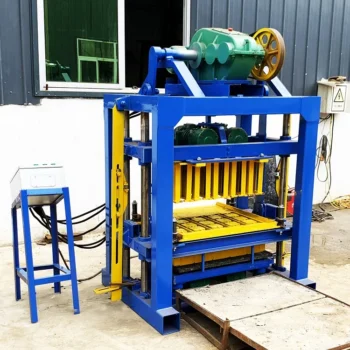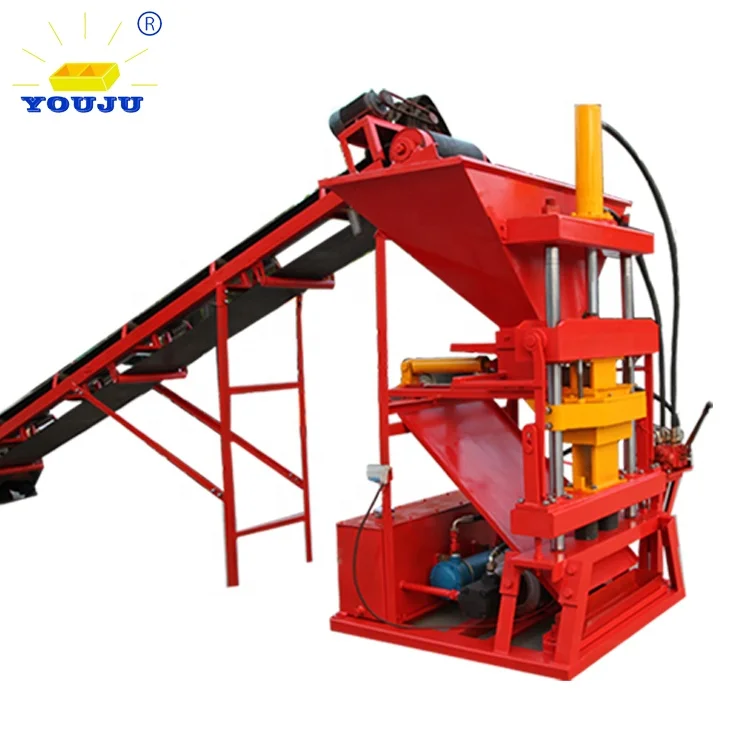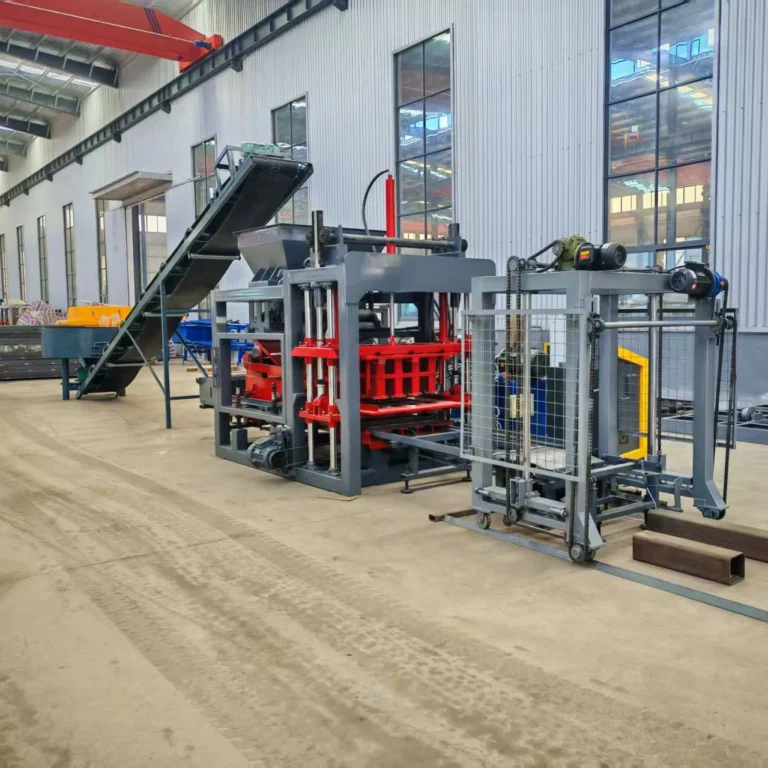

Description
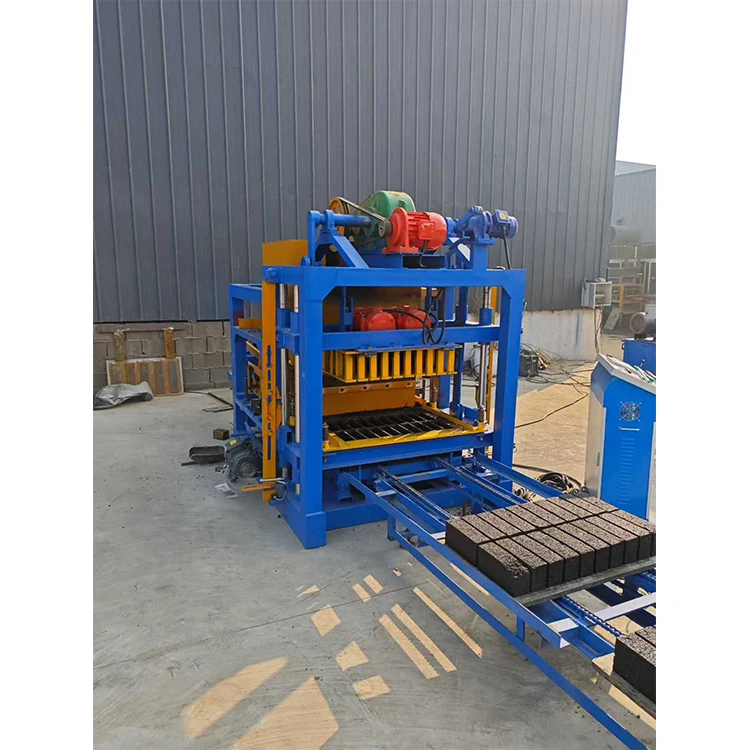
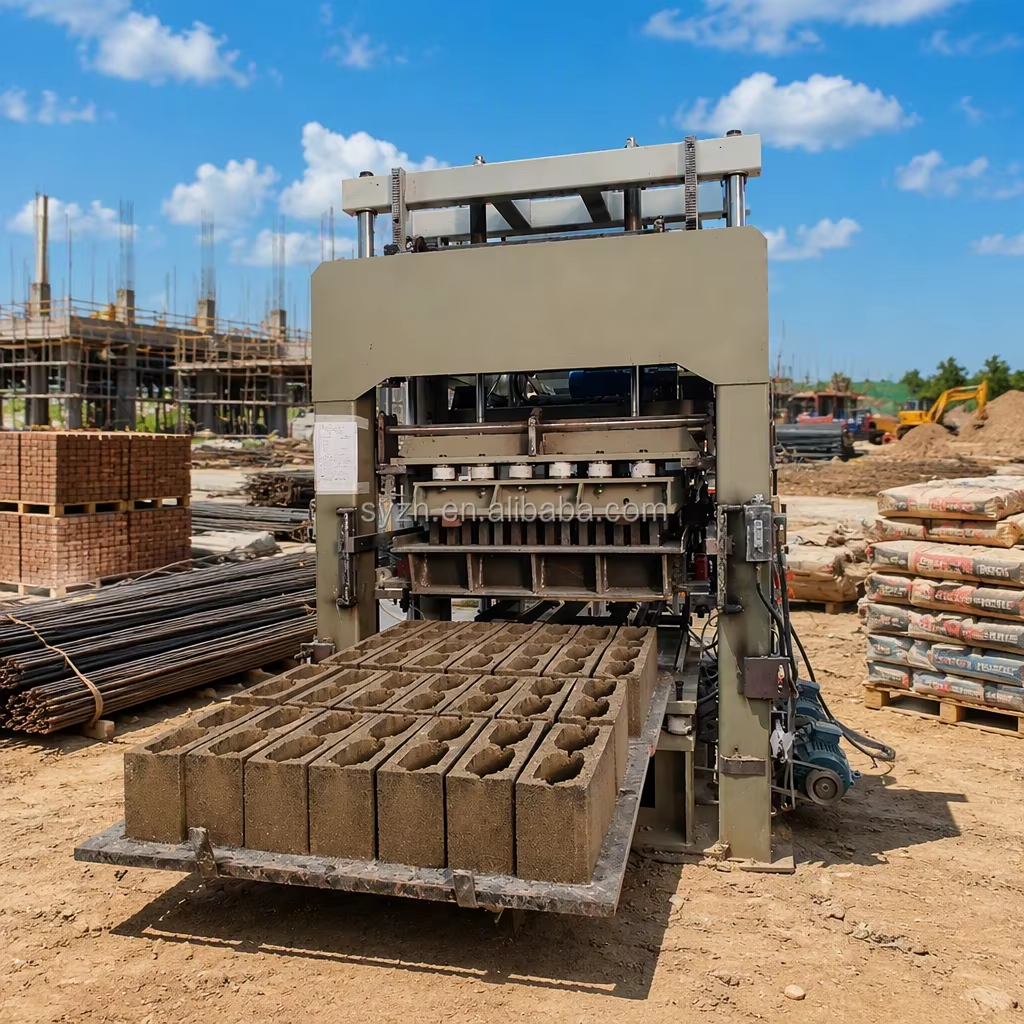
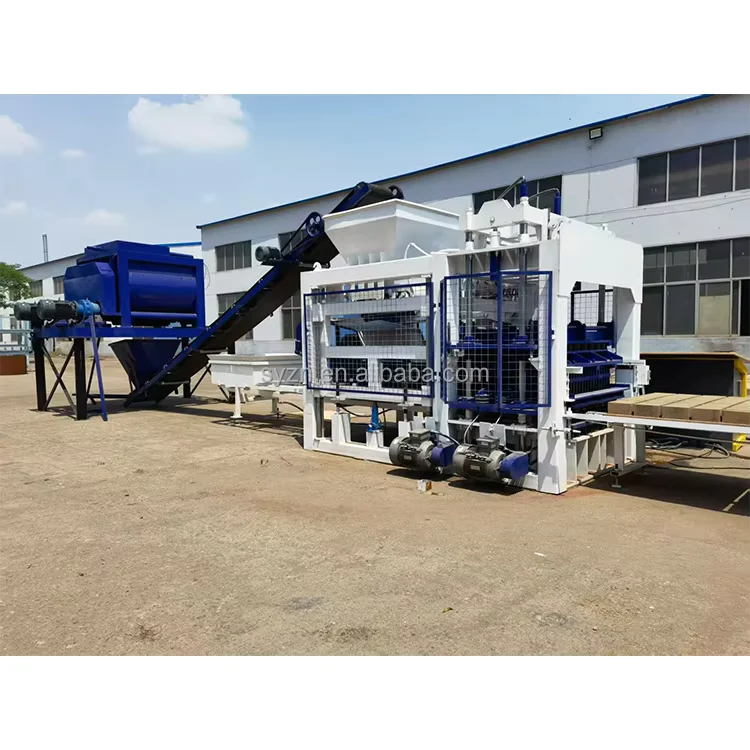
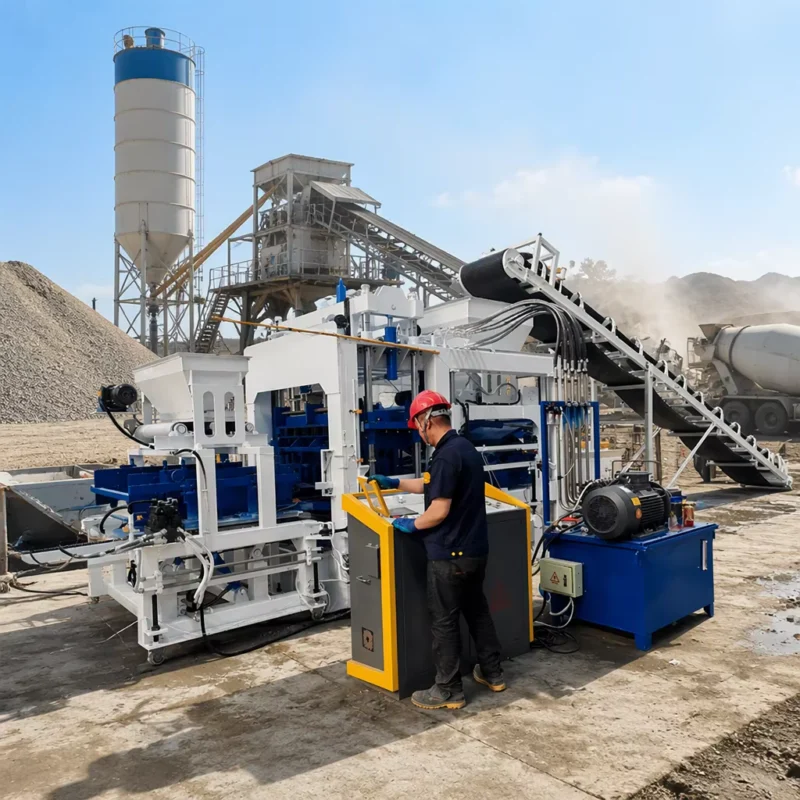
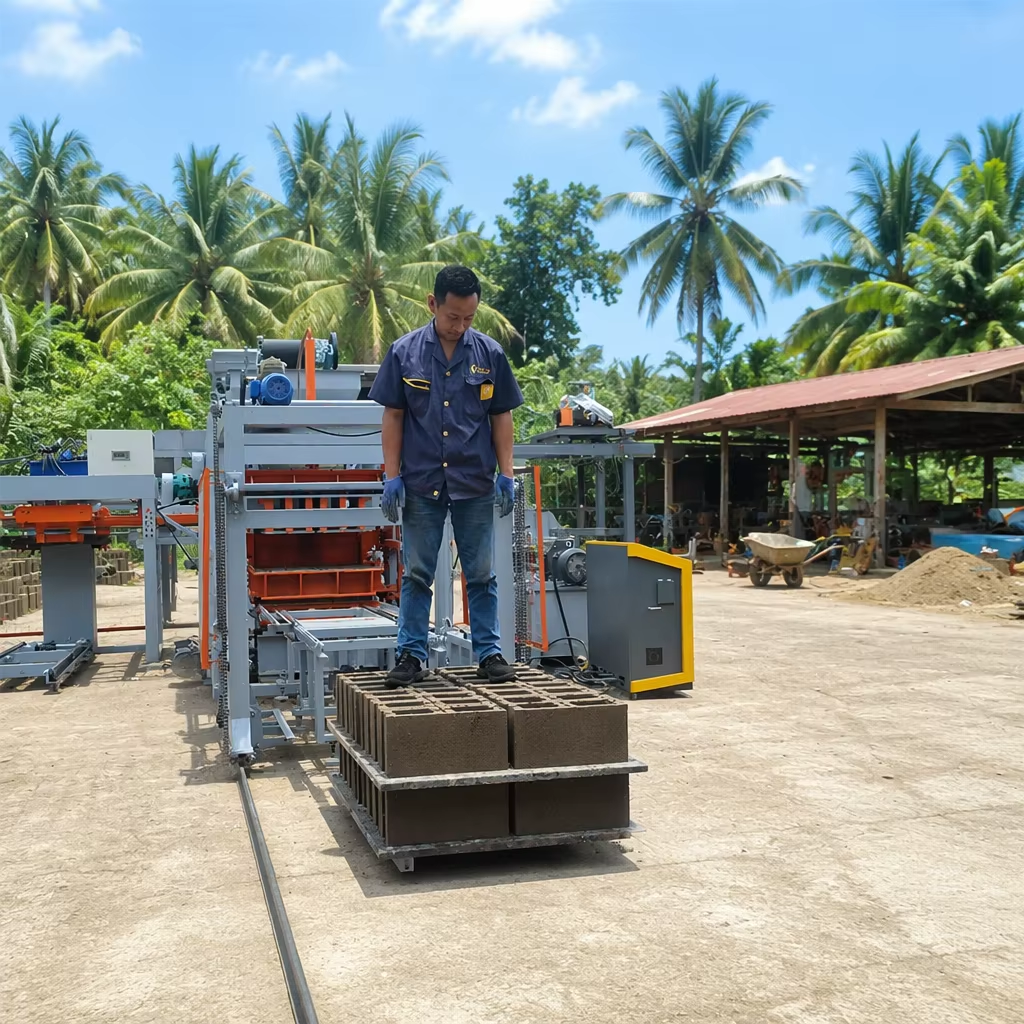
Stocked Machine Readiness — the QT10-15 hydraulic brick making machine in stock is pre-configured for rapid dispatch, avoiding the multi-week procurement delays that stall active construction sites.
Technical Specifications
| Parameter | Value |
|---|---|
| Model | QT10-15 |
| Product Type | Hydraulic Brick Making Machine |
| Method | Hydraulic Pressure |
| Rated Pressure | 21 MPa |
| Voltage Options | 380 V, 220 V |
| Dimension (LWH) | 7100 x 1600 x 2610 mm |
| Total Mass | 7.2 T |
| Pallet Size | 1100 x 900 mm |
| Molding Cycle | 15 s (basis not stated in source) |
| Core Components | PLC, Pressure Vessel, Motor, Pump, Gearbox |
Application Suitability
| Application | Material or Output |
|---|---|
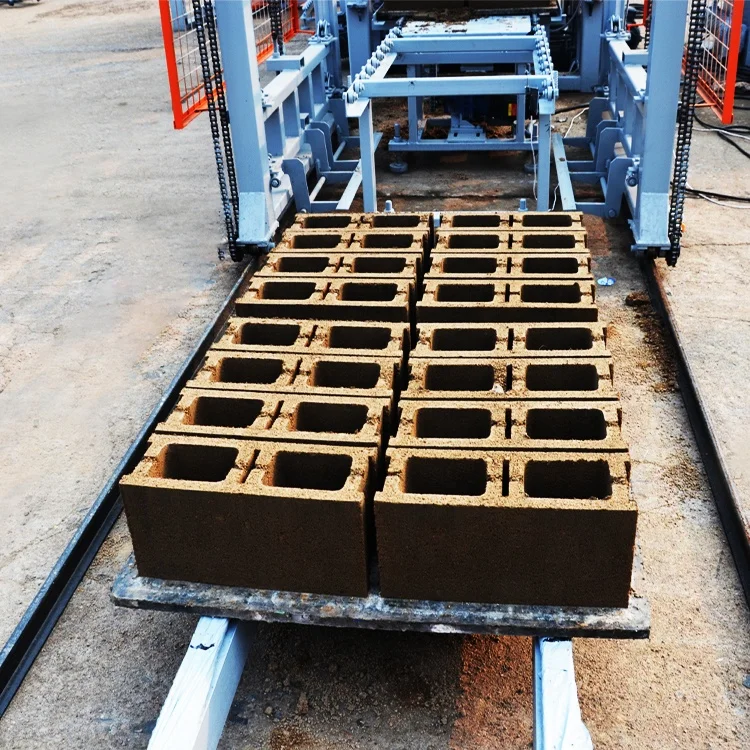
| Hollow block production | Concrete, cement, flyash |
| Paving block manufacturing | Concrete, cement, flyash |
| Curbstone block forming | Concrete, cement, flyash |
Why the Voltage Question Must Precede the Dispatch Date
Ordering a QT10-15 hydraulic brick making machine in stock without confirming local grid compatibility turns a fast delivery into a prolonged site standstill.
Voltage verification is the absolute first step before loading the container.
I once saw a fully automatic line arrive at an overseas project site, only to sit idle for three weeks because the local grid could not support the specified power supply. The contractor had to pay for emergency electrical改造 while the project deadline slipped away [NEED_CITE: voltage and frequency standards by export market]. When you are working against a strict construction schedule, the physical availability of the equipment means nothing if the electrical parameters do not match your site’s transformer capacity. Confirming whether your facility runs on 380 V or 220 V ensures the QT10-15 hydraulic brick making machine in stock can be energized the moment it is reassembled.
Container Loading and Dismantling Protocols
Shipping heavy industrial equipment requires precise dismantling to fit standard container dimensions. The QT10-15 hydraulic brick making machine in stock is systematically broken down into manageable modules, ensuring the 7.2 T total mass is distributed safely across the shipping vessel. Securing the 7100 x 1600 x 2610 mm mainframe prevents transit damage and allows for straightforward reassembly upon arrival.
Upfront Arrival Estimates for Project Planning
Contractors need predictable timelines to coordinate foundation pouring and raw material delivery. We provide clear dispatch lead times and calculated arrival estimates based on your specific destination port. This transparency allows site managers to schedule crane rentals and electrical hookups exactly when the QT10-15 hydraulic brick making machine in stock clears customs, eliminating idle labor costs.
Interpreting the Hydraulic and Physical Specs
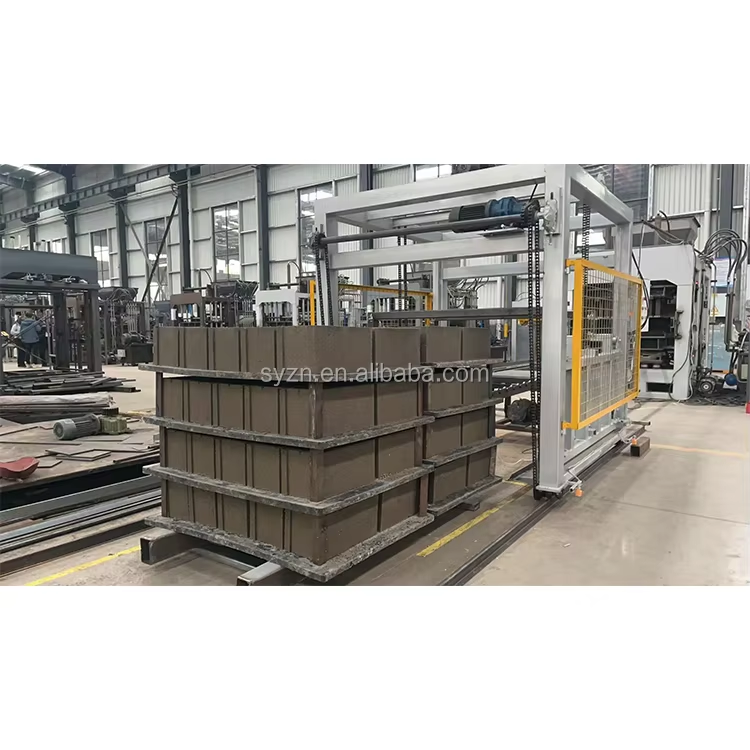
The 21 MPa rated pressure provides the necessary compaction force for forming dense concrete and flyash mixtures. The 1100 x 900 mm pallet size dictates the curing area layout; site planners must ensure their forklifts and curing racks match this footprint before the equipment arrives. While the 15 s molding cycle is listed, the actual daily output depends heavily on the specific block format and material thickness being produced [NEED_CITE: block format impact on cycle time]. The inclusion of core components like the PLC, motor, and gearbox means the primary drive and control systems are fully integrated and tested before the machine leaves the factory floor.
The Hidden Costs of Rushed Procurement
Failing to verify the exact dispatch lead time and container loading plan often results in mismatched site preparations. If the machine arrives before the concrete foundation has fully cured, the 7.2 T frame cannot be safely anchored. Furthermore, overlooking the standard mould inventory included in the ready-to-ship package might force contractors to source incompatible third-party moulds locally, causing severe delays in initial production runs [NEED_CITE: machinery test report requirements for industrial equipment].
Why Procure From Our Stock Inventory
We maintain physical inventory of the QT10-15 hydraulic brick making machine in stock, eliminating the typical multi-week manufacturing wait. Every unit undergoes a rigorous pre-shipment inspection where voltage configurations and hydraulic pressures are verified against the buyer’s confirmed site data. Our dismantling procedures are standardized to maximize container space and protect critical components like the pressure vessel and gearbox during ocean freight. We provide upfront arrival estimates so your project management team can plan the exact commissioning date.
Documentation & Verification
- Factory test record confirming hydraulic pressure and voltage settings before dispatch
- Machinery test report validating the structural integrity of the 7.2 T frame
- Video outgoing-inspection showing the dismantling and container loading process
- Detailed packing photographs documenting the securing of the PLC and motor
Installation, Commissioning & Support
- Foundation must support the 7100 x 1600 x 2610 mm footprint and 7.2 T operating weight
- Dedicated electrical circuit required matching the confirmed 380 V or 220 V specification
- Reassembly of dismantled modules requires a site crane with adequate lifting capacity
- Initial hydraulic pressure calibration set to 21 MPa during on-site commissioning
- Verification of 1100 x 900 mm pallet compatibility with existing site forklifts
Preparing Your Site for Immediate Integration
To ensure the fastest possible deployment, buyers should provide their exact destination port for accurate arrival estimates and confirm the local voltage and frequency standards. Additionally, detailing the available crane capacity at the unloading dock and the dimensions of the prepared concrete foundation allows us to finalize the container loading plan and dispatch the QT10-15 hydraulic brick making machine in stock without administrative delays.
Frequently Asked Questions
Q: What is the exact dispatch lead time for the QT10-15 model?
A: Because this model is maintained in our physical inventory, the dispatch lead time is limited to the days required for final voltage verification, dismantling, and container loading. Once your site specifications are confirmed, the equipment can be booked for the next available vessel, significantly shortening the procurement timeline compared to custom-built orders.
Q: How is the machine dismantled and loaded for container shipment?
A: The 7.2 T machine is systematically dismantled into major modules to fit standard shipping containers. The mainframe, hydraulic station, and control panels are secured with heavy-duty bracing to prevent transit damage. We provide packing photographs and a video outgoing-inspection so you can verify the loading plan before the container is sealed.
Q: Can I get an upfront arrival estimate for my specific port?
A: Yes. Once we confirm your destination port and the dispatch date, we calculate an upfront arrival estimate based on current shipping routes. This allows your construction team to schedule foundation work, crane rentals, and raw material deliveries to align perfectly with the equipment’s arrival and customs clearance.
Q: Which standard moulds are currently in stock and ready to ship?
A: Our ready-to-ship packages include standard moulds compatible with the machine’s hydraulic pressure and pallet size. When you inquire, we will provide a specific list of the available block formats currently in our warehouse, ensuring you can begin production immediately without waiting for custom mould manufacturing.
Q: How do I confirm voltage compatibility before fast dispatch?
A: Before we load the container, you must confirm your site’s exact voltage and frequency. We then configure and test the motor and PLC to match either 380 V or 220 V. This critical verification step prevents the machine from sitting idle on your site due to electrical mismatches, ensuring it can be powered up immediately upon reassembly.