

QMY Mobile Block Machine for Govt Works: Shiyue Manufacturer
Most mold jamming is not a mechanical failure; it is a pallet alignment issue.
For government contractors managing high-traffic infrastructure projects, the core strategy for mobile block machine maintenance is preventive rather than reactive. This involves daily verification of vibration table bolt tension, strict adherence to pallet guide clearance tolerances, and using only manufacturer-specified hydraulic seals to prevent systemic pressure loss. Neglecting these specific checkpoints leads to unplanned downtime that jeopardizes tight public work deadlines. [NEED_CITE: common causes of downtime in concrete block production per industry maintenance logs]
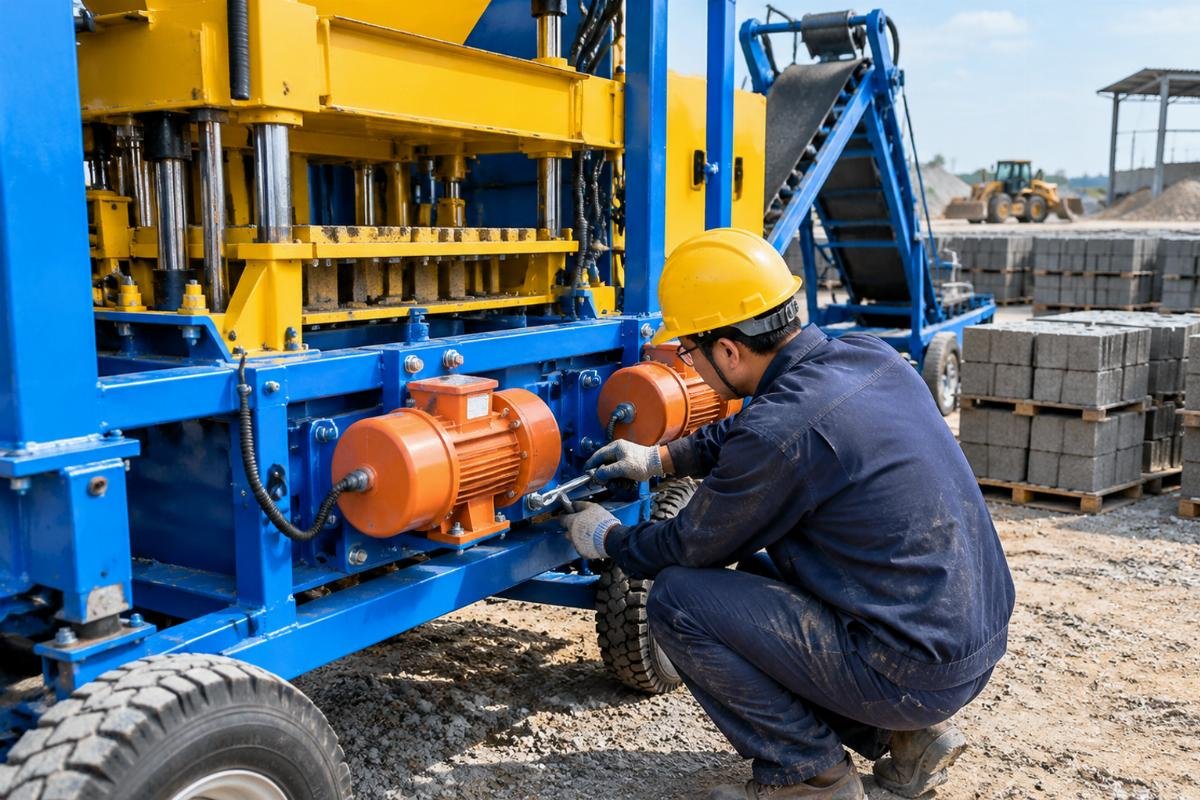
Having started as a welder in Linyi workshops before moving into international equipment deployment, I have seen how quickly a well-intentioned maintenance schedule can fail under the pressure of a road project deadline. In Ethiopia, during the installation of a QT6-15 line, we observed that downtime dropped from days to hours simply by implementing a rigorous daily bolt-check protocol. Similarly, in Indonesia, a contractor running a QMY6-25 unit had to increase pallet alignment checks to every four hours during peak production to prevent mold jamming. These experiences highlight that the physical demands of public works require a different approach to mobile block machine maintenance than standard private plant operations.
Why Do Mobile Machines Fail Faster in Public Works?
Public infrastructure projects operate under intensity levels that far exceed typical commercial block production. The cycles are continuous, the environmental conditions are often harsh, and the tolerance for error is near zero. When a government contract mandates a specific completion date, the equipment must run at or near maximum capacity for extended periods. This high-intensity usage accelerates wear on critical components, making standard maintenance intervals insufficient. [NEED_CITE: impact of continuous duty cycles on construction equipment fatigue]
The primary reason for accelerated failure is the cumulative effect of vibration. Unlike stationary plants with massive concrete foundations, mobile units rely on their own structural integrity and temporary leveling. Every cycle generates stress that travels through the frame. If this energy is not properly managed through regular inspection, it leads to micro-fractures in welds and loosening of fasteners. A loose bolt is not just a nuisance; it changes the dynamic balance of the machine, causing uneven block density and rapid frame fatigue.
In many emerging markets, site managers may prioritize output volume over preventive checks, assuming that the machine will signal a problem before it fails. This is a dangerous assumption. By the time a mobile block machine exhibits obvious symptoms like unusual noise or visible misalignment, significant internal damage has often already occurred. The key is to recognize that high-traffic public works demand stricter maintenance protocols. This includes more frequent lubrication of moving joints and closer monitoring of hydraulic oil temperature, which tends to rise faster under continuous load.
How to Prevent Mold Jamming?
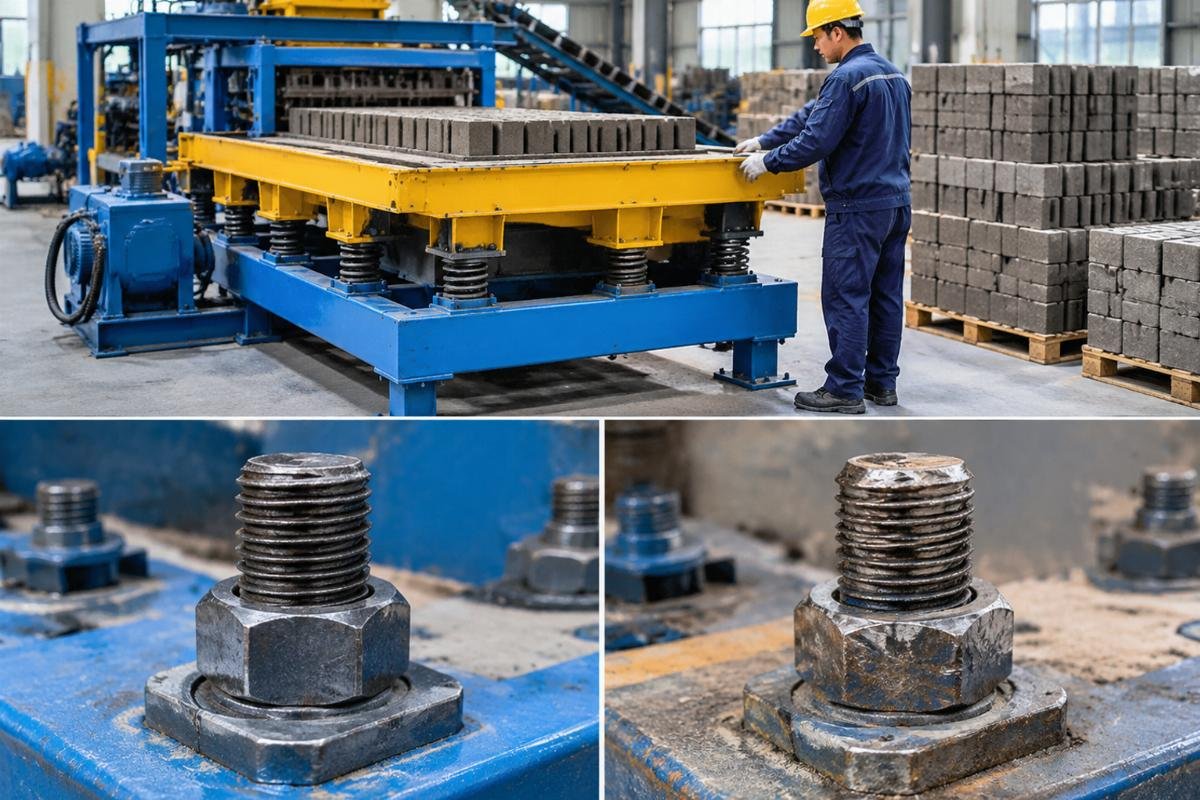
Mold jamming is frequently misdiagnosed as a mechanical breakdown, leading technicians to spend hours disassembling the mold box when the root cause is much simpler. In reality, most jamming incidents stem from pallet size misalignment or excessive wear on the pallet guides. When the pallet does not sit perfectly flat and centered, the mold cannot descend evenly, causing concrete to spill into the guide rails and harden. This creates a cycle of increasing friction and eventual seizure. [NEED_CITE: mechanical causes of mold jamming in egg-layer block machines]
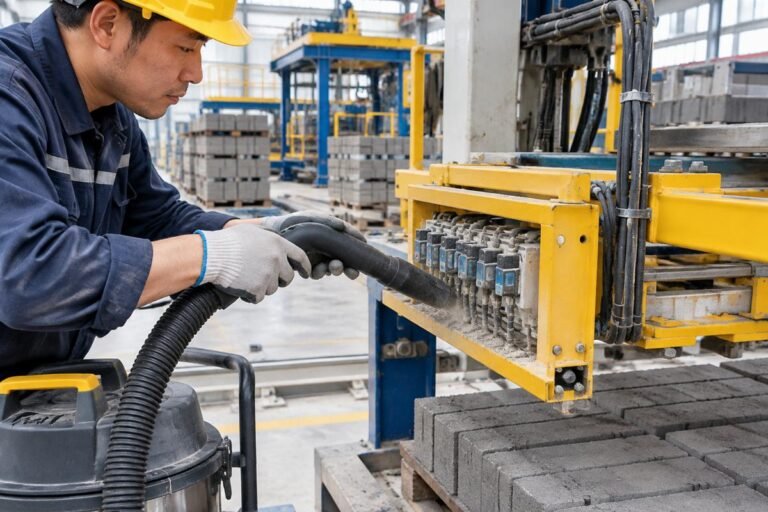
To prevent this, operators must focus on the interface between the pallet and the machine frame. The clearance between the pallet guide and the pallet edge must be checked regularly. If this gap is too wide, the pallet shifts during vibration; if it is too narrow, friction increases. The ideal state is a consistent, minimal clearance that allows smooth movement without play. This requires precise adjustment tools and a clean working environment. Dust and hardened concrete residue on the guides act as abrasives, accelerating wear and disrupting alignment.
A practical approach involves implementing a cleaning and inspection routine at fixed intervals. During peak production, such as in the Indonesian case mentioned earlier, this might mean checking alignment every four hours. The process involves stopping the machine, cleaning the guide rails thoroughly, and visually inspecting the pallet edges for damage. Any burrs or deformities on the pallet must be ground down immediately, as they can catch on the guides and cause a jam. Additionally, ensuring that the pallets themselves are of uniform thickness and free from warping is crucial. Using damaged or inconsistent pallets is a common shortcut that leads to long-term maintenance headaches.
What Is the Real Risk of Hydraulic Leaks?
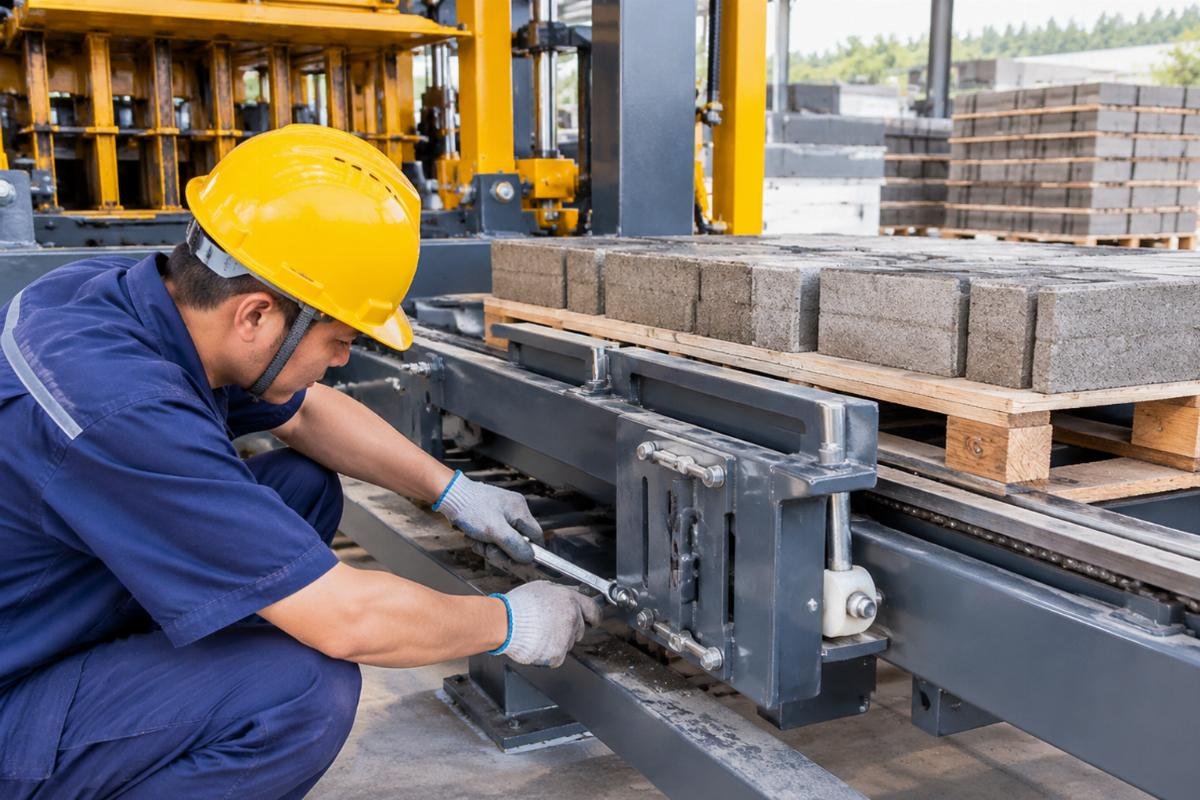
Hydraulic leaks are often dismissed as minor inconveniences, with operators assuming that topping up the oil is sufficient. However, the real risk lies in the loss of system pressure and the potential for contamination. When a leak occurs, air can enter the system, causing sponginess in the controls and inconsistent molding pressure. More critically, using incorrect seal models during repairs can lead to systemic pressure failure. In Lagos, a site emergency was caused by a customer who replaced a hydraulic hose with non-OEM seals. The mismatch led to a complete loss of pressure, halting the entire production line for three days until the correct parts were air-freighted in. [NEED_CITE: consequences of non-OEM hydraulic seals in industrial machinery]
The cost implication of such a stoppage is substantial, far exceeding the negligible cost of maintaining an inventory of correct spare parts. Hydraulic systems operate under high pressure, and even a small deviation in seal material or dimensions can result in rapid failure. Manufacturers design seals to withstand specific pressure ranges and chemical exposures. Substitutes may appear identical but lack the necessary durability, leading to premature blowouts.
To mitigate this risk, it is essential to use only manufacturer-specified seals and hoses. Keeping a stock of critical hydraulic components on-site ensures that minor leaks can be addressed immediately before they escalate into major failures. Furthermore, regular inspection of hydraulic lines for signs of wear, abrasion, or swelling can help identify potential issues before they result in a leak. In cases where remote diagnostic support is available, such as the service provided by Shiyue, technicians can consult with experts to verify part compatibility and troubleshoot pressure issues without waiting for a site visit. This proactive approach minimizes downtime and protects the integrity of the hydraulic system.
How to Stabilize Vibration Output?
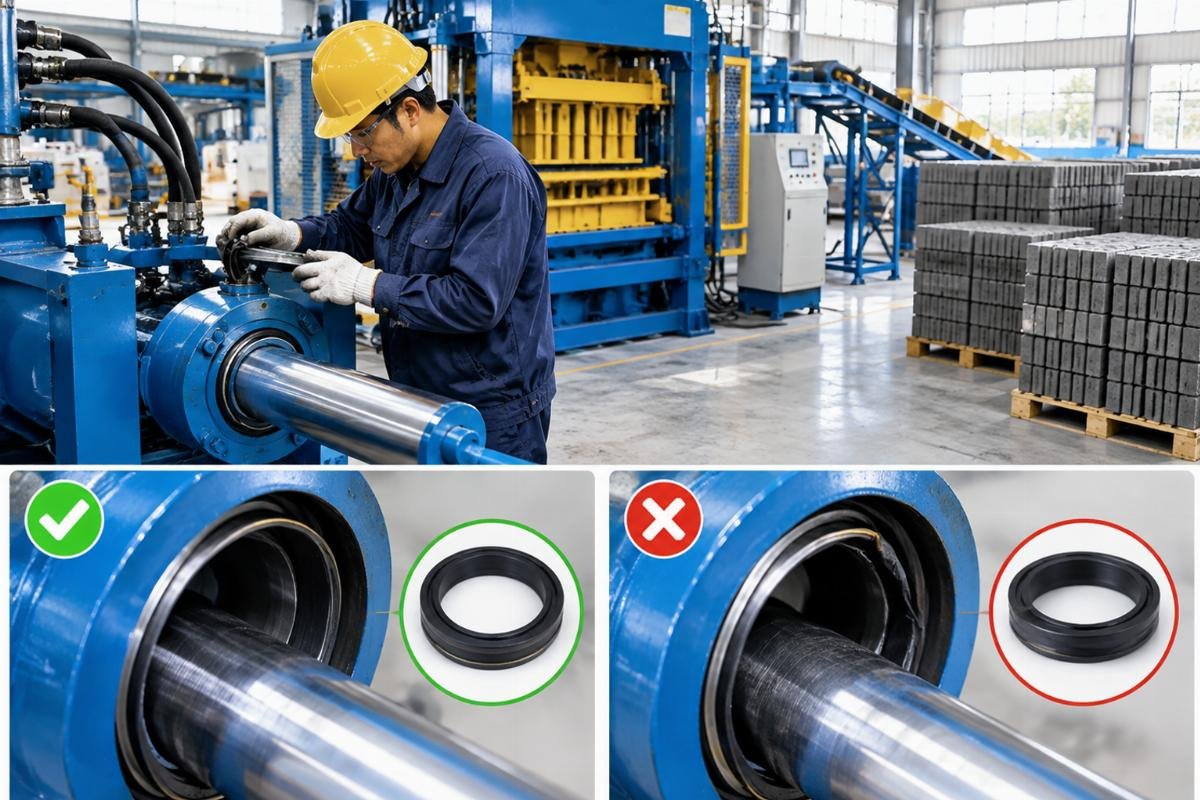
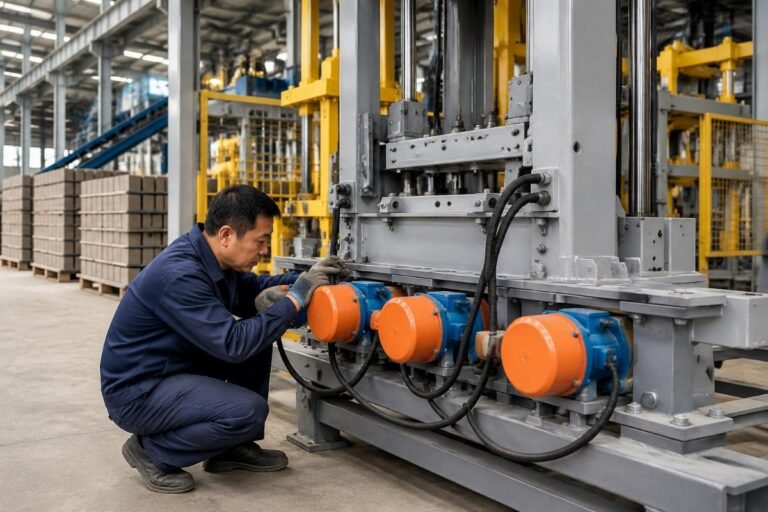
Vibration is the heart of the block forming process, determining the density and strength of the final product. Unstable vibration output leads to inconsistent block quality, with some blocks being too porous and others too dense. The primary cause of unstable vibration is loose foundation bolts or worn vibration motor mounts. When these bolts loosen, the energy generated by the motors is not efficiently transferred to the mold, resulting in weak compaction and increased stress on the machine frame. [NEED_CITE: relationship between vibration frequency and concrete block density]
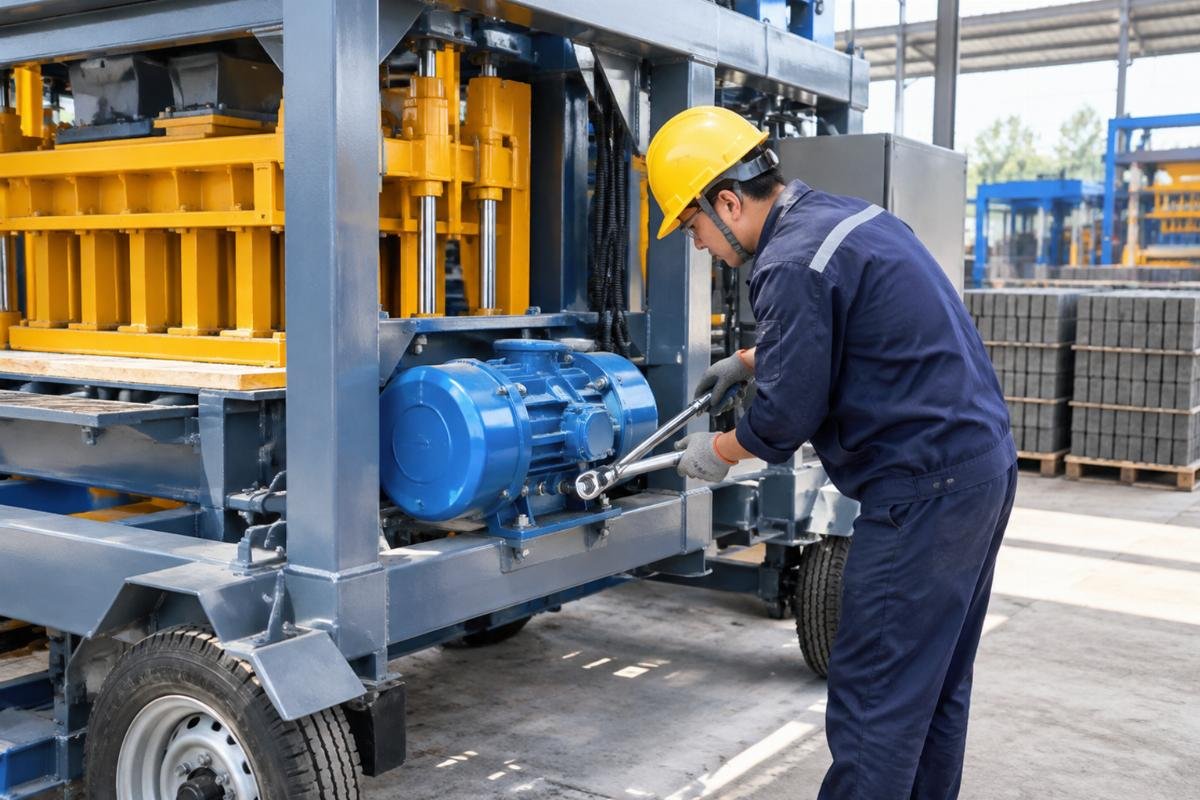
Stabilizing vibration output requires a disciplined approach to bolt tightening. Operators should check the tension of all vibration motor bolts and foundation anchors daily. Using a torque wrench ensures that each bolt is tightened to the specified value, preventing both under-tightening and over-tightening. Over-tightening can strip threads or damage the mounting surface, while under-tightening allows movement that leads to fatigue failure.
In addition to bolt tension, the condition of the vibration motors themselves must be monitored. Bearings in vibration motors are subject to extreme stress and should be lubricated according to the manufacturer’s schedule. Any unusual noise or heat from the motors indicates potential bearing failure, which should be addressed immediately to prevent catastrophic damage. Regularly inspecting the electrical connections to the vibration motors is also important, as loose wires can cause phase imbalances that reduce vibration efficiency.
By maintaining stable vibration output, producers ensure consistent block quality and extend the lifespan of the machine. This is particularly important in government projects where material specifications are strictly enforced. Consistent density means fewer rejected blocks and a smoother production flow, helping contractors meet their targets without compromising on quality.
Conclusion
Preventive maintenance is the cornerstone of reliable operation in high-traffic public works.
Effective mobile block machine maintenance relies on disciplined daily checks of vibration stability, precise pallet alignment, and strict adherence to hydraulic component specifications. By focusing on these critical areas, contractors can minimize downtime and ensure consistent production quality. Implementing these field-tested strategies protects both the equipment investment and the project timeline.
Leave a Reply