

QT10-15 Block Machine for Compressed Earth Blocks Manufacturer
Higher hydraulic pressure does not guarantee stronger compressed earth blocks. In fact, applying maximum tonnage to soil with incorrect moisture content is the fastest way to produce laminated, brittle units that fail structural testing. The core challenge in CEB production is not the machine’s raw power, but the calibration of that power against local geology.
The QT10-15 block machine for CEB production succeeds only when its hydraulic pressure curve and mold geometry are specifically matched to the soil’s plasticity index and moisture variance. Without this calibration, even a high-specification automated line will yield inconsistent density and poor interlock precision, rendering the blocks unsuitable for load-bearing walls in sustainable housing projects.
I still recall the confrontation at the Hanover fair. A contractor from Lagos pointed at our display unit, frustrated by a previous shipment where the molds failed to account for the high clay content in his region’s red earth. The resulting blocks crumbled under minimal stress. That incident reinforced a truth I learned early in the Linyi workshops: the "15-second cycle time" printed on spec sheets is a theoretical maximum, not a field reality. Real-world throughput depends entirely on how well the machine adapts to the raw material’s behavior. [NEED_CITE: impact of soil moisture variability on compaction cycle times]
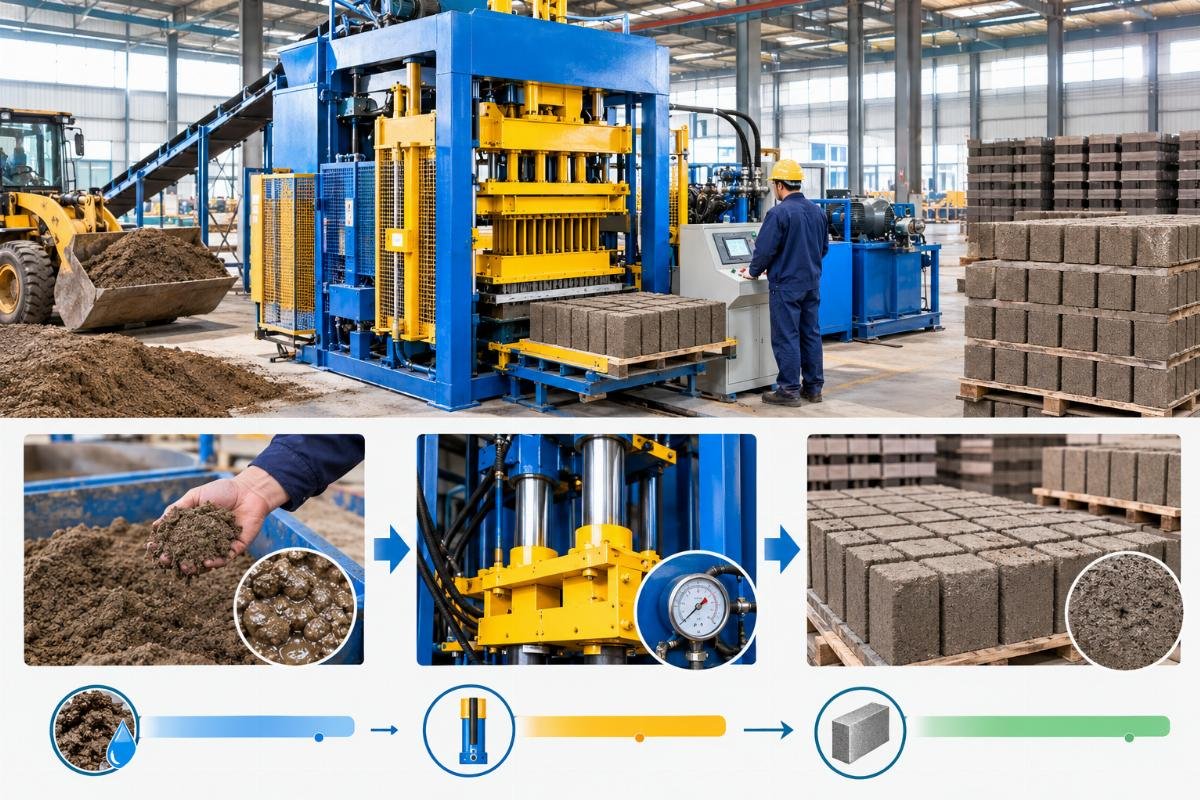
Understanding this mismatch is the first step toward a viable production line. Let us examine why standard configurations often fail and how tailored adjustments transform raw earth into durable construction units.
Why Do CEBs Fail in the Field?
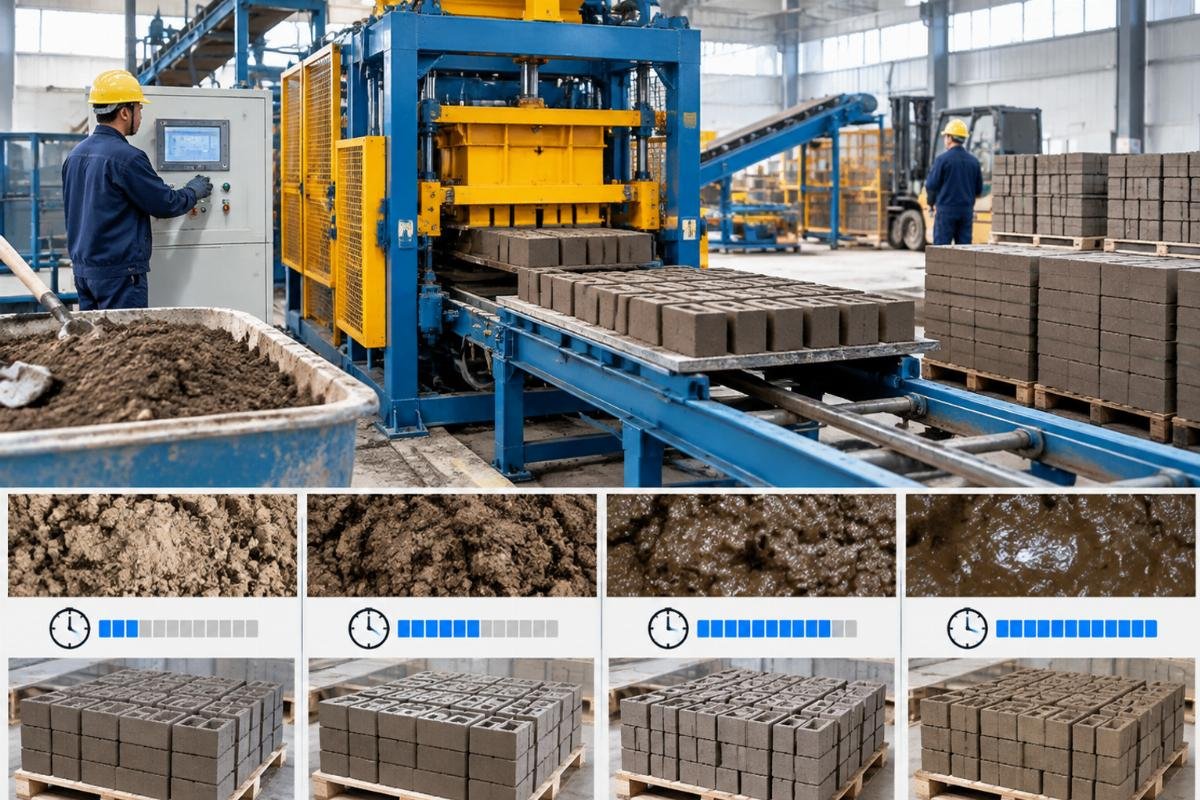
Structural weakness in compressed earth blocks rarely stems from machine malfunction. It almost always originates from a fundamental disconnect between the equipment’s default settings and the specific characteristics of the local soil. Many buyers assume that earth is a uniform commodity, but geological surveys reveal significant variations in clay, silt, and sand ratios even within single regions. [NEED_CITE: geological variability in sub-Saharan African soil compositions]
When a standard mold design meets high-clay soil without adjusted moisture levels, the material sticks to the mold walls during ejection. This friction causes edge chipping and surface tearing, compromising the aesthetic and structural integrity of the block. Conversely, sandy soils with low cohesion require higher initial compaction force to achieve binding, yet excessive pressure can crush the aggregate structure if not balanced correctly.
In one West African project, the initial failure rate exceeded thirty percent due to this exact issue. The soil had a high plasticity index, meaning it expanded significantly when wet and shrank when dry. The standard mold clearance was too tight, leading to frequent jamming and inconsistent block dimensions. Only after redesigning the mold geometry to accommodate slight expansion did the failure rate drop to an acceptable level. This experience highlights that the QT10-15 block machine for CEB production must be viewed as a adaptable system, not a rigid appliance.
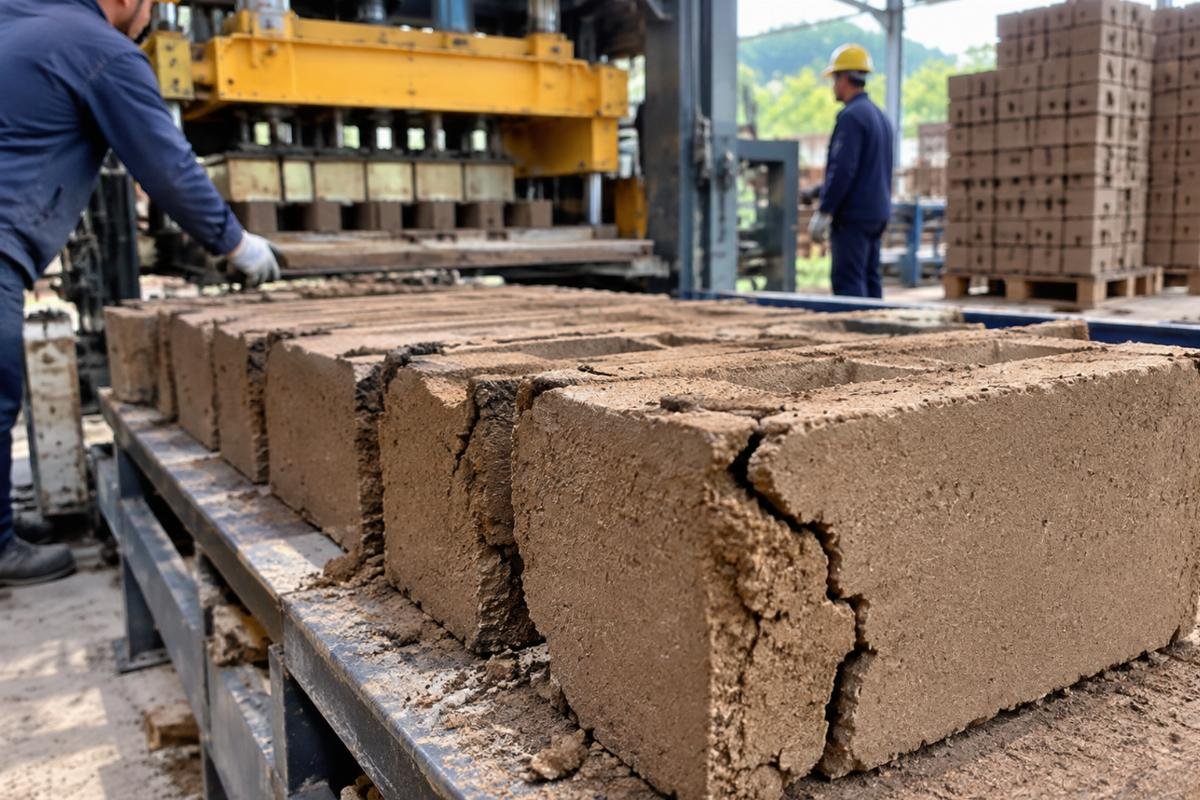
The key takeaway is that soil preparation dictates machine performance. Sieve analysis and plasticity index testing are not optional academic exercises; they are essential prerequisites for selecting the right mold and pressure settings. Ignoring these factors leads to wasted material, delayed projects, and non-compliant building units.
Is the QT10-15 Suitable for Your Soil Type?
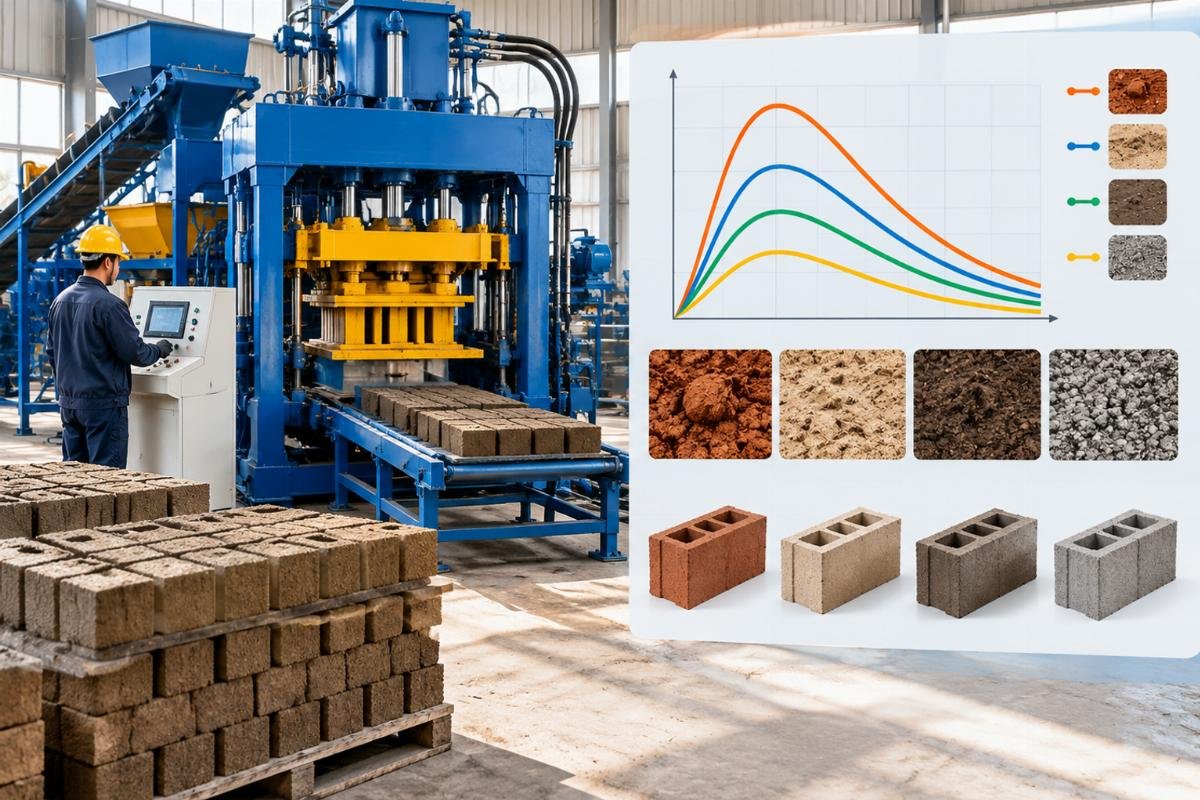
Determining suitability requires more than checking the machine’s tonnage rating. It involves mapping the hydraulic capacity to the soil’s compaction characteristics. The QT10-15 offers a broad pressure range, but utilizing it effectively means understanding how different earth compositions respond to force.
Soil with high organic content or excessive moisture behaves like a sponge. Applying high pressure too quickly traps water within the block, creating internal voids that weaken the structure once the water evaporates. This phenomenon, known as lamination cracking, is a common cause of post-production failure. [NEED_CITE: mechanisms of lamination cracks in high-moisture earth blocks] On the other hand, arid region soils with low moisture content require sustained, high-tonnage pressure to achieve sufficient particle interlock.
| Soil Characteristic | Hydraulic Pressure Requirement | Mold Design Consideration | Risk of Standard Setup |
|---|---|---|---|
| High Clay Content | Moderate, gradual increase | Non-stick coating, wider clearance | Sticking, edge damage |
| Sandy/Gravelly | High, rapid application | Reinforced walls, abrasive-resistant | Insufficient bonding |
| Mixed Aggregate | Variable, staged compression | Specialized feeder adjustment | Layering, uneven density |
| High Moisture | Low, extended dwell time | Enhanced drainage channels | Lamination cracks |
A buyer in an arid region once reported edge chipping on their interlocking bricks. Investigation revealed that the standard molds were not designed for the high-density, low-moisture soil they were using. The machine applied pressure efficiently, but the mold walls could not withstand the abrasive nature of the dry mix, leading to micro-fractures in the blocks. Adjusting the pressure curve and switching to hardened steel molds resolved the issue.
This demonstrates that the QT10-15 block machine for CEB production is versatile, but only when configured correctly. The hydraulic system must be calibrated to match the soil’s density and moisture profile. Without this alignment, the machine’s potential remains untapped, and production quality suffers.
How to Optimize Mold Design for Earth Blocks?
Mold geometry is the critical interface between the machine and the material. Standard rectangular molds work well for concrete, but earth blocks often require specialized shapes to ensure proper interlocking and structural stability. The design must account for shrinkage during drying and the specific flow characteristics of the soil mix.
For interlocking blocks, the precision of the male and female connectors is paramount. If the tolerance is too loose, the wall structure becomes unstable. If it is too tight, assembly becomes difficult, and the blocks may crack during installation. Customizing the mold geometry involves adjusting the angle of the interlock teeth and the depth of the compression chamber to suit the local soil’s behavior.
In a project involving recycled urban soil, the mix contained varied aggregate sizes. Standard feeders caused layering, where larger stones settled at the bottom and finer material remained at the top. This resulted in blocks with inconsistent strength profiles. By modifying the feeder mechanism and adjusting the mold’s internal baffles, we achieved a homogeneous distribution of material. The result was a block with uniform density and reliable performance.
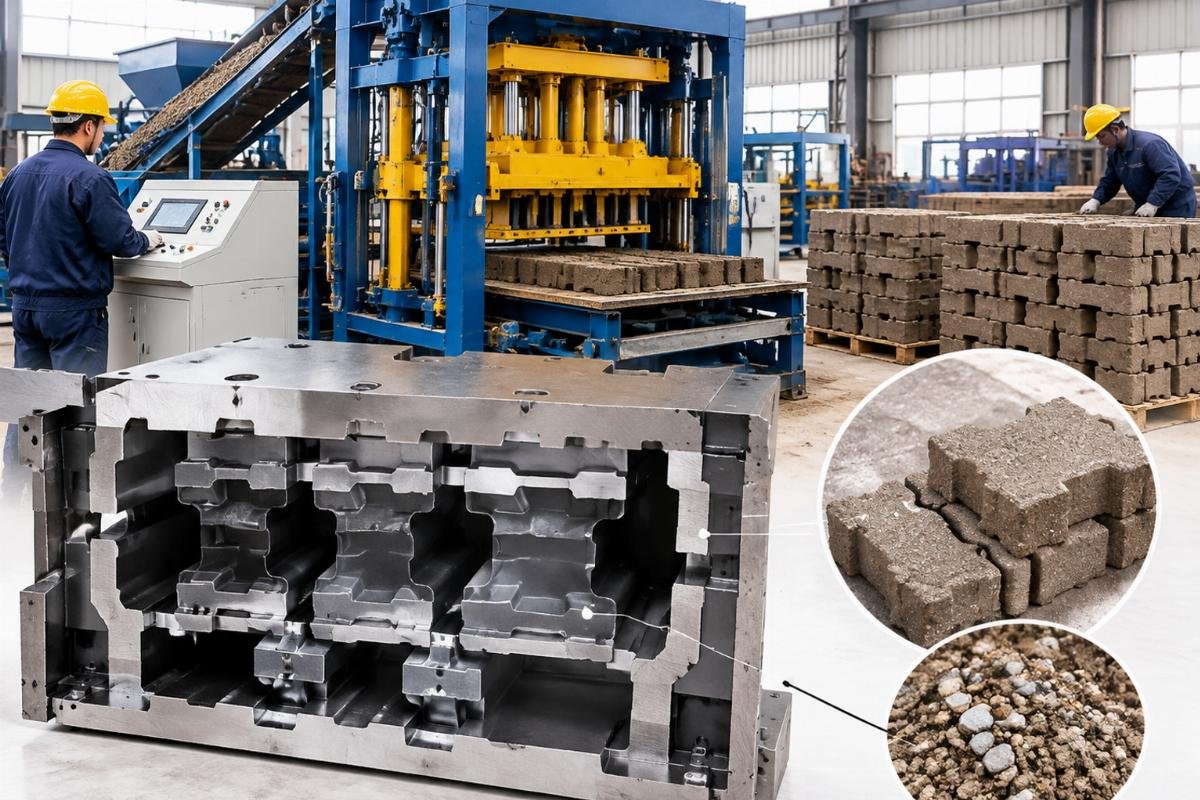
Optimization also extends to wear resistance. Abrasive soils can degrade standard steel molds rapidly, leading to dimensional inaccuracies over time. Using hardened alloys or applying wear-resistant coatings can extend mold life significantly, reducing downtime and maintenance costs. [NEED_CITE: wear rates of mold materials under abrasive soil conditions]
The goal is to create a mold that not only shapes the block but also facilitates efficient ejection and minimizes stress on the material. This requires a deep understanding of both mechanical engineering and soil mechanics. The QT10-15 block machine for CEB production benefits greatly from such tailored mold solutions, ensuring consistent output and high-quality finished products.
Real-World Production Metrics: What to Expect?
Buyers often fixate on the rated cycle time, expecting a constant output regardless of conditions. However, real-world throughput is influenced by multiple variables, including soil preparation, moisture control, and operator skill. The "15-second cycle" is achievable only under ideal laboratory conditions with pre-processed, uniform material.
In practice, cycle times may extend to thirty or forty seconds when dealing with variable soil qualities. This is not a machine defect but a necessary adjustment to ensure quality. Rushing the cycle with improper soil leads to defective blocks, which ultimately slows down the entire project due to rework and waste.
Consider the case of a housing project in Nigeria. The team initially aimed for maximum speed, ignoring moisture fluctuations in the rainy season. The result was a high rejection rate and significant delays. Once they implemented strict moisture control protocols and adjusted the machine’s cycle time accordingly, productivity stabilized, and block quality improved markedly. [NEED_CITE: correlation between moisture control and production efficiency in CEB plants]
| Factor | Impact on Cycle Time | Impact on Quality |
|---|---|---|
| Soil Moisture Variance | Increases variability | High risk of cracking |
| Aggregate Size Consistency | Minimal if fed correctly | Affects surface finish |
| Operator Experience | Reduces downtime | Improves consistency |
| Maintenance Schedule | Prevents unexpected stops | Ensures dimensional accuracy |
Expecting fixed metrics without accounting for these factors leads to unrealistic planning. Instead, focus on establishing robust quality control processes and flexible production schedules. The QT10-15 block machine for CEB production is capable of high output, but this capacity is realized through careful management of the production environment, not just machine speed.
Ensuring Long-Term Durability and Compliance
Producing blocks is only half the battle; ensuring they meet building codes and stand the test of time is the ultimate goal. Durability depends on proper curing, protection from weather during the early stages, and adherence to local construction standards. International standards such as ASTM or ISO provide guidelines for compressive strength and water absorption, but local codes may have specific requirements. [NEED_CITE: international standards for compressed earth block durability]
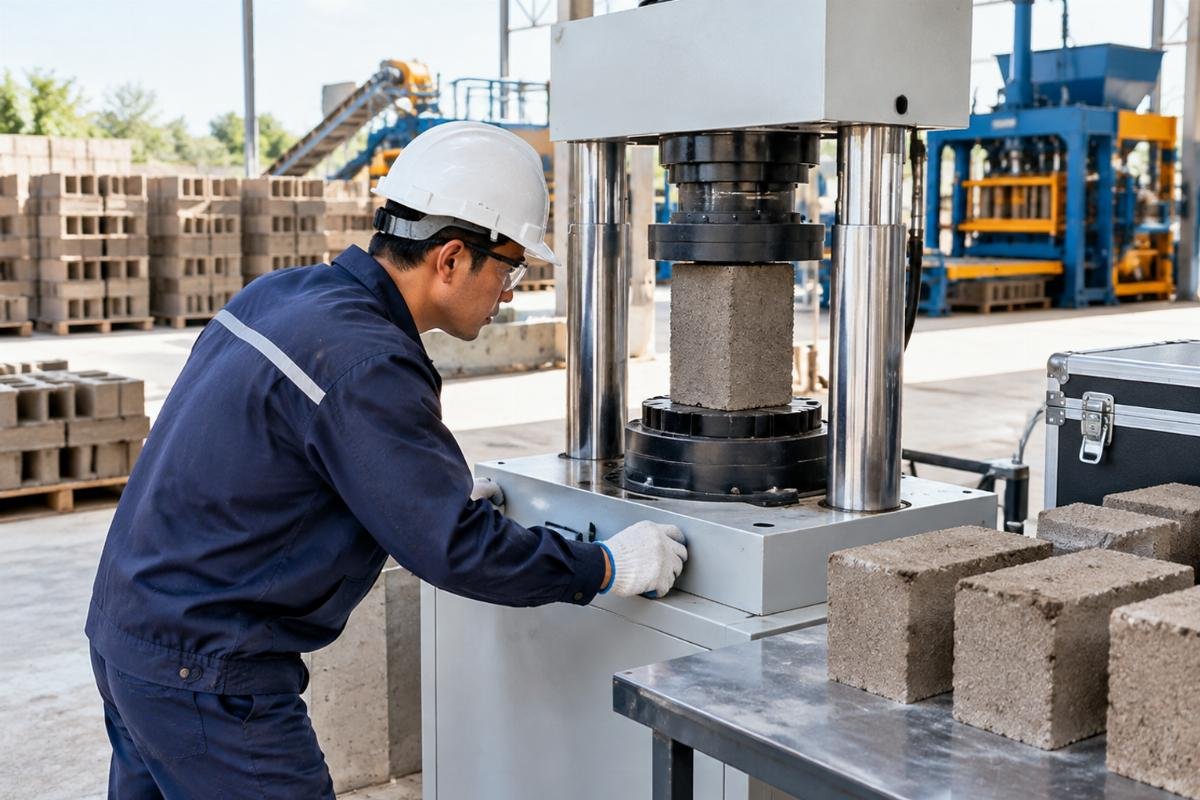
Integrating quality control steps into the production line is essential. Regular testing of sample blocks for density, strength, and water resistance helps identify issues early. This proactive approach prevents large batches of non-compliant material from entering the construction phase.
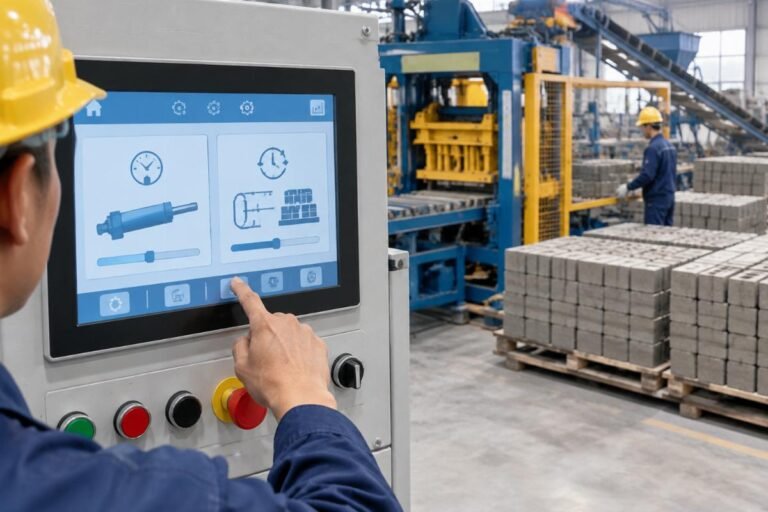
Furthermore, training operators on best practices for soil mixing, machine operation, and block handling is crucial. Skilled operators can detect subtle changes in material behavior and adjust settings accordingly, maintaining consistent quality. The turnkey support provided with the QT10-15 block machine for CEB production includes such training, empowering local teams to manage their operations effectively.
Long-term success in sustainable housing projects relies on this holistic approach. It is not just about buying a machine; it is about implementing a system that produces reliable, code-compliant building materials. By focusing on durability and compliance, investors and contractors can build trust in compressed earth technology and deliver safe, affordable housing.
Conclusion
Success with compressed earth blocks hinges on adapting the machine to the soil, not forcing the soil to fit the machine. The QT10-15 block machine for CEB production offers the hydraulic power and flexibility needed for diverse geological conditions, but only when paired with precise mold design and rigorous soil analysis. By prioritizing material compatibility over raw speed, producers can achieve durable, compliant results that support sustainable development goals.

Leave a Reply