

QT12-15 Block Machine Manufacturer for Ethiopia Govt Projects
Hardware quality is rarely the primary cause of project failure in East African infrastructure; documentation compliance is.
Successful deployment of a QT12-15 block machine manufacturer for Ethiopia govt projects depends less on the mechanical specifications of the equipment and more on rigorous adherence to Ethiopian Standards (ES) and Certificate of Conformity (COC) protocols. Buyers who prioritize pre-shipment verification of HS codes and technical documentation over initial price negotiations avoid the severe port delays that typically plague large-scale housing initiatives. This approach ensures that turnkey solutions arrive ready for immediate installation, aligning with tight government construction timelines.
I still remember the humidity and the frantic phone calls from a site near Addis Ababa. A full production line had arrived at the Djibouti port, but it sat stagnant for weeks. The issue was not a broken hydraulic pump or a missing PLC module. It was a single letter discrepancy between the model number on the COC certificate and the commercial invoice. Customs officials, bound by strict regulatory frameworks, could not release the cargo. The cost of demurrage quickly surpassed the savings achieved by choosing a cheaper freight forwarder. That incident reshaped how I view the export process. It is not just about moving metal across borders; it is about navigating a complex web of regulatory expectations where precision in paperwork is as critical as precision in engineering [NEED_CITE: Ethiopian Customs Commission clearance procedures].
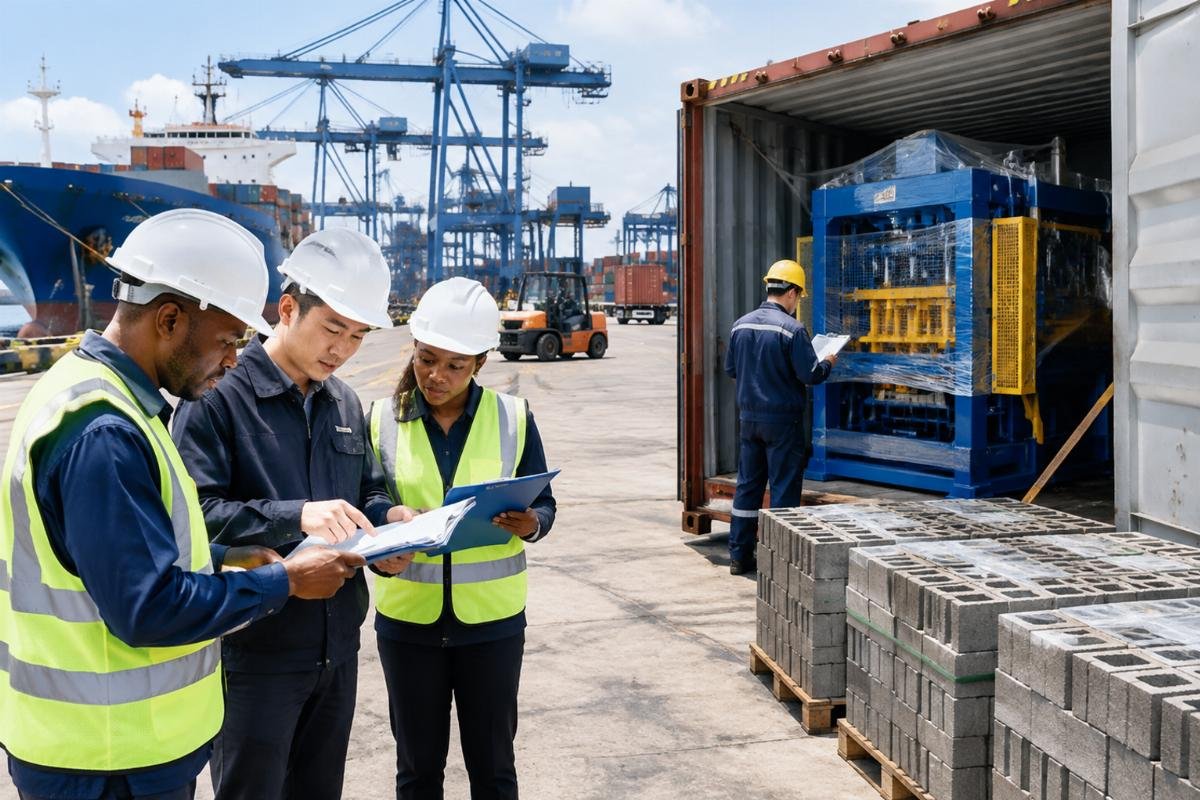
The transition from factory floor to operational site requires a mindset shift. For government contractors, the risk is not merely financial; it is reputational. Delays in delivering affordable housing units can have political and social repercussions. Therefore, the selection of a partner must account for their ability to manage these logistical nuances. A QT12-15 block machine manufacturer for Ethiopia govt projects must demonstrate a proven track record of seamless customs clearance, not just robust manufacturing capabilities.
Why Do Infrastructure Projects in Ethiopia Face Unexpected Delays?
Compliance is the hidden bottleneck that stalls even the most well-funded construction initiatives.
Many international buyers assume that once the bill of lading is issued, the hardest part is over. In reality, the journey through the Horn of Africa’s logistics corridor is fraught with regulatory checkpoints. The Ethiopian Standards Agency (ESA) requires specific certifications for construction machinery to ensure safety and quality alignment with local norms. Without a valid COC, equipment cannot clear customs, regardless of its technical superiority.
The root cause of most delays is a mismatch between the declared goods and the physical cargo. This often stems from a lack of coordination between the technical team designing the machine and the documentation team preparing the export files. For instance, if a QT12-15 block machine manufacturer for Ethiopia govt projects lists a component under a generic HS code while the ESA requires a specific classification for automated concrete production lines, the shipment will be flagged for inspection. This inspection can take days or weeks, during which the equipment sits idle, exposed to the elements and accruing storage fees.
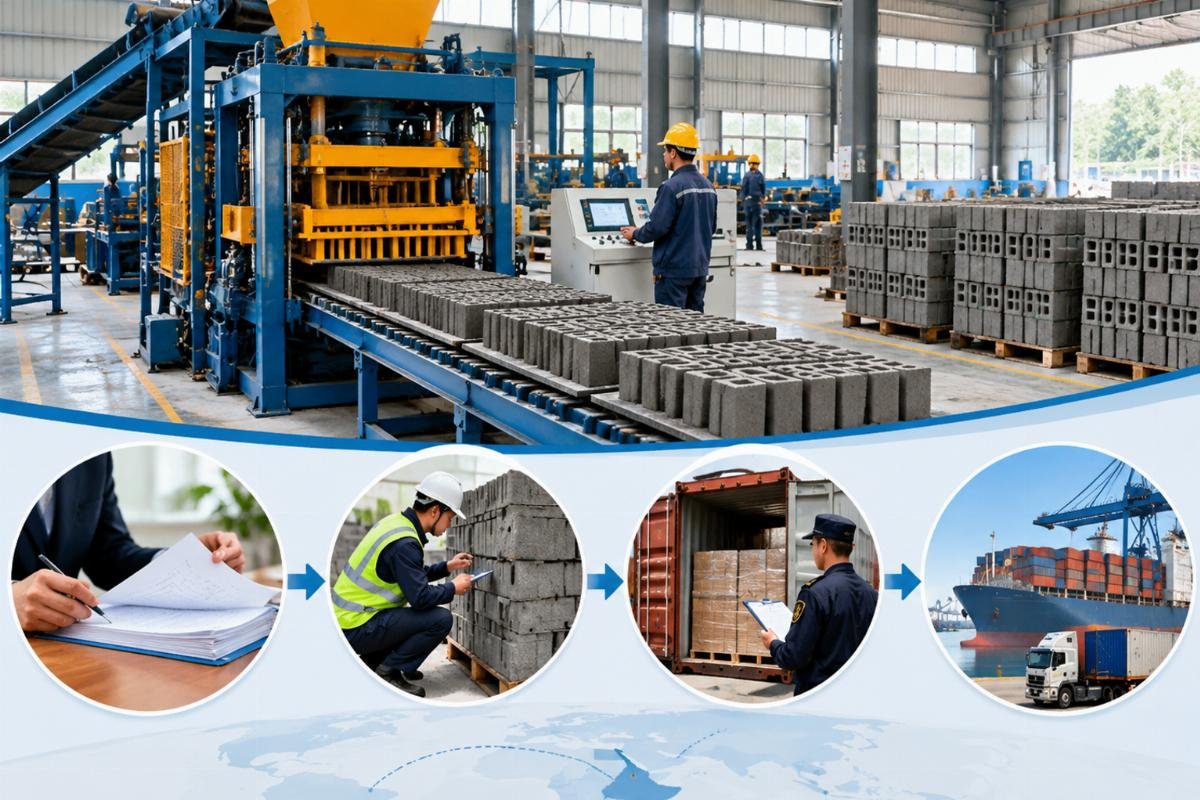
To mitigate this, a triple-check protocol is essential. This involves verifying the technical specifications, the packing list, and the commercial invoice against the latest Ethiopian import regulations before the cargo leaves the factory. This proactive step eliminates the ambiguity that customs officers rely on to halt shipments. It transforms the clearance process from a potential obstacle into a routine administrative formality. The key is understanding that the QT12-15 block machine manufacturer for Ethiopia govt projects is not just selling a machine; they are selling a compliant, ready-to-install asset.
How Does a "Turnkey" Approach Mitigate Risk?
A turnkey solution integrates logistics, compliance, and installation into a single accountable framework.
When dealing with large-scale government projects, fragmentation is the enemy. Buying the machine from one supplier, the batching plant from another, and hiring a local team for installation creates multiple points of failure. If the machine arrives late, the installation team stands idle. If the installation team is untrained on the specific PLC system, commissioning is delayed. A turnkey approach consolidates these responsibilities, ensuring that every component works in harmony from day one.
For a QT12-15 block machine manufacturer for Ethiopia govt projects, this means providing more than just hardware. It involves designing the production line layout to fit the specific site conditions, managing the shipping logistics to ensure timely arrival, and overseeing the installation process with experienced engineers. This holistic view allows for better planning and resource allocation. For example, knowing the exact arrival date of the main unit allows the civil works team to prepare the foundation in advance, avoiding costly rework.
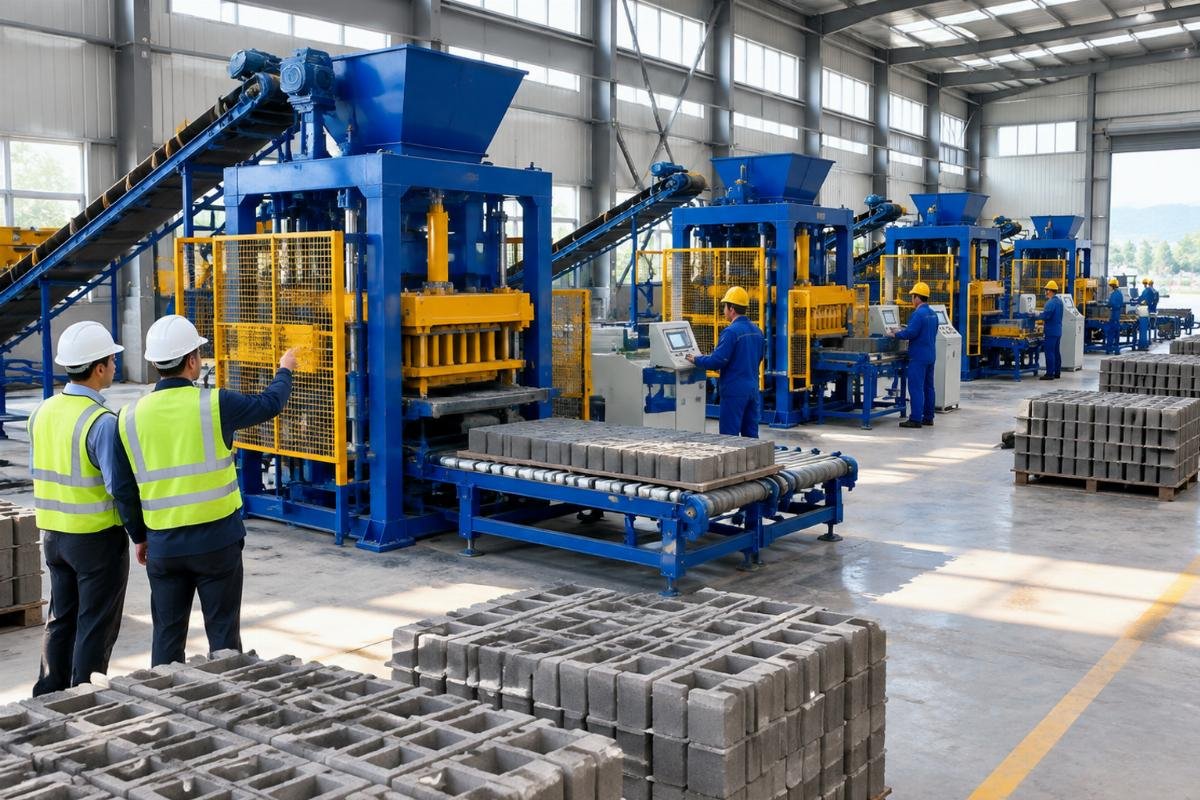
The value of this approach becomes evident during the commissioning phase. With a single point of contact, issues are resolved quickly. There is no blame game between different suppliers. The manufacturer takes ownership of the entire system’s performance. This is particularly important for government projects where accountability is paramount. The QT12-15 block machine manufacturer for Ethiopia govt projects ensures that the client receives a fully operational plant, complete with trained operators and a maintenance schedule, rather than a collection of unassembled parts.
What Are the Critical Documentation Checks Before Shipment?
Avoiding the COC trap requires meticulous attention to detail in every document.
The Certificate of Conformity is the gateway to the Ethiopian market. It certifies that the imported goods meet the required standards. However, obtaining a COC is not a simple box-ticking exercise. It requires a deep understanding of the product’s technical specifications and how they align with Ethiopian Standards. A minor error, such as an incorrect model number or a missing signature, can invalidate the entire certificate.
Key documents that require careful scrutiny include the commercial invoice, the packing list, the bill of lading, and the technical data sheets. Each of these must be consistent with the others. For example, the weight and dimensions listed on the packing list must match those on the bill of lading. The model numbers on the invoice must match those on the COC. Any discrepancy, no matter how small, can raise red flags with customs officials.
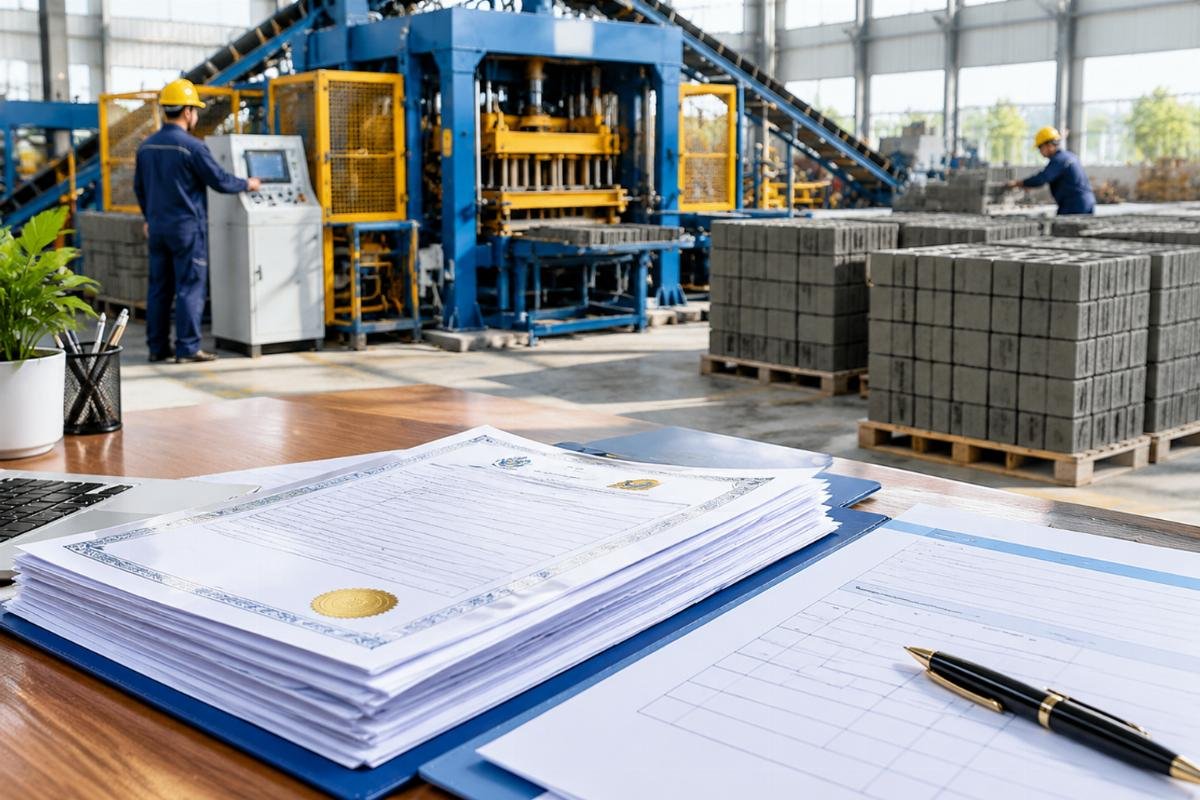
A common pitfall is the use of generic descriptions. Instead of listing "concrete block machine," the description should be specific, such as "Fully Automatic QT12-15 Concrete Block Making Machine with PLC Control." This specificity helps customs officers correctly classify the goods, reducing the likelihood of unnecessary inspections. Furthermore, ensuring that the HS code aligns with the latest Ethiopian tariff schedule is crucial. A QT12-15 block machine manufacturer for Ethiopia govt projects must stay updated on any changes to these regulations to avoid surprises at the port.
How to Ensure Rapid Ramp-Up for Government Housing Targets?
Training and automation synergy drive the speed of production scaling.
Government housing projects often have aggressive timelines. Meeting these targets requires not just fast installation but also rapid operator proficiency. Modern block making machines, such as the QT12-15, are equipped with advanced PLC systems that automate many of the production processes. However, this automation is only effective if the operators understand how to use it.
Effective training goes beyond showing operators which buttons to press. It involves teaching them how to troubleshoot common issues, perform routine maintenance, and optimize the production parameters for different block types. This knowledge empowers the local workforce to maintain high productivity levels without constant reliance on external support. For a QT12-15 block machine manufacturer for Ethiopia govt projects, providing comprehensive training is a key part of the value proposition.

Remote diagnostic support further enhances this capability. With internet connectivity, manufacturers can monitor the machine’s performance in real-time, identify potential issues before they become major problems, and provide guidance to the local team. This reduces downtime and ensures that the production line operates at peak efficiency. The combination of skilled operators and smart technology allows for a rapid ramp-up in production, helping governments meet their housing quotas on time.
Conclusion
Success in Ethiopian infrastructure projects is defined by preparation, not just procurement.
Navigating the complexities of customs clearance and ensuring seamless installation requires a partner who understands the local landscape. By focusing on documentation compliance and adopting a turnkey approach, buyers can avoid the costly delays that often derail large-scale initiatives. Choosing the right QT12-15 block machine manufacturer for Ethiopia govt projects means selecting a provider who prioritizes these operational realities as much as mechanical quality.


Leave a Reply