
Description
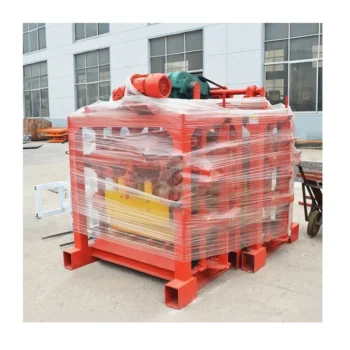
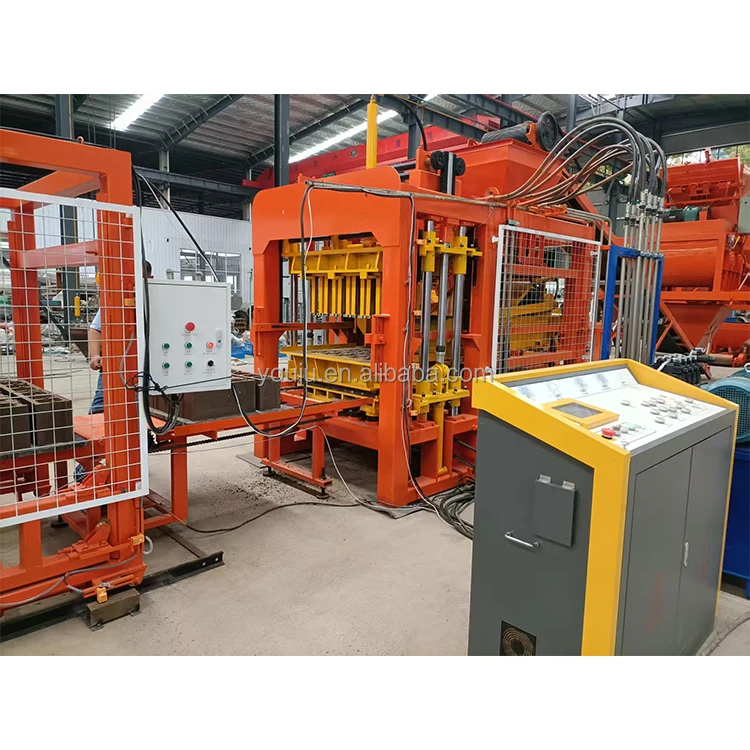
Stocked Mainframe Allocation — The QT15-15 mainframe and standard 1300*1100mm pallets are physically staged in our yard, bypassing standard production queues to meet urgent project deadlines.
Technical Specifications
| Parameter | Value |
|---|---|
| Model | QT15-15 |
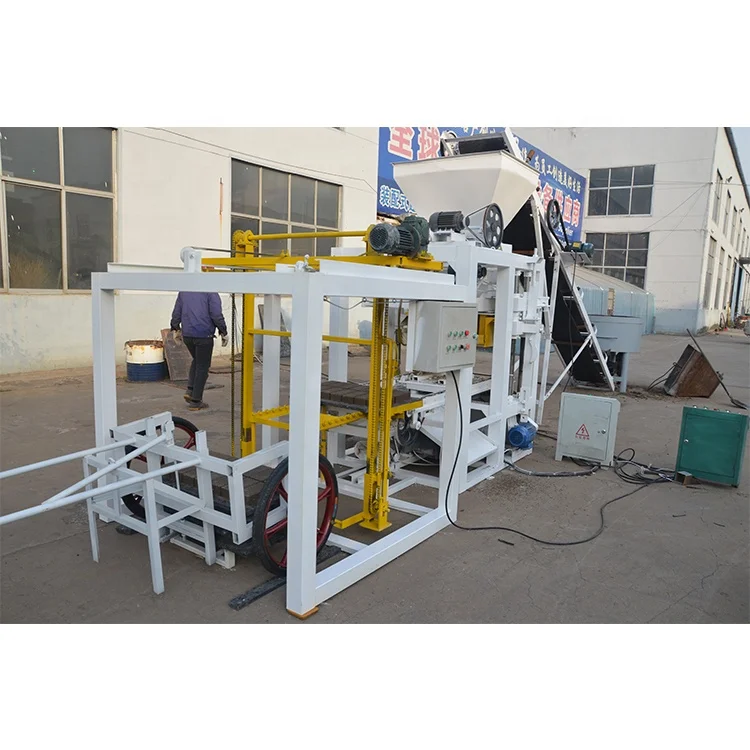
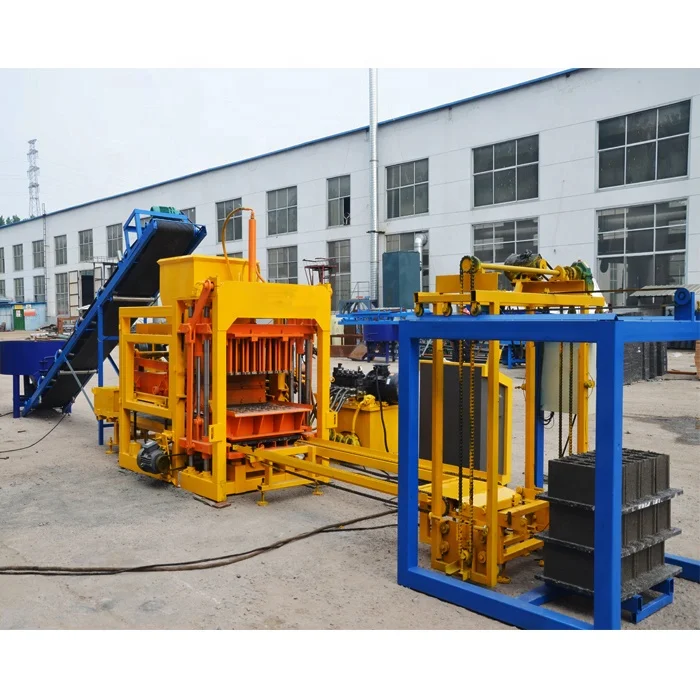
| Product Type | Automatic Concrete Block Making Machine |
| Method | Hydraulic pressure |
| Voltage | Configured to local voltage and frequency |
| Dimension (LWH) | 810016002610MM |
| Weight | 7200 kg |
| Molding Cycle | 15-20s |
| Output Capacity | 15 pcs/mould (based on 400200200mm block) |
| Pallet Size | 1300*1100mm |
| Vibrating Force | 242KN |
| Vibration Frequency | 2800-4600r/min |
| Core Components | PLC, Pressure Vessel, Engine, Gear, Motor, Pump, Bearing |
Application Suitability
| Application | Material or Output |
|---|---|
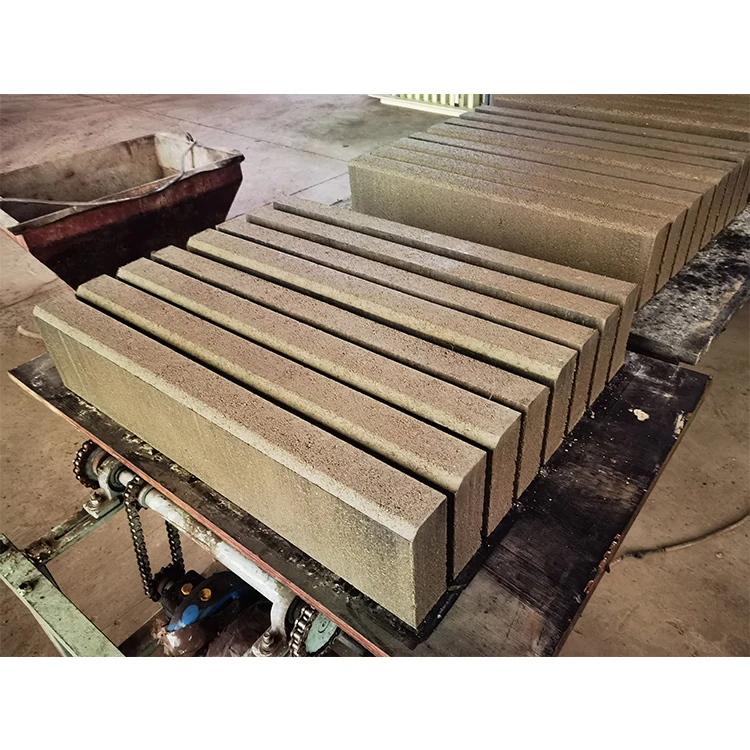
| Curbstone and kerb production | Concrete and cement mixes for roads and footpaths |
| Paving and interlock blocks | Fly ash, clay, and crushed aggregate for precast projects |
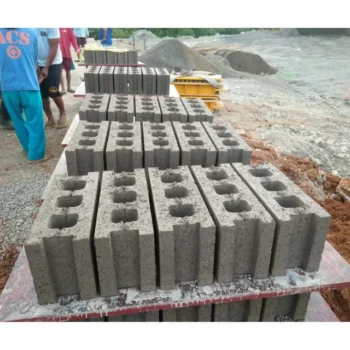
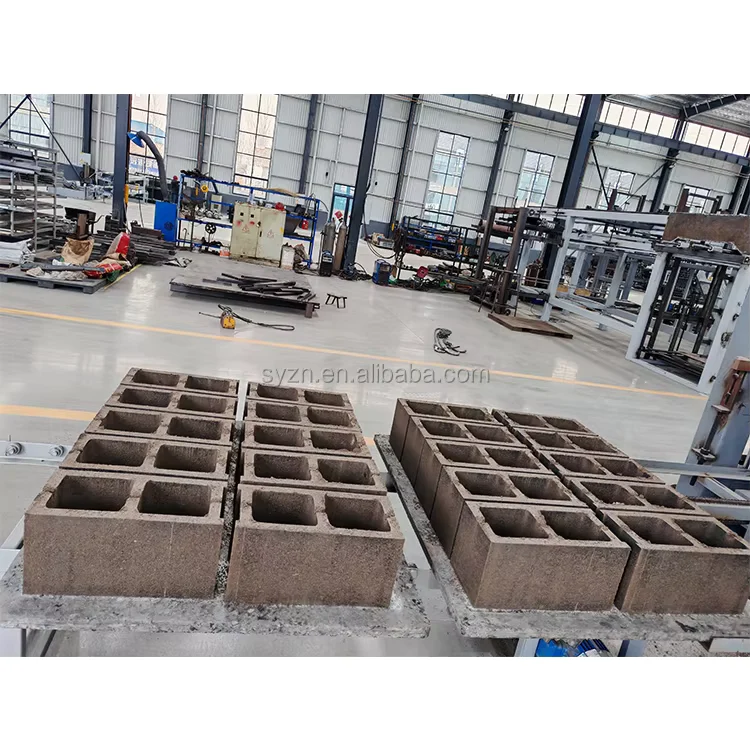
| Hollow block manufacturing | Standard masonry materials for structural walls |
Why the Voltage Question Must Precede Container Loading
Confirming local grid specifications prevents catastrophic control cabinet failures upon arrival.
I once supervised a dispatch where the destination voltage was assumed rather than verified. The control cabinet burned out during the first power-up in Africa, and waiting for replacement components stalled the site for three weeks. When you need a QT15-15 block making machine in stock, the physical availability of the 7200 kg mainframe is only half the equation. The electrical configuration must match your site’s exact frequency and phase before the equipment is dismantled for shipping [NEED_CITE: voltage and frequency standards by export market]. Rushing a machine into a container without this verification turns a fast delivery into a prolonged site delay.
Staged Inventory and Rapid Dispatch
Securing a QT15-15 block making machine in stock means the primary press and hydraulic stations are already assembled and tested. We allocate these units directly from our staging area, eliminating the standard manufacturing lead time. This immediate availability allows contractors to lock in their equipment while site preparation is still underway, ensuring the machinery arrives exactly when the foundation is ready.
Dismantling Procedures for Ocean Freight
The 810016002610MM footprint requires strategic dismantling to fit standard shipping containers efficiently. The upper hydraulic framework and vibration assemblies are separated from the main base to optimize the loading plan. This systematic breakdown ensures that heavy components are secured properly for transit, preventing structural stress during the ocean voyage and allowing for straightforward reassembly once the containers are unloaded at your project site.
Interpreting the Physical Build and Cycle Times
The 7200 kg operating weight provides the necessary mass to absorb the 242KN vibrating force without transferring destructive resonance to the surrounding facility floor. A molding cycle of 15-20s dictates the pace of the entire operation, requiring the pallet return system to keep up with the press. The 1300*1100mm pallet dimension is a standard size that aligns with common forklift capacities and curing rack layouts, ensuring that the physical output can be moved and stored without requiring specialized handling equipment [NEED_CITE: standard pallet dimensions in concrete production].
The Hidden Costs of Unverified Freight Configurations
Failing to align the machine’s electrical and physical setup with your port’s handling capabilities leads to immediate bottlenecks. If the dismantling plan does not account for your local crane capacities, unloading becomes a dangerous and expensive ordeal. Furthermore, shipping a machine configured for the wrong voltage results in idle machinery and mounting demurrage charges while waiting for custom transformers or replacement PLC components to clear customs [NEED_CITE: customs delays for mismatched industrial equipment].
Why Procure This Unit Through Our Dispatch Channel
Our focus on delivery logistics means the QT15-15 is treated as a complete shipping project, not just a factory output. We provide upfront arrival estimates based on current vessel schedules rather than optimistic factory completion dates. Every standard mould and pallet batch is cross-referenced with the mainframe to ensure they share the same container. We supply comprehensive customs documentation packages tailored to your specific port of entry, smoothing the clearance process. Our outgoing video inspections verify the exact condition of the hydraulic lines and PLC screens at the moment of loading.
Documentation & Verification
- Factory test record confirming hydraulic pressure and vibration metrics before dismantling.
- Video outgoing-inspection showing the specific QT15-15 unit being loaded.
- Detailed container loading plan and machine dismantling diagrams for site reassembly.
- Customs documentation support tailored to your destination port requirements.
- Voltage and PLC language confirmation sheet signed off prior to crating.
Installation, Commissioning & Support
- Foundation requirements mapped to the 7200 kg weight and 242KN vibration force.
- Power supply specifications verified against your local grid before the PLC is energized.
- Reassembly guidance for the 8100mm length to ensure structural alignment on site.
- Initial parameter setting for the 15-20s molding cycle based on your curing area layout.
- Wear parts list provided to ensure spares are on hand for the 1300*1100mm pallet system.
Project Alignment and Dispatch Initiation
To initiate the allocation and loading process, we require your exact site voltage, frequency, and the specific port of discharge. Please provide your target block formats so we can verify the availability of the corresponding moulds in our staging area. Confirming your local crane lifting capacity ensures our dismantling plan matches your unloading capabilities.
Frequently Asked Questions
Q: What is the exact dispatch lead time and arrival estimate for the QT15-15?
A: Because this unit is staged in our yard, the dispatch lead time is limited only by the container booking and dismantling process, typically taking a few days. The arrival estimate is calculated upfront based on current ocean freight schedules to your specific port of discharge, allowing you to plan your site preparation accurately without relying on standard manufacturing timelines.
*Q: Are standard moulds and 13001100mm pallets currently in stock for immediate loading?*
A: Yes, standard mould formats and batches of 13001100mm pallets are kept in our inventory specifically to accompany the mainframe. We cross-reference these items during the allocation phase to ensure they are loaded into the same containers as the press, preventing situations where the machine arrives but production is halted waiting for ancillary components.
Q: How is the machine dismantled and loaded into containers for fast shipment?
A: The 810016002610MM structure is systematically broken down into major sub-assemblies to maximize container space and ensure safe transit. The hydraulic upper frame and vibration mechanisms are separated from the base. This planned dismantling allows standard flat-rack or high-cube containers to be utilized efficiently, speeding up both the loading process at our yard and the unloading at your site.
Q: Can voltage and PLC language be adjusted quickly from stock before dispatch?
A: Yes, verifying and adjusting the voltage and PLC display language is a mandatory step before the equipment is crated. Drawing from past experiences where mismatched grids caused severe delays, we configure the electrical cabinets and interface settings to your exact local specifications while the machine is still in our facility, ensuring it is ready for immediate power-up upon arrival.
Q: What customs documentation is provided to speed up clearance upon arrival?
A: We provide a complete set of export documents, including detailed packing lists that match the dismantled container loads, commercial invoices, and machinery test reports. These documents are prepared with your destination port’s specific customs requirements in mind, minimizing the risk of inspections or holds that could delay the transport of the equipment to your project site.