
Description
Proven Dispatch Readiness — QT5-15 units are factory-tested, crated, and ready to load, so your project timeline starts the moment you confirm voltage and control language.
Technical Specifications
| Parameter | Value |
|---|---|
| Model | QT5-15 |
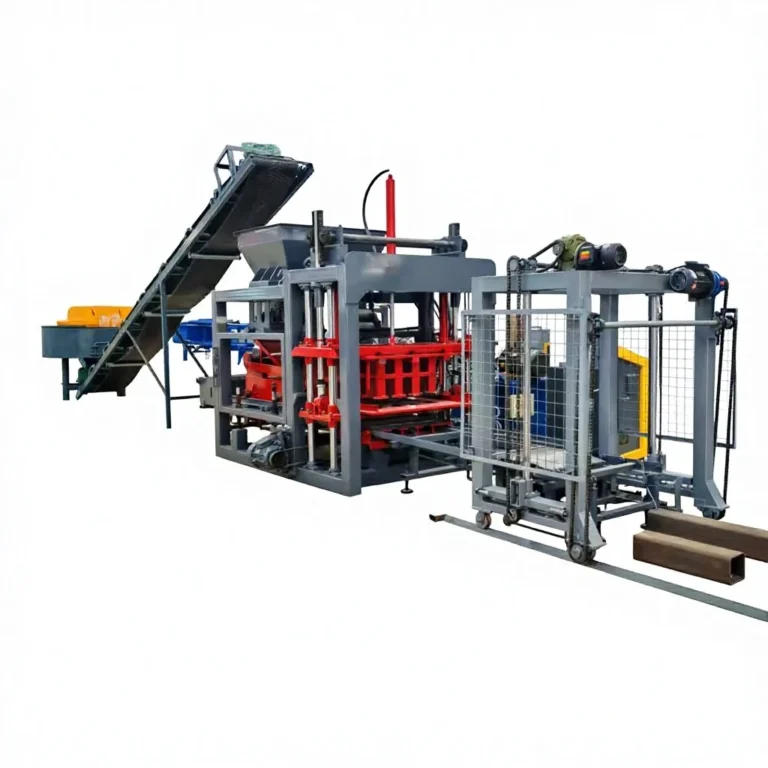
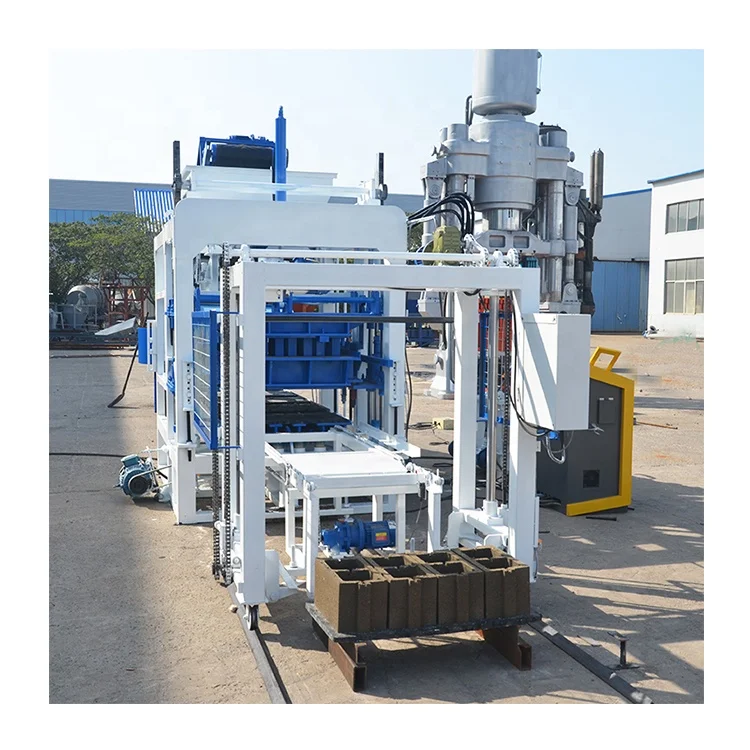
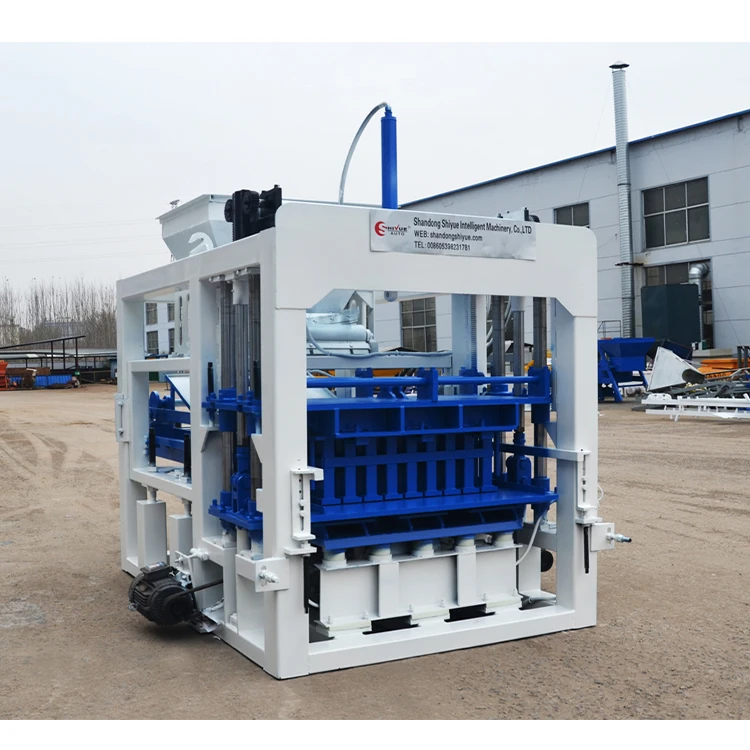
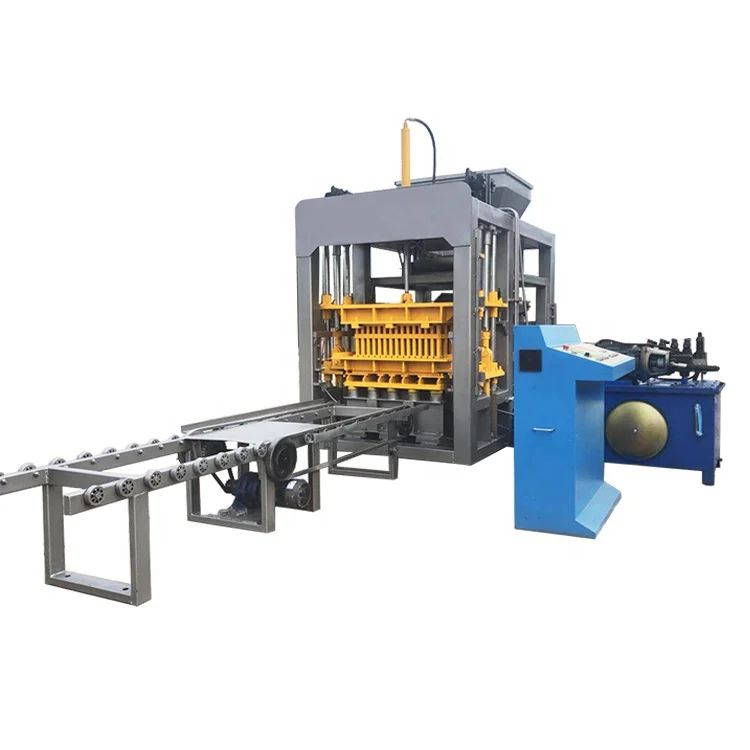
| Product Type | Automatic Concrete Block Making Machine |
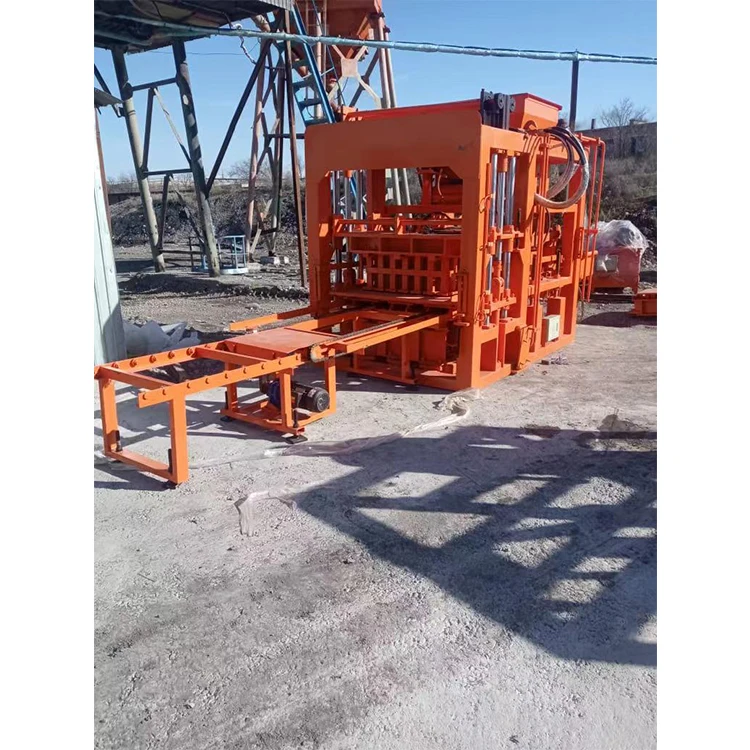
| Overall Dimensions (L×W×H) | 7400×1950×2800 mm |
| Total Mass | 5000 kg |
| Overall Power | 32 kW |
| Vibration Frequency | 0–60 Hz |
| Vibration Form | Platform Vibration |
| Vibration Force | 80 kN |
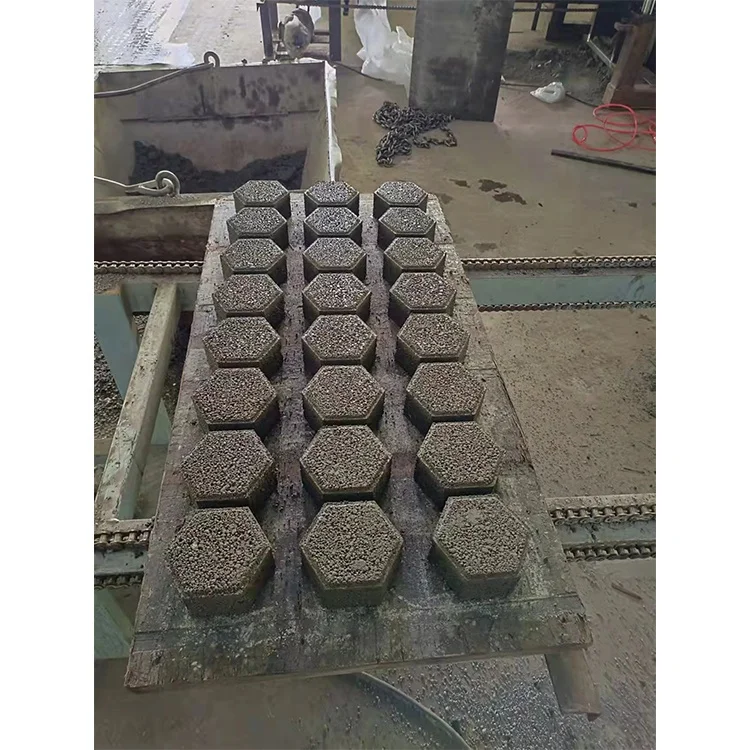
| Pallet Size | 1100×550 mm |
| Molding Cycle | 15–20 s (basis not stated in source) |
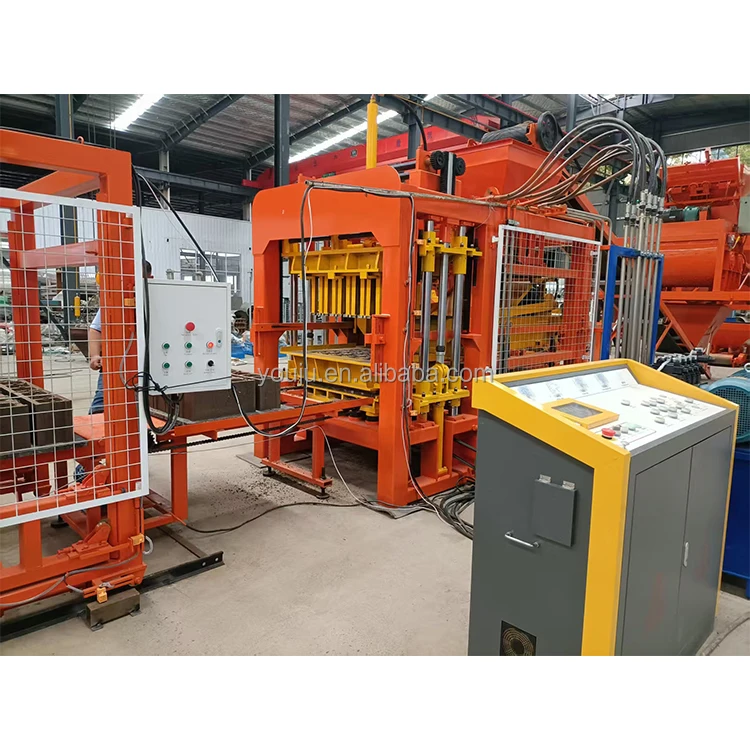
| Control System | PLC with touch screen interface |
| Hydraulic System | Independent integrated hydraulic station |
| Demolding Method | Hydraulic |
| Moulding Mode | Automatic load, vibration moulding |
| Raw Materials | Fly ash (up to 70%), slag, gangue, sand, crushed stone, cement, water |
| Key Features | Automatic pallet feeding, material feeding, vibrating, demoulding; simple mould replacement for multi-format production |
Application Suitability
| Application | Material or Output |
|---|---|
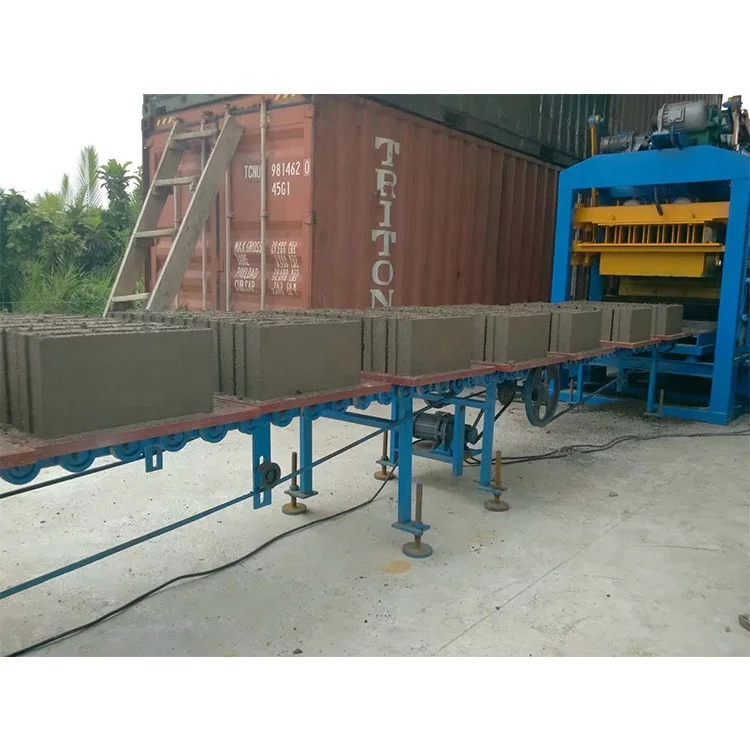
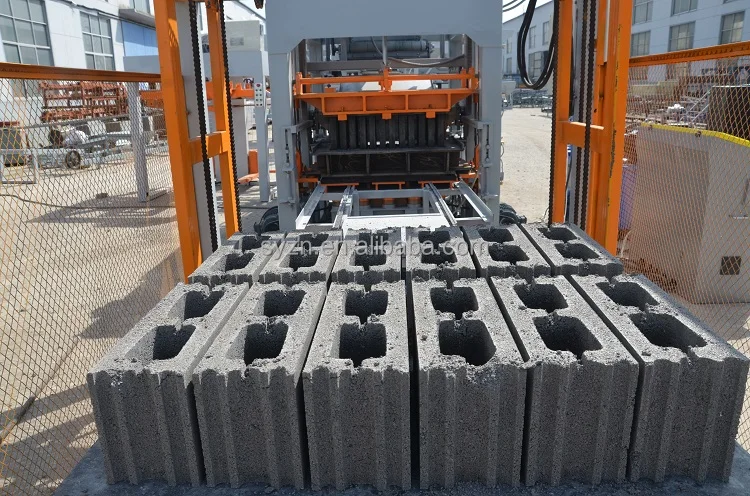
| Hollow block production | 400×200×200 mm and 400×150×200 mm formats, 5 or 6 pcs per mould |
| Solid brick production | 240×115×53 mm standard solid bricks, 32 pcs per mould |
| Paving brick production | Rectangular pavers 200×100×60 mm and zigzag 225×112.5×60 mm formats |
| Fly ash brick production | Mixes with fly ash content up to 70%, blended with cement and local aggregate |
| Interlocking brick production | Custom interlocking moulds available for site-specific formats |
What "900 to 1200 Pieces per Hour" Leaves Out
Capacity numbers mean nothing unless tied to a specific block format, mould, and cycle time.
Most quotations list a single headline figure without revealing the assumptions behind it. A QT5-15 automatic block machine in stock might produce 900 to 1200 hollow blocks per hour, but that assumes a 400×200×200 mm format with a 15 to 20-second cycle. Switch to a 60 mm paving block and the cycle extends, changing the daily tally entirely. Buyers who commit to a machine based on the highest number on the sheet often find their real output falling well short once production begins [NEED_CITE: common block machine capacity misrepresentation in quotations].
Dispatch Timing and Container Loading
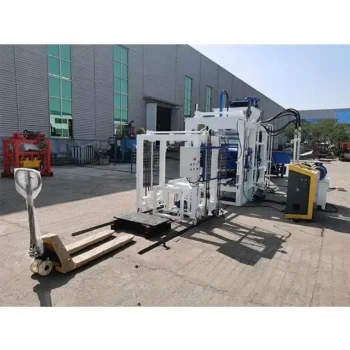
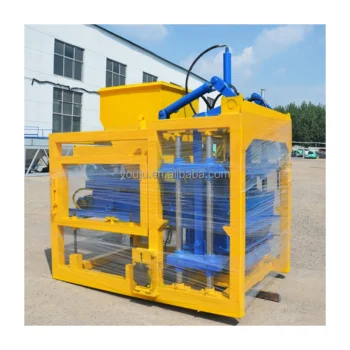
The primary advantage of ordering a QT5-15 automatic block machine in stock is the elimination of production wait time. Standard models with common mould sets are prepared for container loading, meaning dispatch lead time is measured in days rather than weeks. The machine is dismantled into main frame, hydraulic station, control cabinet, and mould assembly for efficient use of container space, with reassembly points clearly marked to speed on-site setup.
Arrival Estimate Quoted Upfront
Project-deadline buyers need to know when the machine reaches their port, not just when it leaves ours. For every stocked QT5-15 automatic block machine in stock, we provide an arrival estimate based on the destination port at the quotation stage. This includes container type, shipping route, and typical transit duration so you can plan foundation work, pallet procurement, and raw material sourcing around a known timeline rather than a guess [NEED_CITE: ocean freight transit time variability by destination].
Pallet Size, Vibration Force, and What They Mean on Site
The 1100×550 mm pallet size determines how many blocks fit per cycle and must align with the curing racks and forklifts you already operate. A mismatch forces you to reconfigure the entire yard or buy new handling equipment. The 80 kN vibration force, combined with hydraulic pressure during demoulding, determines block density and compressive strength. This pairing must be tuned to your local aggregate gradation and cement content; a machine set for river sand may underperform with crushed stone, producing blocks that fail strength tests. The PLC touch screen interface allows cycle parameters to be adjusted on site, but only if the baseline settings match your material from the start.
The Cost of Skipping Voltage and Language Confirmation
A machine configured for 380V arriving at a 415V site will trip breakers on first power-up, delaying commissioning by weeks while replacement motors are sourced. Similarly, a PLC display in a language the local operators cannot read turns troubleshooting into guesswork. These are not factory defects; they are specification gaps that surface only after the container is opened [NEED_CITE: voltage and frequency standards by export market].
Why Source This Machine Here
Block machinery is our single product focus, so the QT5-15 arrives with mould, pallet, and handling equipment specified as one matched system rather than assembled from separate suppliers. Stocked models carry standard mould sets for the most common hollow and solid block formats in export markets. Every unit undergoes a factory test before crating, with the test record included in the shipping documentation. Mould design for formats specific to your market, including custom drawings, is handled in-house. Voltage, frequency, and PLC display language are confirmed line by line with the buyer before dispatch, regardless of how tight the shipping window is.
Documentation & Verification
- Factory test record covering your target block format before dispatch
- Machine specification sheet with pallet size, power, and cycle time per format
- Hydraulic and electrical schematic matching the as-built configuration
- Voltage, frequency, and PLC language confirmation document signed before shipment
- Mould drawing and format list showing all included and optional moulds
- Packing photographs documenting crating condition before container loading
Installation, Commissioning & Support
- Foundation must accommodate 7400×1950 mm footprint with level tolerance for vibration stability
- Dedicated 32 kW power circuit with confirmed voltage and frequency before connection
- Main frame, hydraulic station, and control cabinet reassembled on site with marked connection points
- First production run supervised to tune vibration frequency and hydraulic pressure to your mix
- Operator training covers PLC touch screen navigation, mould change procedure, and daily maintenance checkpoints
- Initial wear parts and mould inventory list provided at shipment for local reordering reference
Before You Send an Inquiry
To match the right stocked configuration to your site, we need your target block format and required daily output, your local voltage and frequency standard, and the pallet handling equipment you already have in place. Share your raw material type and cement source so the machine can be tested against a representative mix before it leaves the factory.
Frequently Asked Questions
Q: What configurations are available on stocked QT5-15 machines?
A: Stocked units come with standard mould sets for common hollow block, solid brick, and paver formats. The PLC control language, voltage, and frequency are confirmed with you before dispatch. Custom moulds for specific interlocking or kerbstone formats can be added but require additional lead time for design and testing against your material.
Q: How long from order confirmation to container loading?
A: Stocked machines are prepared for loading once voltage and control language are confirmed. Dispatch timing depends on container availability and your confirmation speed. We provide the loading schedule and arrival estimate at quotation so you can coordinate site preparation with the expected delivery window.
Q: Does commissioning include operator training?
A: Yes. On-site commissioning covers machine reassembly, first production run tuning, and operator training on the PLC touch screen, mould change procedure, and daily maintenance. Training duration depends on operator experience level and the number of formats included in your initial mould set.
Q: Can voltage and PLC language be confirmed before shipment?
A: This is a mandatory step before every dispatch. We confirm voltage, frequency, and PLC display language line by line with the buyer. A machine shipped without this confirmation risks commissioning delays, and we will not skip this step regardless of how urgent the project timeline is.
Q: Are spare parts and wear items included with the first shipment?
A: An initial wear parts list and mould inventory are provided with the quotation. Recommended spares for hydraulic seals, vibration components, and mould liners can be packed in the same container. This ensures replacements are on hand when the first scheduled maintenance interval arrives.