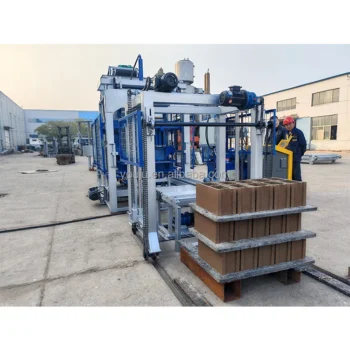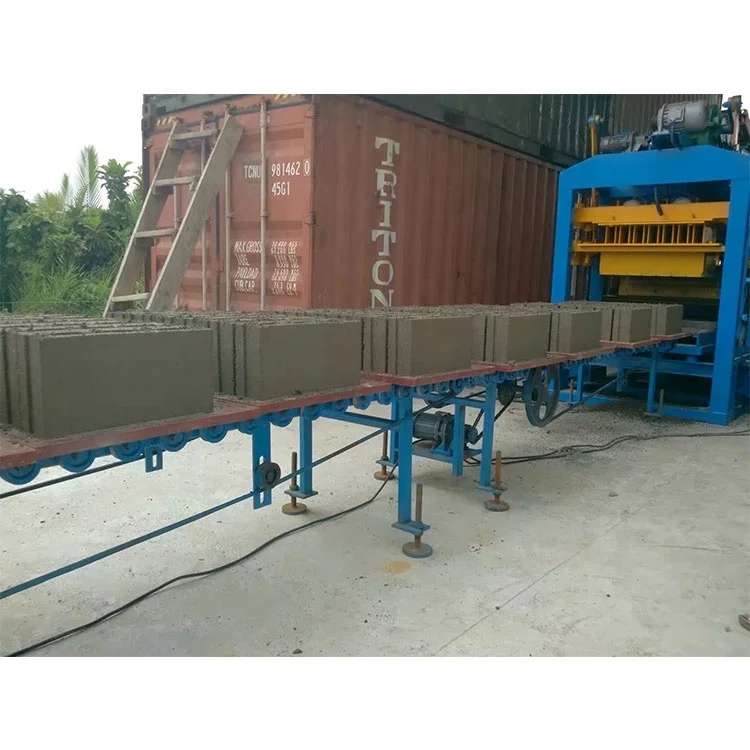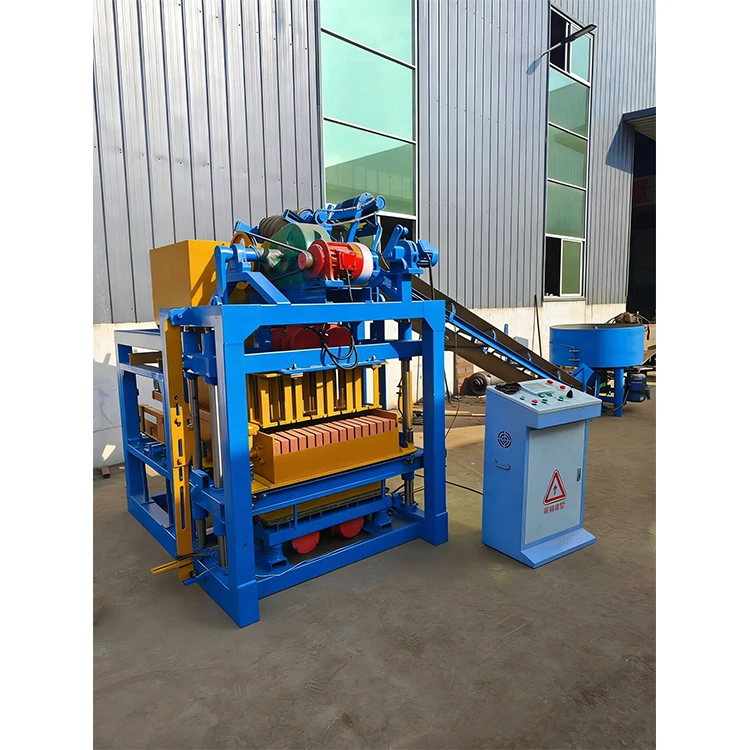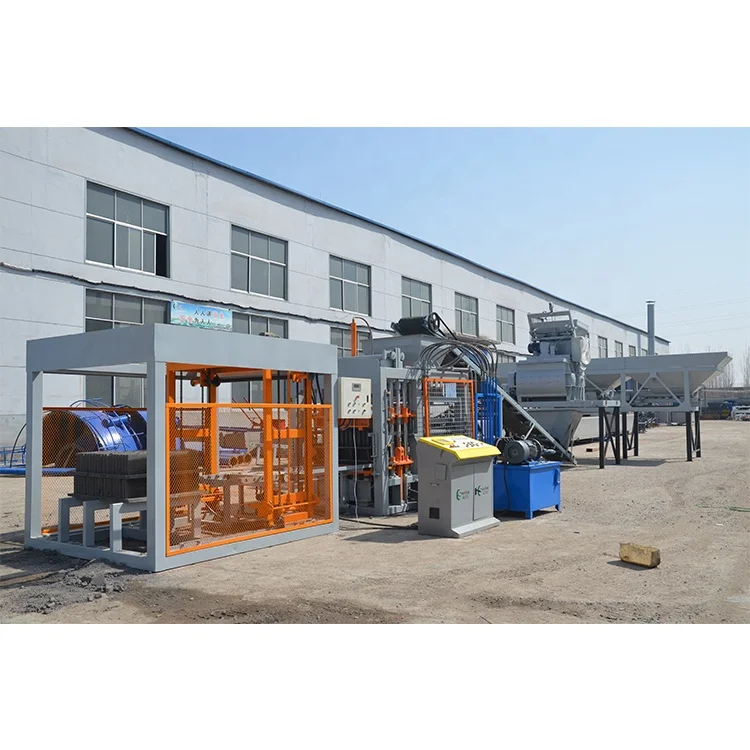
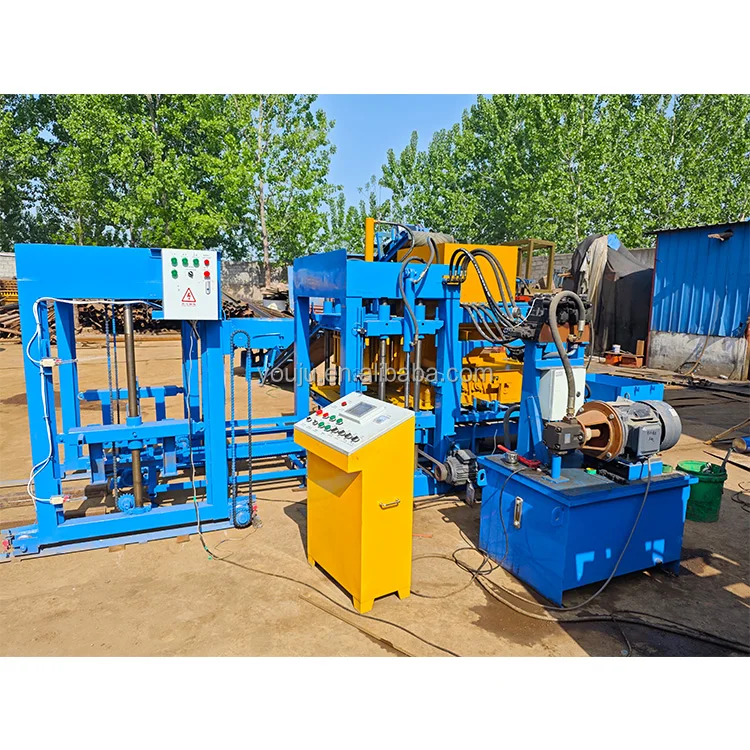

Description
Stocked Dispatch — QTJ4-25 machines are pre-built and held in inventory for immediate loading, with arrival timing quoted at the inquiry stage so your project deadline is never a guessing game.
Technical Specifications
| Parameter | Value |
|---|---|
| Model | QTJ4-25 |
| Product Type | Semi-Automatic Concrete Block Making Machine |
| Rated Power | 17.9 kW |
| Vibration Force | 60 kN |
| Vibration Frequency | 2800 r/min |
| Molding Cycle | 25 s |
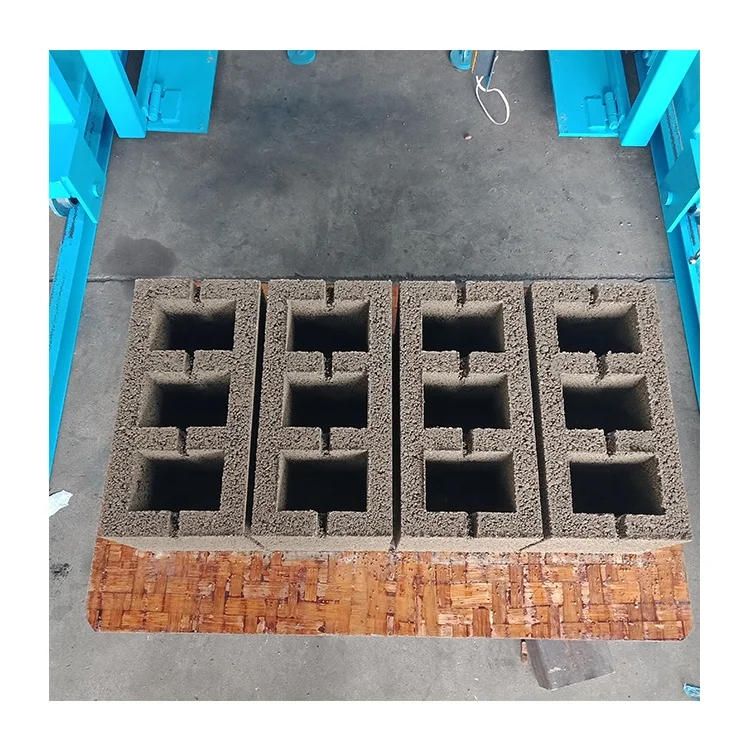
| Output Capacity | 960 pcs/h, 7680 pcs/day (based on 400×200×200mm hollow block, 4 pcs/mould) |
| Pallet Size | 850×550×20 mm |
| Overall Dimensions | 6400×1500×2700 mm |
| Total Mass | 2500 kg |
| Automation Level | Semi-automatic |
| Mould Format | Hollow, solid, paver, curbstone (mould changeable) |
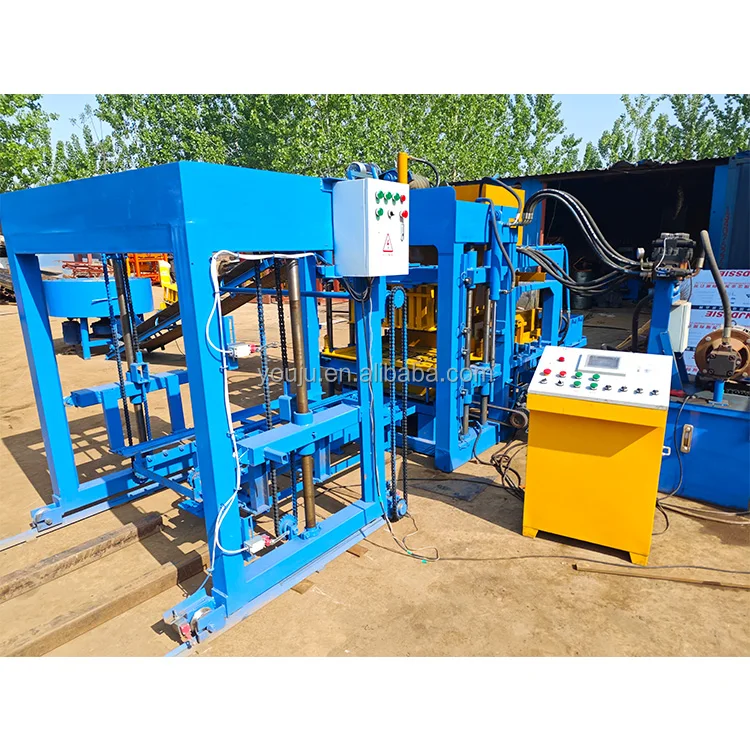
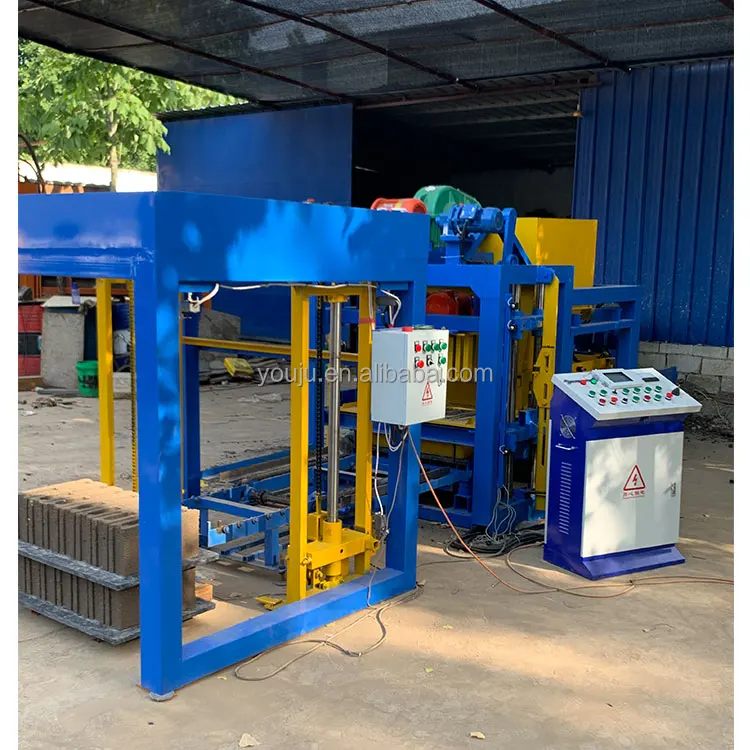
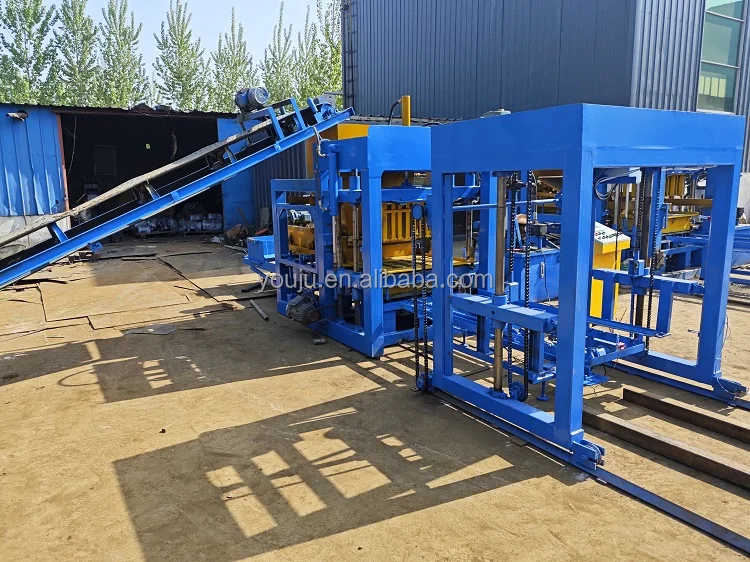
| Configuration Included | Host machine, 1 set block mould, JQ350 mixer |
| Hydraulic System | Equipped with hydraulic station |
| Voltage & Frequency | Configurable (confirm before order) |
| Control System | PLC or relay logic (confirm before order) |
Application Suitability
| Application | Material or Output |
|---|---|
| Small to medium block plants | Hollow and solid blocks from crushed stone, sand and cement |
| On-site construction production | Pavers and curbstones for housing and infrastructure projects |
| First block plant setup | Standard hollow blocks with low initial investment |
| Supplementary capacity | Fast arrival to meet surge orders for concrete masonry units |
What "In Stock" Should Actually Mean for Your Timeline
A stocked QTJ4-25 block machine means the frame, hydraulic station and mixer are already assembled, inspected, and ready to load — not that they will start building it next week.
When a project deadline is fixed and the supplier keeps pushing back the dispatch date, the entire construction schedule slips. Contractors and entrepreneurs lose weeks waiting for production slots that were never guaranteed. A machine described as available should be physically standing in the yard, not allocated from a future batch. [NEED_CITE: typical lead time expectations for stocked vs. made-to-order industrial machinery]. With the QTJ4-25 block machine in stock, the conversation shifts from when production begins to when the container arrives at your port.
Dispatch Timing You Can Plan Around
The advantage of ordering a QTJ4-25 block machine in stock is the shortened gap between payment and container loading. Standard models with common mould formats do not wait for a production queue. The host machine, JQ350 mixer, and hydraulic station are pre-assembled, which eliminates the typical multi-week manufacturing window. Your inquiry gets a confirmed dispatch date rather than an estimate that shifts with factory workload.
Container Loading and Dismantling Method
Shipping a semi-automatic block machine requires a clear plan for how the equipment is broken down to fit container dimensions. The QTJ4-25 block machine in stock is dismantled into its main assemblies — host frame, hydraulic station, mixer, and pallet stack — before loading. A container loading plan is provided before payment so you know exactly which container type is needed and how the machine will be secured for transit. [NEED_CITE: standard container loading practices for heavy industrial machinery].
Arrival Estimate Quoted Upfront
Knowing the dispatch date is only half the picture. The transit time from the port of origin to your destination port determines when the machine actually reaches your site. For every QTJ4-25 block machine in stock, an arrival estimate is quoted at the inquiry stage based on your destination port, covering both the inland transport to the loading port and the ocean freight leg.
Reading the Specs That Actually Matter
The 60 kN vibration force and hydraulic station work together to compact the concrete mix into dense, consistent blocks. Vibration alone is insufficient — the hydraulic pressure holds the mould head down during vibration, preventing the mix from bouncing and ensuring uniform wall thickness. The 25-second molding cycle is measured with a 400×200×200mm hollow block at four pieces per mould; smaller solid blocks will cycle faster, while larger formats will take longer. The 850×550×20 mm pallet size must match your curing racks and forklift tines — ordering pallets without checking your existing infrastructure leads to costly reordering or curing area reconfiguration.
When a Late Arrival Costs More Than the Machine
A block machine that arrives three weeks late does not just delay production. The contractor pays idle crews, rents equipment that sits unused, and risks penalty clauses in the construction contract. For entrepreneurs, a delayed launch means lost early revenue and damaged credibility with first customers. [NEED_CITE: financial impact of delayed equipment arrival on construction project timelines]. The cost of choosing a supplier who cannot confirm stock status often exceeds the machine price difference between a stocked unit and a made-to-order one.
Why Source This Machine Here
Block machinery is the single focus of this operation, so the QTJ4-25, its moulds, pallets, and the JQ350 mixer are specified as one matched system. Stock status and dispatch lead time are confirmed in writing at the quotation stage — not estimated verbally. Container loading plans are shared before payment so there are no surprises at the port. Voltage, frequency, and control language are locked with your electrician before the machine leaves the yard. The mould included with the machine is selected for the block format your market actually buys, with additional formats available as separate orders.
Documentation & Verification
- Stock status confirmation letter with dispatch date at quotation stage
- Container loading plan showing dismantling method before payment
- Factory test record on your target block format before shipment
- Voltage and frequency confirmation sheet signed off before dispatch
- Packing photographs with container seal number after loading
Installation, Commissioning & Support
- Foundation slab must support the 2500 kg total mass plus dynamic vibration loads
- Dedicated power circuit required for the 17.9 kW rated power at your confirmed voltage and frequency
- Machine arrives dismantled — host frame, hydraulic station and mixer reassembled on-site
- First production run supervised to confirm molding cycle and block density
- Operator training covers mould change procedure for hollow, solid, paver and curbstone formats
- Wear parts list provided with recommended reorder intervals for hydraulic seals and vibration components
What to Share With Your Inquiry
To get a confirmed dispatch date and arrival estimate, provide your destination port, the block format and daily volume you need, and your site’s voltage and frequency. Confirm whether your curing area already uses pallets and what dimensions they are. If you have an existing mixer or conveyor, share the specifications so the line can be matched around what you already have.
Frequently Asked Questions
Q: Which QTJ4-25 models and mould formats are currently in stock?
A: The standard QTJ4-25 semi-automatic configuration — host machine with hydraulic station, JQ350 mixer, and one set of block mould — is held in inventory. Common mould formats such as 400×200×200mm hollow blocks are typically available off the shelf. Confirm your required format at inquiry to check immediate availability.
Q: What is the dispatch lead time and how is arrival estimated?
A: Stocked machines are prepared for container loading within days of order confirmation, not weeks. An arrival estimate covering inland transport and ocean freight to your destination port is quoted at the inquiry stage, giving you a date to plan your site preparation around.
Q: How is the machine packed and dismantled for container loading?
A: The QTJ4-25 is dismantled into its main assemblies — host frame, hydraulic station, and mixer — to fit standard container dimensions. A detailed loading plan is shared before payment so you can confirm container type and understand how the machine will be secured for the voyage.
Q: What voltage and frequency must I confirm before dispatch?
A: The electrical system is configured to your local supply before the machine ships. Provide your site voltage and frequency — such as 415V/50Hz or 220V/60Hz — at the order stage. Late confirmation after dispatch means costly motor replacement at your site.
Q: Which pallet material and quantity should I order?
A: The QTJ4-25 uses 850×550×20 mm pallets. The material — bamboo, PVC, or steel — depends on your curing method and local climate. Order quantity should cover your curing rack capacity plus a working buffer. Confirm your existing forklift and rack dimensions before choosing.