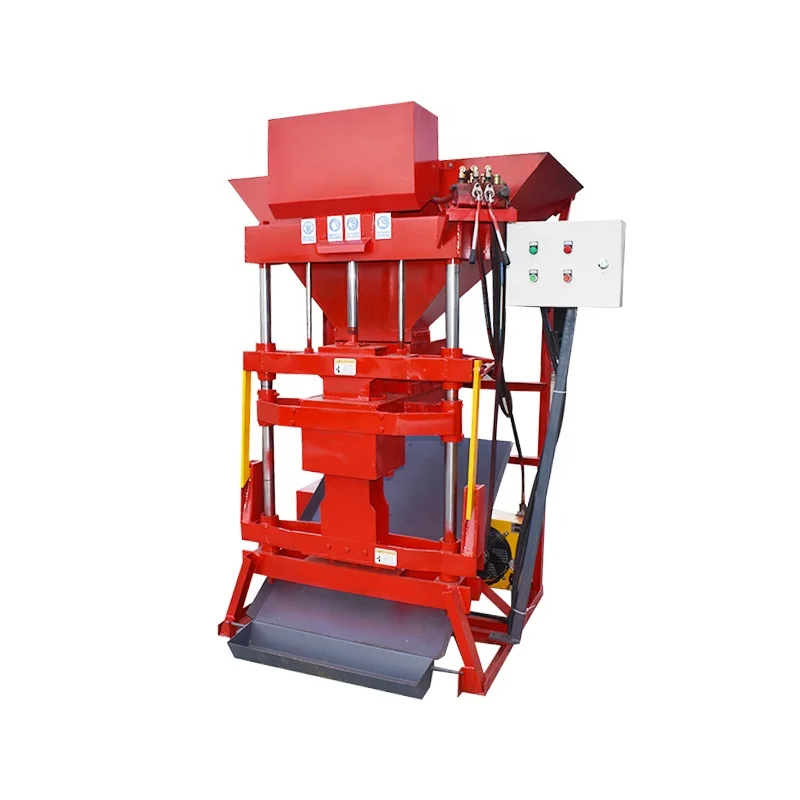
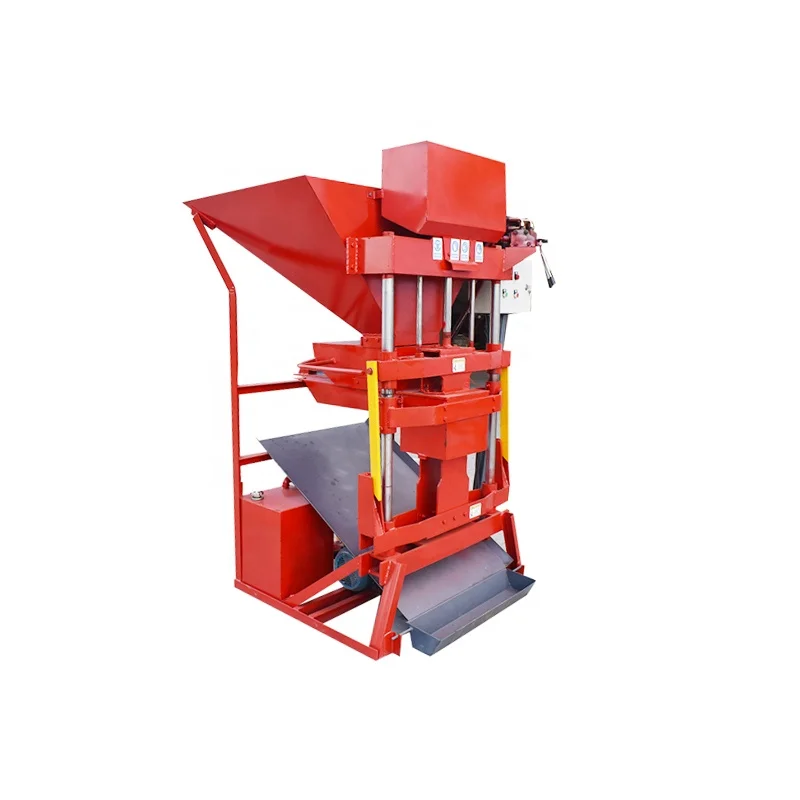
Description
Rapid Stock Deployment — Every ECO 2700 unit is verified against the buyer’s local voltage standard before it leaves our Linyi warehouse, so the machine is ready to run the moment it clears customs.
Technical Specifications
| Parameter | Value |
|---|---|
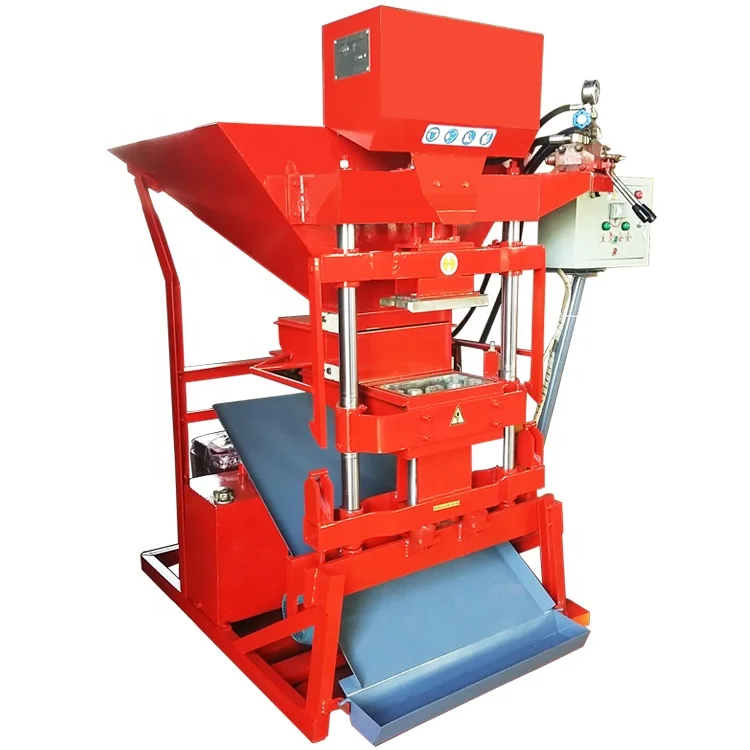
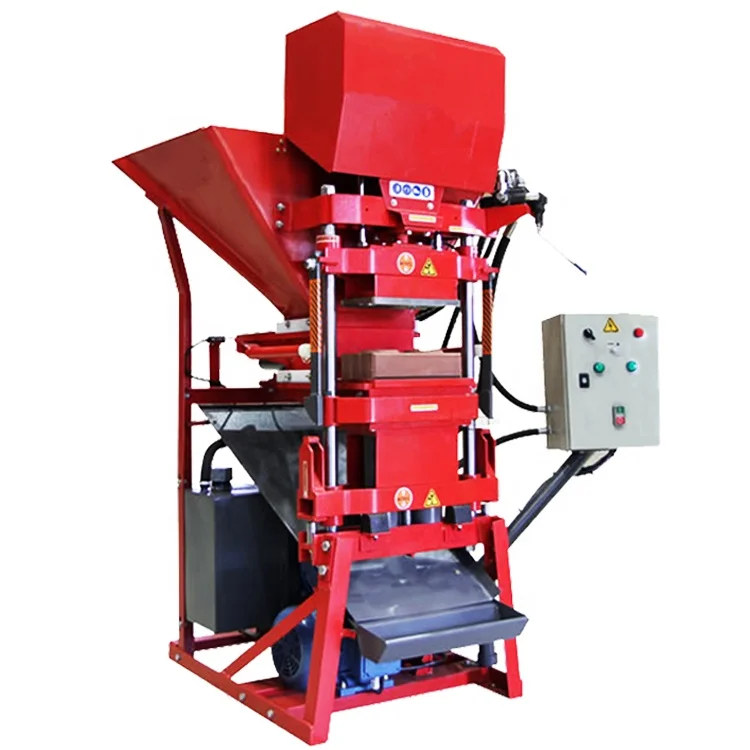
| Model | ECO 2700 |
| Product Type | Clay Block Making Machine |
| Overall Dimensions (L×W×H) | 1000 × 1000 × 1800 mm |
| Shaping Cycle | 15–20 seconds (basis to be confirmed) |
| Rated Power | 5.5 kW |
| Hydraulic Pressure | 16 MPa |
| Net Weight | 1000 kg |
| Voltage & Frequency | 380V, 3-phase, 50Hz (customizable to local voltage) |
| Motor Brand | Siemens |
| Automation Level | Semi-automatic / manual pallet handling |
| Warranty | 1 year |
| Certification | CE |
Application Suitability
| Application | Material or Output |
|---|---|
| Small business clay brick production | Local clay mixed with water and minor additives |
| On-site block production for building contractors | Clay and soil available at the construction site |
| First plant setup for entrepreneurs | Low-volume clay block output with minimal infrastructure |
| Rural housing project block supply | Locally sourced clay formed into load-bearing or infill blocks |
Why the Voltage Question Must Come Before Dispatch
Confirming your local voltage and frequency before the ECO 2700 clay block making machine in stock leaves the factory prevents a two-week standstill on your project site.
I watched an African contractor wait fourteen days after his machine arrived because the local grid ran 415V/50Hz while the motor was wound for 380V. The project schedule did not pause for that oversight. Since that incident, every ECO 2700 unit I schedule for dispatch goes through a voltage and frequency check matched to the buyer’s exact electrical standard. This step takes minutes at the factory but saves weeks of idle time and rewiring costs at the destination [NEED_CITE: voltage and frequency standards by export market].
Stock Availability and Dispatch Timing
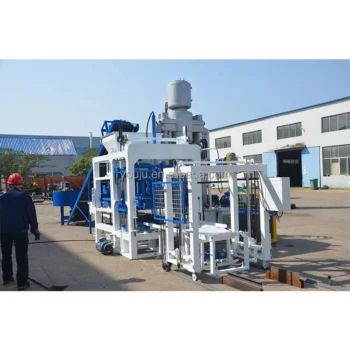
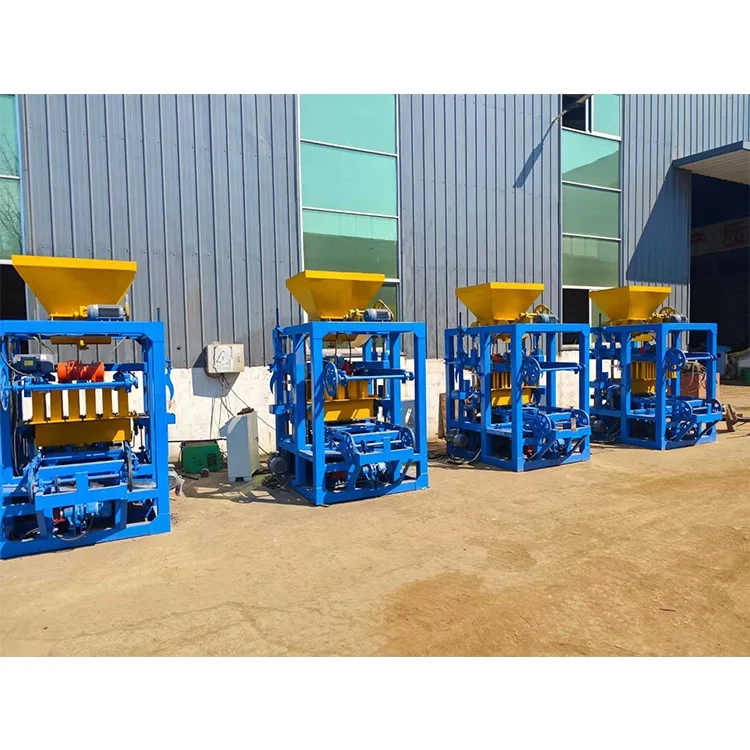
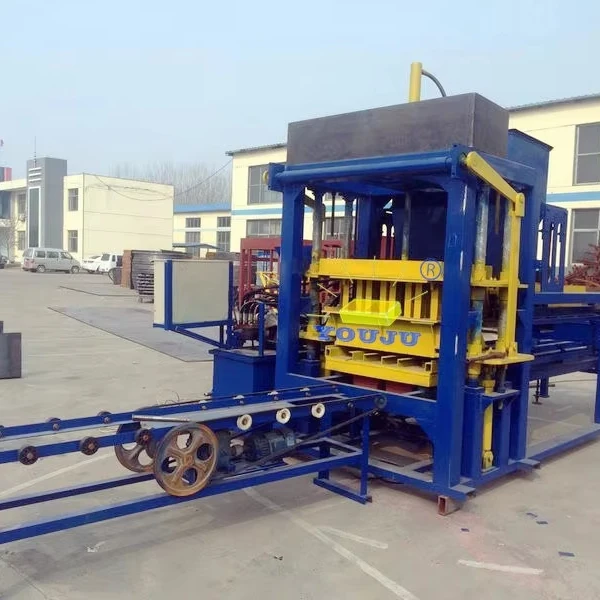
The ECO 2700 clay block making machine in stock is held at our Linyi facility specifically for buyers who cannot absorb a multi-week production lead. When a construction contract has a fixed start date or an entrepreneur needs to begin earning revenue before a long factory cycle ends, having a completed unit ready for inspection and container loading changes the entire project timeline. Dispatch lead time is quoted at the inquiry stage once stock position is confirmed.
Container Loading and Shipment Readiness
Because the ECO 2700 measures just 1000 × 1000 × 1800 mm and weighs 1000 kg, a single unit fits inside a standard container without complex dismantling. The compact footprint means shipping costs stay proportionate to the machine’s investment level. We provide the buyer with a clear loading plan showing how the machine is secured for ocean transit, so there are no surprises when the container is opened at the destination port [NEED_CITE: container loading practices for compact industrial machinery].
What the Pressure and Cycle Figures Mean on Site
The 16 MPa hydraulic pressure is the force available to compact the clay mix inside the mould box. For clay block forming, this pressure level produces a dense, structurally sound unit when paired with a mix that has the right moisture content and particle distribution. The 15–20 second shaping cycle governs how quickly each block leaves the press, but actual daily output depends on how fast operators can feed material, swap finished blocks off the press, and handle pallets manually — because this is a semi-automatic configuration where pallet movement is not motorized. Buyers planning their workforce should account for the full loop: mixing, feeding, pressing, demoulding, and carrying blocks to the curing area.
The Cost of Skipping Pre-Shipment Electrical Verification
When a machine arrives with the wrong motor winding, the buyer faces a choice between rewinding the motor locally or waiting for a replacement to ship internationally. Either path stalls production and burns through project float time. In some regions, local electricians will not touch an imported motor under warranty, leaving the buyer stuck between the supplier and the site foreman [NEED_CITE: electrical compliance risks for imported machinery]. The ECO 2700’s Siemens motor is widely supported, but only if the voltage and frequency match what the local panel supplies.
Why Buyers Source This Model From Our Stock
Our Linyi facility keeps the ECO 2700 configured for the most common export voltages, and each unit is cross-checked against the buyer’s confirmed electrical standard before crating. We treat the machine, mould, and pallet as one matched set rather than separate line items, so the buyer receives a press that forms the intended block format from the first cycle. The semi-automatic design means the buyer can start producing immediately with a small crew and later add pallet handling automation if volume grows. Every stocked machine ships with a factory test record documenting actual cycle performance before it was disconnected from our power supply.
Documentation & Verification
- Factory test record confirming cycle time and pressure on your specified block format
- Voltage and frequency confirmation sheet signed before dispatch
- Machine specification sheet with all rated values and motor brand details
- Operation and maintenance manual in the buyer’s preferred language
- CE declaration and compliance documentation for customs clearance
- Packing photographs showing securing method inside the container
Installation, Commissioning & Support
- 5.5 kW power draw requires a dedicated circuit matching confirmed voltage and phase
- 1000 × 1000 mm footprint needs a level concrete pad with drainage for clay slurry
- Machine ships fully assembled; only electrical connection and mould mounting required on site
- Siemens motor supported by regional service networks in most export markets
- Semi-automatic operation means manual pallet handling training included for the crew
- One-year warranty covers hydraulic components and electrical elements under normal use
What to Include With Your Inquiry
To confirm stock position and provide a realistic arrival estimate, we need your target block format and dimensions, your local voltage and frequency, and the port of destination. If you have a project start date driving the timeline, share that as well so we can work backward from arrival to dispatch and confirm whether a stocked ECO 2700 clay block making machine in stock can meet your window.
Frequently Asked Questions
Q: Is the ECO 2700 currently in stock, and what is the dispatch lead time?
A: Stock position is confirmed at inquiry and changes as units are allocated. Once your voltage and block format are verified against a available unit, dispatch typically follows within days rather than weeks. We provide the estimated departure date before you commit so your logistics planning can start immediately.
Q: What is the estimated arrival time to my port after dispatch?
A: Ocean transit time depends entirely on the destination port and current shipping schedules. We quote the estimated arrival date upfront based on the confirmed dispatch date and the carrier’s published sailing times, so you can coordinate customs clearance and site preparation in parallel.
Q: Can the motor voltage be customized to match my local electrical standard before shipping?
A: Yes. The standard 380V/50Hz configuration can be adjusted to match your local supply before the machine leaves our facility. This verification step is now mandatory on every ECO 2700 we dispatch, following lessons learned from earlier shipments where voltage mismatch caused on-site delays.
Q: How is the machine packed and loaded into a container for shipment?
A: The ECO 2700’s compact dimensions and 1000 kg weight allow it to ship in a standard container without dismantling. We secure the machine with bracing and provide packing photographs before the container is sealed, so you know exactly how it was loaded and can plan unloading equipment at the destination.
Q: What block formats can the ECO 2700 produce, and what is the realistic daily output per format?
A: The block format depends on the mould fitted to the press, and daily output depends on that format’s dimensions, the clay mix, and the crew’s speed in manual pallet handling. We state capacity per specific block format during the inquiry stage rather than quoting a single generic number that may not match your actual production conditions.