Description
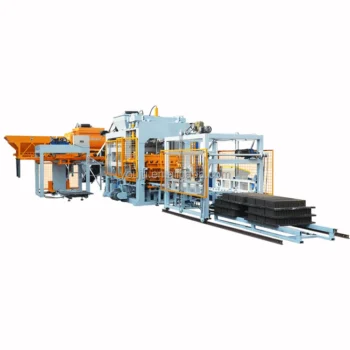
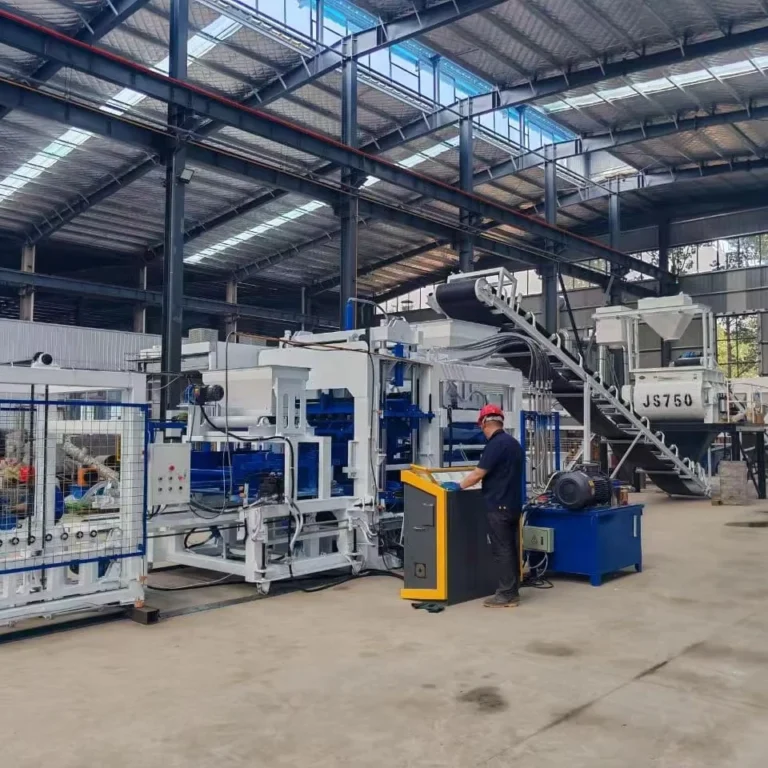
Stocked Machinery for Fast Dispatch — Eco Master 7000 units ready in warehouse with standard interlocking moulds, cutting typical multi-week lead times down to a confirmed dispatch window.
Technical Specifications
| Parameter | Value |
|---|---|
| Model | Eco Master 7000 |
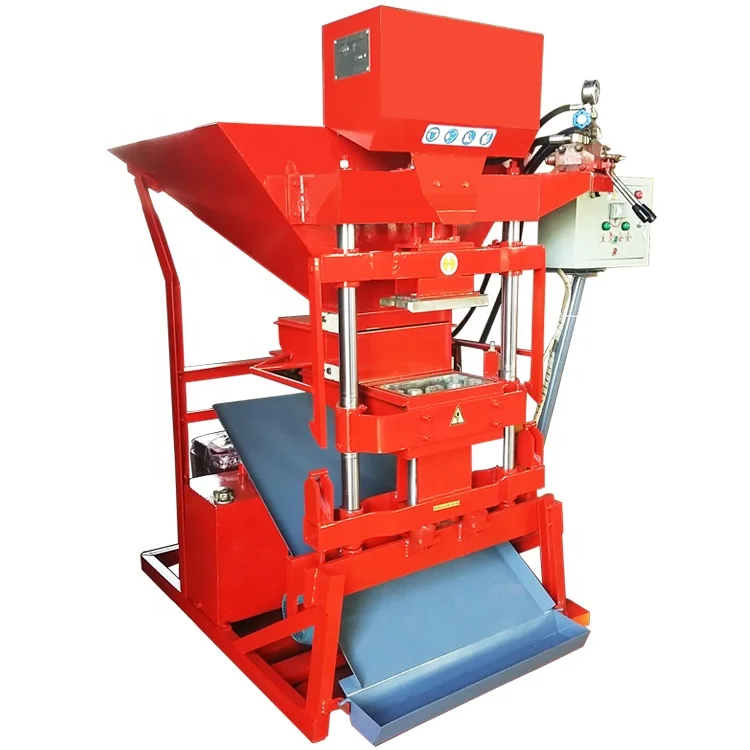
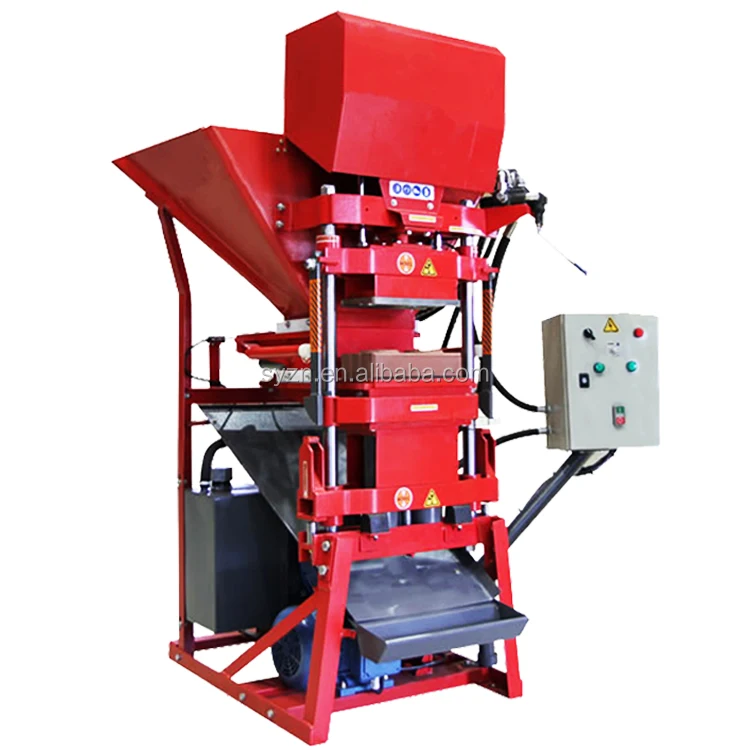
| Product Type | Compressed Earth Interlocking Block Machine |
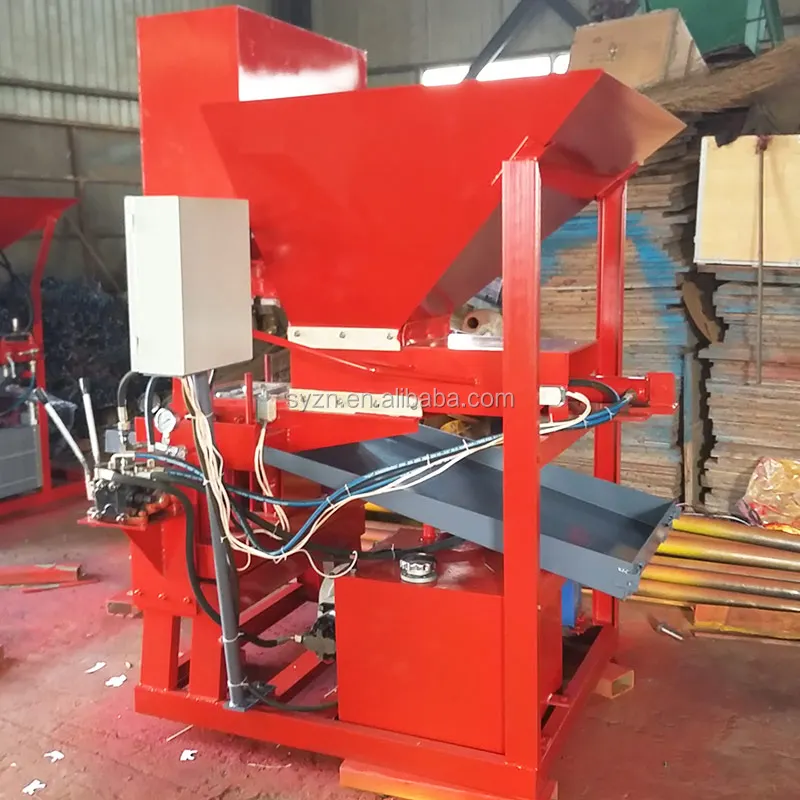
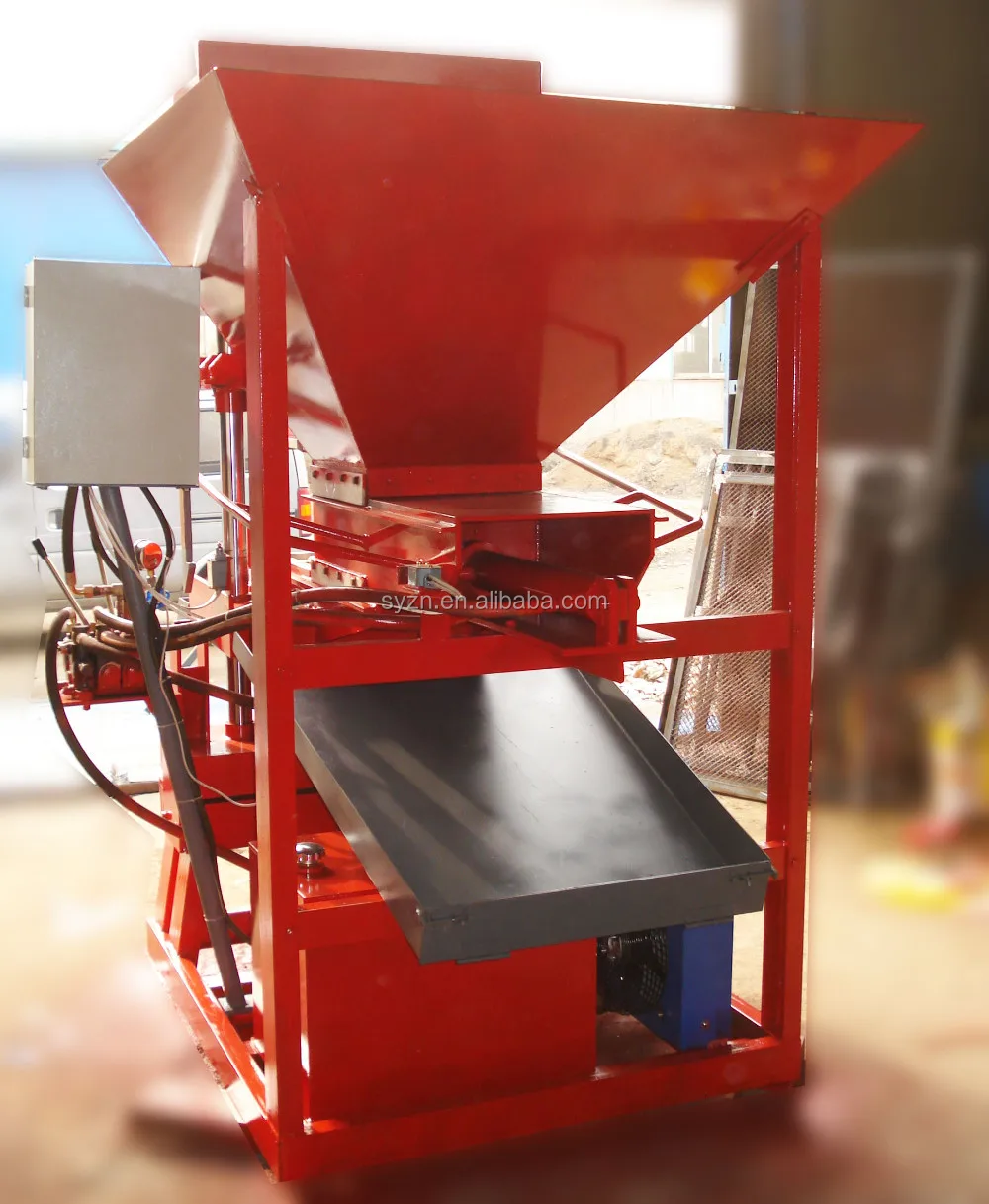
| Overall Dimensions (L×W×H) | 1660×1400×2380 mm |
| Net Weight | 1300 kg |
| Hydraulic Pressure | 16–21 MPa |
| Rated Power | 7.5 kW (Electric) or 12 HP (Diesel) |
| Power Source Option | 3-phase Electric Motor or Diesel Engine |
| Voltage & Frequency | 380V, 50Hz (configurable) |
| Cycle Time | 10–15 s |
| Productivity (300×150×100 mm interlocking brick) | 2 pcs/mould, 5760 pcs/day (8h) |
| Productivity (250×125×60 mm interlocking brick) | 2 pcs/mould, 5760 pcs/day (8h) |
| Output Capacity | 4000–6000 pcs/day (basis to be confirmed) |
| Pallet Requirement | No pallets required |
| Automation Level | Semi-automatic or Automatic (configurable) |
| Assembly State | Fully assembled |
Application Suitability
| Application | Material or Output |
|---|---|
| On-site housing project production | Clay + 6–8% Cement + 3% Water |
| Rural infrastructure block making | Full Clay (97%) + 3% Water |
| Small-plant interlocking paver manufacturing | Stabilized earth mixes for load-bearing formats |
| Contractor-led remote site operations | Diesel-driven production where grid supply is absent |
Why "5760 Bricks a Day" Means Nothing Without the Format Attached
Capacity is only real when tied to the exact block dimensions and material you will actually run.
Catalog sheets often highlight the highest possible number, leaving buyers to discover on-site that their chosen interlocking format takes three seconds longer per cycle than the test brick, dropping the daily total well below expectation [NEED_CITE: cycle time variance by block format in earth block production]. When a machine sits idle waiting for manual mould changes or material feed adjustments, the theoretical output becomes irrelevant. I have watched contractors plan entire project schedules around a peak figure, only to find the realistic throughput for their specific 300×150×100 mm stabilized earth brick sits noticeably lower once curing logistics and operator rhythm are factored in. This is why confirming output per format, not per machine, is the only honest starting point when evaluating an Eco Master 7000 interlocking block machine in stock fast delivery option.
What "In Stock" Actually Means for Your Project Timeline
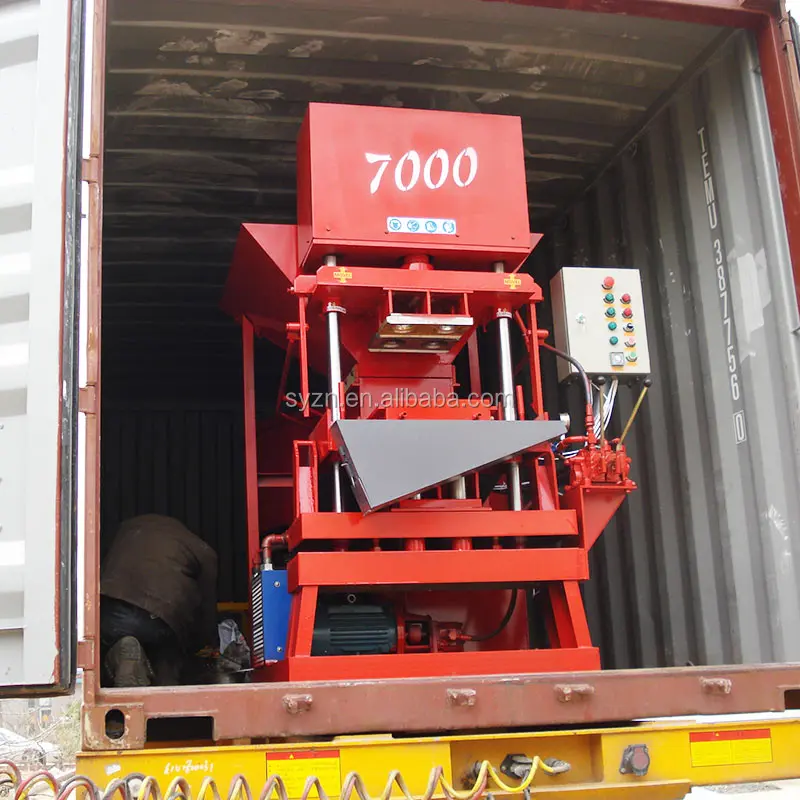
Buyers working against a construction deadline cannot afford to wait through a full production cycle. Having the Eco Master 7000 interlocking block machine in stock fast delivery means the main press, hydraulic station, and standard interlocking moulds are already assembled and tested in the warehouse, ready for container loading once voltage and control language are confirmed. This removes the typical multi-week build window and shifts the timeline to dispatch and ocean freight only.
Matching the Power Source to Your Site Reality
Remote housing projects and rural infrastructure sites often lack the stable three-phase grid required for standard electric motors. The availability of a 12 HP diesel engine option alongside the 7.5 kW electric motor means the same machine frame adapts to both conditions without modification [NEED_CITE: diesel versus electric drive suitability for remote block production sites]. Buyers confirm their power situation during the inquiry stage, and the correct drive unit is fitted before the machine leaves the factory, preventing costly on-site conversions or generator rentals upon arrival.
Reading the Hydraulic Pressure and Cycle Time Together
The 16–21 MPa hydraulic pressure range determines how densely the clay-cement mix is compacted inside the mould, directly influencing the compressive strength of the finished interlocking brick. A higher pressure setting combined with a shorter cycle time within the 10–15 s window produces a denser block but demands a well-graded mix to avoid mould sticking. Operators adjusting for local clay with higher sand content will find the pressure needs to move toward the upper end of the range to maintain interlocking lug integrity during demoulding.
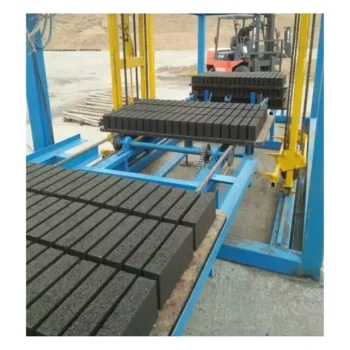
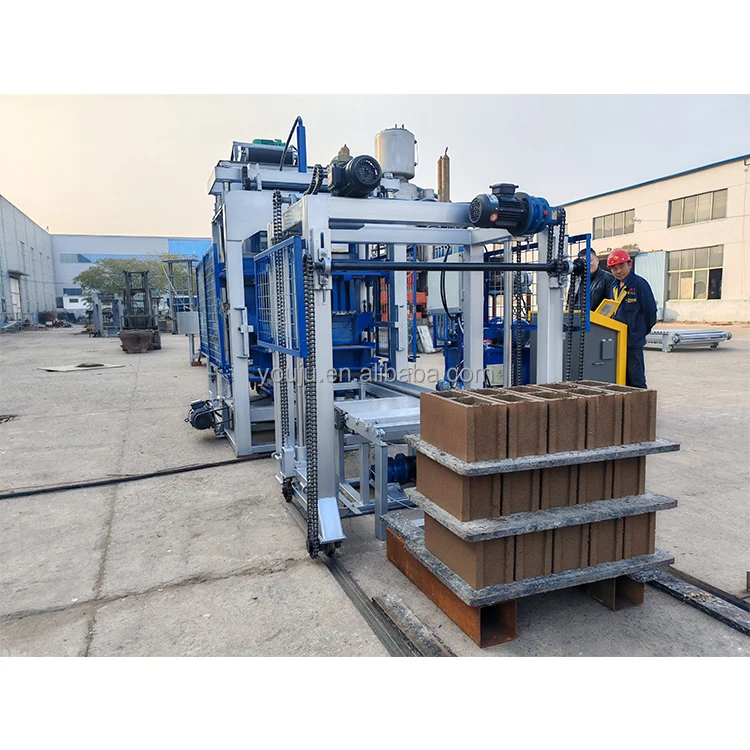
The pallet-free design eliminates an entire category of procurement and handling cost. Without pallets to purchase, rotate through a curing area, and eventually replace, the production loop simplifies to pressing, manual or assisted extraction, and direct stacking on the curing floor. For a 1300 kg machine operating on a compact 1660×1400 mm footprint, this means the entire production cell fits into a standard project site compound without dedicated pallet storage racks or a forklift dedicated to pallet circulation.
The Hidden Cost of Skipping the Voltage Conversation Before Shipment
Arriving at a project site to discover the control panel is wired for 380V 50Hz when the local supply runs on a different standard halts commissioning entirely. Transformers must be sourced locally, wiring must be redone, and the PLC display language may not match the operator team [NEED_CITE: voltage and frequency standards by export market]. Confirming destination voltage, phase configuration, and control interface language before the machine enters the container is a ten-minute exchange that prevents a multi-week delay on the ground.
Why Buyers Source This Machine From This Inventory
Block machinery is the single focus of the operation, meaning the Eco Master 7000 is specified as part of a matched system rather than sourced from unrelated suppliers and assembled on the warehouse floor. Configuration is set against the buyer’s actual clay sample and target interlocking format, not a catalogue default, so the hydraulic pressure and cycle time are dialed in before dispatch. Mould design covers the formats the buyer’s local market actually purchases, with custom drawings available when standard options do not match. Automation level is selectable, allowing a buyer to start semi-automatic and move to full automatic as production volume justifies the investment. Installation and commissioning support includes on-site operator training, ensuring the team understands mix ratios, pressure adjustment, and mould change procedure from the first day of production.
Documentation & Verification
- Factory test record showing cycle time and block density on buyer’s submitted clay sample
- Machine specification sheet confirming hydraulic pressure range and power source configuration
- Mould drawing and format list for the interlocking brick dimensions included in the order
- Voltage and control language confirmation document matched to destination country supply standard
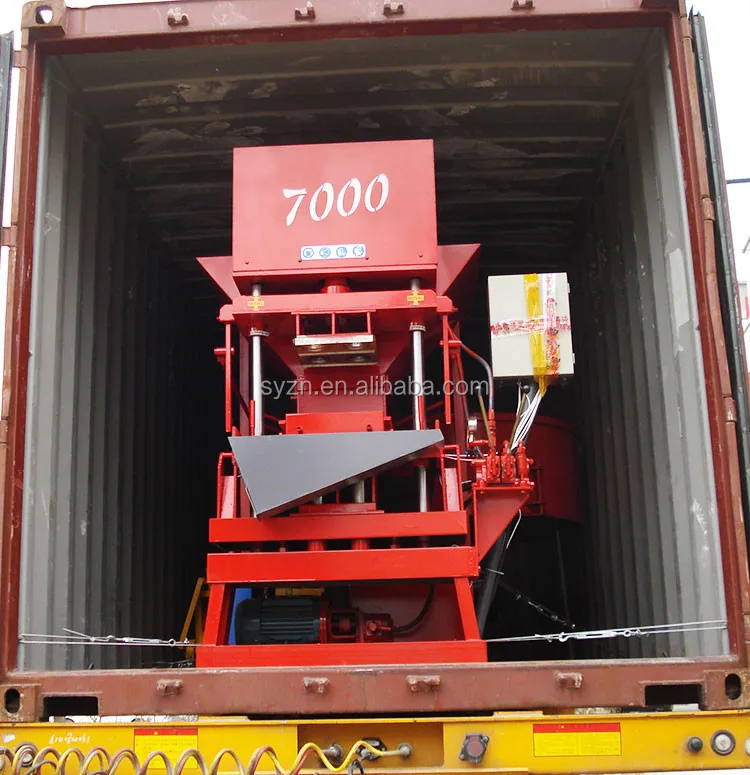
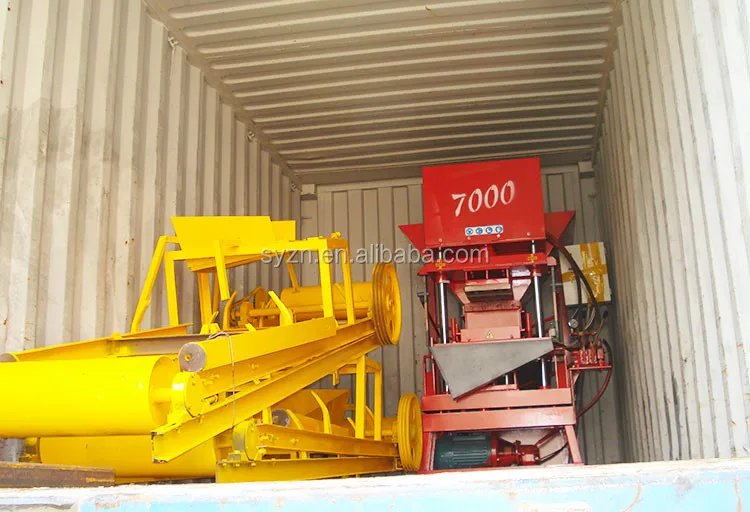
- Packing photographs documenting machine condition and securing method before container door closure
Installation, Commissioning & Support
- Level concrete pad sized to the 1660×1400 mm footprint, no special foundation required for the 1300 kg unit
- Dedicated circuit matching confirmed voltage and phase, installed before the machine arrives on site
- Machine ships fully assembled in container, requiring only hydraulic line connection and power hookup
- On-site commissioning covers pressure calibration to local clay mix and cycle timing adjustment
- Operator training on mould change procedure, mix ratio control, and daily hydraulic system checks
- Wear parts list and mould maintenance schedule provided at handover for ongoing production continuity
What We Need to Confirm Your Dispatch Window
To provide an accurate arrival estimate, the target interlocking brick dimensions and whether the mix will be full clay or cement-stabilized must be stated up front. Destination port and local voltage standard are required to finalize the container loading plan and electrical configuration. Share your project start date so the dispatch schedule can be aligned to your site readiness.
Frequently Asked Questions
Q: Which Eco Master 7000 configurations and standard interlocking moulds are currently in stock?
A: Available stock includes the main press frame with hydraulic station and standard moulds for common interlocking formats such as 300×150×100 mm and 250×125×60 mm. Both electric motor and diesel engine configurations are held. Buyers should confirm their target block format and power source requirement to reserve the correct unit from current inventory.
Q: What is the dispatch lead time after balance payment, and how is arrival estimated?
A: Once voltage, control language, and power source are confirmed, the machine enters the container loading schedule within days of balance receipt. Ocean freight transit time to the destination port is quoted based on current shipping line schedules, giving the buyer a projected arrival window before the container departs.
Q: Can the machine ship in a 20 ft container with supporting equipment, or is LCL available?
A: The Eco Master 7000 dimensions and 1300 kg weight allow it to fit inside a standard 20 ft container alongside a mixer and basic material handling tools. For buyers ordering the press alone, LCL wooden packaging is available. Container loading plan is confirmed with the buyer before dispatch.
Q: What voltage and frequency options are confirmed before the machine ships?
A: The standard configuration is 380V three-phase 50Hz, but the electrical system is configurable to match the buyer’s local supply standard. Voltage, frequency, and control panel display language are confirmed in writing before production or dispatch to prevent commissioning delays upon arrival.