Description
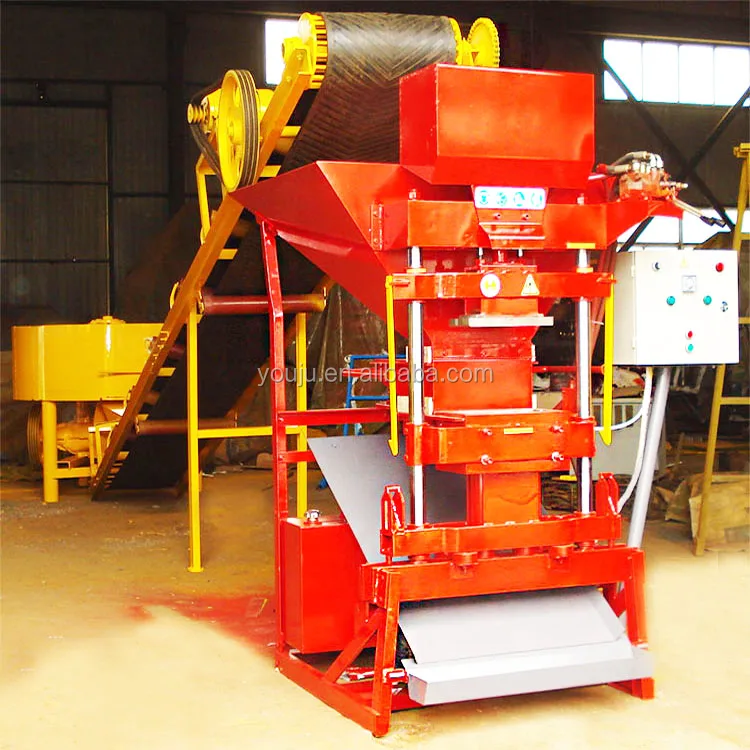
Single Focus Design — Machine, mould, pallet and handling specified as one matched system rather than assembled from separate suppliers, verified on your actual clay sample before dispatch.
Technical Specifications
| Parameter | Value |
|---|---|
| Model | ECO2700 |
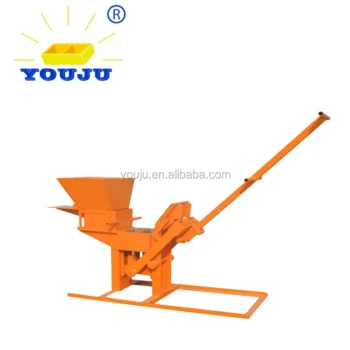
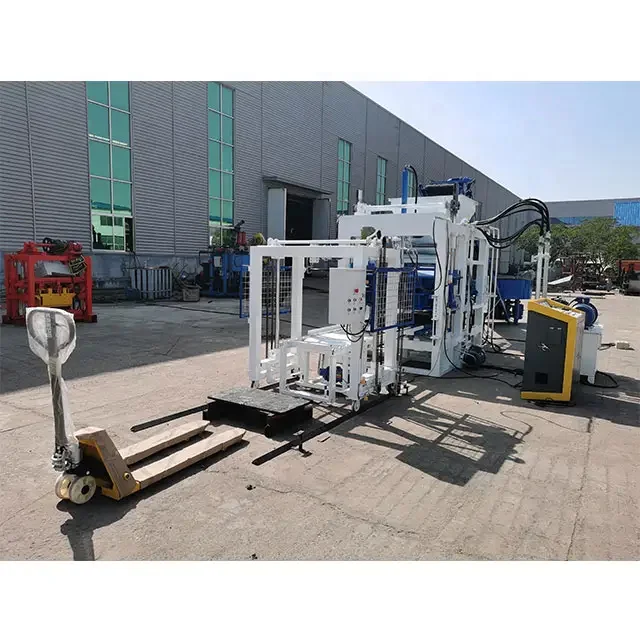
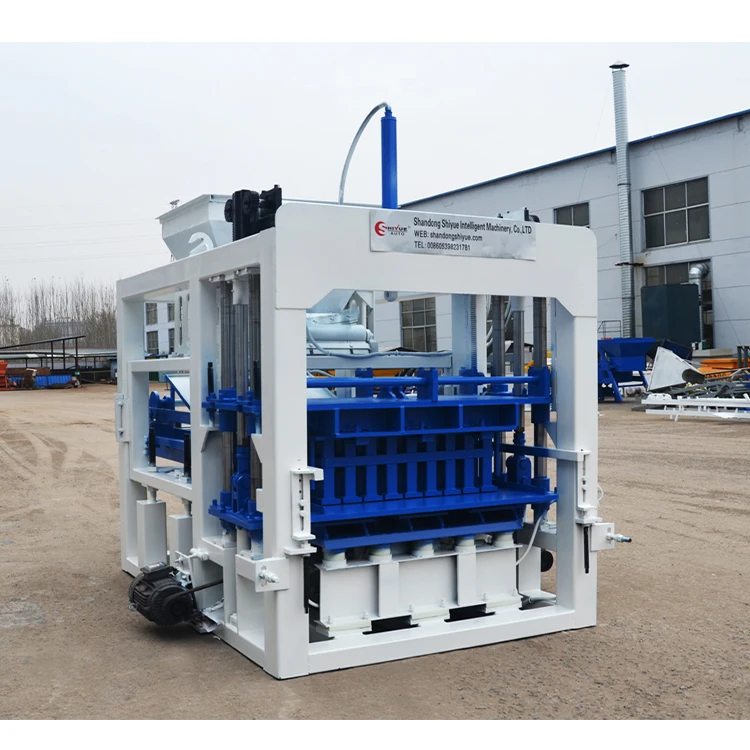
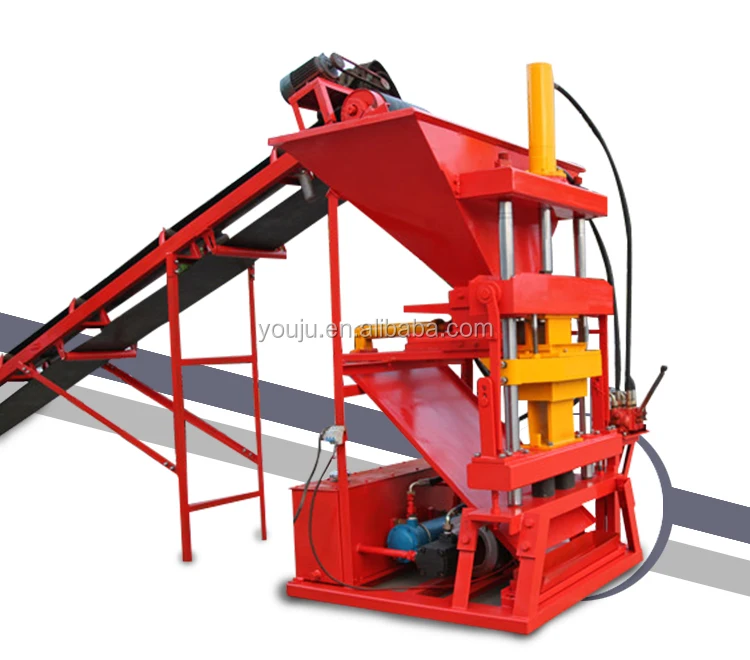
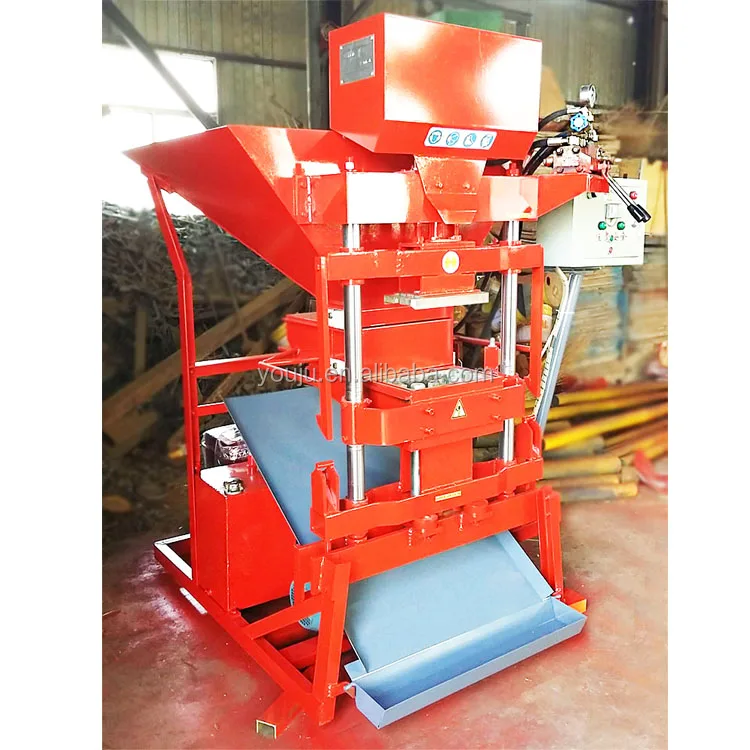
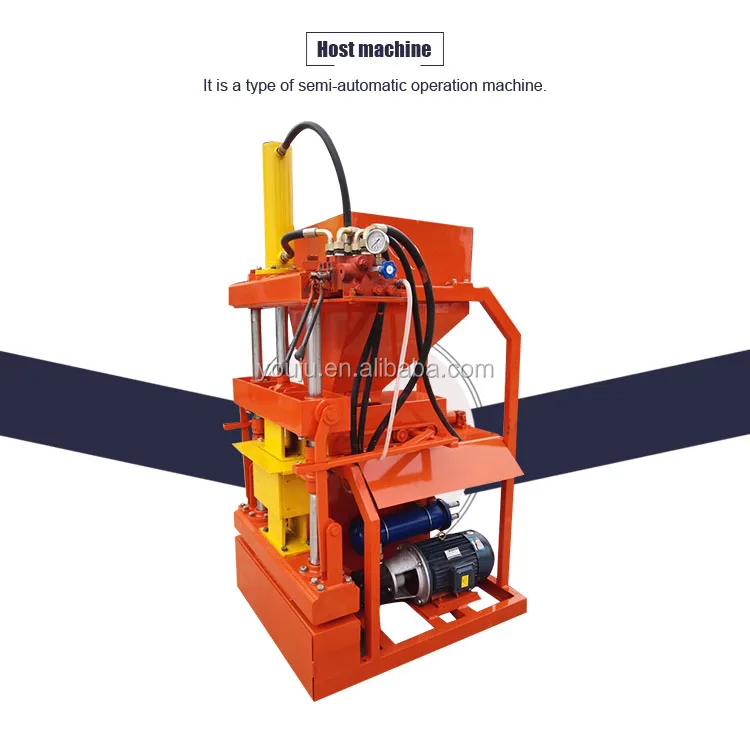
| Product Type | Hydraulic Clay Interlocking Block Making Machine |
| Overall Dimensions (L×W×H) | 1000 × 1000 × 1800 mm |
| Shaping Cycle | 15–20 seconds |
| Rated Power | 5.5 kW |
| Hydraulic Pressure | 16 MPa |
| Total Weight | 1000 KGS |
| Voltage & Frequency | 380V, 3-phase, 50Hz (configurable to local supply) |
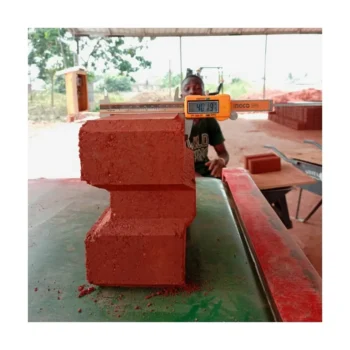
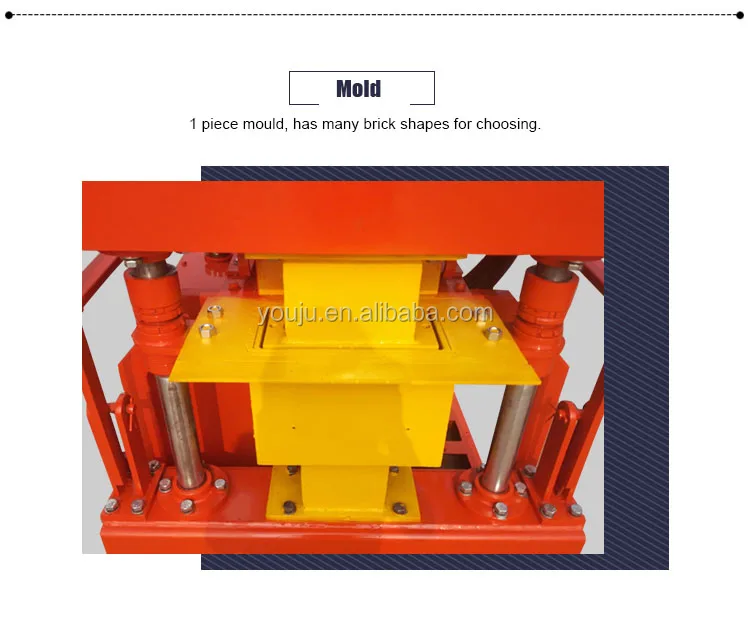
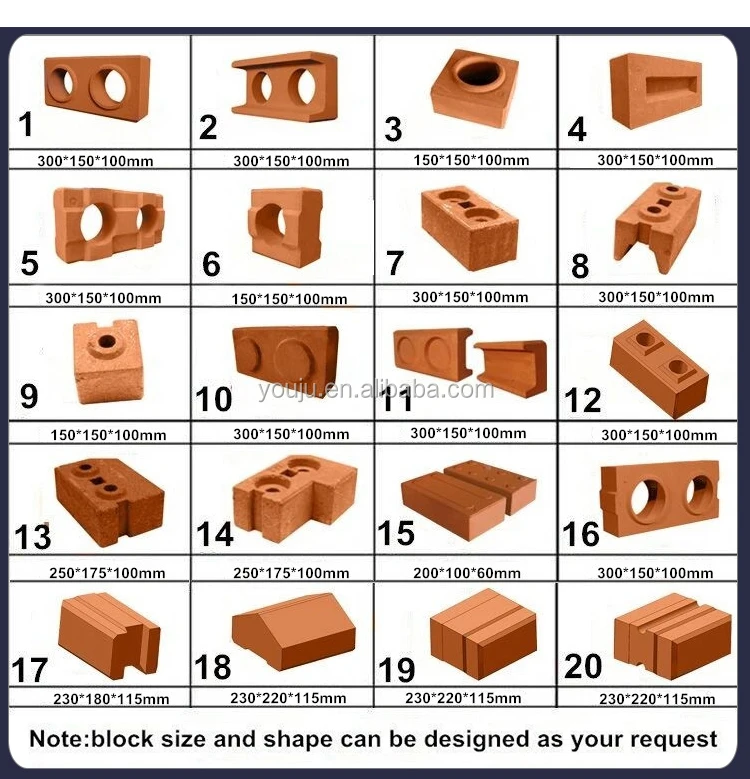
| Mould Format | Interlocking clay block |
| Stacking Method | Manual |
| Automation Level | Manual / small-scale operation |
| Warranty | 1 year |
| Certification | CE |
Application Suitability
| Application | Material or Output |
|---|---|
| On-site construction block production | Local clay, laterite and mud soils |
| Rural and low-cost housing projects | Interlocking blocks reducing mortar use |
| Small-scale entrepreneurial brick plants | Compressed earth blocks from site-excavated soil |
| Community building and development projects | Interlocking formats for load-bearing and non-load-bearing walls |
What Dispatch Timing Really Means for Your Deadline
Confirm stock status and container loading plan before comparing machines.
When a project has a hard start date, every week of uncertainty between order and port arrival adds pressure on labour mobilisation, site preparation and financing costs. Buyers often focus on cycle times and pressure ratings but overlook whether the clay interlocking block making machine in stock can actually ship this week. A machine quoted with a multi-week production lead may not fit a contractor who has already broken ground and committed crews [NEED_CITE: project delay costs for construction contractors sourcing equipment late].
The ECO2700 is compact enough for straightforward container loading. Its 1000 × 1000 × 1800 mm frame fits standard container dimensions without complex dismantling. For buyers working to tight project schedules, knowing the dispatch window and arrival estimate up front changes how the rest of the site mobilisation is planned.
Stock Availability and What Ships Now
Standard ECO2700 units and commonly requested interlocking mould formats are kept in inventory for buyers who need fast turnaround. The focus here is straightforward: confirm which configurations are ready for dispatch today, not which ones enter a production queue. Buyers sourcing a clay interlocking block making machine in stock typically want the machine on a vessel within days of order confirmation, and the stocking strategy for this model supports that expectation.
Container Loading and Dismantling for Shipment
The ECO2700 weighs 1000 KGS and its compact footprint allows it to share container space with moulds, spare hydraulic seals, and pallet inventory when the buyer consolidates the order. The machine does not require major dismantling for transport. The hydraulic ram, frame, and control box ship assembled where container door dimensions allow, reducing re-assembly time at the destination site [NEED_CITE: container loading practices for compact hydraulic presses].
Reading the Specs That Matter for Clay Pressing
Hydraulic pressure at 16 MPa determines how densely the clay particles compact inside the mould cavity. For interlocking earth blocks, insufficient pressure leaves blocks that crumble during handling or fail compression tests after curing. The 15–20 second shaping cycle must be read together with your clay’s moisture content and plasticity — a highly plastic laterite may need the longer end of that range to fill the interlocking profile completely, while a sandy loam releases faster. The 5.5 kW rated power means the machine can run from a standard small generator on a remote site, removing dependence on grid connection. Voltage and frequency are configurable before dispatch, which matters because arriving with a 380V/50Hz motor in a 440V/60Hz region halts commissioning until a replacement motor is sourced.
When a Stocked Machine Still Arrives Wrong
Dispatching a machine quickly solves nothing if the mould format does not match the block your market actually buys, or if the hydraulic pressure was set for a clay type different from yours. Buyers who skip the soil sample test before shipment sometimes discover on arrival that blocks crack during demoulding or fail to interlock cleanly. The cost is not the machine — it is the weeks spent sourcing a replacement mould or adjusting the mix design while the construction crew stands idle [NEED_CITE: common causes of interlocking block failure from unmatched soil and pressure settings].
Why Buyers Source This Model Here
Block machinery is the single focus of this operation, meaning the ECO2700 is specified as a complete working unit — press, mould, and pallet — not assembled from mismatched components. Every unit can be tested with the buyer’s actual clay sample before it leaves the factory, which catches soil-machine mismatches before they become site problems. Moulds for the interlocking formats that sell in the buyer’s local market are designed and supplied in-house, including custom profiles from buyer drawings. Voltage, frequency, and control language are confirmed before production, so the machine powers on and runs at the destination without waiting for an electrician. Dispatch timing is quoted honestly at order — if a configuration is not in stock, the lead time is stated, not hidden.
Documentation & Verification
- Machine specification sheet with ECO2700 pressure, cycle time and power ratings confirmed
- Mould drawing and interlocking block format dimensions matched to your market
- Voltage and frequency confirmation sheet signed before dispatch
- Factory test record using your clay sample with pressing results documented
- Packing photographs showing machine secured for container transport
Installation, Commissioning & Support
- ECO2700 footprint requires a level concrete pad approximately 1.5 × 1.5 metres with drainage clearance
- 5.5 kW motor needs a dedicated circuit rated for the confirmed local voltage and phase
- Machine ships largely assembled; hydraulic lines and control box reconnect on site
- First-run pressing with your clay to confirm cycle setting and block release quality
- Manual stacking workflow briefed for small crews operating without pallet conveyors
- Hydraulic seals and mould wear parts list provided for first replacement order
Before You Send an Inquiry
Share your target interlocking block dimensions and the soil type available at your site, including any test data on clay plasticity and moisture. Confirm your local voltage and frequency so the motor and control box are configured before the machine leaves. Let us know your project deadline so dispatch timing can be checked against current stock before quotation.
Frequently Asked Questions
Q: Which ECO2700 configurations are currently in stock and ready to ship?
A: Standard ECO2700 hydraulic presses with common interlocking mould formats are held in inventory. Stock status changes as orders dispatch, so confirming the exact mould profile and voltage configuration you need allows a same-day stock check. Units not in stock carry a stated lead time quoted before order confirmation.
Q: How is the ECO2700 loaded into a shipping container?
A: At 1000 KGS and 1000 × 1000 × 1800 mm, the ECO2700 fits standard container dimensions without major dismantling. Hydraulic ram and frame typically ship assembled. Moulds, spare parts and pallets can share container space, and packing photographs are provided before the container is sealed.
Q: How do I estimate arrival time at my destination port?
A: Arrival depends on your port, current vessel schedules and inland transport at both ends. Once dispatch date is confirmed from stock, a transit estimate to your named port is provided so you can plan customs clearance, site preparation and crew mobilisation against a known timeline.
Q: What if my local voltage does not match the standard 380V/50Hz?
A: Voltage and frequency are confirmed before the machine is prepared for dispatch. The motor and control components are matched to your local supply so the ECO2700 powers on without modification at your site. Providing your exact voltage, phase and frequency at inquiry stage prevents delays after arrival.
Q: How are installation and operator training handled on site?
A: The ECO2700 ships largely assembled and reconnects on a prepared concrete pad. Commissioning includes a first pressing run with your local clay to confirm block quality and cycle setting. Operator training covers daily workflow, mould change and hydraulic maintenance routines for your crew.