
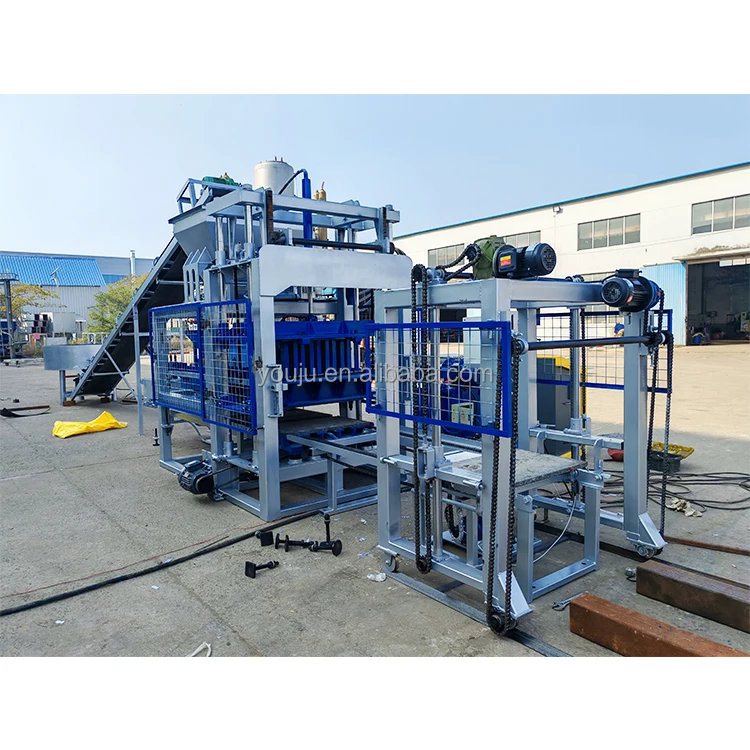
Description
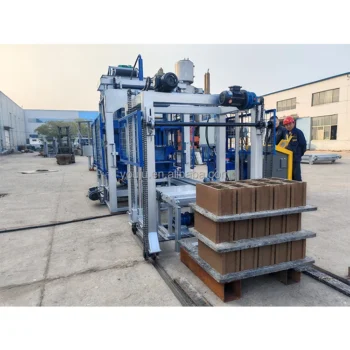
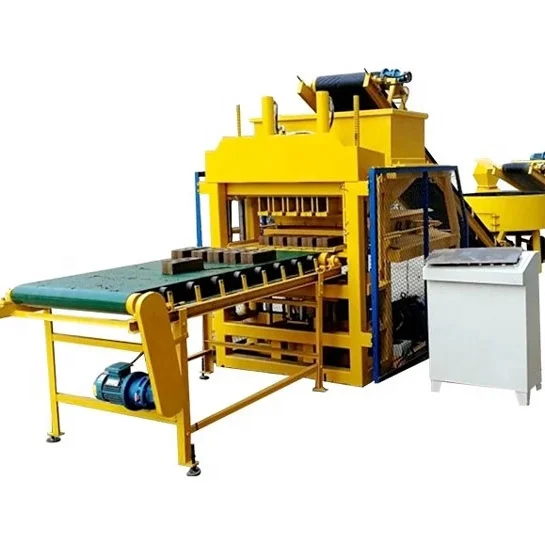
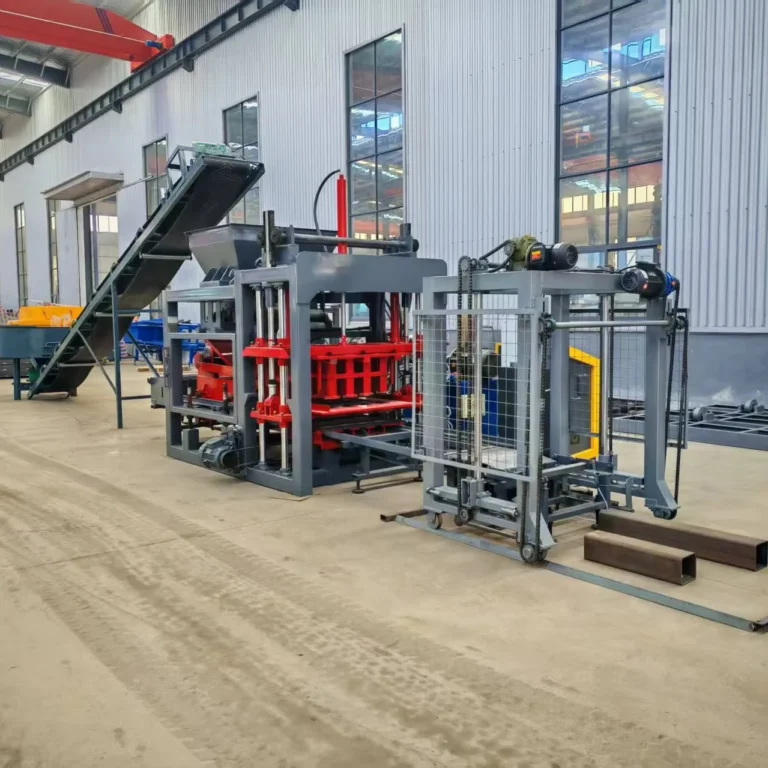
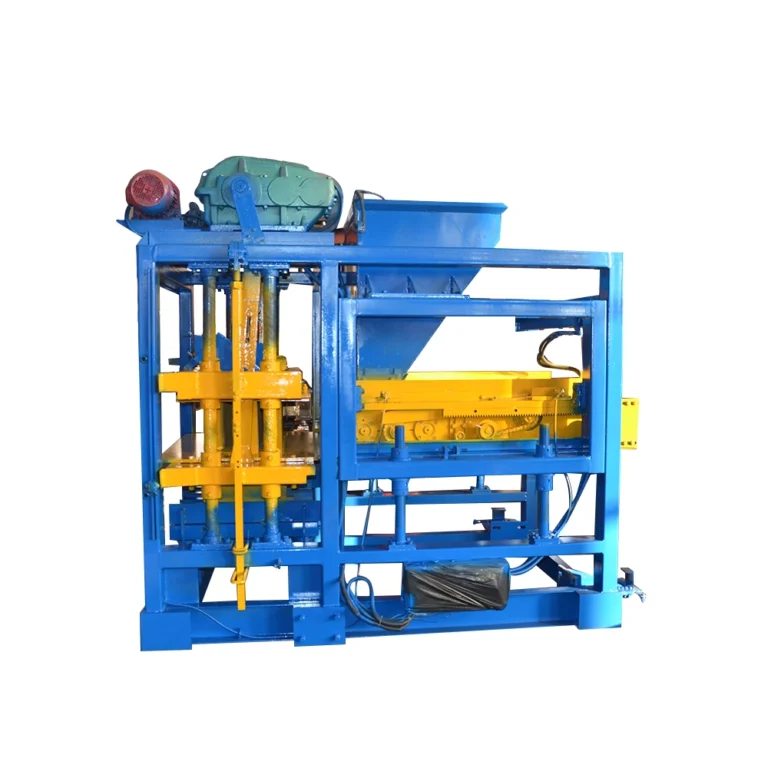
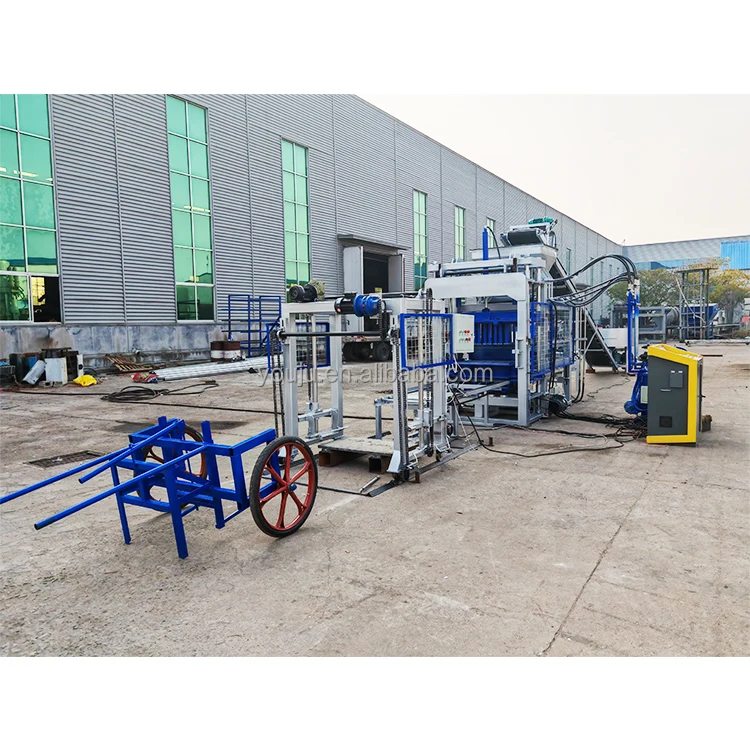
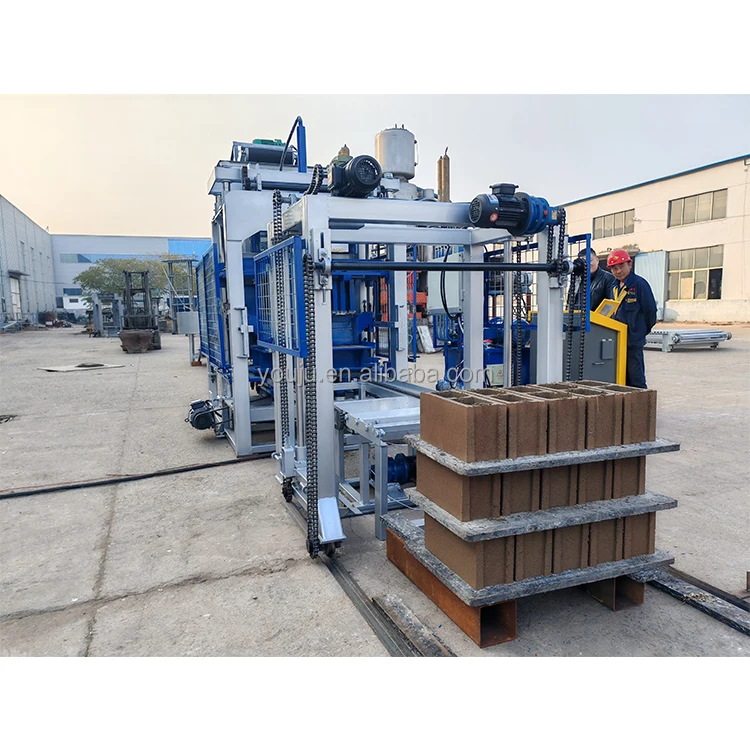
Stocked Machine Configuration — QT4-15 hydraulic block making machine ships with confirmed pallet dimensions, tested cycle times per format, and dismantling plans photographed before container loading.
Technical Specifications
| Parameter | Value |
|---|---|
| Model | QT4-15 |
| Product Type | Hydraulic Block Making Machine |
| Molding Cycle | 15-30s |
| Pallet Size | 900x500mm |
| Vibration Type | Platform vibration |
| Vibration Frequency | 50-70Hz |
| Product Height Range | 50-220mm |
| Overall Power | 24.5kW |
| Demolding Method | Hydraulic |
| Control System | PLC controlled |
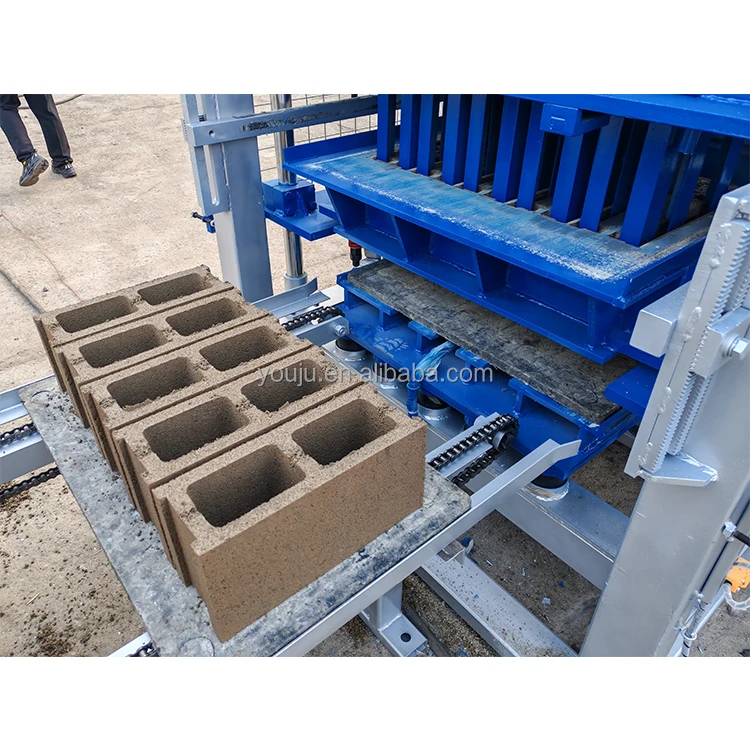
| Hollow Block 400x200x200mm | 900-1200 pcs/hour (basis: 4 blocks per mould, 15-20s cycle) |
| Hollow Block 400x150x200mm | 1080-1440 pcs/hour (basis: 5 blocks per mould, 15-20s cycle) |
| Hollow Block 400x100x200mm | 1440-1920 pcs/hour (basis: 8 blocks per mould, 15-20s cycle) |
| Paver Brick 200x100x60mm | 2880-3840 pcs/hour (basis: 16 blocks per mould, 15-20s cycle) |
| Solid Brick 240x115x53mm | 5930-6720 pcs/hour (basis: 28 blocks per mould, 15-20s cycle) |
| Raw Material Compatibility | Fly ash, slag, gangue, sand, crushed stone, cement, water |
| Block Compressive Strength | More than 15 MPa (basis not stated in source) |
| CE Declaration | Verify for this specific model |
Application Suitability
| Application | Material or Output |
|---|---|
| Medium-scale hollow block production | Fly ash, slag, sand mixed with cement |
| Paver brick manufacturing | Crushed stone, sand, cement blends |
| Solid brick fabrication | Gangue, sand, cement mixtures |
| On-site construction block making | Local aggregate with cement binder |
Why "Ready to Ship" Means Nothing Without Voltage Confirmation
QT4-15 block machine in stock arrives fast but sits idle if electrical specs don’t match your facility.
Dispatch speed only matters when the machine actually runs on day one. I’ve seen container arrive at Callao port and the buyer discover the PLC display is in Chinese while their operator speaks only Spanish. The QT4-15 block machine in stock sat there for weeks while new firmware was arranged [NEED_CITE: control language and HMI localization for export machinery]. Voltage mismatch causes similar delays — a 380V machine shipped to a 220V site needs transformer solutions that weren’t in the project timeline.
Container Loading and Machine Dismantling
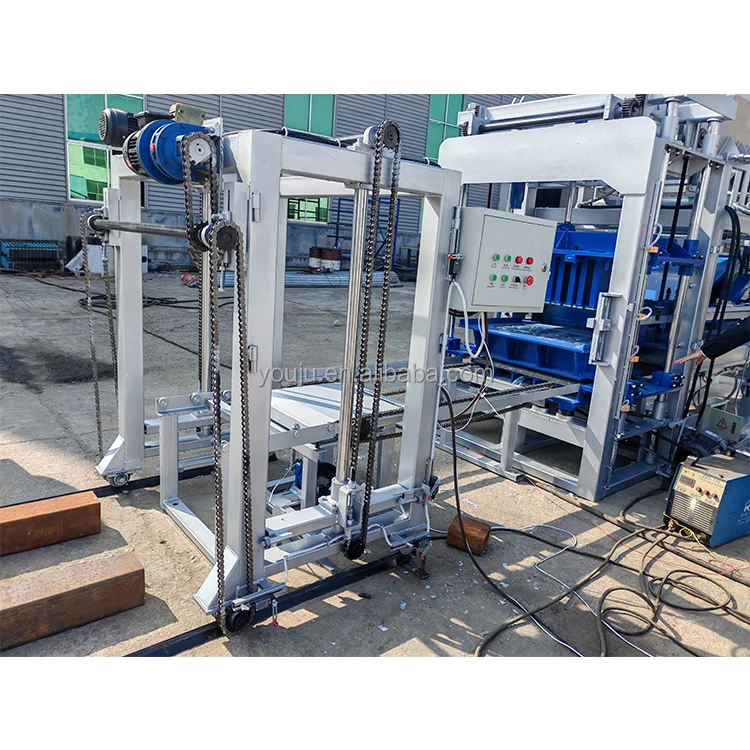
The QT4-15 block machine in stock ships partially dismantled to fit standard container dimensions. Hydraulic station, mould assembly, and pallet feeder separate from the main frame. Each component gets photographed during loading so you can verify securing methods before the container seals. This matters because loose hydraulic hoses or unsecured pallet stacks cause damage during ocean transit.
Arrival Timing for Project Deadlines
Lead time includes factory test run on your specified mould formats before dispatch. The 900x500mm pallet size matches standard curing rack configurations, so you don’t need custom shelving when the machine arrives. Ocean freight to major Latin American ports typically takes multiple weeks after dispatch [NEED_CITE: shipping duration to South American ports from China].
Platform Vibration and Hydraulic Pressure Matching
The 50-70Hz vibration frequency combined with hydraulic demolding produces consistent block density across formats. Platform vibration transmits force through the pallet rather than directly into the mould, which reduces wear on mould surfaces. The 15-20s molding cycle applies to hollow blocks, pavers, and solid bricks, but actual output depends on your material flow and pallet handling speed between presses.
What Happens When Spare Parts Don’t Travel With the Machine
First mould replacement or hydraulic valve failure stops production entirely. The QT4-15 block machine in stock can ship with wear parts and replacement mould inserts included in the container, but only if specified before packing [NEED_CITE: spare parts inventory planning for remote production sites]. Without this planning, you’re waiting for international courier shipments while contractors demand blocks for their walls.
Why Source Block Machinery Here
Machine, mould, pallet, and handling equipment specified as matched systems rather than separate purchases. Configuration based on your local aggregate and target block format, not catalogue defaults. Factory test records showing cycle times on your exact mould formats before dispatch. Installation support includes operator training on your site. Documentation package covers hydraulic schematics, electrical diagrams, and maintenance schedules in your preferred language.
Documentation & Verification
- Factory test record showing 15-20s cycle times on your specified hollow block and paver moulds
- Hydraulic and electrical schematics with component labels matching your installed QT4-15
- Voltage and control language confirmation document signed before container sealing
- Pallet specification sheet confirming 900x500mm dimensions and load rating
- Wear parts list identifying hydraulic valves and mould inserts for first-year replacements
Installation, Commissioning & Support
- Foundation requirements for 24.5kW total power draw with dedicated circuit protection
- Hydraulic station reconnection after transit, including hose routing and pressure testing
- PLC control parameter setup matching your raw material feed rates and vibration timing
- Operator training covering mould change procedures and pallet handling sequences
- Wear parts inventory review ensuring first replacements are on-site before production begins
Requesting the Right Information Upfront
Tell us your target block formats, daily volume requirement, and local raw material sources. Specify your facility voltage, frequency, and preferred PLC display language. Confirm whether you need pallet handling and stacking equipment included or have existing infrastructure. Share your project deadline so dispatch timing aligns with your construction schedule.
Frequently Asked Questions
Q: What is the dispatch lead time for a stocked QT4-15 and which moulds ship with it?
A: Stocked machines dispatch after factory testing completes on your specified mould formats. The quotation includes which moulds are included — hollow block, paver, or solid brick — so you know what arrives. Standard moulds ship faster than custom designs, but all configurations undergo test runs before container loading.
Q: How is the machine dismantled and loaded into a container — what footprint and weight should I plan for at the port?
A: The QT4-15 ships with hydraulic station, mould assembly, and pallet feeder separated from the main frame for container loading. Packing photographs document securing methods before sealing. You need adequate space and lifting equipment at destination port to handle reassembly, plus storage area for components until installation.
Q: Can I confirm voltage and control language before the machine leaves the factory?
A: Voltage, frequency, and PLC display language must be confirmed before dispatch to avoid commissioning delays. The control system accommodates multiple language options, but firmware changes require factory installation. Provide your electrical specifications and operator language preference when placing the order.
Q: What is the realistic arrival estimate once shipped, and do you provide tracking?
A: Ocean freight duration depends on destination port and current shipping schedules. Container tracking information allows monitoring during transit. Plan for port clearance time and inland transport to your production site after vessel arrival [NEED_CITE: customs clearance procedures for industrial machinery imports].
Q: If my project deadline shifts, can dispatch be held or expedited?
A: Dispatch timing adjusts based on your project needs and current stock status. Holding completed machines requires storage coordination, while expedited orders depend on mould availability and testing schedule. Communicate deadline changes early so production and shipping plans adapt accordingly.