Description
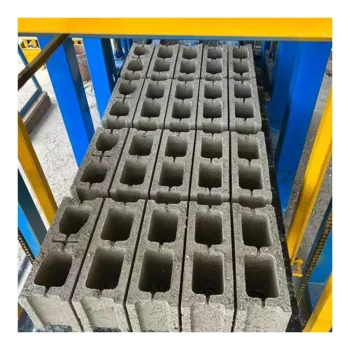
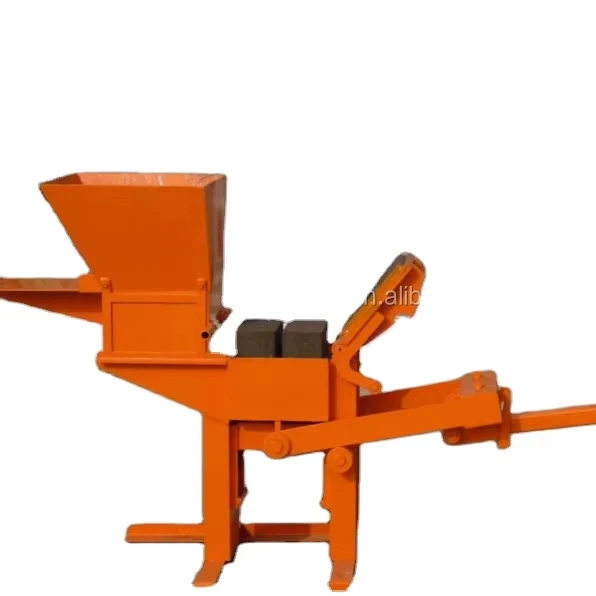
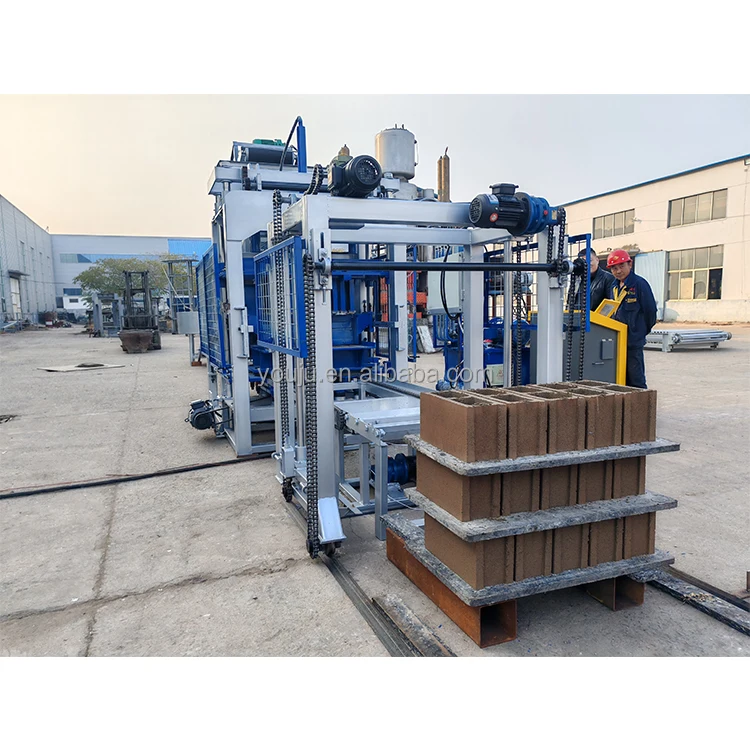
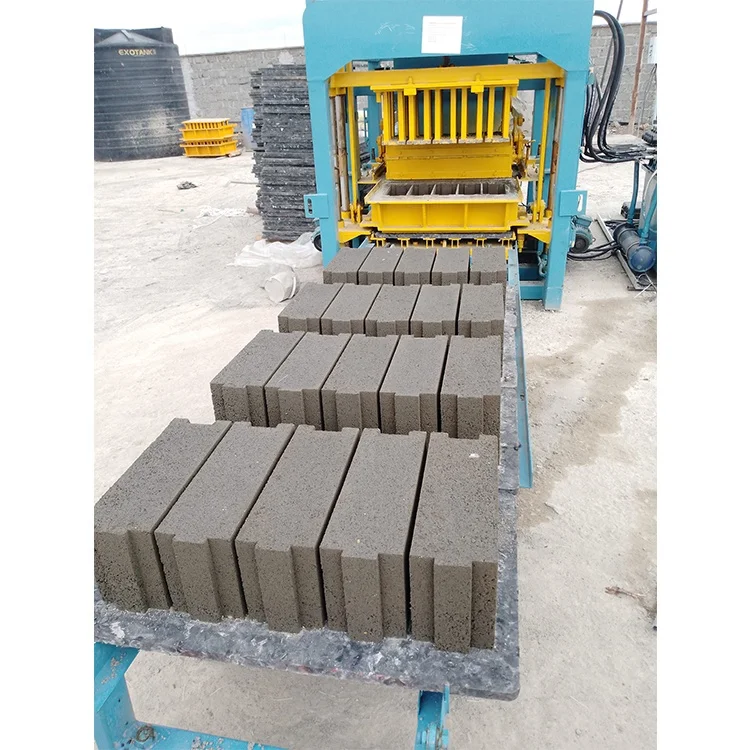
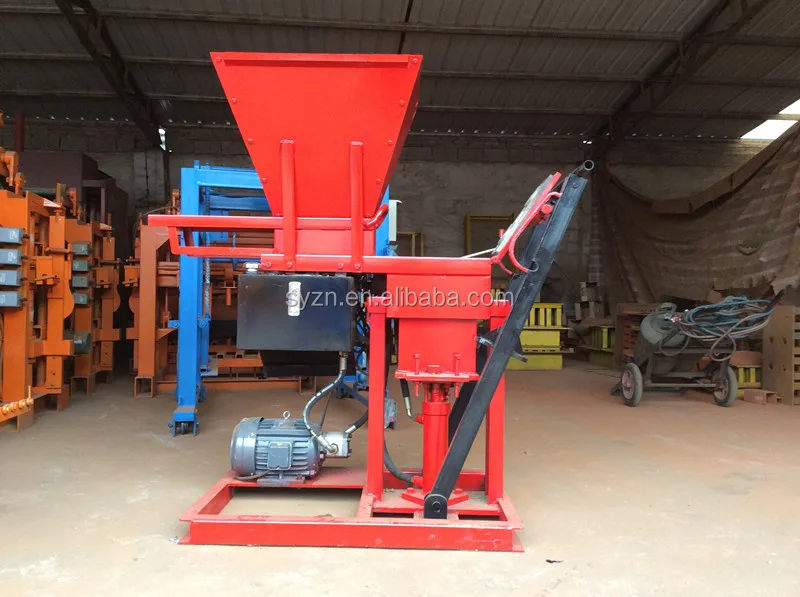
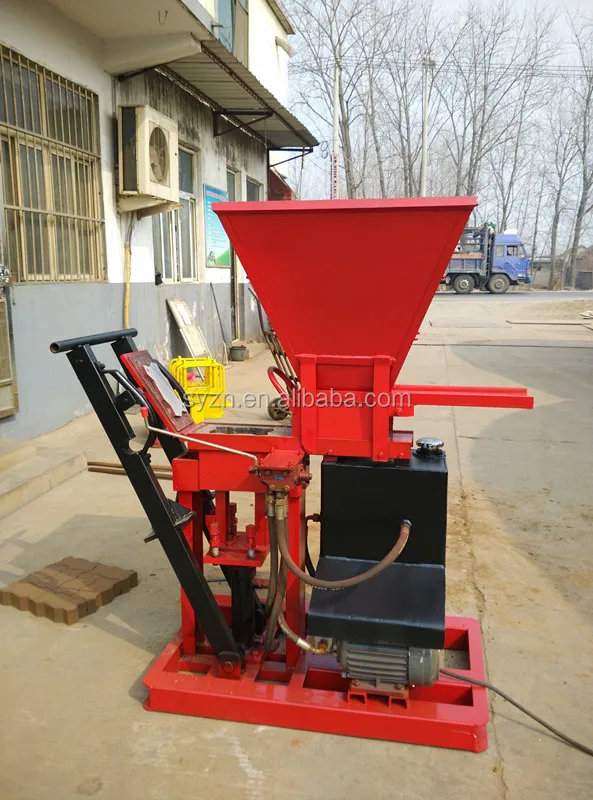
Stocked Configuration, Dispatch-Clear — Eco Brava units tested and dismantled on the floor, with container loading photos issued before the ship date.
Technical Specifications
| Parameter | Value |
|---|---|
| Model | Eco Brava |
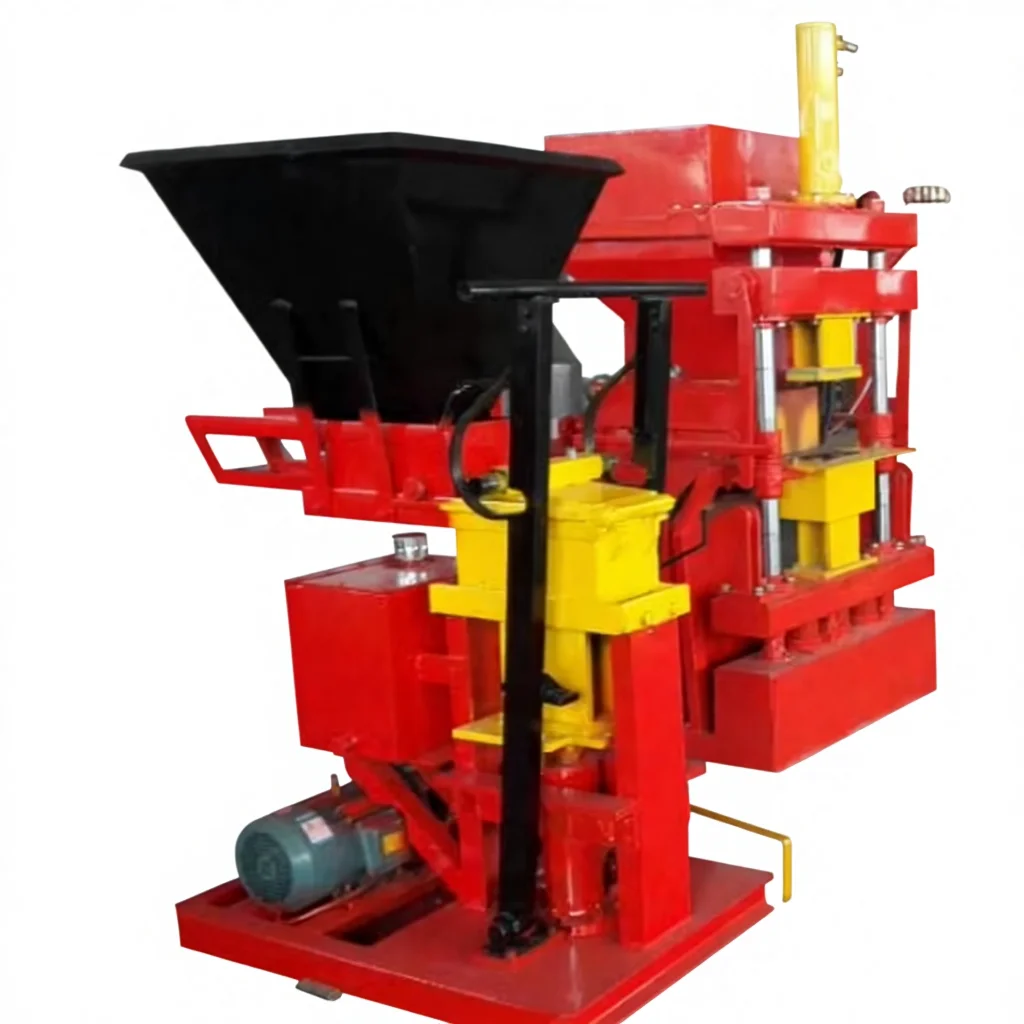
| Product Type | Interlocking Clay Brick and Hollow Block Making Machine |
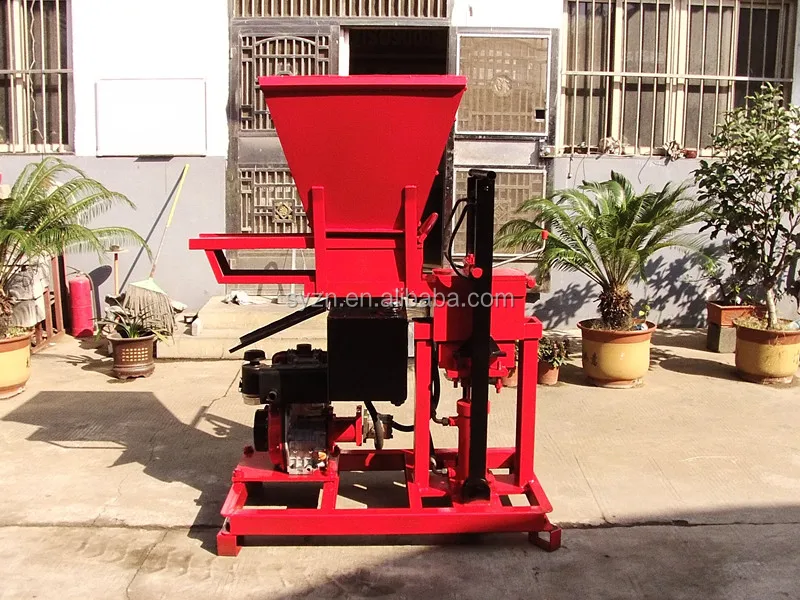
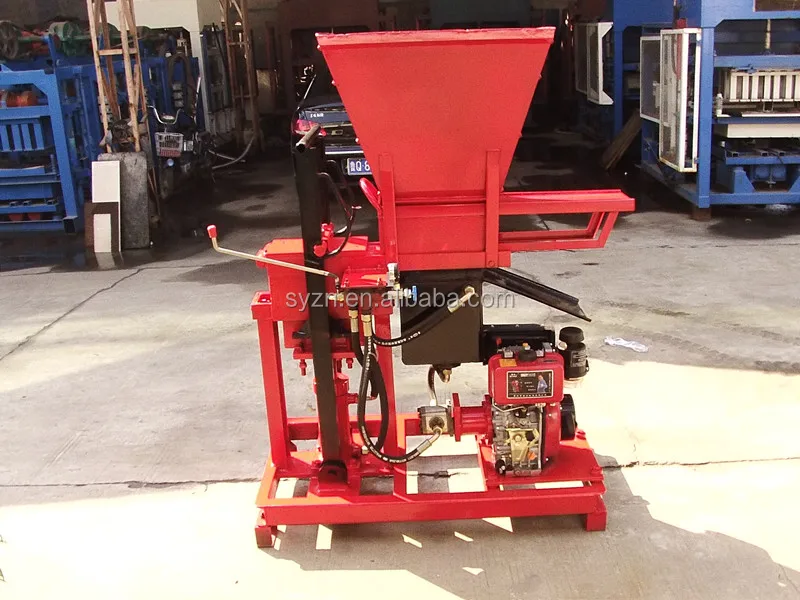
| Machine Power | 5.5 kW electric motor or 12 Hp diesel engine |
| Molding Cycle | 15–20s per press |
| Output Capacity | 1440–1920 pcs/8 hours (basis: 300×150×100mm interlocking block, 1 pc per mould) |
| Rated Pressure | 16–20 MPa |
| Raw Material | clay, soil, mud, cement, concrete |
| Automation Level | Semi-automatic (auto feeding, pressing, lifting) |
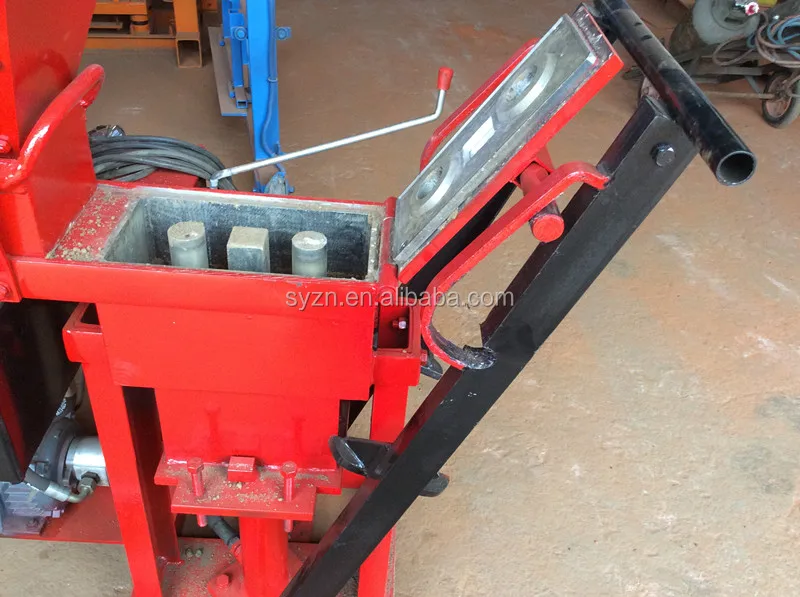
| Mould Type | Interchangeable moulds for different block formats |
| Machine Weight | 400 kg |
| Overall Dimensions (L×W×H) | 1100×750×1700 mm |
| Voltage | Configured to buyer’s local grid (value to be confirmed before order) |
| Power Source Option | Electric motor or diesel engine |
Application Suitability
| Application | Material or Output |
|---|---|
| On-site interlocking brick production for housing projects | locally sourced clay, soil, mud mixed with cement |
| Small-plant hollow block manufacturing | cement-bound aggregate and soil blends |
| First-time block plant setup by entrepreneurs | mixed soil-cement or concrete batches |
| Contractor-run solid brick and paving block supply | site-available earth materials and concrete |
Why "1500 Pieces Per Day" Can Mislead a Deadline
The number is only meaningful when the block format and mix are named alongside it.
I once watched an Eco Brava sit idle on a West African job site because the capacity figure quoted assumed a standard interlocking block, but the contractor was running a denser hollow block that extended the molding cycle. That mismatch cost the project a week while moulds and cycle parameters were reworked [NEED_CITE: brick machine capacity assumptions by block format]. An Interlocking Clay Brick Making Machine in stock on the floor means nothing if the daily output number was calculated for a block your site will never produce.
Dismantled, Measured, and Container-Ready
Every Eco Brava scheduled for export is partially dismantled before loading so that the machine frame, hydraulic column, and mould assembly fit within a standard container footprint. The 1100×750×1700 mm machine envelope is measured again post-dismantle, and packing photographs of each sub-assembly are sent to the buyer before the container is sealed. This removes the guesswork around whether the Interlocking Clay Brick Making Machine in stock will actually clear the container door.
Dispatch Timeline Quoted in Writing, Not Promises
Stock on the floor does not automatically mean next-week arrival at your port. Once the order is confirmed, the exact number of days from payment receipt to container loading is written into the proforma invoice — not quoted verbally. Container stuffing, customs documentation, and inland haulage are sequenced so that the buyer has a traceable dispatch date. A buyer working against a project deadline needs the arrival estimate from dispatch date to destination port, and that calculation is provided alongside the loading schedule [NEED_CITE: container shipping lead times by destination region].
Pressure, Power Source, and Mould Matching
The 16–20 MPa rated pressure and the 15–20s molding cycle interact directly with the soil-cement mix a buyer can actually source. A high-sand soil requires different pressure dwell than a heavy clay, and I have seen machines arrive with factory-default settings that cracked blocks during the first production run because the local aggregate was never sampled. The choice between a 5.5 kW electric motor and a 12 Hp diesel engine also determines where the machine can operate — remote sites without grid power need the diesel variant, and the fuel consumption profile changes the operating cost picture entirely. Interchangeable moulds let a single Eco Brava switch between interlocking brick and hollow block, but the mould change time and the matching vibration force must be confirmed against the buyer’s primary format before the machine leaves the factory.
What Wrong Voltage Confirmation Costs on Arrival
Voltage and frequency mismatches are among the most common reasons a block machine sits uncommissioned after arrival. The Eco Brava ships with motor and control components matched to the buyer’s local grid, but only when the exact voltage and frequency are confirmed in writing before dispatch [NEED_CITE: voltage and frequency standards by export market]. I once had to rewire a control panel at a remote site because the destination country’s industrial standard had changed and the confirmation email was months old. A three-day delay turned into two weeks while replacement contactors were flown in.
Why Buyers Source the Eco Brava Here
Block machinery is a single focus for the company, so the Eco Brava is specified with its moulds, pallets, and handling as one matched system rather than assembled from unrelated suppliers. Configuration is set against the buyer’s actual soil sample and target block format — I run a test press with the buyer’s material before the machine is crated. Mould design covers the formats the buyer’s local market actually sells, including custom drawings when standard moulds do not match. Stock models can be upgraded from semi-automatic operation as the plant scales, and installation support includes operator training on the specific mould set that ships with the machine.
Documentation & Verification
- Factory test record run on buyer’s actual soil-cement mix before dispatch
- Voltage and control frequency confirmation sheet signed by buyer before crating
- Mould drawing and block format list matching the quoted interchangeable mould set
- Machine specification sheet with pressure and cycle data per block format
- Container loading and dismantling photograph set issued before vessel departure
- Customs documentation package prepared for destination country import requirements
Installation, Commissioning & Support
- Foundation pad must be levelled to support the 400 kg machine weight without settling under vibration
- Diesel or electric power source connected to a dedicated circuit matching confirmed voltage and frequency
- Machine reassembled from dismantled sub-assemblies with hydraulic column realigned to frame
- First-run mould pressure and cycle time adjusted to buyer’s on-site soil mix composition
- Operator trained on semi-automatic feeding, pressing, and lifting sequence for each mould format
- Wear parts list provided with interchange intervals for hydraulic seals and mould surfaces
What to Include with Your Inquiry
Send the block format you intend to produce daily, the soil or aggregate type available at your site, and your local voltage and frequency. Include the container discharge port so the arrival estimate can be calculated from dispatch. If you have a project start date, state it plainly — the Interlocking Clay Brick Making Machine in stock can only be reserved against a confirmed loading schedule.
Frequently Asked Questions
Q: Which Eco Brava models and moulds are currently in stock?
A: Floor stock rotates as orders ship. Request a current inventory list that names the machine variant — electric motor or diesel engine — and the specific interchangeable mould formats loaded. Each stocked unit has been factory-tested, and test records are available before you commit to the order.
Q: How fast can you ship after order confirmation?
A: Stocked units can move to container loading within days of payment receipt, but the exact dispatch date is written into the proforma invoice, not quoted verbally. Inland haulage, customs clearance, and container stuffing are sequenced so you receive a firm loading date and a traceable schedule to your port.
Q: Is the machine dismantled for container loading, and which container size is required?
A: The Eco Brava is partially dismantled — hydraulic column, mould assembly, and frame are separated — to fit within a standard container. Packing photographs of every sub-assembly are issued before the container is sealed so you can verify the loading condition matches your expectations.
Q: Can you confirm voltage and frequency for my country before dispatch?
A: Voltage and frequency must be confirmed in writing by the buyer before the motor and control components are finalised. Grid standards vary even within a single country, and a written confirmation prevents rework on arrival. The confirmation sheet is included in your documentation package.
Q: What is the arrival estimate from dispatch date to my port?
A: Arrival estimates depend on the destination port, shipping line schedules, and transshipment routing. Once your discharge port is named, the estimate is calculated from the confirmed dispatch date and provided alongside the container booking confirmation so you can plan site preparation accordingly.