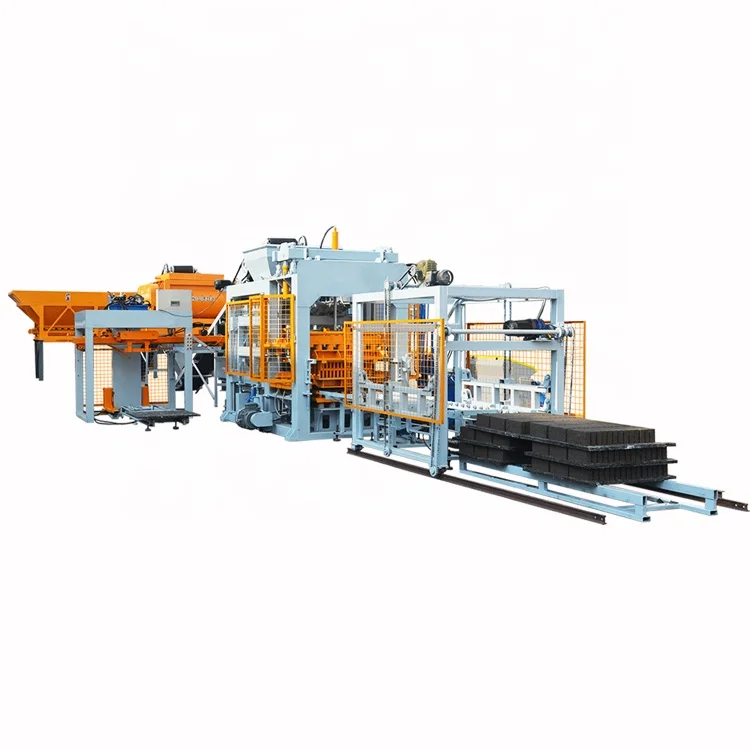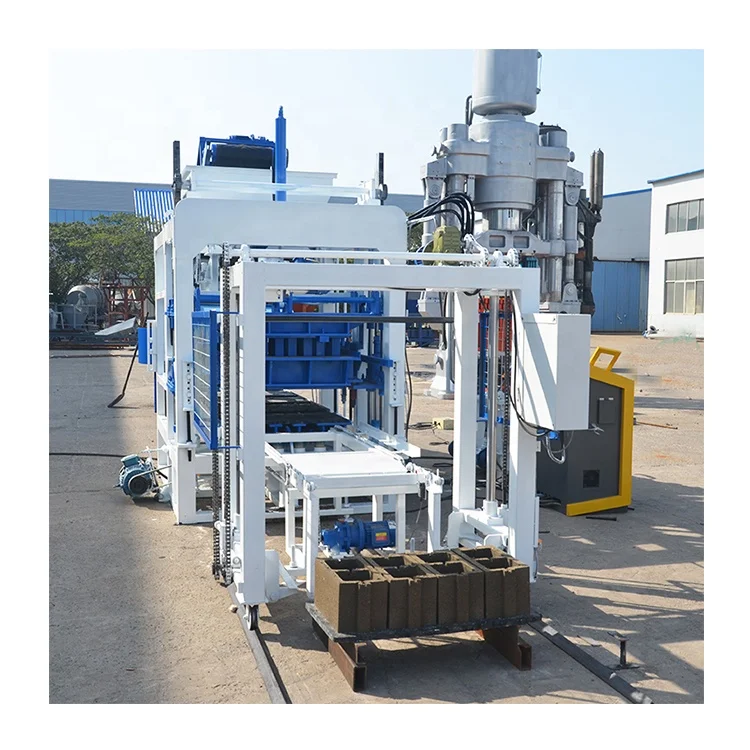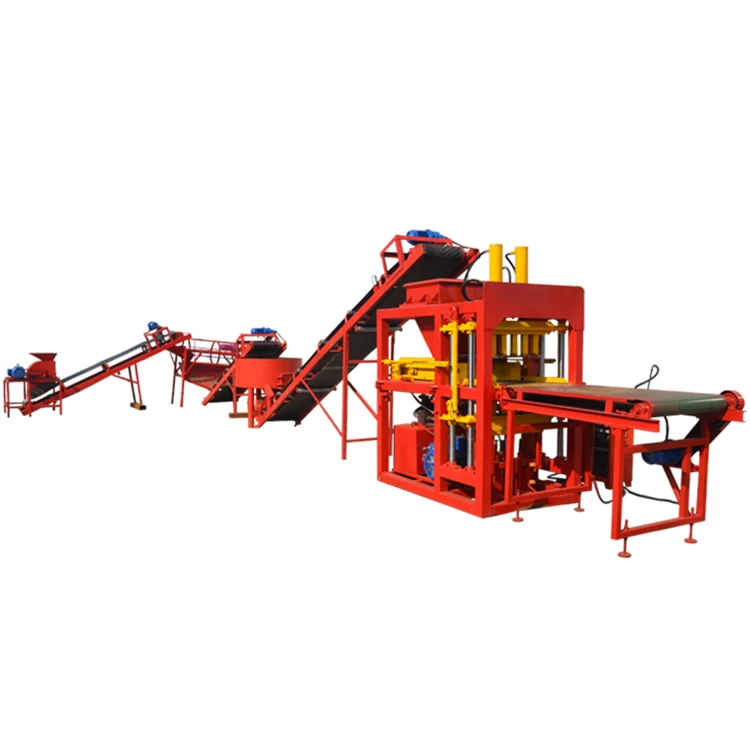

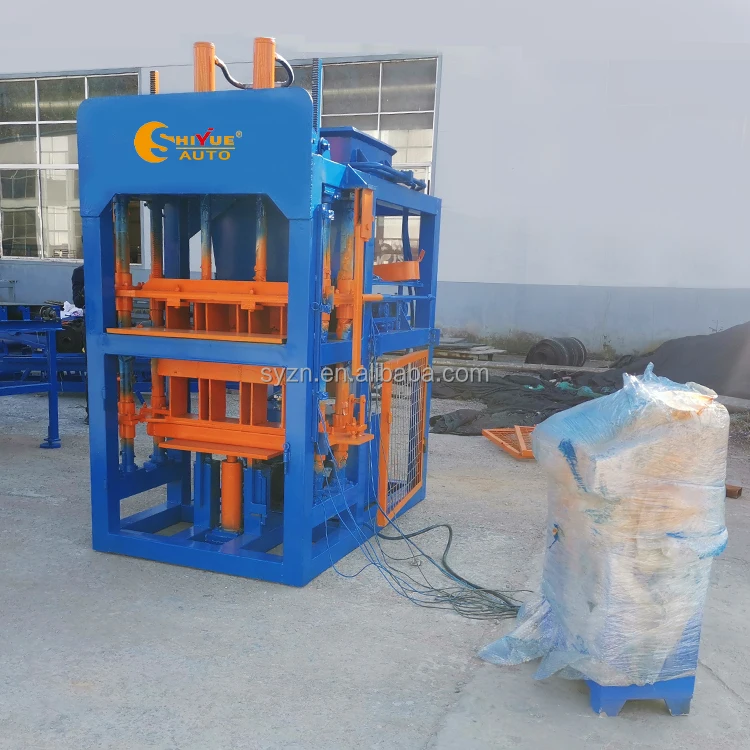


Description
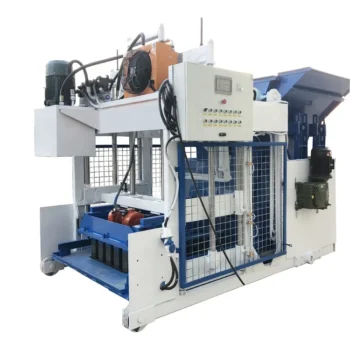
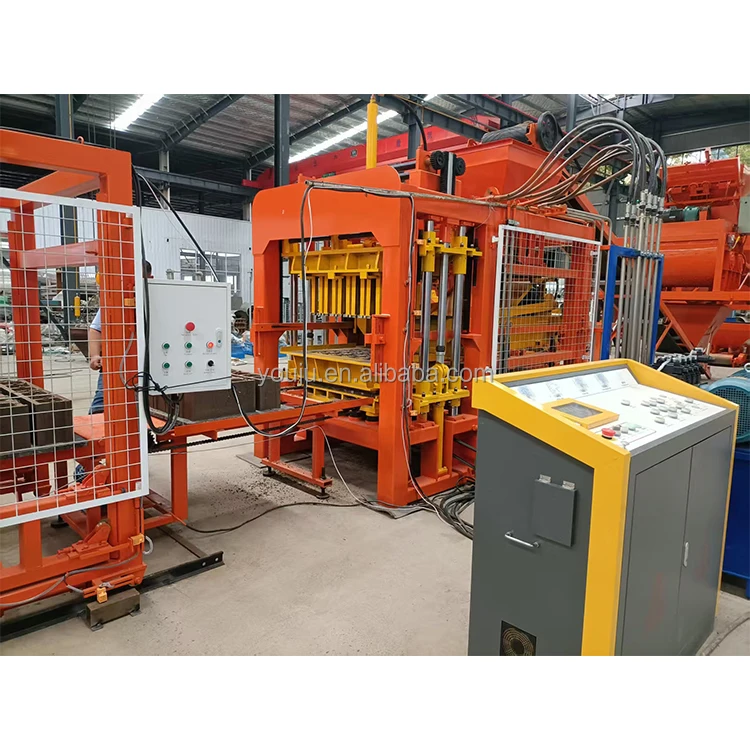
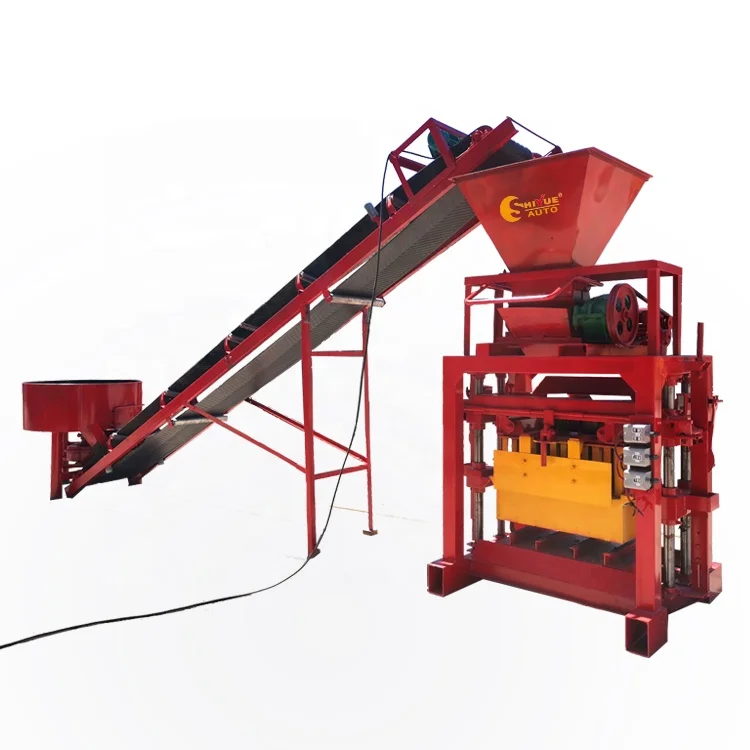
Dispatch-Ready Configuration — LY4-10 block machine held in stock for immediate container loading, so project timelines are not delayed by production lead time.
Technical Specifications
| Parameter | Value |
|---|---|
| Model | LY4-10 |
| Product Type | Fully Automatic Clay Brick Making Machine |
| Rated Power | 11 kW |
| Molding Cycle | 10 s |
| Output Capacity | 11520 pcs/8 hours (basis: 300×150×100 mm, 4 pcs/mould — confirm block format and material) |
| Raw Material | Concrete, sand, cement, fly ash, lime, gypsum |
| Machine Weight | 1200 kg |
| Overall Dimensions | 1600×1400×2100 mm |
| Exciting Power | 4 pcs/mould (vibration motor count) |
| Voltage | Configurable to buyer local voltage |
| Mould Format | 300×150×100 mm |
| Automation Level | Semi-automatic (verify against manufacturer catalog) |
| Control System | Not stated in source |
| Hydraulic Pressure | Not stated in source |
| Pallet Size | Not stated in source |
Application Suitability
| Application | Material or Output |
|---|---|
| Small-to-medium clay brick production | Clay, sand, cement, and lime blends |
| Ecological brick manufacturing | Fly ash, gypsum, and industrial by-product mixes |
| On-site contractor block making | Concrete and sand mixes for local housing projects |
| Regional distributor stock replenishment | Standard format bricks for resale to masonry suppliers |
Why "Pieces per Hour" Means Nothing Without the Block Format
Capacity figures only matter when tied to the exact block size your market actually buys.
The LY4-10 block machine in stock is often quoted at a theoretical cycle rate, but buyers repeatedly discover that the number assumes a specific mould — in this case the 300×150×100 mm format at four pieces per mould. When the local market demands a different dimension, the daily throughput shifts considerably. I have stood on sites where the machine ran fine but the output never matched the proforma invoice because nobody confirmed the format before shipping. That mismatch costs weeks, not hours [NEED_CITE: block format assumptions in capacity quotations].
Stock Status and What It Actually Means for Your Deadline
Having the LY4-10 block machine in stock removes the production queue from your timeline. Once an order is confirmed and voltage details are locked in, the unit moves straight to packing and container loading rather than entering a manufacturing schedule. For contractors working against a foundation-pour date or entrepreneurs who have already signed a land lease, that difference determines whether the first batch of bricks cures before the rainy season arrives.
Container Loading and Arrival Timing
Every LY4-10 block machine in stock is dismantled to fit standard container dimensions, with the 1600×1400×2100 mm frame broken into secured sections for transit. A loading plan is prepared before dispatch so you know exactly which container type is required and how the components are positioned inside. Arrival estimates are quoted based on your destination port at the inquiry stage, not after the bill of lading is issued [NEED_CITE: typical ocean freight transit windows by region].
Matching Voltage Before the Machine Leaves the Factory
Electrical standards vary across every export market, and a machine wired for the wrong frequency will either underperform or trip breakers on first startup. The LY4-10 is configurable to the buyer’s local voltage, but that configuration must be confirmed before the wiring harness is assembled — not after the machine arrives and the electrician opens the panel. We request the exact voltage, phase, and frequency at the quotation stage so the motor windings and control components match your grid from the moment of commissioning.
What the Mould Format Tells You About Daily Reality
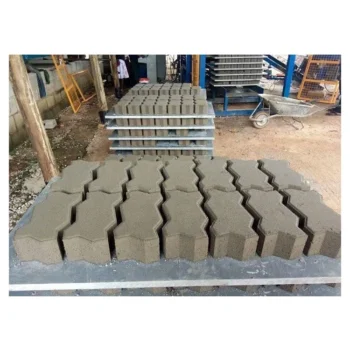
The listed 300×150×100 mm mould produces four bricks per cycle at a 10-second interval, yielding the stated capacity reference. If your market sells a wider paving block or a thinner partition brick, a different mould is required and the cycle output changes accordingly. Moulds are swapped manually on this semi-automatic tier, so the time your crew spends changing formats must be factored into shift planning. Confirming the target format before dispatch ensures the correct mould ships with the machine rather than arriving as a costly afterthought.
How Vibration and Weight Interact on Site
The 1200 kg machine weight provides a stable base for the four vibration motors mounted per mould. On softer ground or uneven concrete pads, insufficient mass allows vibration energy to dissipate into the floor rather than compacting the mix. The rated 11 kW total power drives both the vibration system and the hydraulic press, meaning that under-voltage conditions at your site will reduce compaction force before the operator notices any warning. Proper foundation preparation and confirmed supply voltage are prerequisites for consistent brick density [NEED_CITE: vibration compaction principles in block forming].
The Cost of Skipping the Dispatch Checklist
Buyers who confirm nothing beyond the machine price and lead time regularly encounter delays at commissioning. Voltage mismatches require rewinding motors on site. Missing pallet specifications mean the curing rack system does not align with the output format. Unconfirmed control language leaves operators guessing at error codes during the critical first week. Each of these issues is preventable at the inquiry stage but expensive to resolve once the machine is bolted to the floor.
Why Source This Machine Here
Block machinery is the single production focus, so the LY4-10 is specified as a matched system with its moulds, pallets, and handling equipment rather than assembled from separate vendors. Stock availability means the unit has already been assembled and tested before your order is placed. Configuration is set against your actual raw material and target format, not a catalog default. Mould design supports custom drawings when your market requires formats beyond the standard range. Installation support includes on-site commissioning and operator training so the first production shift runs under supervision.
Documentation & Verification
- Factory test record on your specified block format before dispatch
- Machine specification sheet with confirmed voltage and frequency values
- Mould drawing and format list matching your order configuration
- Packing photographs showing container loading arrangement
- Hydraulic and electrical schematic for on-site maintenance reference
- Operation and maintenance manual in confirmed language
Installation, Commissioning & Support
- Foundation pad sized to 1600×1400 mm footprint with level tolerance specified
- Dedicated electrical circuit rated for 11 kW continuous draw at confirmed voltage
- Dismantled frame sections reassembled and aligned on site by installation crew
- First-run parameter adjustment for your local aggregate and mix design
- Operator training covering mould change procedure and daily maintenance points
- Wear parts list provided with recommended replacement intervals
Before You Send the Inquiry
Provide your target block format and the daily output you need to meet project commitments. Share the raw materials available locally — including aggregate type and any industrial by-products like fly ash — along with your site voltage and frequency. If you have an existing curing area or pallet system, include those dimensions so compatibility can be confirmed before the LY4-10 block machine in stock is reserved for your order.
Frequently Asked Questions
Q: Which LY4-10 machines and moulds are currently in stock?
A: The LY4-10 semi-automatic model is held as a stocked unit, ready for packing once voltage and mould configuration are confirmed. Standard moulds for the 300×150×100 mm format are available immediately. Custom mould designs require additional lead time for fabrication and are quoted separately based on your drawings and block format requirements.
Q: What dispatch lead time should I plan for after order confirmation?
A: Stocked units move to packing and container loading once voltage details and mould selection are finalized, typically within a short window after confirmation. The exact dispatch date is quoted at the inquiry stage based on current stock position and your destination port. Production-queue delays do not apply to machines already assembled and tested in the warehouse.
Q: How is the machine packed for ocean container loading?
A: The 1200 kg unit is dismantled into secured sections that fit within standard container dimensions. A loading plan is prepared showing component positions and securing methods. Packing photographs are provided before the container is sealed so you have a complete record for insurance and customs clearance purposes at your destination port.
Q: Can the voltage be matched to my local electrical supply before shipping?
A: Voltage is configurable to your local standard and must be confirmed at the quotation stage so motor windings and control components are matched correctly. Provide your exact voltage, phase configuration, and frequency at inquiry to ensure the machine is wired before dispatch. Rewinding or replacing components after arrival is avoidable with early confirmation.
Q: What arrival estimate can I expect for my destination port?
A: Arrival estimates are quoted upfront based on your specific port and the confirmed dispatch date. Transit windows vary by shipping route and carrier schedule, so the estimate is provided once the container is booked. Tracking details are shared after departure so you can coordinate customs clearance and site preparation in advance.