
Description
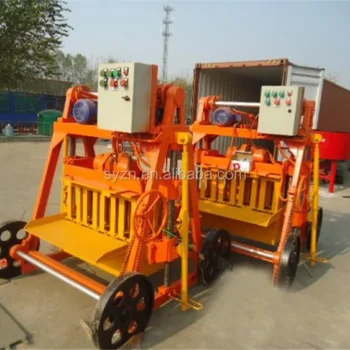
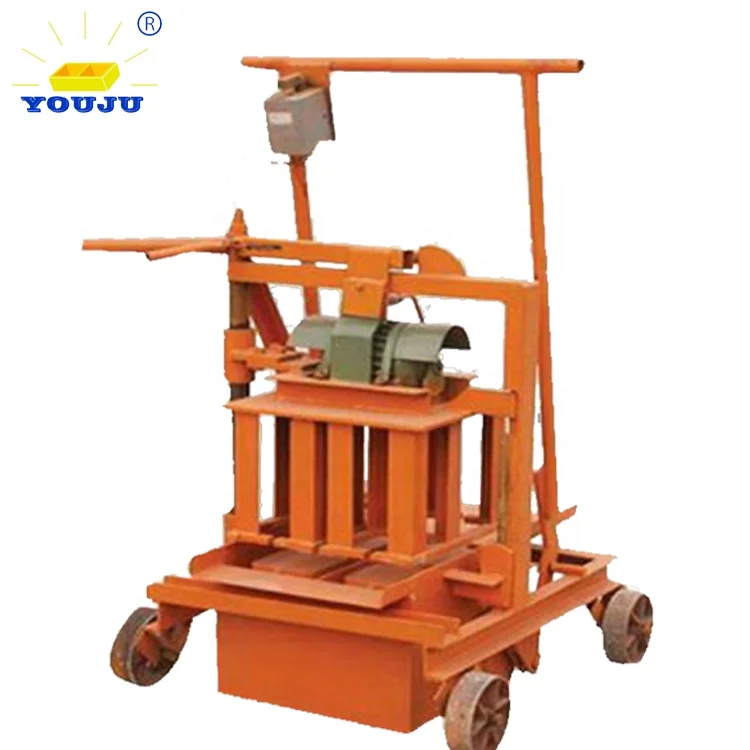
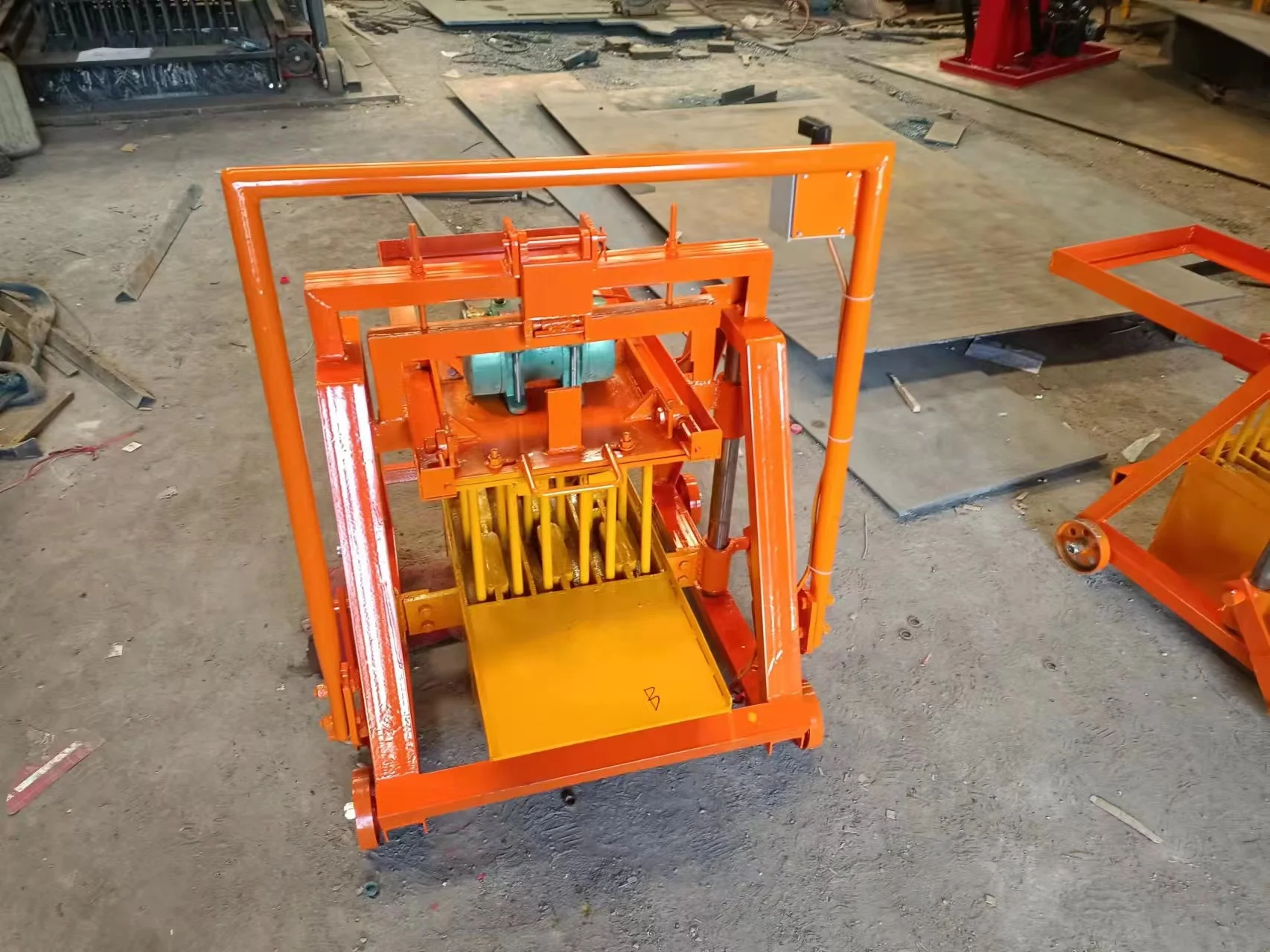
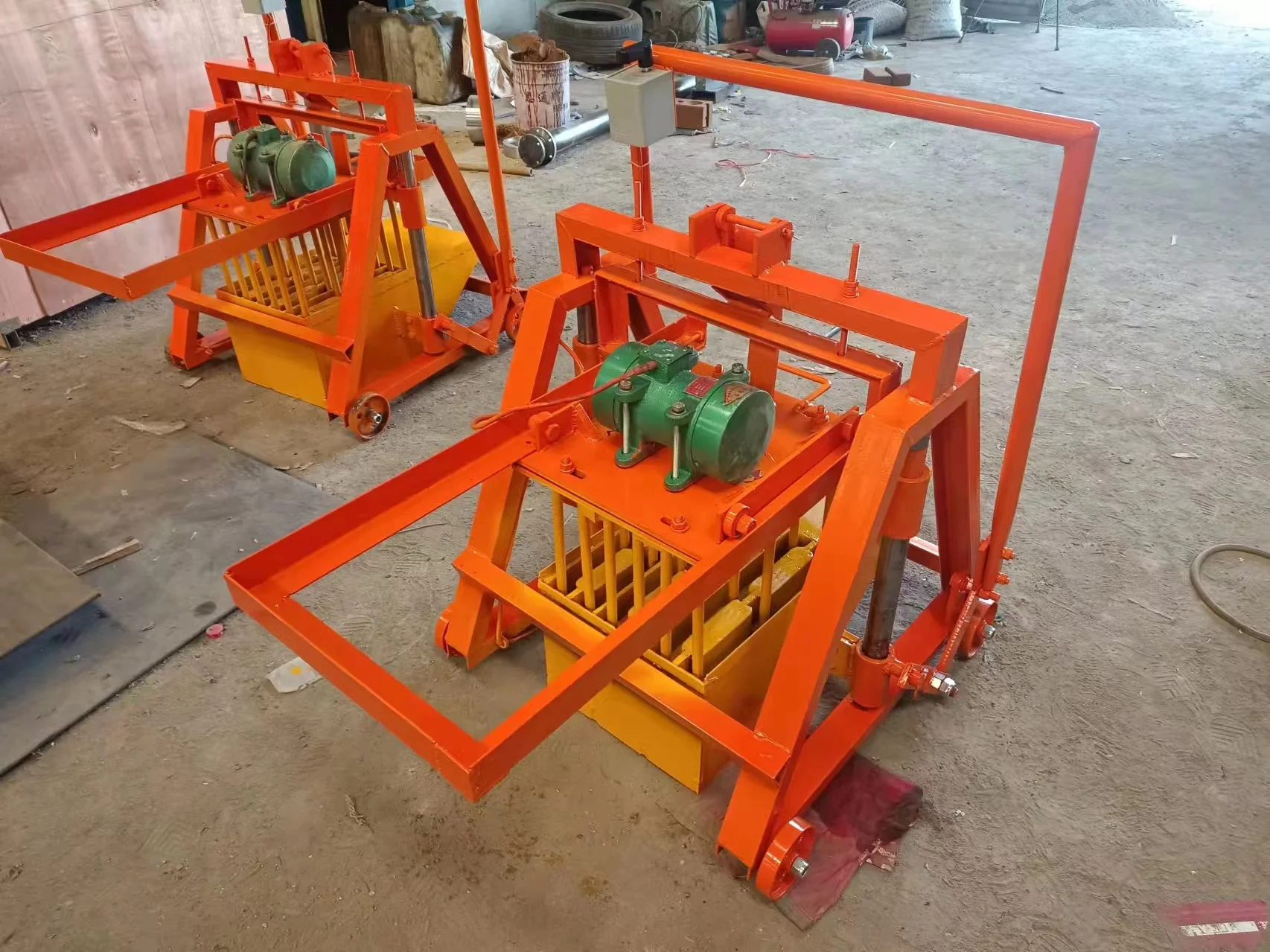
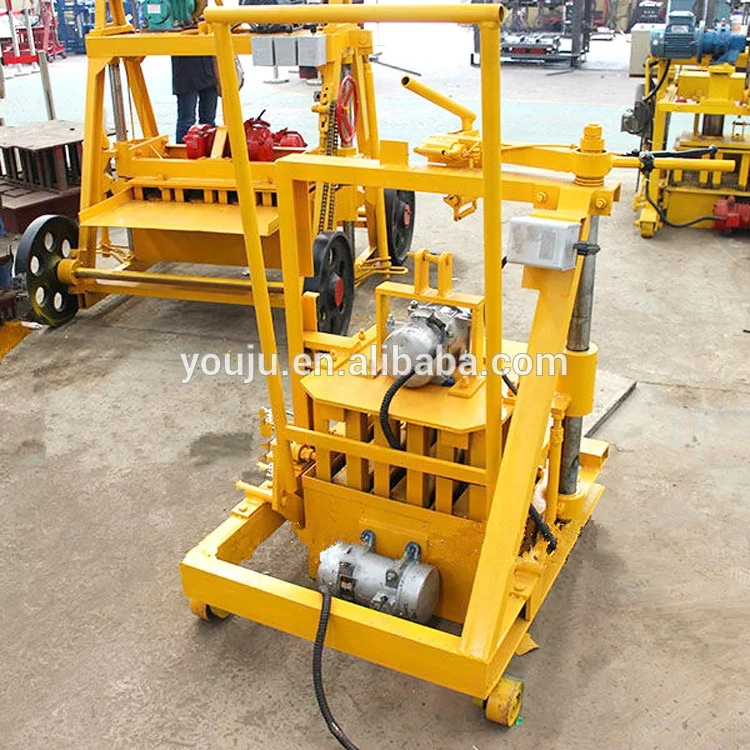
Dispatch-ready stock — the QMJ2-45 mobile block machine sits fully assembled in the warehouse, so your container loads within days of confirming voltage and mould format, not weeks after a production run.
Technical Specifications
| Parameter | Value |
|---|---|
| Model | QMJ2-45 |
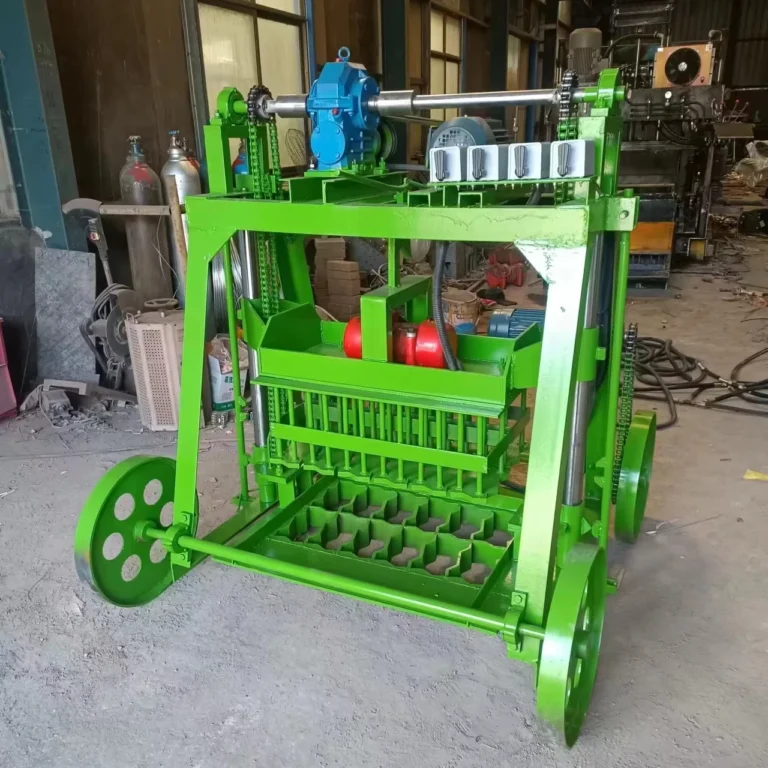
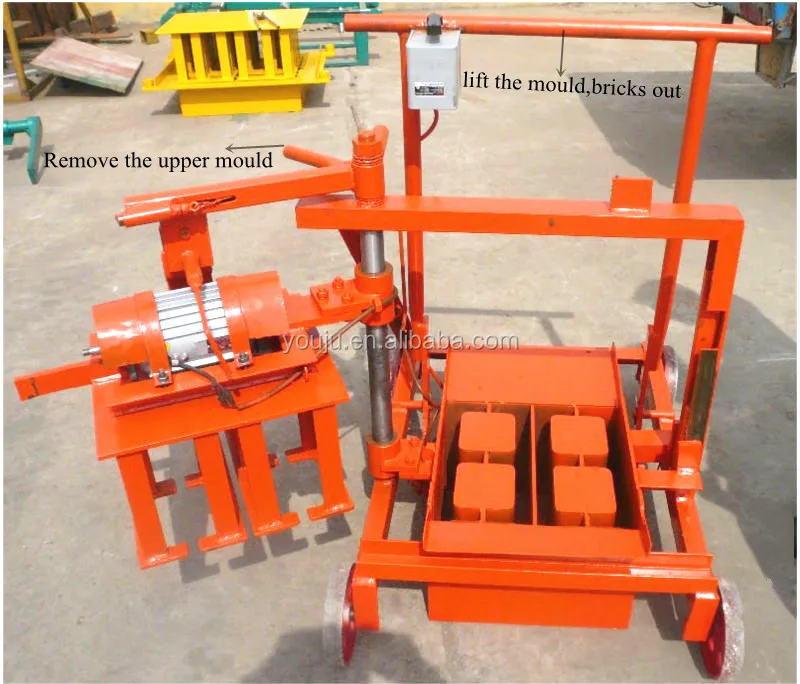
| Product Type | Mobile Egg-Laying Block Making Machine |
| Machine Operation | Hand-pushed, motorized vibration |
| Pallet Requirement | None (egg-laying on ground) |
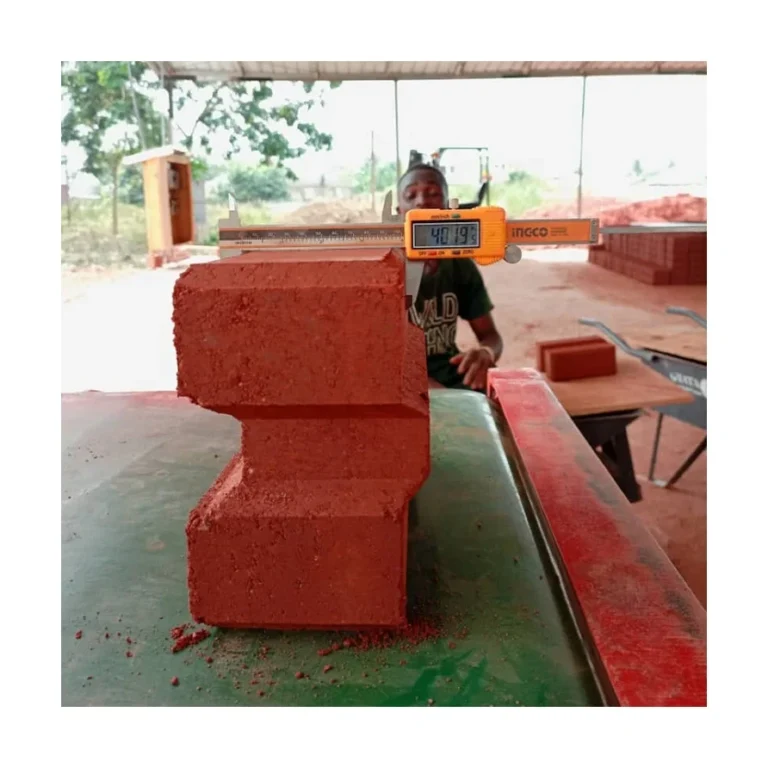
| Mould Format Examples | 400×200×200 mm / 400×150×200 mm / 400×100×200 mm hollow brick |
| Mould Change | Interchangeable moulds for different hollow brick sizes |
| Cycle Time | 25–30 s (basis: hollow brick formats listed above) |
| Output Capacity | 160 pcs/h (based on 400×200×200 mm, 2 pcs/mould) |
| Output Capacity | 240 pcs/h (based on 400×150×200 mm, 3 pcs/mould) |
| Output Capacity | 320 pcs/h (based on 400×100×200 mm, 4 pcs/mould) |
| Daily Output (8 h shift) | 1,280 pcs (400×200×200 mm) / 2,560 pcs (400×100×200 mm) |
| Labour Requirement | 1–3 workers |
| Power Source | Electric motor |
| Voltage & Frequency | Configurable — must confirm to site before dispatch |
| Automation Level | Manual operation |
| Assembly State | Fully assembled, mobile |
| Certification | CE, ISO 9001:2000 |
Application Suitability
| Application | Material or Output |
|---|---|
| On-site hollow block production for building contractors | Crushed stone, sand, cement, water |
| Remote or rural construction without fixed plant | Local aggregate blended with cement |
| First block plant for entrepreneurs | Standard hollow brick formats in regional demand |
| Project-based production ahead of a deadline | Multiple hollow brick sizes from one machine |
Why the Voltage Question Comes Before Dispatch
Confirming site voltage and frequency is the single step that decides whether your QMJ2-45 mobile block machine in stock runs on day one or sits idle for weeks.
I have watched a container arrive on a Middle East site with the motor wired for a frequency the local grid does not supply. The machine sat under a tarp while replacement components shipped across two borders, and the contractor lost the better part of a month on a project that was already behind schedule [NEED_CITE:]. A mobile egg-laying machine is supposed to be the fastest route from delivery to first block. That advantage disappears the moment the electrical specification was never checked against the destination.
What Stock Availability Actually Means for Your Project
The QMJ2-45 mobile block machine in stock is not a catalogue placeholder waiting for a production slot. The machine sits assembled with motor, vibration unit and control box mounted, which means the remaining steps before loading are mould installation, electrical verification and a test run. Dispatch lead time depends on how quickly those final checks clear, not on a factory build queue. For buyers working against a construction deadline, that distinction is the reason mobile egg-laying machines get specified in the first place.
How Container Loading Works for an Assembled Machine
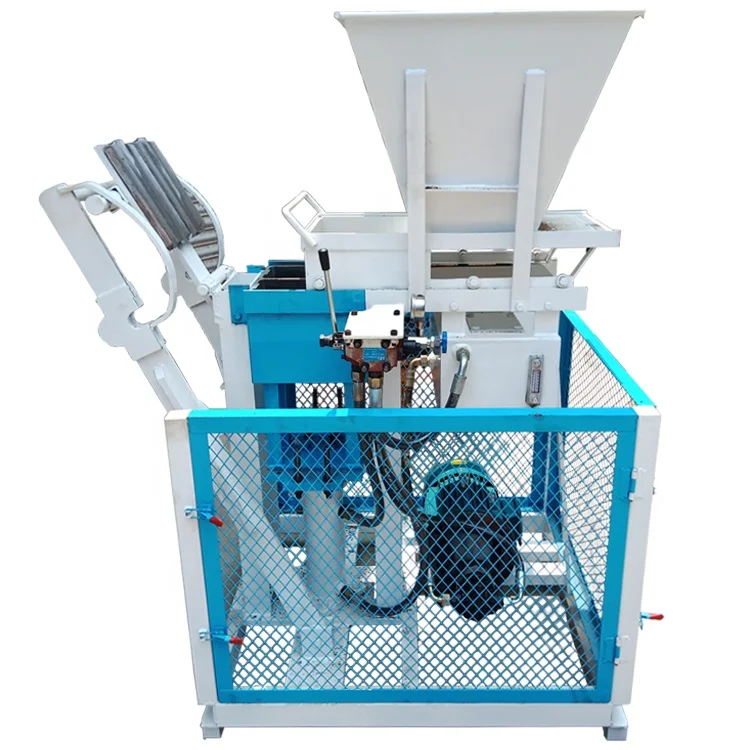
Because the QMJ2-45 is a hand-pushed unit with no separate pallet system or hydraulic station to dismantle, container loading is straightforward. The machine rolls into a standard container, and the interchangeable moulds stack alongside. What does require planning is securing the unit against movement during ocean transit and confirming that the container type matches the destination port’s handling equipment [NEED_CITE: standard container loading procedures for industrial machinery].
Reading the Output Figures Honestly
Cycle time of 25–30 seconds applies to the hollow brick formats listed in the specification table, and each format produces a different number of pieces per mould. At 400×200×200 mm, the QMJ2-45 moulds two bricks per cycle for a rated 160 pieces per hour. Shift to 400×100×200 mm and four bricks drop per cycle, pushing the rate to 320 pieces per hour. Stating output without naming the block format is meaningless, and any supplier who quotes a single daily figure without that context is leaving you to discover the gap on site. The vibration force and manual feed rhythm determine real-world throughput as much as the cycle timer does.
What Happens When Stock Arrives With the Wrong Electrical Fit
A mobile machine that cannot be powered on arrival does not merely delay production. The contractor has already committed labour, aggregate deliveries and formwork timelines to a start date that assumed a working machine. Replacing a motor or rewiring a control panel on site introduces variables that a factory test would have eliminated, and the first blocks produced under those conditions rarely meet the strength standard the project specifies [NEED_CITE: electrical compliance requirements for imported industrial equipment]. The cost of the wrong voltage is never just the price of a new motor.
Why Buyers Source This Machine Here
Block machinery is the single focus of this operation, which means the QMJ2-45 ships as a matched unit with its mould, motor and vibration system specified together rather than assembled from unrelated suppliers. Stock availability is confirmed against the actual mould format the buyer needs, not a generic machine body that still requires a separate mould order. Voltage and frequency are verified before the machine leaves the warehouse, eliminating the most common commissioning delay on export shipments. Dispatch timing and container loading plans are stated upfront so that arrival estimates can be built into the project schedule from the first conversation.
Documentation & Verification
- Machine specification sheet listing confirmed voltage, frequency and mould format before dispatch
- Factory test record on the specific hollow brick size ordered
- Mould drawing and format list for each interchangeable mould shipped
- Packing photographs showing the QMJ2-45 secured inside the container
- Voltage and control language confirmation document signed before loading
Installation, Commissioning & Support
- Machine arrives fully assembled; only mould mounting and electrical connection required on site
- Confirm dedicated circuit matches the motor rating and confirmed voltage before first start
- Test run on local aggregate blend before committing to full production schedule
- Mould change procedure covered during handover for each stocked hollow brick format
- Wear parts list supplied with the machine for ordering replacements before the first change is due
Before You Send the Inquiry
Share the exact hollow brick dimensions your market sells, the daily volume your project requires, and the site voltage and frequency so the correct electrical configuration ships with the machine. If you already have curing space or handling equipment on site, mention those details so the pallet-free advantage of the egg-laying design can be evaluated against your existing layout. Confirming the destination port at the inquiry stage allows the arrival estimate to be included in the initial response.
Frequently Asked Questions
Q: Is the QMJ2-45 currently in stock and what is the dispatch lead time?
A: Stock status is confirmed against the specific mould format you need, not just the bare machine. Once voltage, frequency and mould selection are locked in, the machine goes through a final test and container loading follows within a short window. The dispatch lead time is stated in the quotation so you can plan your site schedule around a known date rather than an estimate.
Q: How is the machine dismantled and loaded into a container for shipment?
A: The QMJ2-45 is a fully assembled mobile unit with no hydraulic station or pallet conveyor to strip down. It rolls into the container as a single piece, and the interchangeable moulds are packed alongside and secured against movement. Container type and loading arrangement are confirmed before dispatch so that the destination port can handle the shipment without surprises.
Q: What voltage and frequency options are available, and is the correct one in stock?
A: The motor and control box can be configured to common export voltages and frequencies, but the correct configuration must be matched to your site grid before the machine ships. Confirming this at the inquiry stage ensures the QMJ2-45 mobile block machine in stock is wired for your destination and does not require electrical modification after arrival.
Q: Which mould formats are stocked alongside the QMJ2-45?
A: Standard hollow brick moulds in 400×200×200 mm, 400×150×200 mm and 400×100×200 mm are the typical stocked formats. If your project requires a different hollow brick dimension, the lead time for an additional mould is stated separately so you can decide whether to include it in the initial shipment or order it once production is underway.
Q: What is the realistic arrival estimate from order to site delivery?
A: Arrival depends on the shipping route from the loading port to your destination, and the estimate is calculated once the destination port is known. The dispatch date is fixed before the container leaves the warehouse, so the transit window can be added to give you a site-delivery date to build your project timeline around.