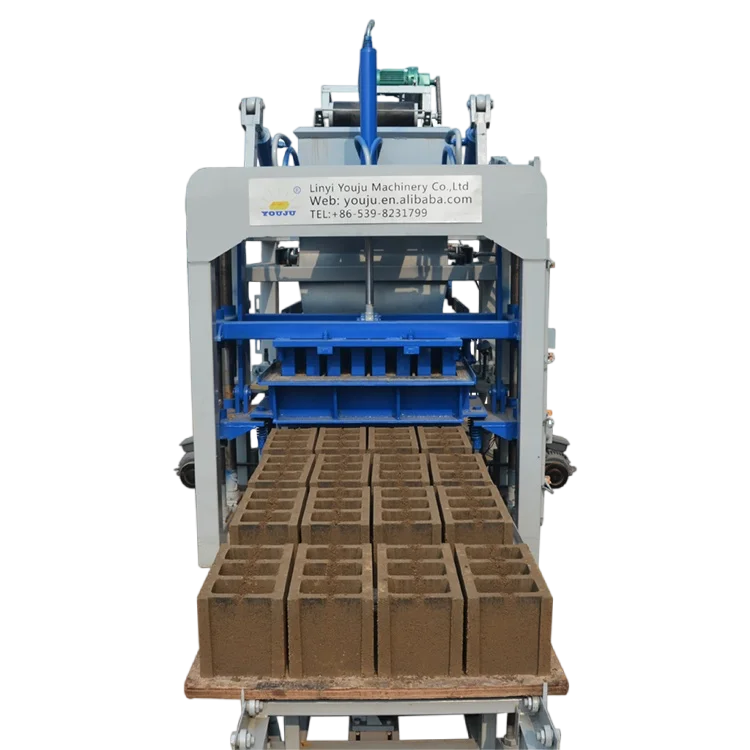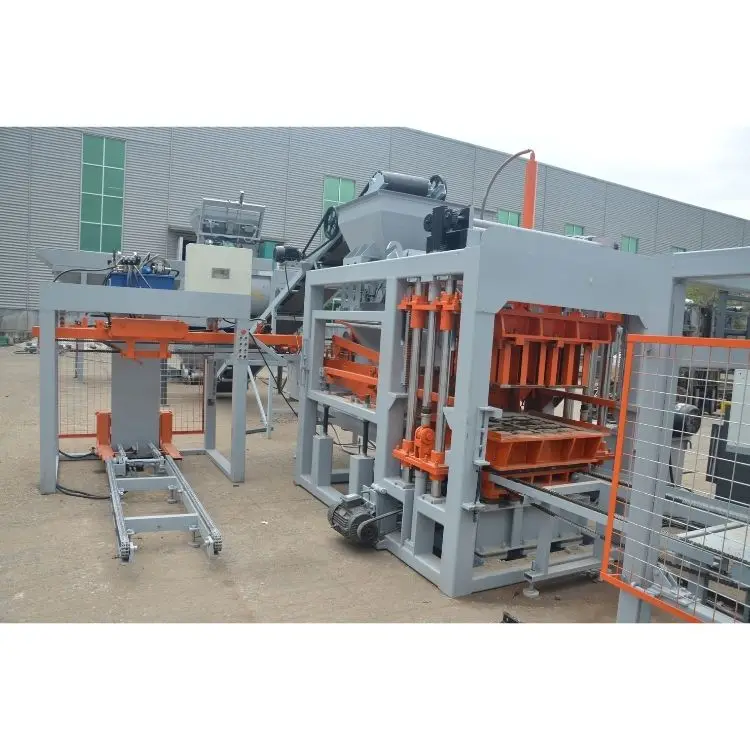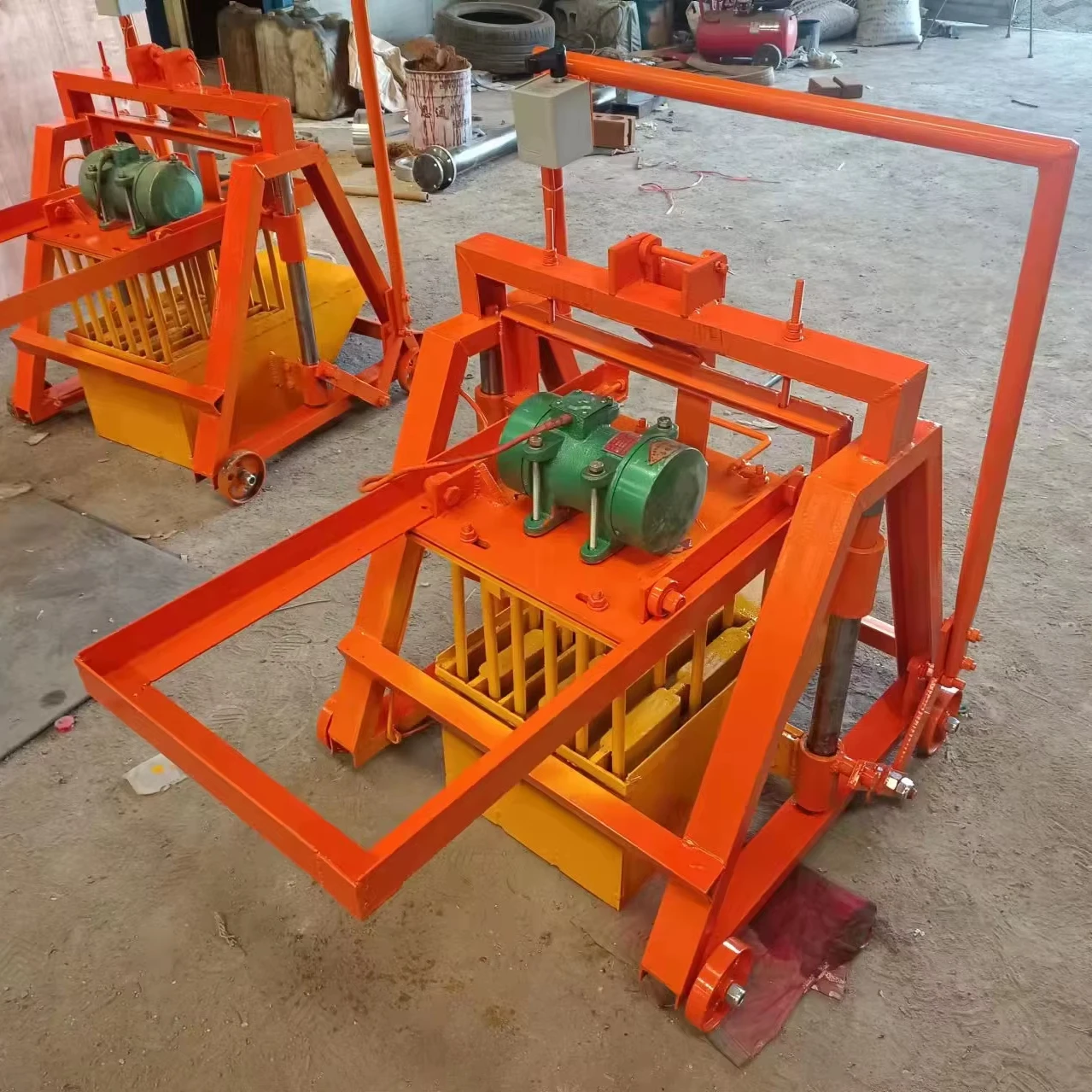
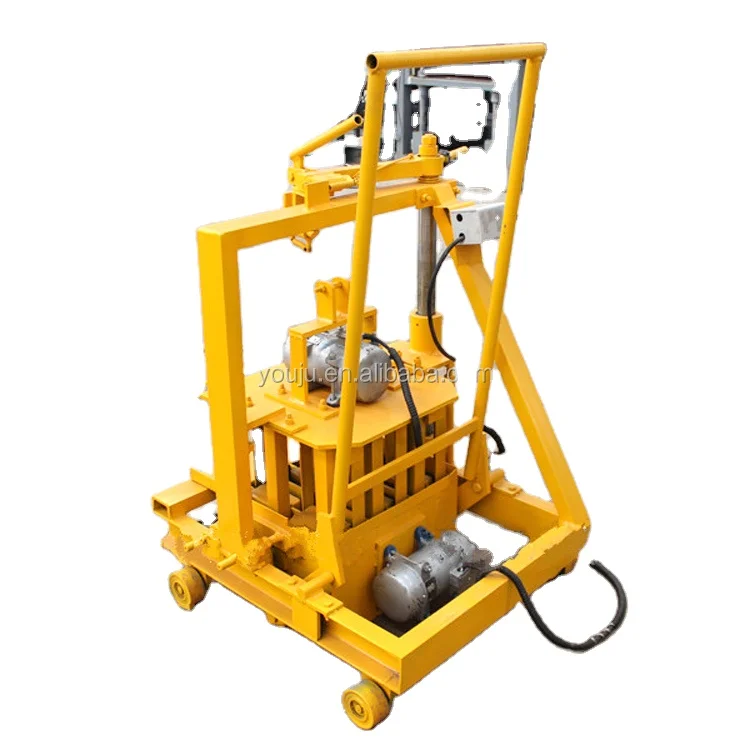
Description
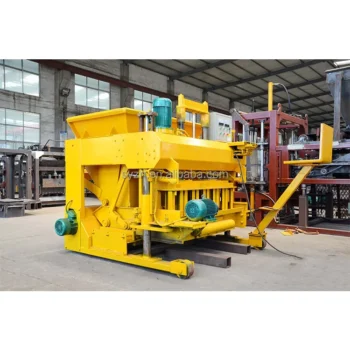
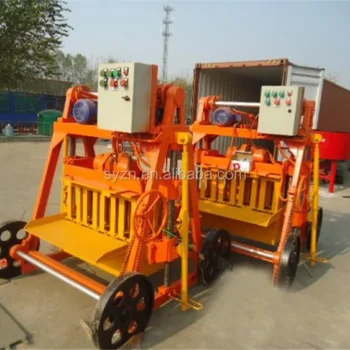
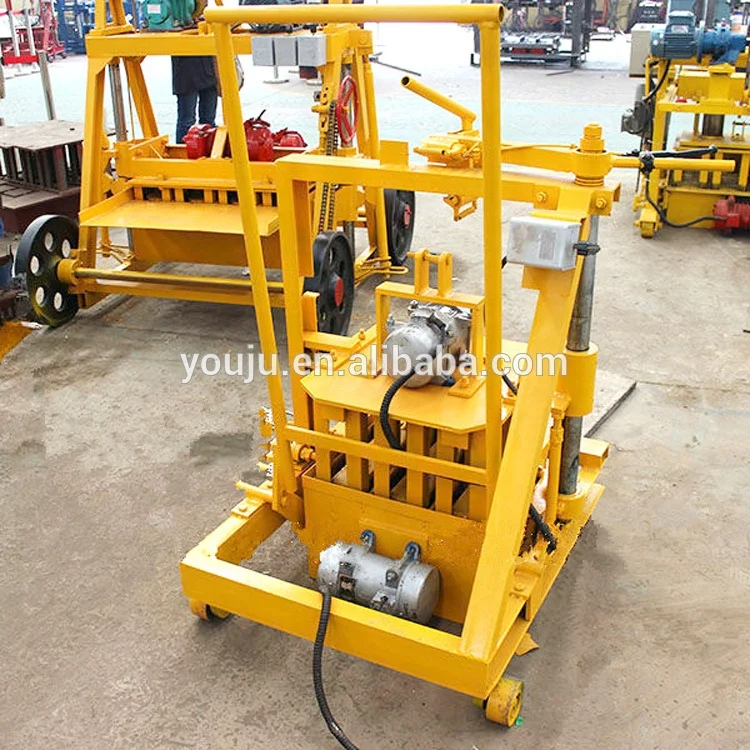
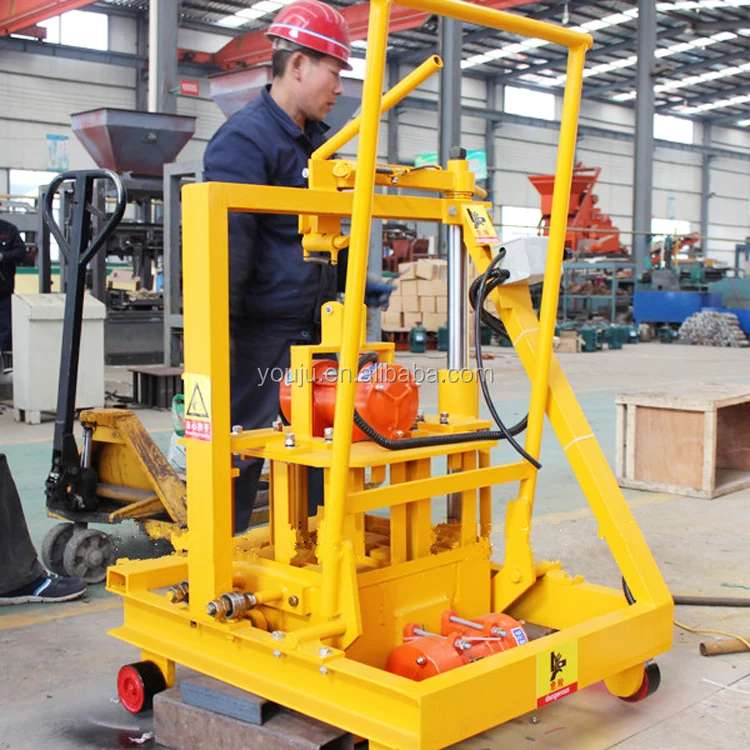
Stocked Dispatch — QMJ2-45 mobile block machine in stock and loaded as a single assembled unit, avoiding the multi-week wait typical of built-to-order presses.
Technical Specifications
| Parameter | Value |
|---|---|
| Product Type | Mobile Concrete Block Making Machine |
| Model | QMJ2-45 |
| Automation Level | Manual / Mobile (egg-laying type) |
| Power Source | Diesel engine |
| Pallet Requirement | None (produces directly on ground) |
| Cycle Time | 25–30 seconds per mould |
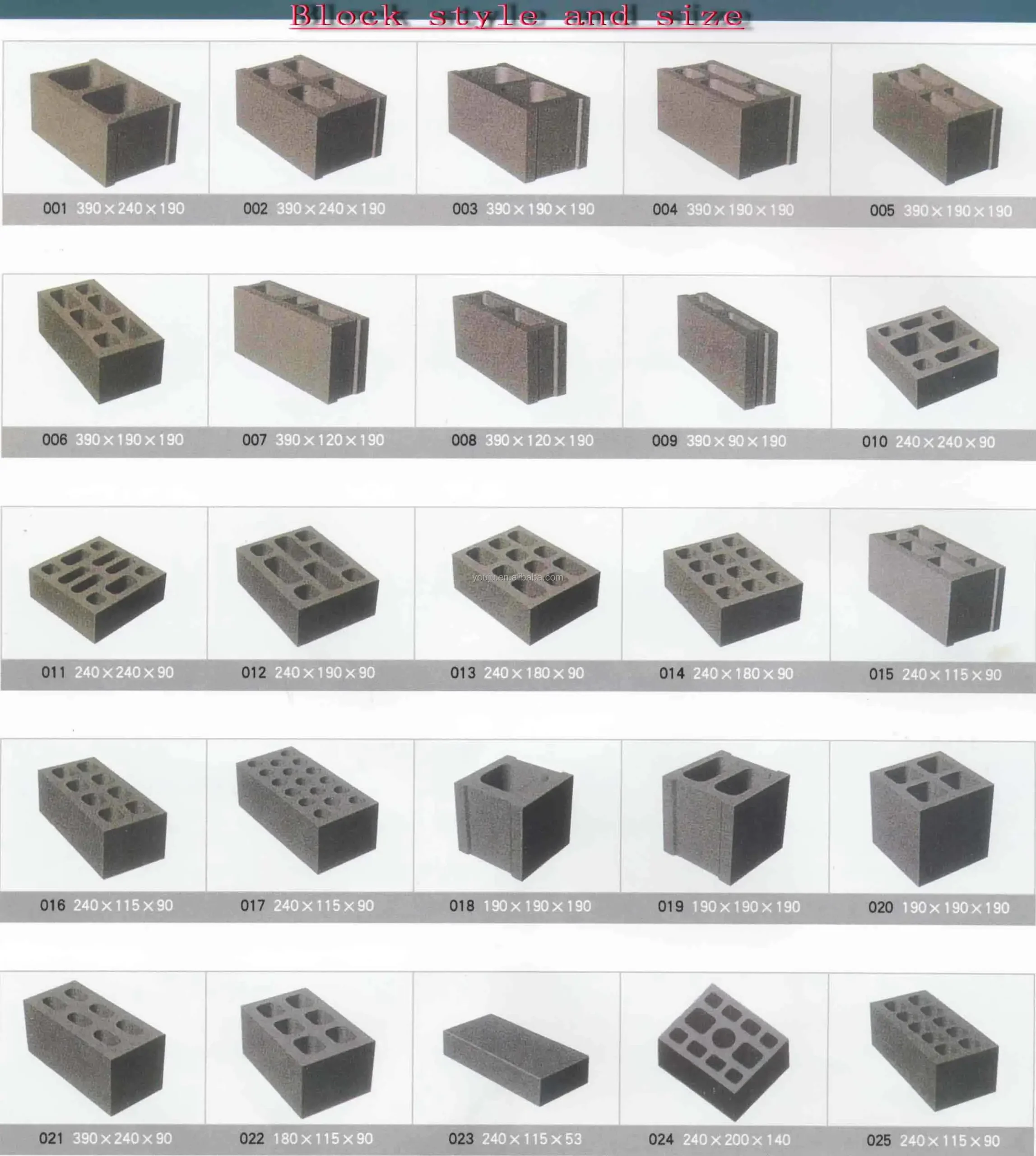
| Output (400×200×200mm hollow block) | 2 pcs/mould, 1,280 pcs/8hr (basis: stated format and continuous operation) |
| Output (400×100×200mm hollow block) | 4 pcs/mould, 2,560 pcs/8hr (basis: stated format and continuous operation) |
| Output (400×150×200mm hollow block) | 3 pcs/mould, 1,920 pcs/8hr (basis: stated format; source value of 4,800 appears to be a typo) |
| Labor Requirement | 1–3 workers |
| Mould Heat Treatment | Carburization technology |
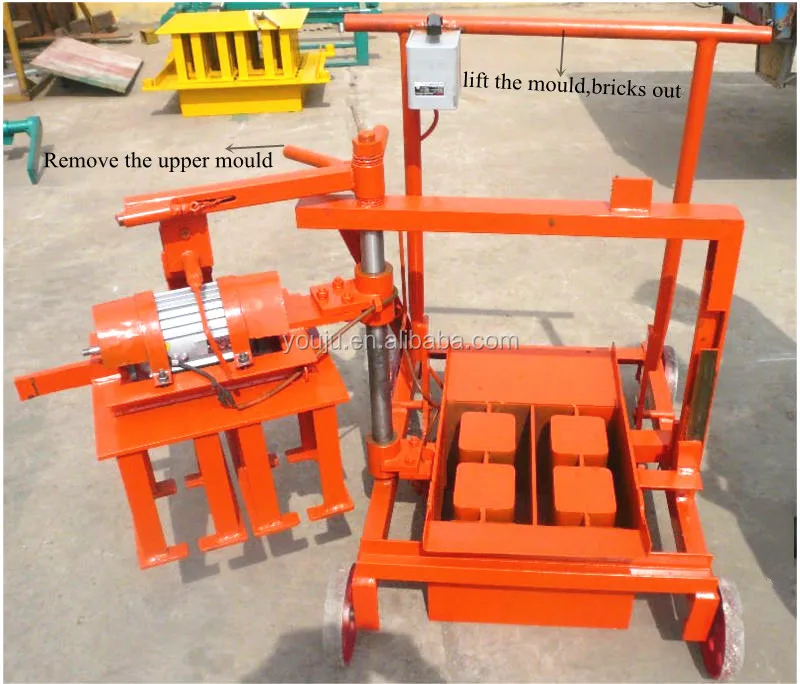
| Assembly State | Fully assembled on mobile frame |
| Standards | ISO9001:2000, CE |
Application Suitability
| Application | Material or Output |
|---|---|
| On-site hollow block production for housing projects | Crushed stone, sand, cement, water |
| Remote-area block yards without grid electricity | Local aggregate with diesel-powered operation |
| Small workshop or limited-space production | Standard concrete mix for hollow formats |
| First plant setup by entrepreneurs | Low-capital entry with pallet-free curing |
What "Ready to Ship" Actually Means for Your Deadline
This mobile block machine in stock ships as a complete, assembled unit — not as a kit requiring weeks of factory build time.
When a project deadline is slipping, waiting eight weeks for a machine to be manufactured is not an option. The QMJ2-45 is held in inventory and can be container-loaded without dismantling a fixed plant line. I have seen contractors lose entire foundation phases because equipment arrived late or with mismatched power configurations [NEED_CITE: typical construction delay costs from equipment lead times]. With diesel power, this unit bypasses the electrical grid question entirely, which is where many site mobilizations stall.
Dispatch Without the Factory Build Wait
The primary advantage here is availability. A mobile block machine in stock means the order-to-port timeline is measured in days for documentation and loading, not production weeks. The unit is fully assembled on its wheeled frame, so container loading is a matter of securing the machine for transit rather than breaking it down into sub-assemblies.
Ground-Curing Logic Eliminates Peripheral Equipment
The egg-laying design produces blocks directly on a prepared ground surface. This removes the need for pallets, curing racks, and the forklifts that move them. For a contractor setting up a temporary yard next to a build site, this simplifies the entire material flow [NEED_CITE: pallet handling costs in small-scale block production]. The machine moves forward after each cycle, leaving blocks to cure in place.
Mould Carburization for Abrasive Local Aggregates
The carburization heat treatment applied to the moulds hardens the surface layer. This extends service life when running mixes with sharp or abrasive local stone, which wears standard mild-steel moulds quickly. Having a durable mould matters when replacement parts are not readily available in the project region.
Reading the Cycle Time Against Your Actual Block Format
The 25–30 second cycle time is the press action itself. Real hourly output depends entirely on the block format in the mould. A 400×200×200mm hollow block yields 2 pieces per cycle, while a 400×100×200mm yields 4. Buyers who quote a single daily figure without stating the format end up with a machine that cannot meet their sales commitment. The capacity calculation must be done per format you intend to sell.
The Diesel Advantage on Unprepared Sites
Running a diesel engine removes the dependency on site electrical infrastructure. This is critical for greenfield projects, road-side production, and regions where grid power is unstable or unavailable. The trade-off is fuel logistics rather than voltage transformers and dedicated circuit installation [NEED_CITE: diesel vs electric power reliability on remote construction sites].
What Happens When Dispatch Is an Afterthought
Ordering a machine without confirming stock status and loading plans leads to port delays, demurrage charges, and missed project milestones. A unit that requires factory build time cannot accelerate, regardless of how urgent your site has become. Confirming container loading plans and dispatch lead time before payment protects the project schedule.
Why Source the Machine and the Mould Together
A block machine is only as flexible as its mould inventory. Ordering the QMJ2-45 with the specific hollow block formats your market demands — and having those moulds in the same container — means production starts on day one. Sourcing moulds separately later introduces shipping delays and compatibility questions that stall output.
Documentation & Verification
- Capacity calculation sheet stating output per block format, not a single generic number
- Packing photographs showing the assembled unit secured for container transit
- Dispatch lead time confirmed in writing before order placement
- Mould format list with dimensions currently held in stock
- CE declaration and ISO9001:2000 documentation for customs clearance
Installation, Commissioning & Support
- Arrives fully assembled on mobile frame; no foundation or fixed installation required
- Diesel engine requires standard fuel supply; no electrical connection or voltage confirmation needed
- Ground surface must be level and compacted for consistent egg-laying block quality
- Mould change performed manually; spare moulds should arrive in the same shipment
- Carburized mould surfaces require standard cleaning; no special lubrication for heat-treated areas
What to Confirm Before You Place the Order
To move from inquiry to dispatch quickly, provide the hollow block dimensions your market requires, the daily volume you need to sustain, and the port of destination. Confirming the mould formats in stock and the container loading plan up front prevents the back-and-forth that delays shipment. State your local aggregate type so mix guidance can be provided with the machine.
Frequently Asked Questions
Q: What block formats are currently in stock with this machine?
A: The QMJ2-45 is stocked with moulds for standard hollow block formats including 400×200×200mm, 400×150×200mm, and 400×100×200mm. Availability of specific mould dimensions should be confirmed at inquiry, as stock levels change with orders. Custom mould formats require a separate production lead time.
Q: How is the machine packed and loaded for container shipment?
A: The machine is shipped fully assembled on its mobile frame. It is secured within a standard shipping container using bracing and tie-downs. Packing photographs are provided before the container is sealed, so you can verify the loading plan and machine condition prior to departure.
Q: What is the realistic dispatch lead time from order to port?
A: Because this is a stocked mobile block machine in stock, dispatch involves documentation preparation, container booking, and inland transport to port. This process typically takes a number of working days from payment confirmation, not the weeks required for a built-to-order machine. Exact timing depends on port congestion and vessel schedules.
Q: Can I order additional moulds in the same shipment?
A: Yes, additional moulds can be included in the same container if they are in stock. This is strongly recommended, as shipping moulds separately later incurs additional freight costs and delays your ability to produce multiple block formats. Confirm required formats at the time of machine order.