

Description
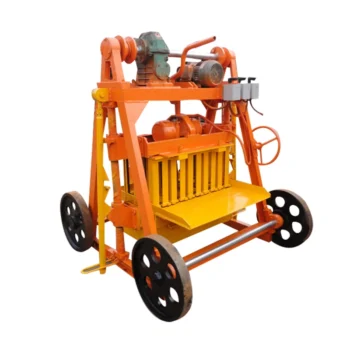
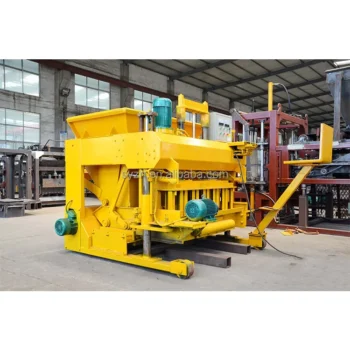
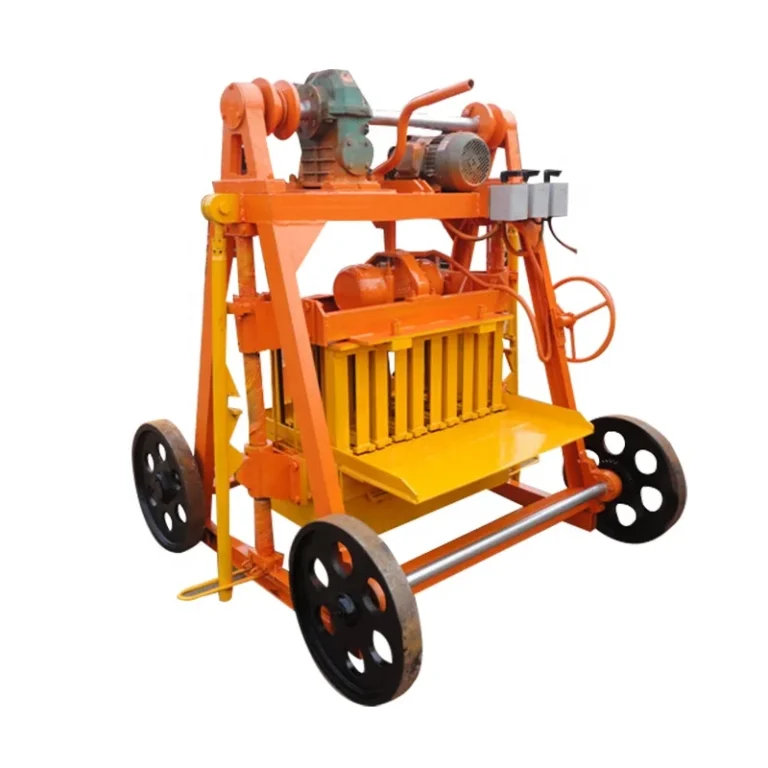
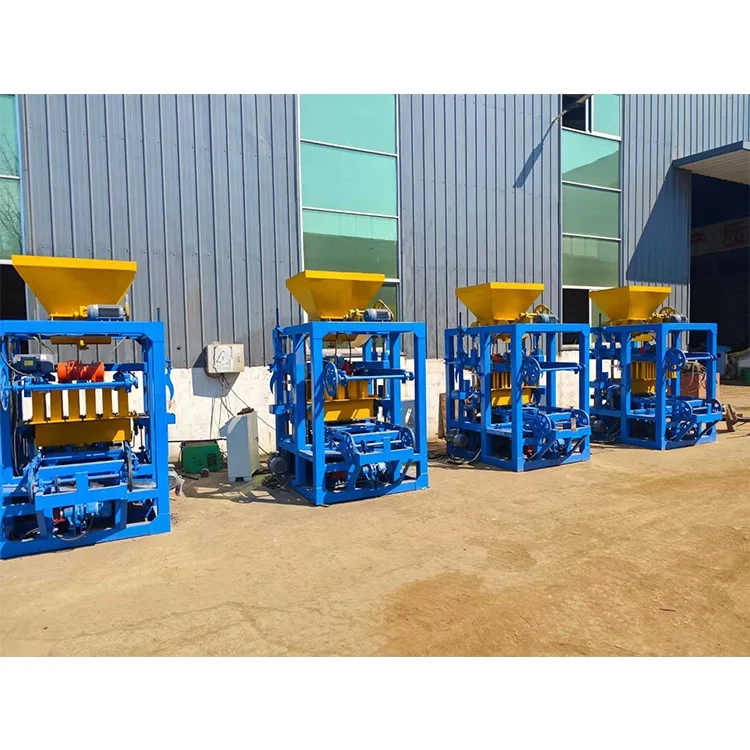
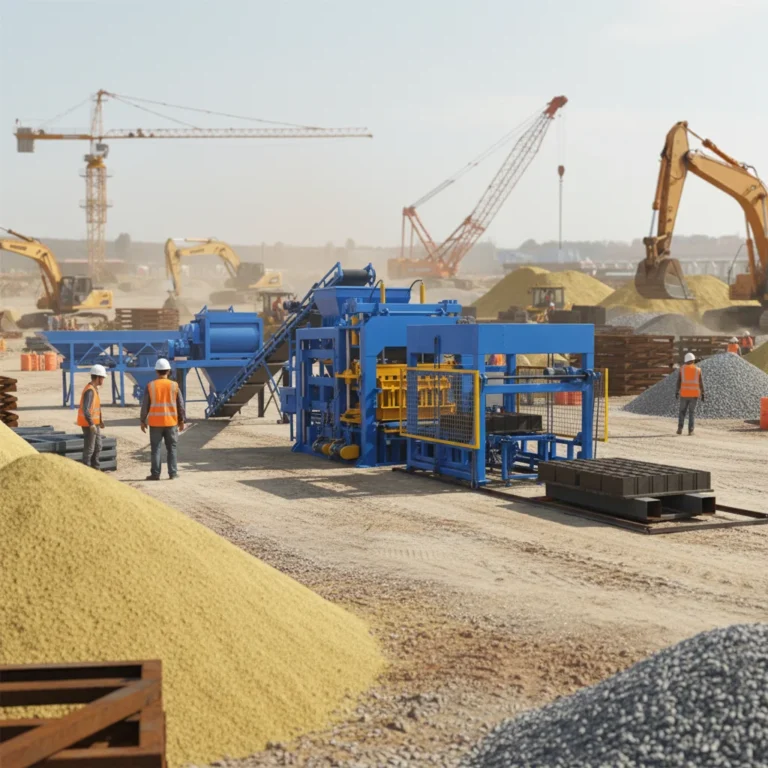
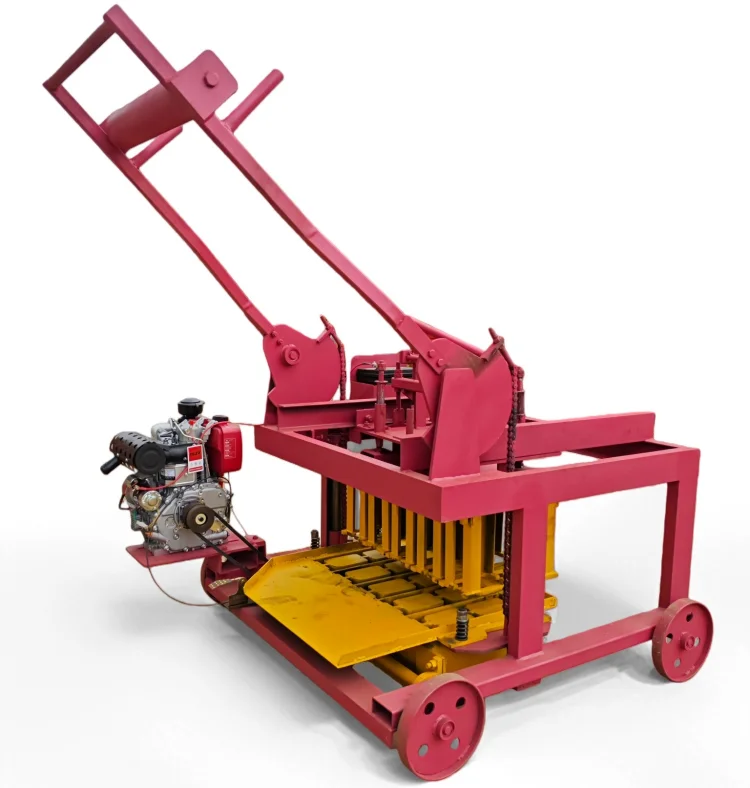
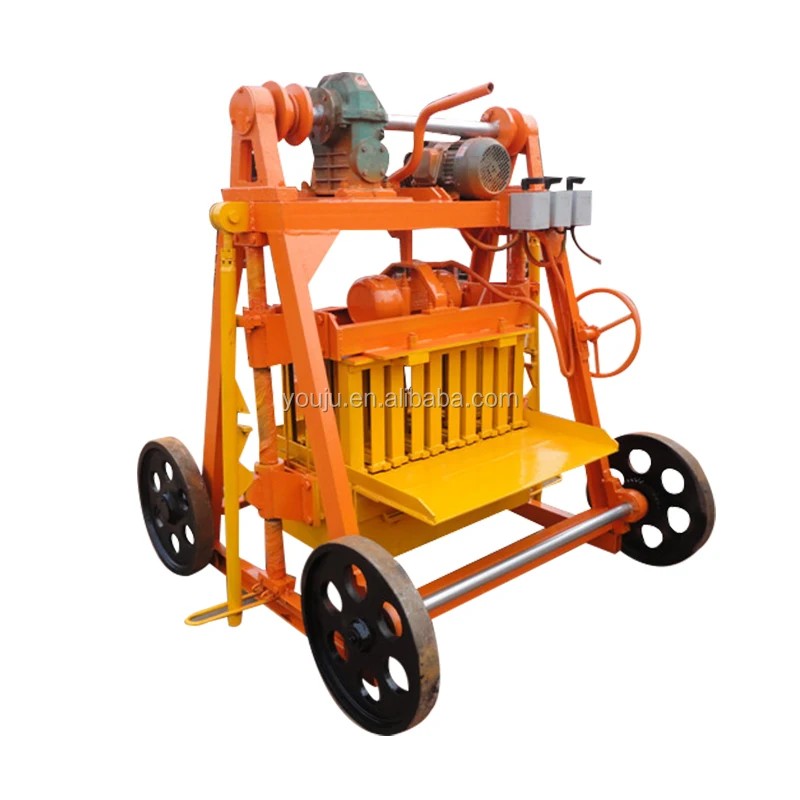
Stocked for Dispatch — QMJ4-45 mobile egg laying block machines held in yard with standard hollow block moulds, ready for container loading against your project timeline rather than a production backlog.
Technical Specifications
| Parameter | Value |
|---|---|
| Model | QMJ4-45 |
| Product Type | Mobile Egg Laying Block Making Machine |
| Molding Capacity | 4 pcs/mould (basis: 400×200×200mm hollow block) |
| Vibration Frequency | 2400 r/min |
| Vibration Method | Mould vibration |
| Molding Cycle | 40–45 s |
| Productivity (400×200×200mm hollow block) | 3000 pcs/day (8 h shift, 4 pcs/mould, 40–45 s cycle) |
| Productivity (400×150×200mm hollow block) | 3500 pcs/day (8 h shift, 5 pcs/mould, 40–45 s cycle) |
| Productivity (400×120×200mm hollow block) | 4500 pcs/day (8 h shift, 6 pcs/mould, 40–45 s cycle) |
| Demold Method | Manual |
| Turning Method | Manual |
| Total Power | 6 kW |
| Power Source | Diesel or petrol engine |
| Pallet Requirement | None (egg-laying on ground) |
| Automation Level | Manual / mobile egg-laying |
Application Suitability
| Application | Material or Output |
|---|---|
| On-site hollow block production at building projects | Crushed stone, sand and cement mixes laid directly on compacted ground |
| Remote or off-grid construction camps | Diesel-powered operation independent of mains electricity |
| Small-scale block supply for housing developments | 400×200, 400×150 and 400×120mm hollow block formats from a single machine |
| Entrepreneur-level block production start-up | Ground-laid egg-laying output with no pallet inventory required |
What "Stock Availability" Actually Means When Your Curing Schedule Is Slipping
A block machine that ships next week matters more than one that quotes higher output in eight weeks.
When a contractor is mid-build and the block supply chain breaks, every day without a machine on-site pushes the curing schedule further back and stalls the masons. I have watched project timelines in Southeast Asia slip because a mobile block machine was still on a factory floor waiting for a component, not because the specs were wrong. A QMJ4-45 mobile block machine in stock with standard moulds loaded into a container is the difference between blocks curing on the ground this week and an empty site next month. [NEED_CITE: typical project delay costs for construction contractors when material supply is interrupted]
Dispatch Readiness and Container Loading
The QMJ4-45 is dismantled into its main frame, engine assembly, and mould set for container loading. Because it is a compact mobile unit without a conveyor or stacking system, it fits into a standard 20-foot container alongside spare moulds and wearing parts. Our yard holds stocked configurations with both diesel and petrol engine options so that a buyer working to a project deadline can confirm dispatch timing at the quotation stage rather than after the order is placed.
Arrival Estimates Quoted Before You Commit
Every inquiry for a mobile block machine in stock comes back with a destination-port arrival estimate based on current sailing schedules from Linyi, not a generic lead time. [NEED_CITE: typical ocean freight transit times from major Chinese ports to Southeast Asian and African destinations] Buyers working against a phased construction schedule need to know whether the machine clears customs and reaches the site before the next pour — and that calculation starts with a confirmed sailing date, not a production completion date.
Ground Conditions and Egg-Laying Output
An egg-laying machine produces directly on the ground, which means the site surface determines block consistency as much as the vibration frequency does. The QMJ4-45 lays blocks at 2400 r/min mould vibration in a 40–45 second cycle, but if the ground is soft or uneven, the machine settles slightly between cycles and block height varies across a run. Contractors who prepare a level, compacted strip before production starts see noticeably more consistent output than those who lay blocks on freshly cleared earth.
Engine Choice and Site Fuel Logistics
The diesel or petrol engine option is not just a power preference — it dictates the fuel supply chain on a remote project site. Diesel engines align with sites that already run excavators and generators on diesel, simplifying fuel storage and delivery. Petrol engines suit smaller operations where petrol is easier to source locally. Confirming engine type against the buyer’s existing fuel infrastructure avoids a situation where the machine arrives and sits idle because the right fuel is a two-hour drive away. [NEED_CITE: fuel availability considerations for remote construction sites in developing markets]
Reading the Cycle Time Against Your Block Format
The 40–45 second moulding cycle applies across all three standard hollow block formats, but daily output scales with the number of cavities per mould. A 400×200×200mm block comes out at four per mould for roughly 3000 pieces in an eight-hour shift, while a 400×120×200mm block runs six per mould for around 4500 pieces in the same shift. These figures assume a consistent mix, a level working surface, and a crew that keeps the machine fed — real daily numbers shift with material supply rhythm and operator pacing. The 6 kW total power draw is within range of a small portable generator, keeping the machine independent of a fixed electrical connection.
The Cost of Ordering a Machine That Arrives After the Deadline
I have seen contractors in the Philippines commit to a mobile unit based on price alone, only to find the machine was built to order and would ship weeks after their block-laying crew was scheduled to start. The crew sat idle, the contractor paid standby wages, and the curing timeline for the first batch compressed into the rainy season. A mobile block machine in stock eliminates that gap — the machine is inspected, dismantled, and loaded within days of order confirmation rather than entering a production queue behind other orders. [NEED_CITE: financial impact of construction crew idle time due to delayed equipment delivery]
Why Buyers Source This Machine Here
Block machinery is our single focus, which means the QMJ4-45 engine, mould, and vibration system are specified as a matched unit rather than assembled from separate suppliers. We hold standard hollow block moulds in stock alongside the machines, so a buyer does not wait for a mould shop to finish a separate order. Dispatch lead time and container loading plans are confirmed at quotation stage with an arrival estimate against the buyer’s project timeline. Engine type is matched to the buyer’s site fuel availability before the machine is crated. We provide installation guidance and operator training documentation so the machine is producing blocks the day it is reassembled on-site.
Documentation & Verification
- Factory test record showing mould cycle times on your target hollow block format before dispatch
- Machine specification sheet with engine type, vibration frequency, and total power confirmed
- Mould drawing and format list for each hollow block size included in the shipment
- Packing photographs of dismantled machine and container loading for your records
- Operation and maintenance manual covering engine servicing and mould replacement intervals
Installation, Commissioning & Support
- Level compacted ground strip required for consistent egg-laying output across the 40–45 s cycle
- Diesel or petrol engine serviced and fuel lines checked before first start on-site
- Mould change demonstrated for operators switching between 400×200 and 400×120mm block formats
- Vibration assembly inspected after transit before resuming production at 2400 r/min
- Wearing parts list provided with reorder intervals for vibration components and mould liners
Before You Send the Inquiry
Tell us the hollow block formats your project requires, the fuel type available on-site, and the deadline the machine needs to meet. Include your destination port so we can return a confirmed sailing date and arrival estimate alongside the quotation. If your site uses local aggregate with unusual characteristics, share the material profile so we can flag any mould or mix considerations before dispatch.
Frequently Asked Questions
Q: Which QMJ4-45 configurations and moulds are currently in stock for immediate dispatch?
A: We hold QMJ4-45 units with both diesel and petrol engine options in our yard, paired with standard hollow block moulds for 400×200×200mm, 400×150×200mm, and 400×120×200mm formats. Stock status is confirmed at the inquiry stage, and additional mould formats can be added to the same container if available.
Q: How is the machine packed for shipment and what is the typical dispatch lead time?
A: The QMJ4-45 is dismantled into its main frame, engine, and mould set and loaded into a standard 20-foot container. Stocked units are typically inspected, crated, and dispatched within days of order confirmation, with container loading photographs provided to the buyer before the container leaves the yard.
Q: Can I get an arrival estimate at my port before placing the order?
A: Yes. Every quotation includes a destination-port arrival estimate based on current sailing schedules from Linyi. This lets you match the machine’s arrival to your project timeline and curing schedule before committing, rather than working from a generic lead time.
Q: Should I choose a diesel or petrol engine for my site?
A: The choice depends on your site’s existing fuel supply chain. Diesel suits sites already running heavy equipment on diesel, while petrol works where small-engine fuel is more accessible. We confirm engine type against your site conditions before the machine is crated to avoid fuel logistics issues on arrival.
Q: What moulds ship with the machine and can I order extras at the same time?
A: Each stocked QMJ4-45 ships with the standard hollow block moulds specified in your order. Additional mould formats can be included in the same container if they are in stock or can be produced within the dispatch window, so the machine arrives ready to run every format your project needs.