Description
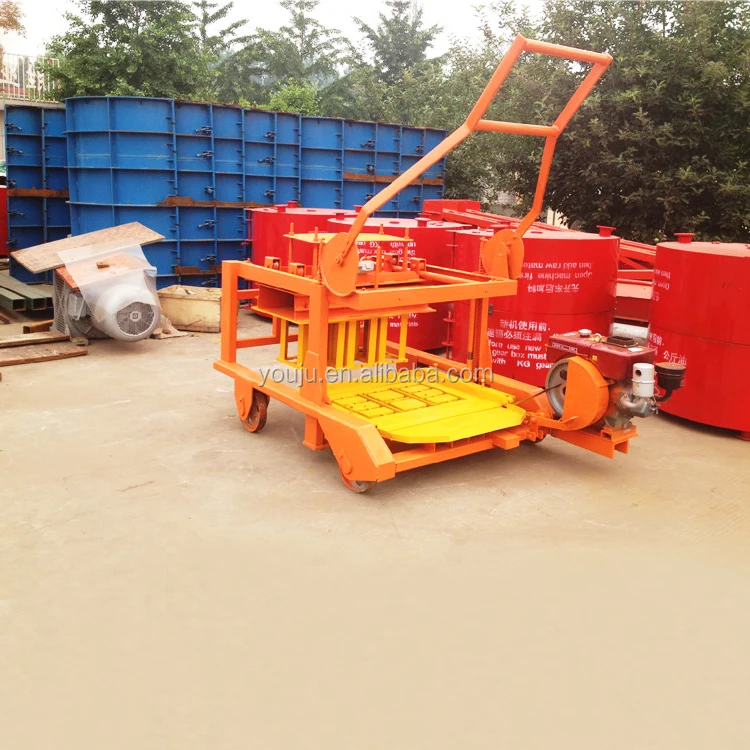
Fast dispatch readiness — QMR4-45 diesel mobile block machine units held in stock with standard moulds, container loading planned before order confirmation to keep project timelines intact.
Technical Specifications
| Parameter | Value |
|---|---|
| Model | QMR4-45 |
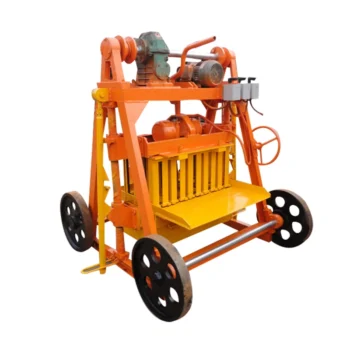
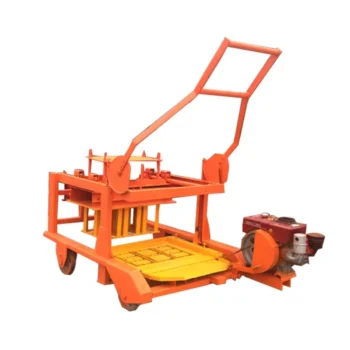
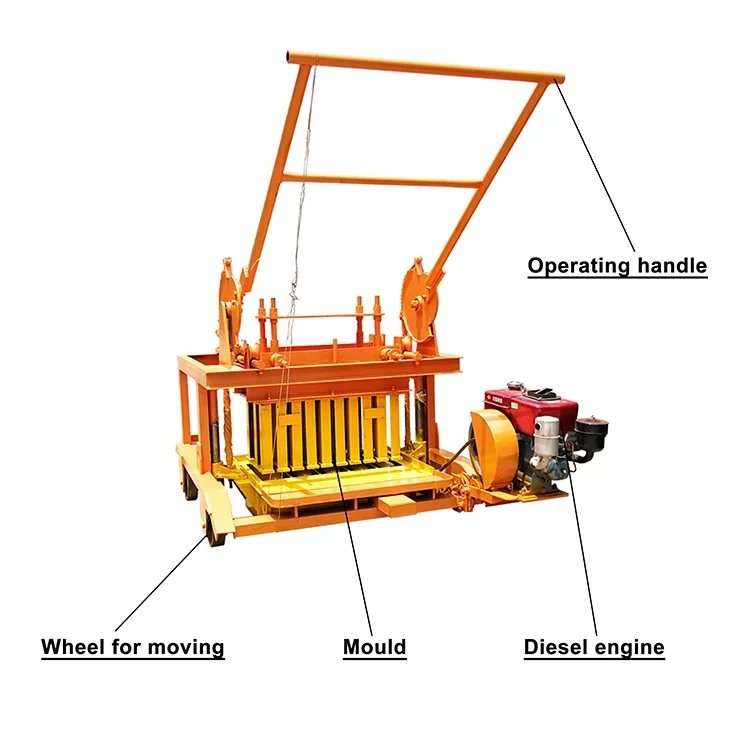
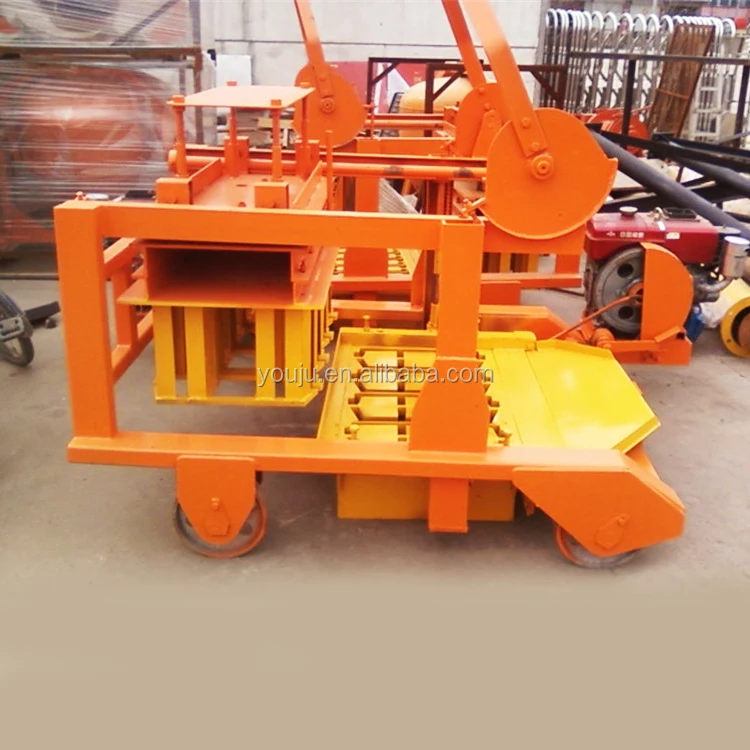
| Product Type | Diesel Mobile Egg-Laying Block Making Machine |
| Overall Dimensions (L×W×H) | 2420×1320×1650mm |
| Net Weight | 810kg |
| Diesel Engine | 6kW or 6-8HP |
| Rated Power | 6kW |
| Voltage & Frequency | 220V or 380V or according to client local voltage |
| Moulding Cycle | 40-45s |
| Pallet Size | No pallet required |
| Output Capacity | 3000 pcs/day based on 400×200×200mm hollow block, 8-hour shift |
| Output Capacity | 3500 pcs/day based on 400×150×200mm hollow block, 8-hour shift |
| Output Capacity | 4500 pcs/day based on 400×120×200mm hollow block, 8-hour shift |
| Mould Format | 400×200×200mm (4 pcs/mould), 400×150×200mm (5 pcs/mould), 400×120×200mm (6 pcs/mould) |
| Automation Level | Manual egg-laying, mobile |
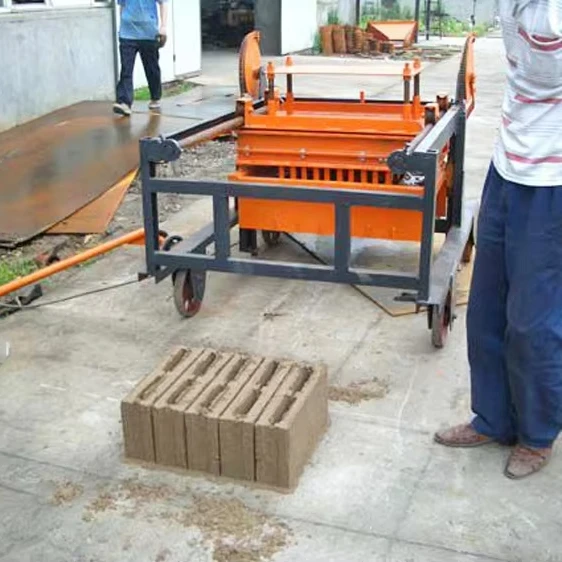
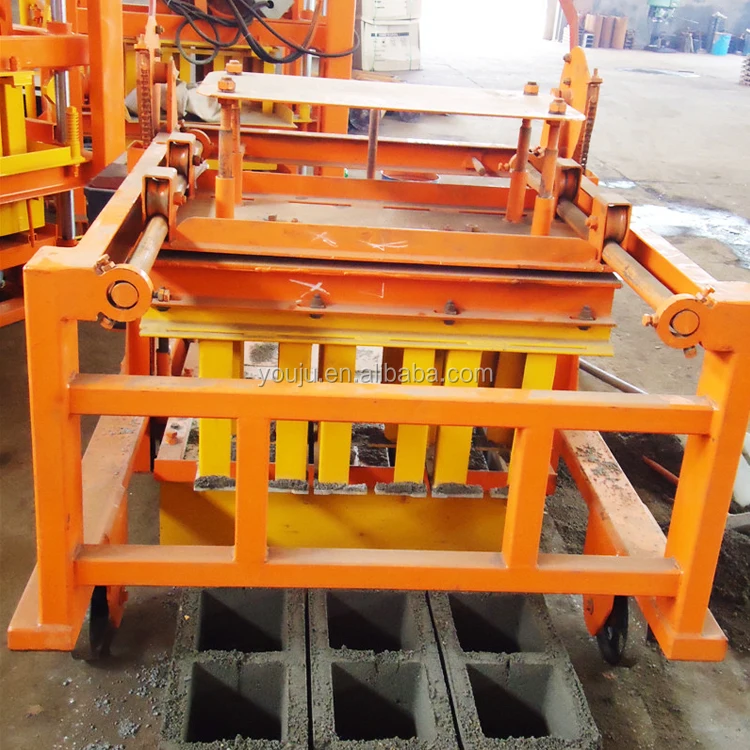
| Stacking Method | On-ground curing, no pallet required |
| Warranty | 1 Year |
Application Suitability
| Application | Material or Output |
|---|---|
| On-site hollow block production for building contractors | Crushed stone, river sand, cement mix laid directly on ground |
| Remote housing project block supply | Diesel-powered operation where grid electricity is unavailable |
| Small-scale paver and standard brick runs | Multi-cellular bricks and paving bricks on existing cement floors |
| First block plant with minimal infrastructure | No fixed factory, no pallet investment, no curing rack required |
Why "Output per Hour" Means Nothing Without the Block Format
Every capacity number must name the block it was measured on.
Buyers often compare machines on a single headline output figure, only to discover after commissioning that the quoted rate assumed a small solid brick while their actual order book demands large hollow blocks. The QMR4-45 diesel mobile block machine in stock lists three separate daily outputs, each tied to a specific mould and shift length. A 400×200×200mm hollow block yields a different count per cycle than a 400×120×200mm unit, and the 40-45 second moulding cycle stays constant across formats — only the cavity count per mould changes. When we quote arrival estimates, we confirm which block format you will actually produce so the capacity figure matches your project reality [NEED_CITE: block format impact on daily output calculation].
Stock Availability and Dispatch Timing
Project deadlines do not wait for production slots. The QMR4-45 diesel mobile block machine in stock is held as a complete unit with standard hollow block moulds fitted, so dispatch lead time is measured in days rather than weeks. Before order confirmation, we provide a container loading plan showing how the 2420×1320×1650mm frame and 810kg weight fit into standard shipping containers, along with dismantling instructions for the diesel engine assembly and hydraulic hoses. The arrival estimate is quoted against your destination port so the machine reaches the site before your masonry crew is due to start.
Diesel Independence on Unreliable Grids
Many construction sites across sub-Saharan Africa and parts of Southeast Asia operate on temporary generators with fluctuating voltage. The 6kW or 6-8HP diesel engine on the QMR4-45 drives the hydraulic system entirely independent of grid power, eliminating the risk of motor burnout from voltage drops [NEED_CITE: voltage instability damage to electric motors on construction sites]. When grid power is available, the machine can be configured for 220V or 380V operation according to your local supply. This dual capability means the same unit can start on a remote site running purely on diesel and later transition to a fixed plant once the electrical infrastructure is in place.
Reading the Specs That Actually Matter on Site
The 40-45 second moulding cycle determines how many blocks an operator can lay per hour, but the real throughput depends on ground preparation and walking speed between positions. At 810kg net weight, the QMR4-45 is light enough for two workers to reposition manually across a curing yard, yet heavy enough that vibration transfer into the fresh block remains consistent. The no-pallet design means the block is extruded directly onto a level cement floor — surface flatness directly affects block dimensional accuracy. Mould formats span 400×200×200mm at four cavities per mould up to 400×120×200mm at six cavities, so switching from load-bearing walls to partition walls requires only a mould swap, not a different machine.
The Hidden Cost of Overlooking Pallet and Curing Infrastructure
Quotations for stationary block machines frequently exclude pallets, stacking systems, and curing racks. Buyers then discover they need to purchase hundreds of wooden or bamboo pallets, build curing racks, and hire additional labour for pallet handling — costs that can rival the machine price itself. With the QMR4-45 egg-laying design, the block cures where it lands on the ground. There are no pallets to procure, no rack infrastructure to build, and no daily pallet return cycle to manage. For a contractor producing blocks directly on a building site, this elimination of ancillary infrastructure often determines whether the project stays on schedule [NEED_CITE: hidden pallet and curing infrastructure costs in block production].
Why Buyers Source This Machine Here
Block machinery is our single product focus, so the QMR4-45 ships as a matched system — machine, diesel engine, mould, and hydraulic hoses all tested together before crating. We confirm voltage and control requirements against your site conditions rather than defaulting to a catalogue specification. Stocked standard moulds for hollow block, paving block, and solid block formats dispatch alongside the machine, avoiding the delay of a separate mould shipment. Factory test records and packing photographs are included in every shipment documentation package so you can verify condition before the container reaches your port.
Documentation & Verification
- Factory test record on your specified hollow block format before dispatch
- Machine specification sheet confirming diesel engine rating and voltage option
- Mould drawing and format list for each cavity configuration included
- Packing photographs showing crating condition before container loading
- Customs documentation support for destination country clearance
Installation, Commissioning & Support
- Level cement ground required for accurate block dimensions with the egg-laying system
- Diesel engine pre-filled and tested before shipment, start-up on site within hours
- Mould change demonstrated during operator training using the standard hollow block set
- Hydraulic hose connections colour-coded for reassembly after container transport
- Wear parts list provided covering mould liners and hydraulic seals for first reorder
What to Include in Your Inquiry
Tell us the block format your project requires and the daily volume you need to sustain, so we confirm whether the QMR4-45 diesel mobile block machine in stock matches your output target. Share your site’s power situation — whether you will run entirely on diesel or have grid access at a specific voltage and frequency. If you already have a cement floor or a particular aggregate source, describe it so we can advise on mix compatibility before the machine ships.
Frequently Asked Questions
Q: Is the QMR4-45 currently in stock, and what is the dispatch lead time?
A: Yes, QMR4-45 units with standard hollow block moulds are held in stock at our Linyi facility. Dispatch typically occurs within days of order confirmation once payment terms are settled. We provide a container loading plan and arrival estimate quoted to your destination port before you commit, so the timeline is clear from the start.
Q: How is the machine packed and loaded into a container for shipment?
A: The 810kg machine frame is secured to a steel skid base with the diesel engine detached and hydraulic hoses coiled separately. The entire unit fits into a standard 20-foot container alongside standard moulds and spare wear parts. Packing photographs are taken after loading and shared with the buyer before the container is sealed.
Q: What is the estimated arrival time at my destination port?
A: Sea freight transit time depends on your port location and current shipping schedules. We quote an arrival estimate based on your destination port at the inquiry stage, so you can plan site preparation and crew mobilisation around a known date rather than guessing at lead times.
Q: Can I order standard moulds from stock together with the machine?
A: Standard hollow block, paving block, and solid brick moulds for the QMR4-45 are kept in stock and can ship in the same container as the machine. Custom mould formats drawn to your specifications require a separate production lead time, which we confirm during the quotation stage.
Q: Can the machine run entirely on diesel without grid power?
A: Yes. The 6kW or 6-8HP diesel engine drives the hydraulic system independently, so no grid connection is needed on site. When grid power is available, the QMR4-45 can also be configured for 220V or 380V operation, giving you flexibility to transition to a fixed plant later without replacing the machine.