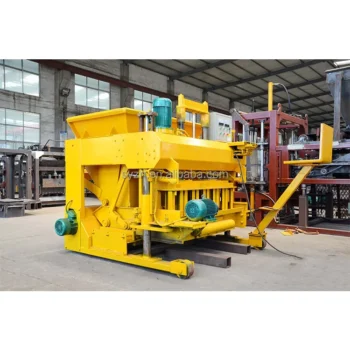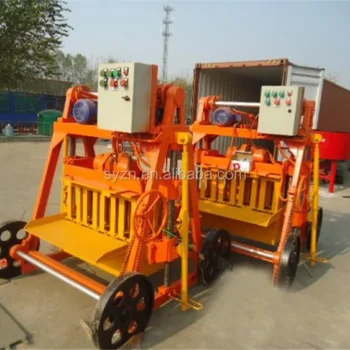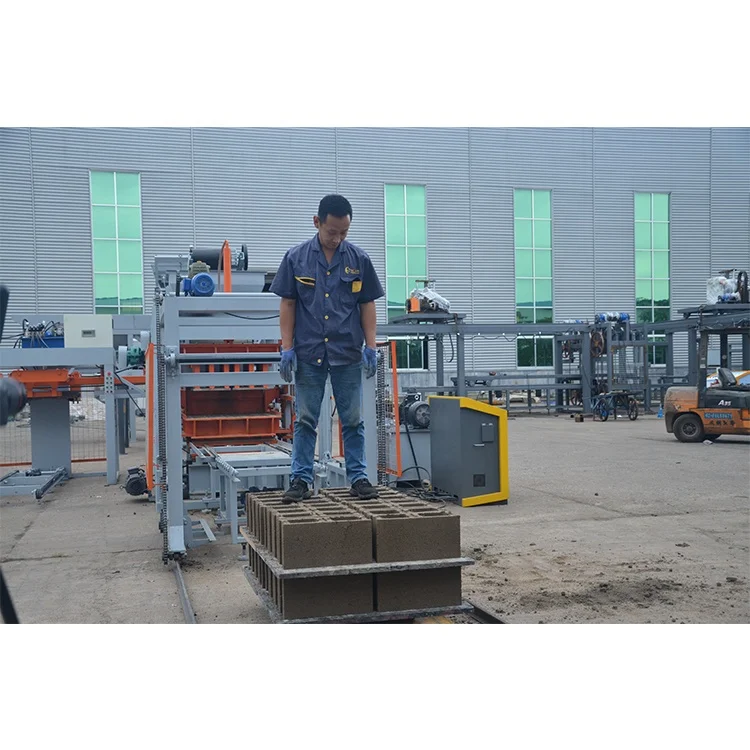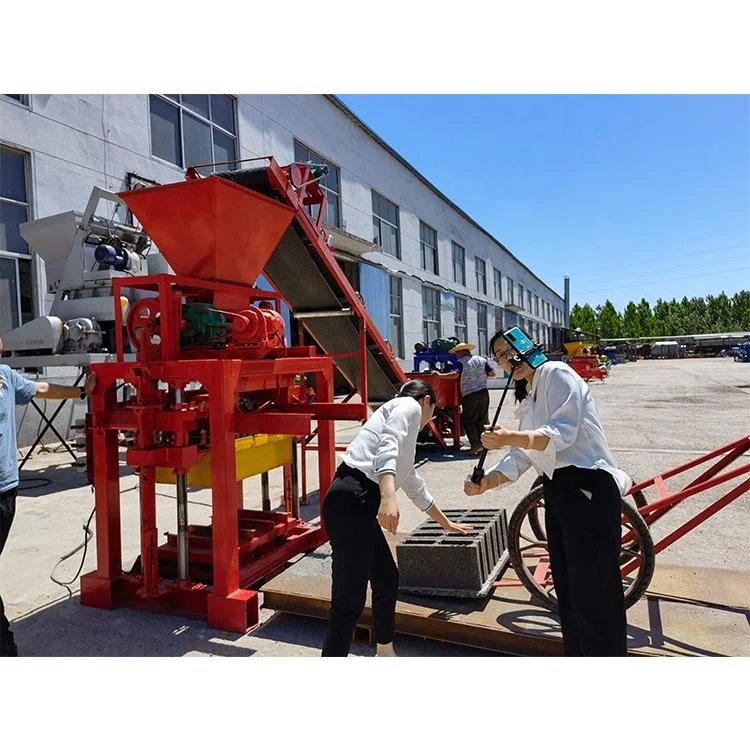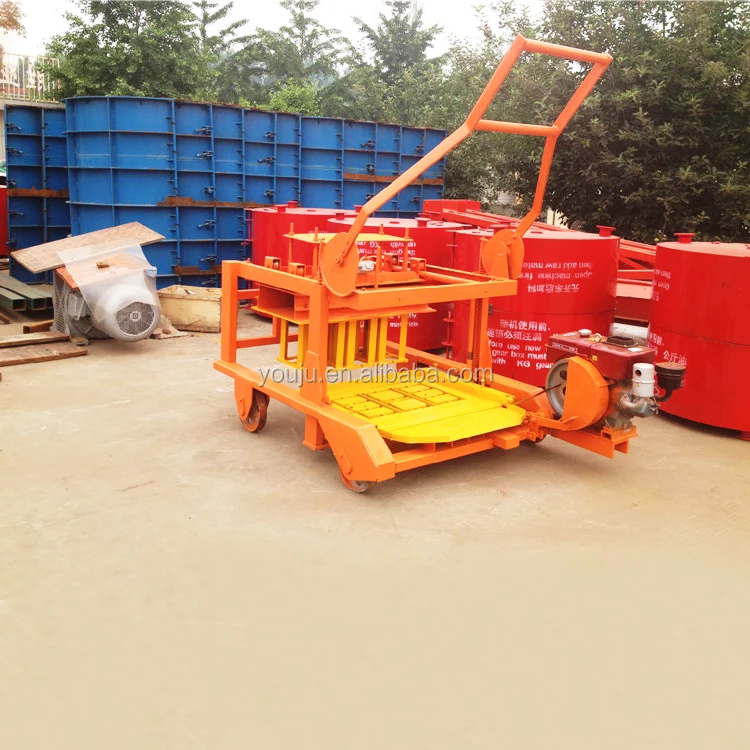
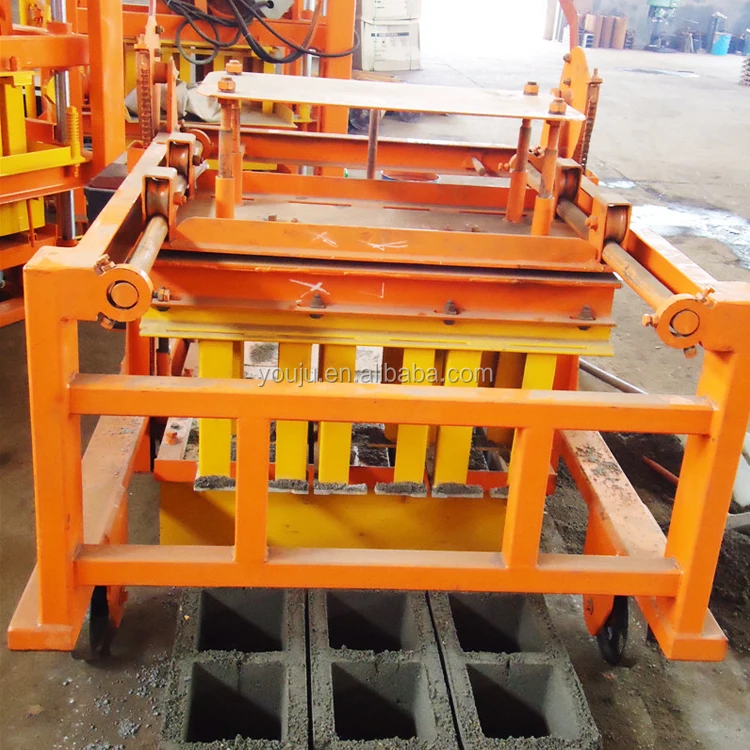
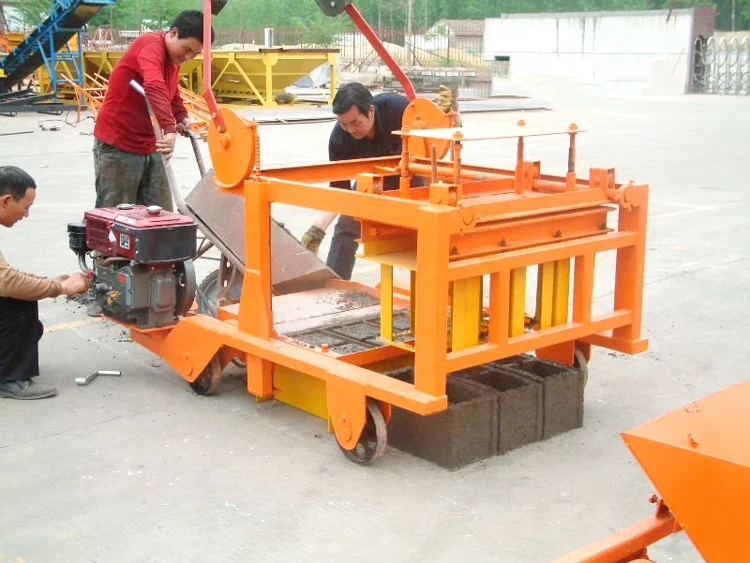
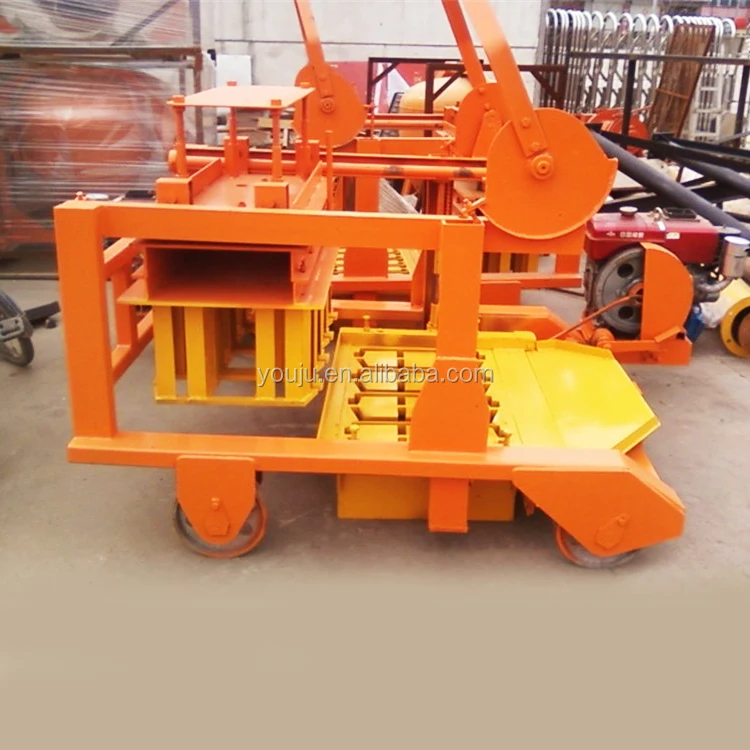
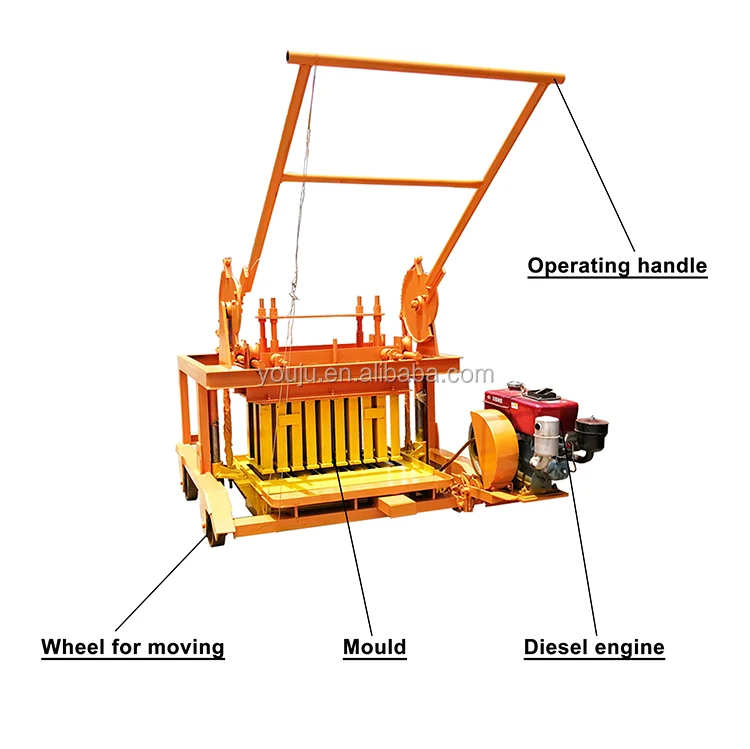
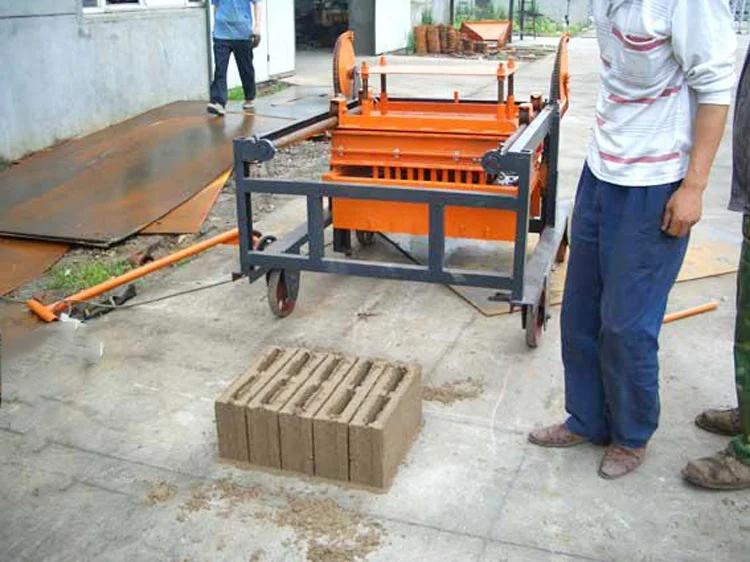
Description
Dispatch-Ready Inventory — QMR4-45 mobile egg-laying block machines are assembled, tested, and staged for immediate container loading so your project timeline is not delayed by production lead time.
Technical Specifications
| Parameter | Value |
|---|---|
| Model | QMR4-45 |
| Product Type | Mobile Egg-Laying Block Making Machine |
| Overall Dimensions (L×W×H) | 2420×1320×1650 mm |
| Net Weight | 810 kg |
| Rated Power | 6 kW |
| Power Source Option | Diesel engine, 6 kW or 6-8 HP |
| Voltage | 220V or 380V or configured to local grid |
| Moulding Cycle | 40-45 s |
| Pallet Size | No pallet required (egg-laying type) |
| Output Capacity | 3000 pcs/day based on 400×200×200mm hollow block, 4 pcs/mould, 8-hour shift |
| Output Capacity | 3500 pcs/day based on 400×150×200mm hollow block, 5 pcs/mould, 8-hour shift |
| Output Capacity | 4500 pcs/day based on 400×120×200mm hollow block, 6 pcs/mould, 8-hour shift |
| Mould Formats | Hollow block (400×200×200 / 400×150×200 / 400×120×200) |
| Automation Level | Semi-automatic |
| Hydraulic Pressure Source | Diesel engine driven |
| Warranty | One year for the whole machine |
Application Suitability
| Application | Material or Output |
|---|---|
| Remote housing project block supply | Hollow blocks from crushed stone, sand, and cement without grid power |
| On-site contractor block production | Solid and multicellular bricks laid directly on compacted ground |
| First-operation entrepreneur startup | Paving bricks and standard blocks with minimal site preparation |
| Off-grid development sites | Diesel-driven hollow block forming where electricity is unavailable |
Why the Voltage Question Should Come Before the Price
Confirming the destination grid standard prevents a two-week site standstill that no discount can compensate for.
A mobile block machine in stock means nothing if the motor burns out on first connection because the frequency mismatch was never discussed. I once watched a diesel-electric hybrid unit ship to West Africa with a 380V/50Hz motor installed by default; the local grid ran 440V/60Hz, and the contactor failed within minutes of startup. The site crew waited over two weeks for air-freighted replacement parts while the foundation cured past its window. Every QMR4-45 egg laying block machine fast delivery order now goes through a mandatory nameplate cross-check against the buyer’s destination country voltage and frequency standard before the crate is closed [NEED_CITE: voltage and frequency standards by export market].
Stocked Units Mean Your Project Clock Keeps Ticking
Construction timelines do not pause for factory build slots. When a housing project needs blocks on the ground next month, waiting eight weeks for a machine to move through production scheduling is not an option. The QMR4-45 mobile block machine in stock program keeps assembled and tested units ready for container loading, so the gap between order confirmation and port arrival shrinks to transit time alone. Buyers receive a container loading plan and dismantling diagram at the quotation stage, not after the machine is already crated.
Diesel-Driven Independence from Grid Constraints
Many project sites in developing regions operate without reliable three-phase power, and running a generator large enough for a full electric block line adds fuel and maintenance overhead. The QMR4-45 addresses this with a diesel engine driving the hydraulic system directly, removing the dependency on local grid voltage entirely. For sites where grid power is available and stable, an electric motor option at 220V or 380V remains configurable [NEED_CITE: diesel versus electric drive selection for mobile construction equipment].
Reading the Numbers That Actually Matter
The moulding cycle of 40-45 seconds determines how many blocks the machine lays per shift, but the real output depends on which block format you are running. At 400×200×200mm hollow blocks with four cavities per mould, daily capacity sits at 3000 pieces over an eight-hour shift. Switching to a 400×120×200mm format with six cavities per mould raises that figure to 4500 pieces under identical conditions. The 810 kg net weight keeps the machine within the towing capacity of a standard site vehicle while maintaining enough mass to resist vibration walk during moulding cycles.
What Happens When Dispatch Details Are Overlooked
A machine that arrives late or arrives wrong costs more than the purchase price difference between suppliers. When container loading is planned after the crate is sealed rather than before, dismantled components shift during ocean transit, hydraulic hoses get pinched under the main frame, and reassembly on site takes days instead of hours. Buyers who skip the voltage and frequency confirmation step face burned motor windings and destroyed control components, leaving a crew of masons standing idle while replacement parts cross borders through customs [NEED_CITE: common causes of equipment failure during international commissioning].
Why Procurement Through This Channel Works
Block machinery is the single focus here, which means the QMR4-45 is not pulled from a general construction equipment catalogue and relabelled. The diesel engine, hydraulic circuit, and mould set are matched as one system, so pressure and vibration characteristics align with the block format being produced. Arrival estimates are quoted at the time of order based on current shipping schedules, not after the bill of lading is issued. Container loading photographs and packing documentation are provided before the container leaves the yard. The sales process confirms voltage, frequency, and control language before production or dispatch, removing the most common commissioning delays. Moulds and hydraulic wear parts are listed with part numbers so replacements can be sourced when the first maintenance interval arrives.
Documentation & Verification
- Factory test record showing cycle times on your specified hollow block format before dispatch
- Container loading plan detailing dismantling sequence and component securing points
- Voltage and frequency confirmation document matched to destination country grid standard
- Hydraulic and electrical schematic with component identification for field troubleshooting
- Operation manual covering mould change procedure and daily maintenance checklist
Installation, Commissioning & Support
- Machine arrives partially dismantled to fit standard container; reassembly requires basic hand tools and a level compacted surface
- Diesel engine requires initial oil fill and fuel line bleed before first startup cycle
- Mould change between hollow block formats uses bolt-release mechanism requiring no specialized wrenches
- Semi-automatic operation means one operator controls the cycle while a second worker feeds the mix hopper
- Wear parts list with part numbers provided at dispatch for local sourcing or reorder
Before You Send the Inquiry
To match the right unit to your project, share the block format your market sells most, the daily output target in pieces, and your site power situation — grid available or diesel only. Confirm your local voltage and frequency so the correct motor or diesel engine is installed before the machine leaves the floor. If you have a specific arrival deadline driven by a project milestone, state it upfront so transit routing can be planned accordingly.
Frequently Asked Questions
Q: Is the QMR4-45 currently in stock and what is the dispatch lead time?
A: Assembled and tested units are staged for container loading. Once your voltage, frequency, and mould format are confirmed, the machine moves to the packing and loading stage. Dispatch timing depends on container availability at the port and the shipping line schedule, both of which are confirmed at quotation rather than after the order is placed.
Q: How is the machine packed and loaded into a container for shipment?
A: The QMR4-45 is partially dismantled to reduce shipping volume and protect hydraulic lines during transit. A loading diagram is provided before dispatch showing component placement and securing points. Loading photographs are shared with the buyer before the container doors are sealed.
Q: Can the diesel engine be substituted with an electric motor?
A: Yes, the machine is available with an electric motor configured to your local voltage and frequency. The choice between diesel and electric depends on your site power reliability. This is confirmed during the inquiry stage so the correct drive system is installed before the machine ships.
Q: What is the estimated arrival time at my port after dispatch?
A: Arrival time depends on the destination port and the shipping route available at the time of order. An estimated arrival date is provided at the quotation stage based on current transit schedules, not after the machine has already departed, so you can plan site preparation and crew scheduling accordingly.
Q: Which moulds are stocked and which require a production lead time?
A: Standard hollow block moulds in 400×200×200mm, 400×150×200mm, and 400×120×200mm formats are commonly available with the machine. Custom mould designs or non-standard formats require a production lead time that is stated at the quotation stage so it does not delay your project start.