

Description
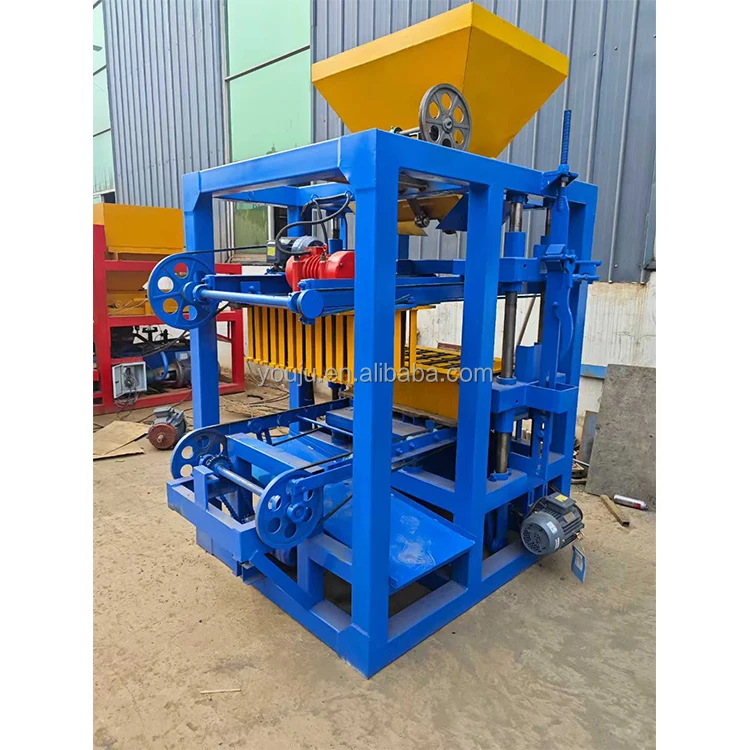
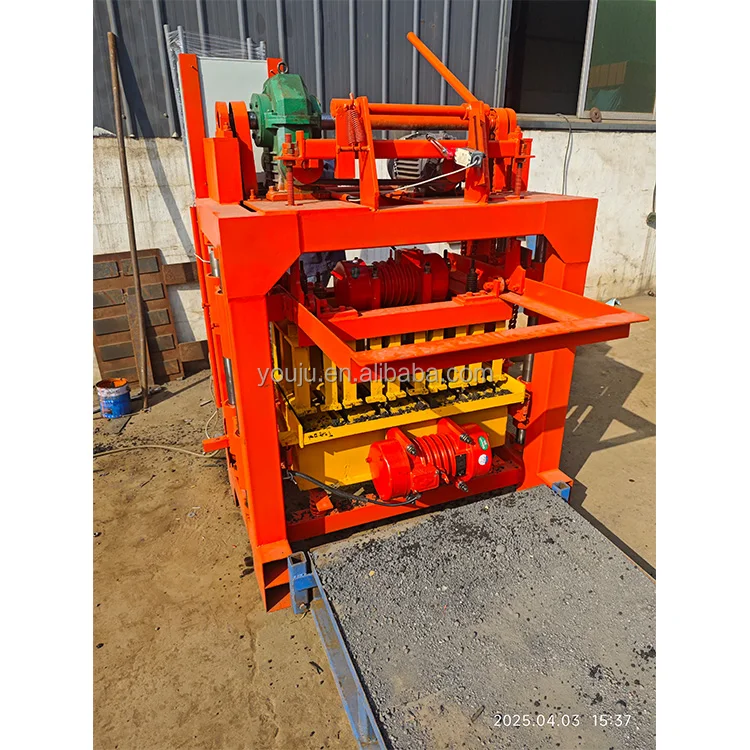
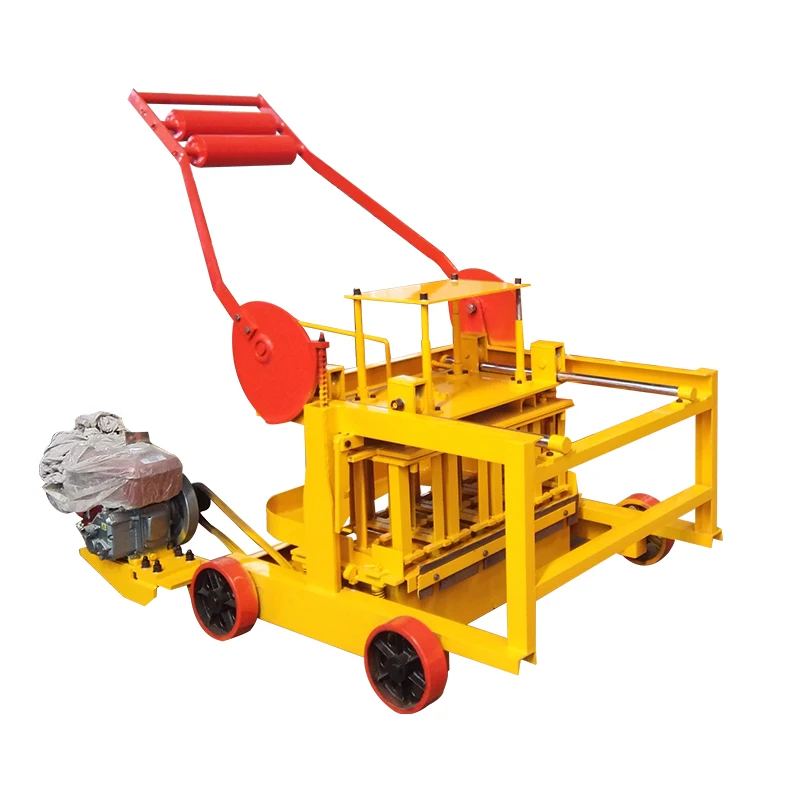
In Stock For Fast Dispatch — A QMR4-45 mobile egglaying block machine sits ready in the yard, dismantled and documented for container loading, eliminating the typical multi-week production wait for buyers working against a project deadline.
Technical Specifications
| Parameter | Value |
|---|---|
| Model | QMR4-45 |
| Product Type | Mobile Egglaying Block Making Machine |
| Power Source | Diesel Engine |
| Operation Mode | Manual |
| Machine Configuration | Mobile / Egglaying (No Pallets Required) |
| Output Capacity | (basis not stated in source — confirm block format / material / thickness) |
| Mould Format | (source value — verify against manufacturer catalog) |
| Vibration Force | (source value — verify against manufacturer catalog) |
| Cycle Time per Format | (basis not stated in source — confirm block format) |
| Voltage & Frequency | Not Applicable (Diesel Powered) |
| Control System | Manual Operation |
| Pallet Requirement | None (Ground Curing) |
Application Suitability
| Application | Material or Output |
|---|---|
| On-site Block Production | Crushed stone, river sand, cement, and local aggregate blends |
| Remote Construction Sites | Diesel-powered operation independent of grid electricity |
| Small-scale Manufacturing | Hollow blocks, solid blocks, and paving formats for local markets |
| Housing Development Projects | Direct production at the building site without a fixed plant footprint |
What "Stock Available" Actually Means for Your Project Timeline
A machine on the floor ships in days, not weeks.
Project deadlines rarely wait for manufacturing lead times. When a contractor commits to a blocklaying schedule, a delayed machine delivery cascades into idle labor and extended site overhead. The difference between ordering a stocked unit and a made-to-order unit is often the difference between meeting a phase-one handover and explaining a delay to the client. [NEED_CITE: construction project delay penalties and site overhead costs]. This QMR4-45 mobile egglaying block machine in stock eliminates the production queue entirely. The unit has already passed the factory test, been dismantled according to a documented loading plan, and photographed at each stage. Container booking can proceed once payment terms are cleared, with an arrival estimate quoted against your destination port before the order is finalized.
Dispatch Speed Without Configuration Guesswork
Stock availability does not mean shipping blindly. Before this QMR4-45 mobile egglaying block machine in stock leaves the yard, the diesel engine specification is confirmed against the ambient temperature and altitude at your site. A machine tuned for sea-level operation can underperform on a highland plateau, and that conversation must happen before loading, not after commissioning. The manual control system requires no voltage matching or PLC language setup, removing two of the most common causes of arrival-stage delays.
Loading Plans Built Around Container Dimensions
A mobile egglaying machine travels dismantled. The frame, hopper, vibration assembly, and diesel engine are separated to fit within standard container clearances. Each component is photographed in position before securing, and a reassembly sequence document travels with the shipment. Buyers working to a deadline need to know that reassembly at destination will not become a second project. The loading plan specifies lifting points and bolt torque sequences so local crews can have the QMR4-45 producing blocks within a typical working day of unpacking. [NEED_CITE: standard container internal dimensions and loading constraints].
Reading the Specifications That Matter for Mobile Units
The diesel engine rating determines continuous operating hours between refueling and directly influences daily output capacity. A machine that must stop for fuel every two hours loses rhythm on a site where blocklaying crews are waiting for supply. The vibration force specification governs block density and compressive strength, but this figure must be evaluated alongside the buyer’s actual mix design. A fine aggregate blend requires different vibration characteristics than a coarse crushed-stone mix, and a machine configured for one will underperform on the other. The manual operation mode means cycle time depends on operator consistency. Unlike hydraulic or PLC-controlled machines, the human element determines the rhythm, making operator training as critical as machine specification. The egglaying design eliminates pallet investment and pallet handling entirely, but it also demands a level, prepared ground surface at the production area. Blocks are laid directly where they will cure, so the site must be organized to accommodate curing zones that rotate as production progresses.
When Arrival Timing Fails the Site Schedule
Ordering a machine without confirming container availability and sailing schedules creates a false sense of speed. A unit can leave the factory in days and still spend weeks waiting at a congested port or transshipment hub. Buyers who discover this after payment have already committed their site schedule to a timeline they cannot control. [NEED_CITE: international shipping transit variability and port congestion factors]. The quoted arrival estimate must include inland transport to the port of loading, ocean transit, and typical customs clearance duration at destination. Without this full picture, "stock available" means only that the machine is ready to enter a logistics chain whose remaining length is unknown.
What Stock Availability Looks Like at the Yard
The QMR4-45 has completed its factory run cycle and is staged for dispatch. The diesel engine has been tested under load, vibration assembly checked for balance, and structural welds inspected. Documentation is prepared: factory test record, packing photographs, operation manual, and customs paperwork support. Because this is a diesel-powered manual machine, there are no electrical panels to protect from moisture during ocean transit and no PLC screens requiring language configuration at arrival. The support team provides installation guidance remotely, and the mechanical simplicity of the manual operation means local mechanics can maintain the machine using standard tools and commonly available diesel engine spare parts.
Documentation & Verification
- Factory test record showing the QMR4-45 running through complete production cycles before dismantling
- Dismantling and packing photographs documenting each component’s position for reassembly reference
- Diesel engine specification sheet with maintenance intervals and recommended spare parts list
- Operation and maintenance manual covering daily checks and block format changeover procedures
- Container loading plan with lifting points and securing instructions for destination reassembly
- Customs documentation support including HS code classification and export paperwork
Installation, Commissioning & Support
- Level compacted ground area required for block curing zone since no pallets are used
- Diesel engine break-in procedure and first oil change schedule before full production begins
- Reassembly support via documented bolt sequences and lifting point diagrams
- Mould installation and format changeover guidance for the first block type requested
- Operator training covering manual cycle rhythm and mix consistency recognition
- Spare diesel engine belts and filters identified for local sourcing at destination
What to Provide With Your Inquiry
To confirm dispatch timing and arrival estimate, share your destination port and the block format you intend to produce first. The daily output calculation depends on the specific block dimensions, wall thickness, and your local aggregate characteristics. If possible, send a sample of your sand or stone dust so the vibration characteristics can be evaluated against the machine’s settings before shipment.
Frequently Asked Questions
Q: How soon can the QMR4-45 ship and what is the estimated arrival date?
A: The machine is stocked and can enter container loading once commercial terms are cleared. The arrival estimate depends on your destination port and current sailing schedules. We provide a transit calculation covering inland haulage, ocean leg, and typical port clearance duration so you can plan your site schedule against a realistic date rather than an optimistic one.
Q: What block formats can this machine produce and what is the daily output per format?
A: The QMR4-45 accommodates hollow blocks, solid blocks, and paving formats depending on the mould installed. Daily output depends on block dimensions, your mix design, and operator rhythm under manual control. We calculate output per format using your target block size and request a material sample to confirm vibration response before quoting a production figure.
Q: Is the machine shipped assembled or dismantled for container loading?
A: The machine is dismantled into components that fit within standard container dimensions. Each part is photographed in position, and a reassembly document travels with the shipment. Local crews with standard tools can complete reassembly and begin production within a typical working day of the container arriving at your site.
Q: What diesel engine specification is installed and are spare parts available locally?
A: The diesel engine is selected based on continuous duty requirements for block production. We confirm the engine model and specification before shipment and provide a recommended spare parts list. Diesel engine service networks are widely established, and consumables like filters and belts are typically sourceable through local agricultural or industrial suppliers at your destination market.