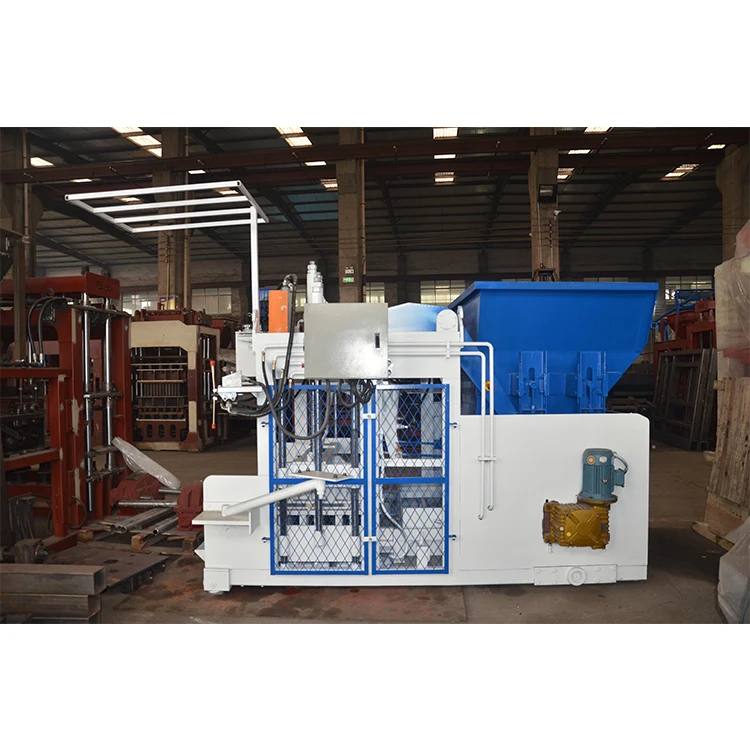
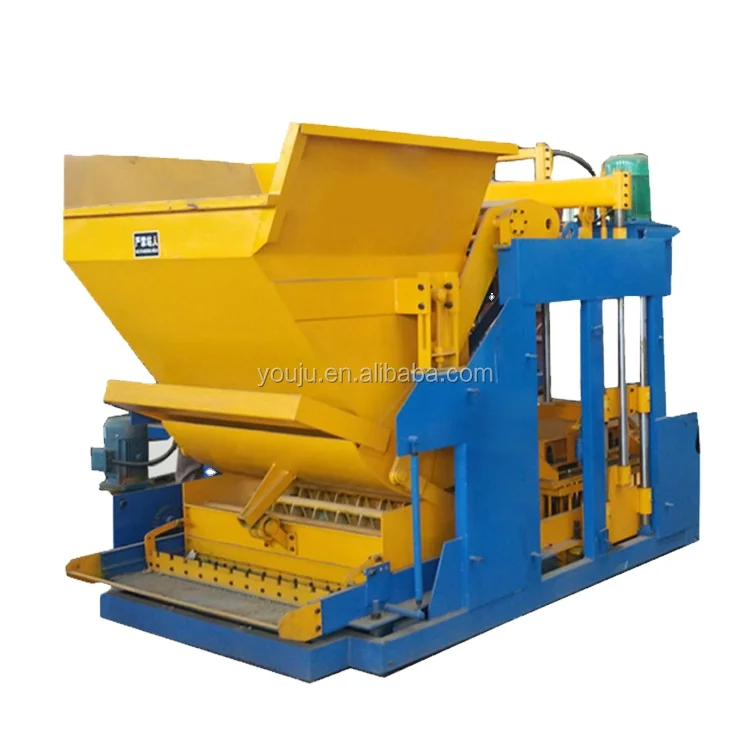
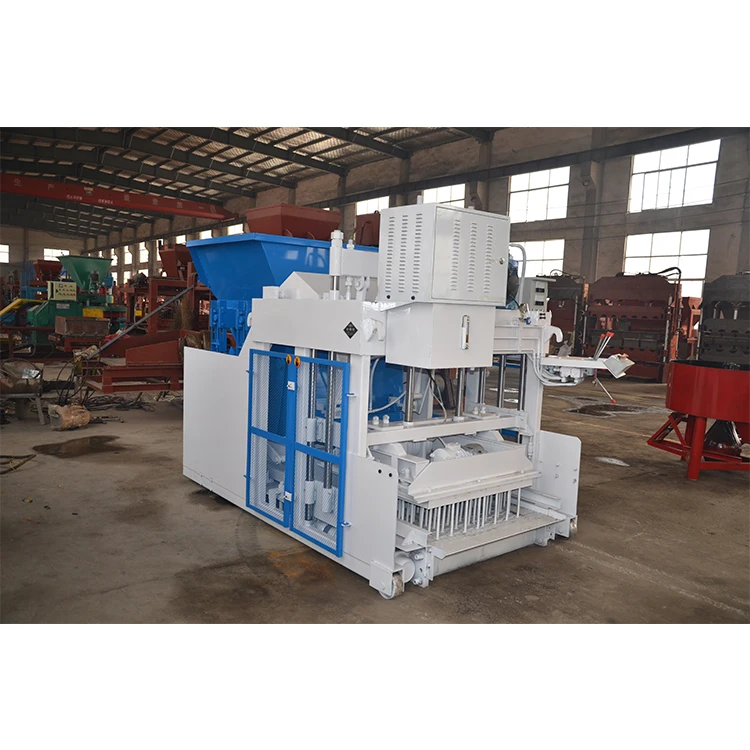
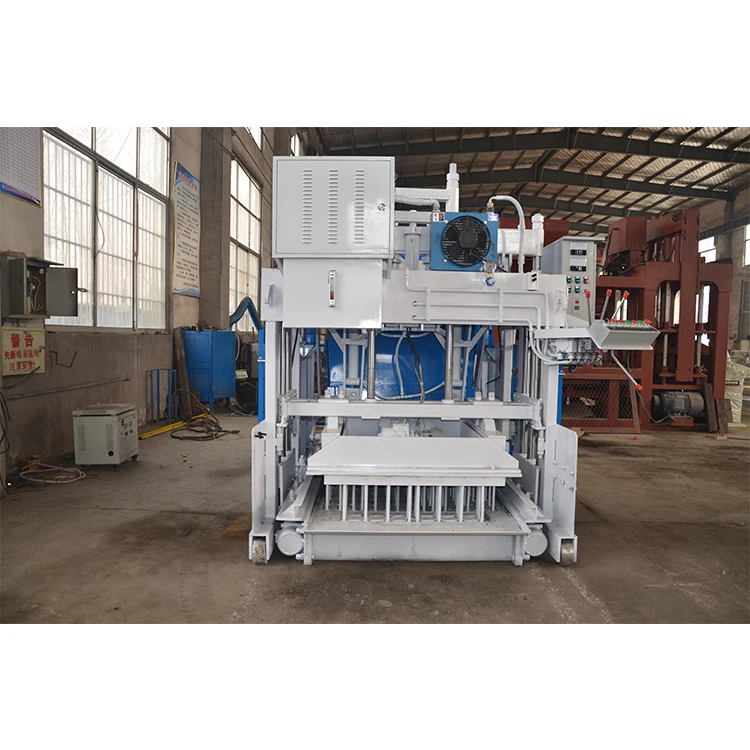
Description
Stock Dispatch Speed — QMY12-15 mobile block machines held in stock for immediate loading, with container plans and arrival timelines quoted before you commit.
Technical Specifications
| Parameter | Value |
|---|---|
| Model | QMY12-15 |
| Product Type | Mobile Hydraulic Hollow Block Making Machine |
| Machine Type | Mobile / egg-laying (no pallet required) |
| Pressure Type | Hydraulic |
| Rated Power | 16 kW |
| Overall Dimensions (L×W×H) | 3250 × 2100 × 2300 mm |
| Net Weight | 4500–4600 kg |
| Capacity per Mould (400×200×200 mm hollow block) | 12 pcs/mould |
| Capacity per Mould (400×150×200 mm hollow block) | 14 pcs/mould |
| Moulding Cycle | 10–15 s |
| Daily Capacity (400×200×200 mm, 8 h) | 23040 pcs/day |
| Motor Brand | Siemens |
| Workers Required | 2–3 |
| Vibration System | Twice-vibration of molding core |
| Pallet Requirement | None (egg-laying / mobile type) |
| Automation Level | Automatic hydraulic pressure |
| Standards | ISO 9001:2008, SGS, CE |
Application Suitability
| Application | Material or Output |
|---|---|
| On-site hollow block production at construction yards | Crushed stone, sand, cement, and water mix |
| Housing project block supply across multiple locations | Local aggregate with cement binder |
| Entrepreneur-led block ventures without fixed plant | River sand or stone dust with cement |
| Contractor self-production of solid blocks on the job site | Coarse aggregate and cement blend |
Why the Container Loading Plan Matters More Than the Brochure
A stocked QMY12-15 mobile block machine ships fast, but only if the dismantling and loading plan is settled before the order is signed.
Buyers working to a project deadline often focus on the dispatch date and overlook how the machine is broken down for container loading. A 3250 × 2100 × 2300 mm frame does not fit intact into a standard container. The main frame, hydraulic station, and hopper must be separated, secured, and braced so nothing shifts during ocean transit. [NEED_CITE: standard container internal dimensions and machinery loading practices]. When this planning happens after the order, you lose days to re-packing. When it happens before, the QMY12-15 mobile block machine in stock rolls out on schedule.
Dispatch Timeline Without Guesswork
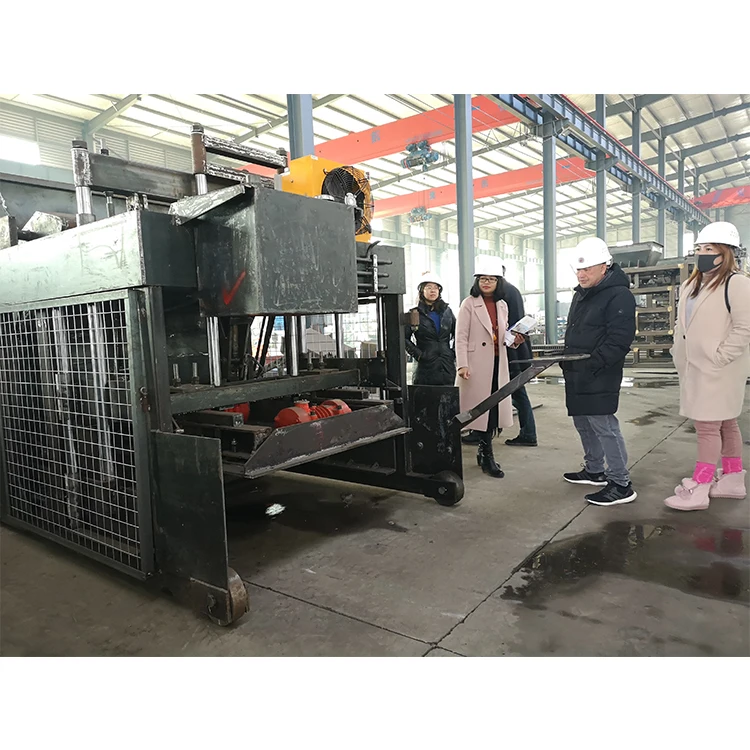
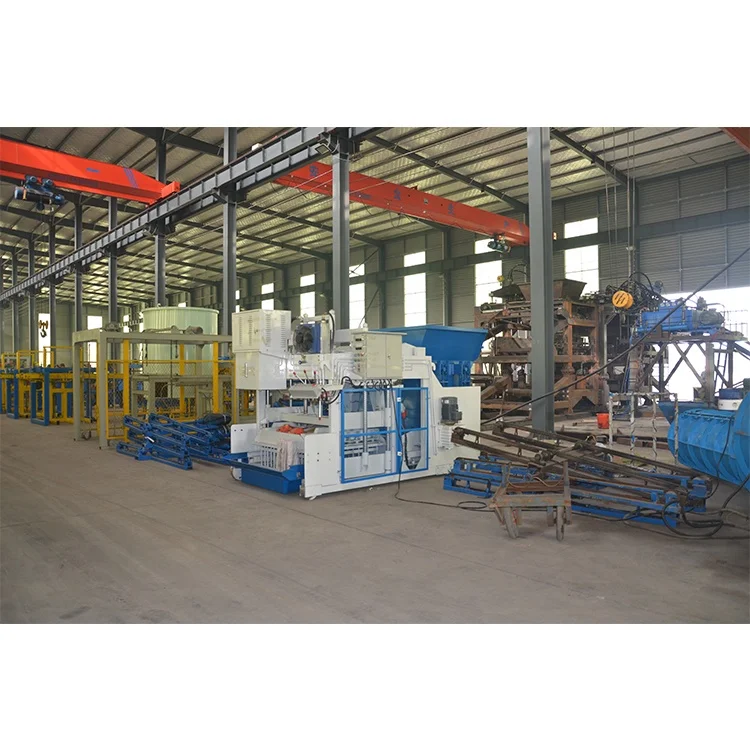
The QMY12-15 mobile block machine in stock is held at the Linyi facility ready for container loading. Dispatch lead time depends on the dismantling method confirmed at order and the container booking window at the port. Buyers receive an arrival estimate quoted upfront so project scheduling can begin before the machine leaves the yard.
Matching the Machine to Your Site Reality
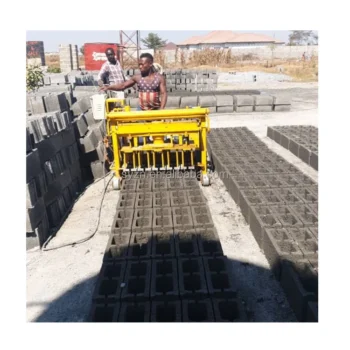
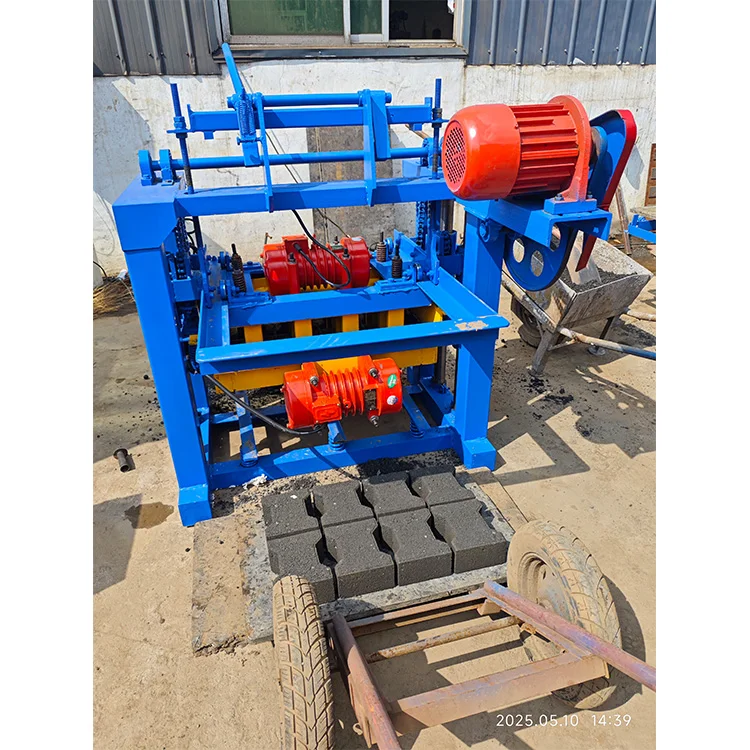
The egg-laying design means the machine moves on its own wheels and lays blocks directly on the ground. No pallets to buy, no pallet return system to build, no curing rack infrastructure to install. This suits construction sites where the ground is already levelled concrete or compacted earth, and where the crew can move the machine forward as blocks cure behind it. [NEED_CITE: mobile egg-laying block machine site preparation requirements]. The twice-vibration molding core produces denser blocks than single-vibration systems, which matters when local aggregate contains higher fines or clay content.
Reading the Specs That Actually Matter on Site
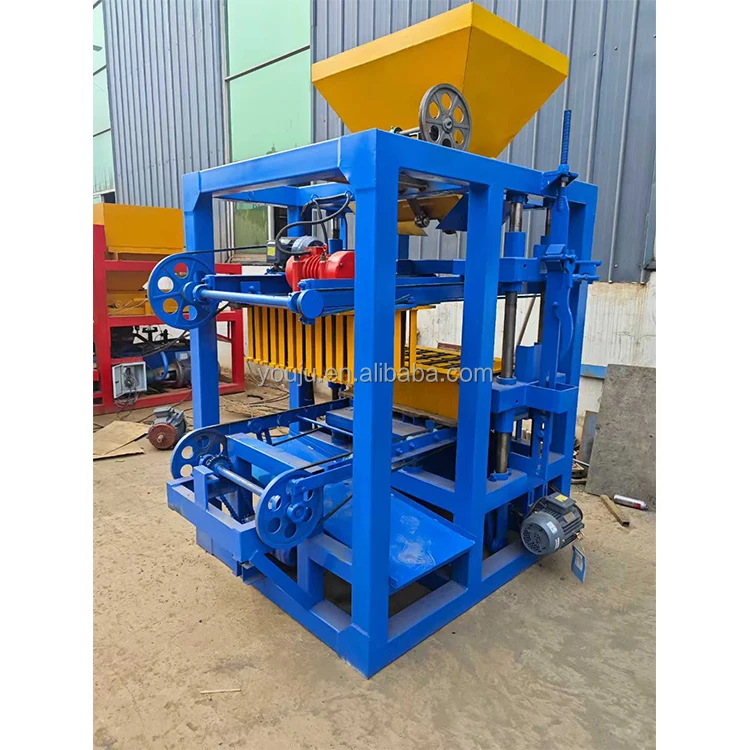
The 16 kW rated power drives both the hydraulic pressure station and the vibration motors simultaneously. On a mobile machine with no external conveyor or mixer integrated, this power budget is dedicated entirely to forming. The twice-vibration system works in two stages — a core vibration followed by a mold vibration — which compresses the mix more evenly across the block height. Hydraulic pressure locks the density in place before the mold lifts. Moulding cycle of 10–15 seconds applies to standard hollow block formats; heavier solid blocks or thinner pavers may fall outside this range. The 4500–4600 kg net weight keeps the machine stable during vibration without requiring ground anchoring, but also means a forklift or crane is needed for any repositioning beyond short rolls.
What Happens When Voltage and Frequency Are Confirmed Late
A machine built for 380 V / 50 Hz arrives at a site running 440 V / 60 Hz and the motors overheat within the first shift. Rewinding or replacing Siemens motors on site adds weeks of downtime and costs that exceed the original savings from fast dispatch. Voltage, frequency, and control language must be locked in before the QMY12-15 mobile block machine in stock is released from the yard. [NEED_CITE: industrial motor voltage mismatch consequences and rewinding lead times]. Buyers in West Africa, Southeast Asia, and South America each face different grid standards, and confirming these details at inquiry stage prevents commissioning delays after arrival.
Why Buyers Come Back for the Second Machine
Block machinery is the single focus here, so the QMY12-15 machine, its moulds, and any spare wear parts are specified as one matched set rather than assembled from separate suppliers. Configuration is set against your actual mix design and local aggregate, not a catalogue default. Stock status is confirmed per model so you know exactly which unit loads into your container. Arrival timelines are quoted before you commit, not estimated after the deposit clears. Mould and wear parts ship in the same container, so the first replacement cycle does not halt production.
Documentation & Verification
- Machine specification sheet listing confirmed voltage and frequency per unit
- Mould drawing and format list matching the hollow block sizes ordered
- Factory test record run on material similar to buyer’s local aggregate
- Hydraulic and electrical schematic for on-site troubleshooting
- Packing photographs showing dismantling and container bracing before seal
Installation, Commissioning & Support
- Flat, levelled ground surface required; no fixed foundation needed for the 4500–4600 kg mobile frame
- Dedicated power circuit matching confirmed voltage and 16 kW draw with overload protection
- Machine arrives dismantled; reassembly covers frame, hopper, and hydraulic station connection
- Commissioning includes mould fit check and cycle timing adjustment on buyer’s actual mix
- Operator training covers mould change procedure and daily vibration system inspection
- Wear parts list provided with first-order shipment for planned replacement scheduling
What to Share Before Requesting a Quote
Send the block format your market sells — dimensions, wall thickness, and whether hollow or solid. Confirm your local voltage and frequency so the correct motor and control configuration ships from stock. Share your raw material source and whether the sand or stone dust is screened before mixing. If you have an existing forklift or site vehicle, note its capacity so dismantling and reassembly plans match your handling equipment.
Frequently Asked Questions
Q: Which QMY12-15 units are in stock and what is the earliest ship date?
A: Stock status is confirmed per serial unit at inquiry. Once your voltage, frequency, and mould selection are locked in, the machine is prepared for dismantling and container loading. Dispatch timing depends on port booking availability and is quoted as a specific date range before order commitment.
Q: How is the machine dismantled and loaded into the container?
A: The 3250 × 2100 × 2300 mm frame is separated into main body, hydraulic station, and hopper. Each section is secured with bracing inside the container to prevent shifting during ocean transit. Packing photographs are shared before the container is sealed.
Q: What arrival timeline should I plan for after dispatch?
A: Arrival estimates are quoted at order stage based on your destination port and current shipping schedules. The estimate accounts for ocean transit and standard port handling. Inland transport from your port to the site is planned separately by the buyer.
Q: Can I order matching moulds and spare wear parts from the same shipment?
A: Yes. Moulds for your block formats and a wear parts kit are loaded into the same container as the machine. This ensures replacements are on site before the first scheduled change-out, avoiding production stops while waiting for air freight.
Q: What voltage and frequency options ship from stock versus require production?
A: Standard voltage configurations held in stock are confirmed at inquiry. Non-standard voltage or frequency requirements may require motor replacement or rewinding, which adjusts the dispatch timeline. Confirming your site power supply at the start avoids delays.