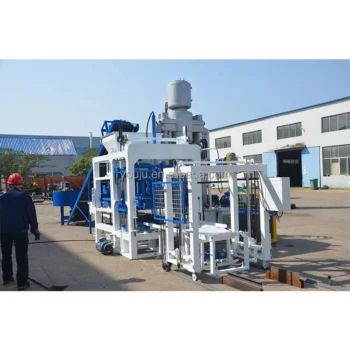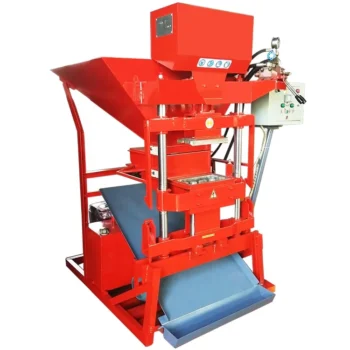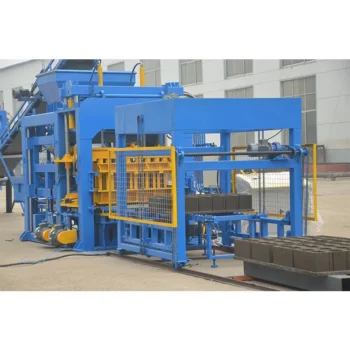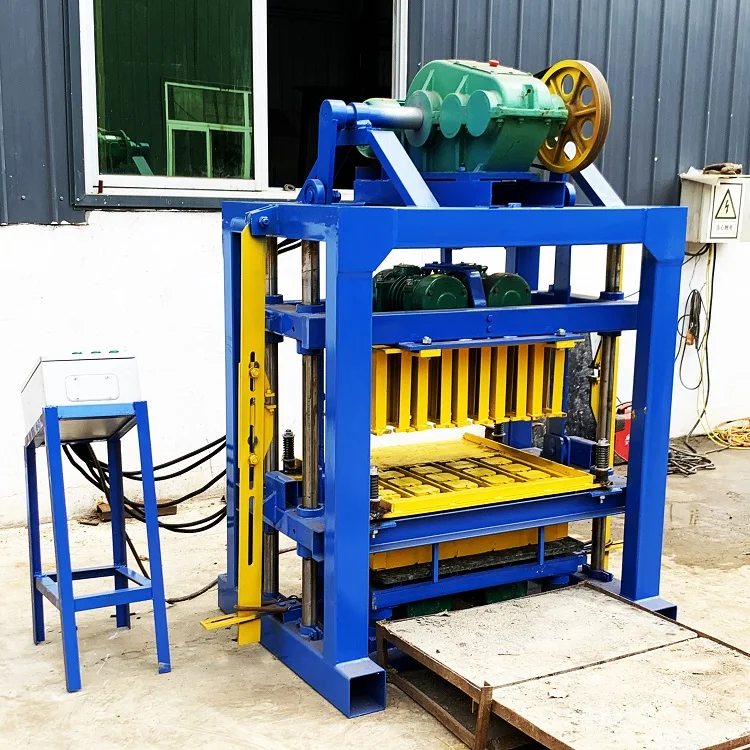
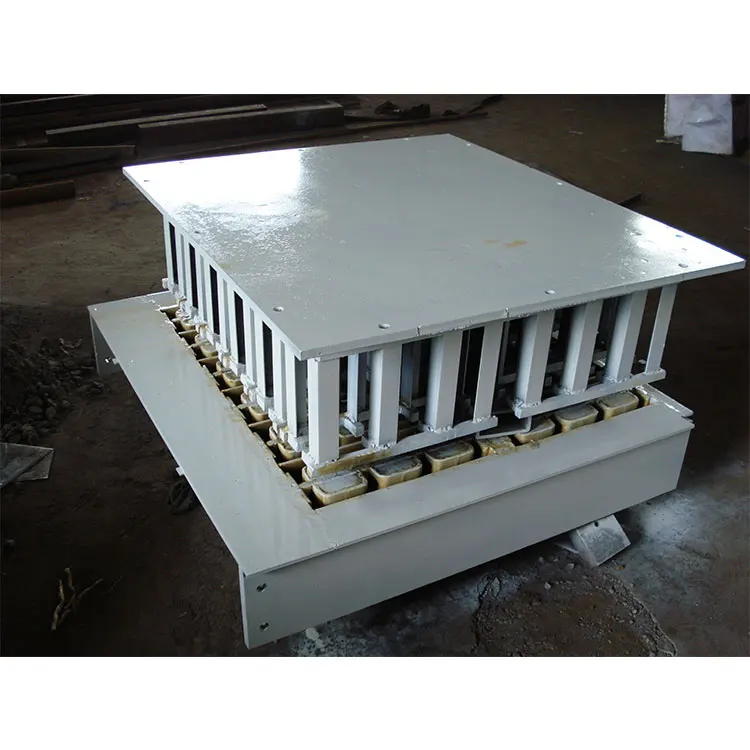
Description
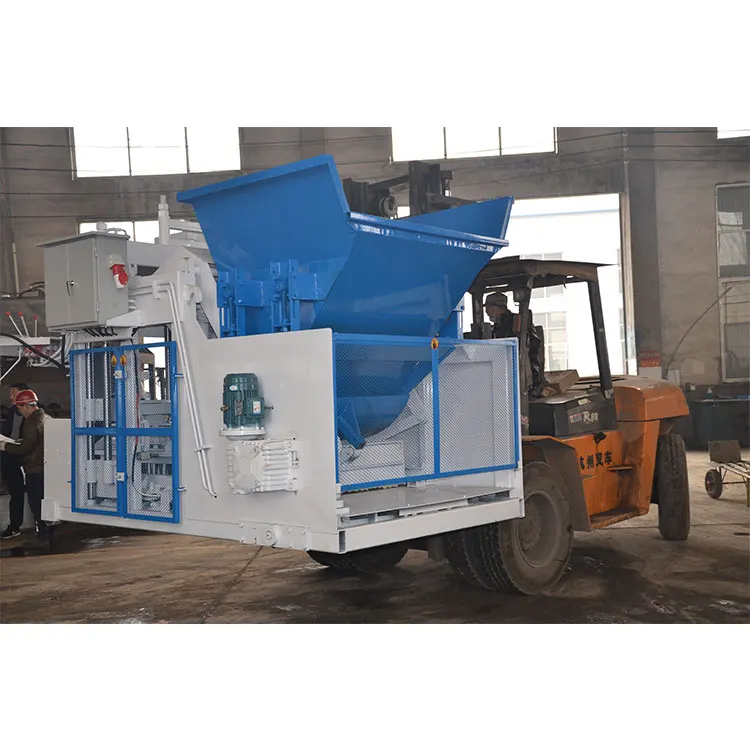
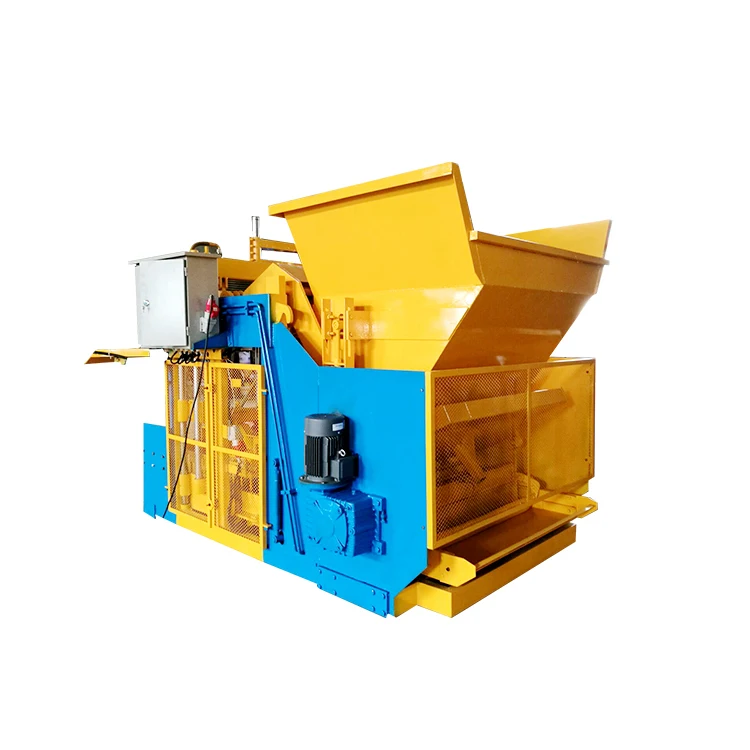
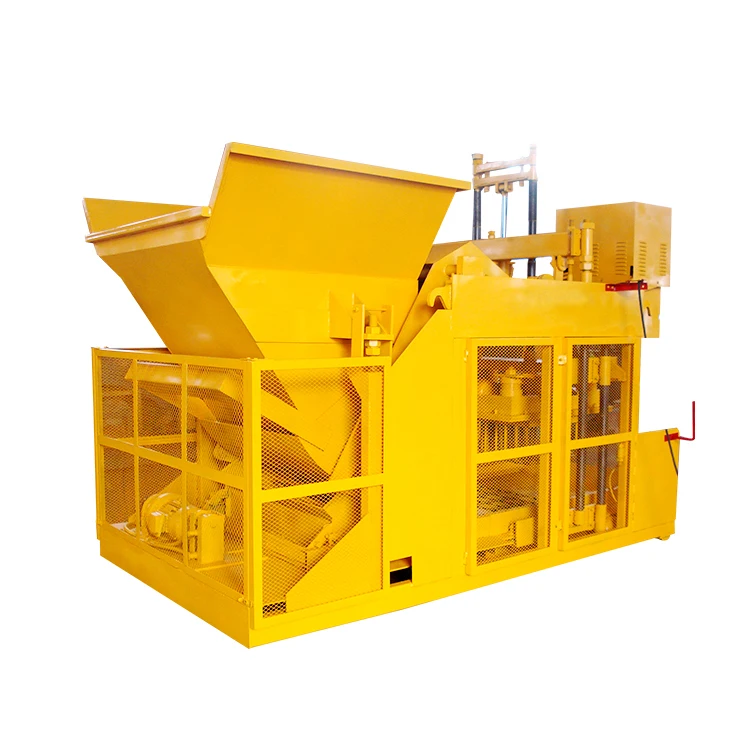
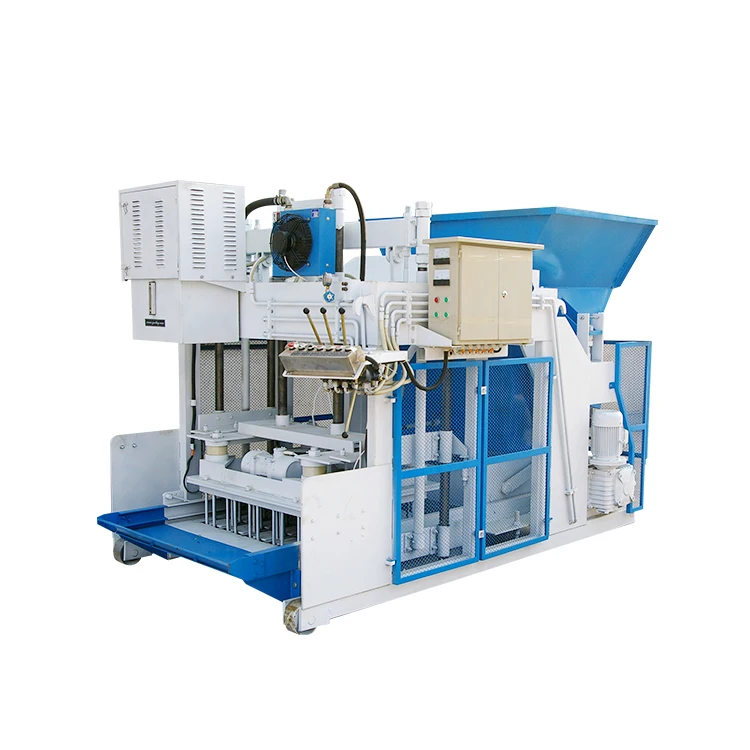
Stocked readiness verified — QMY12-15 mobile hollow block making machine held in inventory for dispatch within days, not weeks, so your site crew is not standing idle while a custom build runs its course.
Technical Specifications
| Parameter | Value |
|---|---|
| Model | QMY12-15 |
| Product Type | Mobile Hollow Block Making Machine |
| Molding Capacity | 12 pcs/mold |
| Molding Cycle | 10 s – 15 s (basis not stated in source — confirm block format, material and wall thickness) |
| Output Capacity | 13 000 pcs/day over 8 h (basis not stated in source — confirm block format, material and wall thickness) |
| Total Power | 16 kW |
| Vibration System | Dual vibration motors |
| Hydraulic System | Upper pressing and demoulding control |
| Drive System | Electric motor for forward / backward travel; hydraulic steering |
| Heat Dissipation | Hydraulic oil heat dissipator fitted |
| Basic Equipment | QMY12-15 host machine, JS7500 concrete mixer, dump truck |
| Optional Equipment | PL1200 batching machine, cement silo, screw conveyor, loader |
| Mould Format Examples | Hollow block, multi-hole block, solid block, curbstone, paver, interlocking block |
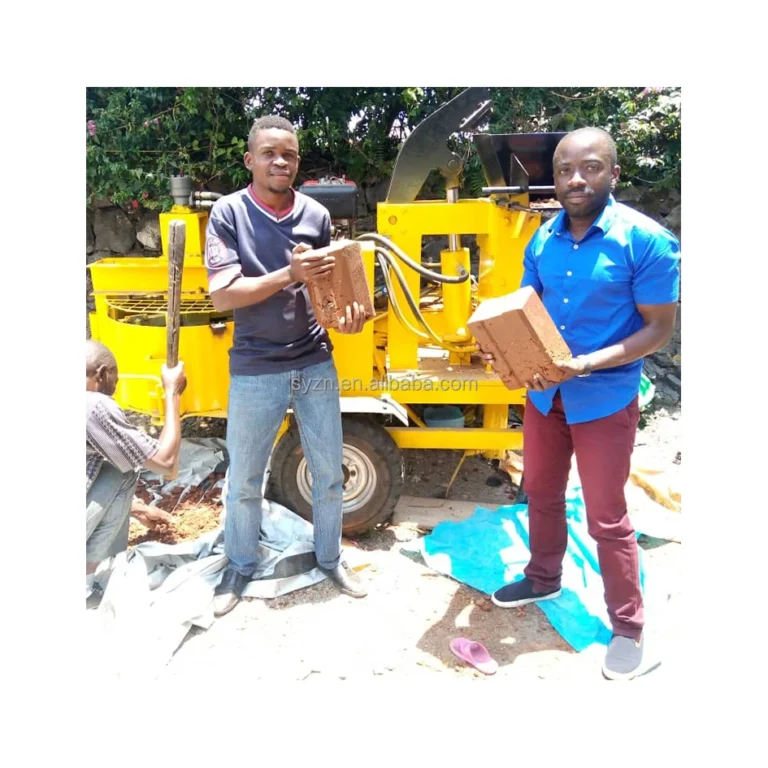
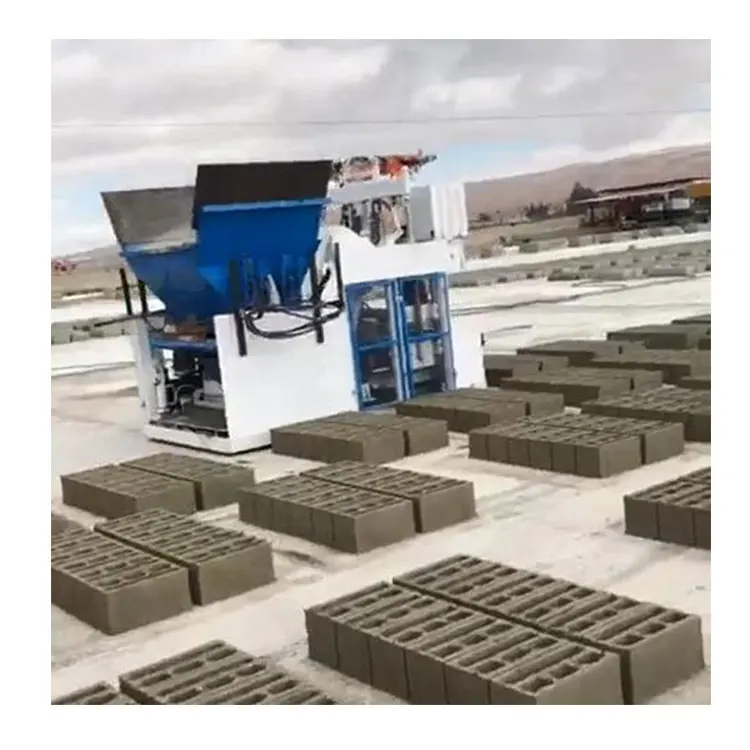
| Automation Level | Mobile / egg-laying — produces directly on ground |
| Pallet Requirement | None (ground-curing type) |
| Voltage & Frequency | To be confirmed per destination market |
| Control System | To be confirmed |
| CE Declaration | Available where applicable — verify model scope |
Application Suitability
| Application | Material or Output |
|---|---|
| On-site hollow block production for building contractors | Crushed stone, river sand and cement blends laid directly on compacted ground |
| Housing and development projects producing blocks locally | Multi-hole and solid blocks cast in place to eliminate haulage costs |
| First-stage block plant for entrepreneurs | Pavers, interlocking blocks and curbstones produced without fixed foundation |
| Remote infrastructure sites with limited logistics | Curbstone and solid block formats made beside the trench or roadbed |
What the Dispatch Clock Really Means for Your Project
A stocked mobile block making machine in stock fast delivery shortens the gap between purchase order and first block on the ground.
When a contractor has a pour schedule locked in, waiting sixty days for a production slot is not an option. I once watched a Colombian crew burn through rented mixer hours because their QMY12-15 class machine was still on the water while the foundation cure window closed [NEED_CITE: typical ocean freight transit windows to Latin American ports]. The difference between a project that hits milestones and one that bleeds overhead often comes down to whether the equipment was already built when the order was placed. A unit that sits in the yard, tested and crated, lets you align shipping with the exact week your slab is ready.
How Stocked Inventory Changes the Shipping Conversation
Most buyers ask "when can you ship?" and receive a production lead time instead of a dispatch date. With the QMY12-15 mobile block making machine in stock fast delivery, the answer is a calendar date tied to container availability at the nearest port. The machine is dismantled to fit a standard container, photographed at each stage, and the loading plan is shared before the doors close. That visibility matters when a site supervisor is counting backward from a handover deadline.
Matching the Machine to the Ground It Will Sit On
Egg-laying block machines skip the pallet circuit entirely, which removes a whole layer of handling equipment from your site layout. The trade-off is that the ground surface becomes your curing bed. I have seen contractors in humid coastal regions lose the first day’s output because the ground was still soft from overnight rain [NEED_CITE: ground bearing and moisture requirements for egg-laying block production]. Before dispatch, we walk through your site photos — slope, drainage, compaction — so the machine lands on a surface that will actually hold a freshly pressed block without settling.
Reading the Specs That Decide Block Quality
Dual vibration motors deliver uniform compaction across the 12-cavity mold, reducing density variation between the outer and inner blocks. The hydraulic upper press shortens the demould stroke, which directly influences cycle time and therefore daily output. Because the hydraulic circuit also handles steering, oil temperature rises during continuous travel-and-press cycles; the fitted heat dissipator keeps fluid viscosity within the range the seals are rated for. Total installed power is 16 kW, meaning a standard 400 V three-phase supply with a dedicated breaker is sufficient — but voltage and frequency must be locked in before the motor windings are inspected at the factory [NEED_CITE: voltage and frequency standards by export market].
The Cost of Overlooking Configuration Before Dispatch
Skipping the voltage confirmation step can leave you with a motor that runs hot on a 60 Hz grid it was never wound for, and rewinding on site is neither cheap nor fast. Ordering without stating the block format means the quoted daily output may reference a solid block cycle that your hollow block will never reach. I have watched a buyer in West Africa receive a machine whose hydraulic hoses were routed for a left-hand operator layout while their crew worked right-hand, costing a full week of re-routing before the first saleable block was made [NEED_CITE: operator-side layout conventions in different regions]. These are not engineering failures — they are communication failures that a stocked machine dispatch process is designed to prevent.
Why Sourcing This Machine Here Makes Sense
Block machinery is our single focus, so the QMY12-15 host, JS7500 mixer and optional batching equipment leave the yard as one matched set rather than separate purchases that arrive out of sync. Configuration is checked against your actual aggregate and target block format, not a catalogue default. Moulds for the formats your market sells — hollow, multi-hole, solid, paver, interlocking, curbstone — are designed and manufactured in the same facility, keeping lead times inside the dispatch window. Documentation travels with the machine: factory test record, packing photographs, hydraulic and electrical schematics. Installation support and operator training follow arrival, so the first week of production is supervised, not improvised.
Documentation & Verification
- Factory test record run on your specified block format before crating
- Packing photographs showing dismantling sequence and container load plan
- Hydraulic and electrical schematic matching the shipped serial number
- Voltage, frequency and control language confirmation sheet signed off pre-dispatch
- CE declaration provided where applicable to the QMY12-15 model scope
Installation, Commissioning & Support
- Ground-bearing check and compaction guidance for egg-laying operation on your site soil
- Dedicated 16 kW three-phase circuit specification provided before electrical rough-in
- Dismantling and reassembly instructions included; hydraulic lines labeled at factory
- First-day supervised production run with cycle time logged per block format
- Operator training covers mold change procedure and hydraulic oil temperature monitoring
- Wear parts list with part numbers for vibration motor mounts and hydraulic seals
What We Need From You to Confirm Dispatch
Send the block format and wall thickness you intend to produce, along with a recent sieve analysis of your local aggregate. State the site voltage, frequency and the language your operators read on a control screen. Share a site plan showing the area available for ground curing so we can confirm whether the QMY12-15 travel path fits without relocation during the shift. Once those points are locked, the dispatch date and container loading plan move from estimate to written commitment.
Frequently Asked Questions
Q: Which models and moulds are currently in stock and ready for immediate dispatch?
A: The QMY12-15 mobile hollow block making machine is held in stock along with standard moulds for hollow, solid, multi-hole, paver, interlocking and curbstone formats. Custom mould drawings can be added to the same shipment; confirm format dimensions so we reserve matching cavities before crating.
Q: How long is the dispatch lead time and what is the estimated arrival date at my port?
A: Dispatch lead time for a stocked QMY12-15 is measured in days for crating and container loading, not production weeks. Estimated arrival depends on your destination port and current sailing schedules; we provide a written transit estimate once the booking reference is issued.
Q: How is the machine dismantled and loaded into the container for shipment?
A: The QMY12-15 is partially dismantled — vibration assembly, hydraulic unit and drive frame separated — to fit a standard dry container. Each stage is photographed, and the loading plan is shared with the buyer before the container doors are sealed.
Q: What block format does the published daily capacity figure assume?
A: The published output figure is a general reference and does not state the block format, material or wall thickness it assumes. Before committing, ask us to recalculate daily capacity against your specific hollow block or paver dimensions and local aggregate blend.
Q: Can I add extra moulds and support equipment to the same shipment?
A: Yes. Optional items such as the PL1200 batching machine, cement silo, screw conveyor and additional moulds can share the same container or a second container booked on the same vessel, keeping arrival and customs clearance consolidated.