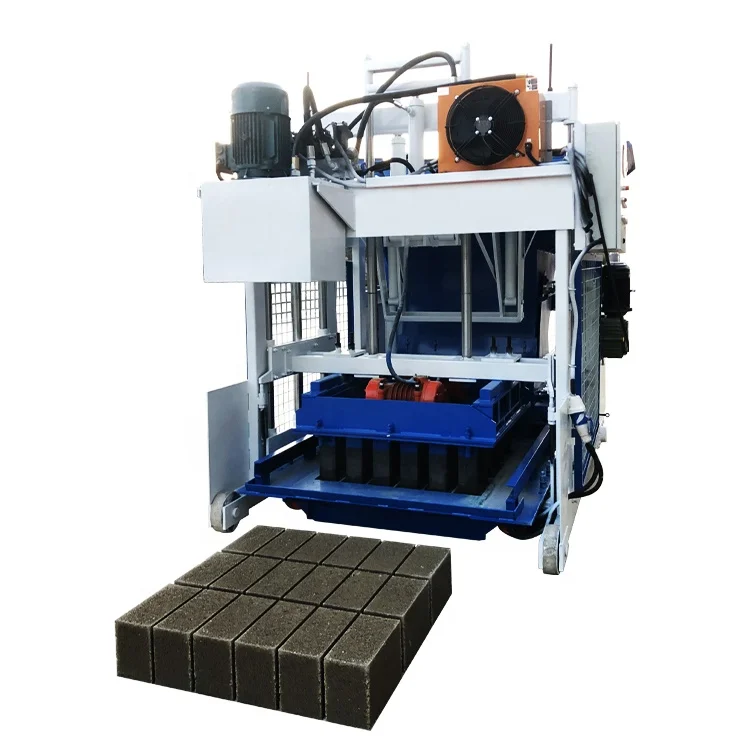
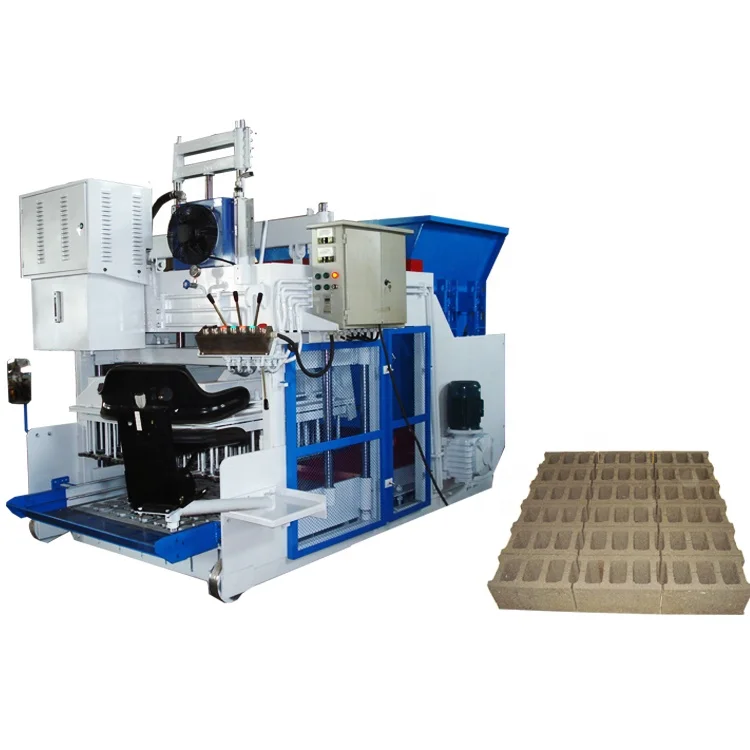
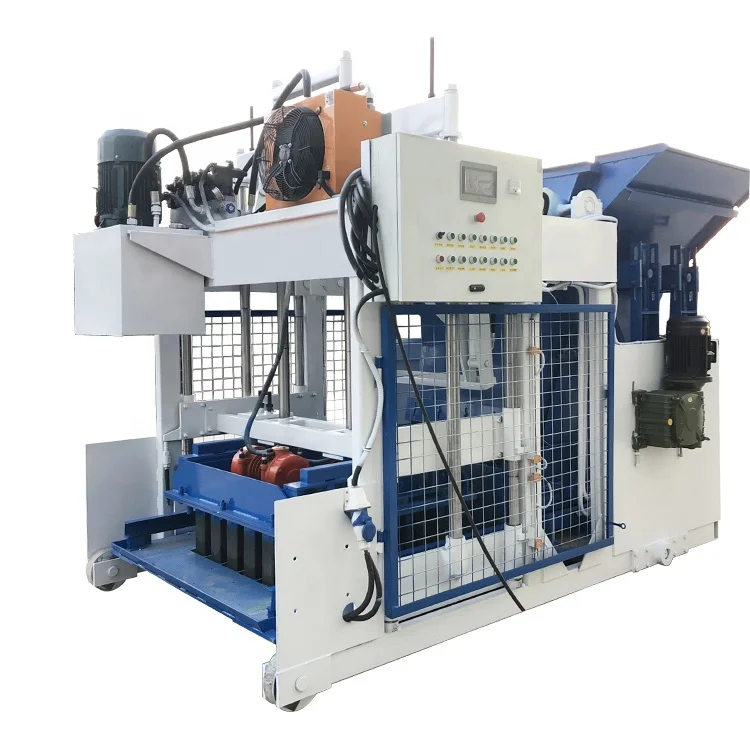
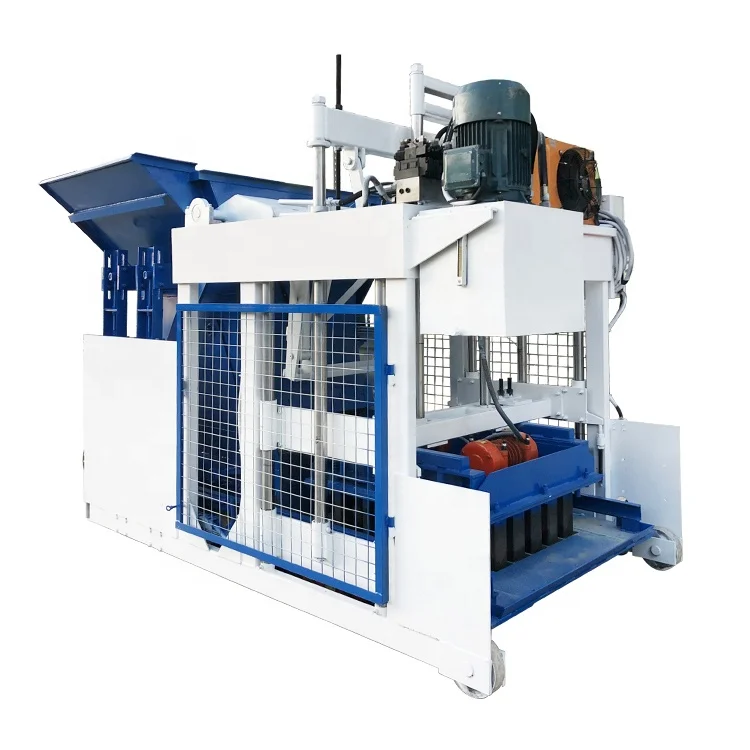
Description
Matched Configuration — Every QMY18-15 dispatch includes voltage confirmation and container loading plan before the crate leaves our yard.
Technical Specifications
| Parameter | Value |
|---|---|
| Model | QMY18-15 |
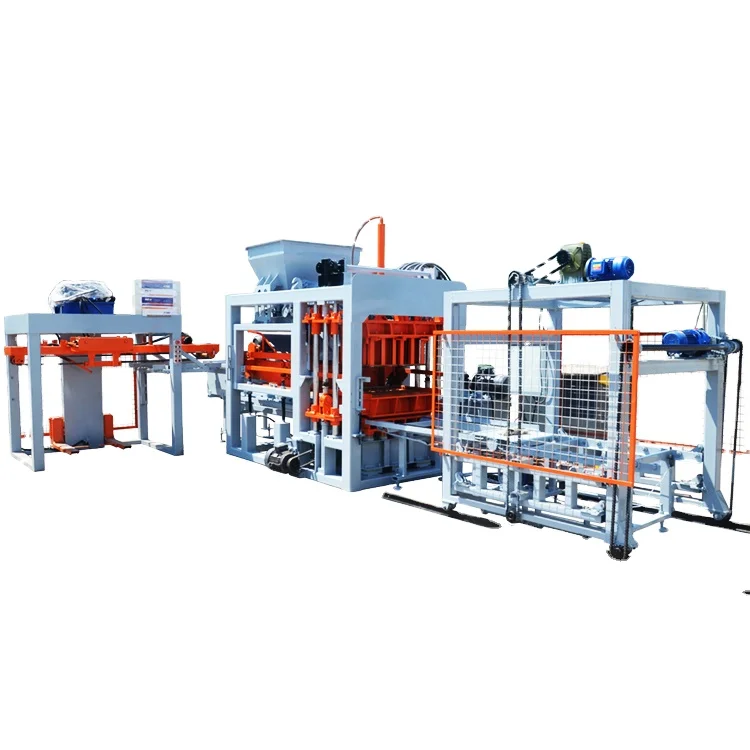
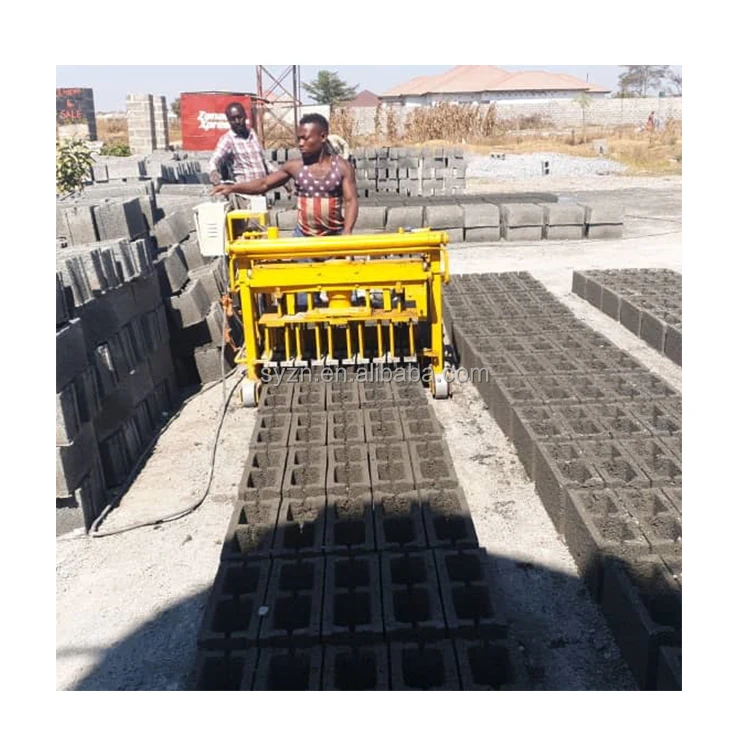
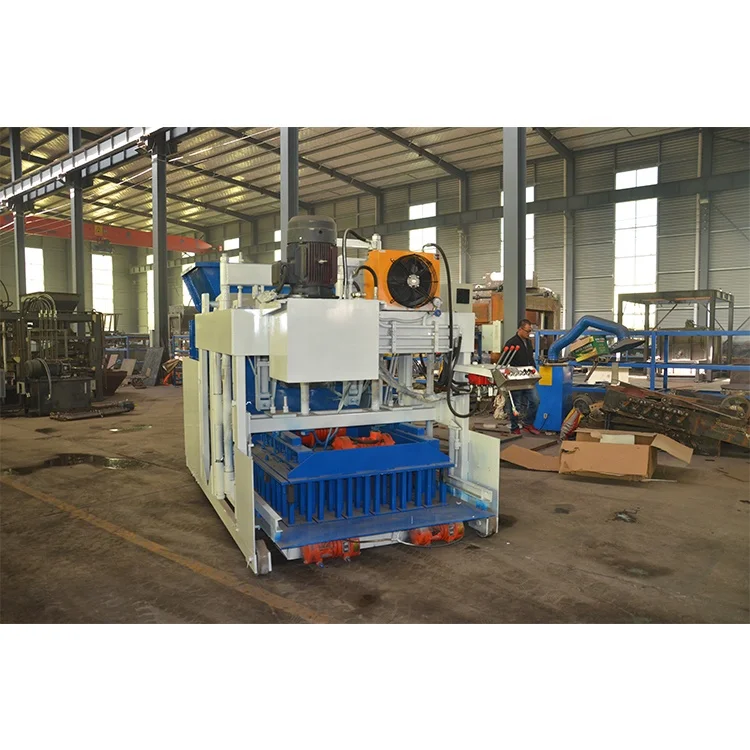
| Product Type | Mobile Egg Laying Block Making Machine |
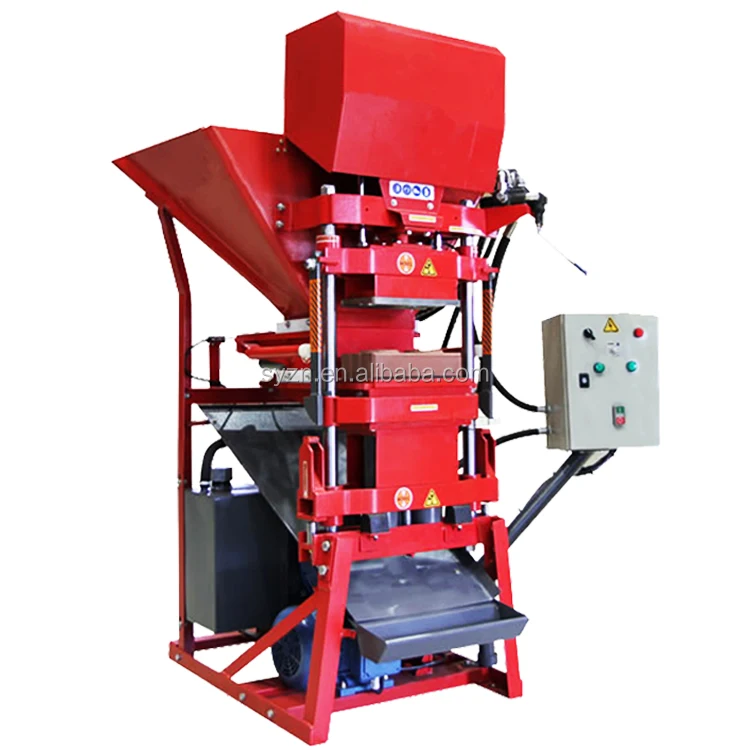
| Working Method | Hydraulic pressure station |
| Control System | PLC-assisted semi-automatic |
| Rated Power | 24 kW |
| Voltage & Frequency | Configurable to destination grid (confirm with buyer before dispatch) |
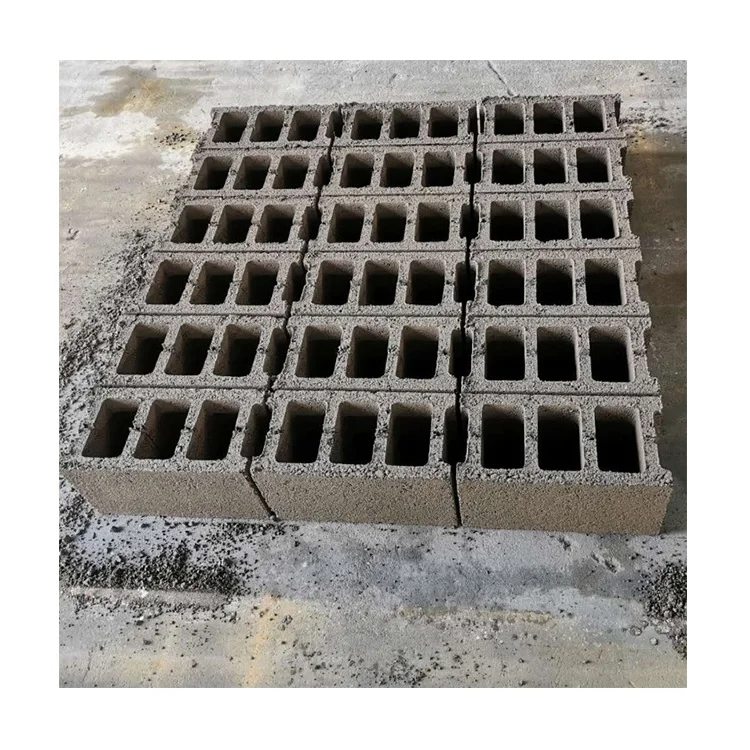
| Output Capacity | Approx. 3,400 pcs/shift based on 400×200×200 mm hollow block; smaller formats yield higher counts |
| Block Types | Customizable mould selection per buyer requirement |
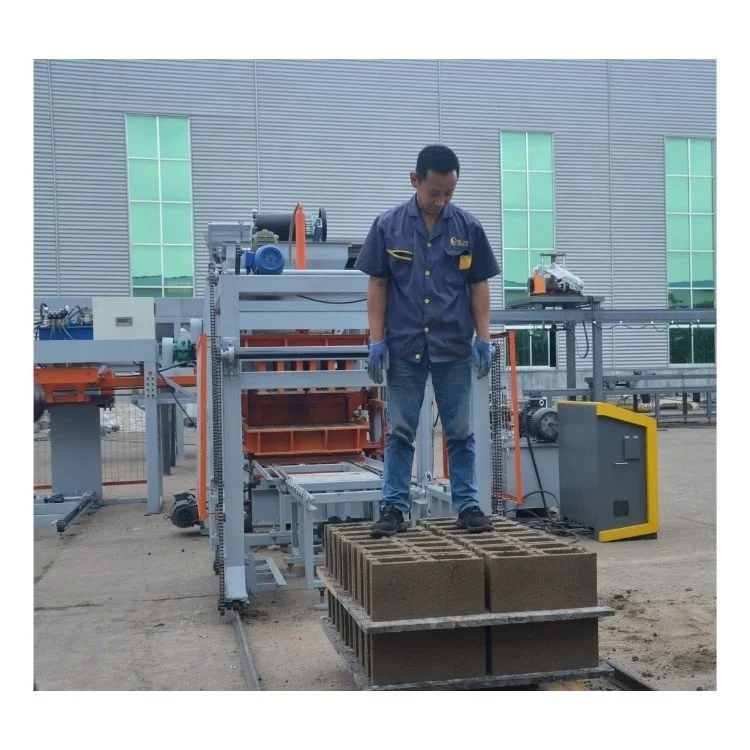
| Pallet Requirement | None — blocks laid directly on prepared ground |
| Mobility | Wheel-mounted egg-laying chassis |
| Standards | CE / ISO availability to be confirmed at order |
Application Suitability
| Application | Material or Output |
|---|---|
| Remote housing project sites | Hollow blocks, solid blocks from crushed stone, sand and cement |
| Entrepreneur-led first block plant | Low-infrastructure start-up with no fixed curing facility |
| Contractor on-site production | Kerbstones, interlocking pavers where local aggregate is available |
| Development project with tight schedule | Daily output to match masonry crew consumption without pallet logistics |
Why the Dispatch Date Matters More Than the Cycle Time
A mobile machine sitting in a warehouse does not lay a single block on your site.
Project timelines rarely wait for production queues. When contractors search for a QMY18-15 mobile block machine in stock, the real question is whether that stock can be loaded, shipped and cleared before the masonry crew arrives. I once watched a Middle East housing project stall for a full week because a machine arrived but the site road had not been compacted — the wheels sank into soft clay and the unit could not be positioned. Since then, every dispatch I handle starts with ground-condition confirmation and a locked container booking [NEED_CITE: container booking lead times during peak shipping season]. The cycle time printed on the brochure only counts once the machine is level, powered and running.
Stock Status and Realistic Dispatch Windows
Buyers working backward from a foundation-pour date need a dispatch answer in days, not weeks. When the QMY18-15 mobile block machine in stock is confirmed available, we quote the loading date, the container type and the port of departure in the same message. No secondary email chain, no revised timeline after payment. If the unit is built to order instead, the production slot and factory test date are stated up front so the shipping agent can align the booking.
Container Loading Without Surprises
The egg-laying chassis folds or dismantles to fit a standard 20 ft container, but the exact loading method depends on the mould count and any spare hydraulic hoses or PLC modules added to the shipment. We send packing photographs showing the lashing points and block bracing before the container doors close. That step alone has prevented three customs holds I can recall [NEED_CITE: customs inspection rates for unsecured machinery cargo]. A clear loading plan keeps the QMY18-15 mobile block machine in stock moving toward your port instead of sitting in a yard for re-inspection.
How Hydraulic Pressure and PLC Control Shape the First Week on Site
The 24 kW hydraulic station delivers the compression force needed for consistent block density on a prepared ground surface, independent of any fixed plant infrastructure. PLC-assisted semi-automatic control reduces the operator count to a small crew while keeping cycle timing repeatable across shifts. Because voltage and frequency are configured before dispatch, the motor and control panel match the destination grid on first connection — no step-down transformer hunting on day one. The trade-off is that buyers who skip voltage confirmation risk frying the PLC board or running the motor at reduced torque, which shows up as weak blocks and blamed-on-the-machine complaints.
What Happens When Site Prep Is Skipped
The egg-laying design removes pallet logistics, but it replaces them with a ground-prep responsibility. Soft or uneven ground causes the wheels to sink, misaligns the mould box and produces blocks with chipped corners that the masonry crew rejects. I have seen contractors lose two days scraping and re-levelling a stretch they assumed was "flat enough" [NEED_CITE: ground bearing requirements for mobile block machines]. A compacted gravel strip or a thin concrete screed costs a fraction of the lost production time.
Why Buyers Choose This Dispatch Route
Block machinery is our single focus, so the QMY18-15 ships as a matched set — machine, mould, hydraulic spares — rather than assembled from separate suppliers after arrival. Configuration is set against the buyer’s local aggregate and target block format, not a catalogue default. Voltage and PLC language are confirmed before the crate is sealed, eliminating the most common commissioning delay. Container loading plans and packing photographs are shared before departure, so the buyer’s clearing agent already has the paperwork. Installation support follows arrival, with operator training covering the PLC interface and hydraulic pressure adjustments.
Documentation & Verification
- Machine specification sheet listing configured voltage and frequency for your grid
- Mould drawing and format list matching the block sizes your market sells
- Factory test record run on your specified mould before container loading
- Packing photographs showing lashing and bracing before doors close
- Customs documentation pack supporting port clearance at destination
Installation, Commissioning & Support
- Ground bearing check: confirm compacted gravel or screed before wheel deployment
- 24 kW power drop: dedicated circuit with correct breaker rating for configured voltage
- Hydraulic station bleed and pressure setting on first start-up with trainer present
- PLC language and parameter review with operators before first production shift
- Mould change drill practiced on site to confirm format flexibility within one shift
- Spare hydraulic seals and wear parts list matched to local supplier availability
Before You Request a Quote
Share the block format your market actually sells, the daily volume your masonry crews consume and the destination port. Confirm your local voltage, frequency and the language your operators read on a PLC screen. If the site ground is not yet prepared, tell us the soil condition so we can advise on the prep strip before the QMY18-15 mobile block machine in stock is loaded.
Frequently Asked Questions
Q: Is the QMY18-15 currently in stock or built to order?
A: Stock status changes with each shipment cycle. We confirm availability, dispatch lead time and container booking slot in the same reply so you can align the machine arrival with your project start date without guessing.
Q: How is the machine loaded, and what is the sea freight arrival estimate?
A: The chassis dismantles or folds into a 20 ft container. We quote loading method, sailing schedule and estimated arrival together, then send packing photographs before the doors seal.
Q: Will the voltage match my country’s grid?
A: Voltage and frequency are configured before dispatch. We ask for your local industrial standard at inquiry stage so the motor, PLC and hydraulic pump all run on first connection without additional transformers.
Q: What customs documents come with the shipment?
A: A full customs documentation pack — commercial invoice, packing list, bill of lading and certificate of origin where applicable — is provided to support smooth port clearance at your destination.
Q: Can I add extra moulds and wear parts in the same container?
A: Yes. Additional moulds, hydraulic seals and PLC modules are loaded in the same container to avoid a second freight cycle and keep your spare inventory ready from day one.