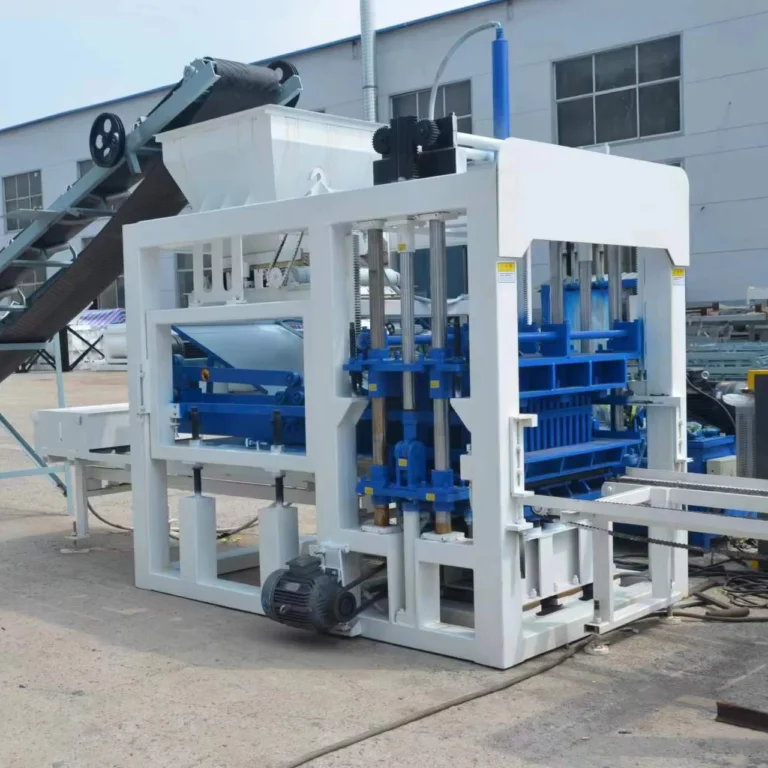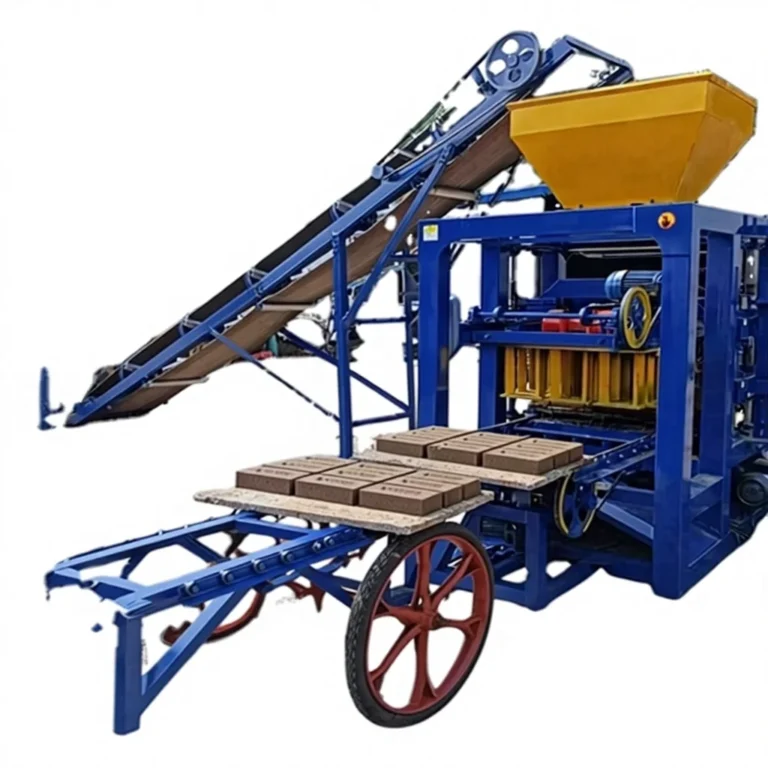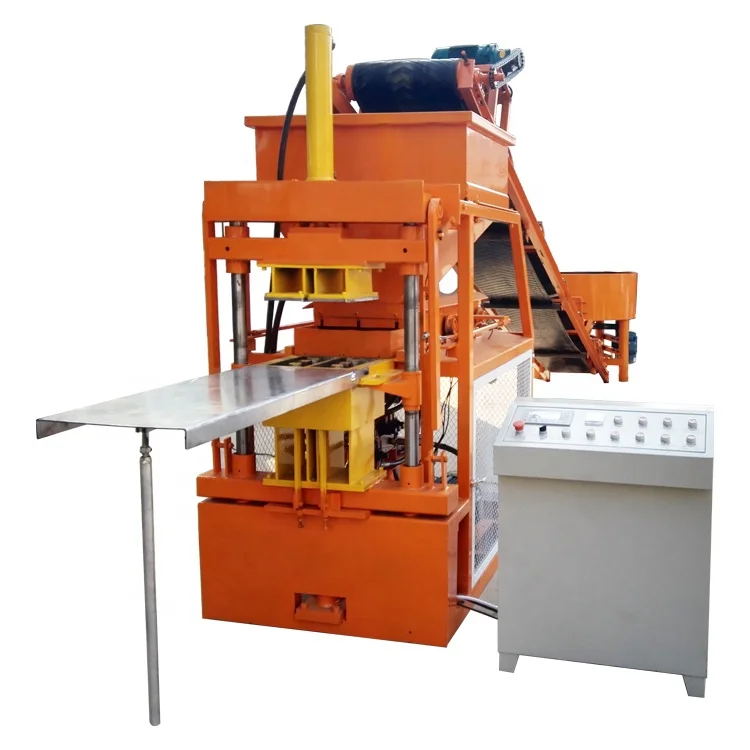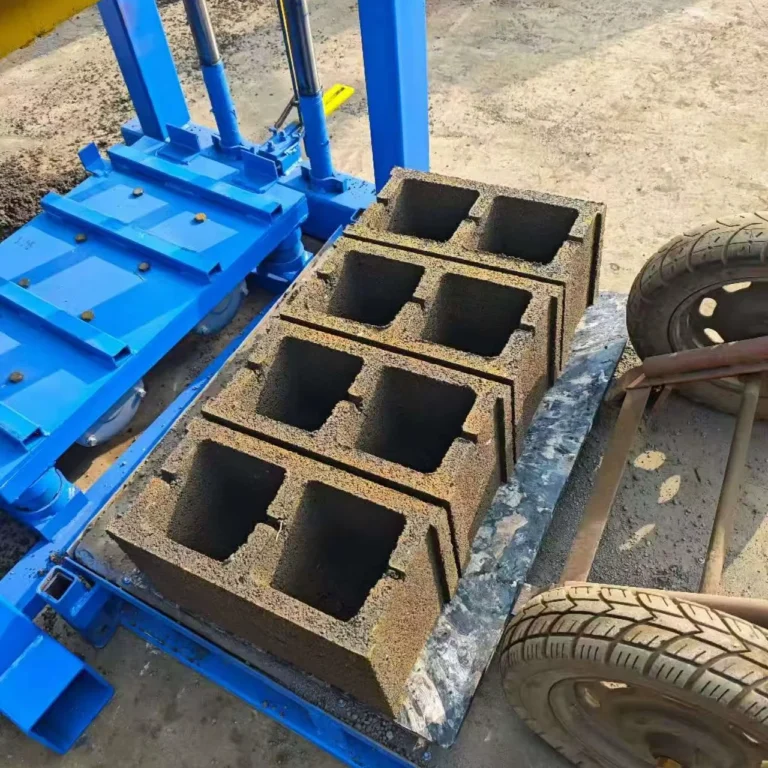
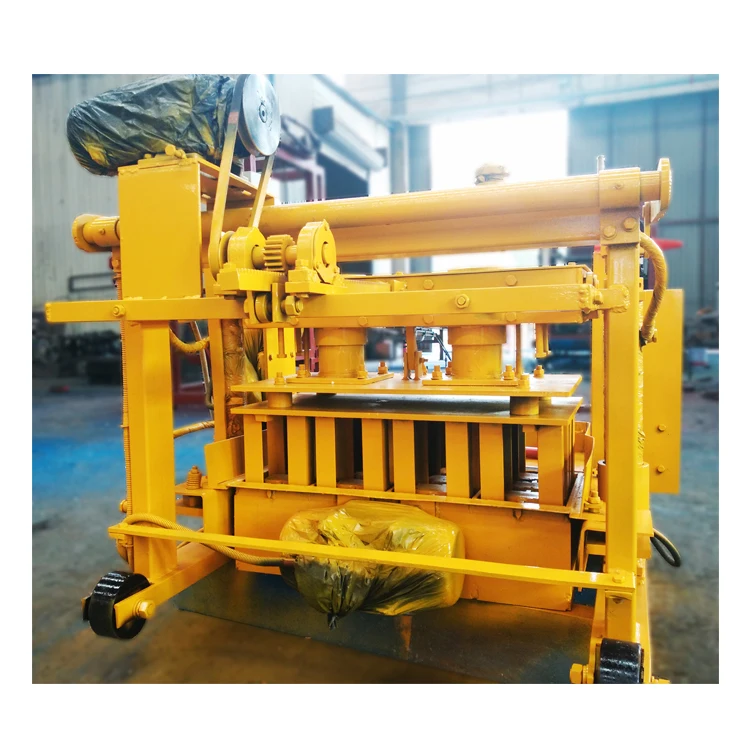
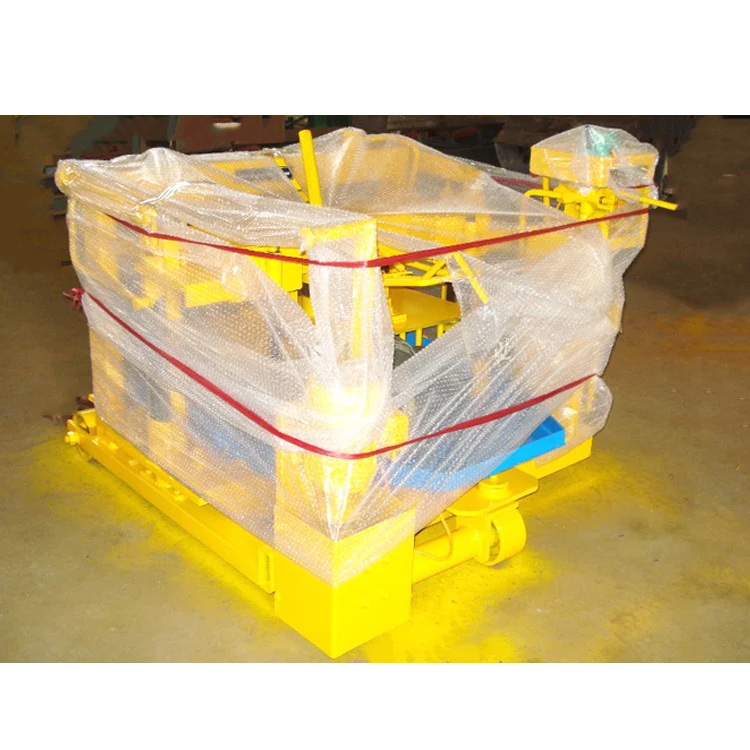
Description
Dispatch-Ready Inventory — The QMY4-30 mobile block machine is held in stock configuration and prepared for container loading, cutting the gap between deposit and port arrival down to a matter of weeks rather than months.
Technical Specifications
| Parameter | Value |
|---|---|
| Model | QMY4-30 |
| Product Type | Mobile Cement Block Making Machine |
| Dimension of Host Machine | 1300 × 1500 × 1000 mm |
| Total Mass | 950–1000 kg |
| Rated Pressure | 6–8 MPa |
| Vibration Form | Moulding Vibration |
| Vibration Frequency | 4500 r/min |
| Vibration Force | 28.6 kN |
| Molding Cycle | 15–25 s (basis not stated in source — confirm block format) |
| Molding Area | 400 × 800 mm |
| Demolding Method | Hydraulic |
| Overall Power | 5.95 kW |
| Host Machine Power | 5.95 kW |
| Mixer Model | JQ350 |
| General Water Consumption | 4 T/day |
| Pallet System | No pallets required (egg-laying type) |
| Recommended Factory Area | 500 m² |
| Standards | ISO 9001, CE, SGS |
| Warranty | 1 Year |
Application Suitability
| Application | Material or Output |
|---|---|
| On-site hollow block production for housing projects | Crushed stone, sand, cement, fly ash |
| Solid block manufacturing at remote construction sites | Gravel, dust, cement blends |
| Paver and interlocking brick runs for landscaping | Sand, fine aggregate, cement |
| Small-scale block plant start-ups | Slag, crushed stone, cement |
| Road and square construction supply | Coarse aggregate, cement, sand |
Why the Voltage Check Must Happen Before Loading
A mobile block machine in stock ships fast, but only if the motor matches the site supply.
I have watched containers arrive at African job sites where the local grid runs 415 V / 50 Hz while the motor was wound for 380 V. The machine sat idle while a replacement motor was flown in, and the contractor lost nearly an entire pouring season. That is the kind of delay no dispatch schedule can recover. Confirming voltage, frequency, and plug configuration against the destination standard before the crate closes is the single most effective way to protect your timeline [NEED_CITE: voltage and frequency standards by export market]. A stocked unit only delivers speed when the electrical spec is right.
From Warehouse Floor to Project Site
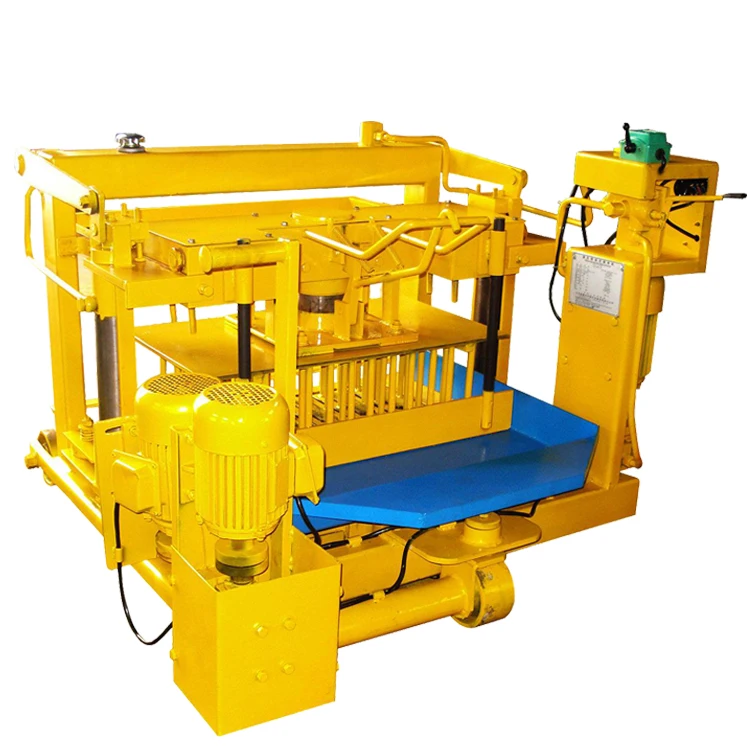
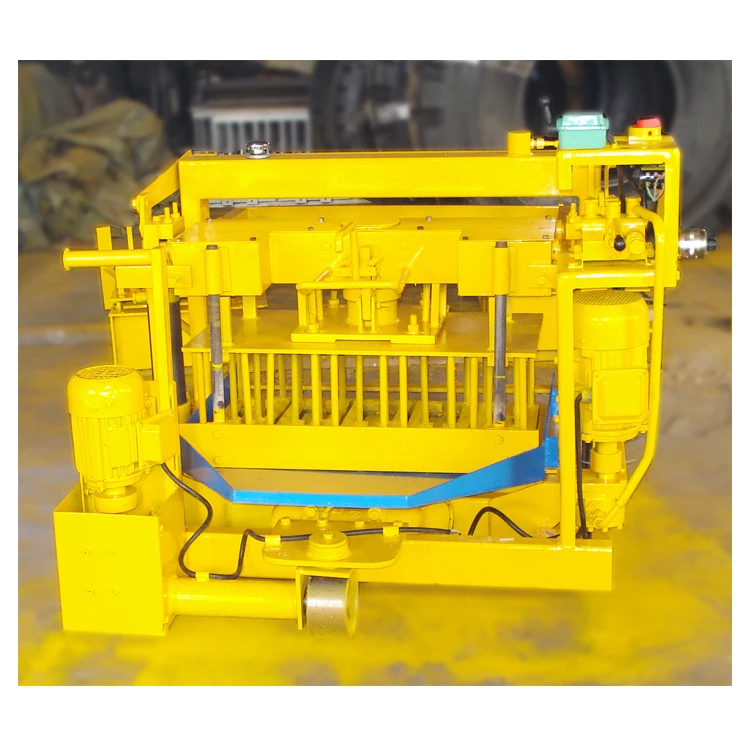
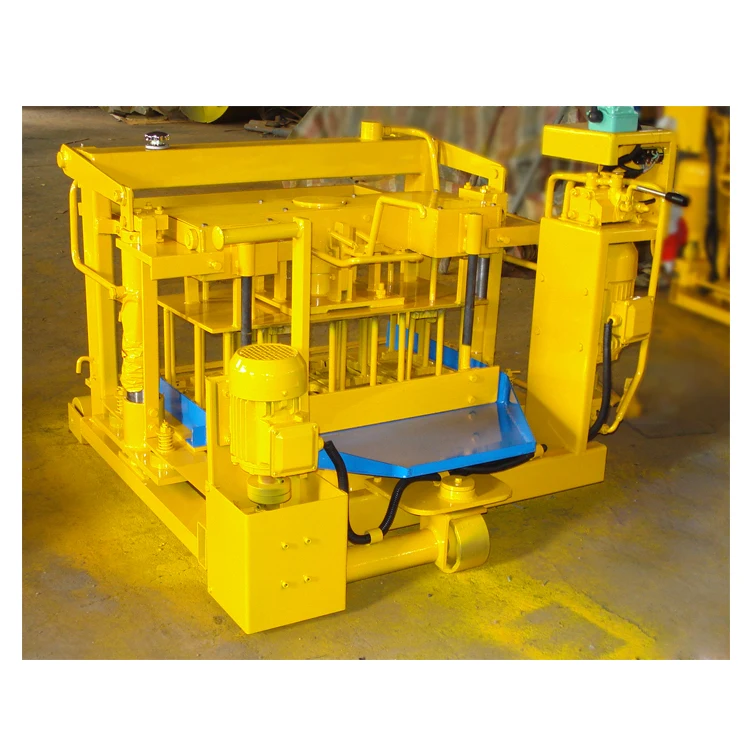
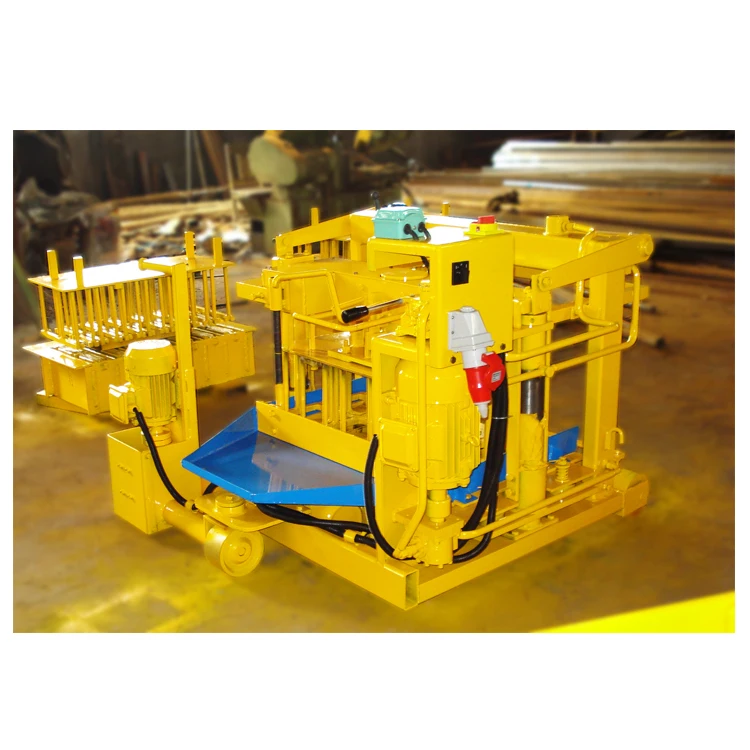
The QMY4-30 is one of the mobile block machine in stock models we keep configured for rapid dispatch. Because it is an egg-laying design, there are no pallets to source, ship, or store — the machine lays blocks directly onto the ground and moves forward. That absence alone removes a major procurement step and lets production begin the day the unit is unloaded and connected to power.
What Twenty Days Actually Means
Once deposit clears and electrical specs are confirmed, typical dispatch for the QMY4-30 falls within a multi-week window. The host machine weighs under one tonne and measures compactly enough to share a container with a mixer, spare moulds, and wear parts. Container loading plans are prepared with dismantling points marked so your crew can reassemble on site without specialist tools [NEED_CITE: container loading best practices for light construction machinery]. Arrival estimates are quoted against current sailing schedules to your destination port before the order is finalized.
Pressure, Vibration, and the Blocks You Actually Produce
Hydraulic demolding at 6–8 MPa paired with a vibration force of 28.6 kN at 4500 r/min is what gives the QMY4-30 its block density. Higher vibration frequency compacts the mix more uniformly, while the hydraulic system ensures clean mould release without corner damage. The molding area of 400 × 800 mm determines how many blocks form per cycle, and the 15–25 second cycle window depends on the block format, wall thickness, and aggregate gradation you run. The 5.95 kW total power draw means the machine can operate from a standard site generator without requiring a dedicated high-capacity supply.
The Cost of Skipping Pre-Shipment Verification
When voltage is wrong, the motor burns out or simply refuses to start — neither outcome is covered under standard warranty for electrical misapplication. When pallet requirements are assumed rather than confirmed, buyers discover on arrival that their curing area cannot accommodate the pallet size specified. With the QMY4-30 egg-laying design, that particular risk is eliminated, but mixer power, water supply, and control language still need advance confirmation to avoid idle days on site [NEED_CITE: common causes of commissioning delays in exported block machinery]. Every skipped check translates directly into lost production days on a project that is already behind schedule.
Why Buyers Source This Model Here
Block machinery is our single product focus, so the QMY4-30 is specified as a matched system with its JQ350 mixer and mould set rather than assembled from separate suppliers. We configure electrical and control parameters against your actual site conditions, not a catalogue default. Stock models are tested before crating, and factory test records are shared with the buyer. Moulds for the formats your market sells — hollow, solid, paver, interlocking — are included or custom-designed to your drawings. Documentation travels with the shipment so customs clearance does not become a second bottleneck.
Documentation & Verification
- Factory test record confirming motor rotation and hydraulic pressure before crating
- Machine specification sheet with confirmed voltage, frequency, and control language
- Mould drawing and format list matching your ordered block types
- Hydraulic and electrical schematic for on-site troubleshooting
- Packing photographs documenting crate condition at point of dispatch
- CE declaration and ISO 9001 compliance documentation for import clearance
Installation, Commissioning & Support
- Compact 1300 × 1500 × 1000 mm host dimension allows positioning on uneven site ground
- 5.95 kW total power requires only a standard site generator circuit
- Egg-laying design eliminates pallet logistics — blocks cure on the production surface
- JQ350 mixer setup and water-to-cement ratio guidance provided at commissioning
- Operator training covers mould change procedure and daily maintenance checkpoints
- Wear parts list and recommended spare mould inventory supplied with shipment
Before You Request a Quote
To move quickly, send your destination port, the block formats your market demands, and the local voltage and frequency standard. If you have an existing mixer or generator on site, share those specifications so we can confirm compatibility. The more detail provided up front, the sooner a dispatch date can be locked in.
Frequently Asked Questions
Q: Is the QMY4-30 currently in stock, and what is the realistic dispatch lead time after deposit?
A: The QMY4-30 is maintained in stock configuration for fast dispatch. After deposit confirmation and electrical specification verification, the typical shipping window is within a multi-week period. Exact timing depends on current warehouse inventory and your order sequence. We confirm a firm dispatch date before you commit.
Q: How is the machine packed for container shipment, and what dismantling is involved?
A: The host machine, weighing under one tonne, is partially dismantled at designated points to fit efficiently into a standard container alongside the JQ350 mixer and spare moulds. Reassembly on site requires basic hand tools and follows the included hydraulic and electrical schematic. Packing photographs are provided before the container is sealed.
Q: Can voltage and frequency be confirmed or adjusted before dispatch to match my site power supply?
A: Yes. Voltage, frequency, and control language are confirmed against your site electrical standard before the machine is crated. This step is mandatory in our dispatch process to prevent commissioning delays. If your site runs on a generator, share its rated output so we can verify motor compatibility.
Q: What arrival estimate can be quoted for my destination port based on current shipping schedules?
A: Arrival estimates are calculated from current sailing schedules to your specific port once dispatch is confirmed. We provide this estimate upfront so you can plan site preparation and crane or forklift availability accordingly. Transit times vary by destination and shipping line availability.
Q: What is the warranty coverage period, and are wear parts shipped together with the machine?
A: The QMY4-30 carries a one-year warranty. A wear parts list is included with every shipment, and recommended spares can be packed into the same container. Mould availability for future replacement is confirmed at order stage so you are never waiting for a format your market needs.