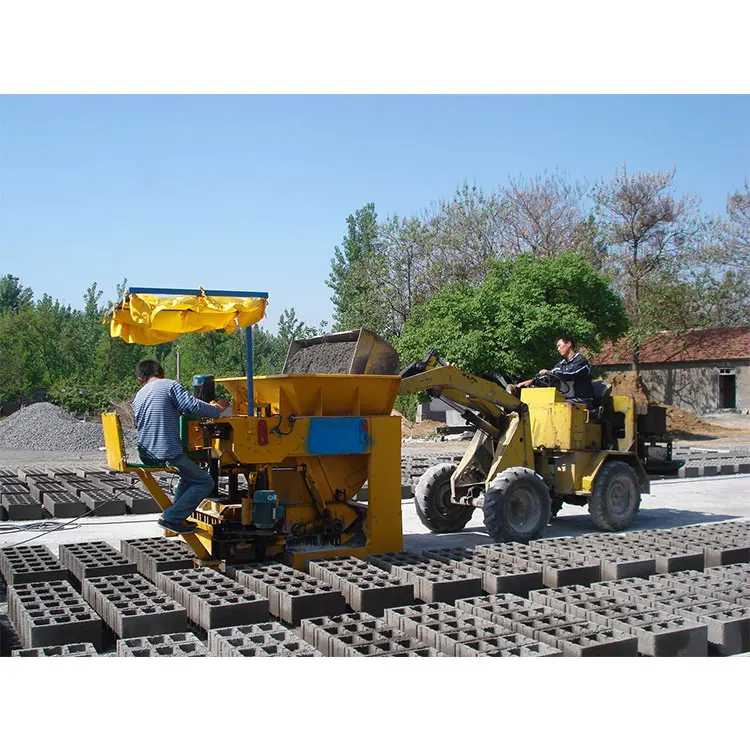
Description
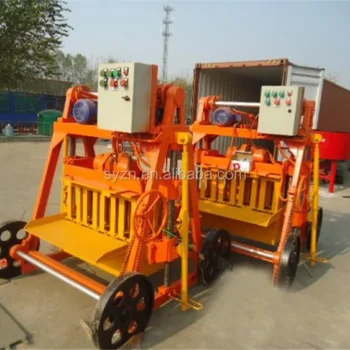
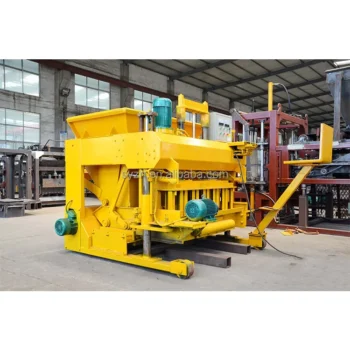
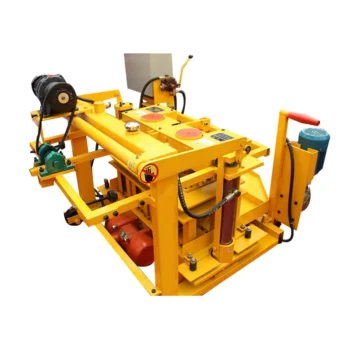
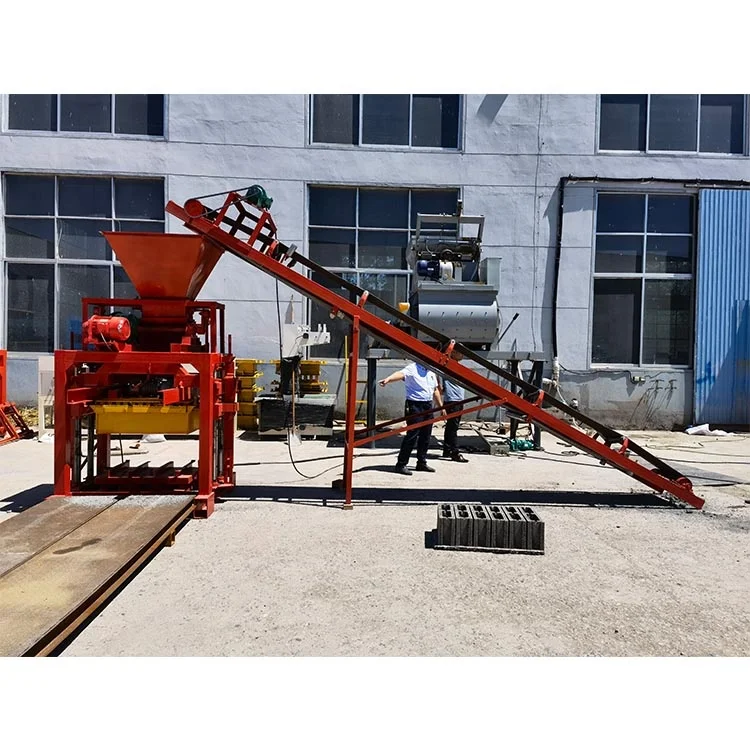
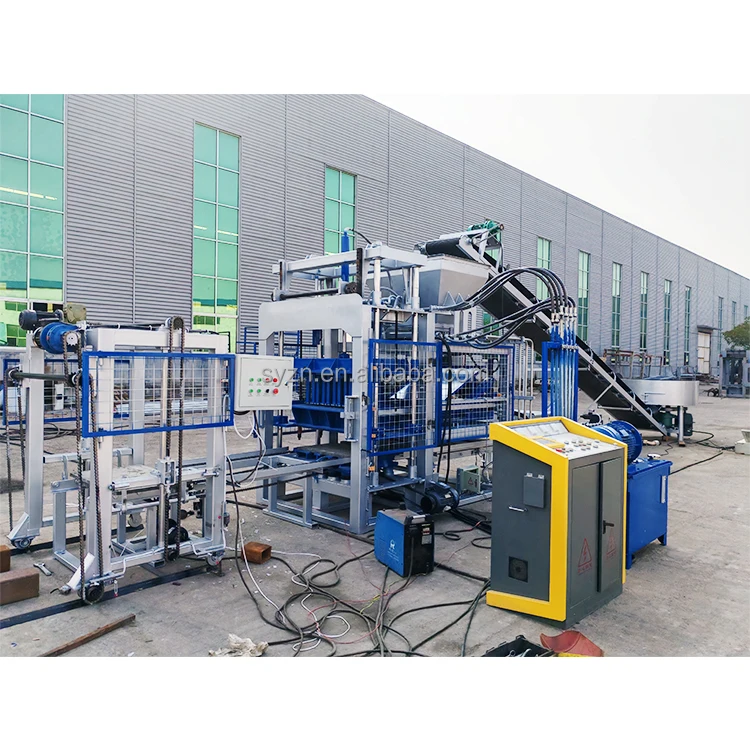
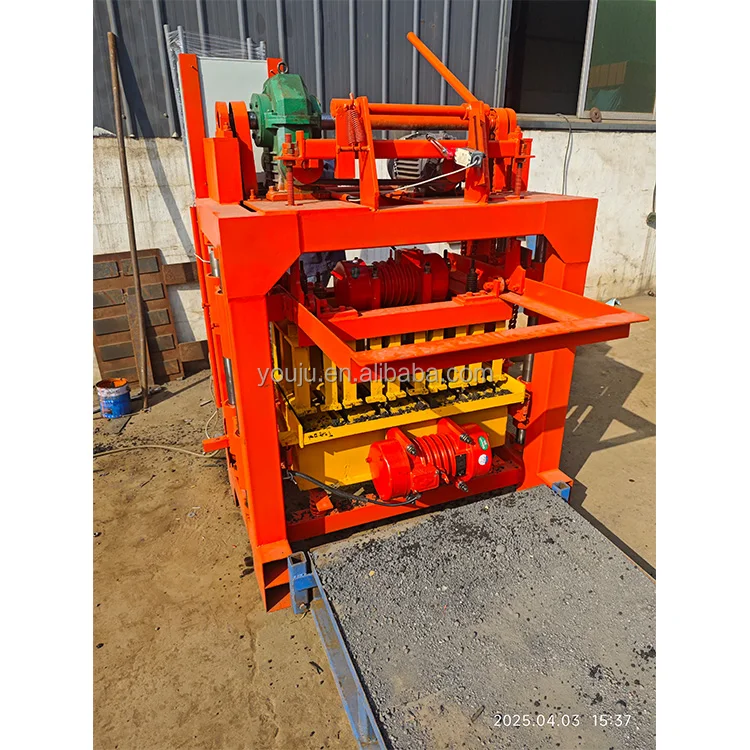
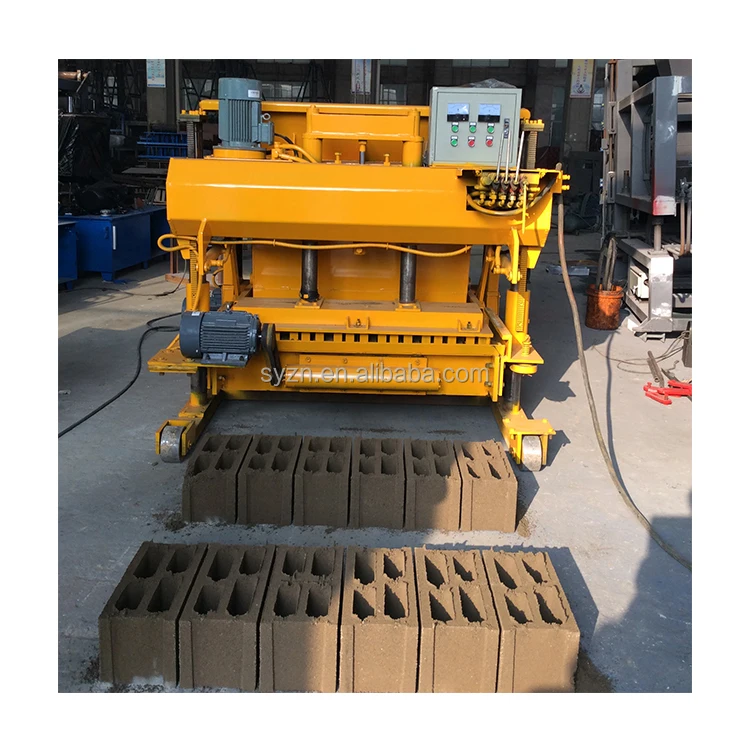
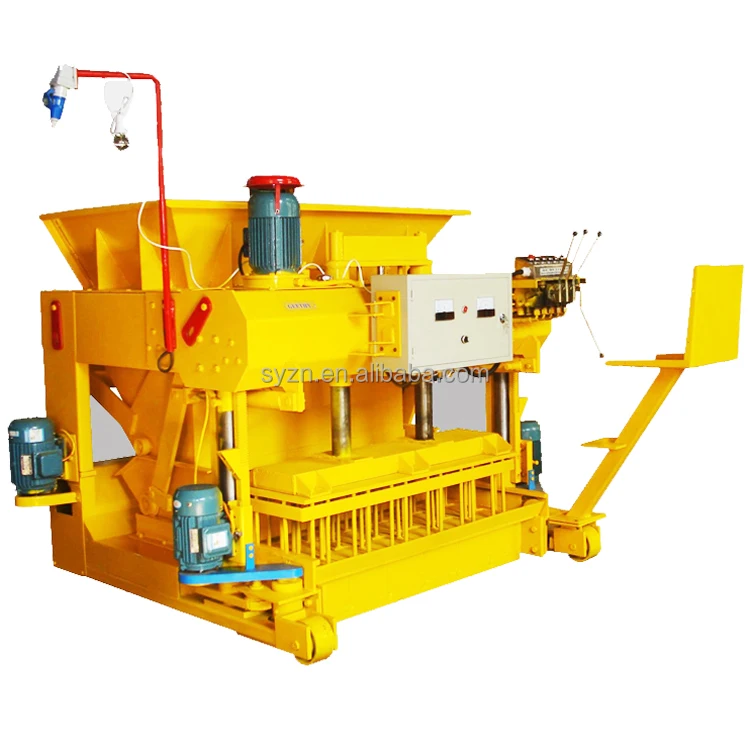
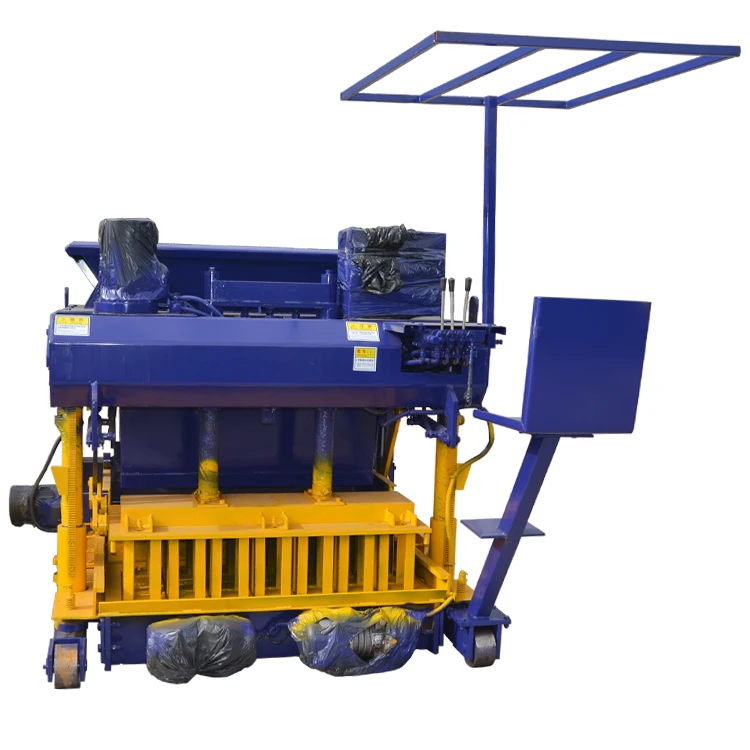
Single-focus machinery supply — machine, mold, and handling equipment configured as one matched system rather than sourced separately, ensuring the QMY6-25 egg laying block maker arrives ready for your site conditions.
Technical Specifications
| Parameter | Value |
|---|---|
| Model | QMY6-25 |
| Product Type | Mobile Egg Laying Block Making Machine |
| Molding Capacity | 6 pcs/mold |
| Hydraulic Pressure | 16 MPa |
| Vibration Form | Mold Vibration |
| Molding Cycle | 20s–25s (basis not stated in source — confirm block format / material / thickness) |
| Turning Method | Hydraulic |
| Total Power | 9.6 kW |
| Total Mass | 2.5 Tons |
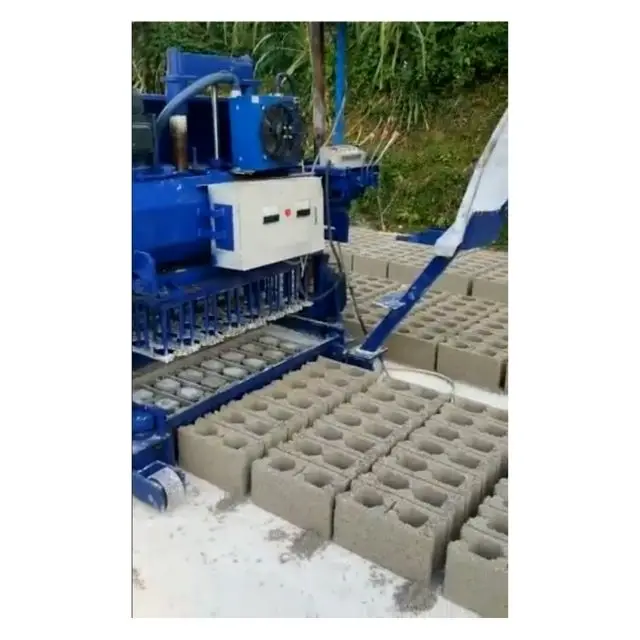
| Pallet Requirement | No pallet needed (egg laying type) |
| Operator Requirement | One person operation |
| Voltage & Frequency | Customizable according to destination grid |
Application Suitability
| Application | Material or Output |
|---|---|
| On-site concrete block production for building contractors | Crushed stone, sand, cement, and water mixed on project ground |
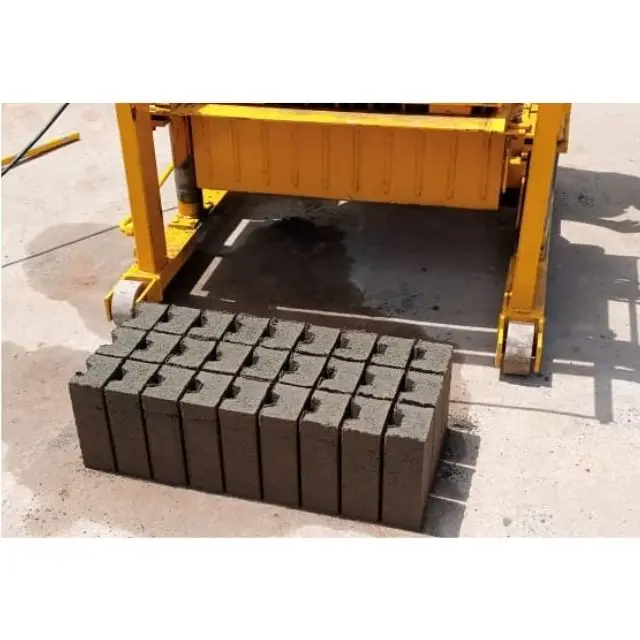
| Hollow block manufacturing for wall construction | Lightweight or standard aggregate blends with cement binder |
| Solid block production for load-bearing structures | Dense aggregate mix achieving structural compressive strength |
| Mobile block making across multiple construction sites | Local sand and gravel sourced near each project location |
| Small-scale block supply business in developing markets | Regionally available raw materials with basic cement addition |
What "Ready for Dispatch" Actually Means for a Mobile Block Machine in Stock
Stock availability is only useful if the machine matches your voltage grid, mold format, and local aggregate before it leaves the factory floor.
When a contractor needs a mobile block machine in stock, the urgency usually comes from a project deadline that will not wait for a production run. But I have seen machines arrive at a site only to sit idle because the control panel was wired for 380V/50Hz while the local supply ran on 440V/60Hz. The QMY6-25 ships with configurable voltage and frequency, yet that configuration must be locked in before the wiring harness is assembled — not after the container is loaded [NEED_CITE: voltage and frequency standards by export market]. Confirming these electrical details at the inquiry stage prevents a costly delay on the other end.
Dispatch Timeline and Container Loading for the QMY6-25
Shipping a mobile block machine in stock requires more than having the main unit on the warehouse floor. The QMY6-25 basic configuration includes the host machine, a JS500 concrete mixer, and a dump truck attachment, and each component must be dismantled and secured for container transit. The host machine alone weighs 2.5 tons, and the hydraulic turning mechanism requires careful bracing to prevent damage during ocean freight. We prepare a detailed container loading plan that shows how every piece is positioned and lashed, so the buyer knows exactly what to expect when the container doors open at the destination port.
Lead Time Variables Beyond the Machine Itself
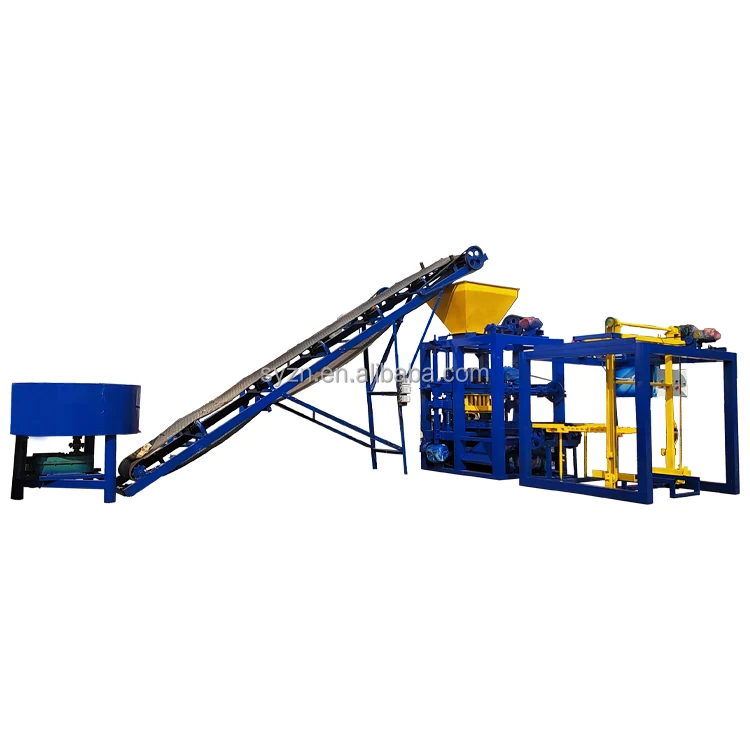
Even when the QMY6-25 host is available from stock, the complete production setup may require additional lead time depending on the optional configuration selected. A PLD800 batching machine, cement silo, or screw conveyor might need to be sourced from our partner suppliers, and the mold for your specific hollow block or solid block format must be verified against current inventory [NEED_CITE: typical mold lead times for standard and custom block formats]. The realistic dispatch timeline accounts for all line components, not just the press. This is where buying from a single-focus supplier matters — we coordinate every station so nothing arrives late or incompatible.
How 16 MPa Hydraulic Pressure and Mold Vibration Work Together
The QMY6-25 applies 16 MPa of hydraulic pressure combined with mold vibration to compact the concrete mix into the cavity. For an egg laying machine, this combination is critical because the block must hold its shape the instant the mold lifts — there is no pallet supporting the green block during the initial cure. Higher hydraulic pressure alone would crack the freshly formed block if the vibration frequency were mismatched to the aggregate size. Conversely, strong vibration without adequate pressure leaves voids inside the block wall, reducing compressive strength. The 20–25 second molding cycle gives the mix enough dwell time under both forces to achieve consistent density, provided the aggregate grading and moisture content are appropriate for the format being produced. The total power of 9.6 kW drives both the hydraulic pump and the vibration motor simultaneously, which matters when sizing your on-site generator or transformer [NEED_CITE: power supply sizing for mobile block making equipment].
The Hidden Cost of Skipping the Configuration Check
I once watched a QMY-class egg laying machine shipped to a Middle East project where the buyer had calculated daily output based on catalog figures without disclosing that their local sand contained high clay content. The actual block output fell to roughly half the expected volume, and the construction crew could not meet their masonry schedule. With the QMY6-25, verifying your raw material composition — specifically the clay and silt percentage in your sand — before we confirm the mold and cycle setting prevents this exact failure. Skipping the material check is the most common reason a mobile block machine in stock underperforms after arrival [NEED_CITE: impact of aggregate clay content on block molding cycle and output]. The cost is never the machine itself; it is the idle crew and the penalty clause in your building contract.
Why Procurement Through a Single-Focus Block Machinery Supplier Matters
Our company Shandong Shiyue Intelligent Machinery Co., Ltd has kept block machines and their supporting equipment as a single focus since registration, which means the QMY6-25 host, its mold, and any batching or mixing accessories are specified as one matched system. We set the configuration against your actual mix design and local aggregate rather than a catalog default. Mold design covers the hollow block and solid block formats your market actually sells, with custom drawings available for non-standard sizes. The automation level is selectable — you can start with the basic one-person manual operation and add a PLD800 batching machine later as your volume grows. Installation support includes operator training on the hydraulic turning method and mold change procedure, so your team is producing acceptable blocks within the first shift rather than learning through scrap.
Documentation & Verification
- Factory test record showing QMY6-25 molding cycle on your specified hollow block format before dispatch
- Machine specification sheet listing confirmed voltage, frequency, and total power for your destination grid
- Mold drawing and format list identifying the exact block dimensions included in your shipment
- Container loading plan with dismantling sequence and lashing points for each component
- Operation and maintenance manual covering hydraulic system service intervals and vibration motor inspection
Installation, Commissioning & Support
- Ground preparation requires a level concrete pad sized to accommodate the QMY6-25 footprint plus mixer and material staging area
- Electrical connection must match the confirmed voltage and frequency; the 9.6 kW total power draw requires a dedicated circuit with appropriate breaker rating
- Machine arrives partially dismantled for container loading; hydraulic turning mechanism and mold are reassembled on site with factory-supplied fasteners
- First production run includes cycle time verification against your local aggregate and moisture conditions
- Operator training covers one-person operation workflow, mold change procedure, and daily hydraulic pressure check at the 16 MPa operating point
- Wear parts list identifies vibration motor brushes, hydraulic seals, and mold liner plates with recommended replacement intervals
What We Need to Confirm Before Shipping Your Machine
To prepare an accurate dispatch schedule for the QMY6-25, we need your target block format and dimensions, the local voltage and frequency at your project site, and a description of your available raw materials including aggregate type and source. If you already have a concrete mixer or batching equipment on site, tell us the model so we can confirm compatibility with the optional PLD800 or JS500 configuration.
Frequently Asked Questions
Q: What is the current stock status and fastest delivery timeline for QMY6-25?
A: Host machine availability depends on current warehouse inventory and the optional configuration you select. The basic set — QMY6-25 host, JS500 mixer, and dump truck — can dispatch faster than a full line with batching machine and cement silo. Confirm your voltage and mold format at inquiry so we can reserve the correct configuration and provide a realistic dispatch date.
Q: Which block formats can this machine produce and what is realistic daily output?
A: The QMY6-25 produces hollow blocks and large solid blocks using interchangeable molds. The 6 pcs/mold capacity and 20–25 second cycle apply to specific format and material conditions that must be confirmed against your aggregate and block dimensions. Daily output depends on shift length, material supply continuity, and operator pace. Request a capacity calculation based on your exact mold requirement before placing the order.
Q: How is the machine packed and loaded into a container for shipment?
A: The QMY6-25 is partially dismantled — the hydraulic turning assembly and mold are separated from the main frame — to fit standard container dimensions. Each component is braced and lashed according to a loading plan provided before dispatch. The 2.5 ton total mass is distributed across the container floor with weight distribution calculated to prevent shifting during transit.
Q: What voltage options are available from stock versus requiring custom production?
A: The QMY6-25 supports customizable voltage and frequency to match destination country standards. Standard industrial voltages are typically available from stock, while non-standard configurations require advance notice to prepare the correct wiring harness and control panel components. Confirm your site electrical specification before production is finalized to avoid rework after the machine is built.
Q: What basic and optional equipment configurations are available for immediate dispatch?
A: The basic configuration includes the QMY6-25 host machine, JS500 concrete mixer, and dump truck. Optional additions — PLD800 batching machine, cement silo, screw conveyor, and loading machine — may require additional lead time depending on supplier availability. Specify which optional items you need at inquiry so we can confirm the complete dispatch timeline for your entire line.