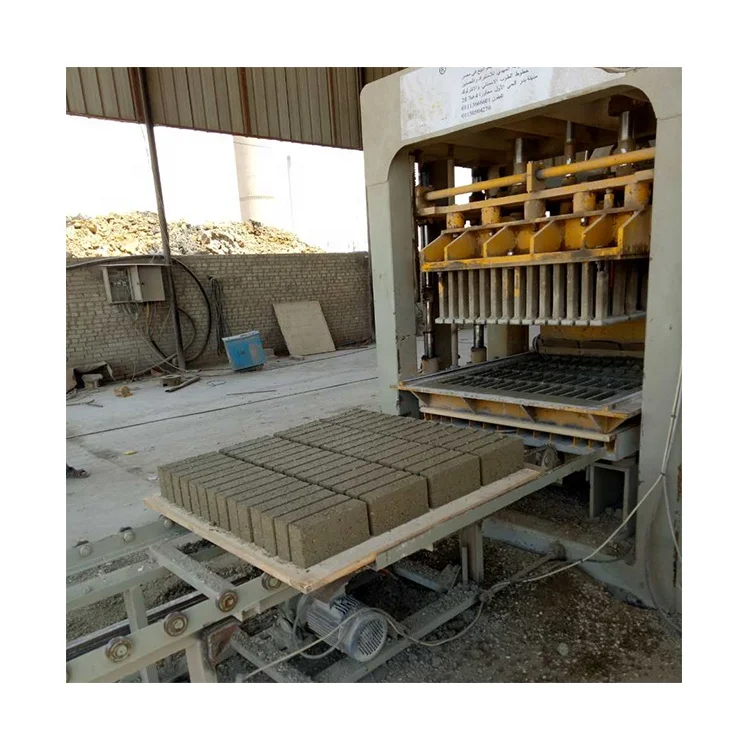
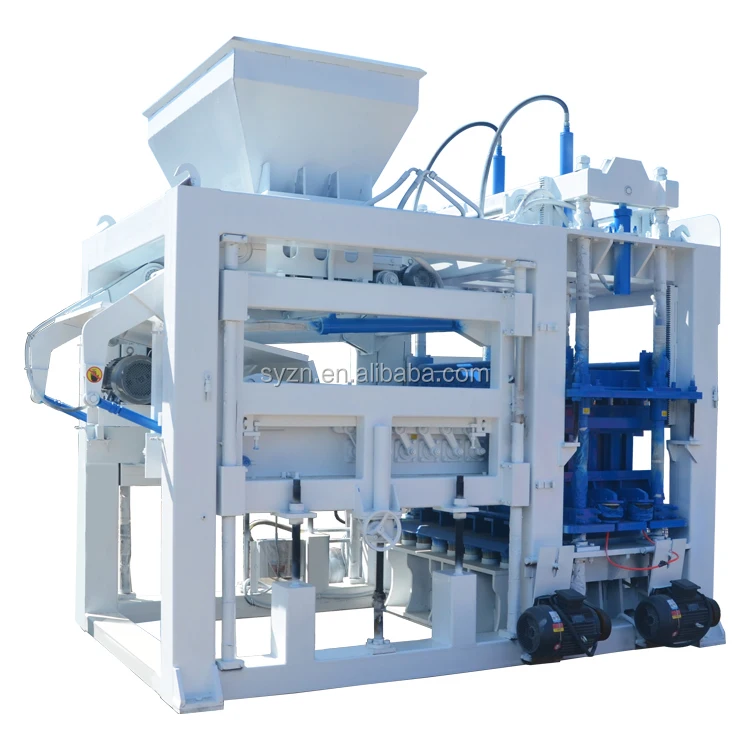
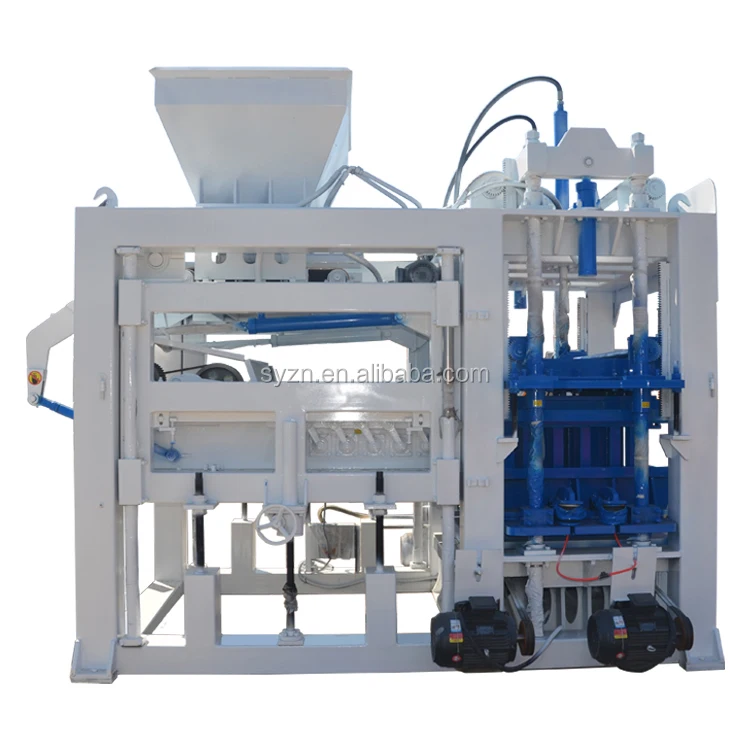
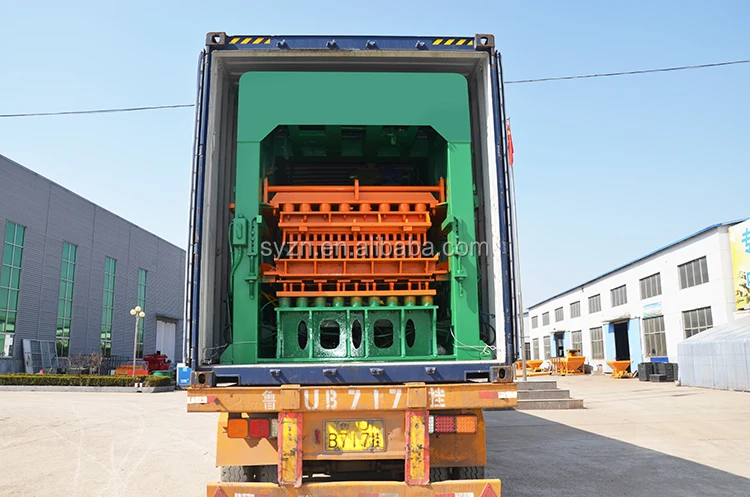
Description
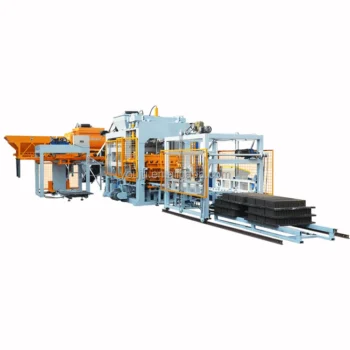
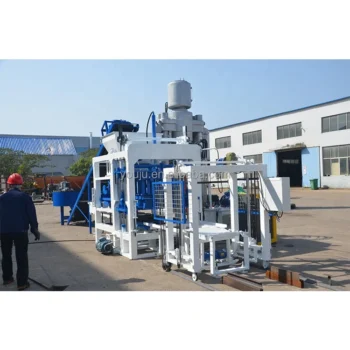
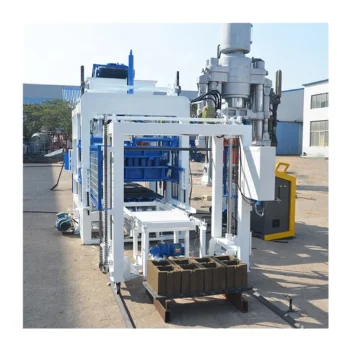
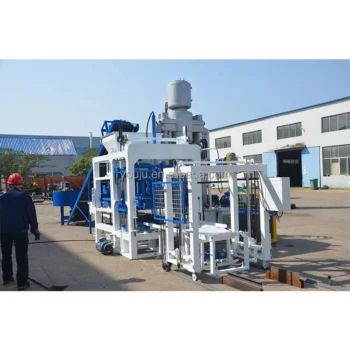
System-Matched Configuration — every QT10-15 block machine is verified against the buyer’s actual mix design, pallet inventory, and local voltage before dispatch, not shipped as a generic catalogue unit.
Technical Specifications
| Parameter | Value |
|---|---|
| Model | QT10-15 |
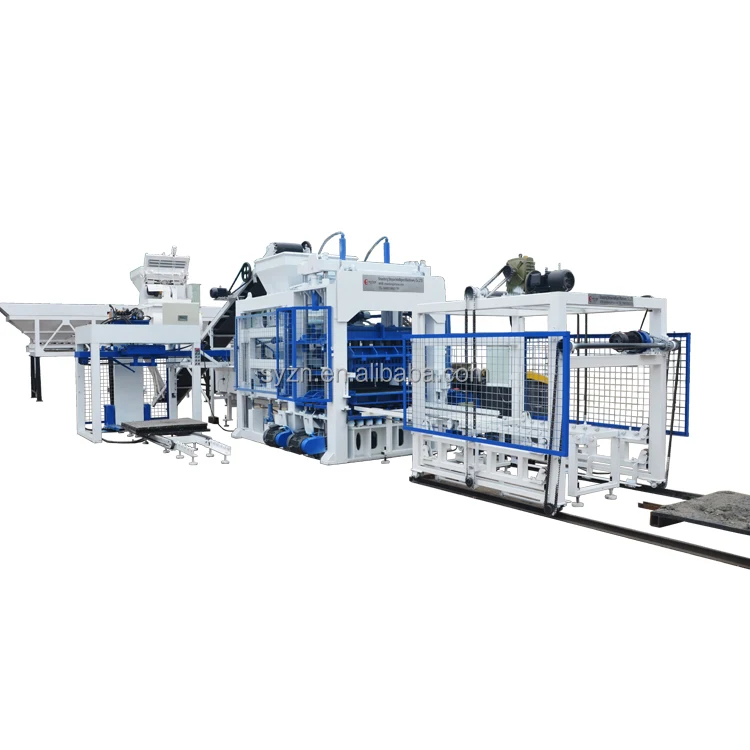
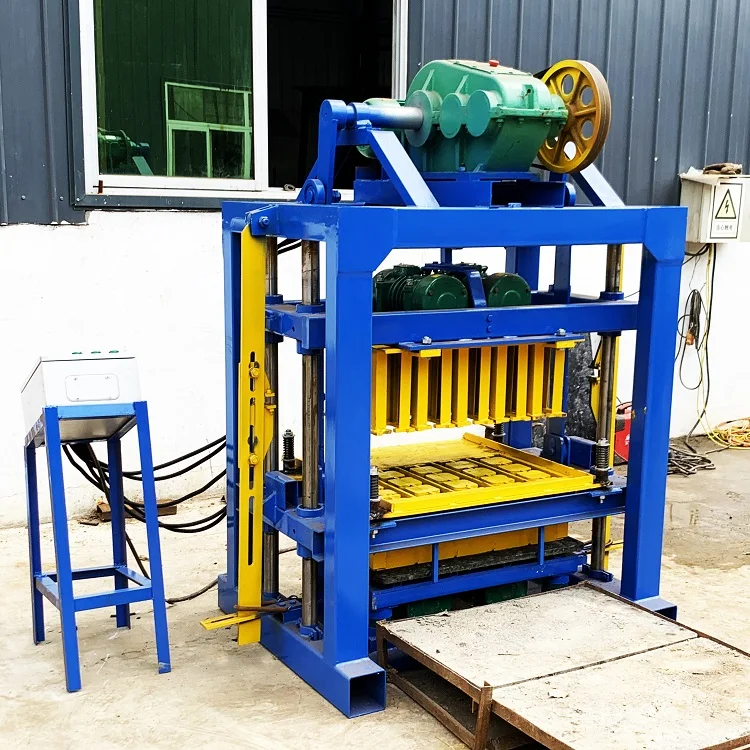
| Product Type | Automatic Hydraulic Concrete Block Making Machine |
| Rated Power | 44 kW |
| Overall Dimensions (L×W×H) | 9350 × 2320 × 2950 mm |
| Net Weight | 10000 kg |
| Hydraulic Pressure | 16–21 MPa |
| Vibration Form | Platform vibration |
| Pallet Size | 1100 × 900 mm |
| Molding Cycle | 15–20 seconds |
| Output Capacity — Hollow Block | 18000 pcs/day (based on 400×200×200 mm, 10 pcs/mould, 16–20 s cycle) |
| Output Capacity — Porous Block | 67200 pcs/day (based on 240×115×90 mm, 28 pcs/mould, 15–20 s cycle) |
| Output Capacity — Standard Block | 124800 pcs/day (based on 240×115×53 mm, 52 pcs/mould, 15–20 s cycle) |
| Control System | PLC, fully automatic |
| Automation Level | Fully automatic with stacker |
| Frame Structure | Gantry frame type, super steel |
| Material Feeding | Net wave swing type, driving type material storage |
| Mould Material | Manganese steel, carburizing and quenching treatment |
| Warranty | 1 year for whole machine (excluding spare parts) |
Application Suitability
| Application | Material or Output |
|---|---|
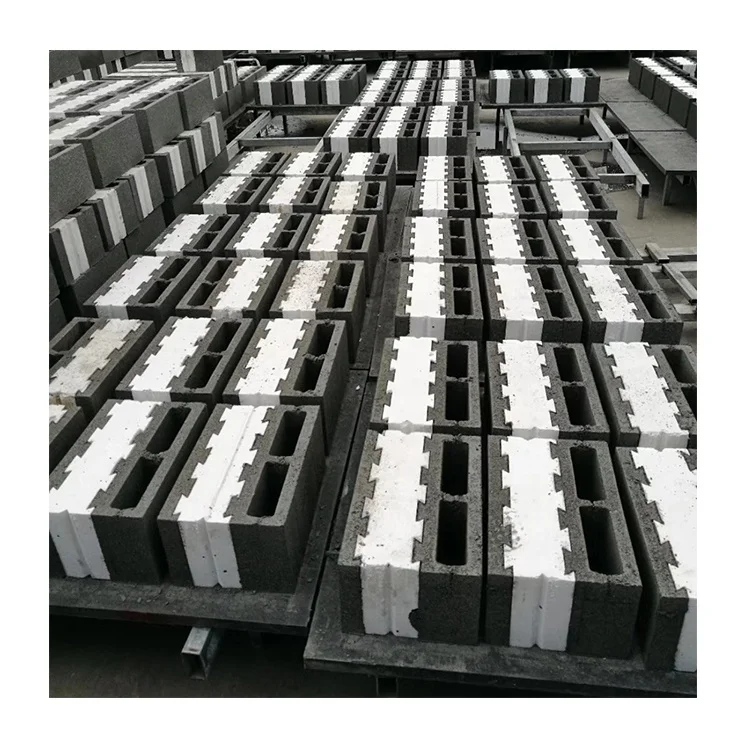
| Hollow block production | Crushed stone, river sand, cement, fly ash |
| Standard solid brick manufacturing | Gangue, slag, industrial waste, cement |
| Porous block production for walls | Lightweight aggregates, cement, dust |
| Paver and interlocking block output | Gravel, colored pigment, cement |
| Curbstone and slope-protecting block forming | Coarse aggregate, cement, high-pressure hydraulic forming |
Why "Ready in Stock" Matters More Than Price for Deadline-Driven Projects
A QT10-15 automatic block machine in stock means your project timeline does not depend on a factory’s production backlog.
When a construction contractor commits to a housing development with a hard handover date, supplier lead times become the single largest variable. I have seen project managers accept a lower quote only to discover the machine would be built to order, adding weeks that no amount of expediting could recover. The real cost of delay is not the machine — it is the idle crew, the extended equipment rentals, and the penalty clauses that activate the moment you miss a milestone. [NEED_CITE: typical construction penalty clauses for milestone delays]
Securing a QT10-15 automatic block machine in stock eliminates that variable entirely and puts dispatch control in your hands.
Dispatch Lead Time and What "In Stock" Actually Covers
When we confirm a QT10-15 automatic block machine in stock, that status covers the main press unit, the hydraulic station, and the PLC control cabinet. Standard moulds for hollow blocks and solid bricks from the common format range are typically available from the same inventory pool. This means the core of your production line can be containerized within a short window after order confirmation, rather than waiting for a full production cycle to complete.
Container Loading Strategy for the QT10-15 Line
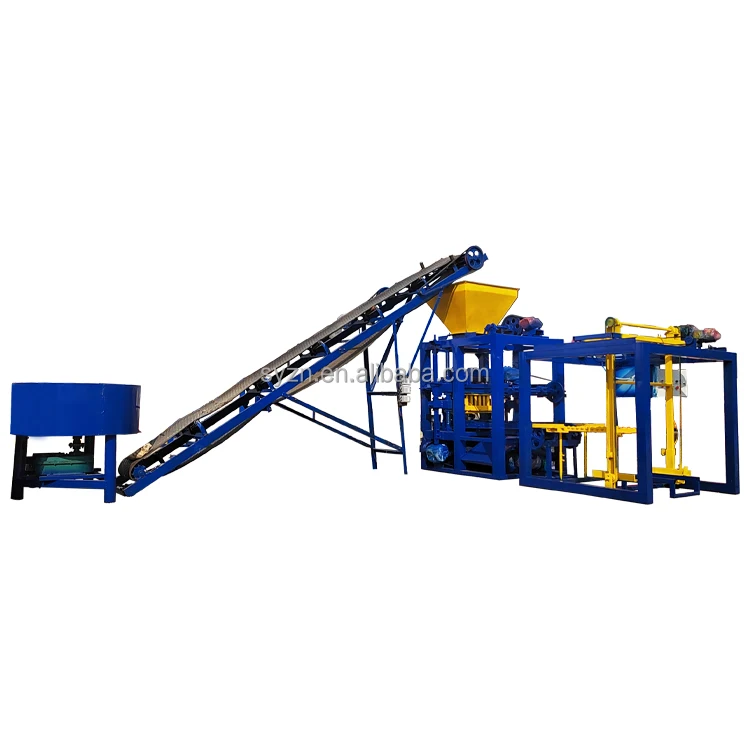
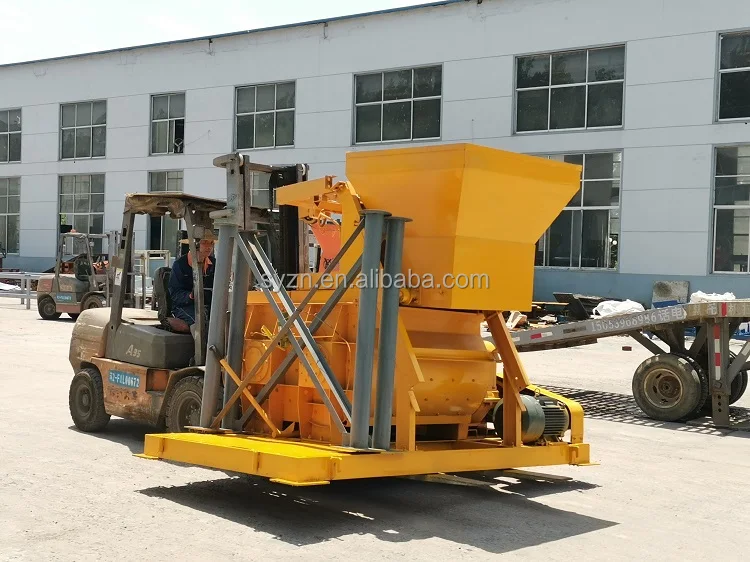
The overall dimensions of 9350 × 2320 × 2950 mm and a net weight of 10000 kg dictate a specific loading sequence. The main frame is dismantled into sections that fit within standard flat-rack or open-top container limits. The recommended line configuration — PL1200 batching machine, JS750 mixer, 8 m conveyor belt, and stacker — can be consolidated alongside the press in the same shipment. Buyers working to a project deadline need this consolidation confirmed in writing before the container is sealed, so there are no partial shipments arriving weeks apart. [NEED_CITE: standard container dimensions and loading limits for heavy machinery]
Reading the Numbers That Actually Govern Your Site Output
The QT10-15 operates with a hydraulic pressure range of 16–21 MPa combined with platform vibration. In block forming, hydraulic pressure compresses the mix while vibration eliminates air voids — together they determine the density and compressive strength of every block that leaves the press. The moulding cycle of 15–20 seconds sets the rhythm, but real daily output depends entirely on which block format you are running: 18000 hollow blocks per day based on a 400×200×200 mm format with 10 cavities, or 124800 standard bricks per day based on a 240×115×53 mm format with 52 cavities. The pallet size of 1100 × 900 mm must match the curing racks and forklifts already on your site — a mismatch here means manual rehandling that no amount of press speed can compensate for.
The Hidden Cost of Skipping the Voltage Conversation
A machine configured for 380V/50Hz that arrives at a site running 440V/60Hz will not simply underperform — it risks immediate motor damage and PLC failure. I have been called to sites where the entire commissioning schedule collapsed because voltage and frequency were assumed rather than confirmed. The QT10-15 is configurable to the buyer’s local voltage, but that configuration must be locked before the electrical cabinet is wired. A delay discovered at the port of arrival costs more in electrician rework than a ten-minute confirmation call before dispatch. [NEED_CITE: industrial motor failure rates from voltage mismatch]
Why Buyers Source This Machine Here
Block machinery is the single focus of this operation, which means the press, mould, pallet, and handling equipment are specified as one matched system. The configuration is set against the buyer’s actual mix design and local aggregate rather than a default catalogue setting. Mould design and supply covers the formats the buyer’s market actually sells, including custom drawings when standard options do not fit. The automation level is selectable — a buyer can start with the fully automatic stacker configuration and plan for future line expansion. Installation and commissioning support includes operator training on-site, so the crew is producing saleable blocks before the engineer leaves.
Documentation & Verification
- Line layout and capacity calculation stating the specific block format assumed
- Machine specification sheet with confirmed voltage, frequency, and PLC language
- Factory test record using buyer’s target mix design before dispatch
- Packing photographs showing container loading sequence before sealing
- Hydraulic and electrical schematic matching the as-built configuration
- Wear parts and mould list with part numbers for reordering
Installation, Commissioning & Support
- Foundation plan based on the 9350 × 2320 × 2950 mm footprint and 10000 kg operating weight
- Dedicated electrical circuit sized for the 44 kW rated power draw at confirmed local voltage
- Main frame reassembly and levelling on-site after container transport
- PLC parameter setup calibrated to buyer’s chosen block format and moulding cycle
- Operator training covering mould change procedure, hydraulic pressure adjustment, and daily maintenance
- Manganese steel mould wear assessment schedule based on the carburizing and quenching treatment specification
What to Include in Your Inquiry
To confirm stock availability and provide an accurate dispatch timeline, the key details are your target block format and required daily output, your local voltage and frequency standard, and the pallet size your curing area is already set up to handle. If you have a specific project deadline, state it upfront so the loading and shipping schedule can be built backward from your required arrival date.
Frequently Asked Questions
Q: Is the QT10-15 currently in stock or built to order, and what is the realistic dispatch lead time?
A: Stock status is confirmed at inquiry and provided in writing with a production schedule or stock certificate. When a unit is available from inventory, dispatch can proceed once container loading is finalized and the buyer confirms voltage and control language specifications. Built-to-order units follow a production schedule communicated at quotation stage.
Q: How is the machine dismantled and loaded into containers, and how many containers are required?
A: The 9350 × 2320 × 2950 mm frame is sectioned to fit standard open-top or flat-rack containers. The complete recommended line — including the PL1200 batcher, JS750 mixer, conveyor, and stacker — typically requires multiple containers. A detailed loading plan with packing photographs is provided before the containers are sealed.
Q: What is the estimated arrival time from dispatch to destination port?
A: Ocean transit time depends entirely on the destination port and current shipping schedules. An arrival estimate is quoted at the quotation stage based on the confirmed dispatch date and the buyer’s port of entry, so project planning can proceed with a known timeline.
Q: Can standard moulds and wear parts ship in the same container as the main machine?
A: Standard hollow block and solid brick moulds, along with the initial wear parts set, are consolidated into the same shipment as the main press. This avoids partial deliveries and ensures production can begin immediately upon commissioning without waiting for follow-up shipments.
Q: What happens if my project deadline shifts — can dispatch be held or expedited?
A: Dispatch schedules can be adjusted within the constraints of container booking availability and port schedules. Buyers should communicate deadline changes as early as possible so the shipping arrangement can be revised without incurring demurrage or rebooking charges.