

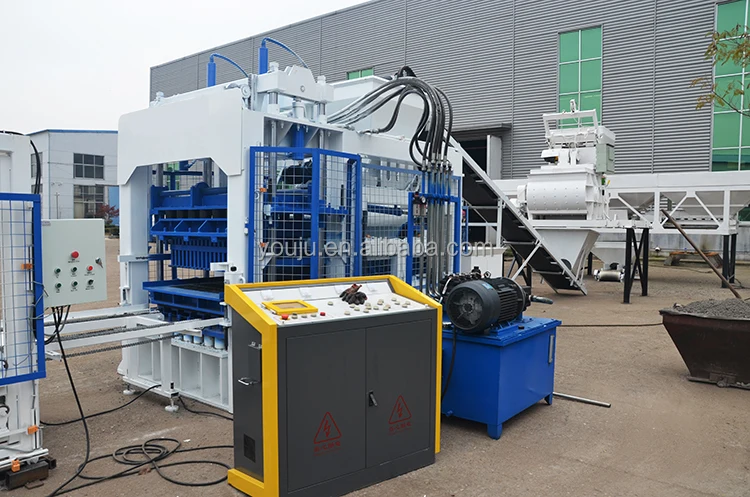

Description
Stocked configuration matched to your project timeline — QT10-15 units held in Linyi ready for container loading, with pallet size and voltage confirmed before dispatch so arrival timing stays predictable.
Technical Specifications
| Parameter | Value |
|---|---|
| Model | QT10-15 |
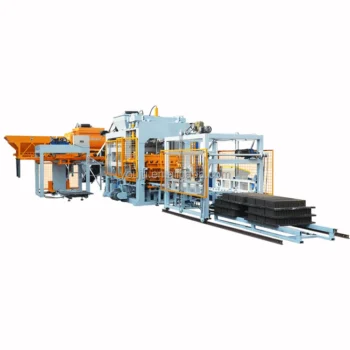
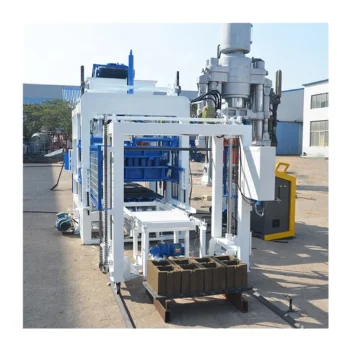
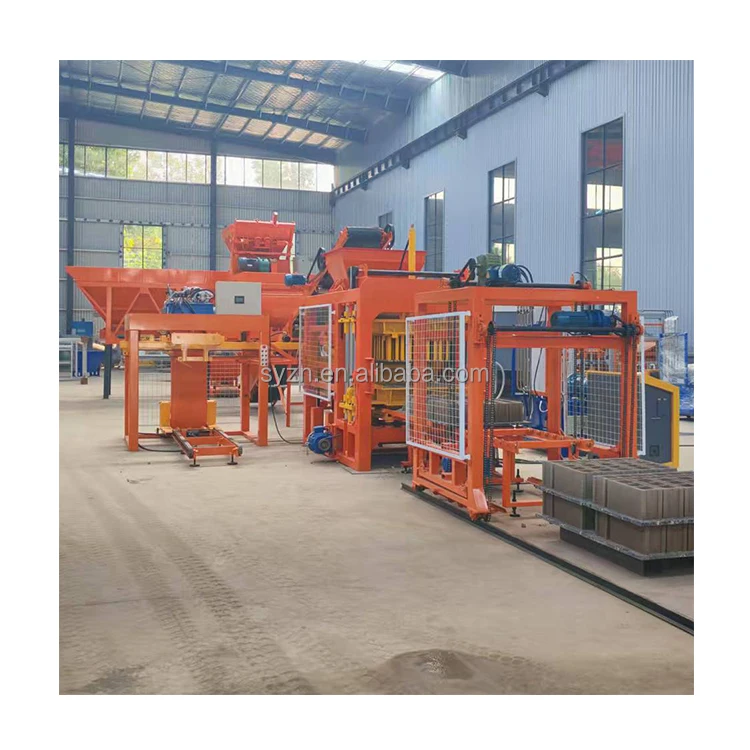
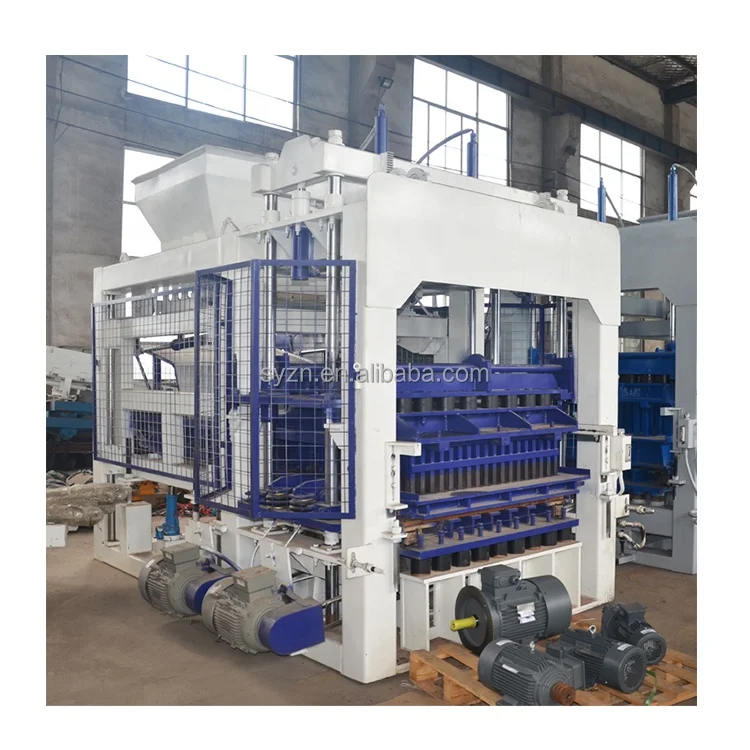
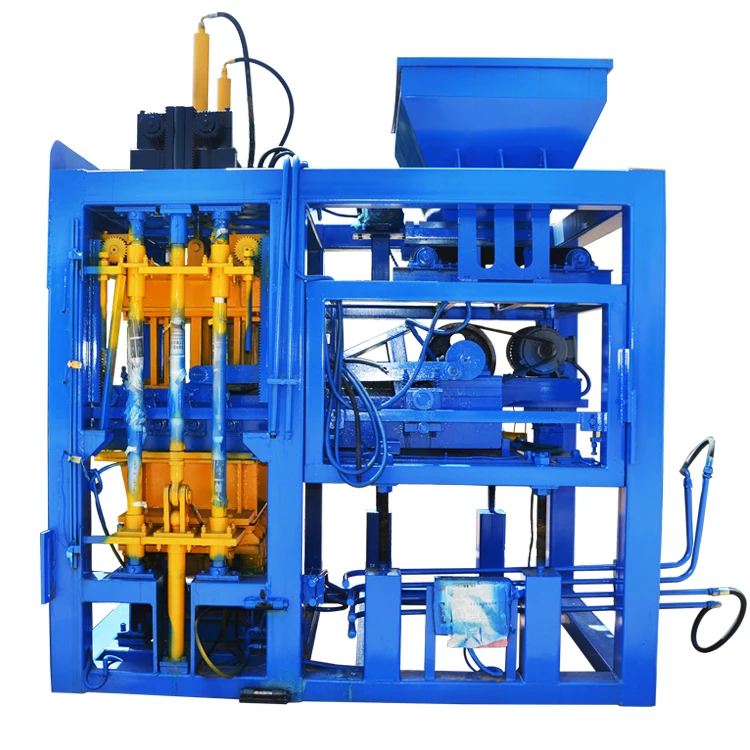
| Product Type | Fully Automatic Concrete Block Making Machine |
| Overall Dimensions (L×W×H) | 9350×2320×2950mm |
| Rated Pressure | 21MPa |
| Main Vibration Form | Platform vibration |
| Vibration Frequency | 4500–5100 r/min |
| Pallet Size | 1100×900mm |
| Moulding Area | 1025×810mm |
| Forming Height Range | 40–250mm |
| Molding Cycle | 15–25s |
| Overall Power | 44KW |
| Mixer Model | JS750 |
| Control System | PLC (Japan Mitsubishi electric) |
| Hydraulic Unit | Taiwan Jiugang |
| Switches | Japan Omron |
| Electrical Elements | France Schneider |
| Host Machine & Mixer Motor | Germany Siemens |
| Mould Treatment | High temperature carburizing heat treatment |
| Frame Construction | National standard steel with special welding technology |
| Output Capacity (400×200×200mm hollow block, 10 pcs/mould) | 1800–2400 pcs/h | 14400–19200 pcs/8h |
| Output Capacity (400×150×200mm hollow block, 12 pcs/mould) | 2160–2880 pcs/h | 17280–23040 pcs/8h |
| Output Capacity (240×115×90mm solid brick, 52 pcs/mould) | 9360–12480 pcs/h | 74880–99840 pcs/8h |
| Voltage | Customized to local request |
Application Suitability
| Application | Material or Output |
|---|---|
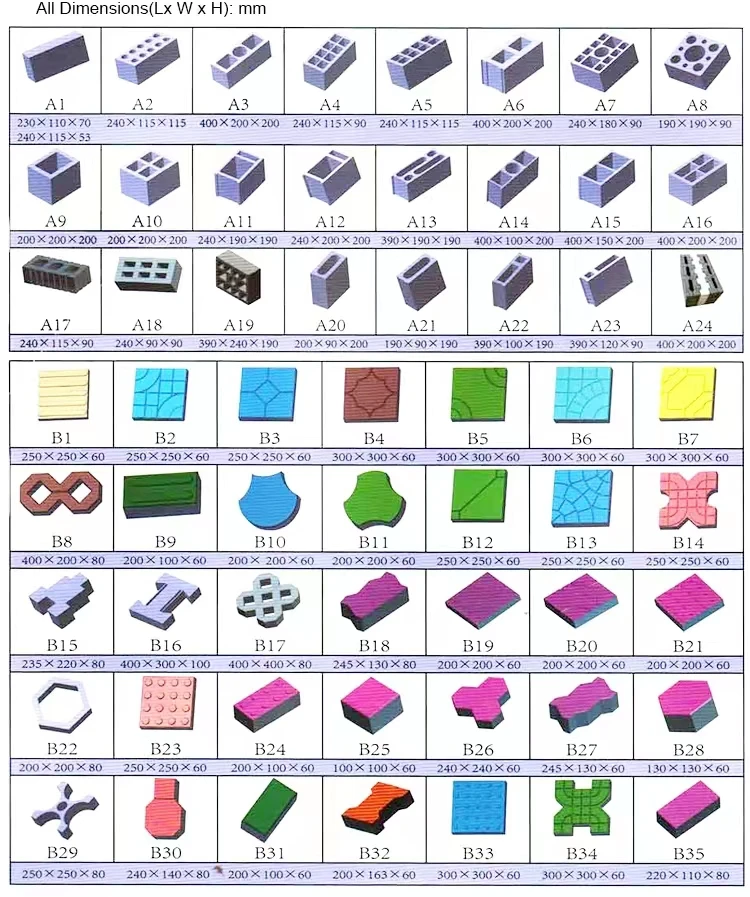
| Hollow block production for building walls | Concrete and cement mix with crushed stone aggregate, 400×200×200mm or 400×150×200mm formats |
| Solid brick manufacturing for masonry | Cement, sand and fly ash blends, 240×115×90mm format |
| Paver and interlocking brick production | Concrete mix with fine aggregate, various mould formats |
| Kerbstone and curb production | High-density concrete mix, heavy-duty moulds |
| On-site block production for housing projects | Local aggregate and cement, format matched to project drawings |
Dispatch Timing and the Hidden Cost of Unconfirmed Voltage
Confirm voltage, frequency and PLC display language before the machine leaves the factory, not after it arrives on site.
I have watched container doors open at project sites where the local grid runs 60Hz and the machine was wired for 50Hz, leaving the entire line idle while transformers were sourced locally. A QT10-15 automatic block machine in stock fast delivery means little if the electrical configuration does not match the destination. Commissioning delays from mismatched voltage and untranslated PLC menus routinely push project start dates back by weeks [NEED_CITE: voltage and frequency standards by export market]. The dispatch advantage only holds when electrical specifications are locked in during the order stage.
Stocked Machines Shorten the Path to First Production
For development contractors working against a handover deadline, waiting weeks for a built-to-order block press is not an option. The QT10-15 automatic block machine in stock is held at the Linyi facility with standard moulds and pallets already matched, so the gap between order confirmation and container loading shrinks considerably. Buyers receive dispatch dates quoted against actual warehouse inventory rather than production schedules that can slip.
Container Loading Plans Quoted Upfront
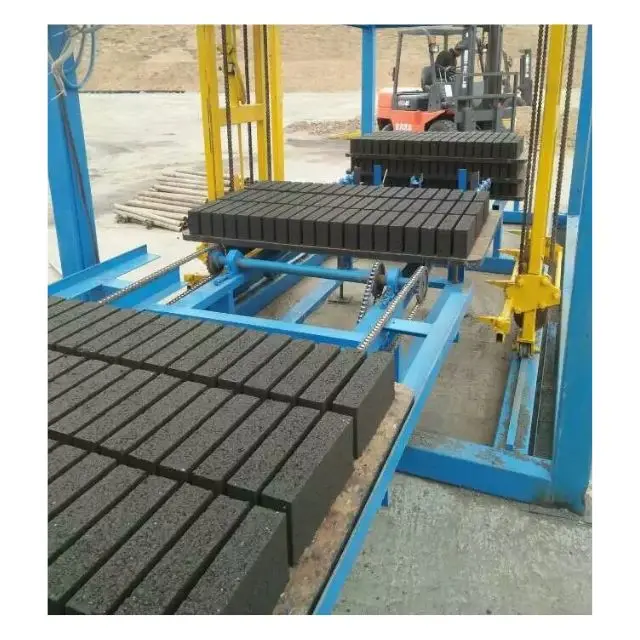
A fully automatic line of this size requires careful dismantling and bracing inside 40-foot high-cube containers to prevent hydraulic lines and the PLC cabinet from shifting during ocean transit. Each QT10-15 unit ships with a documented loading plan showing how the host machine, JS750 mixer, pallet feeder and stacking station are secured. Arrival estimates are provided based on destination port so site preparation can run in parallel with shipping [NEED_CITE: typical container transit times from Chinese ports to major global destinations].
Reading the Specs That Actually Matter on Site
The 21MPa rated pressure and 4500–5100 r/min platform vibration frequency work together to compact the concrete mix into dense, structurally sound blocks. Higher vibration alone without sufficient hydraulic pressure leaves voids inside hollow blocks; pressure without matched vibration produces weak edges. The 1100×900mm pallet size was chosen to align with standard curing rack dimensions and common forklift tine spacing, so freshly pressed blocks move from the line to the curing yard without manual repositioning. Moulding cycles between 15 and 25 seconds vary depending on block height within the 40–250mm range and the stiffness of the local mix. The Mitsubishi PLC controls voltage output and cycle timing, with the display language configurable before shipment to avoid operator confusion during commissioning.
When Fast Dispatch Turns Into Expensive Downtime
Rushing a block machine onto a ship without verifying pallet compatibility with the buyer’s existing curing racks leads to pallets that cannot be stacked by the site forklift, forcing the entire output to be moved by hand. If the mould set does not match the block format the local market actually buys, the buyer pays for format flexibility that never gets used. Skipping the voltage confirmation step means the PLC may boot up in a language the operators cannot read, and the motor windings may overheat on the wrong frequency [NEED_CITE: motor winding failure rates from frequency mismatch]. These are not theoretical issues — they show up repeatedly when the order process skips the detail stage.
Why Buyers Source This Machine From Here
Block machinery is the single focus of this operation, which means the QT10-15 press, mould, pallet and handling equipment are specified as one matched system rather than assembled from separate vendors. Stock models ship with configurations already set against common block formats, and standard moulds are warehouse-ready. Automation levels are selectable, so a buyer can take delivery of a semi-automatic layout now and add automatic stacking and cubing modules later as production volume grows. Every stocked unit goes through a factory test cycle before loading, so the dispatch timeline does not come at the expense of quality checks. Installation support includes on-site commissioning and operator training once the machine arrives [NEED_CITE: CE machinery directive requirements for industrial block making equipment].
Documentation & Verification
- Factory test record on your specified hollow block format before container loading
- Voltage, frequency and PLC language confirmation sheet signed off before dispatch
- Pallet specification matched to your curing area dimensions and forklift model
- Line layout drawing showing station spacing for your available floor area
- Packing photographs of dismantled components secured inside the container
Installation, Commissioning & Support
- Foundation pad must support the 9350×2320mm footprint with level tolerance for platform vibration stability
- Dedicated power circuit required for the 44KW overall load at your confirmed voltage and frequency
- Host machine, mixer and stacking station arrive dismantled; reassembly guided by numbered component markings
- PLC parameters and molding cycle tuned to your local aggregate during first production run
- Operator training covers mould change procedure within the 40–250mm forming height range
- High temperature carburized moulds and hydraulic wear parts listed with reorder codes
Before You Request a Quote
To give you an accurate dispatch date and arrival estimate, we need your target block format and daily output requirement, the local aggregate type and cement grade you will be running, and your site’s voltage, frequency and available floor area for the line layout. Share your existing forklift and curing rack dimensions so the 1100×900mm pallets can be verified for compatibility. If you are working to a fixed project deadline, let us know the required on-site date so shipping can be planned backward from that target.
Frequently Asked Questions
Q: What block formats are assumed in the quoted output capacity, and how is daily output calculated?
A: Each output figure states the exact block format and pieces per mould. For the 400×200×200mm hollow block at 10 pieces per mould, capacity is 1800–2400 pieces per hour or 14400–19200 pieces per 8-hour shift. Daily output for other formats is calculated the same way, using the moulding cycle and pieces per mould for that specific size.
Q: Which models and standard moulds are currently in stock for fast dispatch?
A: The QT10-15 automatic block machine in stock is available with standard hollow block, solid brick and paver moulds from the Linyi warehouse. Dispatch lead time depends on whether your required mould format is on the shelf or needs custom machining. Confirming your exact block dimensions early locks in the shortest possible timeline.
Q: How is the machine dismantled and loaded into containers?
A: The QT10-15 is broken down into the host frame, JS750 mixer, hydraulic unit and pallet handling stations for container loading. Each component is braced and secured with a documented loading plan. Estimated arrival time is quoted based on your destination port once the booking is confirmed.
Q: Can voltage and PLC display language be confirmed before shipment?
A: Yes. Voltage and frequency are customized to your local grid, and the Mitsubishi PLC display language is set before the factory test. A confirmation sheet is signed off by both sides so there are no commissioning surprises when the machine powers up on site.
Q: What pallet size is supplied, and is it compatible with my existing curing area?
A: The standard pallet size is 1100×900mm. We ask for your curing rack dimensions and forklift tine spacing during the order stage to verify compatibility. If your existing setup requires a different pallet size, that adjustment is confirmed before the QT10-15 ships.