

Description
Dispatch-Ready Block Press — the QT10-15 is held in stock so lead time collapses from production weeks to loading days, and every capacity figure ships tied to a named block format rather than a catalogue promise.
Technical Specifications
| Parameter | Value |
|---|---|
| Model | QT10-15 |
| Product Type | Concrete Block Making Machine |
| Moulding Cycle | 15–20 s (400×200×200 mm & 400×150×200 mm hollow blocks, 240×115×53 mm solid bricks); 20–25 s (200×100×60 mm & 225×112.5×60 mm paving blocks) |
| Output Capacity | 1,800–2,400 pcs/h (basis: 400×200×200 mm hollow block, 10 pcs/mould) |
| Output Capacity | 2,160–2,880 pcs/h (basis: 400×150×200 mm hollow block, 12 pcs/mould) |
| Output Capacity | 8,928–11,160 pcs/h (basis: 240×115×53 mm solid brick, 62 pcs/mould) |
| Output Capacity | 5,184–6,480 pcs/h (basis: 200×100×60 mm paving block, 27 pcs/mould) |
| Output Capacity | 4,032–5,040 pcs/h (basis: 225×112.5×60 mm paving block, 24 pcs/mould) |
| Qty per 8-Hour Shift | 14,400–19,200 pcs (400×200×200 mm) / 17,280–23,040 pcs (400×150×200 mm) / 71,424–89,280 pcs (240×115×53 mm) / 41,472–51,840 pcs (200×100×60 mm) / 32,256–40,320 pcs (225×112.5×60 mm) |
| Control System | PLC control cabinet |
| Hydraulic System | Independent integrated hydraulic station |
| Vibration System | Vertical station mode resonance with automatic FM-AM |
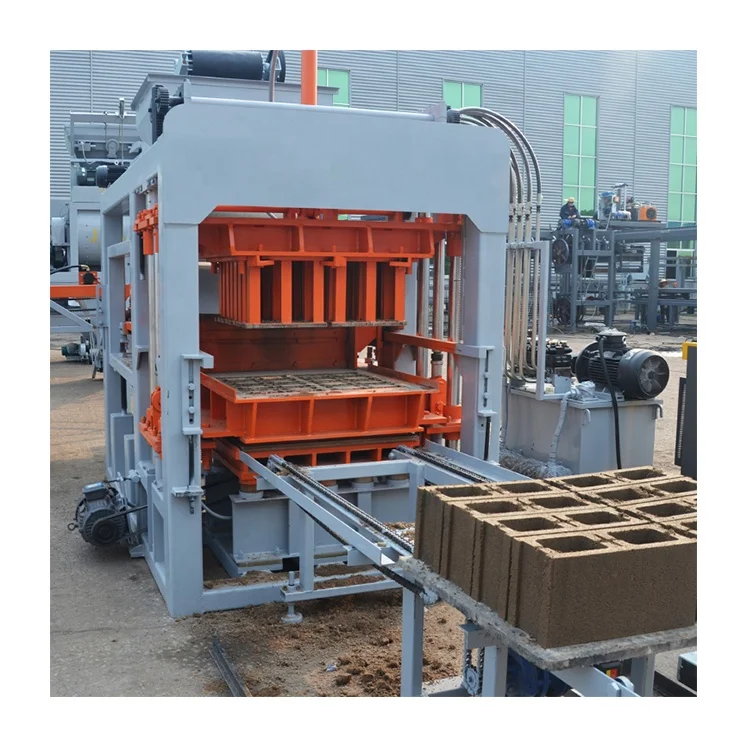
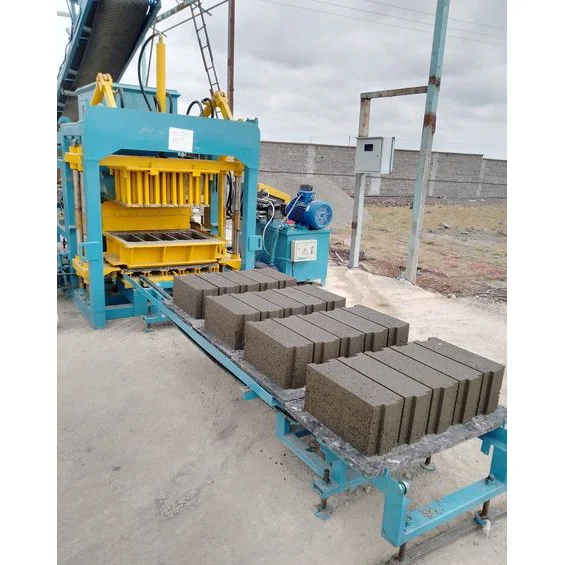
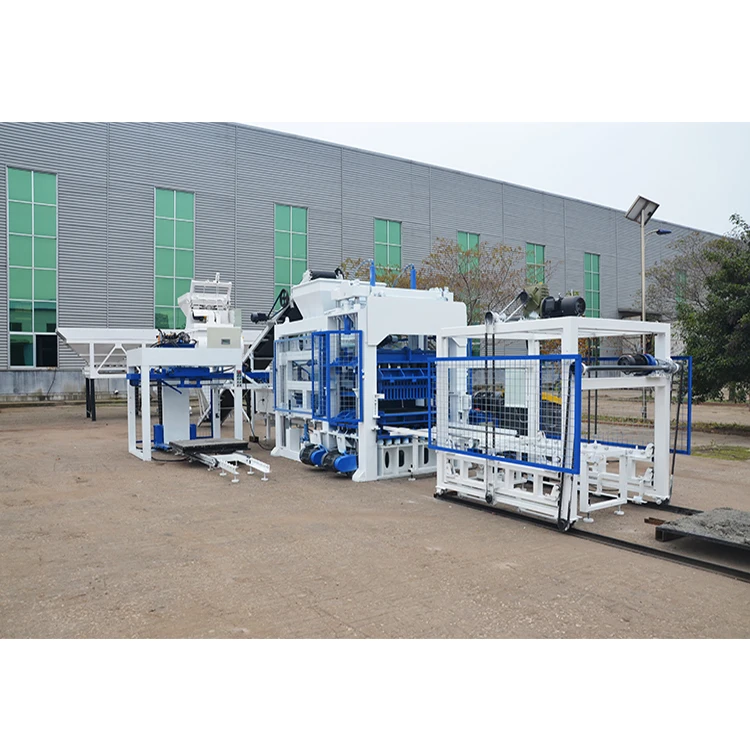
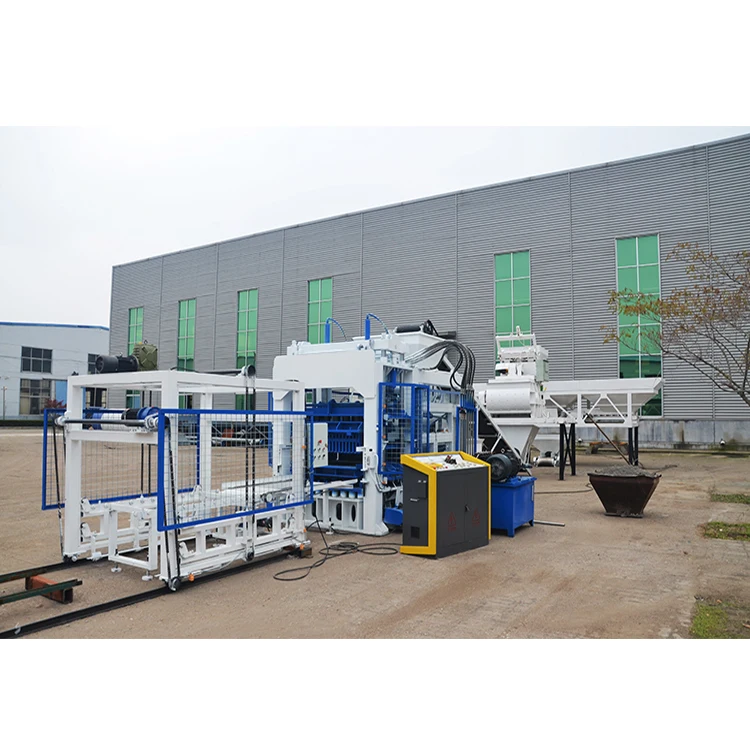
| Components Included | Pallet feed machine, block making machine, storage hopper, conveyor, hydraulic unit, PLC control cabinet |
| Mould Change | Simple mould replacement for multi-format production |
| Warranty | 1 year for whole machine (excluding spare parts) |
| Voltage & Frequency | To be confirmed before order |
| Rated Power | To be confirmed against manufacturer catalog |
| Overall Dimensions | To be confirmed against manufacturer catalog |
| Net Weight | To be confirmed against manufacturer catalog |
| Pallet Size | To be confirmed against manufacturer catalog |
Application Suitability
| Application | Material or Output |
|---|---|
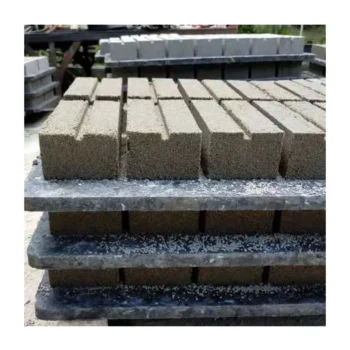
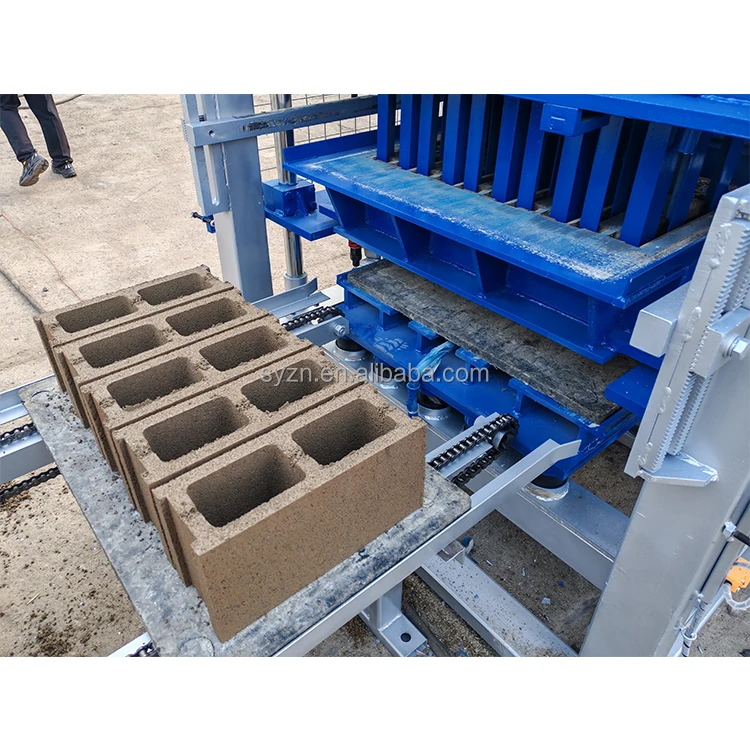
| Hollow block production | Crushed stone, river sand, cement, fly ash — 400×200×200 mm and 400×150×200 mm formats |
| Solid brick production | Fine aggregate and cement blends — 240×115×53 mm standard bricks |
| Paving block production | Graded aggregate with pigment layers — 200×100×60 mm and 225×112.5×60 mm pavers |
| Interlocking and kerbstone production | Compatible mix designs with appropriate mould change |
| On-site contractor production | Project-timed block output for housing and infrastructure deadlines |
Why "Pieces per Hour" Means Nothing Without the Block Format Attached
Every QT10-15 block machine in stock capacity figure on this page is anchored to a specific mould cavity count and block dimension.
I learned this the hard way on a Zambian project a couple of years back. The client ordered a QT10-15 expecting a clean shift output based on the brochure number, but their local stone dust carried a clay content that forced us to retune vibration and pressure from scratch once the press landed. Actual throughput settled well below the catalogue claim. Since then, I refuse to quote a daily output without first knowing the exact format the buyer plans to run and the aggregate they can actually source. The QT10-15 block machine in stock sits ready to ship, but the conversation about what it will really produce on your site has to happen before the container is booked. Buyers who skip that step end up with a machine that is technically capable but practically mismatched [NEED_CITE: common causes of block machine underperformance linked to raw material variance].
Dispatch Timing You Can Plan a Project Around
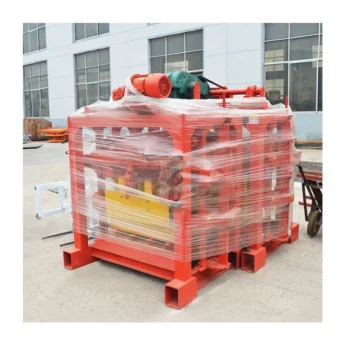
When a construction deadline is fixed, the last thing a contractor needs is a production slot that slips. The QT10-15 block machine in stock is held at the Linyi yard so the gap between payment confirmation and container loading shortens to days rather than weeks. Stocked units still go through a pre-dispatch test cycle on the pallet size and voltage the buyer confirms, so arrival readiness is not sacrificed for speed.
Container Loading and Machine Dismantling for Shipment
Shipping a press of this class means breaking it into sub-assemblies that fit standard container door clearances. The main frame, hydraulic station, and PLC cabinet travel as separate packages, bolted back together on your foundation. We provide a dismantling diagram and packing photographs before the container doors close, so the receiving team knows exactly which crate holds which assembly [NEED_CITE: standard container loading practice for heavy block presses].
Reading the Specs That Actually Shape Daily Output
The moulding cycle of 15–20 seconds applies to 400×200×200 mm hollow blocks and standard solid bricks, while denser paving formats push the cycle to 20–25 seconds. That five-second spread may look small, but across an eight-hour shift it translates into thousands of pieces of difference in daily tally. The vertical station mode resonance vibration uses automatic FM-AM to keep compaction even when the mix moisture drifts slightly between batches — a common reality in open-yard plants. The independent integrated hydraulic station sits apart from the main press frame, which keeps hydraulic oil cleaner and reduces seal wear caused by vibration transmission. Quick mould replacement means a format changeover can happen within a shift rather than consuming the whole day, preserving the flexibility the multi-format buyer pays for.
What Happens When Arrival Assumptions Go Wrong
A machine that arrives without confirmed voltage and frequency will sit idle while transformers are sourced locally. PLC display language left unchecked means operators struggle through menus they cannot read, slowing the commissioning window. Pallet size chosen without checking the buyer’s existing curing racks and forklifts leads to double-handling from day one. These are not theoretical complaints — they show up repeatedly in post-delivery service calls and delay the first saleable block by weeks [NEED_CITE: equipment commissioning delays caused by unconfirmed electrical standards].
Why Buyers Source This Stocked Press Through Shiyue
Block machinery is the only product line here, so the press, mould, pallet, and handling equipment are specified as one matched set rather than assembled from separate vendors. Every capacity figure on this page is tied to a named format and mould cavity count — no orphan numbers. The QT10-15 block machine in stock ships with mould options matched to the formats that actually sell in the buyer’s market, including custom drawings when standard moulds do not cover a local size. Automation level is selectable, so a buyer can take delivery as a semi-automatic line today and add stacking or cubing modules later. Installation support includes operator training on the actual mix and block format the plant will run.
Documentation & Verification
- Line layout with capacity calculation stated per block format before dispatch
- Factory test record run on buyer-confirmed pallet size and voltage
- Hydraulic and electrical schematic matching the shipped unit serial number
- Packing photographs and container loading plan for customs inspection
- CE declaration included where applicable for destination market entry
- Operation and maintenance manual with wear parts and mould list
Installation, Commissioning & Support
- Foundation plan provided showing load points for the QT10-15 main frame and hydraulic station
- Voltage and frequency confirmed before wiring so the PLC cabinet matches site supply on arrival
- Dismantling diagram supplied to guide re-assembly sequence and bolt torque values
- First-run test supervised with vibration and pressure tuned to the buyer’s confirmed mix design
- Operator training covers mould change procedure and PLC menu navigation in the confirmed language
- Wear parts list with reorder codes for hydraulic seals, vibration springs, and pallet guides
Getting the Right Unit Matched to Your Site
Send through the block formats your market buys, the aggregate and cement you can source locally, and the curing area you have available. Confirm your site voltage, frequency, and the language your operators need on the PLC display. If you are working to a project deadline, tell us the container arrival date you need so the dispatch schedule can be locked before production planning fills the yard.
Frequently Asked Questions
Q: Is the QT10-15 currently in stock or built to order?
A: The QT10-15 is held as a stocked unit at the Linyi facility. Availability is confirmed at the point of inquiry, and dispatch can follow within days once voltage, frequency, and PLC language are verified against your site requirements.
Q: What is the dispatch lead time and estimated arrival at my port?
A: Stocked units move from payment confirmation to container loading in a matter of days, not weeks. An estimated arrival date at your destination port is quoted before you commit, based on current shipping schedules and the confirmed loading plan.
Q: How is the machine dismantled and loaded into containers for shipment?
A: The press is broken into main frame, hydraulic station, and control cabinet sub-assemblies that fit standard container door openings. A dismantling diagram and packing photographs are provided so re-assembly is straightforward on your foundation.
Q: What voltage and frequency is the stocked unit configured for?
A: Stocked units are configured to the buyer’s confirmed voltage and frequency before dispatch. If your site supply differs from the default, the electrical system is adjusted during the pre-ship test cycle so the PLC cabinet is ready on arrival.
Q: What documentation comes with the shipment for customs clearance?
A: Each shipment includes a factory test record, hydraulic and electrical schematics, CE declaration where applicable, packing photographs, and a complete wear parts list. Customs documentation support is provided to smooth clearance at your port of entry.