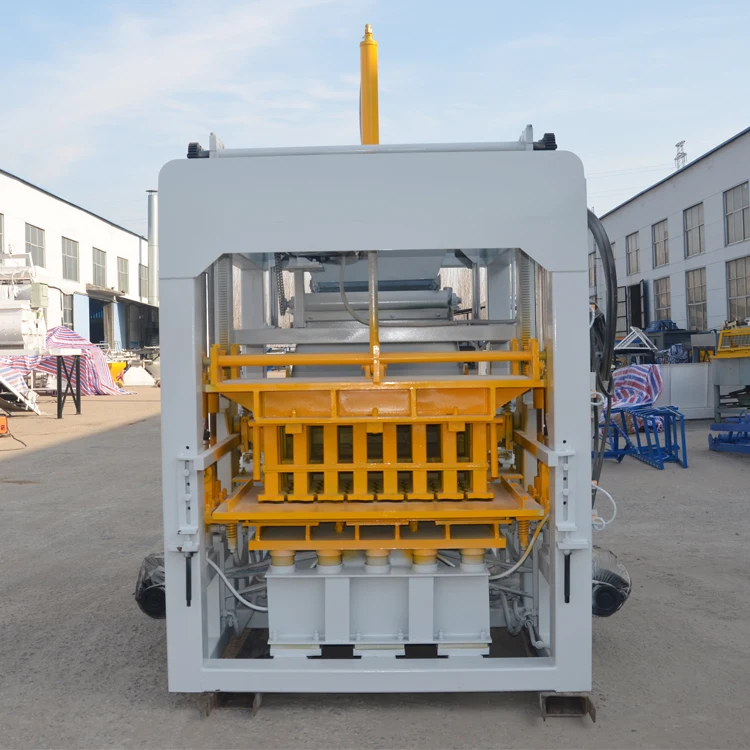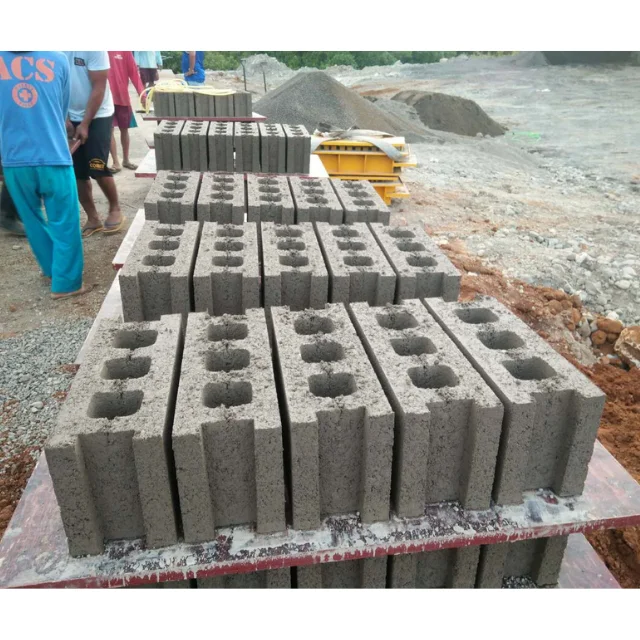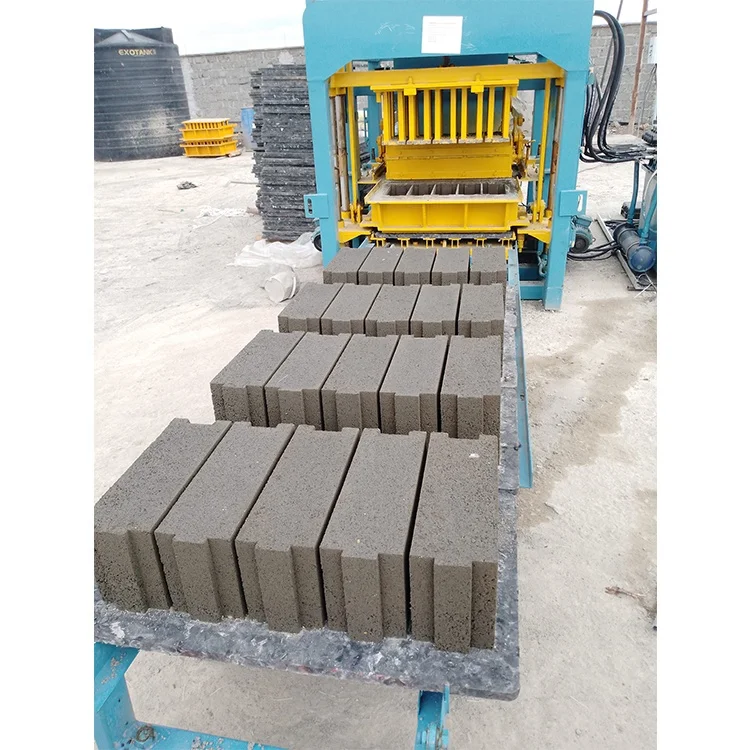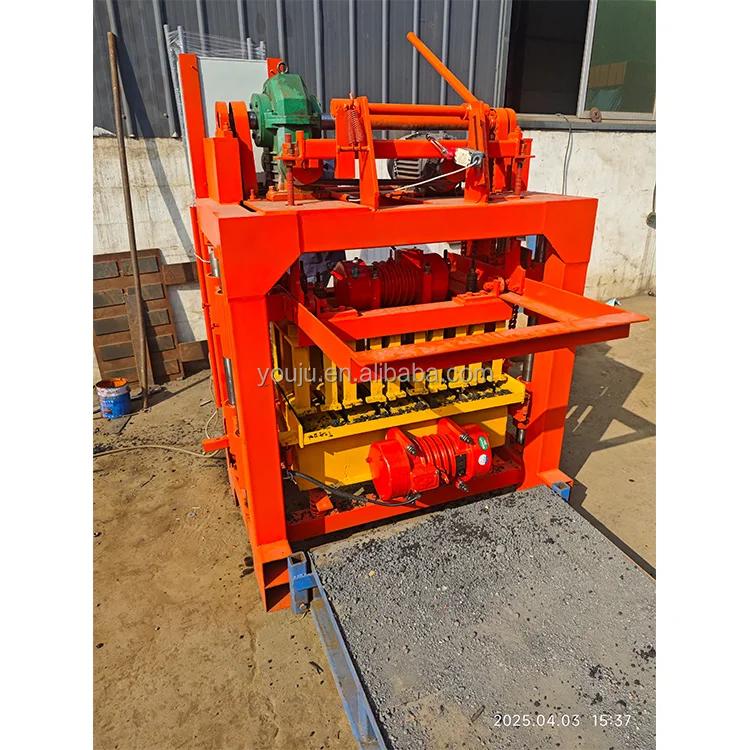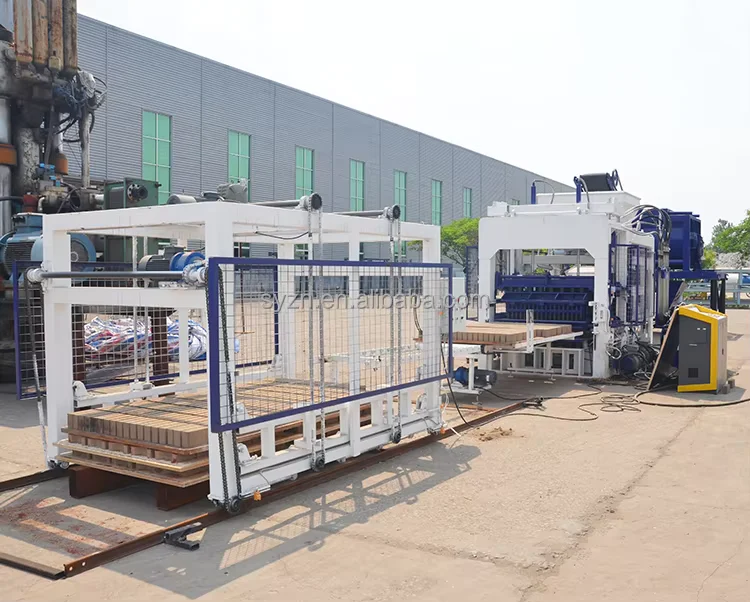
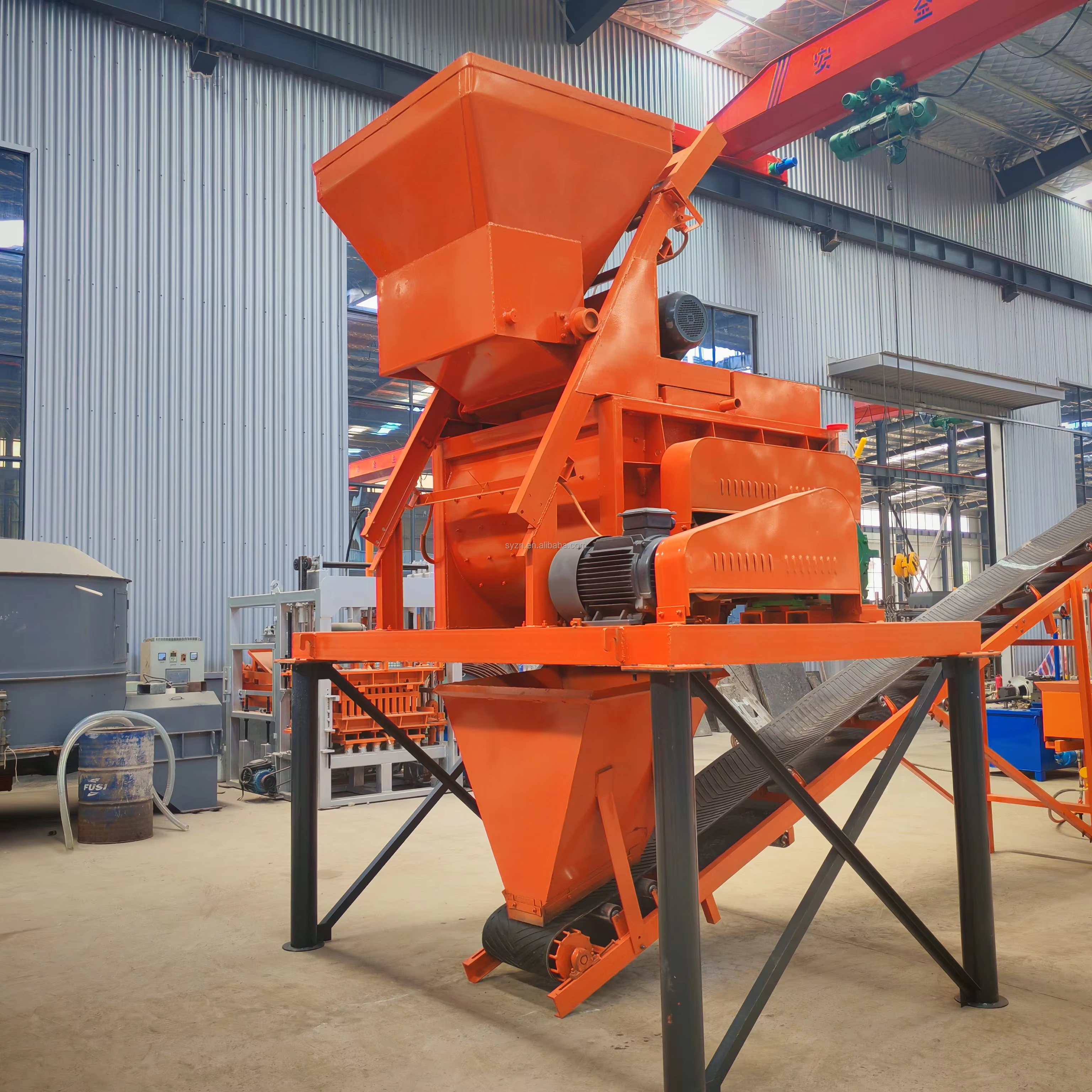
Description
Dispatch Readiness — The QT12-15 is held in inventory and prepared for immediate container loading, bypassing extended manufacturing queues to meet urgent project deadlines.
Technical Specifications
| Parameter | Value |
|---|---|
| Model | QT12-15 |
| Product Type | Hydraulic Pressure Concrete Block Making Machine |
| Method | Hydraulic pressure |
| Automatic | Yes |
| Overall Dimensions (L×W×H) | 935025202950mm |
| Net Weight | 11000kgs |
| Hydraulic Pressure | 20 MPa |
| Shaping Cycle | 15-20s |
| Standard Mould Formats | 400200200 mm, 400150200 mm, 400120200 mm, 400100200 mm, 24011590 mm, 230220115 mm |
| Core Components | PLC, Motor, Pump |
| Worker Requirement | 1-3 people |
| Concrete Mixer | Optional |
| Voltage | Local Voltage (configurable before dispatch) |
| Machinery Test Report | Provided |
| Video Outgoing-inspection | Provided |
Application Suitability
| Application | Material or Output |
|---|---|
| Hollow block production | Crushed stone, sand, cement, coal fly ash |
| Solid block manufacturing | Cinder, slag, gravel, dust |
| Paver block production | Standard aggregates with cement binder |
Why the Control Panel Language Must Be Checked Before Loading
A machine sitting idle on day one because the operator cannot read the screen is a logistics failure, not a technical one.
When managing overseas deployments, I have seen project schedules collapse simply because the interface language was overlooked during the packing phase. A fast delivery block making machine loses all its speed advantages if the local crew cannot navigate the menus to start the first cycle. Confirming the display language and matching the local grid frequency before the container doors close prevents weeks of downtime waiting for replacement boards [NEED_CITE: common commissioning delays in exported machinery]. Securing a QT12-15 block machine in stock means the hardware is ready, but the software configuration must align with your site from the very first hour.
Container Loading and Dismantling Strategy
Moving a machine of this footprint requires a precise dismantling plan to maximize container space and protect critical hydraulic lines. The main frame and press head are secured separately from the control cabinet to prevent transit damage. Having a QT12-15 block machine in stock allows our logistics team to execute this loading sequence immediately, providing you with exact packing lists and loading photographs before the vessel departs.
Upfront Arrival Estimates and Port Clearance
Project contractors working against strict handover dates need reliable timelines, not vague shipping promises. We provide estimated arrival dates based on current vessel schedules and destination port congestion levels. This transparency ensures your foundation work and curing areas are prepared exactly when the fast delivery block making machine clears customs [NEED_CITE: average port dwell times for heavy industrial cargo].
Matching Hydraulic Pressure to Standard Mould Formats
The 20 MPa hydraulic pressure works in tandem with the vibration system to compact raw materials like fly ash and crushed stone into dense, consistent blocks. Because the shaping cycle runs between 15 and 20 seconds, the press relies on standardized mould formats—such as the 400200200 mm hollow block—to maintain continuous output without manual adjustments. This fixed cycle time ensures that the pallet feed and block ejection remain synchronized throughout the shift.
The Hidden Cost of Overlooking Site Voltage
Assuming a standard voltage without verifying the local grid can fry the main motor or cause the PLC to fault repeatedly during startup. When a buyer ignores this step, the resulting electrical failure voids the warranty and halts the entire block line. We verify your exact voltage and frequency requirements against the stocked unit’s motor nameplate to ensure the equipment powers up safely upon arrival [NEED_CITE: electrical grid variations in developing regions].
Why Procure This Unit Through Our Dispatch Channel
Our single focus on block machinery means every stocked unit is inspected as a complete system, not just a standalone press. We configure the electrical and control parameters against your actual site conditions rather than shipping a generic factory default. Standard moulds and critical wear parts are bundled directly into the ready-to-ship package. You receive comprehensive factory test records and video outgoing-inspections proving the machine’s operational status before it leaves our facility.
Documentation & Verification
- Factory test record confirming hydraulic pressure and cycle times before dispatch
- Video outgoing-inspection showing the press running with your selected mould format
- Detailed container loading plan and machine dismantling diagrams for shipment
- Electrical schematic confirming voltage, frequency, and PLC language settings
- Customs documentation support tailored to your destination port requirements
Installation, Commissioning & Support
- Foundation layout provided to match the 935025202950mm footprint and dynamic loads
- Power distribution guide specifying dedicated circuits for the main hydraulic pump motor
- Step-by-step reassembly instructions for the dismantled press head and control cabinet
- On-site parameter setting for the PLC to optimize the 15-20s shaping cycle
- Operator training focused on navigating the localized control panel language
- Initial wear parts list included to prevent stoppages during the first production run
Preparing Your Site for Immediate Deployment
To ensure the equipment integrates smoothly into your operation, please provide your target daily output, the specific block formats you intend to run, and your available curing area dimensions. We also require your exact local voltage, frequency, and the preferred language for the PLC interface to finalize the pre-dispatch configuration.
Frequently Asked Questions
Q: What is the exact dispatch lead time and container loading process for this stocked model?
A: Since the unit is already assembled and tested, dispatch lead time is limited to the dismantling and container loading sequence. We provide a detailed loading plan, secure the hydraulic components for transit, and supply packing photographs before the container is sealed, ensuring rapid departure from the port.
Q: Can the arrival estimate and shipping schedule be quoted upfront based on my destination port?
A: Yes, we calculate arrival estimates using current vessel schedules and known port congestion data for your specific destination. This upfront scheduling allows you to align your site preparation, foundation pouring, and raw material delivery with the expected customs clearance date.
Q: Is the voltage and control language on the in-stock unit compatible with my local site?
A: Before loading, we verify your local grid specifications and reconfigure the motor and PLC to match. We also set the control panel language to your preference, ensuring your operators can read the interface and begin commissioning immediately upon arrival without waiting for replacement components.
Q: How is the machine dismantled for shipment, and what support is provided for reassembly?
A: The machine is partially dismantled to fit standard container dimensions while protecting sensitive hydraulic and electrical parts. We provide clear reassembly diagrams, and our technical team guides your crew through the reconnection of the press head, pallet feeder, and control cabinet during the on-site commissioning phase.
Q: Are standard moulds and wear parts included in the ready-to-ship package?
A: Yes, the package includes the standard mould formats you select from our available inventory, along with an initial set of hydraulic and mechanical wear parts. This prevents production delays and ensures you can complete your first production runs without waiting for international spare parts shipments.