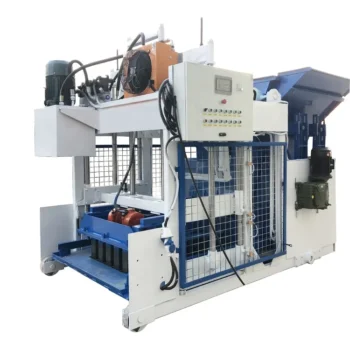
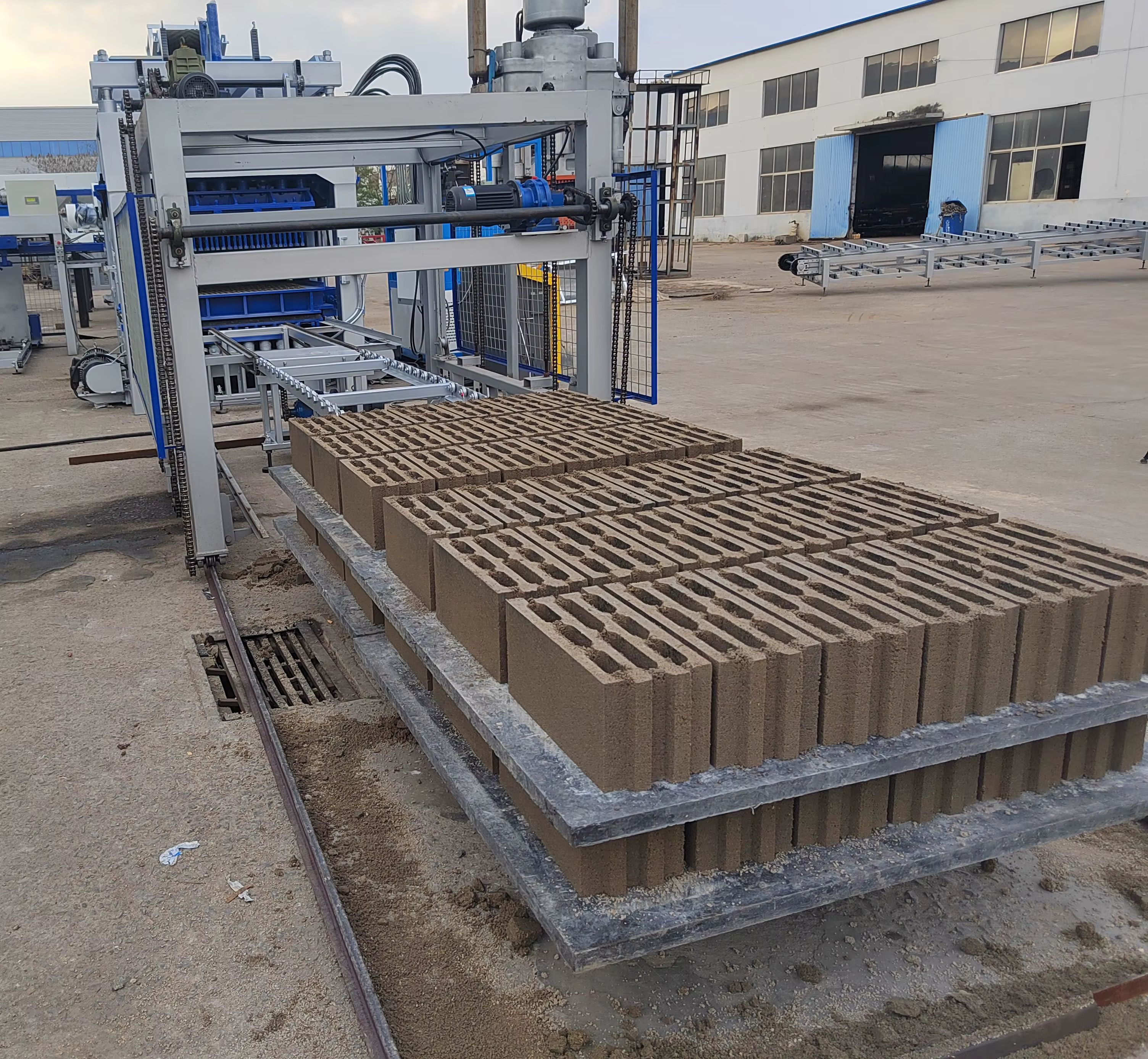
Description
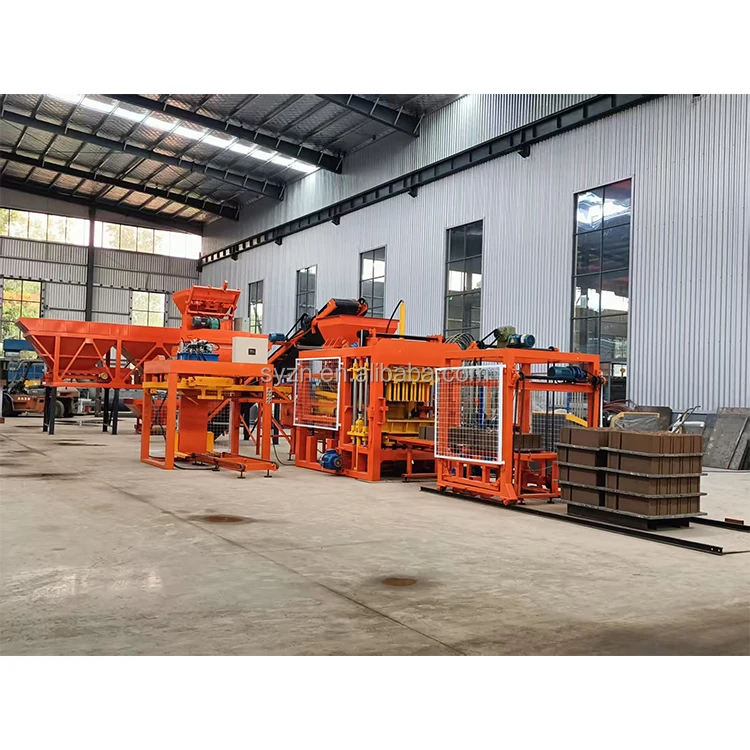
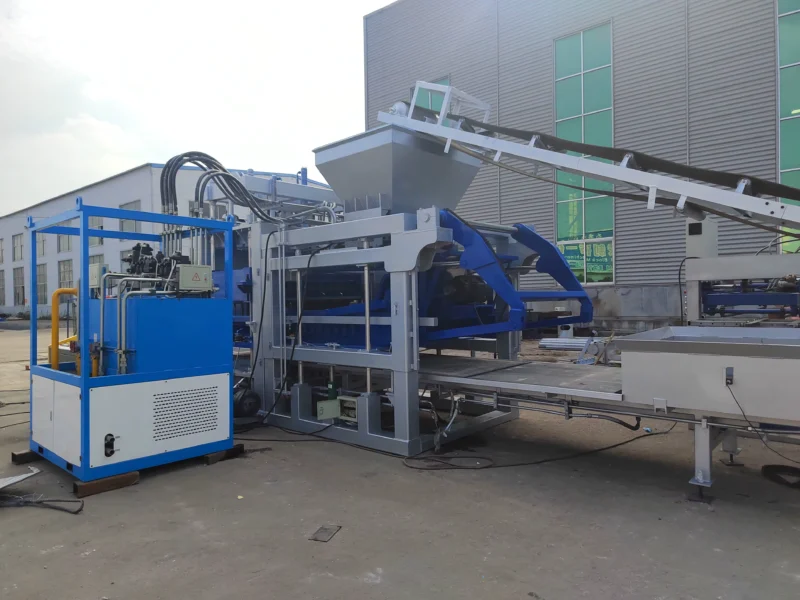
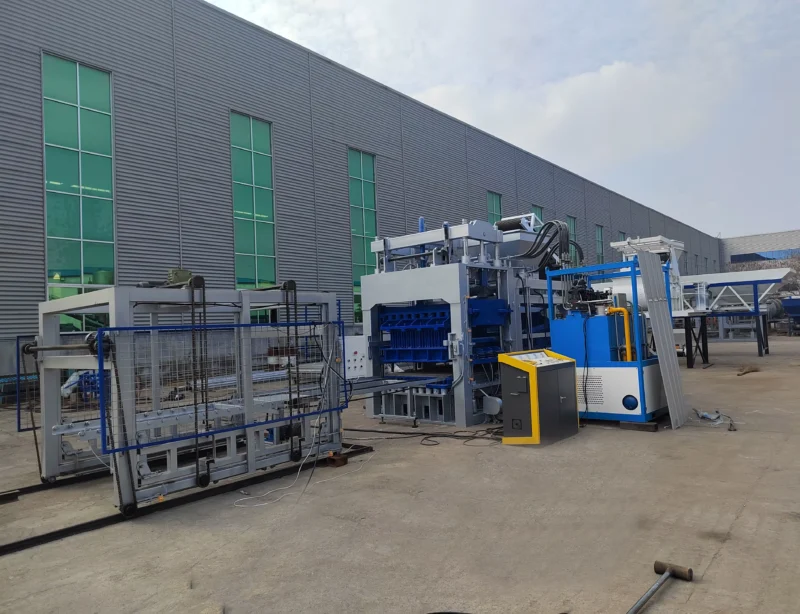
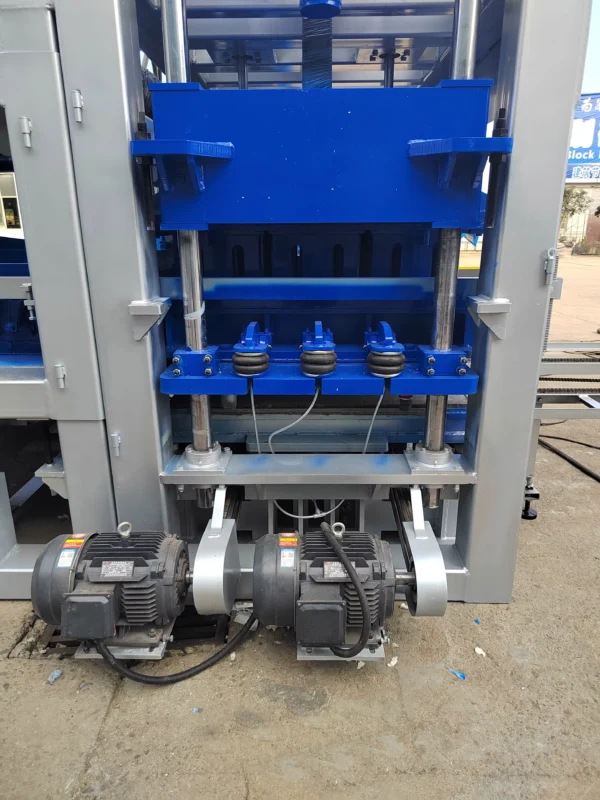
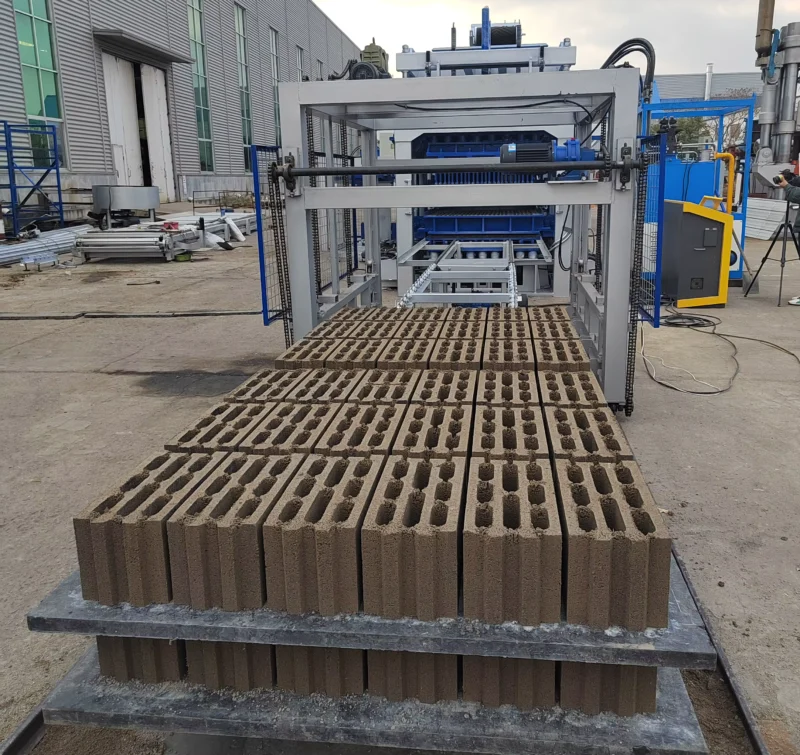
Dispatch-Ready Configuration — The QT18-15 is pre-assembled and staged for immediate container loading, eliminating the typical multi-week production wait for buyers facing strict project deadlines.
Technical Specifications
| Parameter | Value |
|---|---|
| Model | QT18-15 |
| Product Type | Fully Automatic Block Production Line |
| Forming Method | Hydraulic pressure |
| Rated Pressure | 26 MPa |
| Overall Dimensions (LWH) | 935025202950 mm |
| Machine Weight | 12000 kg / 18T (source value — verify against manufacturer catalog) |
| Power Supply | Local Voltage (source value — verify against manufacturer catalog) |
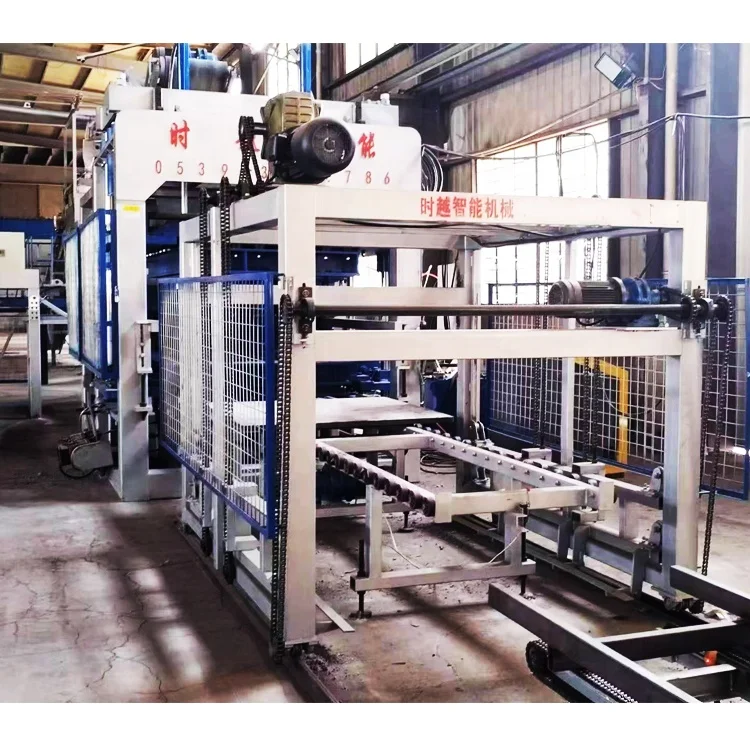
| Core Components | PLC, Pressure Vessel |
| Molding Cycle | 15s (basis not stated in source — confirm block format / material / thickness) |
| Warranty | 2 Years |
Application Suitability
| Application Scenario | Target Material & Output Focus |
|---|---|
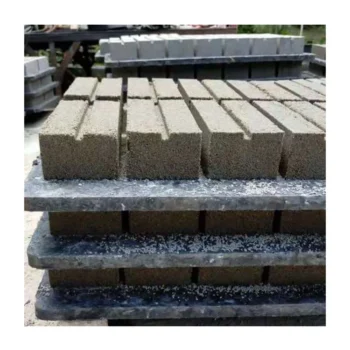
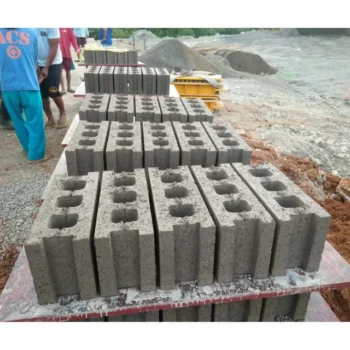
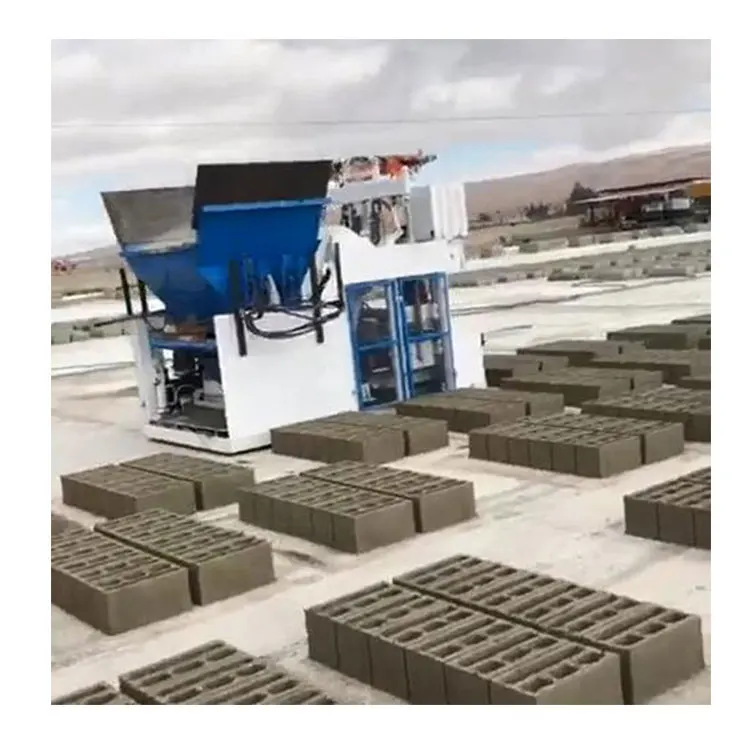
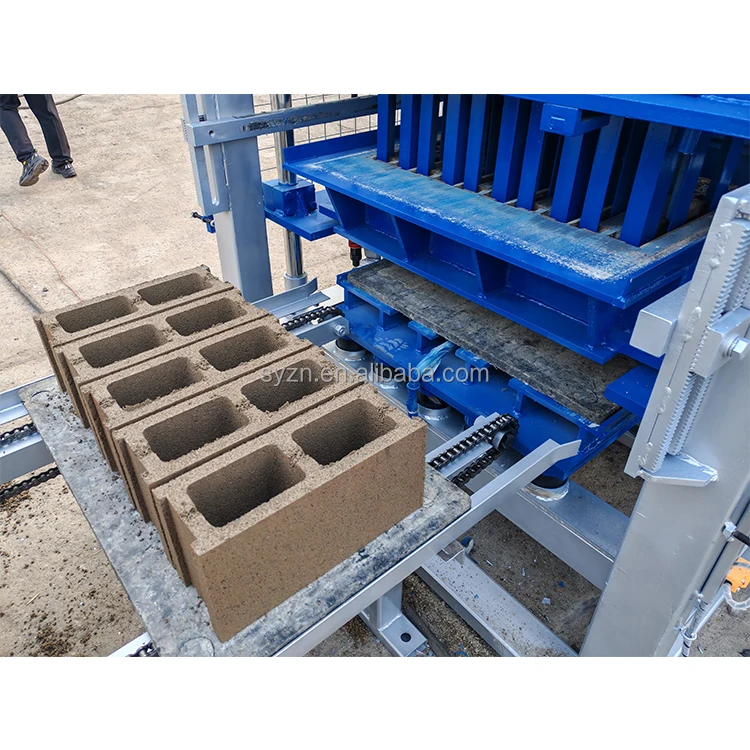
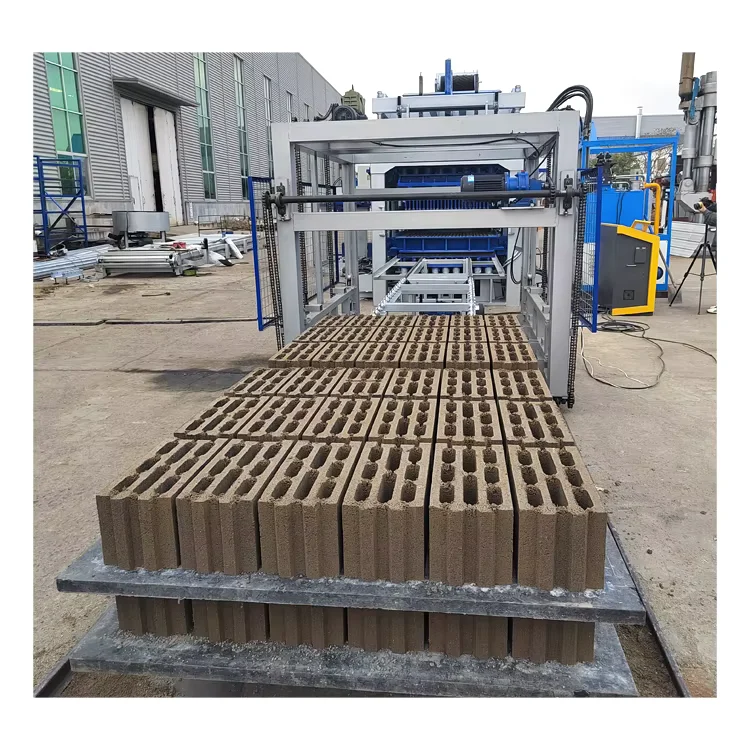
| High-volume housing development sites | Concrete and cement hollow blocks for structural walls |
| Municipal infrastructure projects | Concrete paving blocks and curbstones for roadways |
| Fast-track commercial construction | Interlocking blocks for rapid perimeter and retaining walls |
Why "Ready to Ship" Matters More Than Cycle Times
Securing a QT18-15 block making machine in stock means your equipment arrives before your foundation work is even finished, rather than delaying the entire construction schedule.
When contractors rush to meet project handover dates, waiting for a machine to be built from scratch often leads to severe site bottlenecks. I have seen project managers lose entire months because a delayed equipment shipment left their masonry crews standing around an empty slab. Prioritizing immediate availability ensures the block production timeline aligns perfectly with the broader construction critical path [NEED_CITE: construction project scheduling and equipment lead times].
Container Loading and Dismantling Logistics
Moving a fully automatic line requires precise spatial planning long before the ship leaves the port. The QT18-15 block making machine in stock is dismantled into modular sections that fit standard shipping containers, with the 935025202950mm main frame carefully segmented to avoid oversized cargo surcharges. Every structural component is mapped to a specific container, ensuring nothing is left behind on the dock.
Arrival Estimates and Port Clearance
Knowing exactly when your machinery will hit the ground allows you to schedule the crane and rigging crews efficiently. We provide upfront arrival estimates and comprehensive customs documentation support so the equipment clears the port without sitting in storage accruing daily demurrage fees. This transparency removes the guesswork from your site mobilization schedule [NEED_CITE: international freight forwarding and port clearance procedures].
Decoding the Physical Footprint and Pressure Ratings
The 935025202950mm dimension dictates your factory layout, but the 2950mm height is the critical metric for indoor facilities. Early in my career, a client ordered a fully automatic line without verifying their roof clearance; the stacking mechanism nearly punched through the steel beams, forcing us to cut and weld the facility’s roof trusses on-site. Furthermore, the 26 MPa rated hydraulic pressure ensures the main press can handle dense concrete mixes, but the physical footprint must accommodate the raw material feeders and pallet return systems that surround the central unit.
The Hidden Costs of Rushing Without a Loading Plan
Ordering equipment purely based on speed without verifying the loading scheme often results in damaged components upon arrival. If the hydraulic pressure vessels and PLC cabinets are not properly braced inside the container, ocean transit vibrations can snap internal wiring or crack hydraulic fittings. A rushed dispatch that ignores container weight distribution can also lead to rejected loads at the port of origin, ironically delaying the very project you were trying to accelerate [NEED_CITE: ocean freight cargo securing and bracing standards].
Why Source This Equipment Here
We focus entirely on block machinery, meaning the press, pallets, and handling equipment are specified as a single matched system ready for immediate dispatch. Our dispatch lead times are confirmed against actual warehouse inventory, not optimistic factory schedules. We provide detailed machine dismantling plans and container loading diagrams before you pay the balance. Every stocked unit undergoes a final factory test to verify the 26 MPa hydraulic system before it is broken down for shipping.
Documentation & Verification
- Factory test record verifying hydraulic pressure stability before dismantling.
- Container loading plan detailing the placement of the 9350mm main frame.
- Machinery test report and video outgoing-inspection provided prior to dispatch.
- Customs documentation package formatted for rapid port clearance.
Installation, Commissioning & Support
- Verify facility roof clearance exceeds the 2950mm machine height before rigging.
- Confirm local voltage matches the configured power supply before connecting the PLC.
- Reassemble dismantled modular sections using the provided container loading map.
- Calibrate the 26 MPa hydraulic pressure system during initial commissioning.
- Train operators on PLC interface navigation and daily pressure vessel checks.
Project Alignment and Dispatch Inquiry
To ensure the equipment matches your site constraints and arrives exactly when needed, please provide your target block formats and daily volume requirements. We also need your facility dimensions, specifically the clear ceiling height, to verify the 2950mm machine profile will fit. Finally, confirm your local voltage and frequency so the electrical system is validated before the container is sealed.
Frequently Asked Questions
Q: What is the exact dispatch lead time for the QT18-15?
A: Because this is a stocked unit, the dispatch lead time is limited only to the days required for final factory testing, dismantling, and container loading. We provide a precise calendar estimate upon order confirmation, ensuring you can schedule your site preparation and rigging crews without guessing when the equipment will actually leave the port.
Q: How is the machine dismantled for container shipment?
A: The main frame and supporting systems are broken down into modular sections designed to fit standard shipping containers. We provide a detailed dismantling and loading diagram that maps every component to a specific container, ensuring efficient unloading and preventing damage during ocean transit.
Q: Are standard moulds and pallets included in the ready stock?
A: Standard moulds and matching pallets for common concrete block formats are kept in inventory alongside the main press. We confirm the exact mould and pallet availability during the initial inquiry, allowing them to be loaded into the same containers as the main machinery for simultaneous arrival.
Q: Can the voltage and PLC language be adjusted before fast dispatch?
A: Yes. Even with stocked machinery, we verify your local voltage, frequency, and preferred PLC display language before the final factory test. This ensures the electrical system is fully configured and validated before the equipment is dismantled and loaded, preventing on-site commissioning delays.