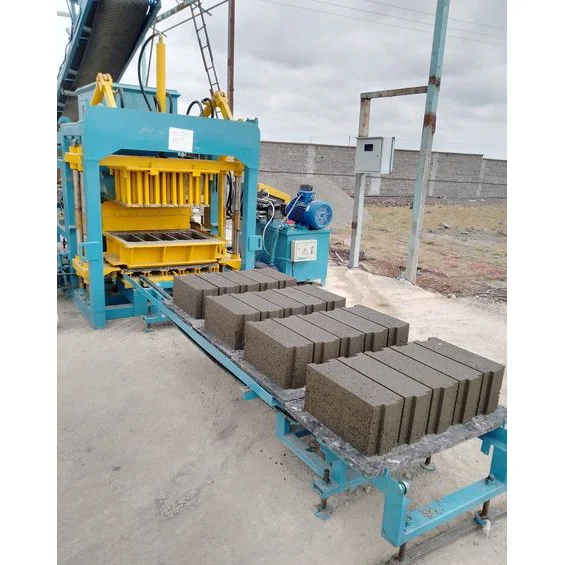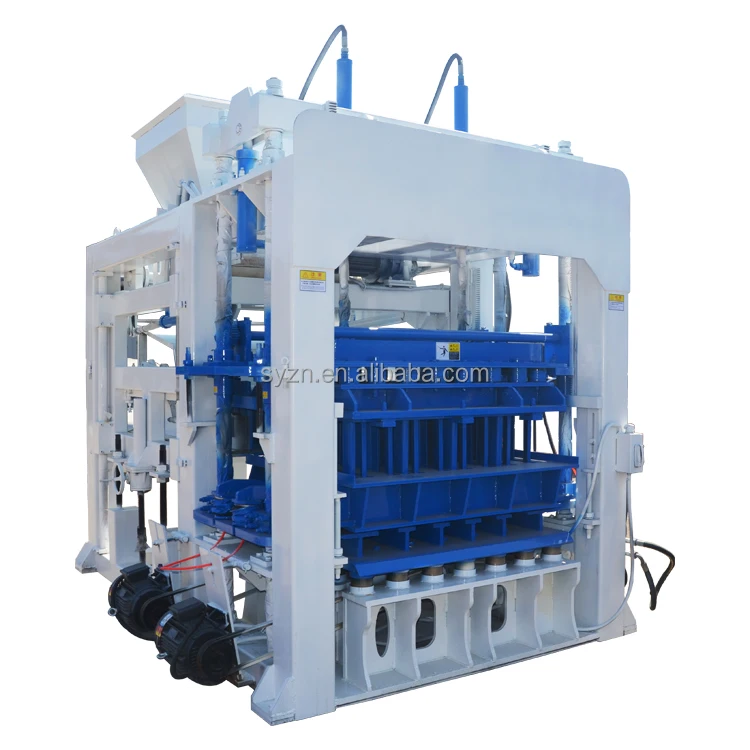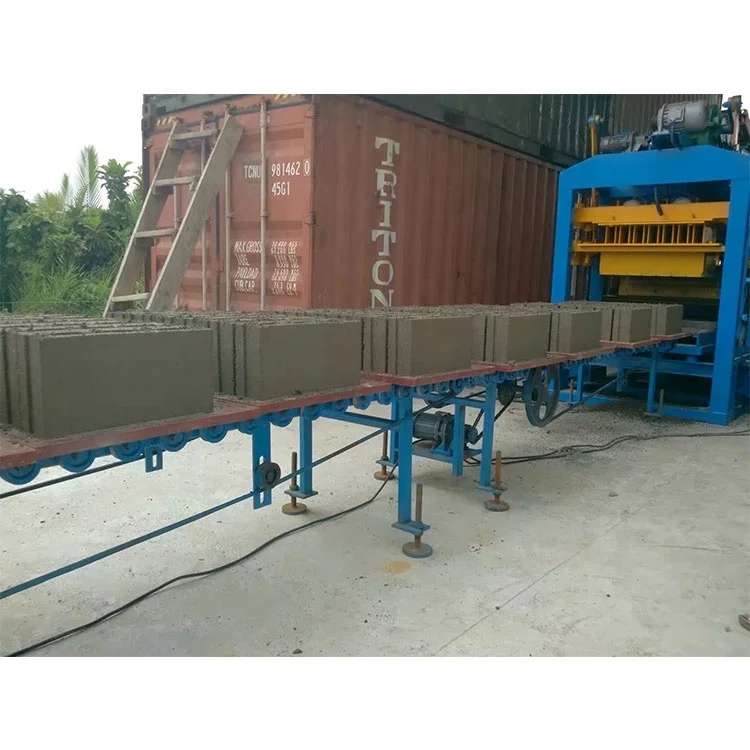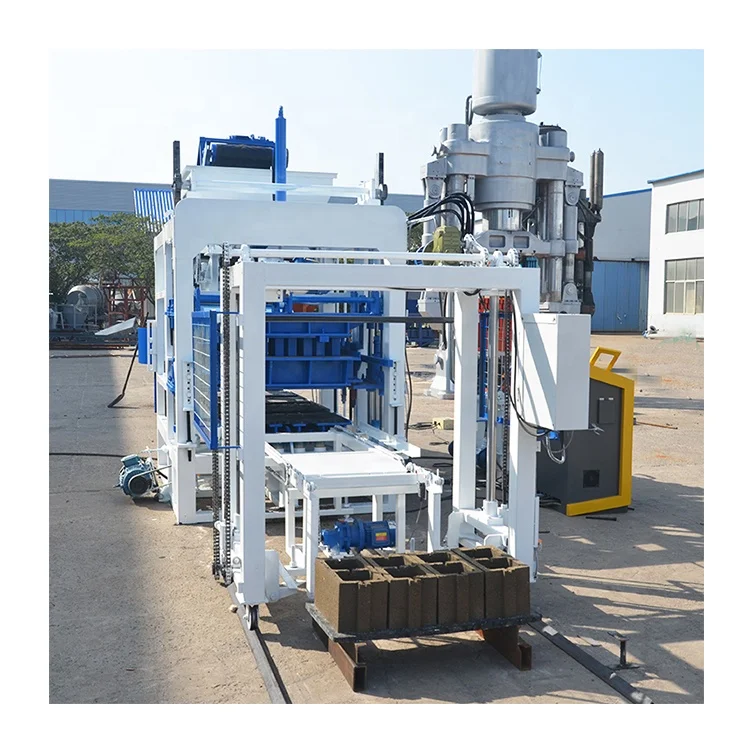
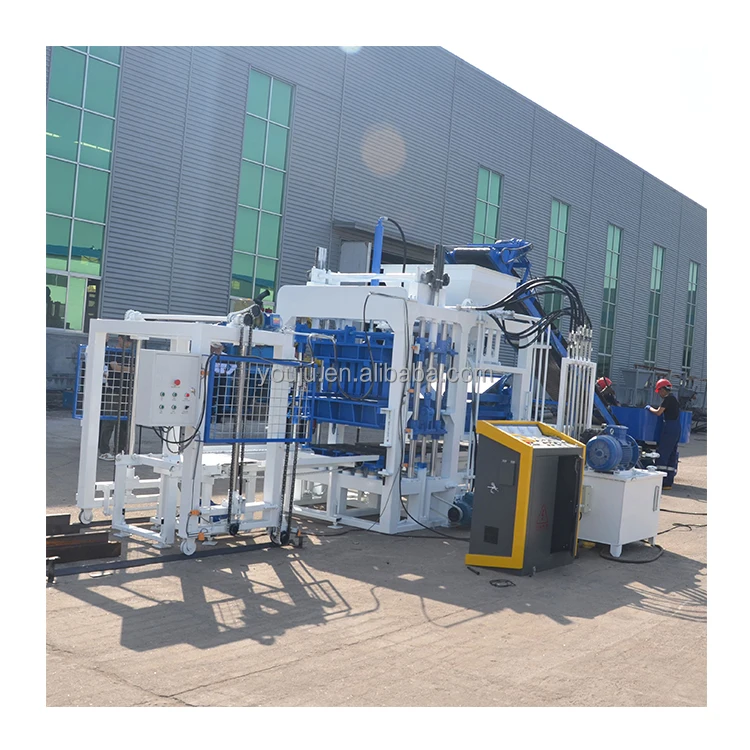

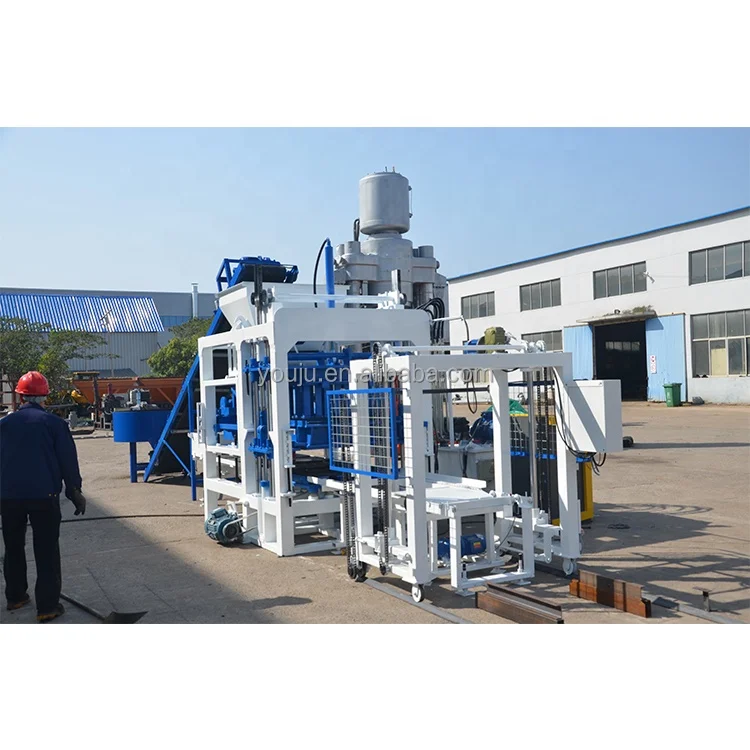


Description
Stock availability and dispatch readiness — QT4-18 block machine in stock models ship with verified factory test records, cutting the waiting period between order and container loading.
Technical Specifications
| Parameter | Value |
|---|---|
| Model | QT4-18 |
| Product Type | Automatic Concrete Block Making Machine |
| Overall Dimension | 2500×1750×2200 mm |
| Rated Pressure | 16 MPa |
| Vibration Form | Platform Vibration |
| Pallet Size | 950×550 mm |
| Molding Cycle | 18–25 s (basis to be confirmed) |
| Overall Power | 27.5 kW |
| Control System | PLC with frequency converter |
| Electrical Components | Schneider brand |
| Mold Lifting Mechanism | Double-sided synchronous gears |
| Material Feeding System | Distribution belt hopper |
| Mould Change Method | Manual bolt removal with pallet assistance |
| Included Mould | One free hollow mould (extra moulds customizable) |
| Support Equipment Options | JQ500 concrete pan mixer, 8 m / 6 m belt conveyor, stacker, block clamper, cement silo, batching plant, trolley |
Application Suitability
| Application | Material or Output |
|---|---|
| Hollow block production | Crushed stone, cement, and sand aggregates |
| Solid block manufacturing | Fly ash, cement, and gravel blends |
| Paving block and kerbstone forming | High-density concrete mixes with fine aggregate |
| On-site contractor block runs | Locally sourced sand and cement at project locations |
Why Lead Times Matter More Than Cycle Times for Block Buyers
A fast molding cycle means nothing if the QT4-18 block machine in stock is not actually ready to ship when your project deadline arrives.
I have watched contractors lose weeks because the quoted cycle time looked impressive on paper, but the machine was still in production when their foundation work was already finished. The gap between a factory promise and a container on the water is where most schedules break down. Buyers who need equipment on site for a specific construction milestone cannot absorb those delays [NEED_CITE: impact of equipment delivery delays on construction project timelines].
Dispatch Readiness and What It Actually Means
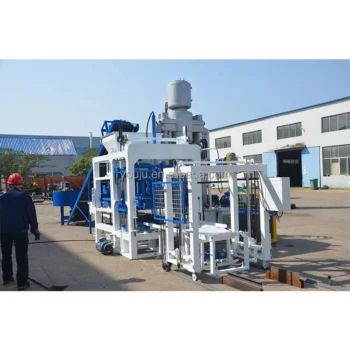
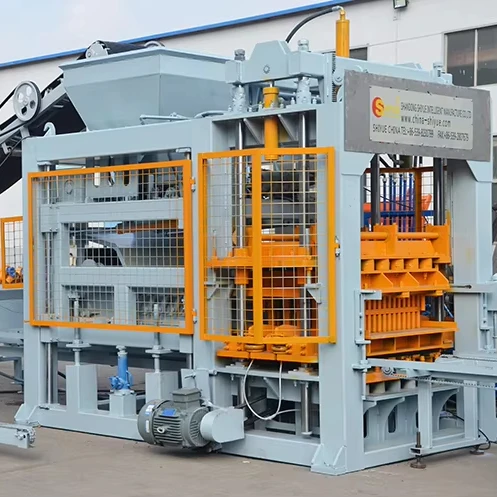
When we say a QT4-18 block machine in stock is available, it means the press has been assembled, wired, and run through a full factory test cycle before it is listed. The PLC panel is powered on, the vibration platform is checked at operating frequency, and the hydraulic circuit is pressurized to 16 MPa to confirm seal integrity. This is not a machine sitting in components waiting for an order to trigger assembly.
How Container Loading Planning Shortens Your Wait
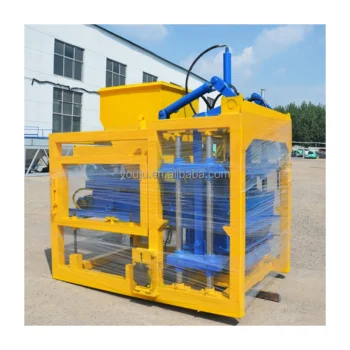
The QT4-18 frame dimensions at 2500×1750×2200 mm allow the main press to fit inside a standard container with room for pallets, one hollow mould, and selected support equipment. We plan the dismantling sequence so that reassembly on site follows a logical order — frame first, then hydraulic station, then electrical cabinet — rather than forcing your team to dig through a container to find the right bolt bag.
Reading the Specs That Actually Affect Your Output
The 950×550 mm pallet size determines how many blocks you press per cycle and, just as importantly, whether those loaded pallets fit the curing racks and forklifts you already have on site. The 16 MPa rated pressure, combined with platform vibration, sets the density and compressive strength of each block — a figure that must be matched to your specific cement-to-aggregate ratio rather than treated as a standalone number [NEED_CITE: relationship between hydraulic pressure and concrete block compressive strength]. The molding cycle of 18–25 seconds varies depending on block format; a standard hollow block sits at the shorter end, while denser solid blocks or interlocking pavers push toward the longer range. The distribution belt hopper feeds material evenly across the mould cavity, which reduces density variation from one block to the next within the same cycle.
The Cost of Skipping the Configuration Check Before Dispatch
Ordering a block machine without confirming your local aggregate gradation and target block format is one of the most common mistakes I see. The vibration force and hydraulic pressure are calibrated at the factory against a specific mix design. If your sand carries high clay content or your gravel is coarser than the test standard, the block strength drops and surface finish degrades — and you discover this only after the machine has been running for a week on your site [NEED_CITE: effect of aggregate clay content on concrete block strength].
Why Buyers Choose This Source for Fast-Moving Block Equipment
We focus exclusively on block machinery, so the press, mould, pallet, and handling equipment are specified as a matched set rather than sourced from unrelated suppliers. Every QT4-18 block machine in stock ships with a factory test record that documents actual performance against the stated pallet size and mould format. The support equipment list — from the JQ500 pan mixer to the belt conveyor and stacker — is configured to match the press output so no station becomes a bottleneck. Voltage and control language are confirmed before packing, avoiding the commissioning delays that happen when a PLC screen displays text the operator cannot read.
Documentation & Verification
- Factory test record run on the mould format included with your QT4-18 shipment
- Pallet specification sheet matching the 950×550 mm size and your curing area layout
- Voltage and PLC language confirmation document signed before container sealing
- Hydraulic and electrical schematic for the exact Schneider component configuration shipped
- Packing photographs showing dismantling sequence and container loading arrangement
Installation, Commissioning & Support
- Foundation plan based on the 2500×1750 mm footprint and 27.5 kW total power draw
- Dedicated electrical circuit sized for the 16 MPa hydraulic pump startup current
- Dismantling and reassembly guide matching the container loading sequence used at dispatch
- First-run parameter tuning against your local aggregate sample and target block format
- Operator training covering PLC navigation, mould change procedure, and daily maintenance checkpoints
- Wear parts and mould replacement list with part numbers for the double-sided synchronous gear mechanism
What We Need From You to Confirm Availability and Dispatch
To match the right QT4-18 block machine in stock configuration to your project, send us your target block format and daily volume requirement, the local aggregate type and gradation you plan to use, and your site voltage and frequency specification. If you already have pallets, curing racks, or forklifts on site, share their dimensions so we can verify compatibility with the 950×550 mm pallet system before loading.
Frequently Asked Questions
Q: What support equipment is included with a stocked QT4-18, and can I adjust the list?
A: The standard support options include a JQ500 pan mixer, belt conveyor, stacker, block clamper, and trolley. You can add or remove items such as the cement silo or batching plant depending on what you already have on site. We confirm the final equipment list before packing so the container load plan matches exactly what you need.
Q: How long does dispatch take once I confirm the order and configuration?
A: Stocked QT4-18 units are assembled and factory-tested before listing, so the main variable is container booking and customs paperwork. Once voltage, control language, and support equipment are confirmed, packing and loading typically proceed within a short window. We provide an arrival estimate at the quotation stage so you can plan your site preparation accordingly.
Q: Does the 950×550 mm pallet fit my existing curing area and forklift?
A: That depends on your current rack spacing and forklift fork width. Share your curing rack dimensions and forklift model before shipment, and we verify the pallet compatibility. If your existing setup uses a different pallet size, we can discuss whether adjustment is feasible or whether a different configuration suits your site better.
Q: Is the 18–25 second molding cycle measured on a specific block format?
A: The cycle range is measured on standard hollow blocks using a reference mix. Denser formats like solid blocks or pavers require longer vibration and pressing time, which shifts the cycle toward the upper end of the range. We run your target format during the factory test so the cycle time on your test record reflects the block you will actually produce.