Description
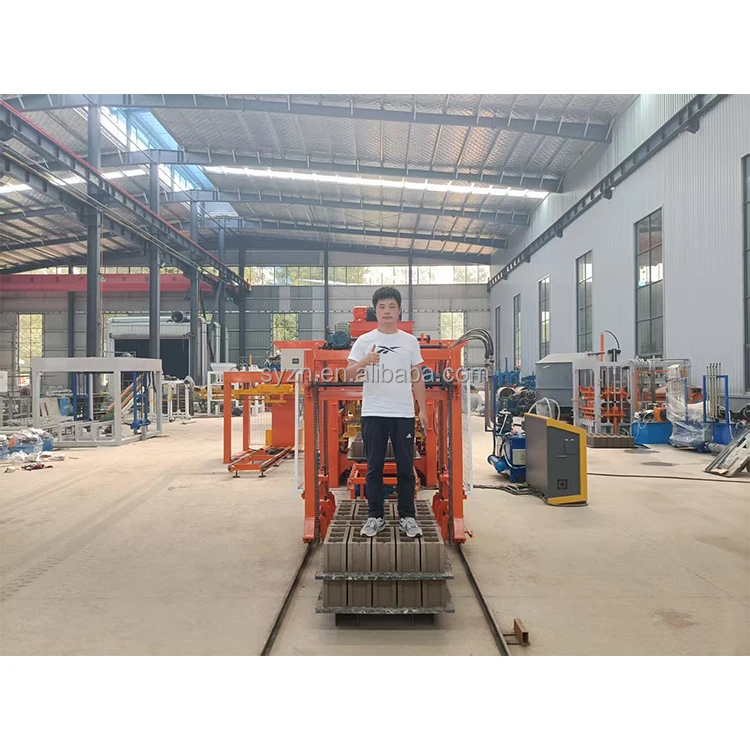
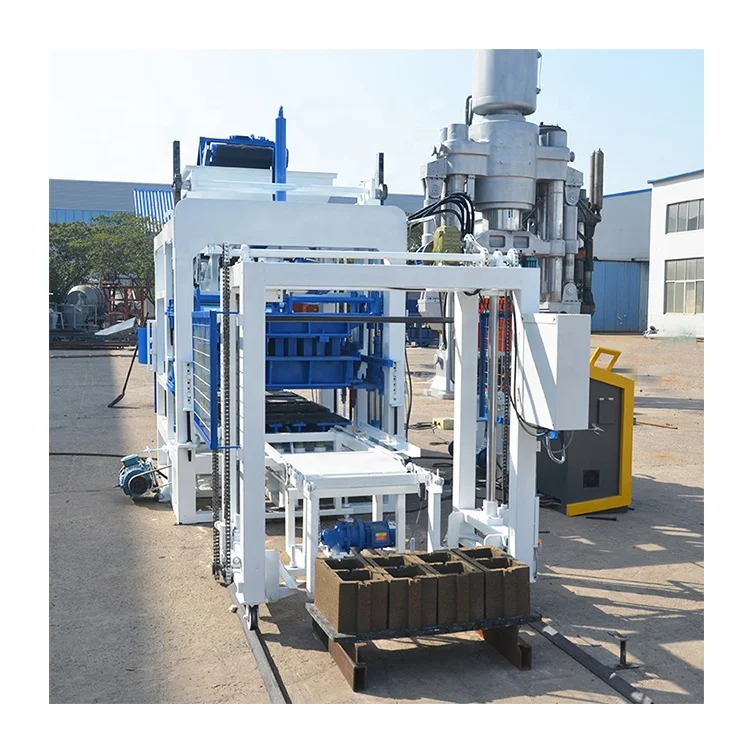
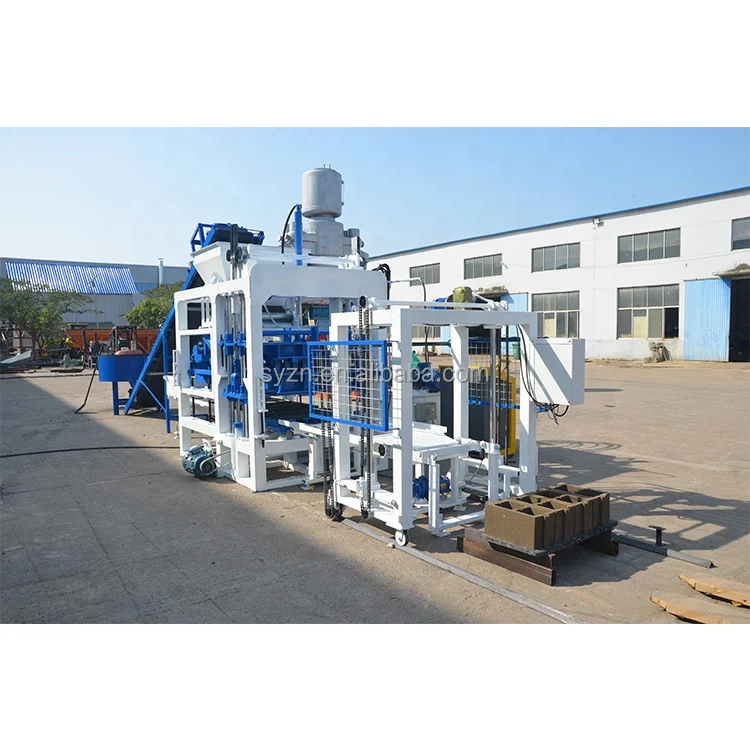
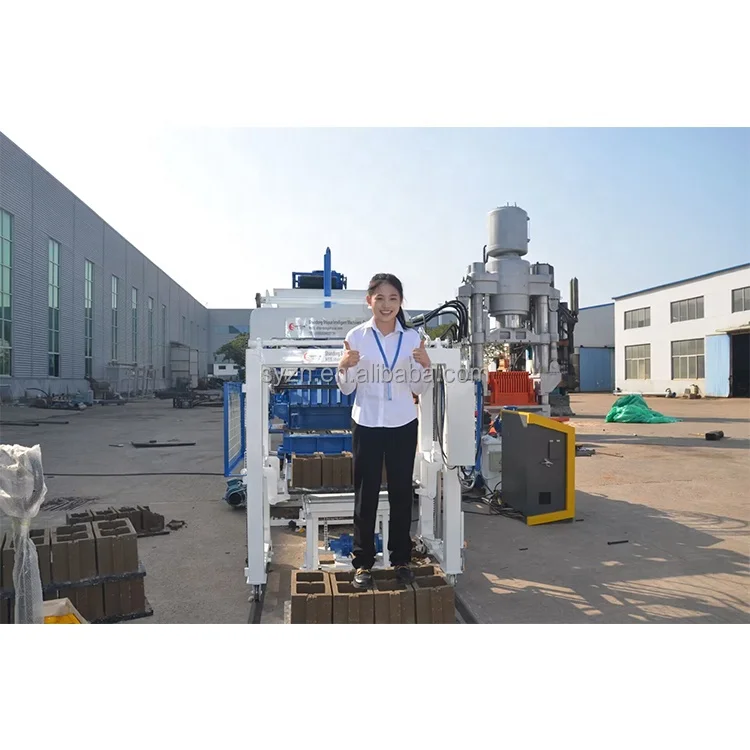
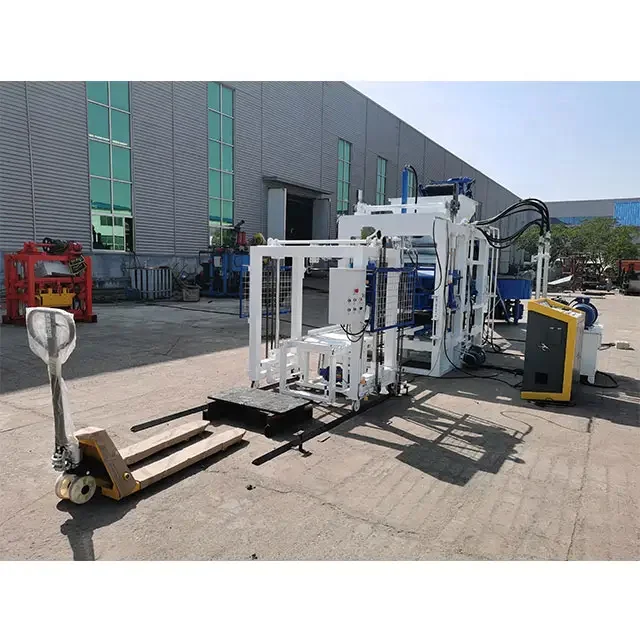
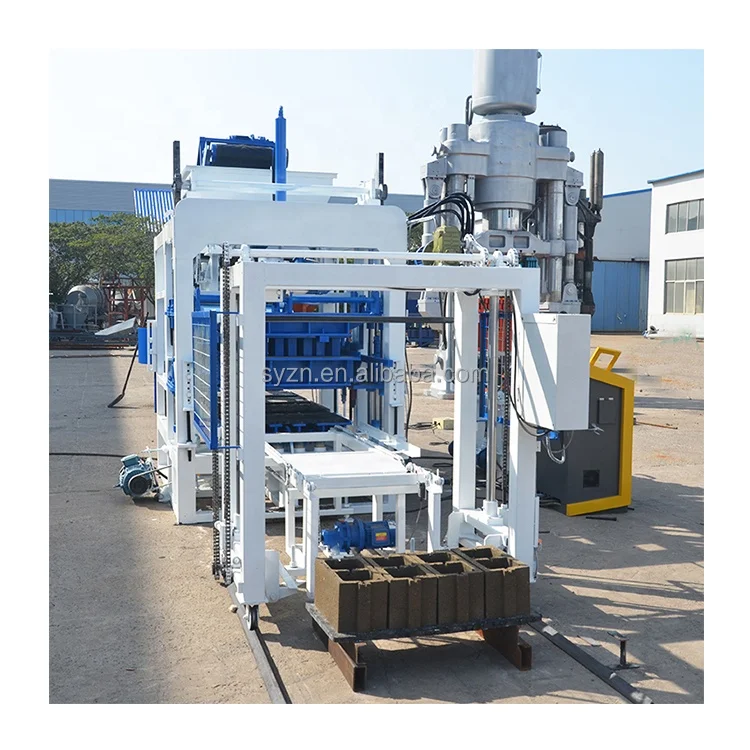
Stocked Configuration — Every QT4-18 concrete block making machine leaves our Linyi workshop only after a test run on the buyer’s actual aggregate and mix ratio, eliminating on-site tuning surprises.
Technical Specifications
| Parameter | Value |
|---|---|
| Model | QT4-18 |
| Product Type | Concrete Block Making Machine |
| Overall Dimensions (L×W×H) | 3900 × 1600 × 2300 mm |
| Molding Cycle | 15–25 s (basis to be confirmed per block format) |
| Vibration Force | 40–50 kN |
| Rated Power | 24 kW |
| Mixer Model | JQ350 |
| Pallet Size | 850 × 550 × 25 mm |
| Total Weight | 3 T |
| Automation Level | Semi-automatic |
| Hydraulic Station | Equipped, high-pressure closed-loop |
| Output — Hollow Block 400×200×200 mm | 1,200–1,680 pcs/hr, 9,600–13,440 pcs/8 hr |
| Output — Hollow Block 400×150×200 mm | 1,800–2,400 pcs/hr, 14,400–19,200 pcs/8 hr |
| Output — Solid Brick 240×115×53 mm | 3,240 pcs/hr, 16,200–19,440 pcs/8 hr |
| Applied Products | Paver, solid brick, hollow block, curbstone |
| Raw Materials | Crushed stone, sand, cement, dust, fly ash |
| Control System | PLC (basis not stated in source — confirm brand and language) |
| Voltage & Frequency | Configurable (basis not stated in source — confirm target market) |
| Standards | CE (basis not stated in source — confirm declaration availability) |
Application Suitability
| Application | Material or Output |
|---|---|
| Load-bearing hollow block production | Crushed stone and cement mix, 400×200×200 mm or 400×150×200 mm |
| Solid brick manufacturing | Sand, fly ash, and cement blend, 240×115×53 mm format |
| Interlocking paver runs | Fine aggregate with pigment overlay, various mould profiles |
| Kerbstone and curb units | Coarse aggregate with high hydraulic compaction |
| On-site contractor production | Semi-automatic operation for project-specific block demand |
Why "Ready to Ship" Should Mean More Than a Crate on the Dock
A QT4-18 block machine in stock is only useful if it actually matches your site conditions before it sails.
I have watched containers arrive at foreign ports with the wrong voltage, the wrong PLC language, and pallets that do not fit the buyer’s existing forklift. The machine sits idle for weeks while electricians and translators are sourced locally. When a buyer searches for a fast delivery concrete block making machine, the real question is not how quickly the crate leaves Shandong — it is how quickly the machine produces saleable block after the power is connected. [NEED_CITE: common commissioning delays caused by voltage and control language mismatches in exported machinery]
Dispatch Without the Usual Waiting Game
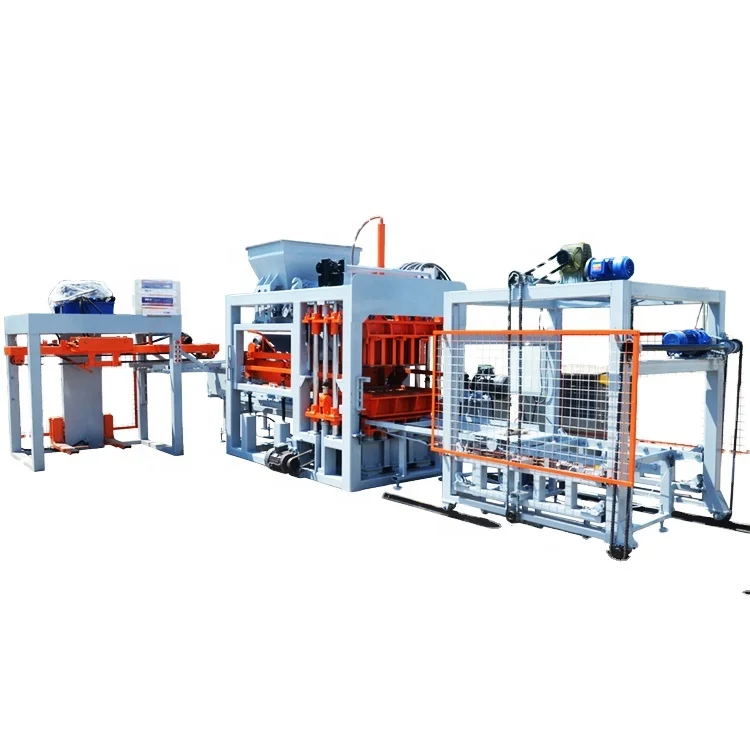
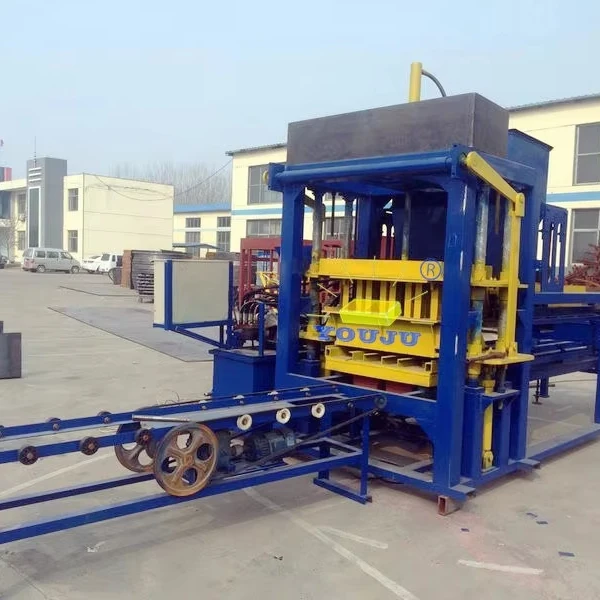
Standard QT4-18 configurations sit assembled and tested in our Linyi yard, so the gap between purchase order and Bill of Lading stays measured in days rather than months. Moulds for hollow block, solid brick, and paver formats are matched to the machine before crating, which means the buyer receives a production-ready set rather than a press and a promise. This stocked approach matters most when a construction contractor has a pour schedule that will not wait for a custom build cycle.
Matching the Pallet to Your Existing Yard
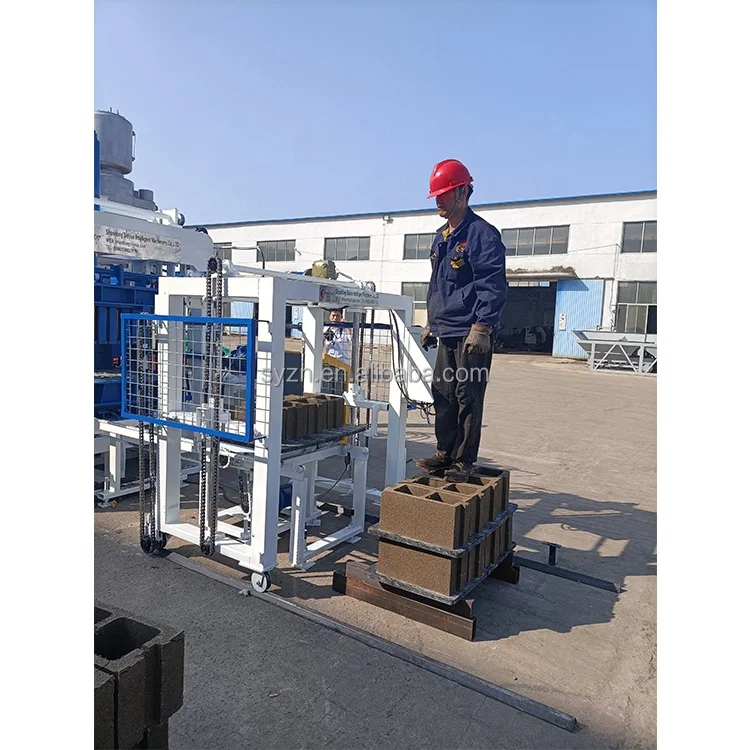
The 850 × 550 × 25 mm pallet is the default for this model, but pallet choice affects the entire curing and handling loop. If your yard runs a smaller forklift or a narrow curing rack system, we confirm pallet compatibility before the QT4-18 block machine in stock is strapped to the container floor. Shipping a machine with the wrong pallet size simply transfers the bottleneck from the press to the stacking area. [NEED_CITE: pallet size and curing area coordination in small block plants]
Reading the Numbers Behind the Capacity Figures
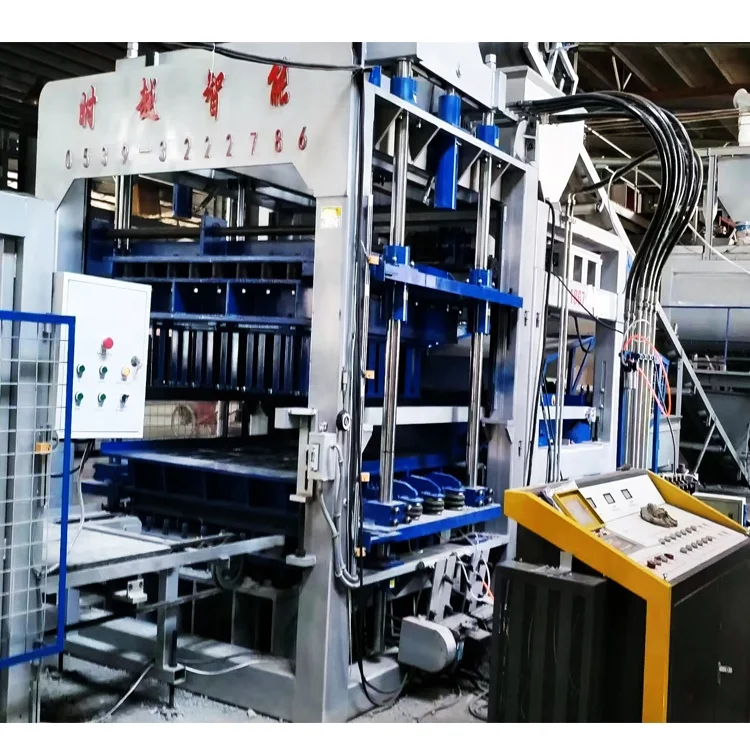
Vibration force on the QT4-18 spans 40–50 kN, working together with the hydraulic station to compact the mix into the mould cavity. Higher vibration amplitude drives air out of coarse aggregate blends, while hydraulic top pressure holds the material against the mould walls during the shake. If your local sand carries a high clay fraction, the vibration window must be adjusted downward to prevent segregation — a setting we dial in during the pre-shipment test run. The 15–25 second molding cycle range reflects this tuning: denser mixes with more cement require shorter cycles, while fly-ash-heavy blends need the longer end of the window to achieve full cavity fill. Pallet thickness at 25 mm is chosen to absorb repeated impact without warping, yet remain light enough for manual handling in a semi-automatic layout where operators transfer pallets to the curing rack by hand.
When a Quick Delivery Turns Into a Slow Headache
Ordering a fast delivery concrete block making machine without confirming voltage, frequency, and PLC display language creates a cascade of delays that no shipping speed can recover. The electrician rewires the cabinet, the operator cannot read the fault codes, and the first mould change takes an entire shift because the manual was never translated. By the time production stabilizes, the project deadline has already slipped and the contractor is paying idle crew wages. [NEED_CITE: field reports of export machinery standing idle due to unconfirmed electrical standards]
Why Buyers Source This Model From Our Yard
Block machinery is our single focus, so the QT4-18 ships as a matched system — press, JQ350 mixer, pallets, and moulds specified together rather than assembled from separate suppliers. We run the buyer’s actual mix design on the factory floor before crating, which catches aggregate compatibility issues before they become overseas emergencies. Automation level is selectable: a first-time buyer can start semi-automatic and add an automatic stacker later without replacing the press. Mould design covers the formats the buyer’s market actually buys, including custom profiles drawn to buyer specifications. Installation and commissioning support includes operator training at the buyer’s site, so the crew knows the vibration and hydraulic adjustments before the trainer leaves.
Documentation & Verification
- Factory test record run on buyer-specified aggregate and mix ratio before dispatch
- Line layout showing QT4-18 footprint with mixer, pallet rack, and curing area placement
- Mould drawing package listing every cavity profile included in the shipment
- Hydraulic and electrical schematic matched to confirmed voltage and frequency
- Pallet specification sheet noting material, dimensions, and load rating per piece
- Packing photographs taken after crating for buyer review before container seal
Installation, Commissioning & Support
- 24 kW total draw requires a dedicated circuit with confirmed voltage and frequency at site
- 3900 × 1600 mm footprint fits inside a standard 20 GP container for direct yard placement
- Semi-automatic layout positions the JQ350 mixer within operator reach of the feed hopper
- Vibration force calibrated on-site against local aggregate to hit target block density
- PLC language and fault display confirmed in operator’s language before first production run
- Initial wear parts kit — vibration springs, hydraulic seals, mould liners — shipped inside the crate
What We Need to Finalize Your Dispatch
Send the block format your market sells most, the daily output target tied to that format, and a sample description of your local aggregate and cement type. Confirm the site voltage, frequency, and the language your operators read on a screen. If you already have curing racks or a specific forklift model, share the dimensions so we can verify pallet fit before loading.
Frequently Asked Questions
Q: Which QT4-18 configurations are actually on the floor right now?
A: We keep semi-automatic QT4-18 units with standard hollow, solid, and paver moulds assembled and test-ready in Linyi. Stocked pallets match the 850 × 550 × 25 mm default. If your project needs a custom mould profile, we add it to the next factory run and quote the extra lead time upfront rather than guessing.
Q: How do I estimate the real arrival date at my port?
A: Once we confirm voltage and control language, the machine is crated and moved to the loading bay within days. Sea freight transit depends on destination and carrier schedule. We quote the container loading plan and estimated port-to-port window at the same time as the proforma, so there is no separate guesswork.
Q: What happens between container opening and first block output?
A: The QT4-18 arrives largely assembled; the main task is reconnecting the hydraulic hoses, powering the 24 kW system, and loading the JQ350 mixer. A technician walks the crew through vibration and pressure calibration against local aggregate. First saleable blocks typically come off the line within the initial working shift.
Q: Can I change pallet size if my forklift or curing rack is non-standard?
A: Yes. We confirm your existing fork width, rack spacing, and curing area dimensions before shipping. If the standard 850 × 550 mm pallet does not fit, we supply an alternative size or material and adjust the pallet feeder guides so the QT4-18 block machine in stock cycles without manual repositioning.
Q: Are spare parts included in the first shipment?
A: Every QT4-18 crate carries a wear parts list specific to the moulds and hydraulic station on that unit. Vibration springs, seals, and liners for the shipped mould profiles ride inside the container so the first replacement does not require an international courier run.