
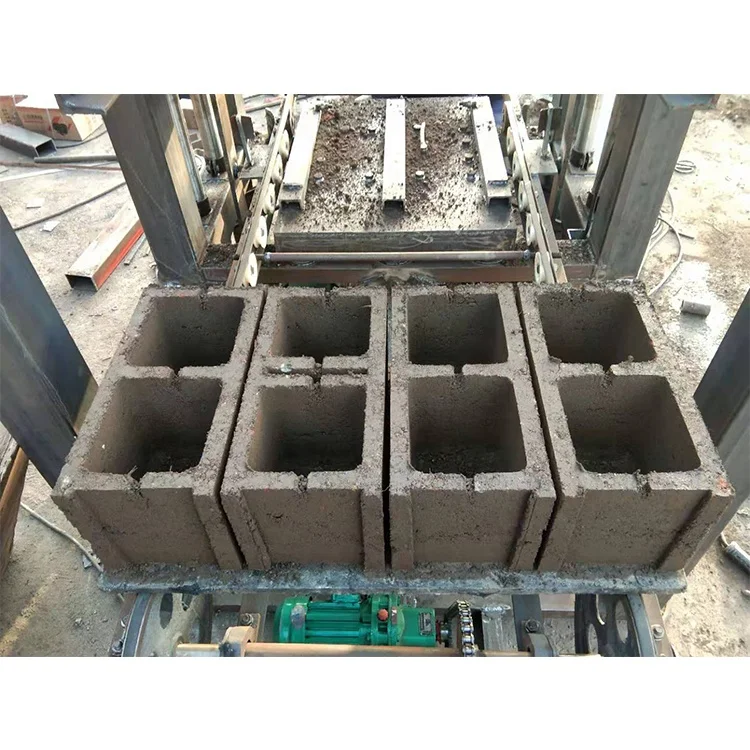
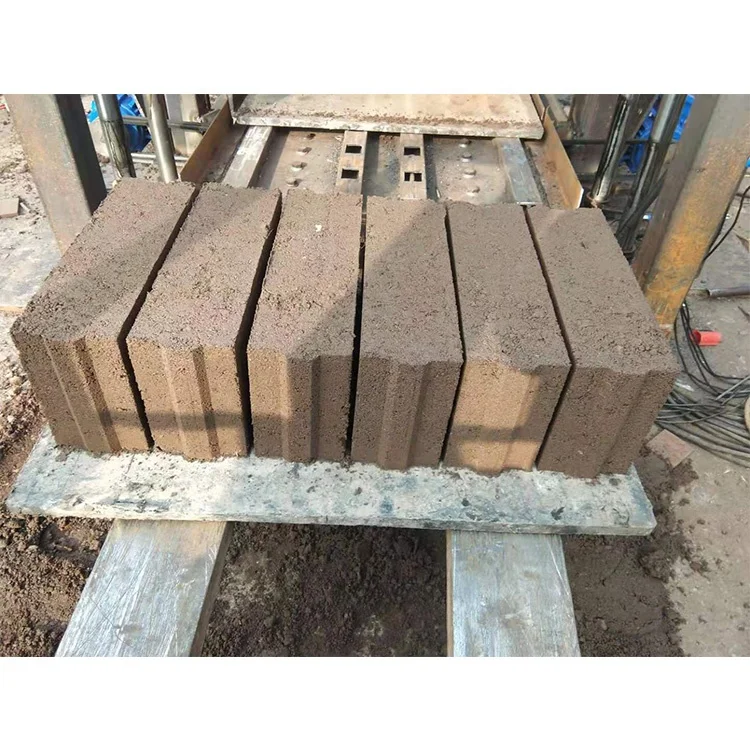
Description
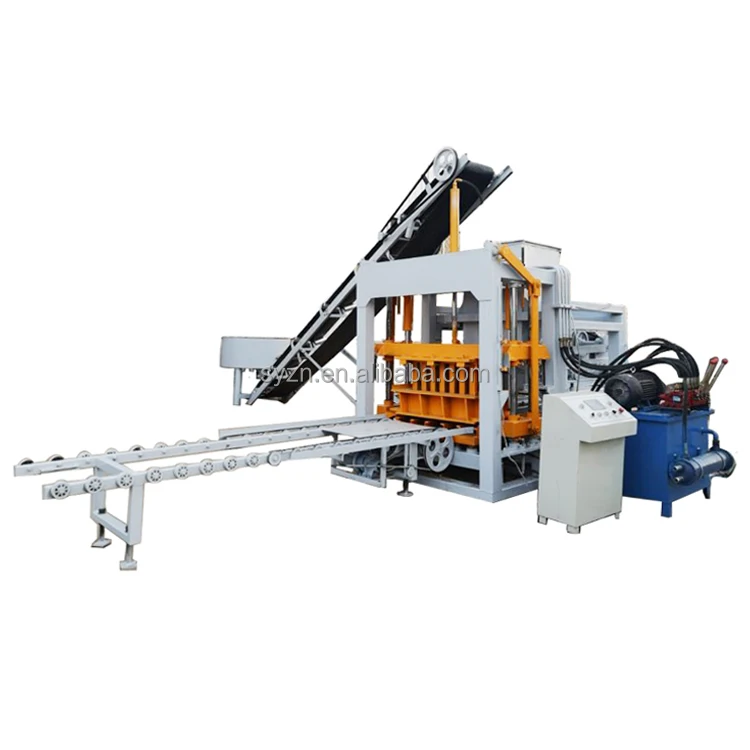
Fast Dispatch Configurations — the QT4-20 block machine ships from stock with container loading planned and an arrival timeline quoted before you commit, so your project deadline holds.
Technical Specifications
| Parameter | Value |
|---|---|
| Model | QT4-20 |
| Product Type | Concrete Block Making Machine |
| Overall Dimensions (L×W×H) | 7100×1600×2610mm |
| Rated Pressure | 16-21MPa |
| Main Vibration Form | Platform Vibration |
| Vibration Frequency | 4600 r/min |
| Vibration Force | 45KN |
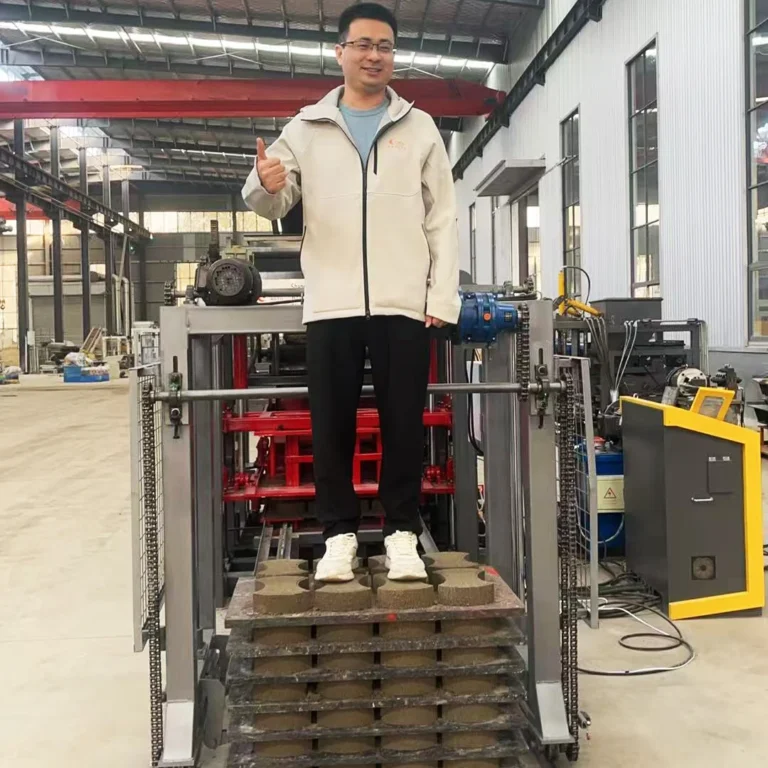
| Pallet Size | 1020×570mm |
| Molding Cycle | 20-30s (basis to be confirmed — depends on block format and material) |
| Overall Power | 27.5kW (verify against final quotation) |
| Total Mass | 6T |
| Demolding Method | Hydraulic |
| General Water Consumption | 12T/Day |
| Factory Area Required | 500m² |
Application Suitability
| Application | Material or Output |
|---|---|
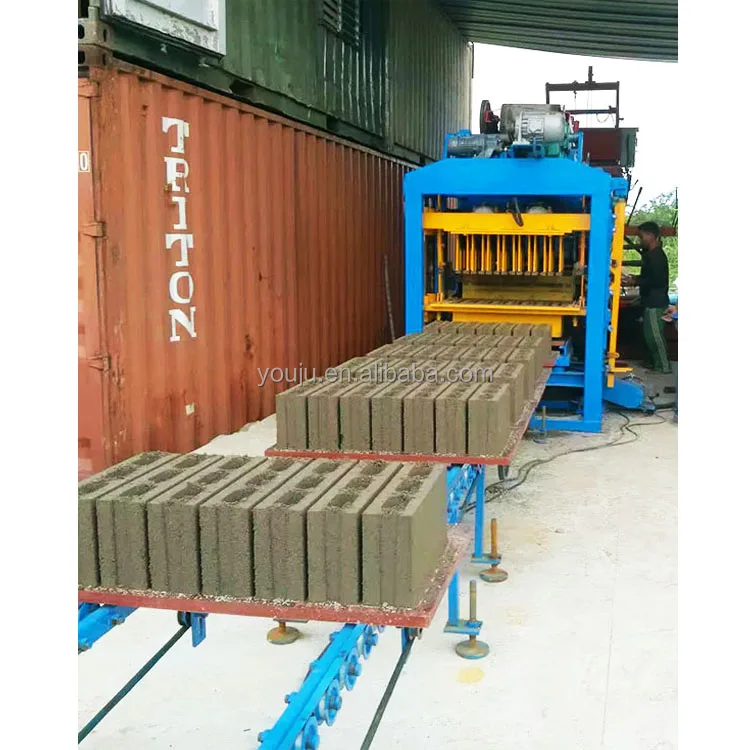
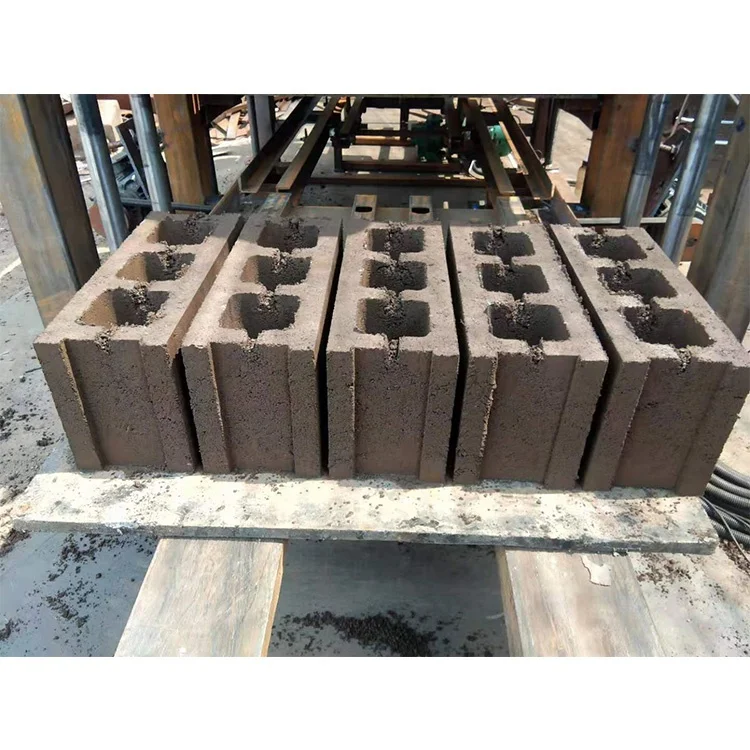
| Hollow block production for residential and commercial walls | Crushed stone, sand, cement, fly ash |
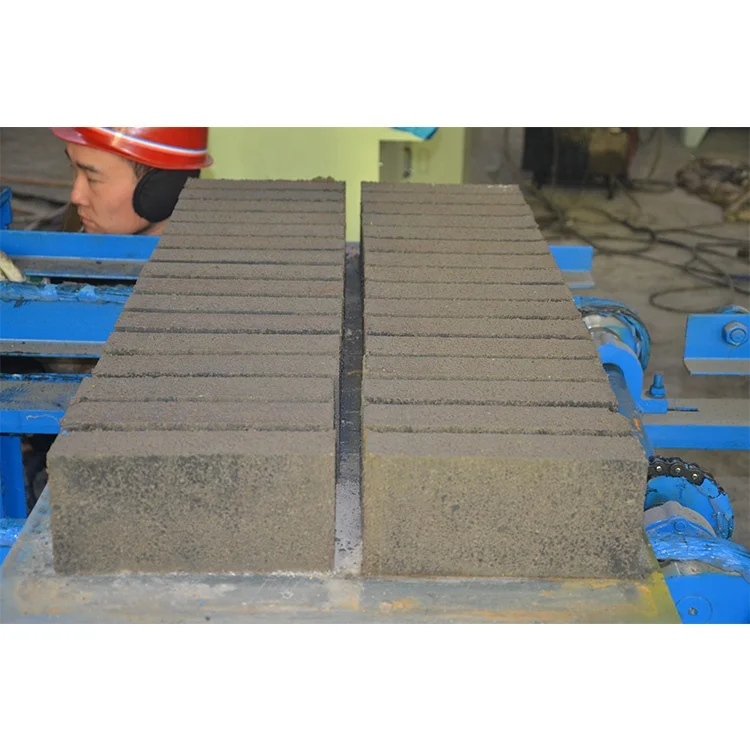
| Solid block manufacturing for load-bearing structures | Gravel, sand, cement, slag |
| Paving block and colored paver runs for walkways and driveways | Crushed stone, cement, dust, pigment |
| Interlocking block and curbstone forming for landscaping and road edges | Sand, cement, fly ash, gravel |
Why the Dispatch Date Matters More Than the Cycle Time
A quoted cycle means nothing if the QT4-20 block machine in stock is not the one that actually ships.
Buyers working against a construction deadline often fixate on the molding cycle printed in a brochure, only to discover after paying a deposit that their unit enters a production queue. By the time the machine is built, tested, and crated, the site crew has been idle for weeks and the contractor faces penalty clauses. I have watched housing project managers lose entire build phases because the equipment arrival slipped past the foundation curing window [NEED_CITE: typical construction penalty clauses for delayed equipment commissioning]. A stocked QT4-20 Concrete Block Making Machine with a confirmed dispatch date removes that gap between payment and production.
What "In Stock" Actually Means for Your Timeline
When a supplier confirms a QT4-20 block machine in stock, the unit should already be assembled, factory-tested, and sitting in a crate or on a skid — not partially built on the shop floor waiting for a hydraulic valve shipment. The difference between a truly stocked machine and a "quick build" promise can be several weeks of lost production at your site. Buyers on tight project deadlines need the dispatch date in writing before the deposit clears.
How Container Loading Affects Your Arrival Estimate
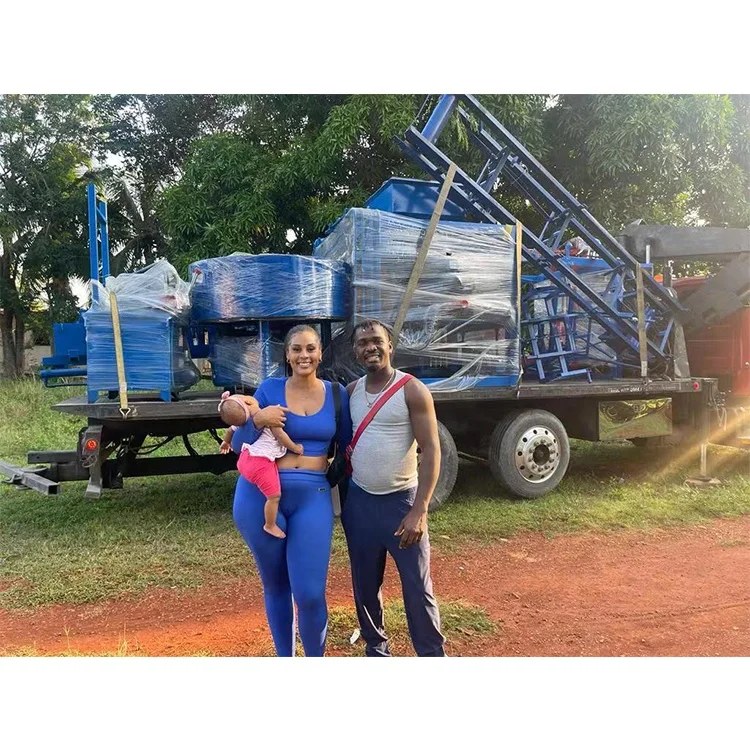
The QT4-20 block machine in stock ships dismantled to fit a standard 40HQ container. Every bolted joint, hydraulic hose connection, and electrical plug is tagged so the reassembly crew at your site can follow a clear sequence rather than improvising. I once saw a German buyer lose two full working days because the forklift pocket on the pallet rack did not match the handler they already had on-site — the machine sat on the dock while a welding shop fabricated an adapter [NEED_CITE: common forklift compatibility issues during block machine unloading]. Container loading photos and a dismantling diagram ship with the paperwork so your team knows exactly what arrives and in what order.
Reading the Specs That Decide Block Quality on Arrival
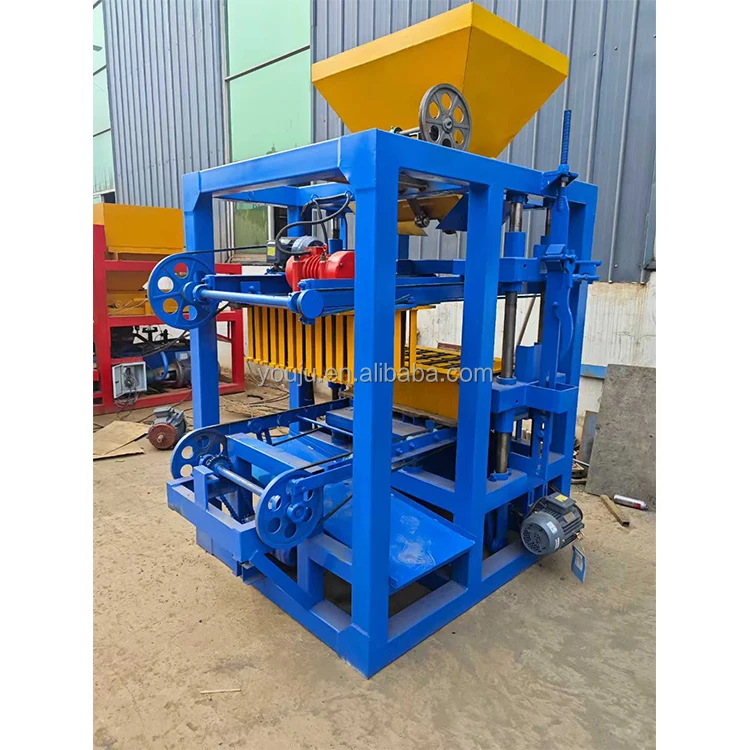
The platform vibration system runs at 4600 r/min and delivers 45KN of vibration force. On a block machine, vibration force and hydraulic pressure must work together: vibration settles the aggregate into the mould cavity while the 16-21MPa hydraulic head compresses it from above. If either value is too low for your local aggregate gradation, blocks come out weak on the edges and crumble during pallet transfer. The 1020×570mm pallet size is worth checking against your existing curing racks and forklift tines before the machine leaves the factory — mismatched pallets mean you either buy new racks or hand-stack output until replacements arrive. The hydraulic demolding method gives a cleaner block release than mechanical ejection, which matters when you are running thin-walled hollow blocks that can crack under abrupt extraction. Overall power draws around 27.5kW, which determines whether your site transformer needs upgrading before commissioning day [NEED_CITE: site electrical load assessment for block plant setup].
The Cost of Skipping Voltage and Language Confirmation
Confirming voltage, frequency, and PLC display language sounds basic, yet it remains one of the most common reasons a block machine sits idle after arrival. A unit wired for 380V/50Hz that lands at a site running 440V/60Hz will not start — and rewiring a main motor and replacing contactors on-site adds days to your commissioning schedule. The same applies to control language: if the operator cannot read the fault codes on the display, every alarm becomes a phone call across time zones. Lock these three details in writing before the QT4-20 Concrete Block Making Machine leaves the factory floor [NEED_CITE: voltage and frequency standards by export market].
Why Sourcing the Machine and the Line from One Place Matters
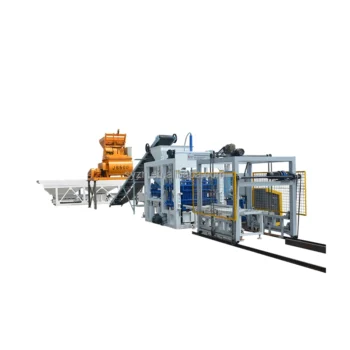
A block machine that ships without matched pallets, curing rack plans, or a mixer sized to its cycle leaves you assembling a production line from separate vendors after arrival. We specify the QT4-20 alongside its pallet dimensions, raw material feed configuration, and handling equipment so the line runs as one unit from day one. Our stock units carry standard moulds for the formats your market actually sells, and custom mould drawings are prepared before shipment when a buyer supplies them early. Factory test records are generated on the exact block format you intend to produce, not a generic test block. Installation support includes on-site commissioning and operator training so your crew is producing saleable blocks before the service engineer leaves. Dispatch lead times are quoted honestly — if a stocked unit is reserved, we say so rather than taking a deposit against a build slot.
Documentation & Verification
- Factory test record run on your specified block format before dispatch
- Voltage, frequency, and PLC language confirmation sheet signed before crating
- Container loading photographs showing tie-down points and part tagging
- Dismantling and reassembly diagram matched to your shipped configuration
- CE declaration included where applicable for import clearance
Installation, Commissioning & Support
- Foundation must support the 7100×1600mm footprint and 6T mass with level tolerance for vibration stability
- Dedicated electrical circuit rated for the 27.5kW draw with correct voltage and frequency at the main panel
- Machine arrives dismantled with tagged hydraulic and electrical connections for sequenced reassembly
- Commissioning includes first-run parameter tuning against your local aggregate and target block density
- Operator training covers mould change procedure, pallet feed routine, and daily vibration system inspection
- Wear parts and mould inventory list provided so first replacements can be ordered before stock runs out
Before You Send the Inquiry
To get an accurate dispatch date and arrival estimate, share the block format you need to produce, the daily volume your project requires, and the voltage and frequency at your site. If you already have pallets, curing racks, or a forklift in place, send the dimensions so we can confirm compatibility before the QT4-20 Concrete Block Making Machine ships.
Frequently Asked Questions
Q: Is the QT4-20 block machine currently in stock and what is the dispatch lead time?
A: Stock status changes as units are reserved against confirmed orders. Once you specify your block format and site voltage, we check live inventory and quote a firm dispatch date before you pay a deposit. Standard configurations typically move faster than custom-voltage builds, so confirming electrical requirements early shortens your wait.
Q: How is the machine loaded and what condition does it arrive in?
A: The QT4-20 is dismantled, tagged, and secured inside a 40HQ container with bolted joints marked for reassembly. You receive loading photographs and a dismantling diagram so your crew can follow the sequence on-site. Hydraulic hoses and electrical connectors are capped and labeled to prevent contamination during transit.
Q: What voltage and control language will the shipped unit carry?
A: Voltage, frequency, and PLC display language are confirmed in writing before the machine is wired and crated. This prevents the common situation where a unit arrives configured for a different electrical standard and sits idle while components are swapped. Specify your site supply early to avoid commissioning delays.
Q: When can I expect arrival at my destination port?
A: Transit time depends on the shipping route and port congestion at both ends. We quote an arrival estimate based on the confirmed dispatch date and your destination port before you commit. Container tracking details are shared once the unit is booked with the carrier so you can plan site preparation around a realistic timeline.
Q: Are moulds and pallets included in the shipment?
A: Standard moulds for common block formats and a starter set of pallets sized at 1020×570mm ship with the machine. If your market requires a specific format not covered by stock moulds, provide the drawing early so a custom mould can be produced and loaded into the same container. Pallet quantity is confirmed during the quotation stage.