


Description
Stocked Configuration, Dispatch-Ready — Every QT5-15 block making machine in our inventory is assembled, tested, and matched with standard moulds before it leaves the Linyi factory, not built from scratch after your deposit clears.
Technical Specifications
| Parameter | Value |
|---|---|
| Model | QT5-15 |
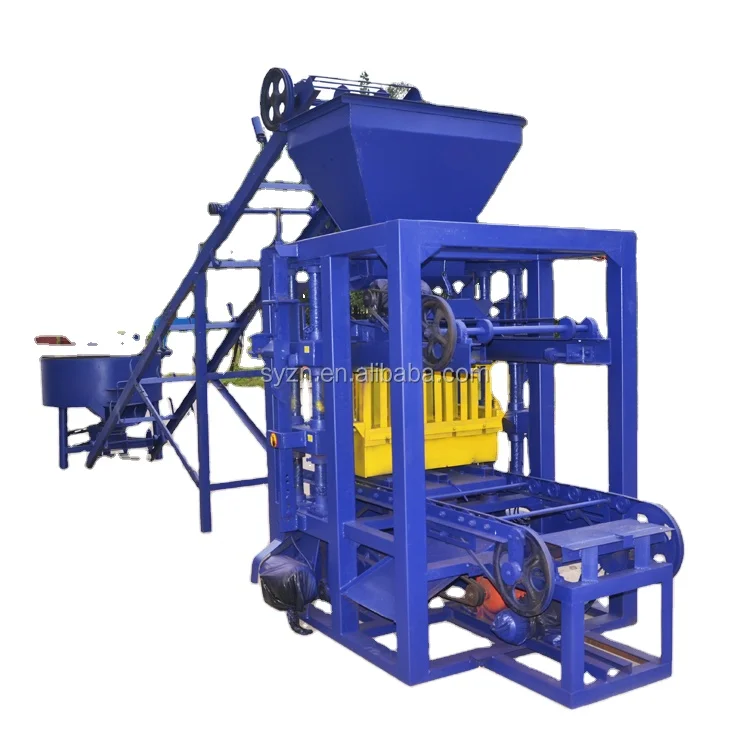
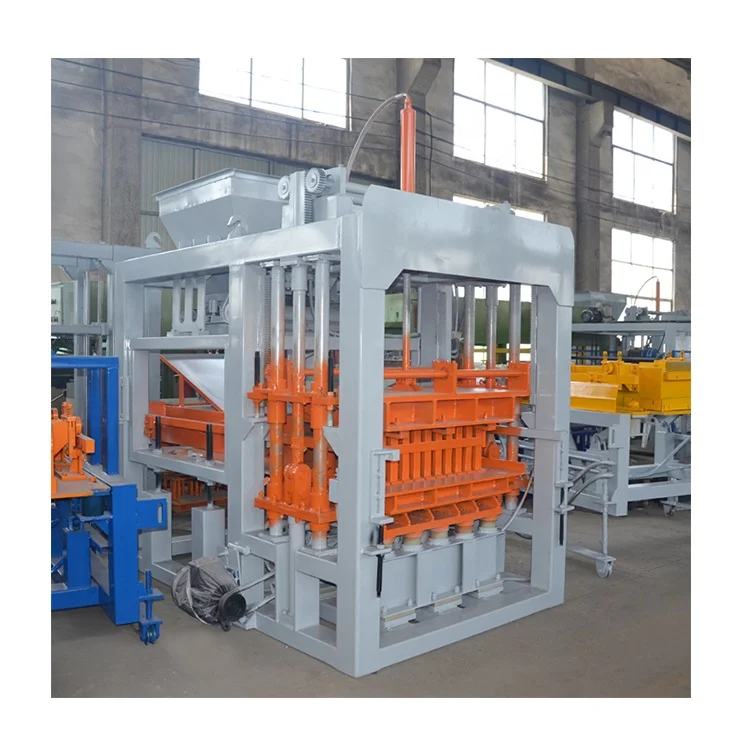
| Product Type | Fully Automatic Concrete Block Making Machine |
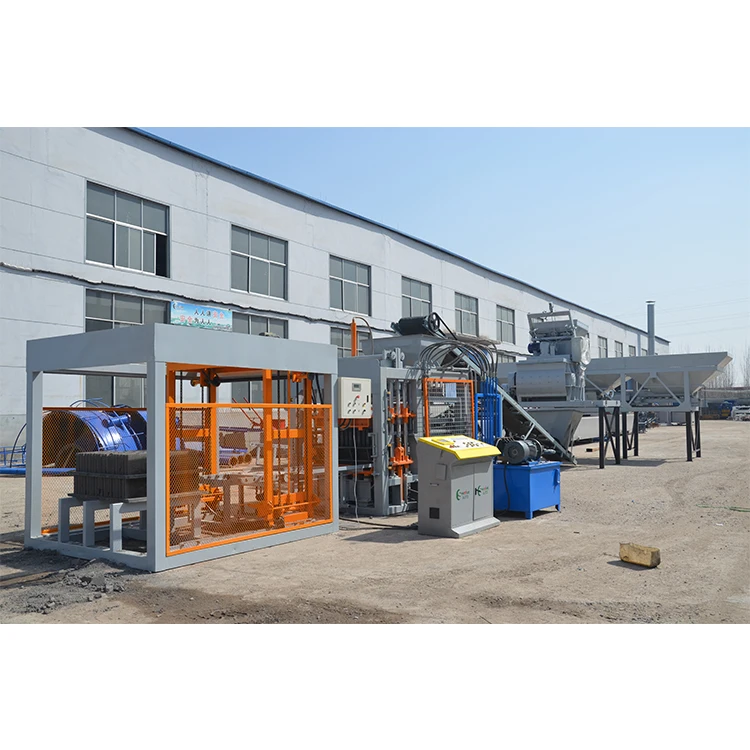
| Overall Dimensions (L×W×H) | 7100 × 1600 × 2610 mm |
| Molding Cycle | 15 s (basis not stated in source — confirm block format and mix) |
| Vibration Frequency Range | 0 – 60 Hz |
| Exciting Force (Vibration) | 40 kN |
| Total Installed Power | 33.5 kW |
| Mixer Model | JS500 |
| Pallet Size | 1100 × 550 mm |
| Total Weight | 5 T (source value — verify against latest catalog) |
| Control System | PLC control system |
| Hydraulic Station | Included |
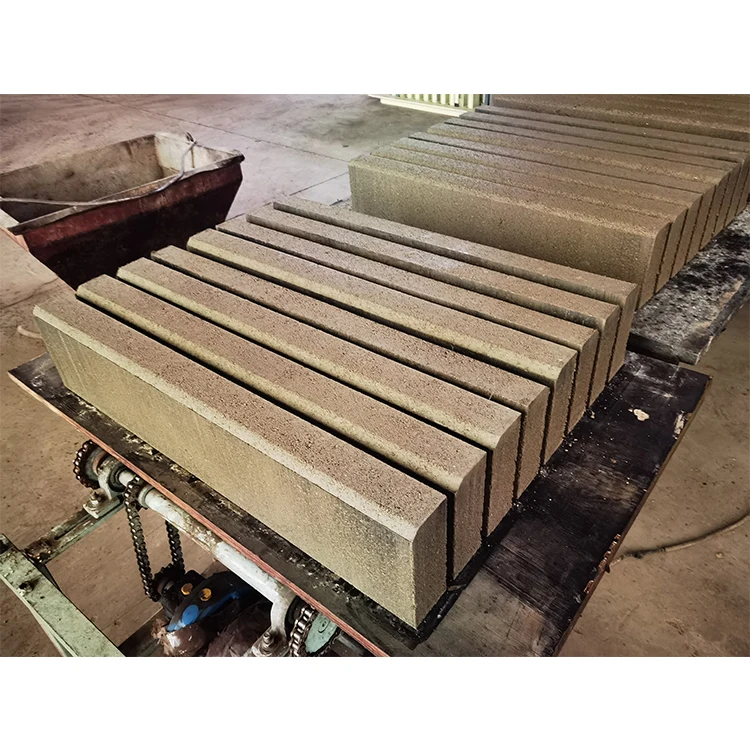
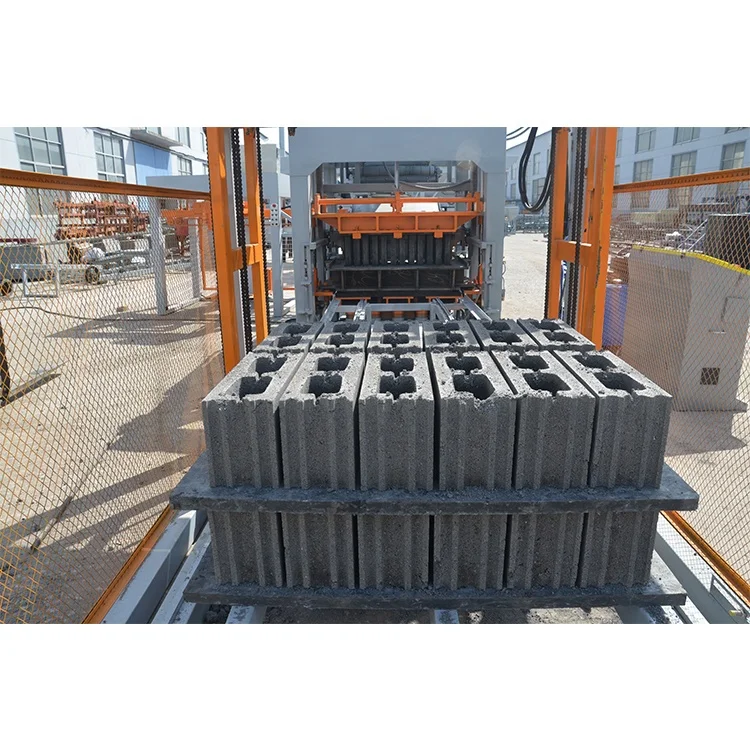
| Applied Products | Hollow block, solid brick, paver, curbstone |
| Raw Materials | Crushed stone, sand, cement, fly ash, dust |
| Included Equipment | Block making machine, hydraulic station, PLC control, pallet feeder, brick conveyor, block sweeper |
| Free Accessories | Manual hydraulic trolley, spare parts and tools |
| Output — 400×200×200 mm Hollow Block | 450 pcs/h, 3 600 pcs/8 hr (5 pcs/mould) |
| Output — 400×150×200 mm Hollow Block | 540 pcs/h, 4 320 pcs/8 hr (6 pcs/mould) |
| Output — 400×100×200 mm Solid Brick | 720 pcs/h, 5 760 pcs/8 hr (8 pcs/mould) |
| Voltage & Frequency | To be confirmed per destination market before dispatch |
| PLC Display Language | To be confirmed per destination market before dispatch |
| Stacking Method | To be confirmed — manual or automatic options available |
| Automation Level | Fully automatic |
Application Suitability
| Application | Material or Output |
|---|---|
| Hollow block production for housing and commercial walls | Crushed stone, sand, cement, and fly ash blended to local aggregate grading |
| Solid brick manufacturing for load-bearing and partition masonry | Dense aggregate mixes requiring high vibration and hydraulic compaction |
| Interlocking paver runs for driveways, walkways, and parking areas | Fine sand and cement blends with colour pigment additives |
| Curbstone and kerb production for municipal and road infrastructure | Heavy-section moulds with extended cycle times and reinforced pallets |
| On-site block supply for remote construction and development projects | Locally sourced aggregates where centralised plant delivery is impractical |
What "Fast Delivery" Actually Means When You Need a QT5-15 Block Making Machine On Site
A machine sitting in a Linyi warehouse, tested and crated, ships within days — not weeks after an unforeseen production delay.
Project deadlines do not wait for a sixty-day manufacturing window. I have spoken with contractors whose foundation work was ready and whose labour crew was hired, yet the block machine they ordered was still on a fabrication schedule that nobody disclosed until after the deposit was paid [NEED_CITE: typical lead-time disclosure practices in block machinery exports]. When you are sourcing a QT5-15 block making machine in stock, the real question is whether the unit in the yard has been assembled, hydraulically pressurised, and run through a test cycle — or whether "in stock" simply means a bare frame is waiting for components. A stocked machine that has never been powered on is not truly ready for dispatch.
Dispatch Readiness and Container Loading
Every QT5-15 block making machine in stock at our Linyi facility has its hydraulic station filled, PLC energised, and vibration table run before it is dismantled for container loading. The host frame, pallet feeder, brick conveyor, and block sweeper are separated into clearly labelled assemblies that fit within standard container dimensions. This matters because a poorly planned dismantling sequence turns a straightforward two-day loading job into a week of re-work at the port [NEED_CITE: container loading standards for heavy industrial machinery].
Arrival Estimates Quoted Before You Commit
We provide an estimated arrival date at your destination port before the order is confirmed, not after. Transit times depend on sailing schedules and port congestion, but quoting them upfront lets you align foundation curing, electrical connections, and operator hiring with a realistic timeline. Waiting until the bill of lading is issued to think about arrival logistics is a pattern I see repeat far too often, and it almost always costs the buyer money in idle crew wages.
Pallet and Mould Inventory Matched to Your Format
Standard hollow block, solid brick, and paver moulds for the QT5-15 are kept alongside the machines. If your market runs 400×200×200 mm hollow blocks and 200×100×60 mm pavers, those moulds can ship in the same container. Custom moulds drawn to your specifications follow a separate production schedule and are quoted with their own lead time so there is no confusion about what is ready now and what still needs to be built.
Reading the Specs That Matter for Dispatch Speed
The 1100 × 550 mm pallet size determines which curing racks and forklifts will work with this line. If your existing yard uses a different pallet dimension, you need to know before the machine ships, not after it arrives [NEED_CITE: pallet standardisation in concrete block production]. The 33.5 kW total power rating dictates the transformer and cabling your electrician must have in place — undersized supply lines will trip breakers the moment the JS500 mixer and vibration table run simultaneously. The 40 kN exciting force and 0–60 Hz vibration frequency range give the operator enough adjustment to compensate for variations in local aggregate, but only if the PLC display language is one your crew can actually read. These are the parameters that decide whether the machine produces blocks on day one or sits silent while you wait for a technician.
The Hidden Cost of Ordering Without Confirming Stock Status
Buyers who place orders based on catalogue lead times often discover that "four to six weeks" was an optimistic placeholder. The machine arrives late, the construction crew is already on payroll, and the block inventory that was supposed to be stockpiled before the rainy season never materialises. In my experience, this single misalignment between promised and actual delivery creates more project disputes than any mechanical issue on the machine itself.
Why Source the QT5-15 from a Block-Line-Focused Supplier
The machine, mould, pallet, and handling equipment are specified as a matched system from one source, so cycle times between the pallet feeder and the press do not create a bottleneck that nobody planned for. Each unit is configured against the buyer’s target block format and local raw material before it leaves the factory, reducing the chance of discovering an incompatible mix design after installation. Standard moulds are stocked in the formats that move fastest in export markets. Automation levels can be confirmed at order — from the included pallet feeder and brick conveyor up to optional stacking systems — so you only pay for the handling you need. Documentation, from packing photographs to customs paperwork, is prepared in parallel with the loading plan so nothing delays clearance at your port of entry.
Documentation & Verification
- Factory test record showing the QT5-15 running your target block format before crating
- Pallet specification sheet matched to your existing curing rack and forklift dimensions
- Voltage and PLC language confirmation signed off before the machine leaves the factory
- Packing photographs documenting crate condition and container loading sequence
- Hydraulic and electrical schematic for your on-site maintenance team
- Customs documentation package aligned with your import broker’s requirements
Installation, Commissioning & Support
- Foundation must accommodate the 7100 × 1600 mm footprint with level tolerance for stable vibration
- Dedicated power circuit rated for 33.5 kW total load, voltage confirmed before the machine is wired
- Machine arrives dismantled into labelled assemblies for straightforward re-bolting on your slab
- PLC parameters set to your block format and cycle time during on-site commissioning
- Operator training covers mould change procedure, pallet feeder adjustment, and daily inspection points
- Spare parts kit and manual hydraulic trolley ship inside the container for immediate use
Before You Send an Inquiry
Tell us the block formats your market sells, the daily volume you need to sustain, and the aggregates available within hauling distance of your site. Confirm your local voltage, frequency, and the language your operators will need on the PLC display. If you have an existing curing yard, share the pallet dimensions and forklift capacity already in use so we can verify compatibility before the QT5-15 block making machine in stock is reserved for your order.
Frequently Asked Questions
Q: Which QT5-15 configurations and moulds are currently in stock versus made to order?
A: Standard host machines with PLC control, hydraulic station, pallet feeder, brick conveyor, and block sweeper are held in inventory. Common hollow block, solid brick, and paver moulds matching the 1100×550 mm pallet are also stocked. Custom moulds drawn to your specific format dimensions follow a separate production lead time quoted at inquiry.
Q: What is the realistic dispatch lead time and estimated arrival date for my destination port?
A: Stocked QT5-15 units can be dismantled, crated, and moved to port within a matter of days once voltage, frequency, and PLC language are confirmed. Sailing time to your destination port is quoted before the order is placed so you can plan foundation work, electrical installation, and crew scheduling against a realistic calendar.
Q: How is the machine dismantled and loaded into containers for shipment?
A: The main frame, hydraulic station, pallet feeder, brick conveyor, and block sweeper are separated into clearly labelled assemblies. Each component is secured inside standard containers with blocking and bracing suitable for ocean freight. Packing photographs are taken before the container doors close and shared with the buyer for customs and insurance records.
Q: Are voltage, frequency, and control language pre-configured for my market?
A: These are confirmed with you before the machine is finalised for dispatch. The PLC display language is set to match your operator team, and the electrical system is configured for the destination voltage and frequency. This step is completed at the factory so commissioning on site is not delayed by rewiring or software changes.
Q: What spare parts and wear items ship with the machine so I can start production on arrival?
A: A spare parts and tools kit ships inside the container along with a manual hydraulic trolley. The kit covers the wear items most likely to need replacement during early production runs. A detailed wear parts and mould list is included in the documentation package so you can plan reorders well before stock runs out.