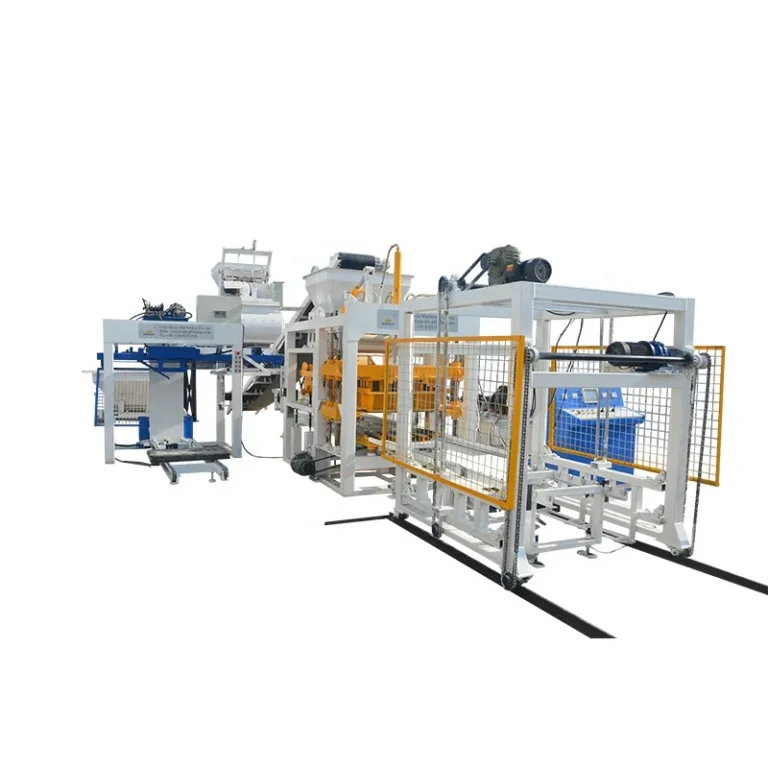
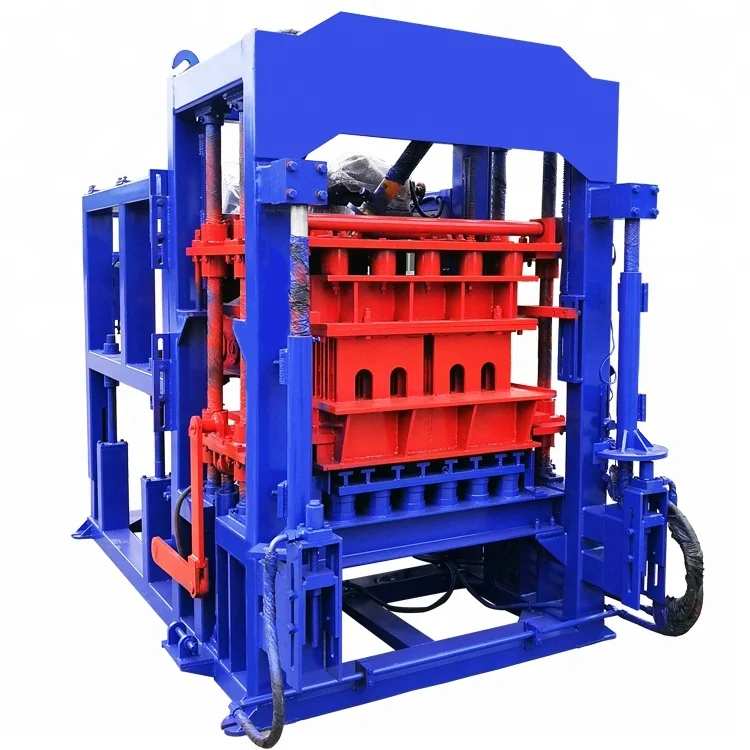
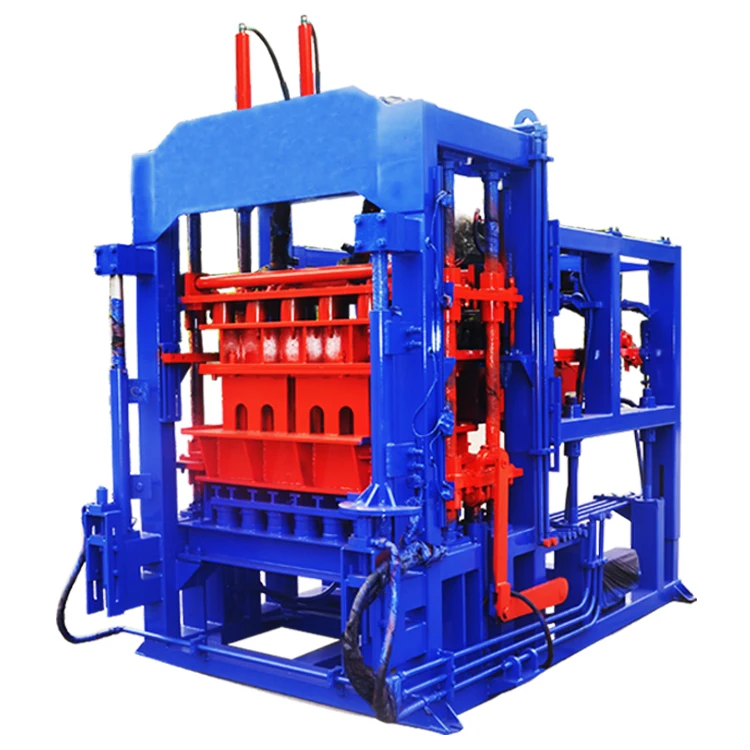
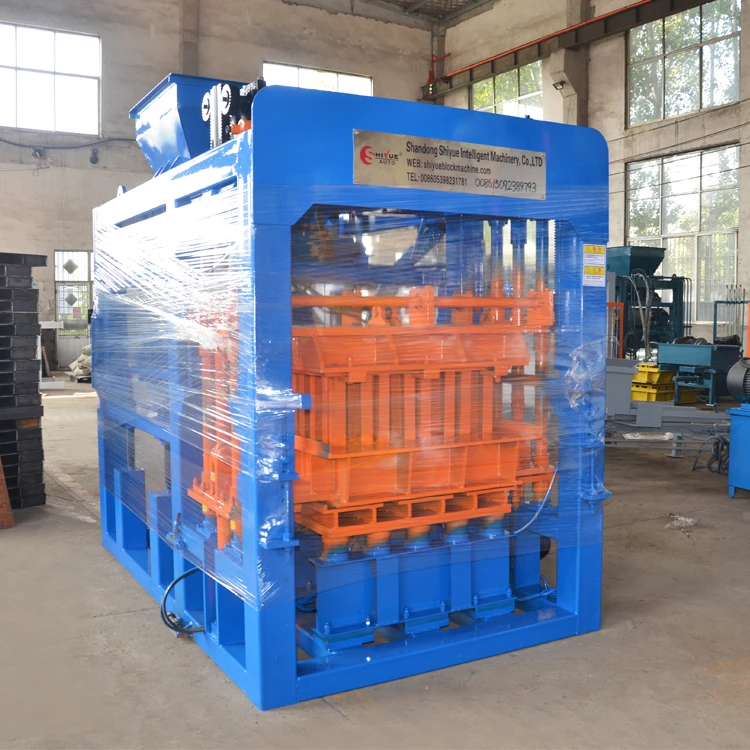
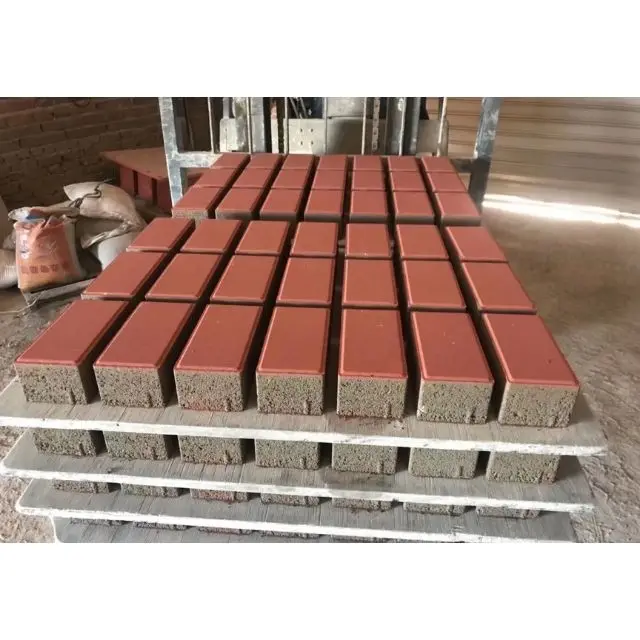
Description
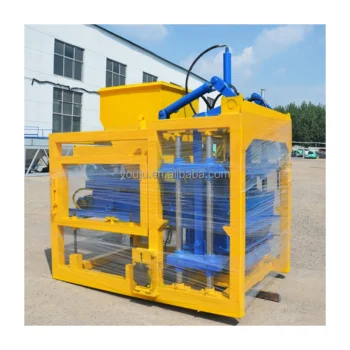
Stocked Configuration Ready — the QT6-15 is held as a complete press, pallet and control package built to standard mould formats, so dispatch timing can be confirmed in writing before the container is booked.
Technical Specifications
| Parameter | Value |
|---|---|
| Model | QT6-15 |
| Product Type | Automatic Concrete Block Making Machine |
| Rated Power | 31.25 kW |
| Voltage & Frequency | Configured to buyer’s local supply (confirm before order) |
| Control System | PLC intelligent control with malfunction diagnosis and remote control function |
| Overall Dimensions (L×W×H) | 7100 × 1500 × 3000 mm |
| Net Weight | 8500 kg |
| Moulding Cycle | 15–20 seconds (basis to be confirmed by block format and material) |
| Hydraulic Pressure | 16–21 MPa |
| Main Vibration Form | Platform vibration |
| Pallet Size | 850 × 680 mm |
| Automation Level | Full automatic with PLC and man-machine interface |
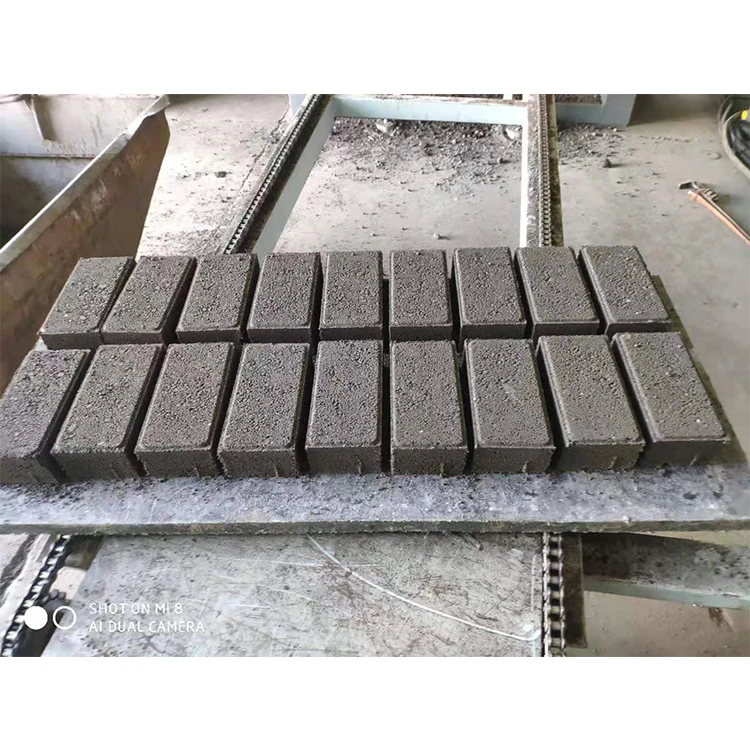
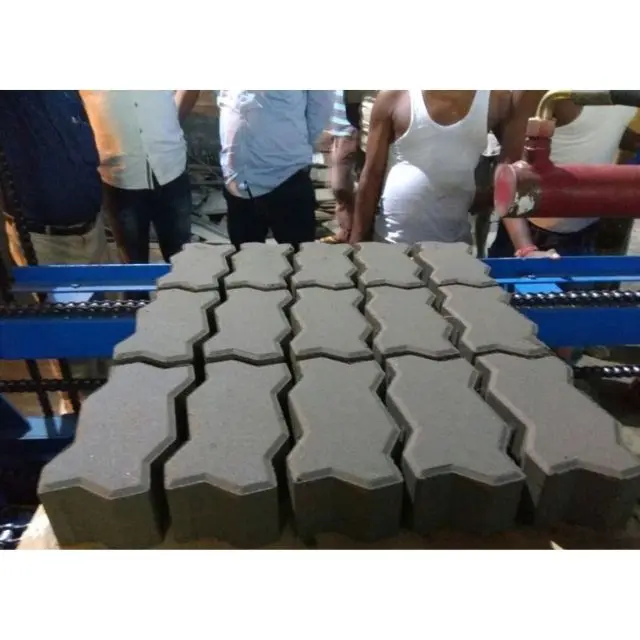
| Applied Products | Hollow blocks, solid blocks, pavers, interlocking blocks, curbstone, colored pavers |
| Raw Materials | Crushed stone, sand, cement, fly ash, gravel, slag, dust |
| Output — Hollow Block 400×200×200 mm | 6 pcs/mould, 16–20 s cycle, approx. 8,640 pcs/day |
| Output — Porous Block 240×115×90 mm | 14 pcs/mould, 15–18 s cycle, approx. 22,400 pcs/day |
| Output — Standard Block 240×115×53 mm | 30 pcs/mould, 14–17 s cycle, approx. 54,400 pcs/day |
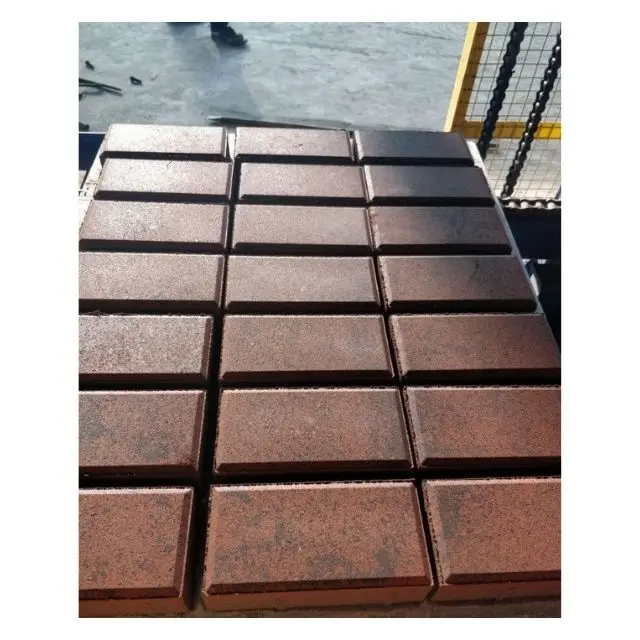
| Color Paver Option | Face-color material feeding device available |
| Standards | CE / ISO availability to be confirmed with manufacturer |
Application Suitability
| Application | Material or Output |
|---|---|
| Housing project on-site block production | Hollow and solid blocks from crushed stone, sand and cement |
| Block plant replacing a failed press | Standard hollow and solid formats with minimal downtime |
| Paver and kerbstone manufacturing | Interlocking pavers and curbstones from gravel and slag mixes |
| Distributor adding format range | Porous blocks and standard bricks from fly ash and dust blends |
| Colored paver production | Face-mix colored pavers with optional face-color feeding device |
Dispatch Dates You Can Put on a Gantt Chart
A stocked QT6-15 automatic block machine means the lead time conversation starts from a real dispatch date, not a factory queue position.
Project contractors and plant owners working against fixed deadlines know the difference between "to be advised" and a written loading date. When a block machine is quoted without a confirmed dispatch window, the entire construction sequence shifts — foundation crews stand by, curing racks sit empty, and the site overhead burns cash. [NEED_CITE: typical construction penalty clauses for delayed equipment delivery]. The QT6-15 is maintained as a stocked configuration with standard moulds, which allows the arrival estimate to be calculated at quotation stage rather than after production finishes. For a buyer replacing a machine that failed mid-contract, that difference can determine whether the next batch ships on schedule or whether the site shuts down entirely.
How Stock Status Translates to Your Site Timeline
When a buyer inquires about a QT6-15 automatic block machine in stock, the response includes a written dispatch date and a container loading plan. Standard moulds ship with the machine, eliminating the typical wait for custom tooling on common hollow and solid block formats. The dismantling scheme for container loading is prepared in advance, which means the freight forwarder can book the vessel slot while the machine is still being crated.
Arrival Estimates Before the Purchase Order
The quotation stage includes a port-to-port transit estimate based on the buyer’s destination, so the total timeline from order to site delivery is visible before commitment. Voltage and frequency are confirmed against the destination country’s grid standard [NEED_CITE: voltage and frequency standards by export market], and the PLC display language is set before the control panel leaves the factory. These two items, when left unresolved until arrival, are among the most frequent causes of delayed commissioning on block machine installations.
Reading the Numbers Behind the Cycle Time
The 15–20 second moulding cycle applies to standard hollow block formats in typical crushed stone mixes. When the mix shifts to fly ash-heavy blends or the target block is a thinner paver, the cycle moves toward the faster end of the range — but only if the hydraulic pressure and vibration force have been matched to that specific material. The platform vibration system works together with the 16–21 MPa hydraulic range to compact the mix uniformly across the 850 × 680 mm pallet area. A mismatch between pressure and vibration produces blocks that pass visual inspection but fail compression testing after curing. The pallet size itself must be checked against the buyer’s existing curing racks and forklift capacity, because a pallet that does not fit the rack system turns automatic stacking back into manual handling. [NEED_CITE: relationship between hydraulic pressure and vibration force in block density].
The Cost of Skipping Pre-Shipment Verification
Buyers who accept a quoted arrival date without verifying the container loading plan frequently discover that ancillary equipment — pallets, spare moulds, hydraulic hoses — was packed separately or omitted, arriving weeks later on a different vessel. Voltage mismatches caught after the machine is on site require transformer procurement or rewinding, both of which add days to commissioning. [NEED_CITE: common causes of delayed block machine commissioning at site]. A PLC display in the wrong language forces the operator to rely on icon recognition during fault diagnosis, which slows response time during the first weeks of production when most adjustment issues surface.
Why This Machine Ships Faster Than a Custom Build
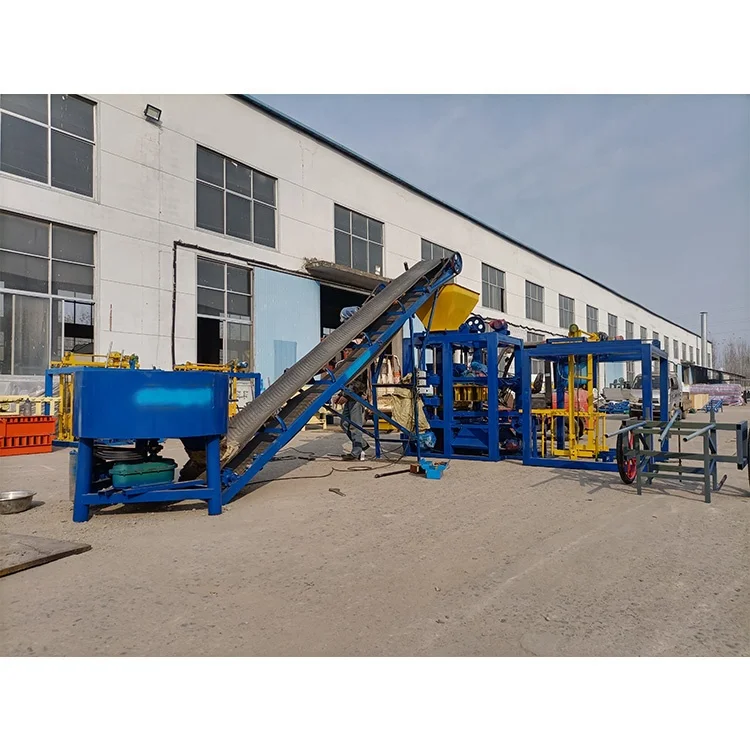
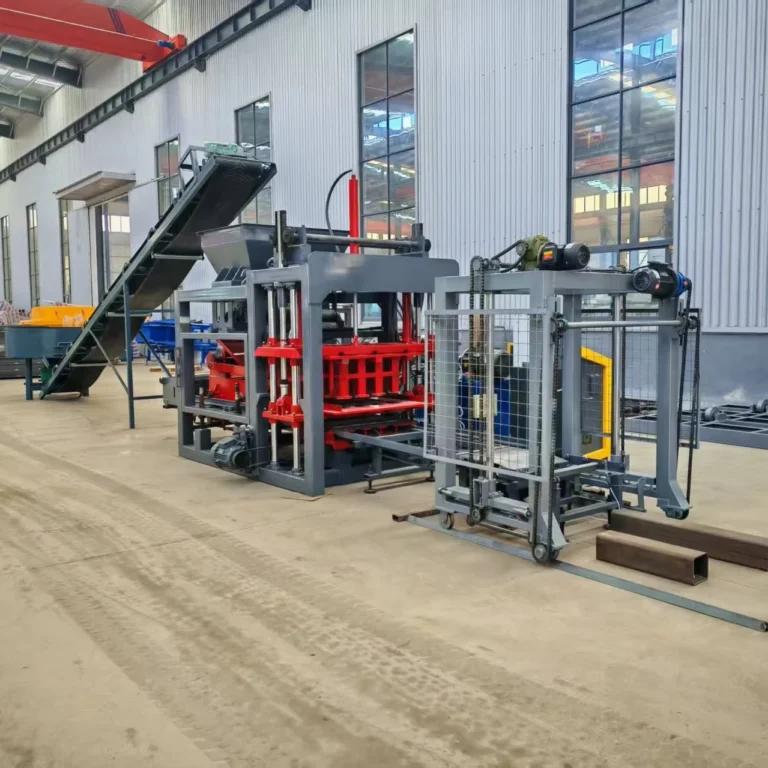
The QT6-15 configuration is held as a complete system — press, hydraulic pack, PLC panel and standard pallet set — rather than assembled from individual component orders. Standard moulds for hollow blocks, solid blocks and common paver formats are stocked alongside the machine, so format coverage is available at dispatch without a separate tooling lead time. Factory testing runs on the standard pallet and mould set before crating, producing a test record that accompanies the shipment. The packing documentation set includes photographs of the loaded container and customs paperwork prepared to the destination country’s requirements. Dispatch coordination covers container booking and vessel scheduling as a single workflow, not as separate steps handed to different agents.
Documentation & Verification
- Factory test record on standard hollow and solid block formats before dispatch
- Container loading plan with dismantling scheme and weight distribution per pallet
- Voltage, frequency and PLC language confirmation sheet signed before crating
- Packing photographs of machine, moulds and hydraulic components inside container
- Customs documentation package prepared for destination port clearance requirements
Installation, Commissioning & Support
- Foundation plan matched to the 7100 × 1500 mm footprint and 8500 kg operating weight
- Dedicated power circuit sized for 31.25 kW draw with local voltage and frequency confirmed
- Machine arrives dismantled per loading plan; reassembly sequence provided in manual
- First production run supervised with hydraulic pressure and vibration matched to local aggregate
- PLC operator training covers cycle adjustment, mould change procedure and fault diagnosis
- Wear parts list with mould and hydraulic seal replacements identified for first reorder cycle
What We Need to Confirm Your Arrival Date
Provide your destination port, required block formats and daily output target so the stock match and transit estimate can be calculated. Confirm your site voltage, frequency and preferred PLC display language to eliminate post-arrival electrical delays. Share your existing pallet dimensions and forklift capacity so compatibility with the 850 × 680 mm pallet system is verified before the machine leaves the factory.
Frequently Asked Questions
Q: Is the QT6-15 currently in stock and what is the dispatch lead time?
A: The QT6-15 is maintained as a stocked configuration with standard moulds for hollow and solid block formats. Dispatch lead time is confirmed in writing at quotation stage based on current stock position and container availability, so the date is fixed before payment rather than estimated after production.
Q: What standard moulds ship from stock, and how long do custom moulds take?
A: Standard moulds for common hollow blocks, solid blocks and pavers in the 850 × 680 mm pallet format are available from stock alongside the machine. Custom moulds designed to buyer drawings require a separate tooling cycle that is quoted with its own dispatch date.
Q: How is the machine dismantled for container loading?
A: The QT6-15 is dismantled into major assemblies — press frame, hydraulic pack, PLC panel and pallet feeder — per a documented loading scheme. A packing plan showing component placement and weight distribution is provided so freight forwarders can book the correct container type.
Q: What is the estimated arrival date at my port?
A: Port-to-port transit time is calculated at quotation stage once the destination port is confirmed. The arrival estimate accounts for vessel schedule and any transshipment points, and is included in the written quotation before the order is placed.
Q: What customs documentation is included with the shipment?
A: The documentation package includes commercial invoice, packing list, bill of lading, certificate of origin and any additional certificates required by the destination country. Documents are prepared before the container departs to avoid clearance delays at the arrival port.