
Description
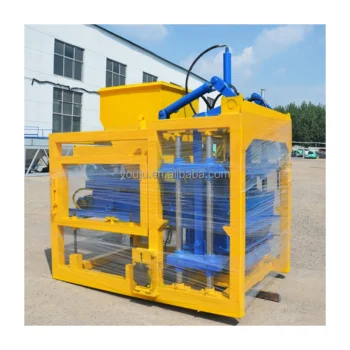
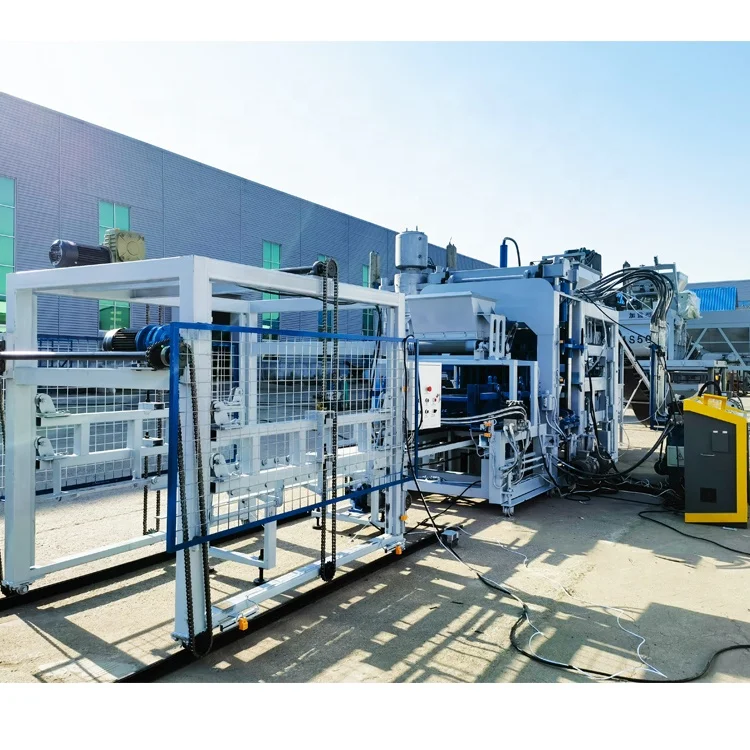
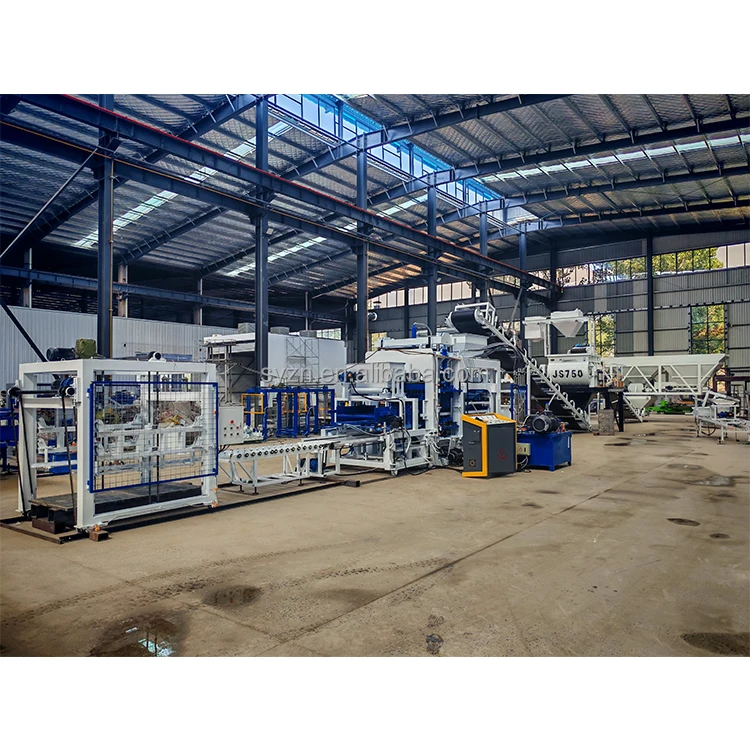
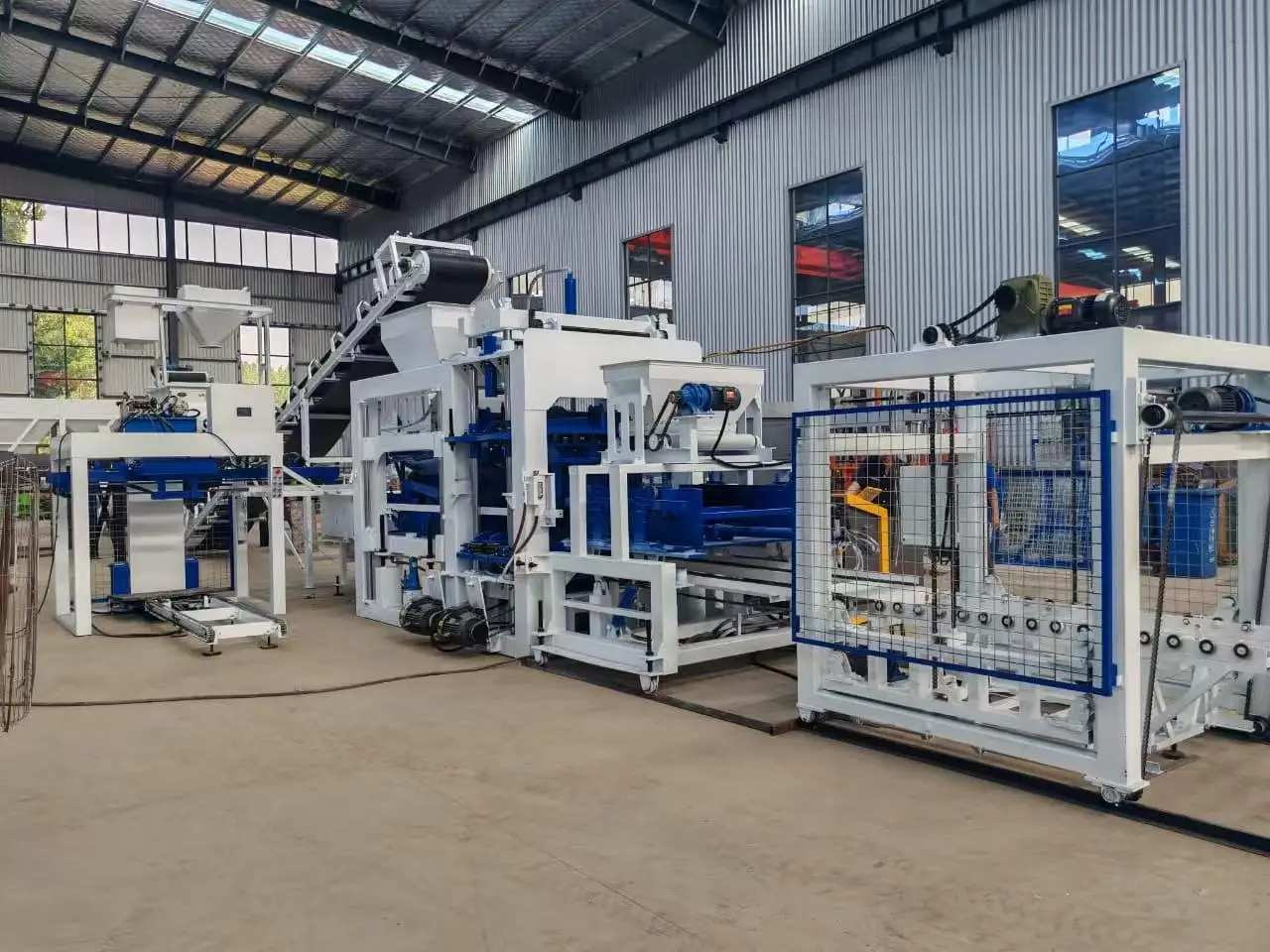
Stocked and ready to dispatch — The QT8-15 automatic block machine sits in our Linyi yard configured for rapid container loading, with voltage and PLC language locked before it leaves the factory.
Technical Specifications
| Parameter | Value |
|---|---|
| Model | QT8-15 |
| Product Type | Automatic Hydraulic Concrete Block Making Machine |
| Overall Dimensions (L×W×H) | 8300 x 1860 x 3000 mm |
| Rated Pressure | 32 MPa |
| Vibration Form | Platform Vibration |
| Vibration Frequency | 2800–4500 RPM |
| Pallet Size | 950 x 900 mm |
| Molding Cycle | 15–25 s |
| Overall Power | 47 kW |
| Control System | PLC with touch screen human-computer interface |
| Hydraulic System | Independent integrated type hydraulic station |
| Block Compressive Strength | up to 15 MPa |
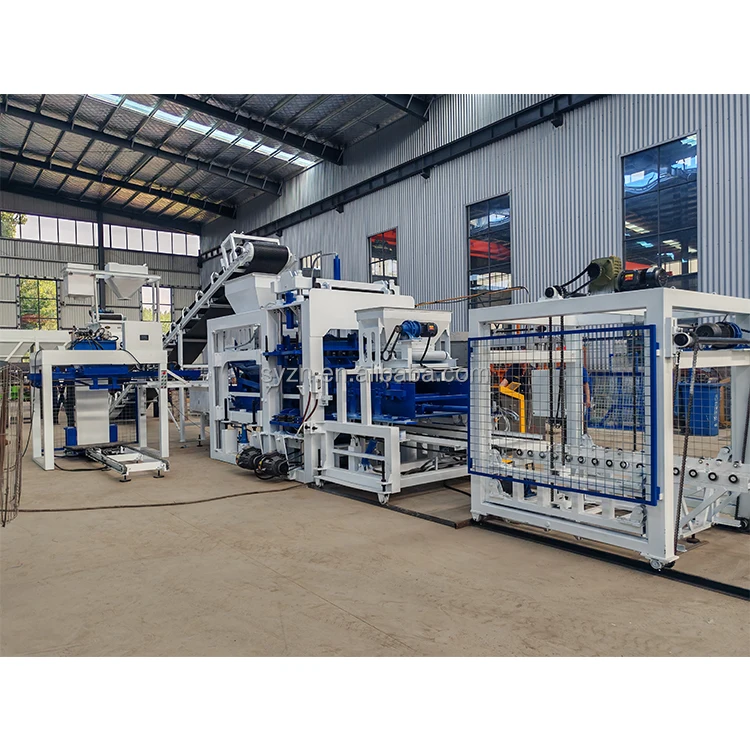
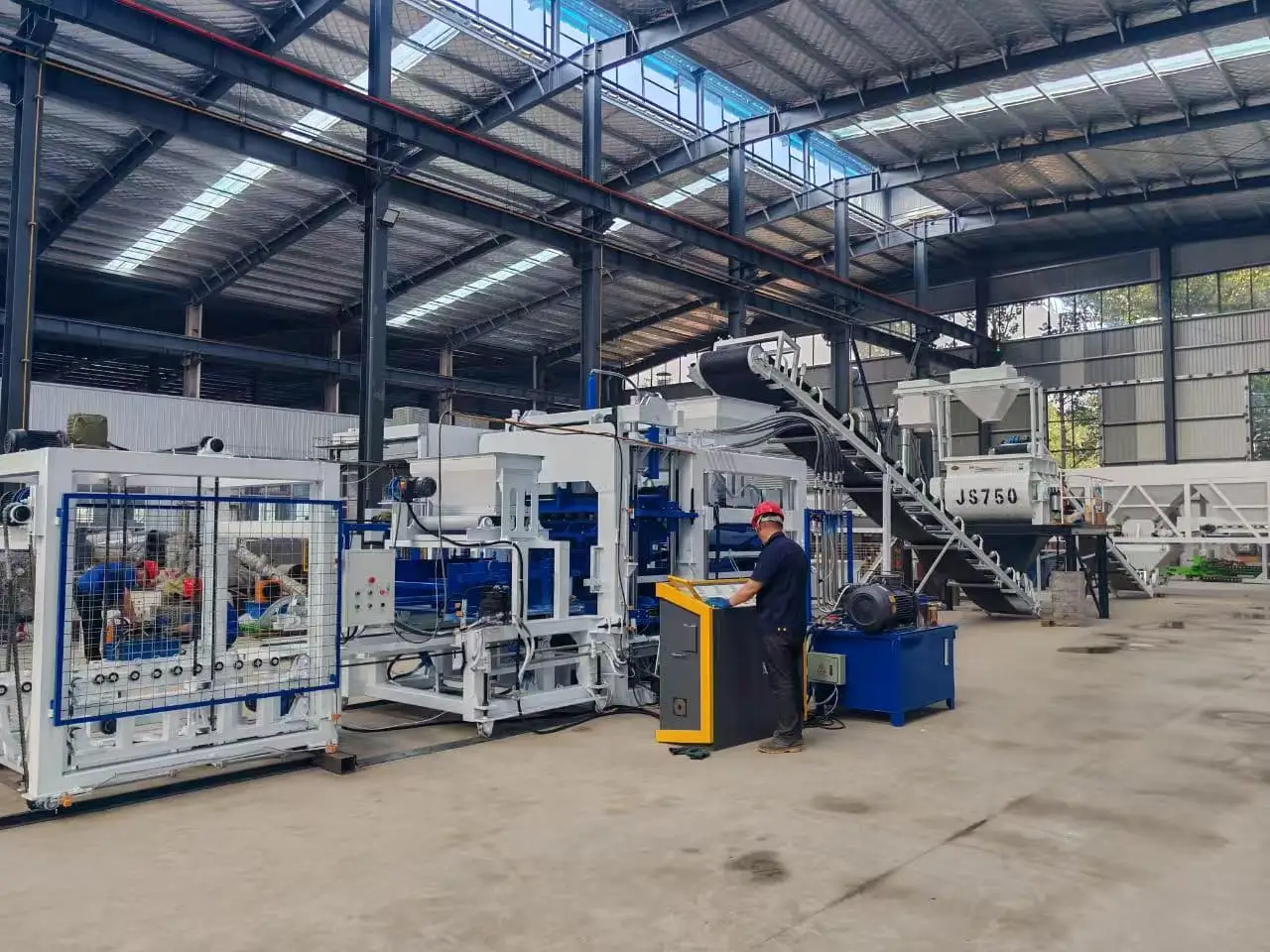
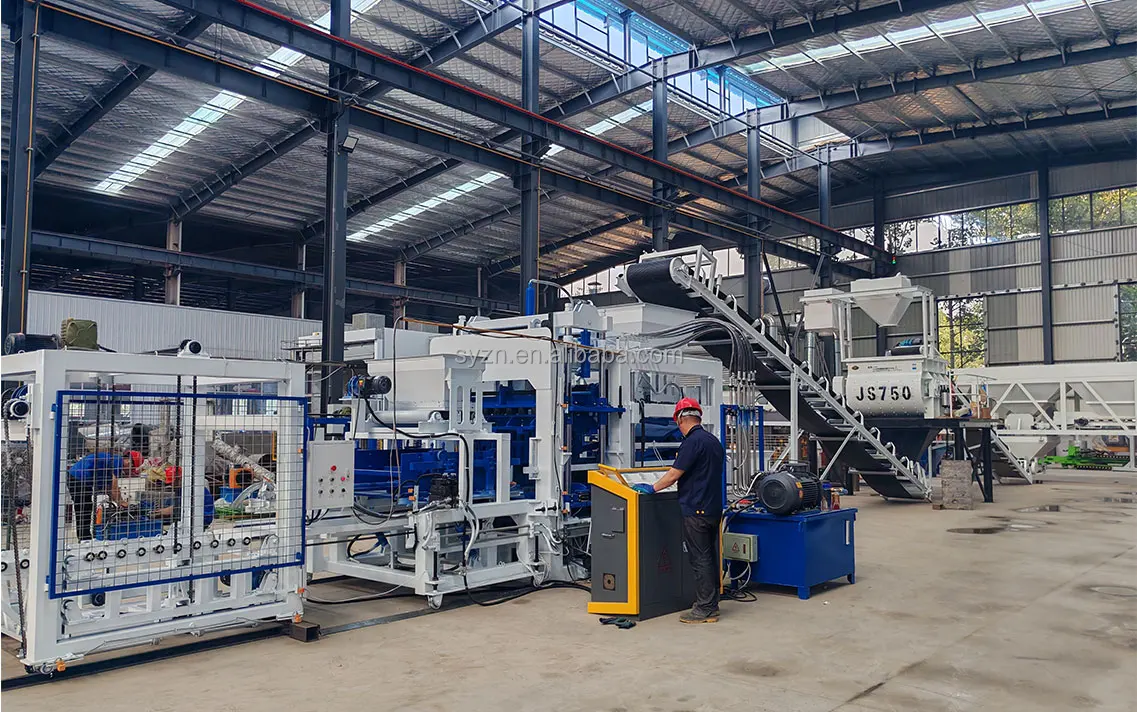
| Support Equipment Included | JS750 mixer, 8 m belt conveyor, automatic stacker |
| Automation Level | Automatic (manual/automatic mode selectable via PLC) |
| Output Capacity | (basis to be confirmed by block format and material) |
Application Suitability
| Application | Material or Output |
|---|---|
| Hollow block production | Crushed stone, sand, cement, and fly ash aggregates |
| Solid block production | Dense concrete mix for load-bearing masonry |
| Paving block production | High-strength mix designs for pedestrian and vehicular surfaces |
| Kerbstone and interlocking brick | Specialized mould formats for infrastructure and landscaping |
Why the Voltage Question Must Come Before the Shipment Date
Confirming your site voltage and frequency is the single most important step before the container is sealed.
I have seen a QT8-15 automatic block machine in stock sit idle on a project site in the Philippines for three weeks because the local supply was 220V/60Hz and the motor was wound for 380V/50Hz. The transformer was not in the original container, the electrician could not bypass it, and the contractor lost an entire foundation pour cycle. That delay is entirely avoidable if the electrical spec is written into the contract alongside the mechanical ones [NEED_CITE: voltage and frequency standards by export market].
Container Loading and Dispatch Timeline
When a buyer asks for the QT8-15 automatic block machine in stock, the immediate concern is how fast it can be broken down, loaded, and on a vessel. The main press, hydraulic station, and PLC cabinet are dismantled into manageable assemblies that fit within standard 40-foot high-cube container dimensions. The JS750 mixer and the 8 m belt conveyor travel alongside the press in the same container or a second one depending on the full order configuration. Dispatch lead time is stated in writing at the point of order confirmation, not estimated vaguely over email.
Arrival Estimate and Port-Side Handling
The value of buying a stocked machine is the compressed timeline from purchase order to commissioning. Once the container is sealed and packing photographs are shared, the estimated arrival window to the destination port is calculated based on current shipping schedules. Buyers working against a construction deadline need this date in hand so they can schedule the crane, the forklift, and the electrical contractor for the day the container doors open. A machine that arrives without a coordinated site plan becomes a heavy pallet sitting in the rain.
How Pressure and Vibration Define the Block You Actually Sell
The QT8-15 delivers 32 MPa of rated hydraulic pressure combined with platform vibration at 2800–4500 RPM. This combination is what produces blocks reaching up to 15 MPa compressive strength. Pressure alone compresses the mix; vibration alone rearranges the aggregate. Together they eliminate voids within the block wall, which is what local building inspectors test for when they crush a sample. The independent hydraulic station is mounted away from the main vibration zone, keeping the seals and valves free from the dust and shock that degrade hydraulic fluid and shorten pump life [NEED_CITE: hydraulic system isolation in block making machinery].
What Happens When the Line Arrives Incomplete
A block press without its matching mixer, conveyor, and stacker is a bottleneck waiting to happen. Buyers who accept a quotation that lists only the machine itself often discover that pallets must be fed by hand, wet blocks must be carried to the curing rack one at a time, and the rated cycle time is meaningless because the operator cannot keep up. The QT8-15 ships with the JS750 mixer, the 8 m belt conveyor, and the automatic stacker as one matched set. The stacker lifts two pallets per load across 3–6 layers depending on block height, so the curing rack fills at the same pace the press cycles [NEED_CITE: block line supporting equipment integration].
Why Sourcing From a Single Machinery Focus Matters
Block machinery is the only thing this factory builds, which means the press, the mould, the pallet, and the handling equipment are specified as one system rather than assembled from separate vendor catalogs. The mould included with the QT8-15 is designed for the hollow format your market actually buys, and custom moulds can be built to buyer drawings for the formats you plan to add later. Voltage, frequency, and PLC display language are confirmed before dispatch so that the touch screen reads in your operator’s language on the first day of production. The factory test record is generated on a mix design representative of your local aggregate, not a generic laboratory sample.
Documentation & Verification
- Line layout and capacity calculation stating the block format assumed for the QT8-15
- Machine specification sheet confirming 32 MPa pressure and 47 kW total power
- Mould drawing and format list for the included hollow mould and future additions
- Voltage, frequency, and PLC language confirmation signed before container sealing
- Factory test record run on mix representative of your local aggregate
- Packing photographs taken at container loading for customs and insurance reference
Installation, Commissioning & Support
- Foundation plan sized to the 8300 x 1860 mm press footprint and vibration load
- Dedicated electrical circuit sized for 47 kW total draw at confirmed voltage and frequency
- Machine reassembly from container-dismantled state with bolt torque verification
- PLC touch screen commissioning with language and cycle parameters set to your block format
- Operator training covering mould change procedure and automatic stacker adjustment
- Wear parts list with first replacement hydraulic seals and vibration springs identified
What to Prepare Before Requesting a Quotation
To give you an accurate dispatch date and arrival estimate for the QT8-15 automatic block machine in stock, we need to know your destination port, your site voltage and frequency, and the block formats you plan to produce first. Share your local aggregate type so the factory test can match your actual mix design.
Frequently Asked Questions
Q: Is the QT8-15 currently in stock, and what is the dispatch lead time?
A: Stock status and dispatch lead time for the QT8-15 automatic block machine in stock are confirmed in writing at the time of inquiry. Lead times vary based on the configuration selected, particularly the voltage and PLC language requirements that must be finalized before the container is sealed and released for shipment.
Q: How is the machine dismantled and loaded into containers for shipment?
A: The main press, hydraulic station, and PLC cabinet are separated into assemblies that fit within standard 40-foot high-cube containers. The JS750 mixer and 8 m belt conveyor are loaded alongside or in a second container. Packing photographs document the loading sequence for customs clearance and insurance purposes.
Q: What voltage and frequency configurations are available from stock?
A: Voltage and frequency are configured to match the buyer’s site electrical supply and confirmed in the contract before dispatch. Common configurations include 380V/50Hz and 440V/60Hz among others. The PLC touch screen language is also locked at this stage to match the operator’s requirements.
Q: What is the estimated arrival time to my destination port?
A: Arrival time is calculated from the confirmed vessel departure date and current shipping schedules to your specific port. This estimate is provided alongside the dispatch timeline so buyers can coordinate crane hire, forklift availability, and electrical contractor scheduling for the day the container arrives.
Q: Are spare moulds and hydraulic wear parts shipped together with the machine?
A: One hollow mould is included with the QT8-15. Additional moulds and a wear parts package including hydraulic seals and vibration springs can be added to the same container. The wear parts list identifies first-replacement items so you are not waiting for a parcel shipment when maintenance is first required.