

Description
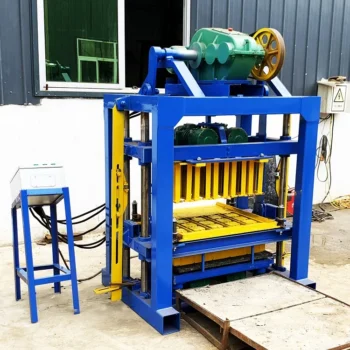
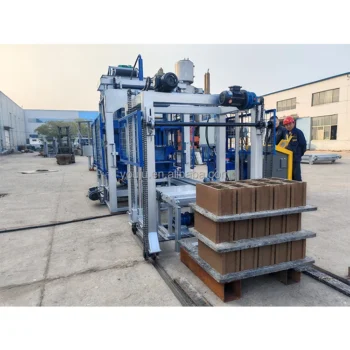
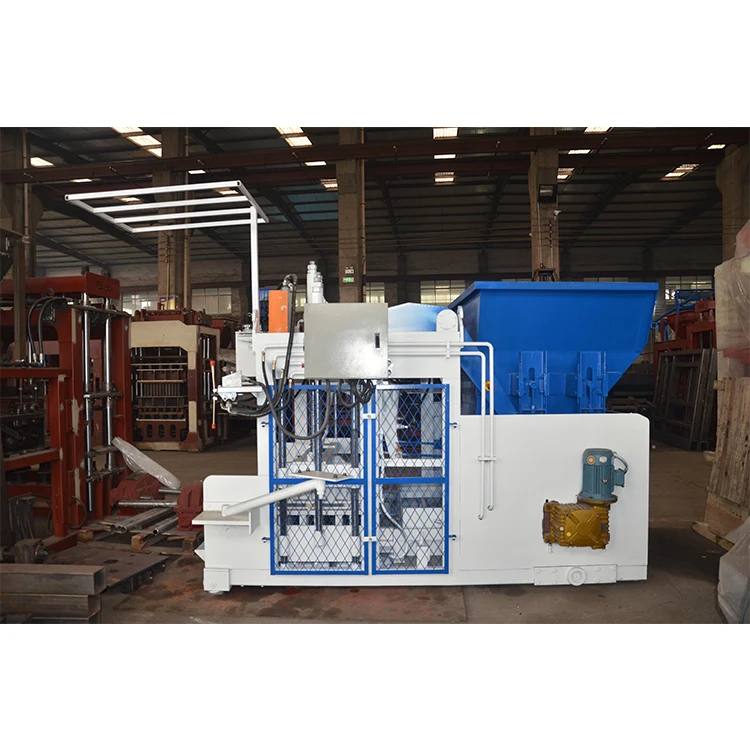
QTF3-20 Automatic Hydraulic Concrete Block Machine In Stock
Immediate Dispatch Readiness — standard QTF3-20 units held in stock so container loading dates are confirmed at the point of order, not weeks after.
Technical Specifications
| Parameter | Value |
|---|---|
| Model | QTF3-20 |
| Product Type | Automatic Hydraulic Concrete Block Making Machine |
| Main Vibration Form | Platform vibration and pressure |
| Cycle Time | 20 seconds (basis not stated in source — confirm block format / material / thickness) |
| Vibrating Frequency | 4600 rolls/minute |
| Motors Power | 14.25 kW |
| Pallet Size | 680 × 530 mm |
| Hydraulic Pressure | (basis to be confirmed) |
| Vibration Force | (basis to be confirmed) |
| Automation Level | Automatic (hydraulic drive compression molding) |
| Applicable Raw Materials | Crushed stone, sand, cement, fly ash, cinder, slag, gangue, gravel, perlite, industrial waste |
| Standards | CE, ISO 9001 |
Application Suitability
| Application | Material or Output |
|---|---|
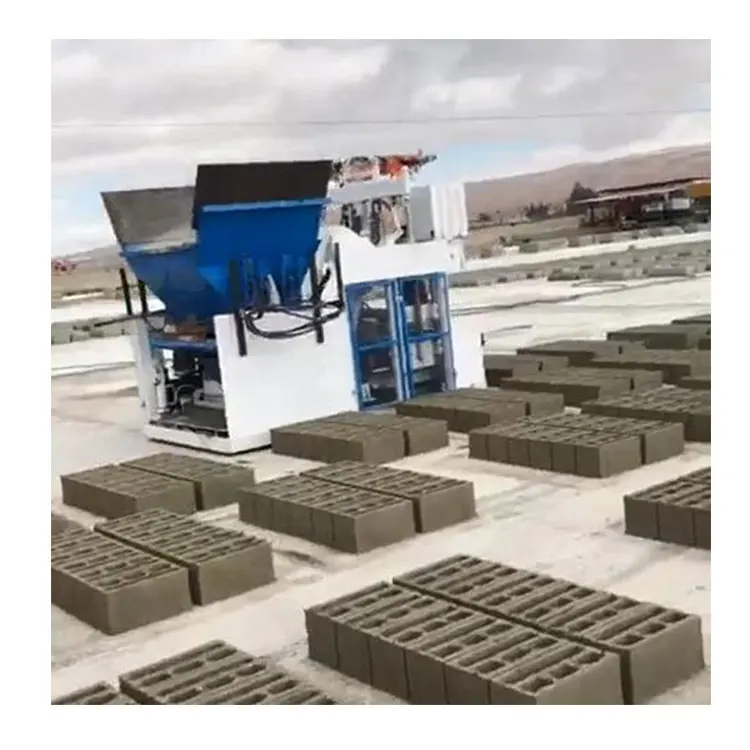
| Urban and rural wall block production | Hollow and solid concrete blocks from crushed stone, sand, and cement |
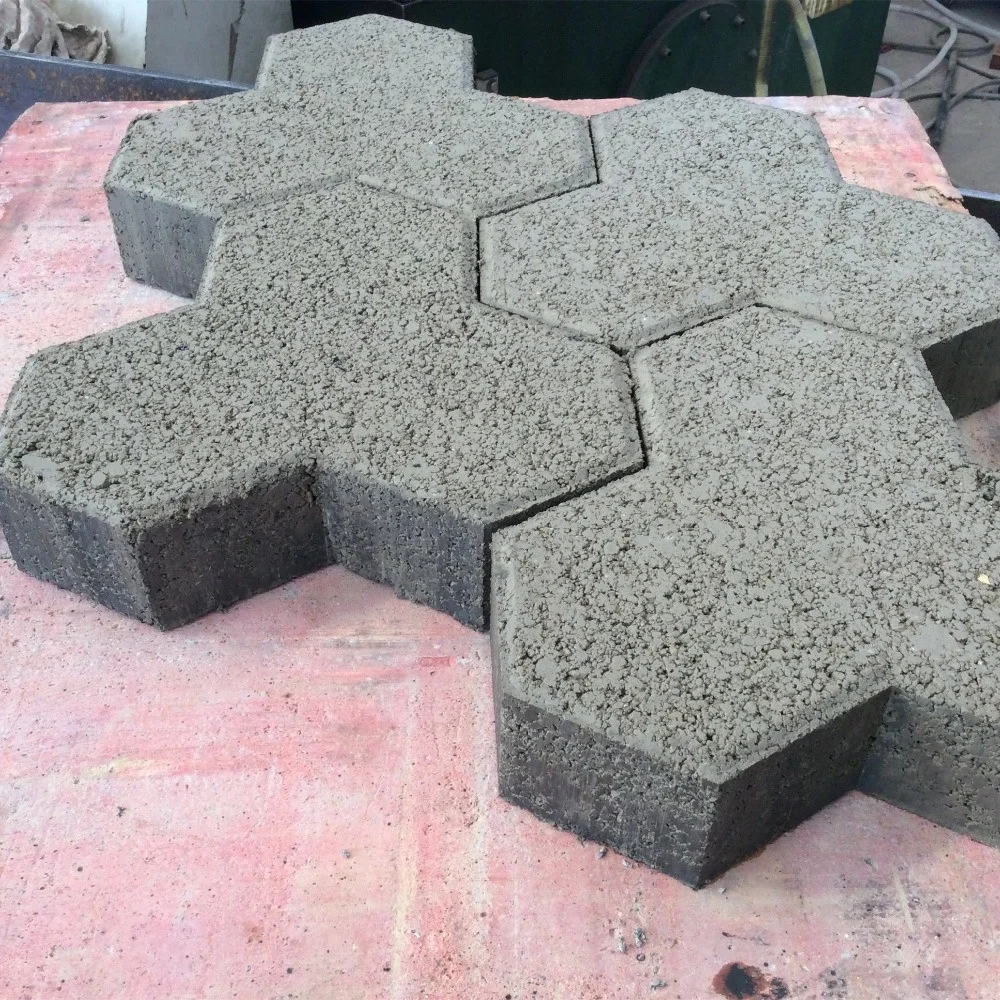
| Roadway and pavement construction | Paving stones and kerbstones with or without face mix |
| Landscaping and garden projects | Grass blocks, interlocking blocks, and slope protection blocks |
| Fly ash brick manufacturing | High-mixture fly ash solid bricks using cinder, slag, and gangue |
| Municipal and city construction | Edgers, slabs, and cellular masonry products |
Why "In Stock" Must Mean More Than a Warehouse Label
A QTF3-20 block machine in stock should arrive at your site ready to run, not ready to be reconfigured.
Buyers sourcing equipment against a project deadline often discover that "stocked" means the press frame is built but the hydraulic manifold still needs assembly, the PLC language defaults to a setting their operators cannot read, or the mould on the pallet does not match the block format their market actually sells. The result is a machine that sits on the curing yard for days while field adjustments are made, and the project timeline slips. I have watched a container arrive at a Middle Eastern port with the vibration frequency calibrated for standard river sand, only to find the local aggregate was volcanic scoria that demanded a completely different amplitude range — two weeks of on-site retuning that could have been resolved with a factory test run before the crate was sealed [NEED_CITE: on-site commissioning delays caused by untested material configurations].
Dispatch Timeline Transparency for Deadline-Driven Projects
When a buyer is working against a construction handover date, every day between the purchase order and the bill of lading matters. The QTF3-20 block machine in stock configuration means the standard hydraulic circuit, vibration platform, and pallet feeding mechanism are pre-assembled and factory-tested, so the lead time from order confirmation to container loading is measured in days rather than production cycles. The dispatch schedule is quoted at the inquiry stage, not after the deposit lands.
Container Loading and Machine Dismantling for Shipment
Shipping a block press requires partial dismantling — the hydraulic station, vibration motor assembly, and mould frame are separated to fit within standard container dimensions while protecting the alignment-critical components. Each QTF3-20 block machine in stock unit is photographed during the loading sequence, and the packing photographs form part of the shipping documentation so the buyer can verify the condition and completeness of every sub-assembly before the container door closes.
Reading the Specifications That Actually Govern Block Output
The 20-second cycle time quoted for this machine is a mechanical stroke measurement — it describes how fast the press completes one compression and vibration sequence, but it does not account for pallet indexing, mould filling, or the block format being produced. A standard hollow block will have a different fill depth and demoulding behaviour compared to a thin paving stone, and the realistic output per shift depends on which format is in the mould. The 680 × 530 mm pallet size determines how many blocks are formed per cycle; this dimension must align with the curing rack spacing and forklift tine width already in use at the buyer’s facility. The 14.25 kW motor rating covers both the vibration platform and the hydraulic pump, and the electrical supply must match local voltage and frequency before the machine can be commissioned [NEED_CITE: voltage and frequency standards by export market].
The Cost of Overlooking Pallet and Electrical Compatibility
A pallet size that does not match the existing curing rack means either building new racks or handling blocks off-pallet by hand, both of which add cost and slow the line down. An unconfirmed voltage specification means the motor will not start on arrival, and sourcing a transformer locally adds both expense and delay. These are not engineering failures — they are specification gaps that should have been closed during the inquiry stage. Buyers who skip the pallet and electrical confirmation step frequently find their "quick delivery" machine sitting idle for the time it takes to fabricate or procure the missing interface [NEED_CITE: common causes of commissioning delays in exported block machinery].
What Stock Procurement Looks Like Here
Every QTF3-20 unit designated as stock has completed the same factory test protocol as a custom-built machine — the hydraulic circuit is pressure-checked, the vibration platform is run under load, and the pallet feeding mechanism is cycled through a full sequence. The mould inventory is listed against the standard formats so a buyer can confirm whether the hollow block or paving mould they need is already on the shelf or requires a production run. Container loading plans are drafted before the quotation so the buyer sees the shipment footprint and estimated arrival timeline as part of the commercial offer, not as a surprise after payment. Documentation — including the factory test record, packing photographs, and customs paperwork — is assembled per unit, not generated generically.
Documentation & Verification
- Factory test record showing hydraulic pressure and vibration frequency readings before dispatch
- Packing photographs documenting each sub-assembly during container loading
- Pallet specification sheet confirming 680 × 530 mm dimensions and load rating
- Voltage and PLC language confirmation signed off before production release
- Customs documentation package supporting clearance at the destination port
Installation, Commissioning & Support
- Foundation must accommodate 14.25 kW total power draw with a dedicated circuit at confirmed voltage and frequency
- Machine is shipped in dismantled state; hydraulic station and vibration platform require re-assembly on site
- First commissioning includes mould fill calibration and cycle timing against the buyer’s actual block format
- Operator training covers pallet handling, mould change procedure, and daily vibration motor inspection
- Wear parts list supplied with initial spare set covering hydraulic seals and vibration platform bearings
- Curing rack layout reviewed against 680 × 530 mm pallet size to confirm forklift and stacking compatibility
Before You Request a Quote
Confirm the block format your market requires — hollow, solid, paving, or interlocking — and the daily volume your project demands, because the QTF3-20 block machine in stock inventory is allocated against specific mould configurations. Provide your local voltage, frequency, and the pallet racking or forklift dimensions currently in use at your site so the dispatch package can be matched before the container is booked.
Frequently Asked Questions
Q: Which standard moulds are available for immediate shipment with the QTF3-20?
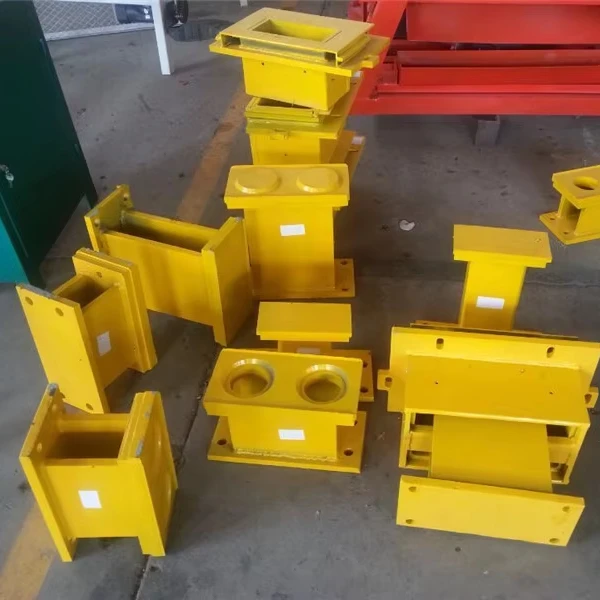
A: Standard mould inventory typically includes hollow block, solid block, and paving stone formats that match the 680 × 530 mm pallet. Specific mould availability is confirmed at the inquiry stage against the current stock list, and custom format moulds require a separate production lead time that is quoted alongside the machine dispatch schedule.
Q: How long does it take from order confirmation to container loading?
A: Stocked QTF3-20 units undergo final factory testing, pallet matching, and packing photograph documentation before loading. The timeline from confirmed order to sealed container depends on the current stock allocation and the destination port scheduling, and is quoted as a specific date range at the proposal stage.
Q: What needs to be checked on site after the machine arrives?
A: Re-assembly of the hydraulic station and vibration platform must follow the factory alignment marks. Electrical supply must match the confirmed voltage and frequency before motor start-up. The first production run should verify that the cycle timing and block density match the factory test record for the buyer’s specific raw material and block format.
Q: Is the 20-second cycle time applicable to every block format?
A: The 20-second figure represents one press stroke cycle and was measured under conditions not stated in the source documentation. Actual cycle time varies with block thickness, fill depth, and raw material characteristics. Buyers should request a capacity calculation that states which block format and mix design the output figure assumes.
Q: Will the 680 × 530 mm pallet work with my existing curing yard setup?
A: The pallet dimensions must be checked against your curing rack spacing, forklift tine width, and stacking method. If your current racking was built for a different pallet size, either the racks must be modified or blocks must be transferred off-pallet, which adds handling time. Confirm your site dimensions during the inquiry so compatibility is resolved before dispatch.