Description
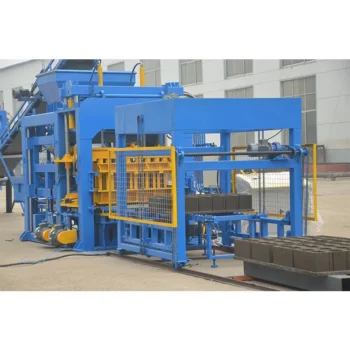
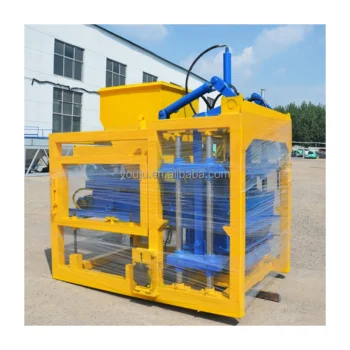
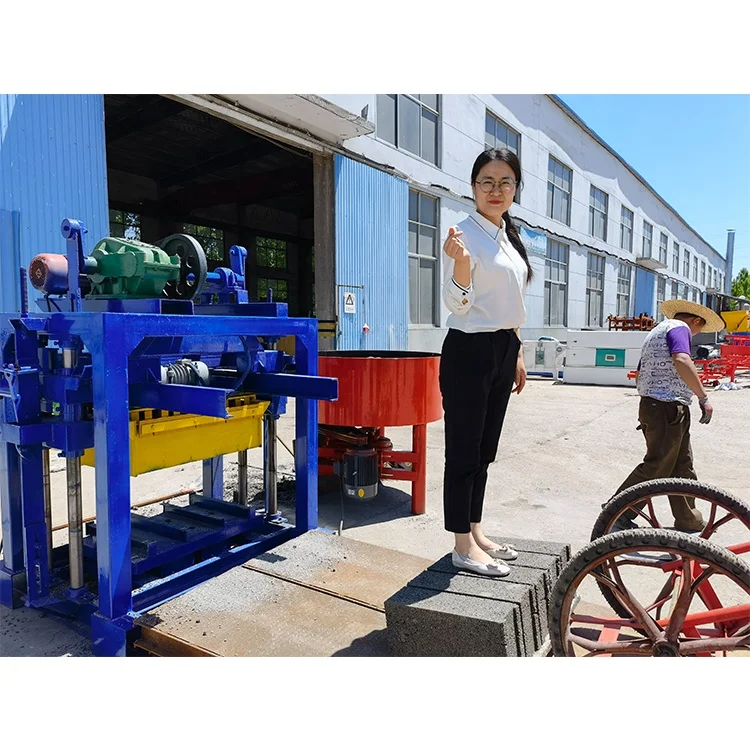
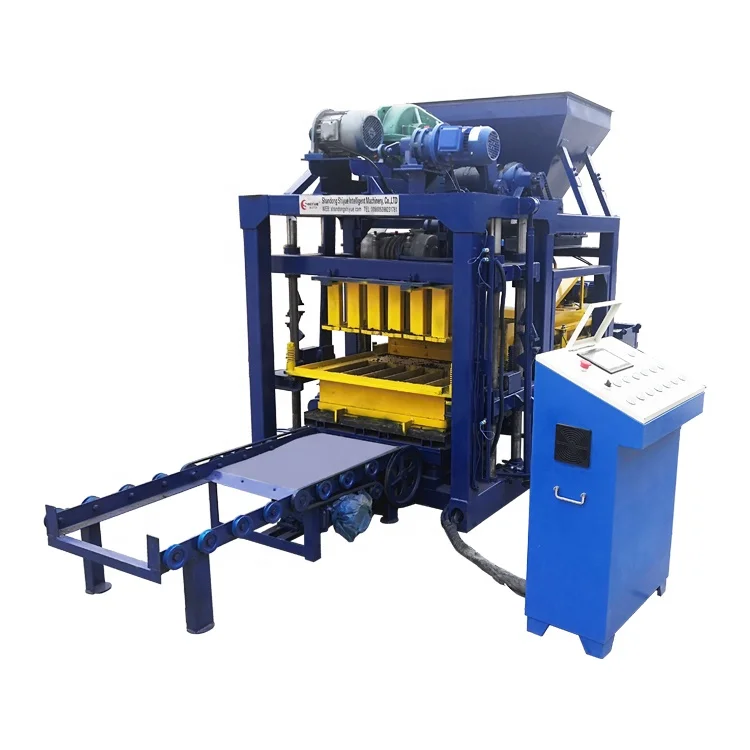
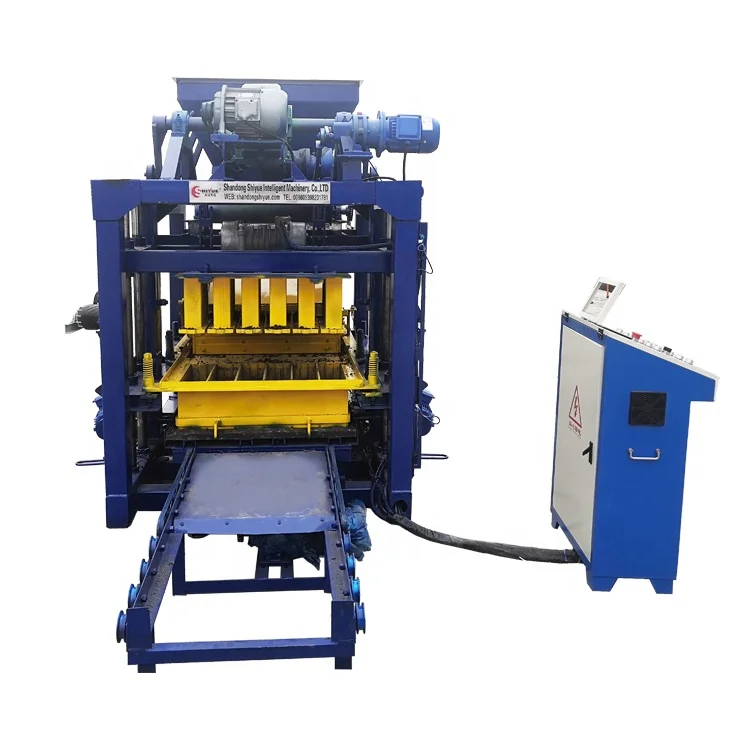
Dispatch-Ready Line — the QTJ4-25 block machine in stock ships with motor voltage, pallet size, and mould format verified against your site before the container is sealed.
Technical Specifications
| Parameter | Value |
|---|---|
| Model | QTJ4-25 |
| Product Type | Semi-Automatic Concrete Hollow Block Making Machine |
| Overall Dimensions (L×W×H) | 3060×1730×2580 mm |
| Total Weight | 4 T |
| Vibration Force | 45 kN |
| Cycle Time | 25 s |
| Pallet Size | 850×550 mm |
| Block Height Range | 40–280 mm |
| Workshop Area | 50–150 m² |
| Material Storage Area | 300–500 m² |
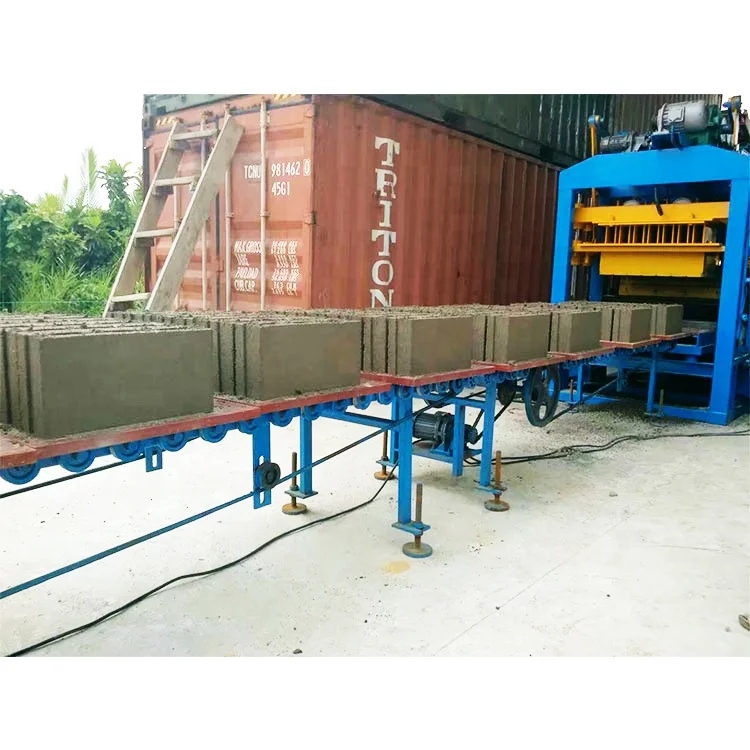
| Belt Conveyor Length | 8 m |
| Mixer Model | JQ500 |
| Motor Brand | Siemens or ABB |
| Voltage & Frequency | 380V / 3-phase / 50Hz (customizable to local voltage) |
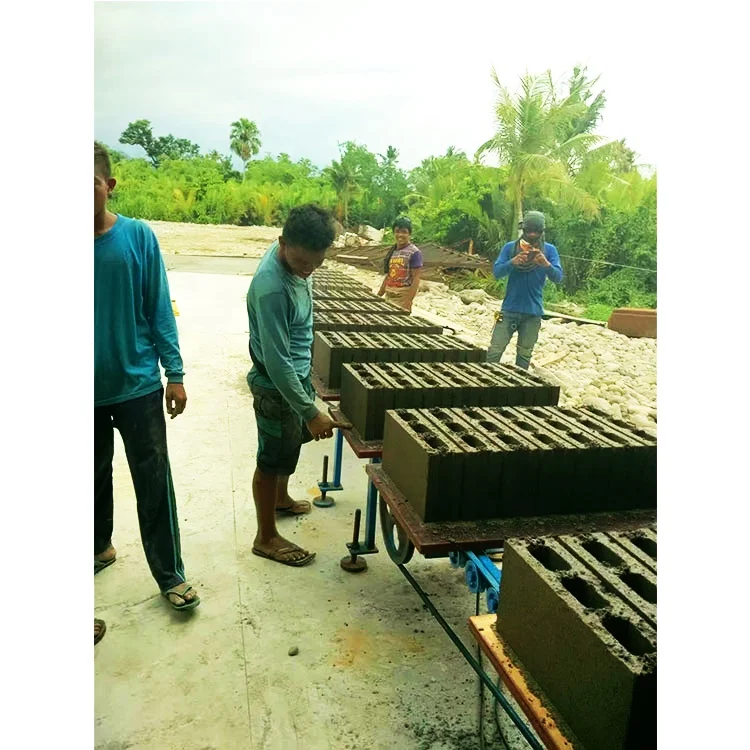
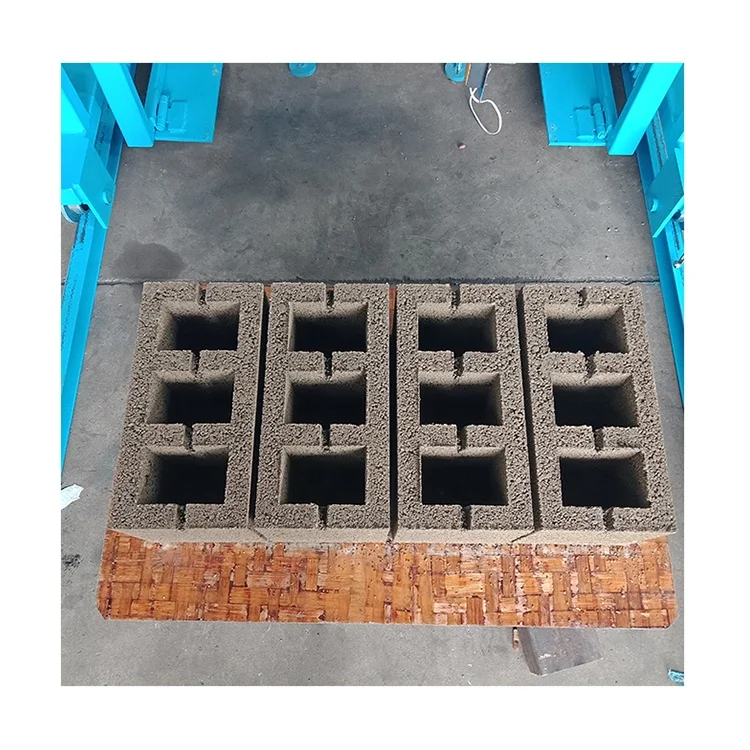
| Output Capacity | 480 pcs/h based on 400×200×200 mm hollow block, 4 pcs/mould (basis not stated in source for other formats) |
| Output Capacity | 600 pcs/h based on 400×150×200 mm hollow block, 5 pcs/mould |
| Output Capacity | 840 pcs/h based on 400×100×200 mm hollow block, 7 pcs/mould |
| Output Capacity | 2880 pcs/h based on 240×115×53 mm solid brick, 24 pcs/mould |
| Control System | Electric control |
| Automation Level | Semi-automatic |
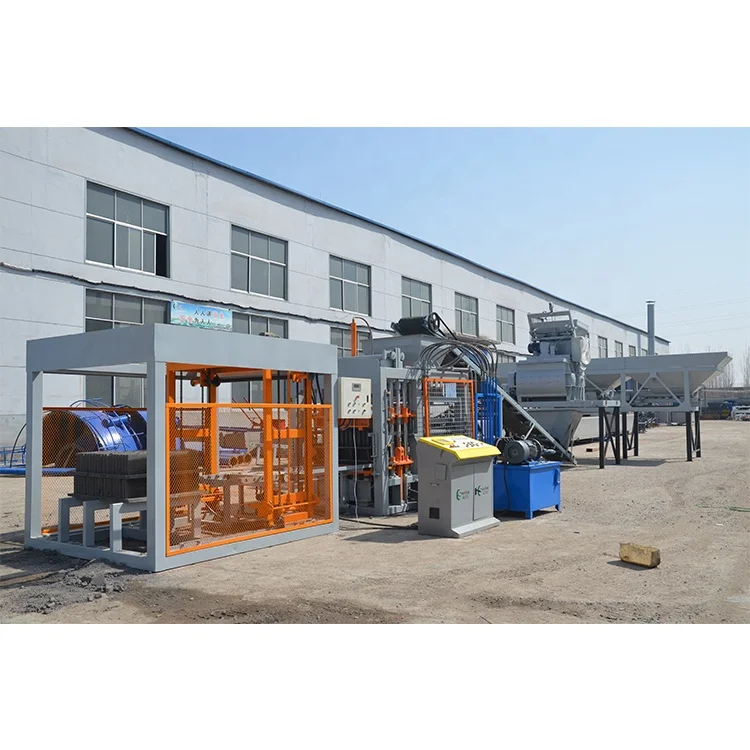
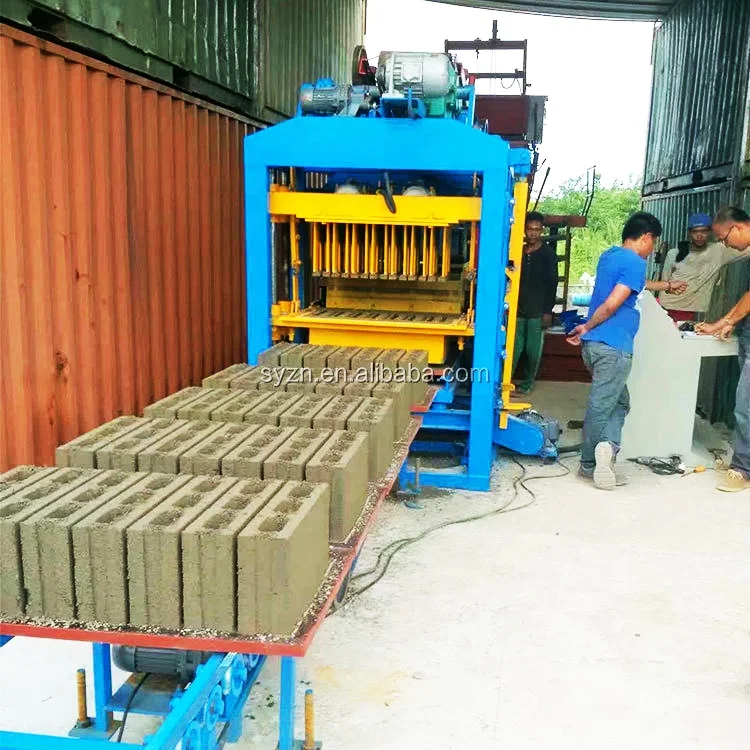
| Assembly State | Host machine, belt conveyor, and mixer |
| Warranty | 1 year (excluding wearing parts) |
Application Suitability
| Application | Material or Output |
|---|---|
| Hollow block production for housing and commercial walls | Crushed stone, sand, cement, fly ash |
| Solid brick production for load-bearing structures | River sand, quarry dust, cement |
| Interlocking paver production for walkways and yards | Fine aggregate, cement, pigment |
| On-site block making for remote infrastructure projects | Locally sourced gravel and cement |
| Small-scale plant start-up with limited workshop space | Any standard concrete mix within aggregate grading limits |
What a Stocked QTJ4-25 Block Machine Means When the Site Is Waiting
A machine sitting in the warehouse only helps if it arrives configured for your grid and your mix.
I once watched a contractor in West Africa lose three weeks of a housing project because the motor was wound for 50 Hz and the site ran on 60 Hz generation. The machine was technically fine; the match was wrong. Every QTJ4-25 block machine in stock that leaves our yard gets a voltage and frequency check against the buyer’s destination before it is bolted to the container floor. [NEED_CITE: voltage and frequency standards by export market]
Stock Availability Versus Real Dispatch Readiness
Having a QTJ4-25 block machine in stock means the host frame, mixer, and belt conveyor are assembled and test-run. Dispatch readiness goes further. The pallet dimensions, motor winding, and control panel labeling must align with what the buyer already has on the ground — curing racks, forklifts, and local electricians who read the panel language.
How Lead Time Actually Compresses
A stocked QTJ4-25 block machine in stock cuts the production window out of the timeline entirely. What remains is the configuration check, the factory test run with the buyer’s target block format, container loading, and inland haul to port. For project-deadline buyers, that difference is the gap between breaking ground on schedule and watching a foundation crew sit idle. [NEED_CITE: container loading and sea freight transit estimates]
Pallet Size and the Curing Area Mismatch
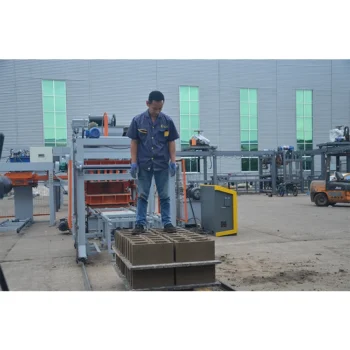
The 850×550 mm pallet is the interface between the press and everything that happens after it. If the buyer’s curing racks were built for a different dimension, every pallet must be transferred by hand before stacking. If the forklift tines are too narrow for the pallet overhang, pallets crack during transport to the yard. Confirming pallet compatibility before dispatch eliminates these silent delays.
Vibration Force and Local Aggregate Behaviour
The 45 kN vibration rating on this machine was set for standard graded crushed stone. When local aggregate carries high clay or silt content — common in laterite-rich regions — the mix absorbs vibration differently, and block density drops. Adjusting vibration duration and moisture content at commissioning brings strength back in line. I spent two weeks on video calls walking a site team through this exact adjustment when their laterite sand produced blocks that crumbled at the edges. [NEED_CITE: effect of aggregate clay content on concrete block compressive strength]
Reading the Specs That Matter on Site
Cycle time holds at 25 seconds across all listed block formats, which means output differences come entirely from the number of cavities per mould. A 400×200×200 mm hollow block runs 4 per cycle, while a 240×115×53 mm solid brick runs 24 per cycle. Buyers comparing daily output between formats need to multiply by mould cavity count, not assume the press runs faster for smaller blocks. The JQ500 pan mixer feeds the hopper through an 8 m belt conveyor, which sets the minimum distance between the mixing station and the press — plan the workshop layout around that constraint, not the other way around. The Siemens or ABB motor specification means replacement parts are sourceable in most markets without waiting for a proprietary shipment.
What Happens When Voltage Goes Unconfirmed
A motor wound for 380V/50Hz connected to a 440V/60Hz generator does not simply run faster. The winding overheats, insulation degrades, and the motor fails within weeks — sometimes days. The repair is not a fuse swap; it is a full rewind or replacement, shipped from the origin country, while the block line sits silent and the masonry crew is paid to wait.
Why Dispatch Is Faster Here
Block machinery is the only product category in the workshop, so the QTJ4-25 assembly, mould inventory, and pallet stock are managed as one system rather than pulled from separate warehouses. The factory test before dispatch runs the buyer’s target block format, not a generic setting, so the first container carries a machine that has already produced the block the buyer intends to sell. Moulds for common formats are stocked alongside the host machine, reducing the chance that a dispatch-ready press ships without the moulds the buyer actually needs. [NEED_CITE: CE machinery directive requirements for industrial equipment]
Documentation & Verification
- Factory test record showing cycle time on the buyer’s target block format
- Voltage and frequency confirmation sheet signed before container loading
- Packing photographs documenting machine securing and pallet stack arrangement
- Mould drawing and format list matching the stocked moulds included
- Hydraulic and electrical schematic for on-site troubleshooting
- Operation manual with control panel labels in the confirmed language
Installation, Commissioning & Support
- Foundation pad must support 4 T static load across the 3060×1730 mm footprint
- Dedicated 3-phase circuit matching the confirmed voltage and frequency rating
- Belt conveyor alignment and mixer mounting completed during on-site assembly
- First-run vibration timing adjusted to the buyer’s local aggregate and mix design
- Mould change procedure trained with the site crew using stocked format moulds
- Wear parts list provided with recommended reorder intervals for the first year
What to Send with Your Inquiry
Share the block format you intend to produce, the daily volume your site consumes, and the local aggregate type available within haul distance. Include your existing grid voltage and frequency, plus the language your electricians read on a control panel. If you already have curing racks or forklifts on site, send their dimensions so pallet compatibility is confirmed before dispatch.
Frequently Asked Questions
Q: Is the QTJ4-25 currently in stock, and what is the dispatch lead time?
A: The host machine, JQ500 mixer, and 8 m belt conveyor are assembled and held in the yard. Dispatch lead time covers the configuration check, factory test on your target block format, and container loading — typically measured in days rather than weeks once voltage and pallet size are confirmed.
Q: Can the motor voltage and frequency be customized to my country’s standard before shipment?
A: Yes. The motor is specified as Siemens or ABB, both of which support rewinding or replacement to match your local grid. Voltage and frequency are confirmed during the order stage so the correct winding is installed before the factory test, not swapped on site.
Q: How is the machine packed and loaded for sea container shipping?
A: The line is shipped nude-wrapped or in plastic film, dismantled into host machine, mixer, and conveyor sections to fit standard container dimensions. Packing photographs are provided before the container doors close so the buyer can verify securing and bracing.
Q: Which block formats are included as standard moulds in stock?
A: Stocked moulds typically cover the 400×200×200 mm hollow block and the 240×115×53 mm solid brick. Additional formats such as pavers, kerbstones, and interlocking bricks are available from the mould inventory; confirm which ones your project requires before dispatch.
Q: What is the arrival estimate from dispatch to my port?
A: Transit time depends entirely on the destination port and current shipping schedules. The dispatch date is fixed once the container is sealed, and the buyer receives the bill of lading with vessel and estimated arrival details to plan inland transport and commissioning.