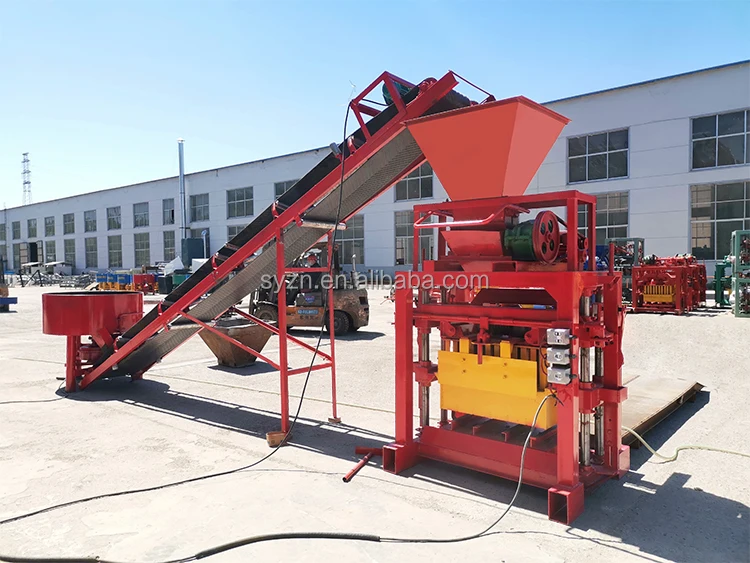
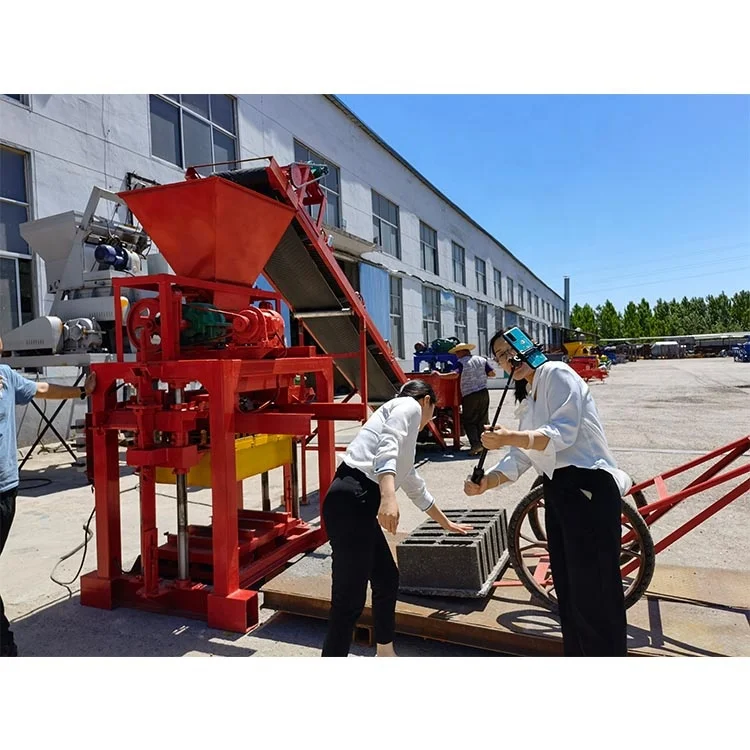
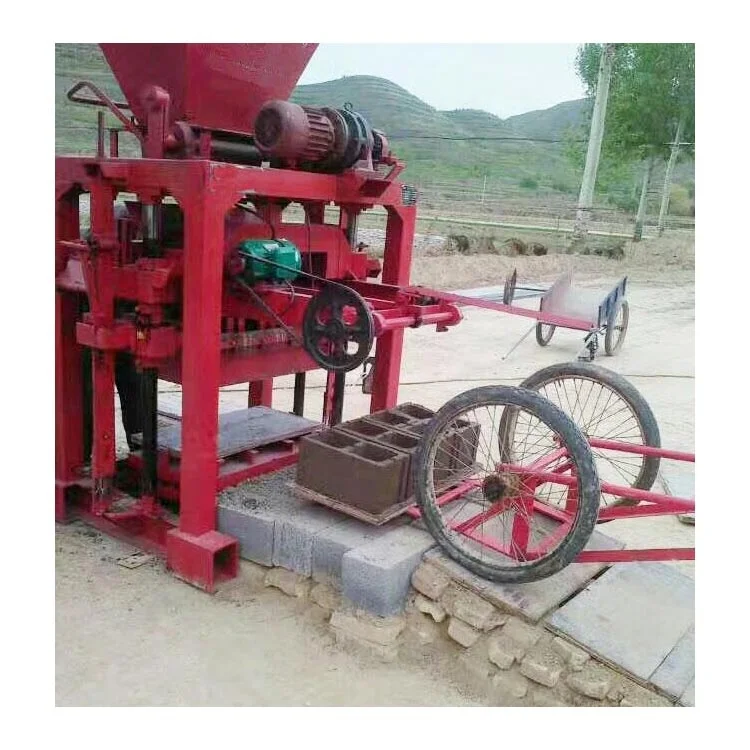
Description
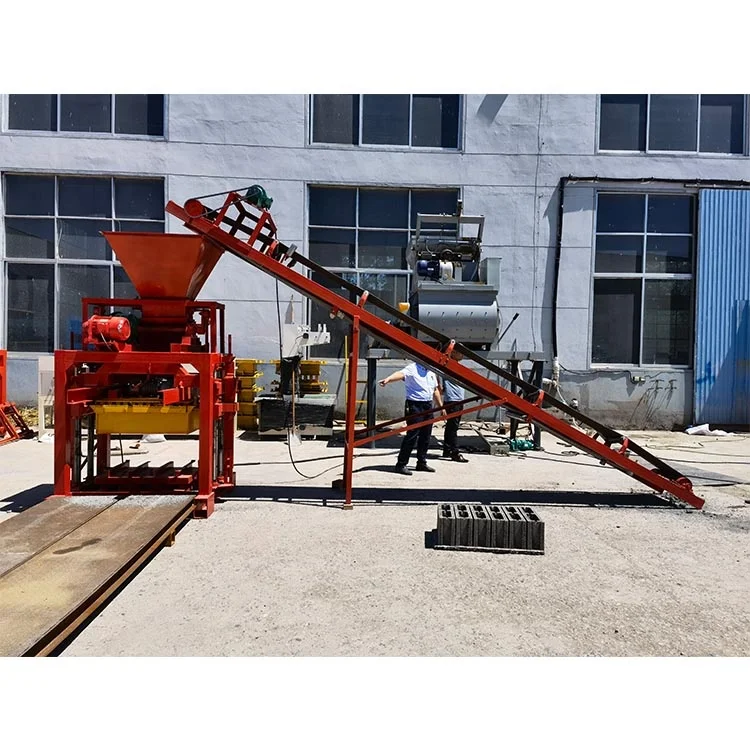
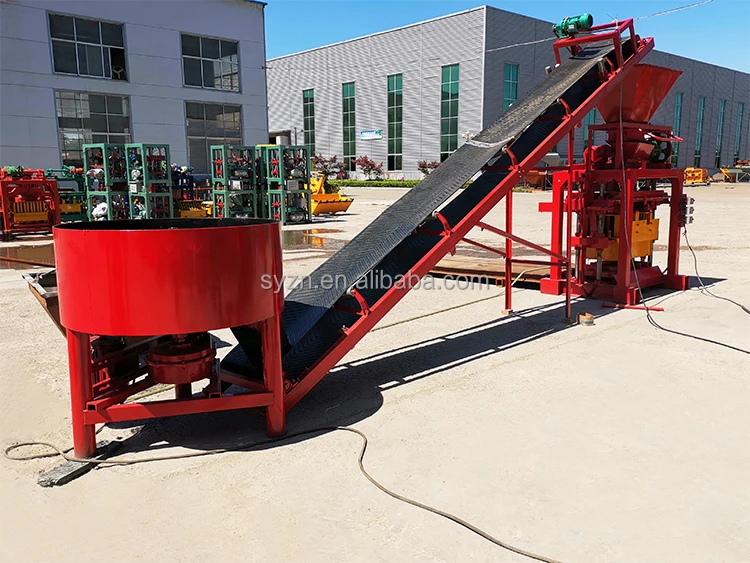
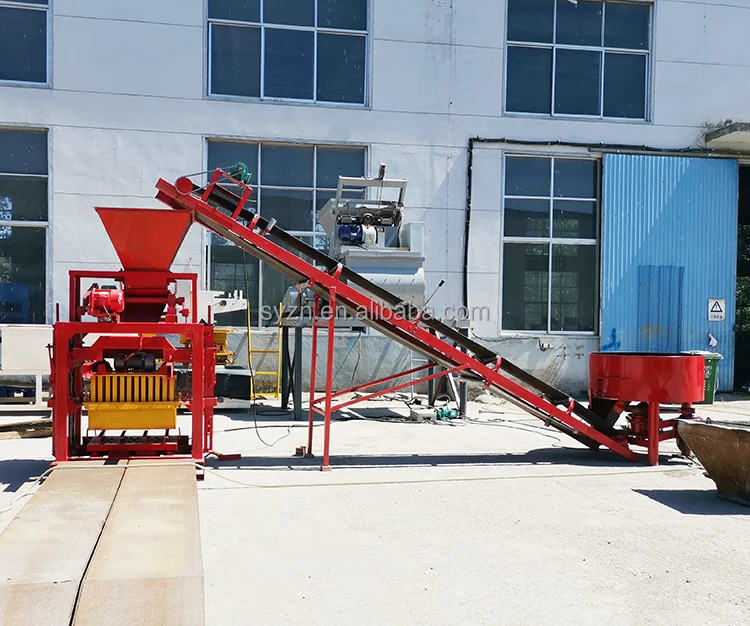
Matched System Dispatch — machine, mould, pallet and handling leave our floor together so your line arrives ready to run, not waiting for missing components.
Technical Specifications
| Parameter | Value |
|---|---|
| Model | QTJ4-35 |
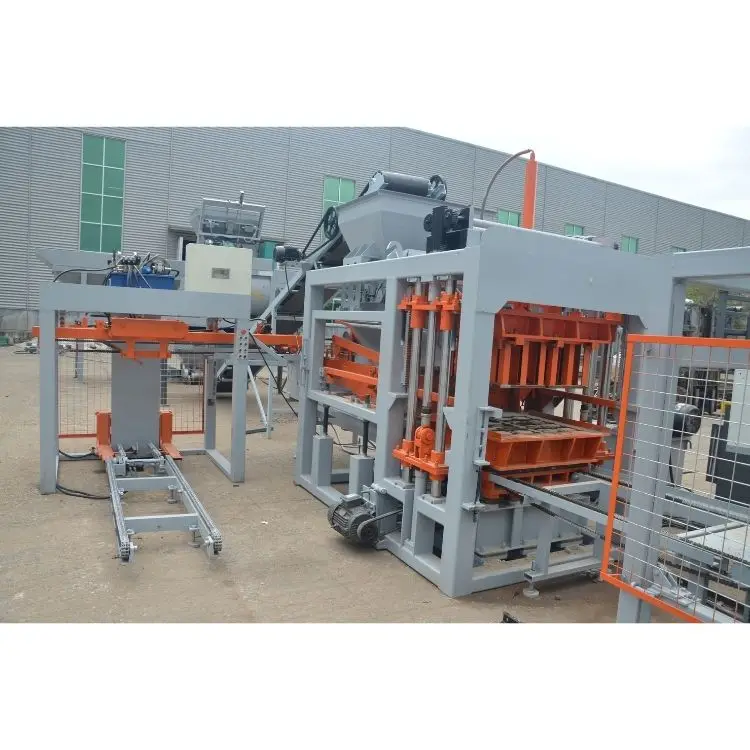
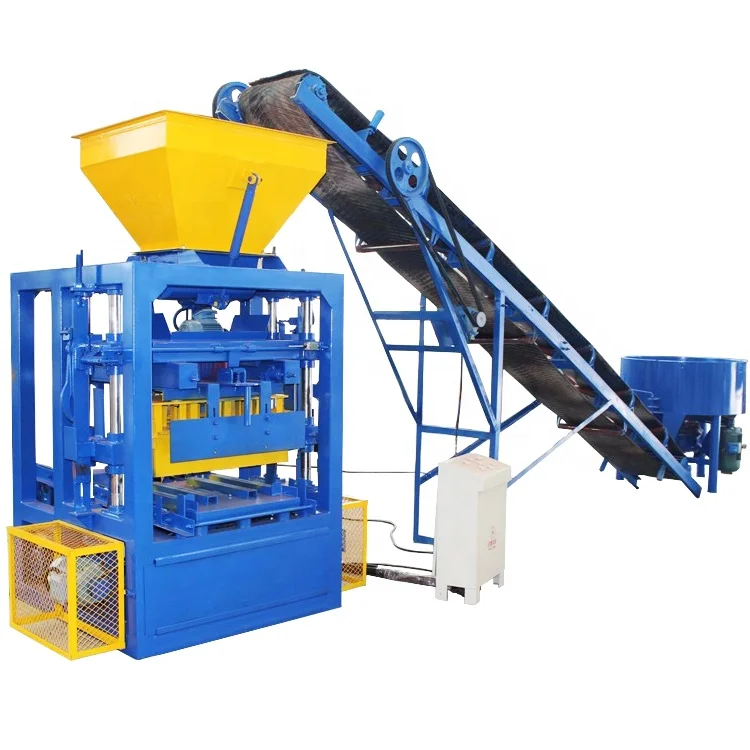
| Product Type | Semi-Automatic Hydraulic Block Making Machine |
| Overall Dimensions (L×W×H) | 1350×1460×1800 mm |
| Molding Cycle | 35 s |
| Vibration Frequency | 2800 r/min |
| Exciting Power (Vibration Force) | 30 kN |
| Rated Power | 11.15 kW |
| Mixer Model | JQ350 |
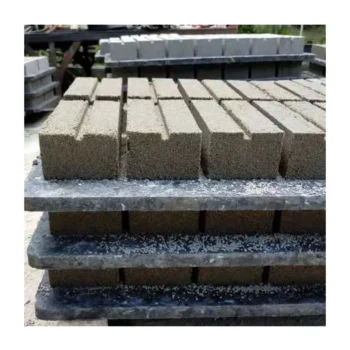
| Pallet Size | 850×450×20 mm |
| Net Weight | 1500 kg |
| Hydraulic System | Equipped hydraulic station for high-pressure forming |
| Automation Level | Semi-automatic |
| Vibration System | Bed mould vertical vibration + upper mould compression vibration |
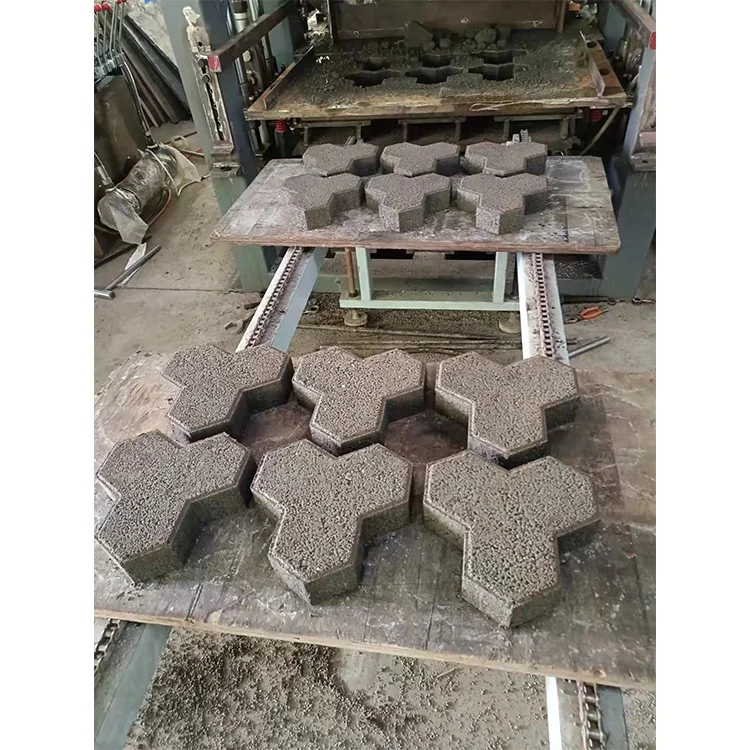
| Applied Products | Concrete hollow blocks, solid bricks, pavers |
| Raw Materials | Crushed stones, sand, cement, dust, fly ash |
Application Suitability
| Application | Material or Output |
|---|---|
| Small to medium block plant start-up | Hollow blocks from crushed stone, sand, and cement |
| On-site construction block production | Solid bricks using locally sourced aggregate and fly ash |
| Paver production for municipal projects | Interlocking pavers from cement and fine aggregate |
| Entrepreneur first plant deployment | Mixed format output across hollow block, solid brick, and paver |
What "408 Pieces per Hour" Leaves Out About Stocked Machines
Capacity figures only hold when the block format, mix design, and pallet cycle are all confirmed before dispatch.
I once watched a buyer receive a container of block machines and discover the pallets specified did not match the curing racks already built on site. The output capacity quoted assumed a 400×200×200mm hollow block at 4 pcs per mould, yielding 3264 pcs per 8-hour shift — but that number collapses when pallet handling becomes a bottleneck. With a stocked QTJ4-35 block making machine in stock, the risk shifts from production delays to configuration mismatches that no amount of warehouse inventory can fix after the container is sealed [NEED_CITE: common causes of block plant commissioning delays].
Dispatch Speed Without Configuration Shortcuts
A QTJ4-35 block making machine in stock means the press, hydraulic station, and JQ350 mixer are assembled and factory-tested before crating. The advantage is real only when voltage, frequency, and control language are locked during the order window — otherwise the machine sits on your floor waiting for a transformer or a rewired motor. Our stock allocation process holds the unit against your confirmed electrical specification, not against a generic 380V default.
Container Loading and What Actually Ships
The 850×450×20 mm pallet size was chosen to fit standard curing rack dimensions across small and medium block plants. When we load a 20GP container, the QTJ4-35 block making machine in stock travels nude-packed with pallets stacked against the press frame and moulds secured in dedicated cradles. The loading plan is photographed before the container doors close, so you know exactly what arrived before customs inspection [NEED_CITE: container loading standards for heavy industrial machinery].
Reading the Spec Sheet Against Your Site Conditions
The 30 kN vibration force paired with the hydraulic station produces uniform block density across the 850×450 mm pallet surface — but only when the mix design matches the vibration frequency of 2800 r/min. A dry mix with high crushed stone content responds differently than a fly-ash-heavy blend, and the 35-second molding cycle assumes a specific moisture window. The rated power of 11.15 kW covers the press and vibration system; the JQ350 mixer draws separately and must be factored into your site’s total electrical load and dedicated circuit planning.
When Fast Dispatch Becomes a Costly Shortcut
Skipping the voltage confirmation step because the machine is ready to ship can add weeks of on-site electrical rework. A motor wound for 380V running on a 415V supply will overheat and fail within the first production run, and rewinding or replacing it on location is rarely an option [NEED_CITE: voltage mismatch consequences on industrial motors]. The pallet quantity also matters: ordering 100 pallets for a plant that needs 400 to maintain continuous curing rotation means the press stops every cycle waiting for boards to return from the drying area.
Why Source This Machine Here
Block machinery is our single focus, which means the QTJ4-35 is specified as a complete system — press, mould, pallet, and mixer — rather than assembled from separate suppliers who do not coordinate dimensions. Mould design covers the formats your market actually sells, and custom drawings are reviewed before the mould enters production. Stocked units have already passed factory testing under load, so the test record you receive reflects actual hydraulic pressure and vibration performance, not a no-load bench run. Automation level is selectable, allowing a buyer to start with semi-automatic pallet handling and add stacking equipment later without replacing the press.
Documentation & Verification
- Factory test record showing hydraulic pressure and vibration output under load before dispatch
- Pallet specification sheet matched to your curing rack dimensions and forklift capacity
- Voltage and frequency confirmation signed off before container loading begins
- Packing photographs documenting machine condition and container loading sequence
- Operation and maintenance manual in your requested control language
Installation, Commissioning & Support
- Foundation pad must support 1500 kg net weight plus dynamic vibration load across 1350×1460 mm footprint
- Dedicated circuit required for 11.15 kW rated power plus separate JQ350 mixer draw
- Machine ships partially dismantled for 20GP container; reassembly requires hydraulic line connection and vibration system alignment
- First production run includes mould installation, cycle timing adjustment, and block density verification against your mix
- Operator training covers mould change procedure across hollow block, solid brick, and paver formats
- Wear parts list provided with hydraulic seal and vibration motor specifications for local sourcing
Before You Request a Quote
Confirm the block format your market moves fastest — hollow block, solid brick, or paver — because mould configuration determines both the dispatch package and the realistic daily output. Provide your site voltage and frequency so the motor and control panel are wound and labeled correctly before crating. If you have existing curing racks or forklifts, share the dimensions so the 850×450×20 mm pallet specification is validated against your handling equipment.
Frequently Asked Questions
Q: What is the dispatch lead time for the stocked QTJ4-35 and when will it arrive at my port?
A: Stocked units are allocated against confirmed orders once voltage and pallet specifications are signed off. Dispatch lead time depends on container availability and your port destination. We quote an arrival estimate based on the shipping line schedule at the time of order confirmation, not a generic transit window.
Q: How is the machine packed for container shipment and what is included in the 20GP load?
A: The QTJ4-35 travels nude-packed inside a 20GP container with pallets stacked against the press frame and moulds secured in dedicated cradles. The JQ350 mixer ships alongside. Packing photographs are taken before container doors close and shared with the buyer for customs reference.
Q: Which mould formats are stocked and ready to ship with the machine versus made to order?
A: Standard hollow block and solid brick moulds matching common regional dimensions are typically available from stock. Paver moulds and custom formats require a production run based on your drawings. Mould availability is confirmed at the quotation stage alongside the machine dispatch date.
Q: What voltage and frequency options are available from stock for my market?
A: Motor winding and control panel configuration are set after the buyer confirms local voltage and frequency. Stocked machines are not pre-wired to a single standard. This confirmation step is mandatory before the unit leaves our floor, even when dispatch speed is the priority.
Q: Are pallets included in the shipment and how many pieces are recommended for continuous production?
A: Pallets sized at 850×450×20 mm are included in the container load. The recommended quantity ranges from 300 to 500 pieces depending on your curing cycle duration and drying area layout. Ordering too few pallets causes the press to idle while boards complete the curing rotation.