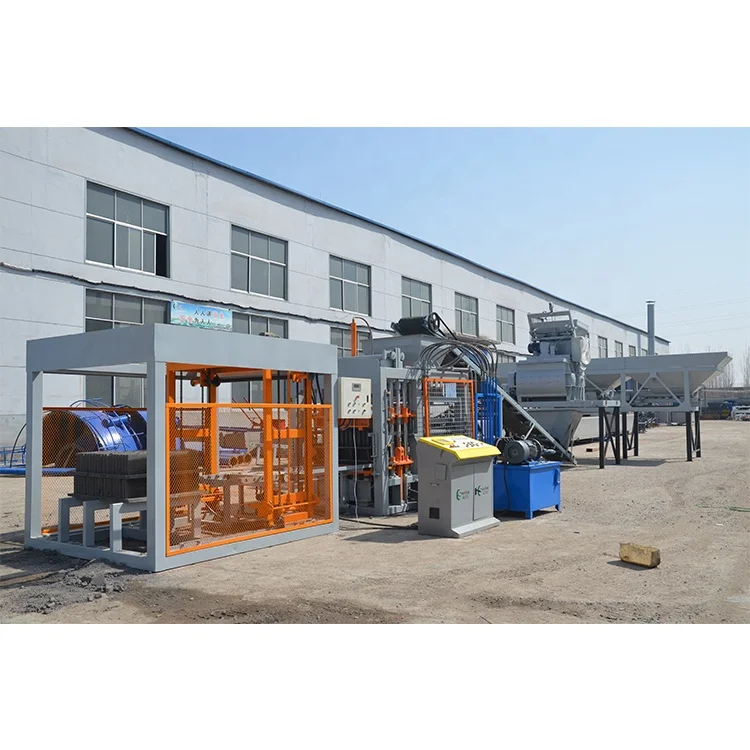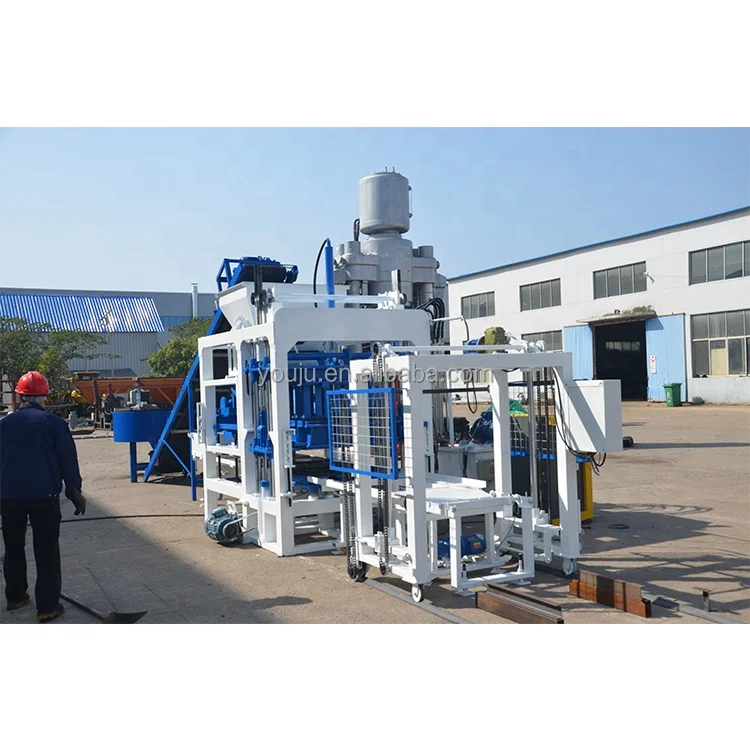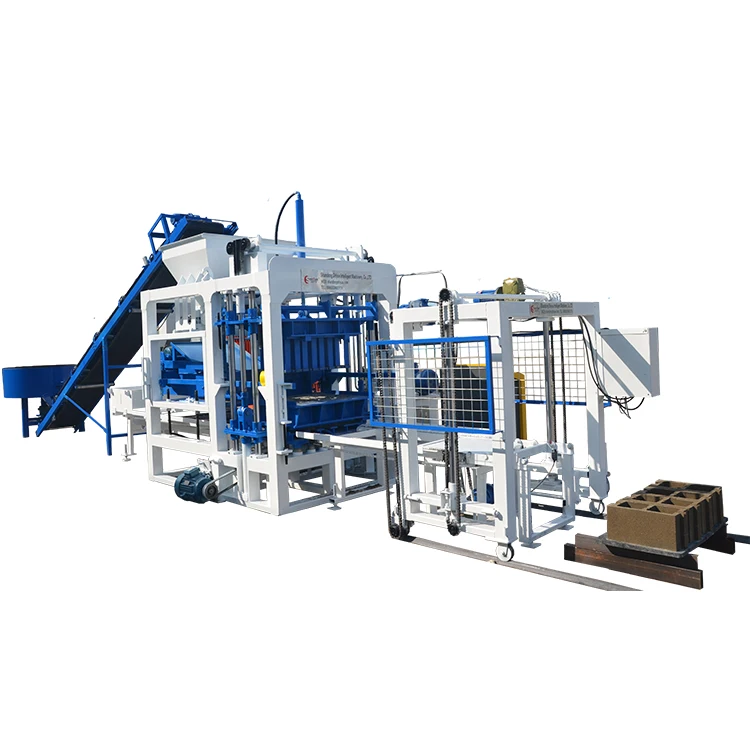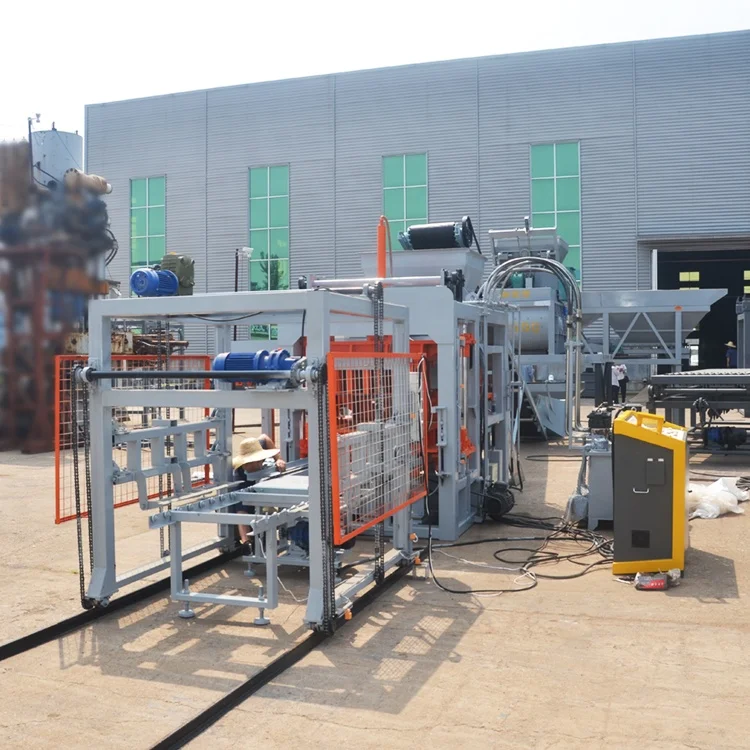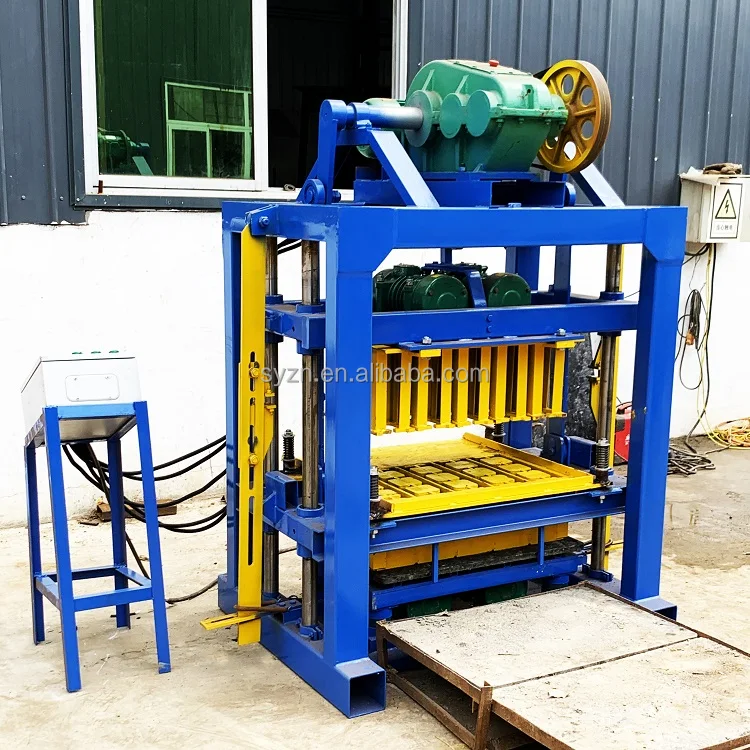
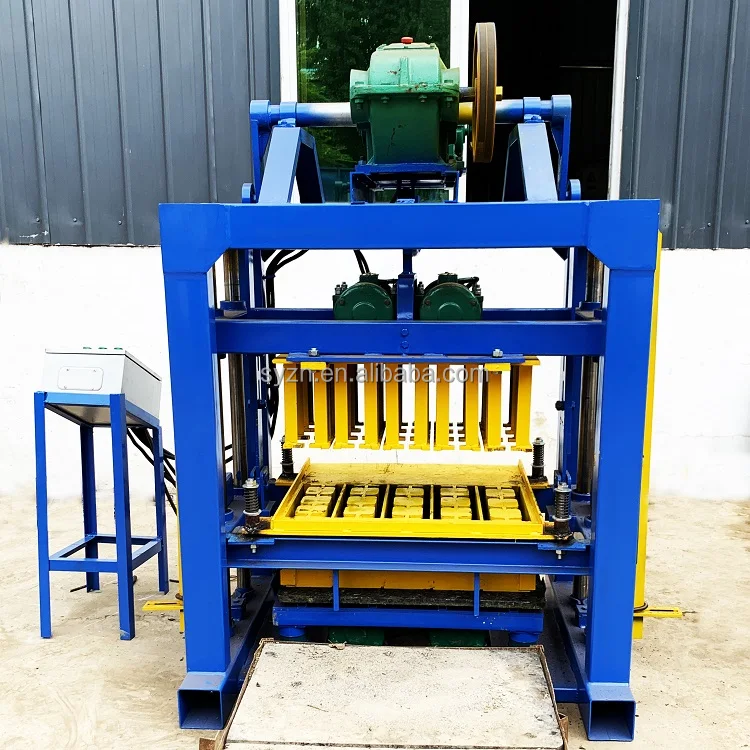
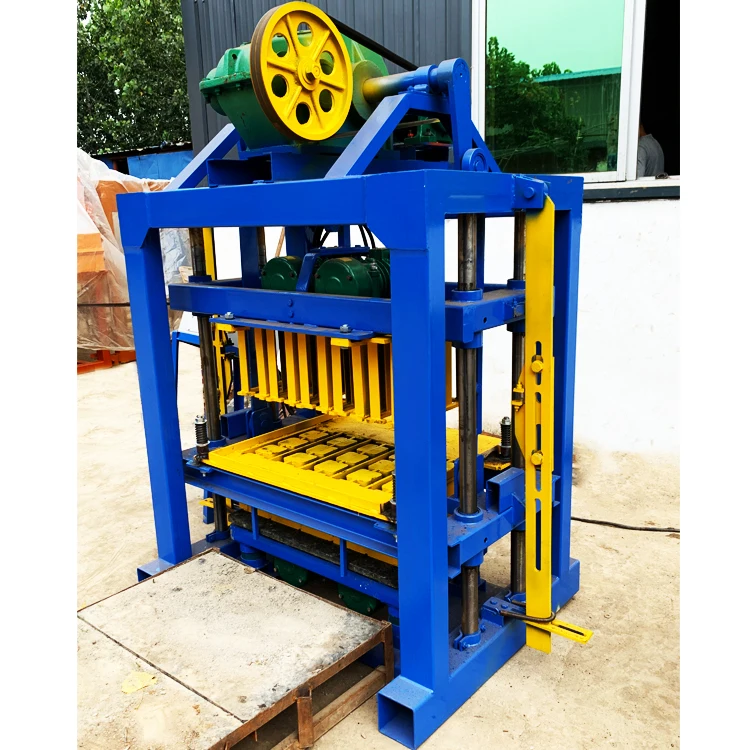
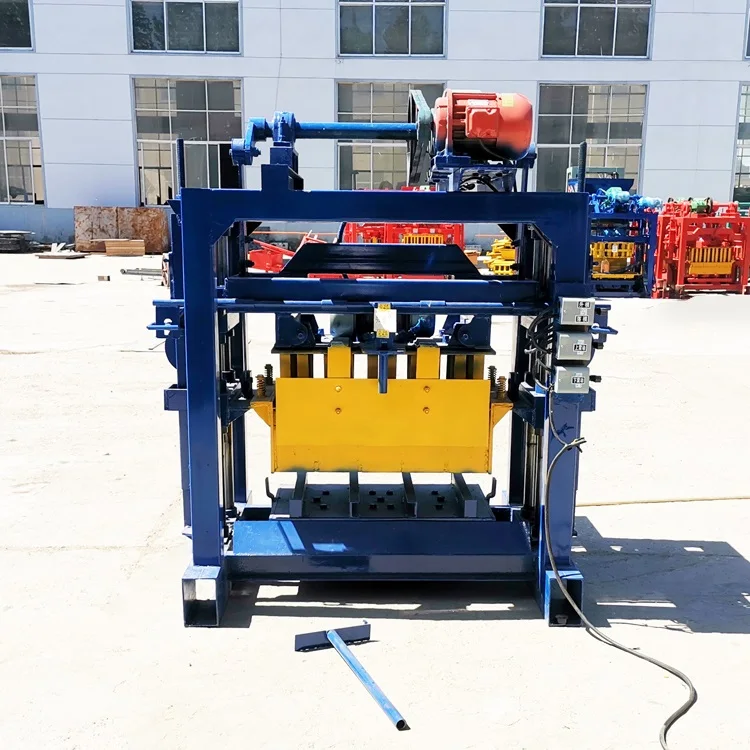
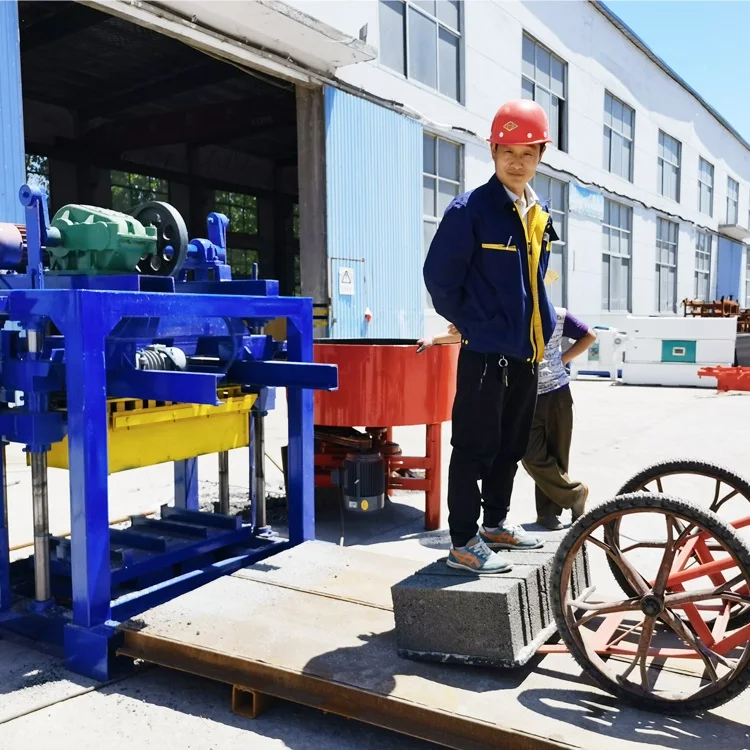
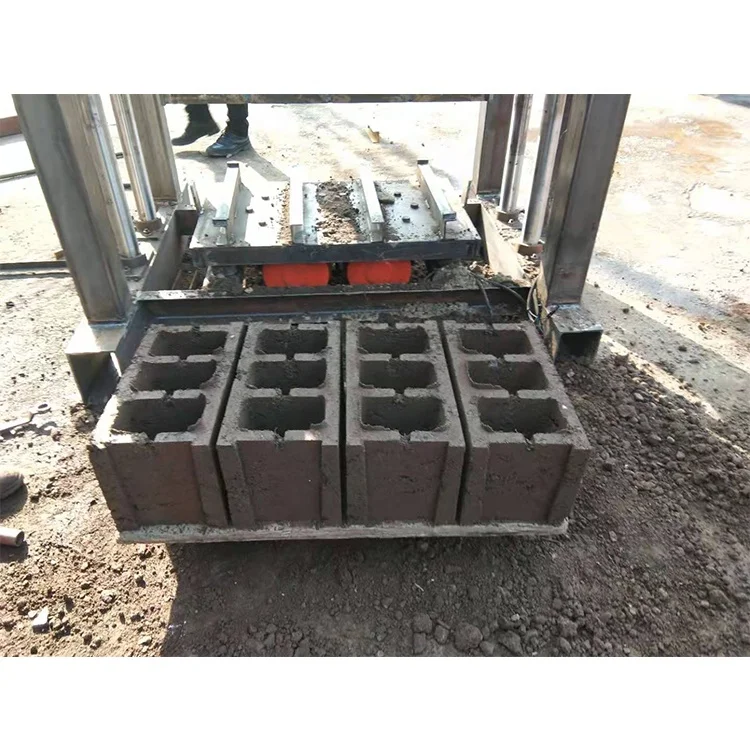
Description
Stock and speed — We keep QTJ4-40 units and standard mould sets on the floor so dispatch dates are real, not estimated after payment.
Technical Specifications
| Parameter | Value |
|---|---|
| Model | QTJ4-40 |
| Product Type | Manual Hydraulic Pressure Cement Brick Making Machine |
| Overall Dimensions (L×W×H) | 1350×1460×1800 mm |
| Machine Weight | 1.2 T |
| Machine Power | 10.4 kW |
| Molding Cycle | 40 s |
| Pallet Size | 850×450×20 mm |
| Vibration System | Bed mould vertical vibration + upper mould compression vibration |
| Automation Level | Semi-automatic (manual pallet handling, machine-assisted moulding) |
| Voltage | Configured to local voltage and frequency before dispatch |
| Output Capacity (400×200×200 mm hollow block, 4 pcs/mould) | 360 pcs/hour, 2880 pcs/day |
| Output Capacity (400×150×200 mm hollow block, 5 pcs/mould) | 450 pcs/hour, 3600 pcs/day |
| Output Capacity (225×112.5×60 mm solid block, 9 pcs/mould) | 800 pcs/hour, 6400 pcs/day |
| Raw Materials | Concrete, sand, cement, fly ash, lime, gypsum |
| Required Supporting Equipment | Mixer, host machine, block mould, pallets |
Application Suitability
| Application | Material or Output |
|---|---|
| Small-scale hollow block plant | 8-inch and 6-inch hollow blocks from crushed stone, sand and cement |
| Solid block production for site use | 4-inch solid blocks from fly ash and cement mixes |
| On-site contractor block making | Hollow and solid formats produced at the construction location |
| Regional distributor stock | Standard formats imported for resale to local block producers |
| First-plant entrepreneur setup | Entry-level semi-automatic line with manual pallet handling |
Why the Voltage Question Comes Before the Dispatch Date
A machine that does not match the local grid will not run, no matter how fast it ships.
I have stood on job sites in West Africa and South Asia where a brand-new block machine sat silent under a tarp because the generator could not hold the starting current, or the site supply was a different frequency than the motor nameplate. The crew lost weeks waiting for a step-down transformer or a motor rewind. When buyers ask about a QTJ4-40 block machine in stock, the first thing I check is not the warehouse bay but the destination voltage and frequency. [NEED_CITE: voltage and frequency standards by export market]
Dispatch Timeline That Matches a Project Deadline
The value of a QTJ4-40 block machine in stock is the gap between a quoted lead and a real container on the water. Units and their standard hollow and solid moulds are held ready, so the dispatch clock starts from configuration confirmation rather than from a build slot. Buyers working against a foundation pour or a housing phase need the arrival estimate written into the quotation, not added as an afterthought.
Container Loading and Machine Dismantling
The 1.2 T machine weight and the 1350×1460×1800 mm envelope allow the QTJ4-40 to ship in a standard container with pallets and moulds in the same load. The host frame, vibration table and mould assembly are separated for transport, then re-bolted on the slab at the destination. A loading plan and packing photographs are issued before the doors close, so the receiving team knows what arrives and in what order. [NEED_CITE: standard container loading practices for small block machines]
Reading the Numbers That Actually Matter on Site
The 850×450×20 mm pallet size is the dimension that decides how many wet blocks move to the curing area per trip, and whether the buyer’s existing forklift can take the loaded pallet without modification. The 40 s moulding cycle sets the press pace, but daily throughput only holds if the mixer, pallet feeder and curing racks can match it without the press waiting. The dual vibration approach — vertical bed vibration with upper mould compression — is what consolidates the mix around the core bars on hollow formats, so block walls come out dense rather than honeycombed. Semi-automatic operation keeps the initial investment contained while leaving room to add automatic pallet feeding or stacking later if the plant scales up.
What Happens When the Grid Detail Is Skipped
When voltage and frequency are not locked in writing before build, the motor may run hot, stall on start-up, or spin at the wrong speed, which changes vibration frequency and moulding behaviour. In the worst cases I have seen, the buyer has to pull a motor, ship it back, and wait for a rewind while the curing yard sits empty. Confirming the supply with a site photo of the distribution board and a generator nameplate removes the risk before the QTJ4-40 leaves the factory. [NEED_CITE: motor performance under frequency mismatch]
Why Procurement Here Reduces Arrival Risk
Stocked units mean the machine configuration is verified against a real unit, not a catalogue rendering. Standard moulds for hollow and solid formats ship with the machine, so the first production run is not delayed waiting for tooling. Pallet dimensions and material are stated upfront, so the curing area and forklift can be checked against the incoming load. Voltage and control language are confirmed on a single sheet that travels with the build order. Packing photographs and a container loading plan are provided before dispatch, so the receiving site can plan crane time and slab space.
Documentation & Verification
- Factory test record run on your target hollow block format before dispatch
- Voltage and frequency confirmation sheet signed against your site supply
- Container loading plan showing dismantling points and pallet arrangement
- Packing photographs of the QTJ4-40 before container doors are sealed
- Operation and maintenance manual with wear parts list specific to this model
- Mould drawing pack covering each standard format included in the shipment
Installation, Commissioning & Support
- Slab preparation to carry the 1.2 T machine weight with level tolerance for the vibration table
- Dedicated circuit sized for the 10.4 kW motor starting current at the confirmed local voltage
- Reassembly of the separated frame, vibration table and mould set on the prepared pad
- First-run parameter setting for the 40 s cycle with the buyer’s actual mix design
- Operator training covering mould change, pallet handling and vibration adjustment
- Wear parts list matching the QTJ4-40 hydraulic and vibration components
What We Need to Quote an Arrival Date
Share the target block format and the daily output you need to meet your site schedule, plus the local voltage, frequency and control language your operators will use. Tell us the pallet material you prefer and the forklift capacity in your curing yard, so the 850×450×20 mm pallets arrive compatible with your handling. If you have a foundation deadline, give the date so the dispatch window is built backwards from it.
Frequently Asked Questions
Q: What is the dispatch lead time for a stocked QTJ4-40?
A: Stocked QTJ4-40 units and their standard moulds are held ready for dispatch once voltage, frequency and control language are confirmed in writing. The exact lead is quoted in days on the proposal and depends on the destination port and the container booking window at the time of order.
Q: How is the machine dismantled for container shipment and reassembled on arrival?
A: The host frame, vibration table and upper mould assembly are separated to fit the container footprint, with the 850×450×20 mm pallets and moulds loaded in the same container. Reassembly bolts the sections back onto a level slab and reconnects the 10.4 kW motor and vibration system.
Q: What pallet material options are available and which ships with the machine?
A: Pallets are offered in materials chosen for the buyer’s curing environment and handling method, with dimensions fixed at 850×450×20 mm. The material shipped with the machine is confirmed on the quotation so it matches the forklift capacity and the curing yard surface at the destination site.
Q: Can voltage and frequency be confirmed to match my local supply before the machine leaves the factory?
A: Yes. Voltage and frequency are confirmed on a signed sheet before the QTJ4-40 is released for dispatch. We ask for a photo of the site distribution board or generator nameplate so the 10.4 kW motor is wound for the actual supply, avoiding the on-site failures I have seen on past installations.
Q: What standard moulds are included and which block formats do they produce?
A: The standard package covers moulds for the common hollow and solid block formats the QTJ4-40 is rated to produce, including the 400×200×200 mm hollow block and 225×112.5×60 mm solid block. Additional format moulds can be added to the same shipment based on the buyer’s local market demand.