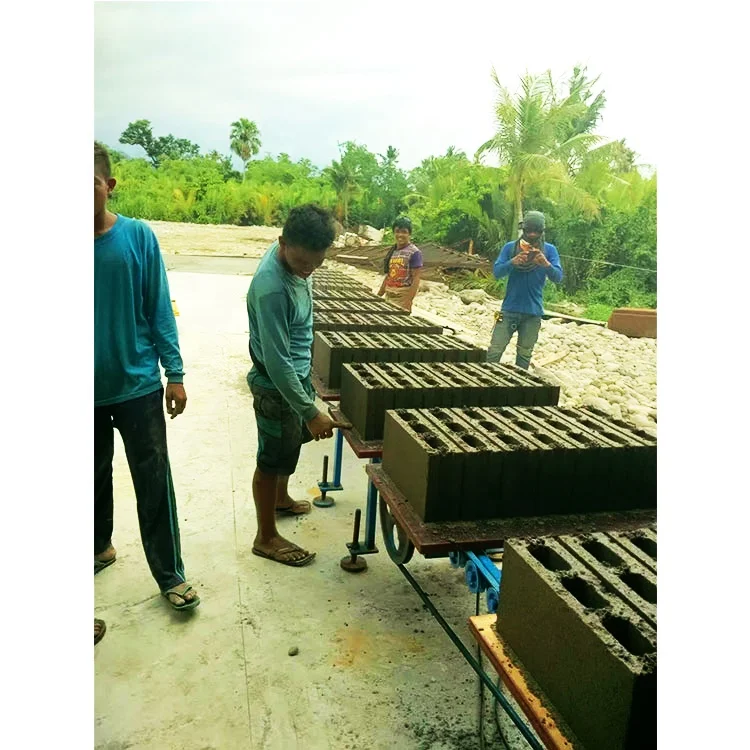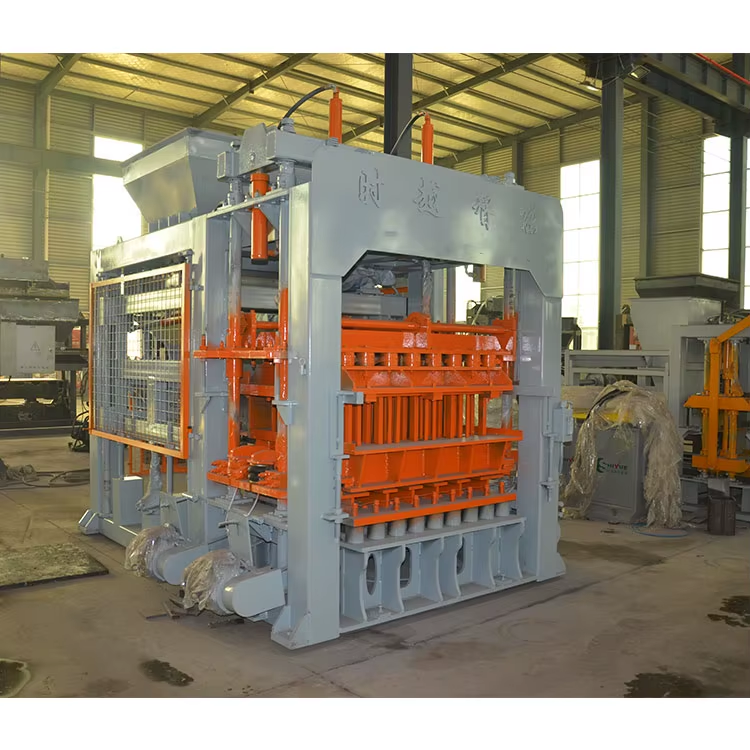

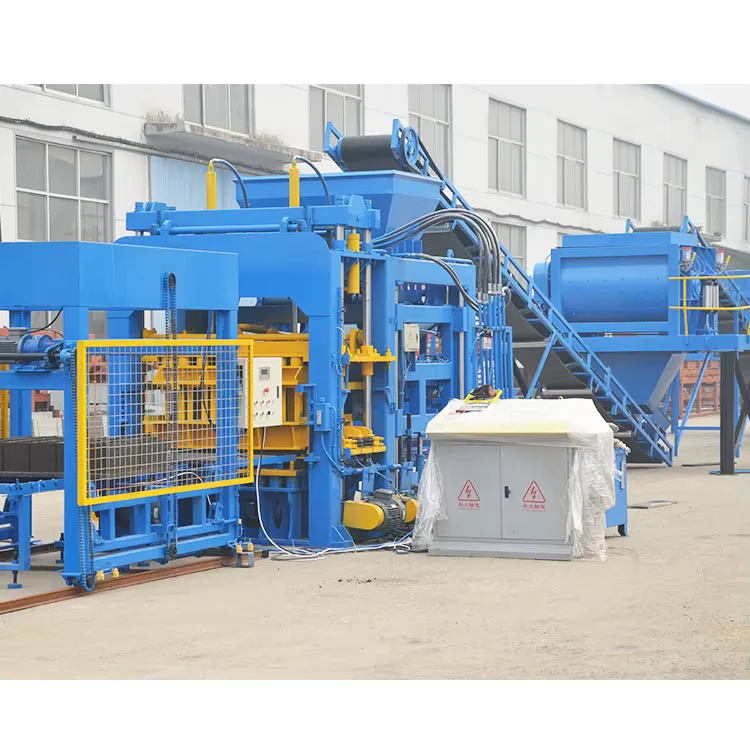

Description
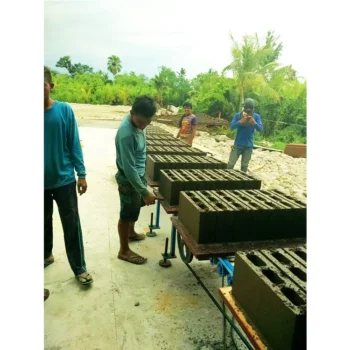
Stocked Formats Matched — Standard moulds for common hollow blocks and pavers are kept ready alongside the main press, allowing immediate container loading without waiting for custom tooling fabrication.
Technical Specifications
| Parameter | Value |
|---|---|
| Model | QT12-15 |
| Product Type | Automatic Hydraulic Concrete Block Making Machine |
| Method | Hydraulic pressure |
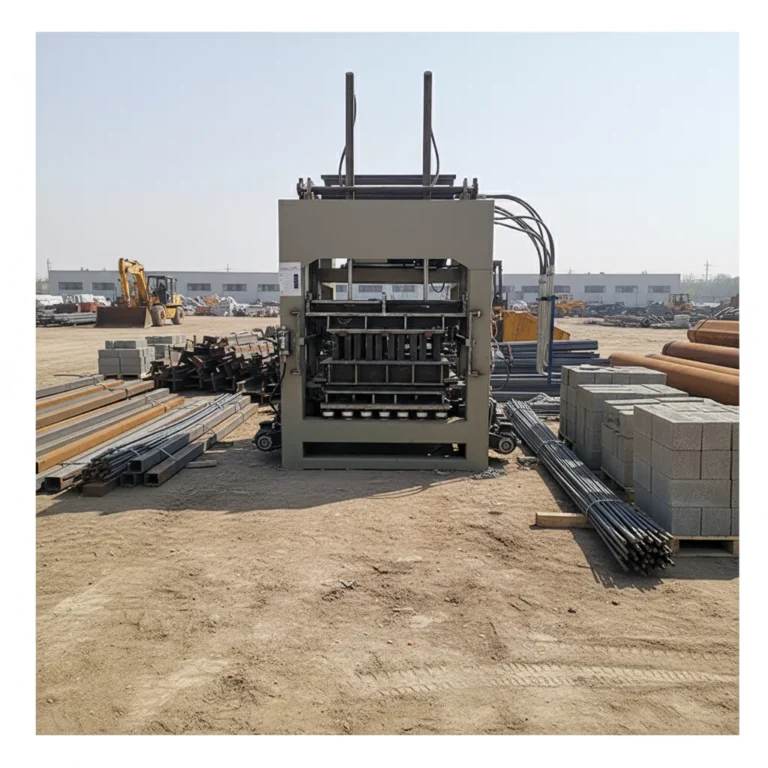
| Overall Dimensions (L×W×H) | 935025202950mm |
| Net Weight | 10500 kg |
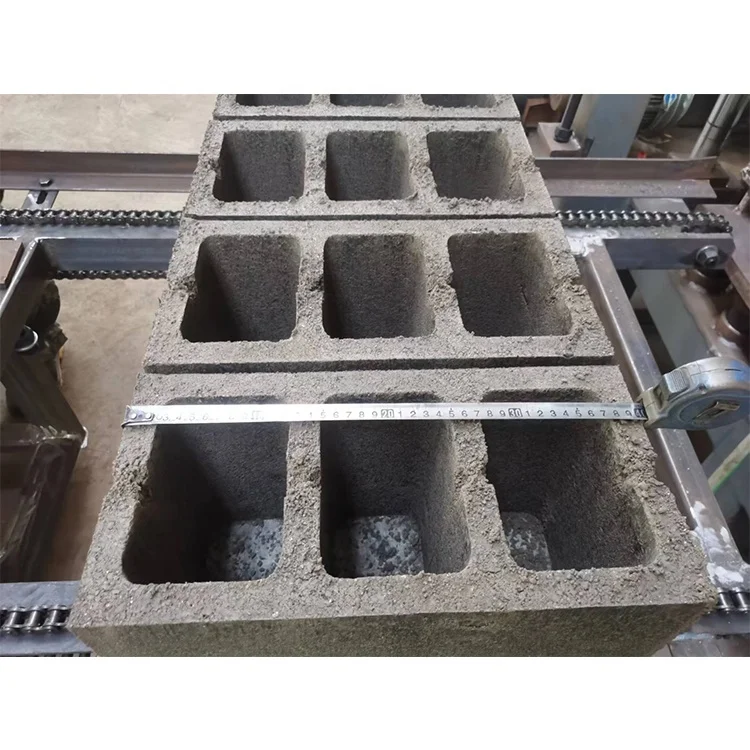
| Mould Format (Brick Size) | 400200200 mm, 400150200 mm, 20020060 mm, 24011590 mm |
| Core Components | Motor, Pump |
| Voltage | Local Voltage (verify against manufacturer catalog) |
| Molding cycle | different time for different machines (basis to be confirmed) |
| Warranty | More Than 5 Years |
| Machinery Test Report | Provided |
| Video outgoing-inspection | Provided |
Application Suitability
| Application | Material or Output |
|---|---|
| Housing project wall construction | Hollow blocks from cement and crushed stone |
| Commercial paving and walkways | Interlock blocks and paving blocks |
| Infrastructure and road edging | Curbstone blocks using concrete mixes |
| Masonry and partition walls | Solid blocks from sand and clay |
Arrival Delays That Derail Project Timelines
Securing a QT12-15 concrete block making machine in stock is only the first step; physical site constraints dictate whether the equipment actually runs on day one.
I once saw a fully automatic line arrive at a Middle East project site only to find the host building doors were too low for the assembled press. The crew had to dismantle the facility roof and bring in heavy cranes, wasting weeks of critical construction time. Checking the 2950mm machine height against your site clearances before dispatch prevents these costly on-site modifications [NEED_CITE: standard industrial rigging and facility clearance protocols].
Container Loading and Dispatch Speed
Having the main press and standard moulds ready in the warehouse eliminates the typical manufacturing wait. The 9350mm length of this unit requires precise dismantling planning to fit standard shipping containers securely. We map out the loading sequence beforehand so the heaviest hydraulic components sit low, preventing transit damage and speeding up the unloading process at your destination port.
Border Clearance and Documentation Flow
A fast ship means nothing if the equipment sits at customs. Providing the machinery test report and video outgoing-inspection records upfront gives your clearing agents the exact technical data they need. This avoids the back-and-forth communication that usually holds up heavy industrial equipment at border checkpoints [NEED_CITE: international customs documentation requirements for heavy machinery].
Physical Dimensions and Site Readiness
The 935025202950mm footprint and 10500 kg net weight demand a prepared foundation before the ship even docks. Verifying your local voltage against the machine’s motor and pump requirements ensures the electrical drop is ready. We confirm these site specifics during the ordering phase so the press connects to power immediately upon assembly.
The Hidden Cost of Rushed Procurement
Skipping the dimensional check to save time often leads to renting specialized lifting gear or modifying concrete floors after the fact. When voltage frequencies are assumed rather than confirmed, the main motor can burn out during the first test run. These on-site corrections easily erase any time saved by ordering quickly [NEED_CITE: common electrical and structural failures during industrial equipment commissioning].
Why Source This Unit Here
We keep the QT12-15 and its standard moulds physically available, meaning the lead time is tied to shipping schedules, not factory floor queues. Every dispatch includes a dismantling plan and packing photographs so you know exactly how the 10500 kg load is secured. We handle the customs documentation support directly, ensuring the paperwork matches the physical cargo. Voltage and control language are locked in before the machine leaves our facility.
Documentation & Verification
- Factory test record confirming hydraulic pressure stability before loading
- Video outgoing-inspection showing motor and pump operation prior to crating
- Dismantling layout mapping the 9350mm frame for container placement
- Customs paperwork aligning technical specs with export declarations
Installation, Commissioning & Support
- Verify 2950mm height clearance against facility doors before crane scheduling
- Prepare a cured concrete pad to support the 10500 kg net weight safely
- Confirm local voltage matches the motor and pump ratings before wiring
- Review packing photographs to sequence the reassembly of dismantled frame sections
- Use provided video technical support for initial hydraulic pressure calibration
Pre-Dispatch Alignment
To ensure the equipment arrives and operates without structural or electrical modifications, we need your exact site dimensions, confirmed local voltage and frequency, and the required PLC display language. Providing these details allows us to finalize the dismantling plan and lock in the shipping schedule immediately.
Frequently Asked Questions
Q: What is the exact dispatch lead time and arrival estimate for the QT12-15?
A: Because this unit is kept in stock, the dispatch lead time depends entirely on container booking and vessel schedules rather than manufacturing queues. We provide an upfront arrival estimate based on your destination port, allowing you to align your site preparation and crane rentals with the actual docking date.
Q: Which standard moulds are currently in stock and ready to ship with the machine?
A: We maintain standard mould formats, including the common 400200200mm hollow block and various paver sizes, ready for immediate inclusion. This prevents the secondary delays usually associated with custom tooling fabrication, ensuring your primary block formats are loaded into the same container as the main press.
Q: How is the machine dismantled and loaded into the container for fast transit?
A: The 9350mm frame requires strategic dismantling to fit standard shipping containers. We plan the loading sequence to place the heaviest hydraulic components low for stability. Packing photographs and a dismantling layout are provided before departure so your local crew knows exactly how to sequence the reassembly.
Q: What customs documentation is provided to ensure quick clearance at the destination port?
A: We supply the machinery test report, video outgoing-inspection records, and comprehensive customs documentation support. These documents verify the technical specifications and origin of the equipment, giving your clearing agents the exact data required to prevent administrative holds at the border.
Q: Can the voltage and PLC language be confirmed and adjusted before the machine leaves the factory?
A: Yes, verifying your local voltage and required control language is a mandatory step before dispatch. Adjusting the motor and pump electrical configurations, along with the PLC display language, at our facility prevents costly on-site rewiring and ensures your operators can run the equipment immediately upon commissioning.