Description
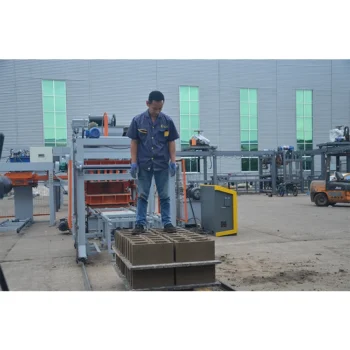
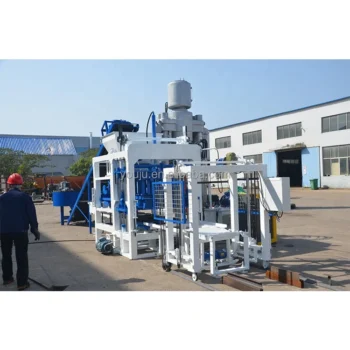
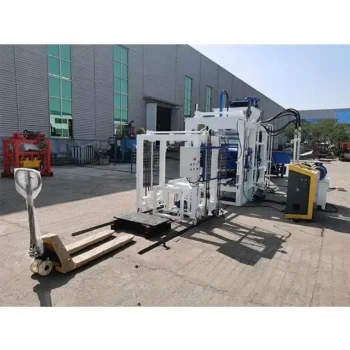
Dispatch-Ready Configuration — We keep QTJ4-25 automatic block machines and matched moulds in stock so a buyer facing a project deadline can load a container without waiting for a custom build cycle.
Technical Specifications
| Parameter | Value |
|---|---|
| Model | QTJ4-25 |
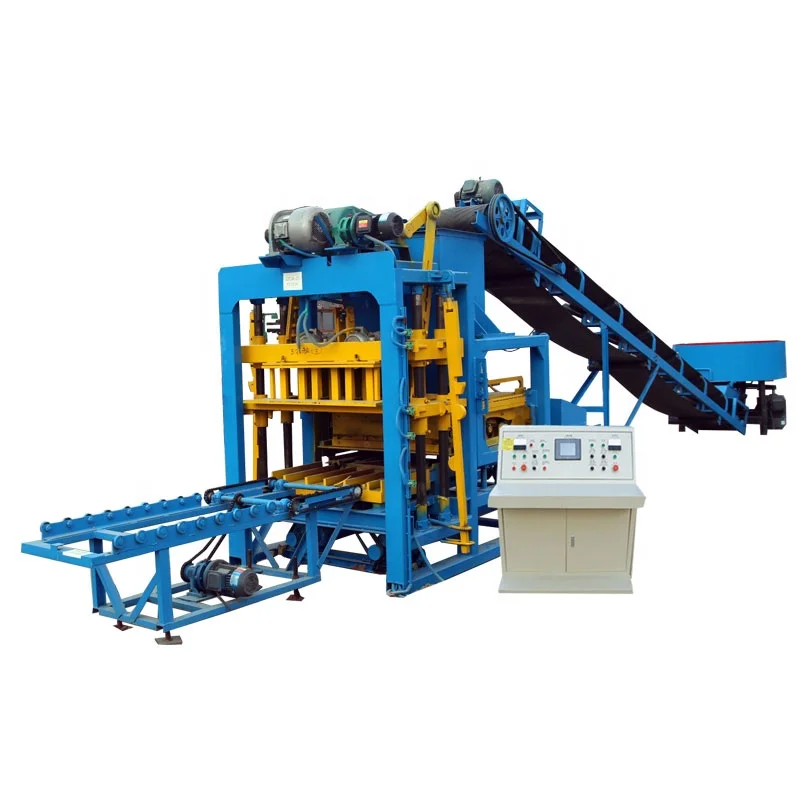
| Product Type | Automatic Concrete Block Making Machine |
| Overall Dimensions (L×W×H) | 6400 × 1500 × 2700 mm |
| Total Mass | 3500 kg |
| Cycle Time | 25 seconds |
| Output Capacity | 3600 pcs/day (8h) (basis not stated in source — confirm block format, material and thickness) |
| Pallet Size | 850 × 480 mm |
| Operating Staff | 1–2 operators |
| Rated Power | 17 kW |
| Rated Pressure | 21 MPa |
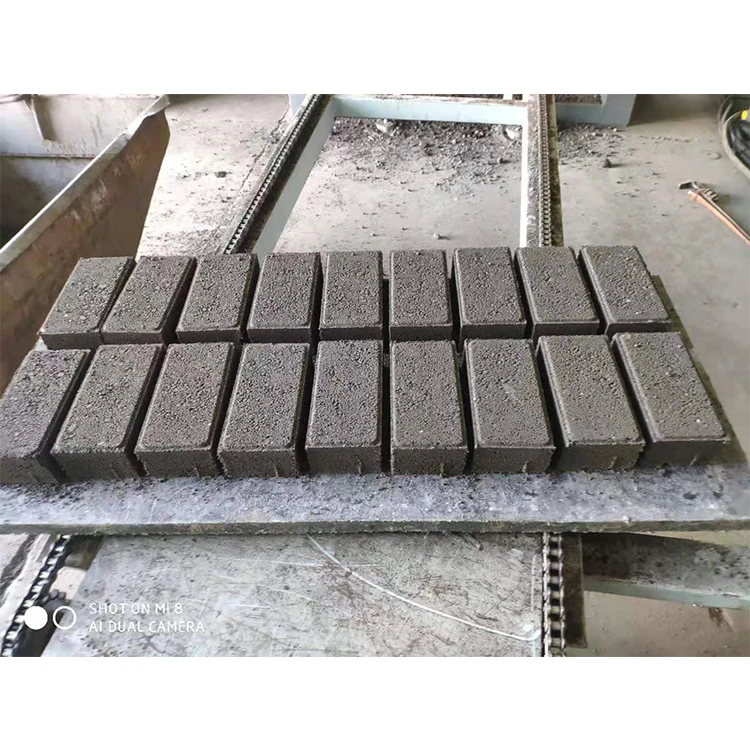
| Applied Products | Hollow blocks, solid blocks, pavers, interlocking blocks, kerbstone, colored pavers |
| Raw Materials | Crushed stone, sand, cement, fly ash, gravel, slag, stone dust |
| Voltage & Frequency | 380 V / 3-phase / 50 Hz (customizable to local supply) |
| Warranty | 1 year (excluding wearing parts) |
| Certification | CE |
Application Suitability
| Application | Material or Output |
|---|---|
| Hollow block production for residential wall systems | Crushed stone, sand, and cement blends |
| Solid concrete block manufacturing | Gravel, sand, cement, and fly ash mixtures |
| Interlocking paver runs for walkways and driveways | Fine aggregate with cement and pigment additives |
| Kerbstone and curb units for road infrastructure | Coarse aggregate with high-cement-ratio mixes |
| On-site block production for construction contractors | Locally sourced sand, stone dust, and cement |
Why the Voltage Question Should Come Before the Price
Confirm your site voltage and frequency in writing before the machine enters production.
I once shipped a vibration block machine to a project in Jordan. The buyer’s electrician opened the control panel on site and found the motors wired for 380 V / 50 Hz while the local grid supplied 400 V / 50 Hz. The mismatch was small on paper but large enough to trip the overload relays repeatedly. Three weeks passed before replacement motor windings arrived, and the contractor’s block-laying crews sat idle the entire time. That delay cost far more than the machine itself. A QTJ4-25 block machine in stock means nothing if the electrical configuration is wrong when the container arrives [NEED_CITE: voltage and frequency standards by export market].
Stock Availability and Container Loading Sequence
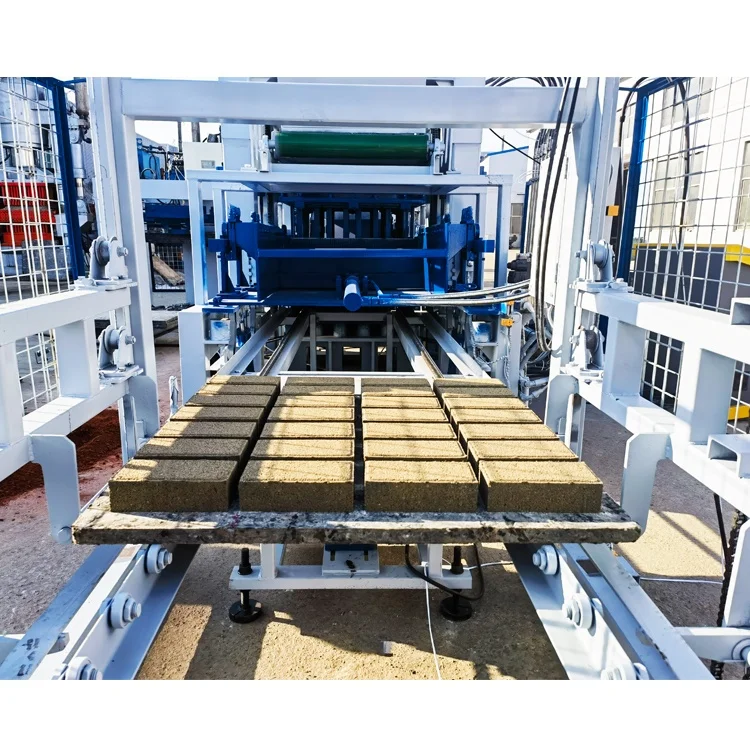
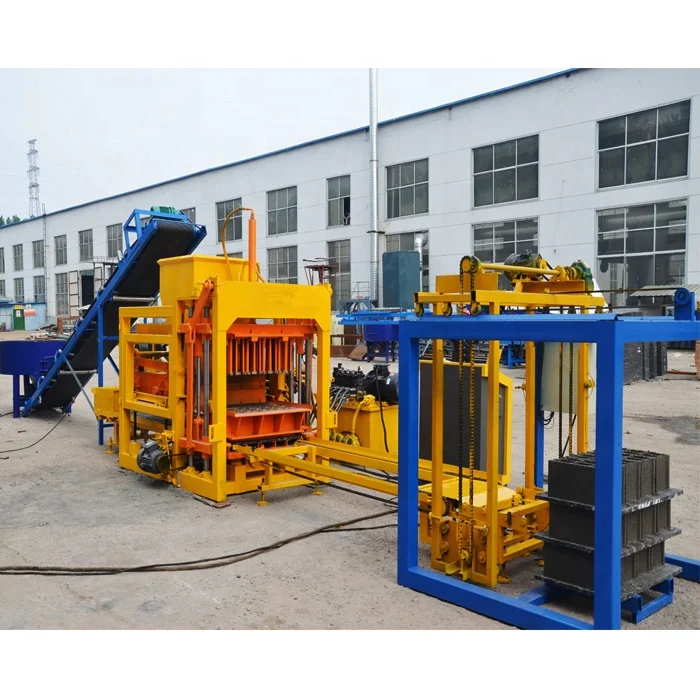
The value of a QTJ4-25 block machine in stock is measured in calendar days, not promises. When a unit is on the floor and the standard mould set is matched, the machine can be dismantled, crated, and loaded into a 20-foot or 40-foot container within a short window after payment clears. We photograph every major component — press frame, hydraulic station, mould, pallet stack, and control cabinet — before the container doors close, so the buyer has a visual record for insurance and customs clearance.
Dispatch Timeline Without Ambiguity
Buyers working against a project start date need a dispatch lead time stated in days, not "as soon as possible." Once the voltage confirmation sheet is signed and the mould format is locked, the remaining steps are factory test, partial disassembly for transport, and container booking. Each of these stages has a known duration, and the total is communicated before the proforma invoice is issued. The QTJ4-25 block machine in stock pathway removes the production queue variable entirely [NEED_CITE: typical lead times for stock industrial machinery dispatch].
Reading the Specification Sheet Against Your Site Reality
The 25-second cycle time is a headline number, but its meaning depends entirely on which block format sits on the 850 × 480 mm pallet. A standard 400 × 200 × 200 mm hollow block will cycle differently from a thinner paving stone or a tall interlocking unit. The rated pressure of 21 MPa and the vibration force must together compact the buyer’s specific mix — local aggregate shape, moisture content, and cement ratio all shift the optimal settings. If the pallet size does not match the curing racks and forklift tines already on site, the entire output flow from press to yard slows down. The 17 kW rated power draw dictates the dedicated circuit and breaker sizing the electrician must prepare before arrival.
The Hidden Cost of an Incomplete Shipping List
A quotation that covers the press but omits pallets, spare hydraulic seals, and mould wear inserts creates a hidden second purchase. The buyer discovers after arrival that blocks are stacking by hand because no pallet feeder was included, or that the first mould lip replacement requires an air-freight order from overseas. For a contractor on a tight build schedule, every day of downtime while waiting for missing components compounds into labour and penalty costs [NEED_CITE: common causes of commissioning delays in imported block machinery].
Why Source This Machine Through Our Stock Channel
Block machinery is our single product focus, so the press, mould, pallet, and handling components leave as one matched set rather than items assembled from separate suppliers. Every QTJ4-25 block machine in stock is tested with the specific mould the buyer has ordered, and the factory test record travels with the shipment. Voltage and control language are confirmed in writing before the machine is wired, eliminating the on-site electrical rework I have seen stall projects in the Middle East. Packing photographs document the condition of each component before the container is sealed, supporting both insurance claims and customs inspections.
Documentation & Verification
- Machine specification sheet stating cycle time per block format ordered
- Voltage and frequency confirmation record signed before wiring begins
- Factory test record with output count and block dimension measurements
- Mould drawing and format list matching the pallet size shipped
- Packing photographs of press, mould, pallets, and control cabinet before container loading
Installation, Commissioning & Support
- Foundation plan aligned to the 6400 × 1500 mm footprint and 3500 kg mass for level concrete pad preparation
- Dedicated 3-phase circuit sized for 17 kW draw with correct breaker rating for the confirmed voltage
- Machine reassembly guidance after partial dismantling for container transport
- First-run parameter tuning for the buyer’s local aggregate and cement ratio
- Operator training covering mould change procedure and daily vibration motor inspection
- Wear parts list identifying hydraulic seals and mould lip inserts for initial spare stock
Before You Request a Quote
To move quickly from inquiry to container loading, share the block format and dimensions your market sells, the daily volume you need to sustain, and your site voltage and frequency. If you already have curing racks and a forklift in place, send the pallet dimensions they accept so the 850 × 480 mm pallet size can be verified or adjusted before the machine ships.
Frequently Asked Questions
Q: Is the QTJ4-25 currently in stock or built to order?
A: Standard configurations of the QTJ4-25 are held in stock along with common mould formats such as hollow block and solid block. If you require a custom mould drawing or a non-standard voltage, the unit may move to a short build cycle. We confirm exact stock status at the time of inquiry so you know whether dispatch is measured in days or weeks.
Q: How many days from payment to container loading?
A: Once the voltage confirmation sheet is signed and payment clears, a stock unit goes through a factory test, partial disassembly, and container loading in a defined sequence. The total calendar-day count is stated on the proforma invoice before you commit, so there is no ambiguity about the dispatch window.
Q: What standard moulds ship with the machine from stock?
A: Stock units typically ship with one mould matched to a common format such as a standard hollow block or solid block. Additional moulds and format changes are available from inventory or on a short production lead. We list every mould included in the shipping document so there are no surprises at the port of arrival.
Q: Can voltage be customized before dispatch without delaying shipment?
A: Voltage and frequency adjustments are made during the final wiring stage before the factory test. If the correct motor and transformer are already in our parts inventory, the change adds minimal time. We confirm component availability at the inquiry stage so you know upfront whether your local voltage requirement affects the dispatch date.
Q: What is included in the container besides the press?
A: A stock shipment includes the press frame, hydraulic station, the ordered mould set, a pallet stack matched to the 850 × 480 mm size, the control cabinet, and a standard spare parts kit. A detailed packing list with photographs is provided before the container is sealed, allowing you to verify every item against the quotation.