

Concrete Block Machine Import Duty Peru: Shiyue Factory Supplier
The FOB price is not your final cost.
Importing a concrete block machine into Peru requires classifying the equipment under specific HS codes for machinery for making concrete blocks, not general industrial machinery. By securing a FORM R certificate under the China-Peru Free Trade Agreement, importers can often reduce import duties from standard rates to preferential levels, significantly lowering the total landed cost.
I still remember the panic in a client’s voice at two in the morning. He had just received the preliminary customs assessment for his QT6-15 line arriving at the Port of Callao. His local broker had classified the entire production line as "general mechanical equipment." The result was a duty rate that nearly doubled his projected budget, adding a sum large enough to erase the margin he thought he had secured by buying direct from the factory. I pulled up the tariff schedule and the text of the free trade agreement. The machine was not generic; it was specialized equipment for manufacturing construction materials. The difference in classification was not a minor administrative detail; it was the difference between a profitable venture and a financial strain. This experience reinforced a critical lesson: accurate HS code identification is the foundation of any successful import strategy for heavy machinery in Latin America. [NEED_CITE: SUNAT Peru tariff classification guidelines for construction machinery]
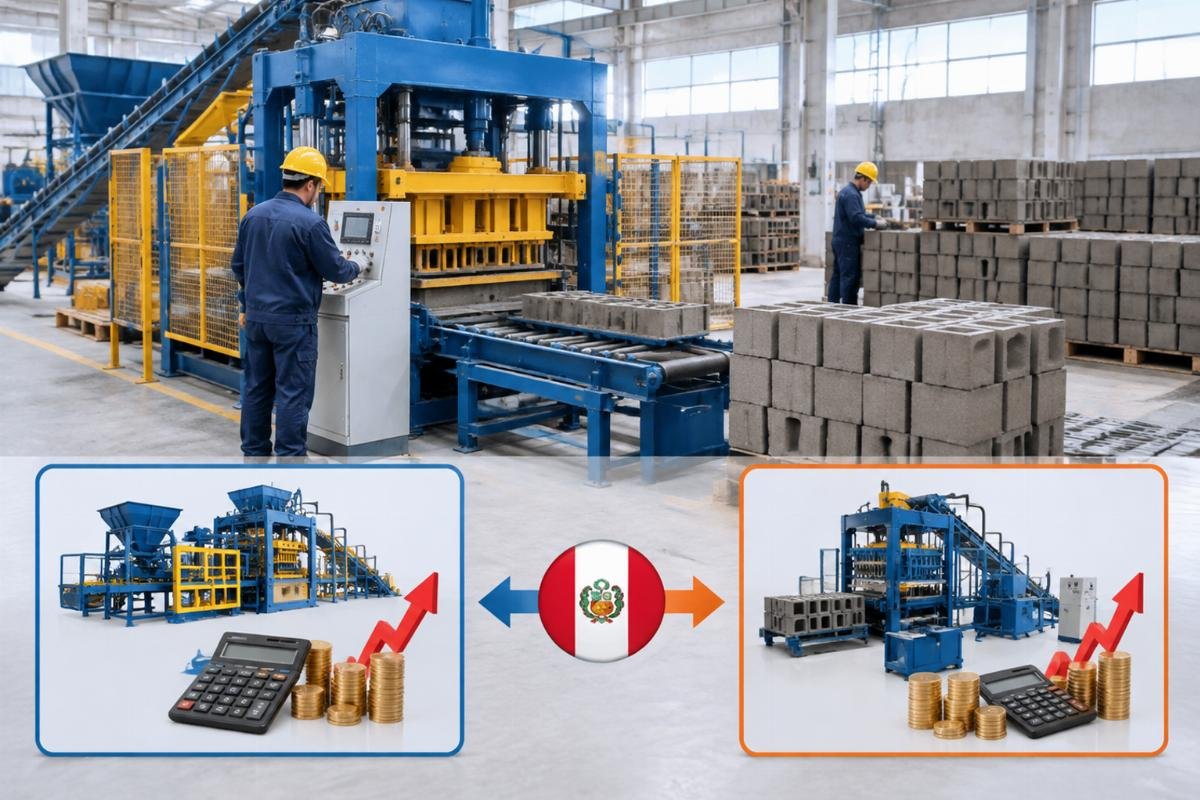
Understanding the nuance of customs classification is essential for anyone sourcing a Peru import duty concrete block machine. The initial quote from the manufacturer is only one component of the investment. The true cost emerges only after freight, insurance, port fees, and most importantly, duties and taxes are applied. Misclassification does not just increase costs; it invites audits, delays, and potential penalties.
Why Does HS Code Classification Matter for Your Block Machine?
Customs authorities do not view all machines as equal.
The Harmonized System (HS) code is the universal language of international trade. For a Peru import duty concrete block machine, the specific code determines the applicable duty rate. Many importers make the mistake of using broad categories for industrial machinery. However, concrete production equipment has its own distinct classifications.
When a machine is misclassified as general mechanical equipment, it often falls under a higher duty bracket. In contrast, machinery specifically designed for molding or pressing concrete blocks may qualify for lower rates, especially if sourced from a country with a trade agreement. The distinction lies in the primary function of the equipment. A QT series line is not just a collection of motors and hydraulics; it is a specialized system for producing masonry units.
| Classification Type | Typical HS Chapter Focus | Duty Implication | Documentation Requirement |
|---|---|---|---|
| General Industrial Machinery | Broad mechanical chapters | Standard Rate | Basic Commercial Invoice |
| Specific Concrete Machinery | Machinery for working stone/concrete | Preferential Rate (with FTA) | FORM R Certificate, Detailed Technical Specs |
Using the correct code ensures compliance and optimizes costs. It also speeds up clearance, as customs officers can quickly verify the nature of the goods against the declared purpose. A vague description leads to manual inspections and delays. A precise HS code, supported by technical manuals and photos, facilitates smoother processing. [NEED_CITE: World Customs Organization guidelines on HS classification principles]
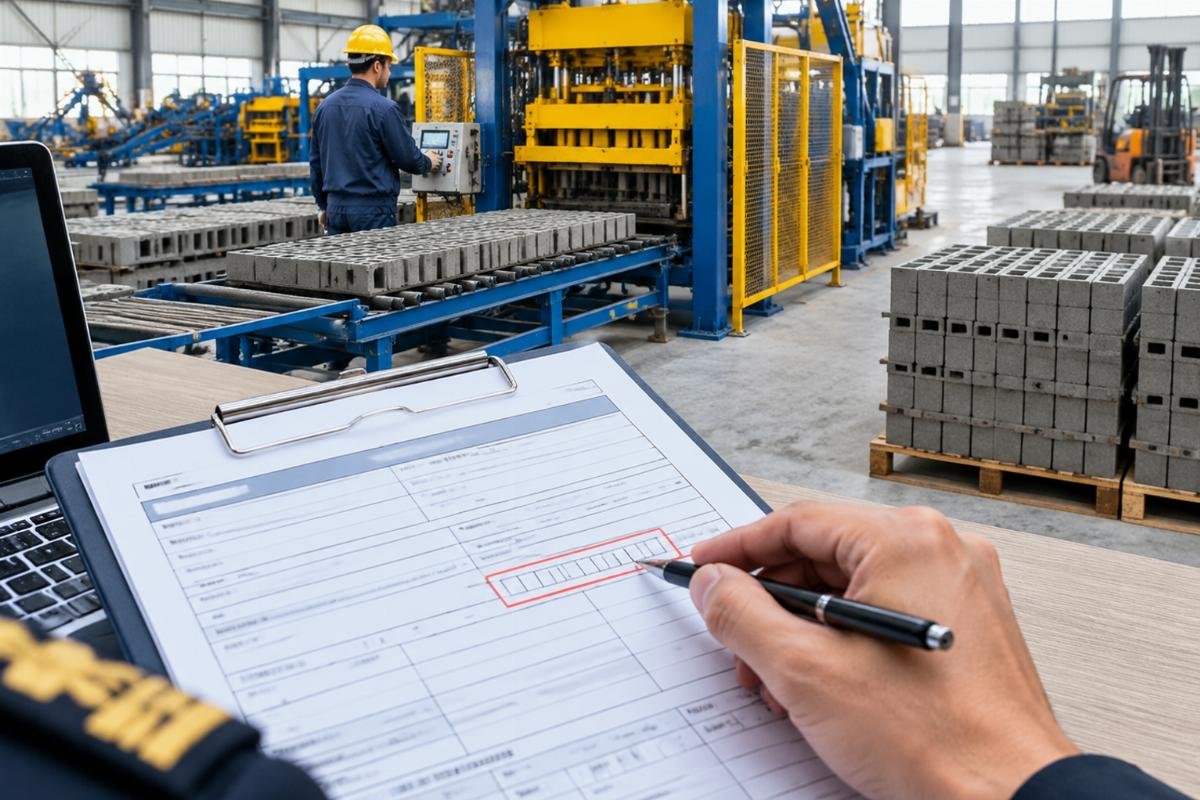
What Are the Current Import Duties for Concrete Machinery in Peru?
Tariff rates vary significantly based on origin and classification.
Peru applies different duty rates depending on the country of origin and the specific trade agreements in place. For imports from China, the China-Peru Free Trade Agreement (FTA) plays a pivotal role. Without this agreement, imports would be subject to the Most Favored Nation (MFN) rate, which can be substantial for heavy machinery. With the FTA, many items related to construction and infrastructure development benefit from reduced or zero tariffs.
However, these benefits are not automatic. They require proof of origin. The duty rate for a Peru import duty concrete block machine can drop noticeably when the proper certificates are presented. This reduction directly impacts the return on investment for plant owners. For private investors setting up new block manufacturing businesses, every percentage point saved in duty contributes to a faster payback period.
It is crucial to verify the current status of the tariff lines, as trade agreements undergo periodic reviews. Some components of a turnkey line, such as batching plants or palletizers, may have different codes than the main block making machine. A comprehensive analysis of the entire line is necessary to ensure all parts are classified correctly. [NEED_CITE: China-Peru FTA tariff elimination schedule]
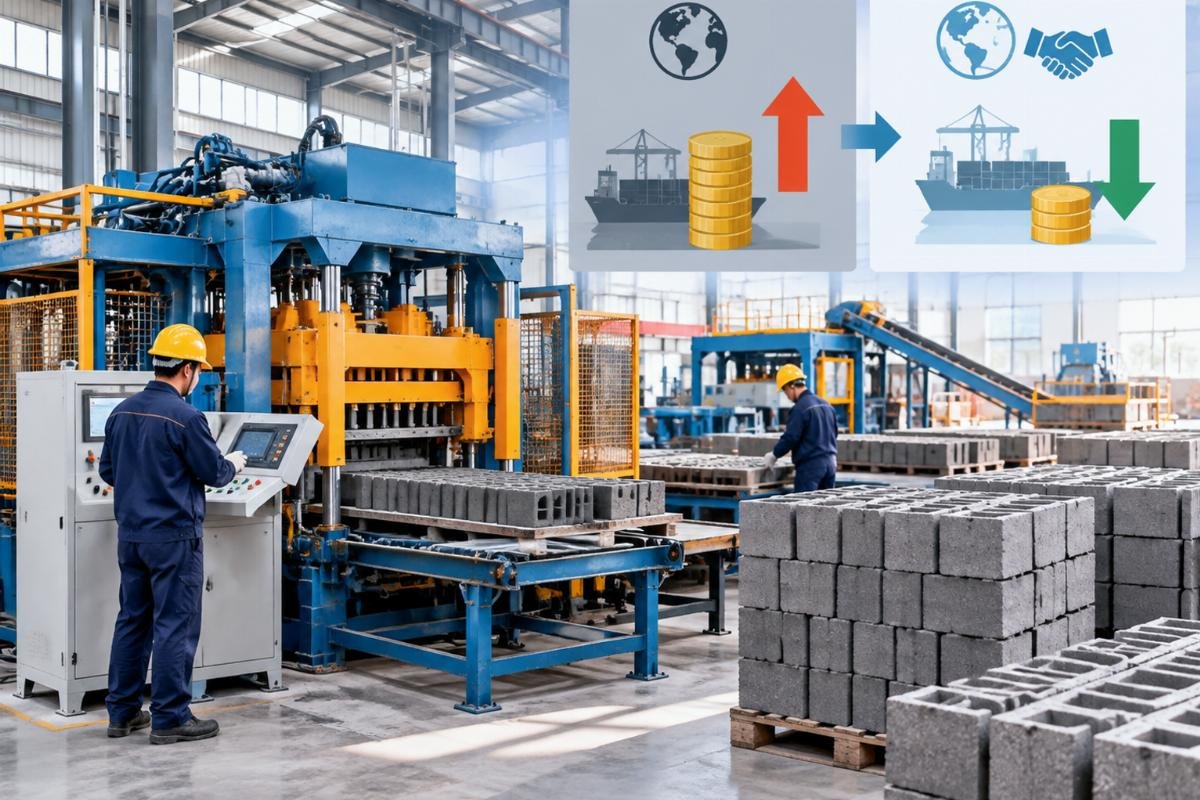
How to Use FORM R to Reduce Your Tax Burden?
The FORM R certificate is your key to preferential treatment.
To claim the reduced duty rates under the China-Peru FTA, importers must present a FORM R Certificate of Origin. This document certifies that the goods originate in China and meet the rules of origin specified in the agreement. For a Peru import duty concrete block machine, obtaining this certificate is a straightforward process if handled correctly from the start.
The application for FORM R must be made before or shortly after shipment. The exporter provides the necessary data, including the HS codes, invoice values, and a declaration of origin. The certificate must match the commercial invoice and packing list exactly. Any discrepancy, no matter how small, can lead to rejection by Peruvian customs.
Common errors include mismatched product descriptions or incorrect HS codes. For example, if the invoice lists "block making machine" but the FORM R uses a broader term, customs may question the validity. Consistency is vital. Additionally, the certificate must be issued by an authorized body in China. Using a reputable supplier who understands these requirements ensures that the documentation is accurate and accepted without delay. [NEED_CITE: Rules of Origin procedures under the China-Peru FTA]
Common Customs Pitfalls and How to Avoid Them?
Documentation errors are the primary cause of clearance delays.
Even with the correct HS code and FORM R certificate, issues can arise during customs clearance. One common pitfall is incomplete technical documentation. Customs officers may request detailed manuals, photos, or diagrams to verify the function of the machine. If these are not available, the clearance process stalls.
Another risk involves valuation. Customs authorities may challenge the declared value if it seems unusually low compared to market prices. Providing a detailed breakdown of costs, including separate values for machinery, spare parts, and training services, can help justify the declared amount. It is also important to work with a experienced customs broker in Callao who specializes in industrial equipment. A general broker may not understand the nuances of concrete machinery.
For a Peru import duty concrete block machine, ensuring that all documents are consistent and complete is essential. This includes the bill of lading, commercial invoice, packing list, insurance certificate, and FORM R. Double-checking these documents before shipment prevents costly delays and storage fees at the port. [NEED_CITE: Best practices for customs clearance of industrial machinery in Peru]
Calculating True Landed Cost for Your Investment?
Total cost extends far beyond the factory gate.
Calculating the true landed cost is critical for budgeting and ROI analysis. Many buyers focus solely on the FOB price, neglecting the additional costs incurred during shipping and clearance. For a Peru import duty concrete block machine, the landed cost includes freight, insurance, import duty, VAT, port handling fees, and broker fees.
VAT in Peru is applied to the CIF value plus the duty. This means that a higher duty rate results in a higher VAT payment, compounding the cost impact. Therefore, reducing the duty through correct classification and FORM R usage has a dual benefit. It lowers the duty itself and reduces the base for VAT calculation.
Investors should create a detailed spreadsheet that accounts for all these elements. This provides a realistic view of the total investment required. It also helps in comparing offers from different suppliers. A slightly higher FOB price from a supplier who provides complete documentation support and DDP options may result in a lower total landed cost than a cheaper FOB price with hidden clearance risks. [NEED_CITE: Methodology for calculating landed cost in international trade]
Conclusion
Accuracy in classification drives profitability.
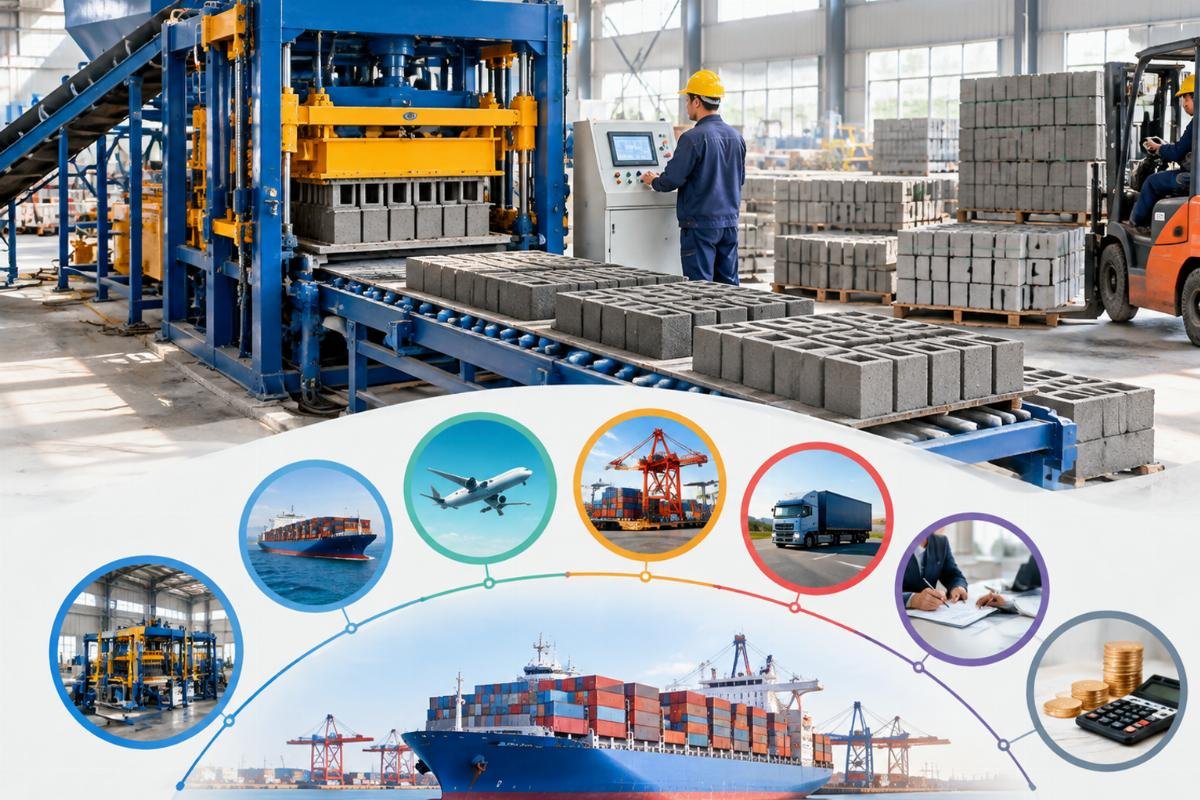
Importing a concrete block machine into Peru requires careful attention to HS codes, trade agreements, and documentation. By leveraging the China-Peru FTA and securing a FORM R certificate, importers can significantly reduce duties and avoid unnecessary costs. Proper planning and professional support ensure a smooth clearance process and a stronger return on investment. Understanding these details transforms a complex logistical challenge into a manageable and profitable business decision.
Leave a Reply